

ماذا يشمل
- Accés sense cues
- Guia
- Visita guiada
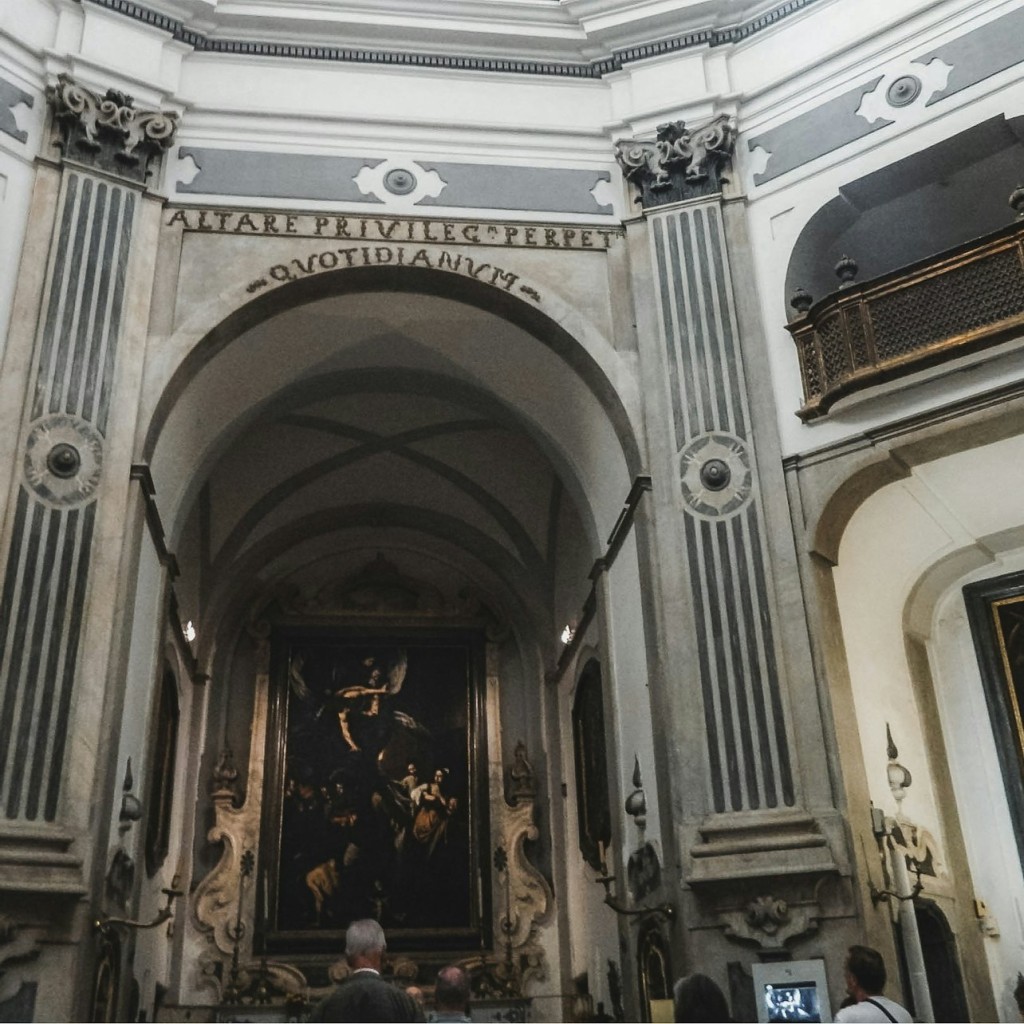
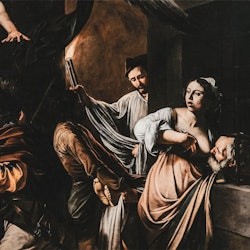
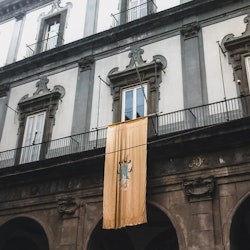
استكشف الروعة البصرية لبيو مونتي ديلا ميسيريكورديا من خلال هذه الصور الآسرة، التي تعرض عظمتها المعمارية وروائعها الفنية.
يقف بيو مونتي ديلا ميسريكورديا شاهداً عميقاً على الفن والتاريخ والأعمال الخيرية النابولية. يقع هذا الصرح التاريخي في قلب نابولي النابض، وهو أكثر بكثير من مجرد كنيسة ومتحف؛ إنه نصب حي لقرون من العمل الخيري والرعاية الفنية. كنزه الأكثر شهرة هو لوحة كارافاجيو الأيقونية، "الأعمال السبعة للرحمة"، وهي تحفة باروكية خلابة تجسد جوهر المحبة المسيحية بواقعية درامية. يمكن للزوار الانغماس في مجموعة غنية من الفن النابولي من القرنين السابع عشر إلى التاسع عشر، والموجودة ضمن بيئة معمارية رائعة. اختبر رحلة عبر الفن والتعاطف، واكتشف الإرث العميق لبيو مونتي ديلا ميسريكورديا.
نظرًا لأن بيو مونتي ديلا ميسيريكورديا يتضمن مساحة مقدسة، يوصى بارتداء ملابس محتشمة احترامًا للمكان. يجب على الزوار التأكد من تغطية أكتافهم وركبهم. تجنب الملابس الكاشفة بشكل مفرط. على الرغم من عدم وجود قواعد لباس رسمية صارمة، إلا أن ارتداء الملابس المحترمة يحظى بالتقدير دائمًا في المواقع الدينية والثقافية في جميع أنحاء إيطاليا.
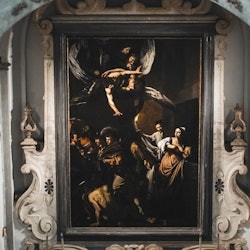
يُعد بيو مونتي ديلا ميسريكورديا مؤسسة مرموقة في نابولي، تأسست عام 1601 على يد سبعة شبان نبلاء من نابولي كرسوا أنفسهم لخدمة المحتاجين. على مدى أربعة قرون، حافظت المؤسسة على التزامها بالأعمال الخيرية، مجسدة روح الإيثار المتأصلة بعمق في نسيج المدينة. يضم المجمع كنيسة رائعة، كرست عام 1671، ومعرض صور مجاور. وتُعد لوحة مذبح كارافاجيو الضخمة، "الأعمال السبعة للرحمة"، التي كلفت بها المؤسسة مباشرة عام 1606، بلا شك النقطة المحورية في الكنيسة. أحدث هذا العمل القوي ثورة في الرسم بفضل تباينه الضوئي الدرامي وتصويره الخام للصراع البشري والتعاطف. بالإضافة إلى كارافاجيو، تضم مجموعة المتحف مجموعة رائعة من فن الباروك النابولي، وتتميز بأعمال لوكا جيوردانو وماتيا بريتي وأندريا فاكارو وبرناردو كافالينو وغيرهم ممن شكلوا المشهد الفني لتلك الحقبة. عند استكشاف الغرف المحفوظة بدقة، يكتسب الزوار نظرة ثاقبة لتاريخ المؤسسة، وحوكمتها، والتأثير الاجتماعي العميق الذي أحدثته في نابولي. إنه مكان يتجاوز فيه الفن مجرد الجماليات، ليكون تذكيرًا دائمًا بقدرة البشرية على التعاطف والإحسان.
يوفر حجز تذاكر Pio Monte della Misericordia عبر الإنترنت العديد من المزايا لزيارة سلسة وممتعة. غالبًا ما يوفر الحجز عبر الإنترنت إمكانية تخطي قائمة الانتظار، مما يوفر لك وقتًا ثمينًا، خاصة خلال مواسم الذروة السياحية. يضمن دخولك في التاريخ والوقت المفضلين لديك، مما يمنع أي خيبة أمل. بالإضافة إلى ذلك، تعمل بعض الباقات المتاحة عبر الإنترنت، مثل خيارات "تذكرة تخطي قائمة الانتظار + جولة إرشادية"، على تعزيز فهمك للأعمال الفنية وتاريخ المؤسسة من خلال رؤى الخبراء. يسمح لك التخطيط المسبق بالحجز عبر الإنترنت بالتركيز فقط على الفن والتاريخ الرائعين عند الوصول، مما يضمن تجربة ثقافية سلسة في نابولي.
يعود تاريخ بيو مونتي ديلا ميزريكورديا إلى عام 1601، عندما أسس سبعة من النبلاء الشباب من نابولي هذه المؤسسة. مدفوعين بشعور عميق بالعمل الخيري المسيحي والرحمة تجاه فقراء المدينة ومرضاها، أنشأوا أخوية علمانية مكرسة لأداء "الأعمال السبع للرحمة" كما ورد في الأناجيل. بدأت المؤسسة عملها من كنيسة صغيرة، وسرعان ما نمت أهميتها وثروتها من خلال التبرعات والإدارة الدقيقة. بحلول منتصف القرن السابع عشر، أصبحت الحاجة إلى مساحة معمارية أكبر وأكثر ملاءمة واضحة، مما أدى إلى بناء الكنيسة والمجمع الحاليين. الكنيسة الباروكية الحالية، التي صممها فرانشيسكو أنطونيو بيتشياتي، كُرست عام 1671. منذا بدايتها، تبنت بيو مونتي الفن كوسيلة للتعبير عن مهمتها الخيرية والترويج لها. كانت أهم أعمالها الفنية هي لوحة كارافاجيو "الأعمال السبع للرحمة" عام 1606، وهي تحفة رائدة لا تزال مثبتة بشكل دائم فوق المذبح الرئيسي. على مر القرون، استمرت المؤسسة في جمع أعمال فنية مهمة لفنانين نابوليين بارزين، مما حولها إلى مستودع حيوي للتراث الفني للمنطقة مع عدم التخلي أبدًا عن أهدافها الخيرية الأصلية. اليوم، تقف المؤسسة كمثال فريد على كيفية ترابط الفن والتاريخ والرعاية الاجتماعية واستمرارها.
يستقبل بيو مونتي ديلا ميزريكورديا الزوار عادةً في معظم أيام الأسبوع، بساعات عمل عامة من الصباح حتى وقت متأخر من بعد الظهر. ومع ذلك، يمكن أن تتغير أوقات الفتح والإغلاق المحددة بناءً على الموسم أو العطلات أو الفعاليات الخاصة. من الشائع للمؤسسات الثقافية في إيطاليا أن تكون لديها ساعات عمل مخفضة في أيام معينة أو أن تكون مغلقة في العطلات الرسمية. يجب على الزوار التخطيط لزيارتهم وفقًا لذلك وتخصيص وقت كافٍ لتجربة كل من الكنيسة ومعرض الفنون.
للاستمتاع الكامل بالجو الهادئ وتقدير الأعمال الفنية دون الشعور بالاندفاع، فإن أفضل وقت لزيارة بيو مونتي ديلا ميزريكورديا هو خلال الفترات الأكثر هدوءًا. عادةً ما تكون صباح أيام الأسبوع، بعد الافتتاح بوقت قصير، أو أواخر بعد الظهر، قبل ساعة أو ساعتين من الإغلاق، أقل ازدحامًا. يمكن أن يؤدي تجنب عطلات نهاية الأسبوع والعطلات الرسمية، خاصة خلال مواسم الذروة السياحية مثل الربيع والخريف، إلى تحسين تجربتك بشكل كبير. تسمح الزيارة خلال هذه الأوقات خارج الذروة بمشاهدة أكثر حميمية لتحفة كارافاجيو والمجموعات الرائعة الأخرى.
داخل بيو مونتي ديلا ميزريكورديا، عامل الجذب الرئيسي هو بلا شك الكنيسة، التي تضم لوحة كارافاجيو "الأعمال السبع للرحمة". تهيمن هذه اللوحة الزيتية الضخمة على المذبح الرئيسي، حيث تضيء أضواؤها وظلالها الدرامية السرد القوي للعمل الخيري. حول المذبح المركزي، ستجد ست لوحات أخرى على المذابح الجانبية لفنانين باروكيين نابوليين مهمين مثل فابريزيو سانتافيدي وجيوفاني باتيستا كاراتشيولو، وكلها تصور أعمال رحمة فردية. اصعد إلى معرض الصور، الواقع في الغرف فوق الكنيسة، لاكتشاف مجموعة واسعة من اللوحات والمنحوتات والأشياء الثمينة. يعرض هذا المعرض أعمالًا لفنانين كبار مثل لوكا جيوردانو، وماتيا بريتي، وأندريا فاكارو، وبرناردو كافالينو، مما يقدم نظرة شاملة على الفن النابولي من القرن السابع عشر إلى القرن التاسع عشر. استكشف غرف الحكم التاريخية والأرشيفات للحصول على فهم أعمق للمهمة الخيرية للمؤسسة وإرثها الدائم.
عند التخطيط لزيارتك إلى بيو مونتي ديلا ميسيريكورديا، فكر في شراء التذاكر مسبقًا، خاصة إذا كنت مهتمًا بجولة إرشادية لاكتساب رؤى أعمق. يقع المكان في المركز التاريخي، لذا يوصى بارتداء أحذية مريحة للمشي حيث من المحتمل أن تستكشف المنطقة المحيطة سيرًا على الأقدام. يُسمح عمومًا بالتصوير الفوتوغرافي بدون فلاش في المناطق المخصصة، ولكن كن دائمًا محترمًا للزوار الآخرين والطبيعة المقدسة للكنيسة. يضم المتحف عدة طوابق، لذا استعد للدرج، على الرغم من أن خيارات الوصول قد تكون متاحة. غالبًا ما توجد مرافق مثل دورات المياه في الموقع. خصص وقتًا كافيًا لاستيعاب تفاصيل الفن والسياق التاريخي الفريد.
يُتوقع من الزوار الحفاظ على سلوك محترم داخل بيو مونتي ديلا ميسيريكورديا، حيث إنه متحف ومكان عبادة في آن واحد. يرجى التزام الصمت في مناطق الكنيسة وتجنب المحادثات الصاخبة. لا يُسمح بتناول الطعام والمشروبات بشكل عام داخل مساحات العرض. قد تحتاج الحقائب الكبيرة وحقائب الظهر إلى تخزينها في خزائن أو غرف حفظ الملابس المخصصة لأغراض الأمن والحفظ. يُمنع منعًا باتًا لمس الأعمال الفنية أو الاتكاء على واجهات العرض. اتبع تعليمات الموظفين واحترم أي لافتات خاصة بالتصوير الفوتوغرافي أو المناطق المحظورة.
يستحق بيو مونتي ديلا ميسيريكورديا الزيارة بلا شك لأي شخص لديه اهتمام بالفن والتاريخ والثقافة النابولية. يكمن جاذبيته الرئيسية في فرصة الوقوف أمام تحفة كارافاجيو "الأعمال السبعة للرحمة"، وهي تحفة فنية مليئة بالعواطف مثبتة بشكل دائم في مكانها الأصلي. بعيدًا عن هذه اللوحة الأيقونية، تقدم المؤسسة رحلة شاملة عبر الباروك النابولي، وتعرض أعمال فنانين مهمين آخرين. كما أنها تقدم لمحة فريدة عن الدور التاريخي للمؤسسات الخيرية في تشكيل المدينة. إن الجمع بين كنوزها الفنية وجمالها المعماري وتاريخها الخيري العميق يجعلها تجربة غنية لا تُنسى حقًا في نابولي.
عامل الجذب الأساسي هو تحفة كارافاجيو، "الأعمال السبعة للرحمة"، المعروضة بشكل دائم فوق المذبح الرئيسي في الكنيسة.
نعم، تضم المؤسسة مجموعة كبيرة من فن الباروك النابولي من القرنين السابع عشر والتاسع عشر، بما في ذلك أعمال لوكا جيوردانو وماتيا بريتي، في معرض الصور الخاص بها.
نعم، لقد حافظت على مهمتها الخيرية منذ تأسيسها عام 1601 وتواصل أعمالها الخيرية حتى اليوم.
يُسمح عمومًا بالتصوير الفوتوغرافي بدون فلاش في مناطق معينة، ولكن يجب دائمًا مراعاة الآخرين واحترام أي قيود منشورة أو تعليمات الموظفين.
يقضي معظم الزوار حوالي 1.5 إلى ساعتين في استكشاف الكنيسة والمعرض الفني.
في حين أن الطبيعة التاريخية للمبنى قد تمثل بعض التحديات، إلا أن بعض المناطق قد تحتوي على تسهيلات لذوي الاحتياجات الخاصة. يُنصح بالاستفسار عن إمكانية الوصول المحددة لأجزاء مختلفة من المجمع.
نظرًا لأنه موقع مقدس، يوصى بارتداء ملابس محتشمة تغطي الكتفين والركبتين.
يقع بيو مونتي ديلا ميزريكورديا في موقع ملائم في وسط نابولي ويمكن الوصول إليه بسهولة بواسطة وسائل النقل العام. يمكنك الوصول إليه عن طريق ركوب مترو الأنفاق الخط 1 إلى محطة دومو، والتي تبعد مسافة قصيرة سيرًا على الأقدام. بدلاً من ذلك، تخدم المنطقة العديد من خطوط الحافلات المحلية، مع محطات تقع على بعد مسافة قصيرة سيرًا على الأقدام من المكان. يعد المشي من المعالم المركزية الأخرى في نابولي، مثل كاتدرائية نابولي، خيارًا ممتعًا أيضًا، مما يتيح لك تجربة الشوارع النابضة بالحياة للمدينة التاريخية.
نظرًا لأن بيو مونتي ديلا ميسيريكورديا يتضمن مساحة مقدسة، يوصى بارتداء ملابس محتشمة احترامًا للمكان. يجب على الزوار التأكد من تغطية أكتافهم وركبهم. تجنب الملابس الكاشفة بشكل مفرط. على الرغم من عدم وجود قواعد لباس رسمية صارمة، إلا أن ارتداء الملابس المحترمة يحظى بالتقدير دائمًا في المواقع الدينية والثقافية في جميع أنحاء إيطاليا.