


ماذا يشمل
- Reiseleiter (Englisch)
- 3-stündiger geführter Rundgang zu Fuß
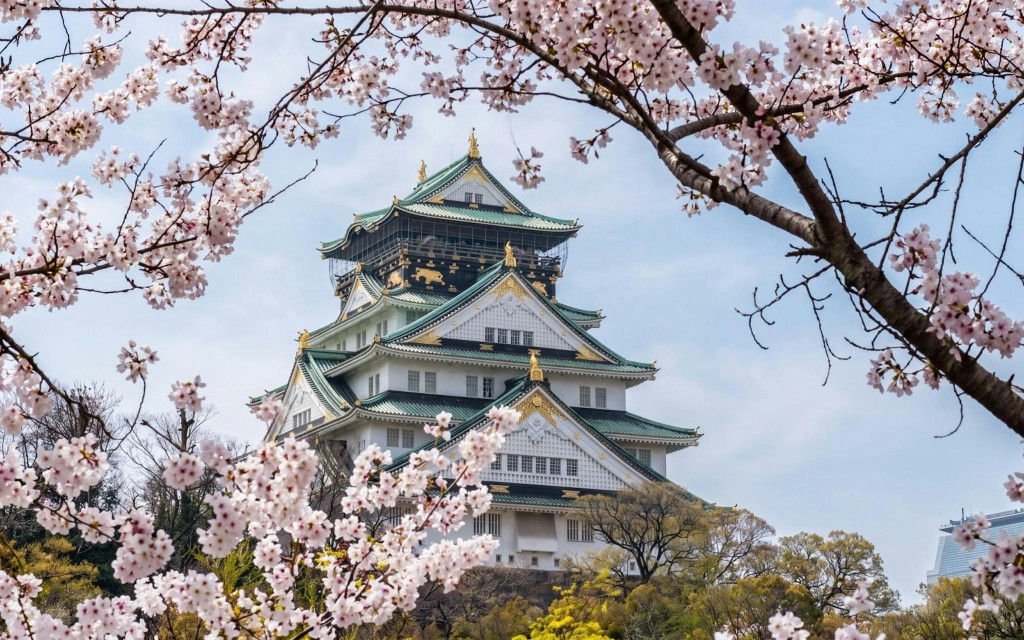
Discover Osaka Castle through these stunning photos, capturing its majestic architecture and beautiful surroundings.
The Osaka Castle stands as a symbol of the city's rich heritage, offering visitors a captivating blend of history and architectural grandeur. Built by the samurai Toyotomi Hideyoshi in the 16th century, the castle is viewed as a symbol of Japan's unification during that era. With its distinctive five-tier, eight-floor structure, which has been enhanced and reinforced over the years, it has borne witness to battles from the 1600s to World War II.
There is no specific dress code for visiting Osaka Castle. Comfortable clothing and shoes are recommended, as you'll be doing a fair amount of walking. Consider dressing in layers, as the temperature inside the castle may vary. During the warmer months, wear light and breathable clothing.
Begeben Sie sich auf einem dreistündigen geführten Rundgang mit fachkundigen Erläuterungen auf eine Reise durch die ereignisreiche Geschichte der Burg von Osaka.
Erste Schritte
Treffen Sie Ihren Reiseleiter am Ausgang des Bahnhofs JR Osakajō-kōen (mit Blick auf die Brücke); er ist an seinem TripGuru-T-Shirt oder einem Schild zu erkennen. Nach einer kurzen Einführung machen Sie sich auf den Weg zum Schloss, während Ihr Reiseleiter den historischen Hintergrund für die Tour erläutert.
Ihr Erlebnis
Burg von Osaka
Als Symbol für Osakas Vergangenheit ist die Burg von Osaka ein Zeugnis der Feudalzeit Japans und der Ambitionen von Toyotomi Hideyoshi. Die im späten 16. Jahrhundert erbaute Burg war Schauplatz legendärer Schlachten und Zeuge des Aufstiegs und Niedergangs von Shogunen, was sie zu einem Meilenstein der japanischen Geschichte macht.
Highlights
Museum der Burg von Osaka: Entdecken Sie Ausstellungen, die den Bau der Burg, historische Belagerungen und das Vermächtnis ihrer Herrscher beleuchten und Ihnen einen Einblick in die Samurai-Ära gewähren.
Aussichtsplattform: Genießen Sie den Panoramablick auf die Skyline von Osaka und das Burggelände, der sowohl den modernen Puls der Stadt als auch ihre geschichtsträchtige Vergangenheit offenbart.
Nishinomaru-Garten: Spazieren Sie durch einen ruhigen Garten, der für seine saisonale Landschaft bekannt ist.
Park der Burg von Osaka: Beobachten Sie das Leben der Einheimischen, während Sie durch den Park spazieren, wo die Anwohner joggen, Kampfsport betreiben und die historische Kulisse genießen.
Miraiza Osaka: Besuchen Sie ein restauriertes historisches Gebäude, in dem sich heute Geschäfte und kulturelle Einrichtungen befinden.
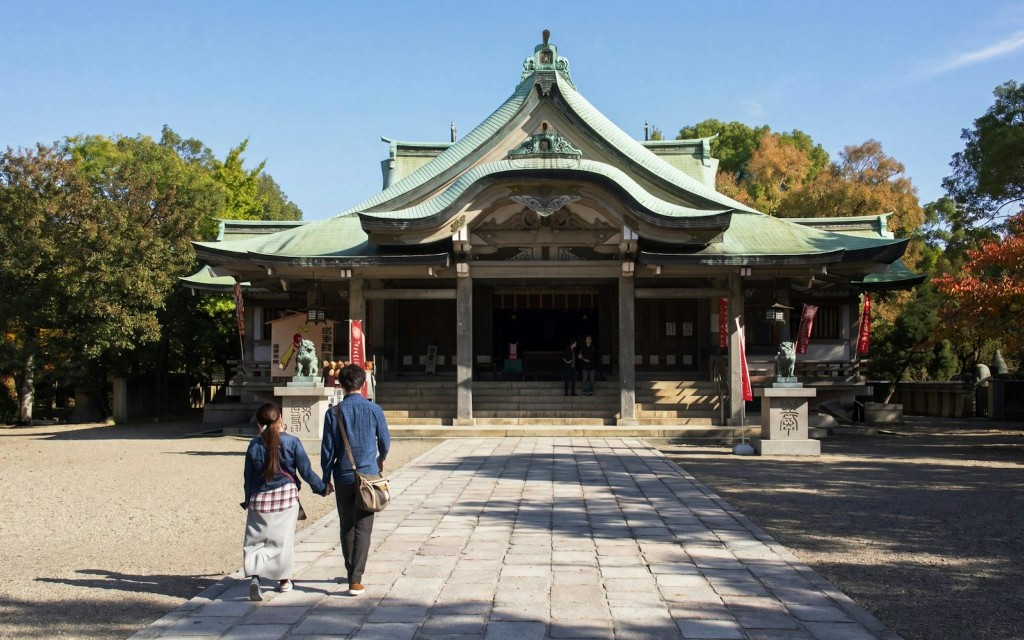
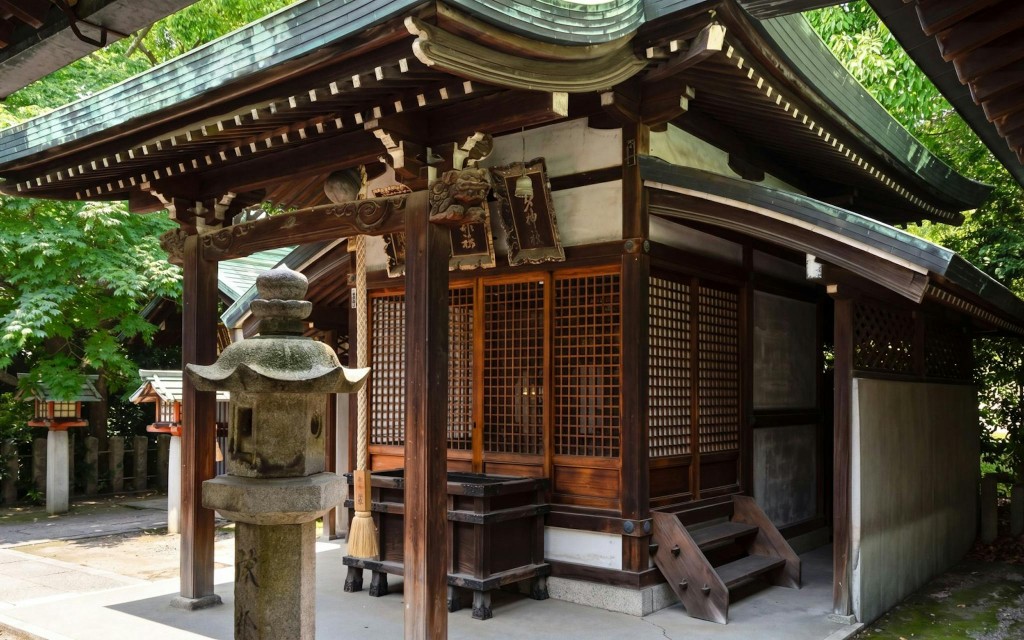
Hokoku-Schrein: Erfahren Sie mehr über den Toyotomi Hideyoshi gewidmeten Schrein, einer Schlüsselfigur bei der Vereinigung Japans und entdecken Sie dessen Bedeutung für das kulturelle Erbe der Stadt.
Bitte finden Sie sich mindestens 10 Minuten vor dem geplanten Beginn am Treffpunkt (Ausgang des JR-Bahnhofs Osakajō-kōen, mit Blick auf die Brücke) ein.
Führen Sie einen gültigen Lichtbildausweis mit sich und zeigen Sie ihn am Treffpunkt vor, falls Sie darum gebeten werden.
Kleiden Sie sich bei einem Besuch auf dem Gelände eines Schreins zurückhaltend und respektvoll. Vermeiden Sie zu freizügige oder zu legere Kleidung, wie beispielsweise Shorts oder Trägertops.
Planen Sie zusätzliche Reisezeit ein, da der morgendliche Verkehr unvorhersehbar sein kann.
Ihr Reiseleiter trägt ein TripGuru-Shirt oder hält ein TripGuru-Schild in der Hand.
Der Reiseleiter wartet bis zu 10 Minuten, bevor er die Tour fortsetzt.
Die Tour dauert etwa 3 Stunden und endet an der Haltestelle Tanimachi 4-chome.
Der Eintritt ins Museum der Burg von Osaka kostet 1.200 Yen; für Kinder bis einschließlich 15 Jahre ist der Eintritt frei.
Die Reiseroute und die Zeiten können je nach gewähltem Zeitfenster variieren.
The Osaka Castle stands as a symbol of the city's rich heritage, offering visitors a captivating blend of history and architectural grandeur. Built by the samurai Toyotomi Hideyoshi in the 16th century, the castle is viewed as a symbol of Japan's unification during that era. With its distinctive five-tier, eight-floor structure, which has been enhanced and reinforced over the years, it has borne witness to battles from the 1600s to World War II.
Booking your Osaka Castle tickets online offers a hassle-free experience, saving you time and ensuring entry. Online platforms often provide skip-the-line options, allowing you to bypass potential queues at the ticket counters. Secure your spot in advance, especially during peak seasons, and enjoy a seamless visit to this iconic landmark. Some online tickets also include access to special exhibitions or discounts.
The history of Osaka Castle dates back to 1583 when Toyotomi Hideyoshi began construction on what was intended to be the largest castle in Japan. After Hideyoshi's death, the castle became the site of a major battle between the Toyotomi and Tokugawa clans. The castle was destroyed in 1615, after the fall of the Toyotomi clan. The Tokugawa shogunate rebuilt Osaka Castle in the 1620s, but the main tower was struck by lightning and burned down in 1665. The current main keep was rebuilt in 1931, during the Showa era. Throughout its history, Osaka Castle has served as a symbol of power, resilience, and cultural heritage.
Osaka Castle is typically open from 9:00 AM to 5:00 PM, with the last entry at 4:30 PM. Hours may be extended during special events or festivals. The castle is usually closed from December 28 to January 1 for the New Year holidays. Always check the latest information before planning your visit.
The best times to visit Osaka Castle are during the spring (late March to May) and autumn (September to November). In spring, the castle park is adorned with cherry blossoms, creating a stunning backdrop. Autumn brings vibrant foliage, painting the landscape in warm colors. These seasons offer pleasant weather for strolling around the park and exploring the castle grounds. Weekday visits are recommended to avoid larger crowds.
Inside Osaka Castle, you'll find a museum spread across multiple floors, each offering a glimpse into the castle's history and the Toyotomi era. Exhibits include armor, weapons, historical documents, and artwork related to the castle and its founders. You can also see miniature replicas of the castle and the surrounding city as it once was. The top floor of the main keep features an observation deck, offering panoramic views of Osaka. Don't miss the golden tea room replica, which showcases the opulence of the era. The museum provides an engaging and educational experience, bringing the castle's past to life.
Consider purchasing the Osaka Amazing Pass for cost savings. Coin lockers are available near the entrance for storing luggage. Wheelchairs are available for rent, and elevators provide access to most floors of the main keep. Photography is allowed in most areas, but flash photography may be restricted in some exhibits. Free Wi-Fi is available in certain areas of the castle park.
Visitors are expected to follow general rules of etiquette. Smoking is prohibited inside the castle and in designated areas of the park. Food and drinks are generally not allowed inside the museum. Please refrain from touching the exhibits and maintain a respectful distance. Follow the instructions of the staff and any posted guidelines.
Osaka Castle is definitely worth visiting for its historical significance, architectural beauty, and cultural insights. It offers a unique opportunity to step back in time and learn about the rich history of Osaka and Japan. The panoramic views from the top of the castle are stunning. Whether you're interested in history, architecture, or simply want to enjoy a beautiful park, Osaka Castle provides a memorable experience.
The entry fee for Osaka Castle's main keep is approximately 600 yen for adults. Discounts are available for children and seniors.
Yes, Osaka Castle is partially wheelchair accessible. Elevators provide access to most floors of the main keep, but some areas may have limited accessibility.
Yes, there are several restaurants and cafes located within Osaka Castle Park, offering a variety of dining options.
Yes, photography is allowed in most areas of Osaka Castle, but flash photography may be restricted in some exhibits.
The walk from the nearest train station (Osakajokoen Station or Tanimachi 4-chome Station) to Osaka Castle takes approximately 15-20 minutes.
Guided tours may be available, but it's best to check with the Osaka Castle visitor center for current offerings and schedules.
Yes, there are parking facilities available near Osaka Castle, but they can be crowded, especially during peak seasons.
Large luggage is not allowed inside the main keep. Coin lockers are available near the entrance for storing your belongings.
The closest station to Osaka Castle is Osakajokoen Station on the JR Loop Line. From there, it's about a 15-20 minute walk to the castle. Alternatively, you can take the Osaka Metro to Tanimachi 4-chome Station and walk about 15-20 minutes. Several bus routes also serve the area around Osaka Castle Park.
There is no specific dress code for visiting Osaka Castle. Comfortable clothing and shoes are recommended, as you'll be doing a fair amount of walking. Consider dressing in layers, as the temperature inside the castle may vary. During the warmer months, wear light and breathable clothing.