



What's Included
- Entry ticket
- Live guide
- Guided walking tour
Explore the Acropolis of Athens through these stunning photos, capturing its timeless beauty and historical significance.
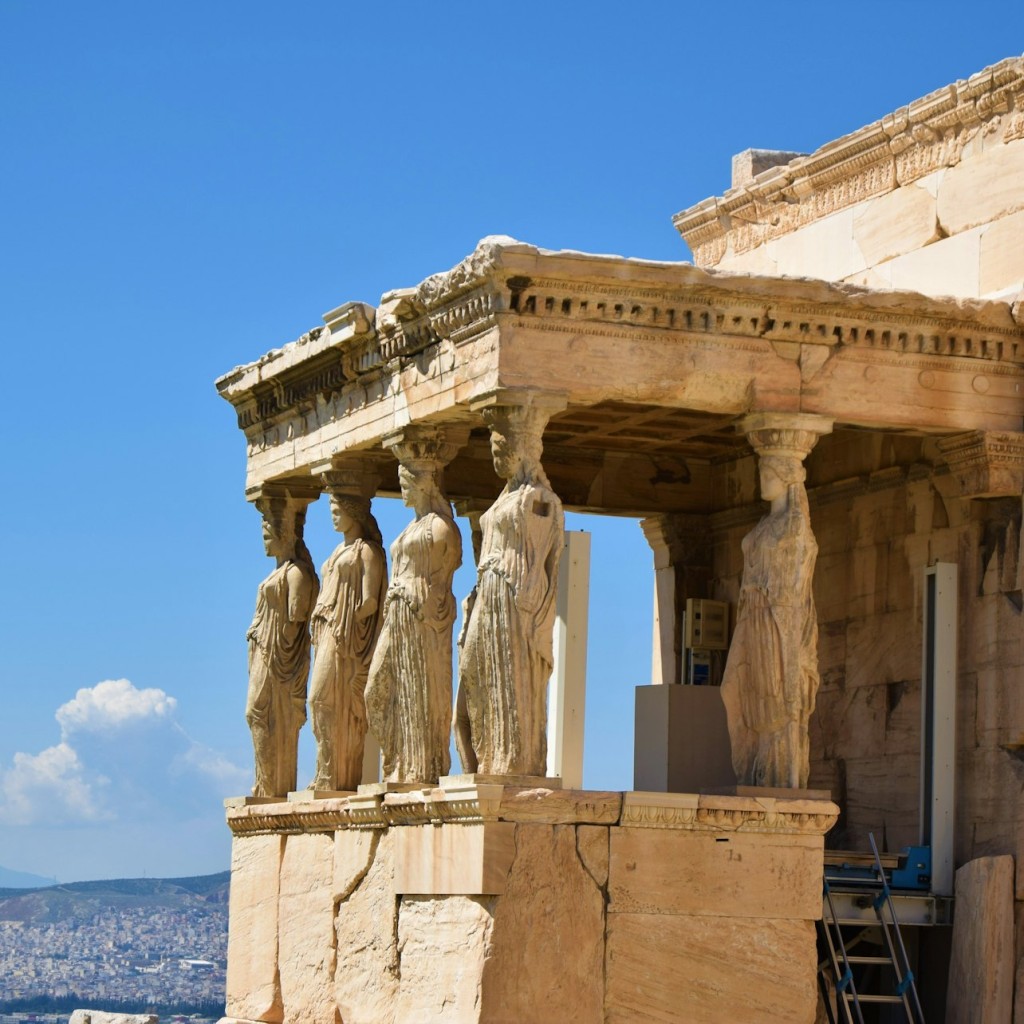
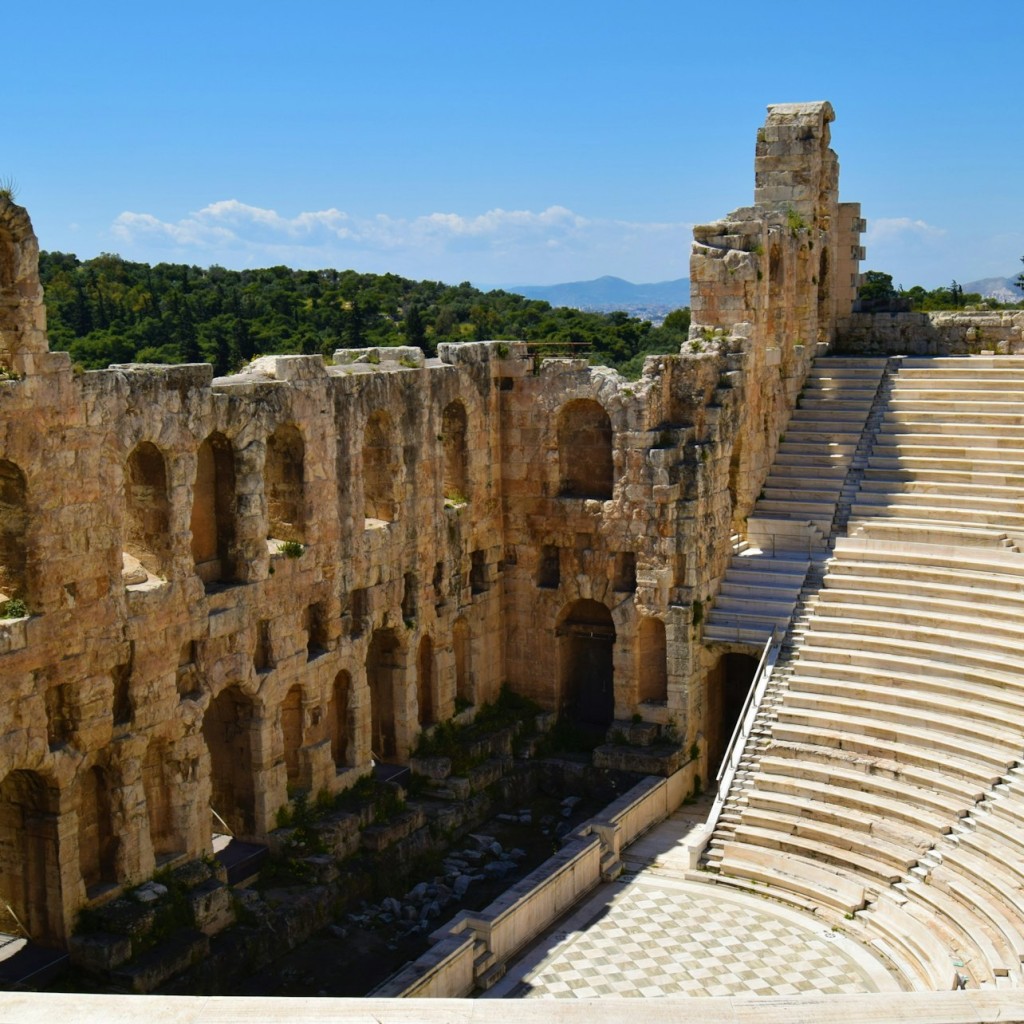
The Acropolis of Athens, a UNESCO World Heritage Site, is an ancient citadel perched high above the city of Athens, Greece. This iconic landmark is a testament to the ingenuity and artistic prowess of ancient Greek civilization. Rising majestically above the modern cityscape, the Acropolis evokes a sense of awe and wonder, transporting visitors back in time to the golden age of Greece. Explore the monumental gateway of the Propylaea, the elegant Temple of Athena Nike, and the legendary Parthenon, a symbol of Athenian democracy and architectural perfection. A visit to the Acropolis is an unforgettable journey through history, art, and philosophy, offering breathtaking panoramic views of Athens.
The Acropolis of Athens stands as a timeless symbol of classical Greece, representing the zenith of ancient Athenian power and culture. More than just a collection of temples and ruins, the Acropolis served as a sacred precinct dedicated to the city's patron goddess, Athena, and other important deities. Its structures embody the ideals of harmony, balance, and proportion that defined classical Greek architecture and thought.
The Acropolis also functioned as a treasury, storing valuable artifacts and serving as a center for religious and cultural festivals. Today, the Acropolis continues to inspire visitors with its grandeur and historical significance, offering a glimpse into the world of ancient Greece. In recent years, the Acropolis has welcomed millions of visitors annually, drawn to its enduring legacy.
The history of the Acropolis of Athens stretches back to the Neolithic period, with evidence of early settlements found on its slopes. However, it was during the Mycenaean era (c. 1600-1100 BC) that the Acropolis began to take shape as a fortified citadel. In the 5th century BC, under the leadership of Pericles, the Acropolis underwent a major transformation, with the construction of iconic structures such as the Parthenon, the Propylaea, the Erechtheion, and the Temple of Athena Nike. These buildings were not only religious centers but also symbols of Athenian power and cultural achievement. Throughout its history, the Acropolis has served as a fortress, a religious sanctuary, and a symbol of Greek identity, enduring numerous wars, sieges, and occupations. Today, the Acropolis stands as a UNESCO World Heritage Site, attracting millions of visitors each year who come to admire its architectural marvels and learn about its rich history.
The Acropolis of Athens generally opens around 8:00 AM and closes around 5:00 PM, but these hours can fluctuate based on the time of year. During peak tourist season or special events, hours may be extended. It's always recommended to check the official website for the most current and specific opening hours before planning your visit to ensure you have the most accurate information.
The best time to visit the Acropolis of Athens is during the shoulder seasons (April-May and September-October). The weather is mild and comfortable, and the crowds are smaller compared to the peak summer months. Arriving early in the morning, shortly after opening, can also help you avoid the midday heat and the busiest times.
Before booking your Acropolis of Athens tickets, keep the following in mind:
Visitors to the Acropolis of Athens are expected to adhere to certain rules to preserve the site's integrity and ensure a pleasant experience for all. These generally include:
The Acropolis of Athens is more than just a collection of ancient stones; it's a journey into the heart of Western civilization. Standing atop this ancient citadel, you'll feel a connection to the past, a sense of awe at the architectural achievements of the ancient Greeks, and a deep appreciation for the ideals of democracy, philosophy, and art that were born here. The panoramic views of Athens are breathtaking, offering a unique perspective on the city's vibrant present and rich history. Whether you're a history buff, an art enthusiast, or simply a curious traveler, a visit to the Acropolis is an experience that will stay with you long after you leave.
You can book Acropolis of Athens tickets online through our website for a guaranteed entry and potential discounts.
The best place to book Acropolis of Athens tickets is on our website, where you can find verified tickets and special deals.
Yes, it is highly recommended to book Acropolis of Athens tickets in advance to avoid long queues and ensure entry, especially during peak season. Book your tickets on our website for a hassle-free experience.
Acropolis of Athens tickets typically include access to the main Acropolis site, including the Parthenon, Propylaea, Temple of Athena Nike, and Erechtheion. Check our website for specific ticket details.
The average visit duration for the Acropolis of Athens is between 2 to 3 hours, allowing you to explore the main attractions at a comfortable pace.
The best time to visit the Acropolis of Athens to avoid crowds is during the shoulder seasons (April-May and September-October) or early in the morning.
Yes, there are restrictions on what you can bring to the Acropolis of Athens. Food and drinks are generally not allowed inside the monuments, and smoking is prohibited throughout the site.
There is no strict dress code for visiting the Acropolis of Athens, but it is recommended to dress respectfully, especially if you plan to visit any religious sites within the complex.
The Acropolis of Athens has limited accessibility for people with disabilities due to the uneven terrain and stairs. However, there is a lift available for those with mobility issues; you may need to arrange this in advance.
Yes, photography is allowed at the Acropolis of Athens, but flash photography may be restricted in some areas. Be sure to check with site staff for any specific rules or guidelines.
The Acropolis is located at Acropolis, Athens 105 85, Greece. The easiest way to reach the Acropolis is by taking the Athens Metro to the 'Acropolis' station (Line 2). From there, it's a short, signposted walk to the entrance. Alternatively, numerous buses and taxis serve the area.