What's Included
- Entry to all main halls
- Entry to Treasure Gallery
- Entry to Clock Gallery [as per option selected]
- Entry to open courtyards [as per option selected]
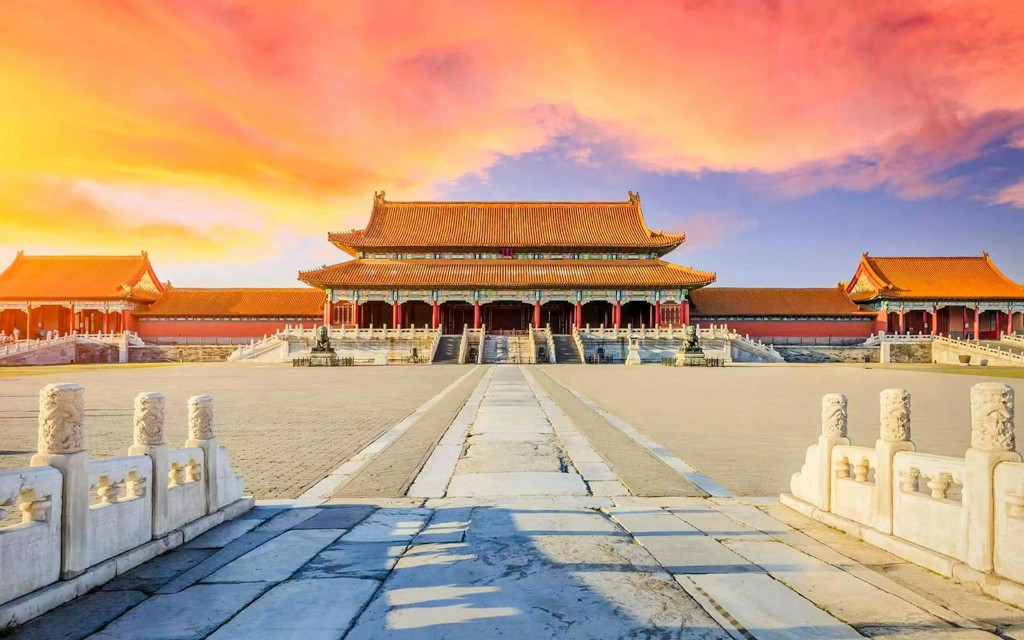
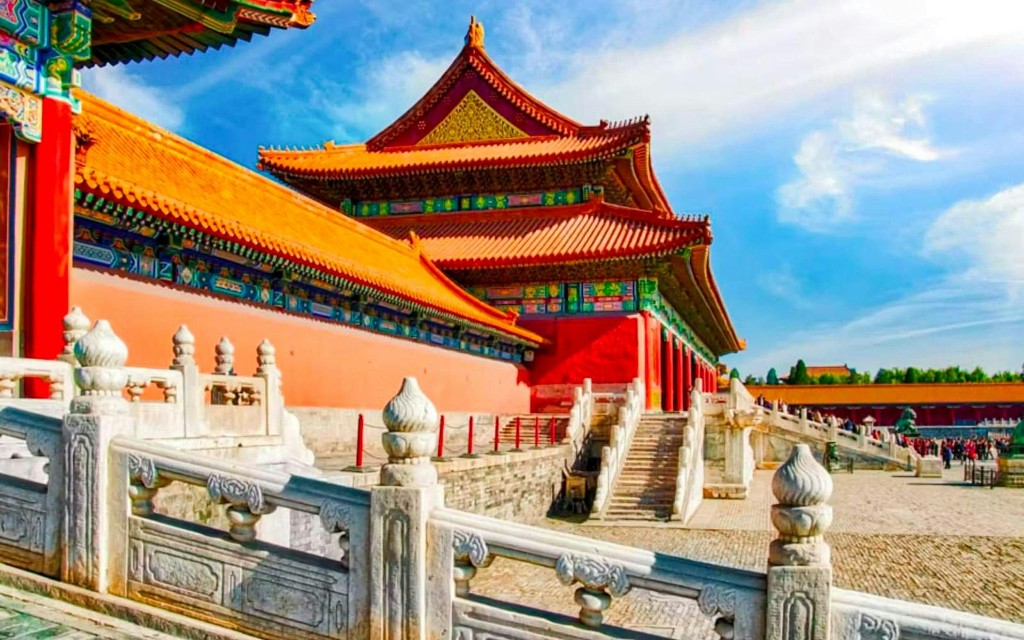
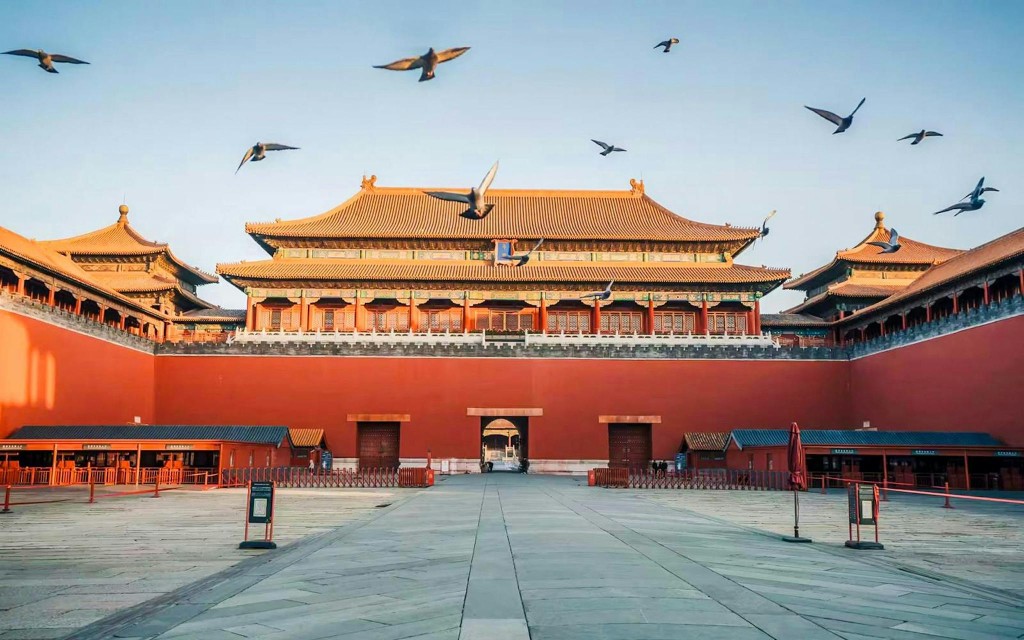
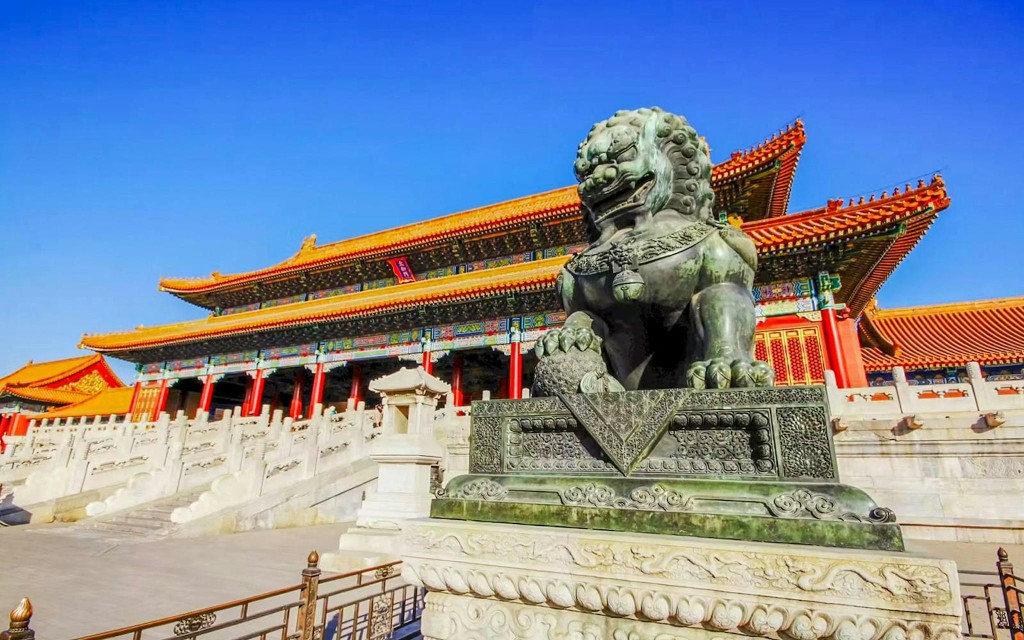
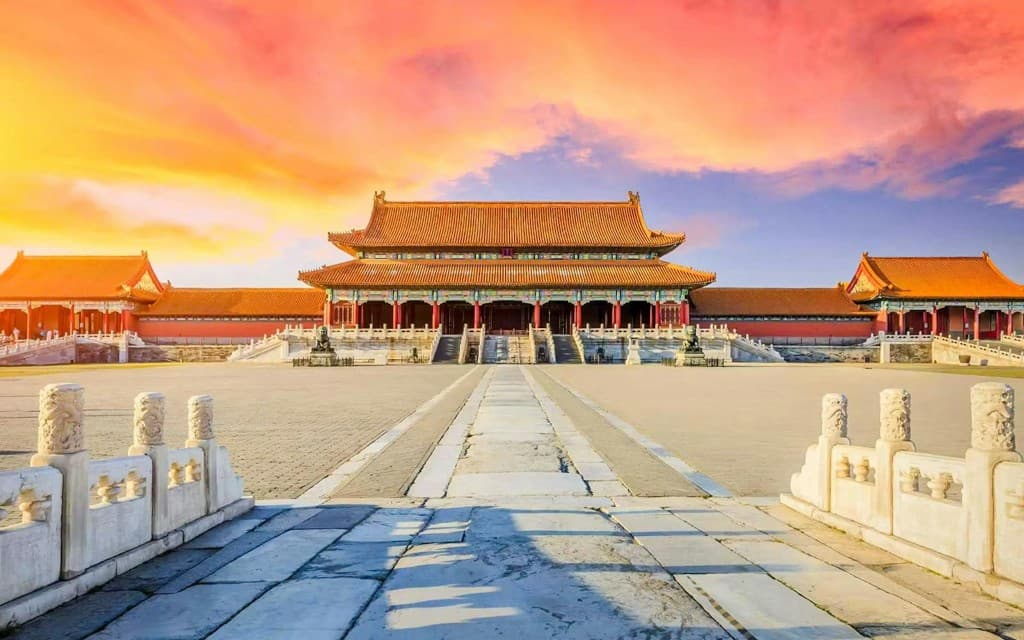
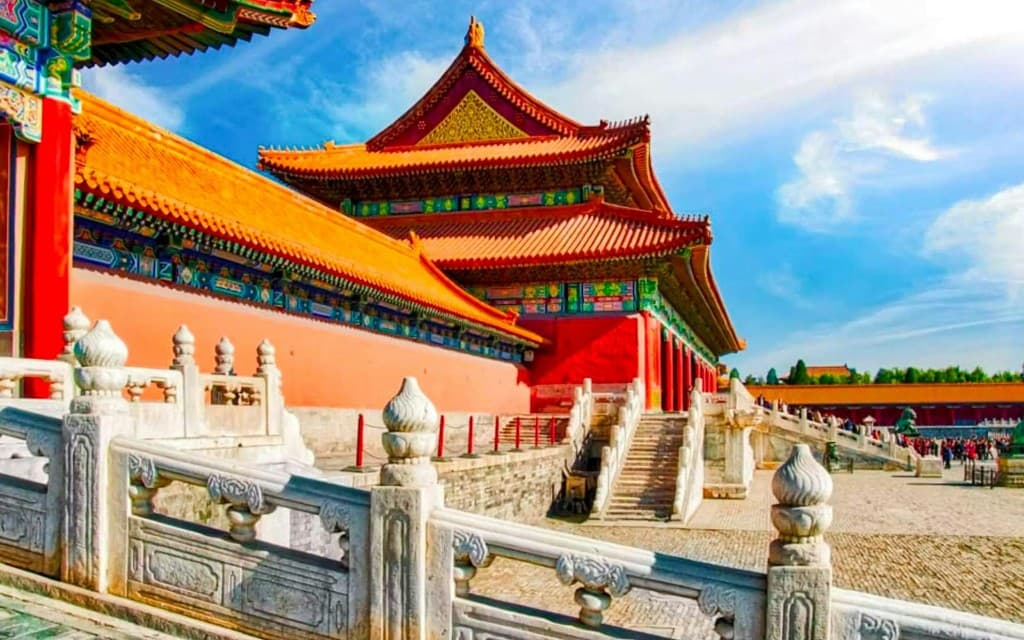
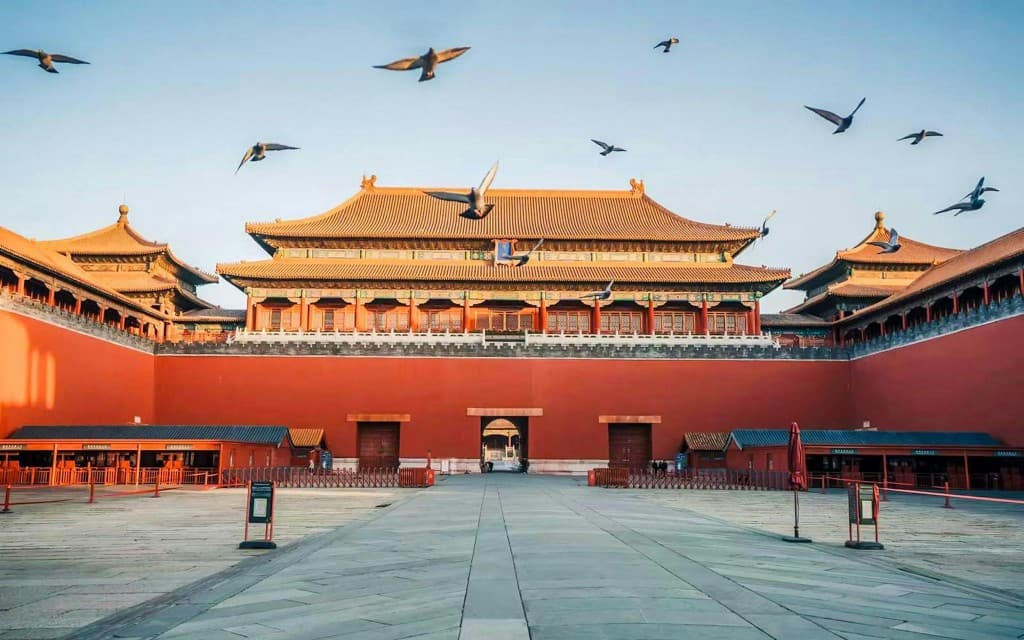
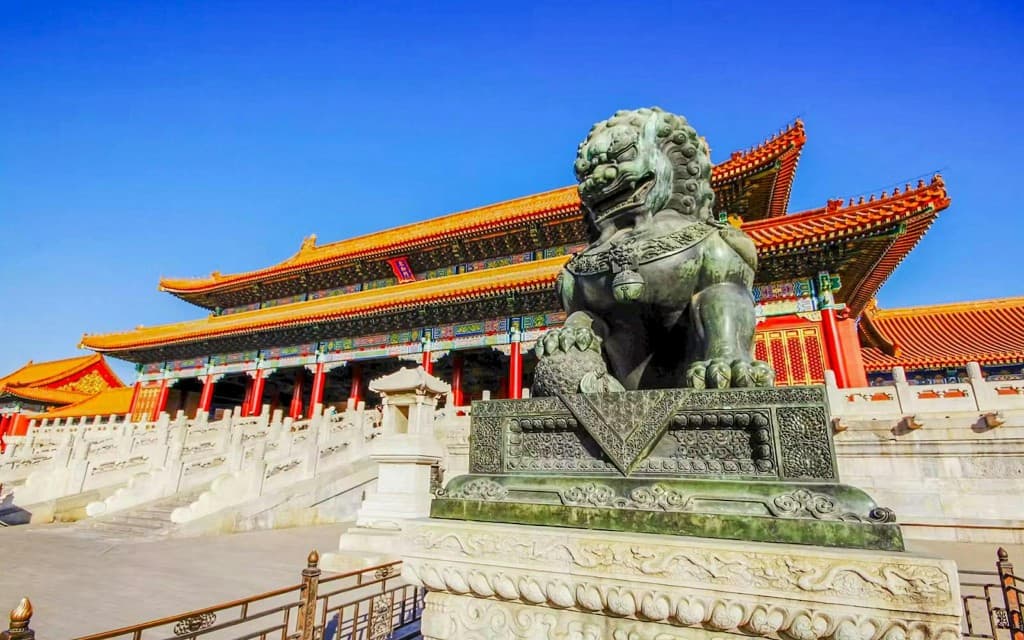
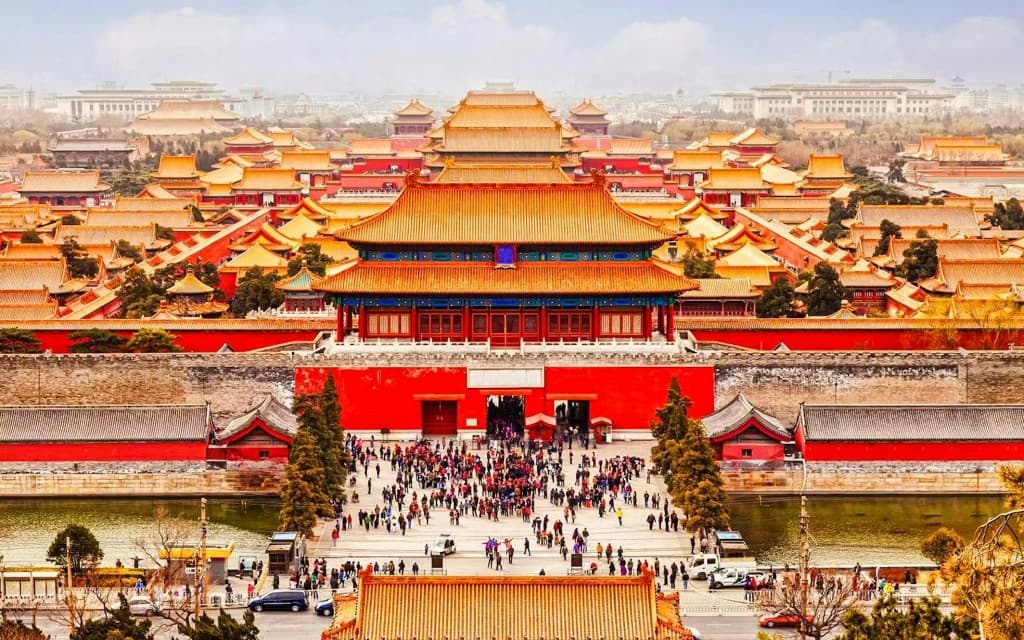
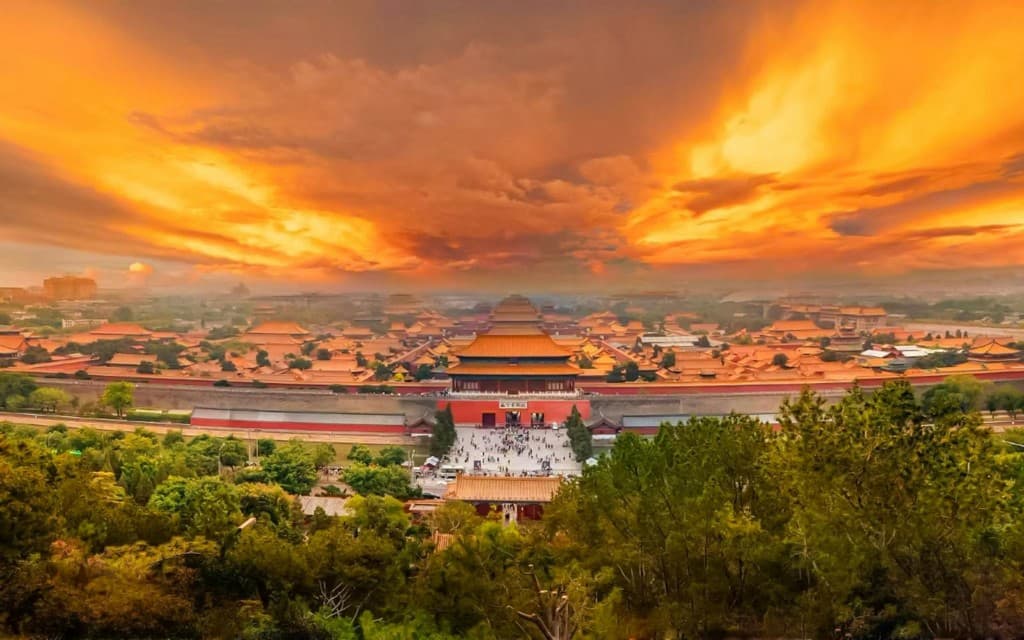
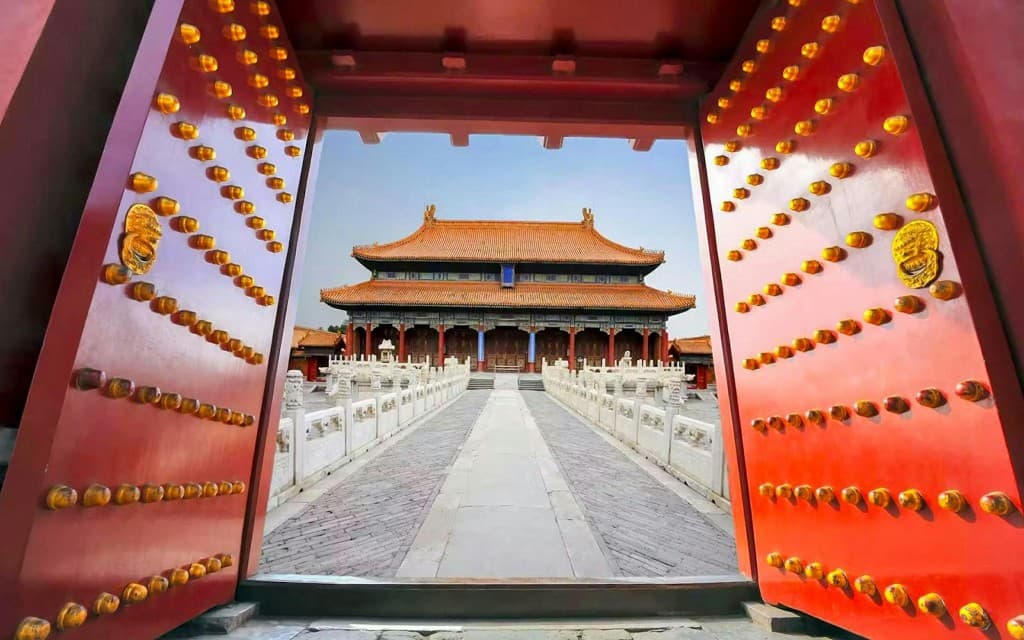
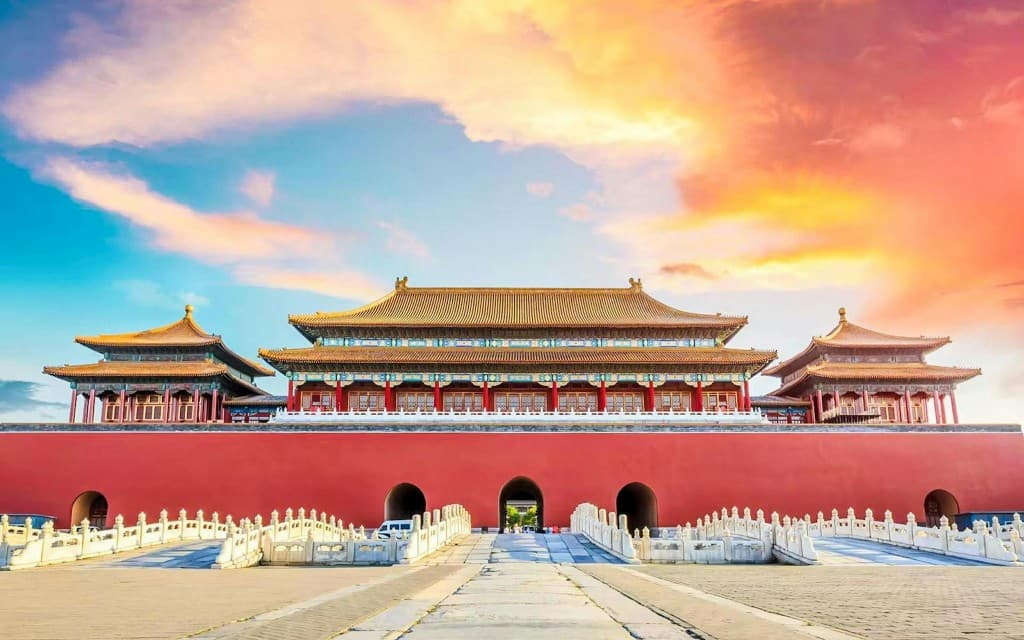
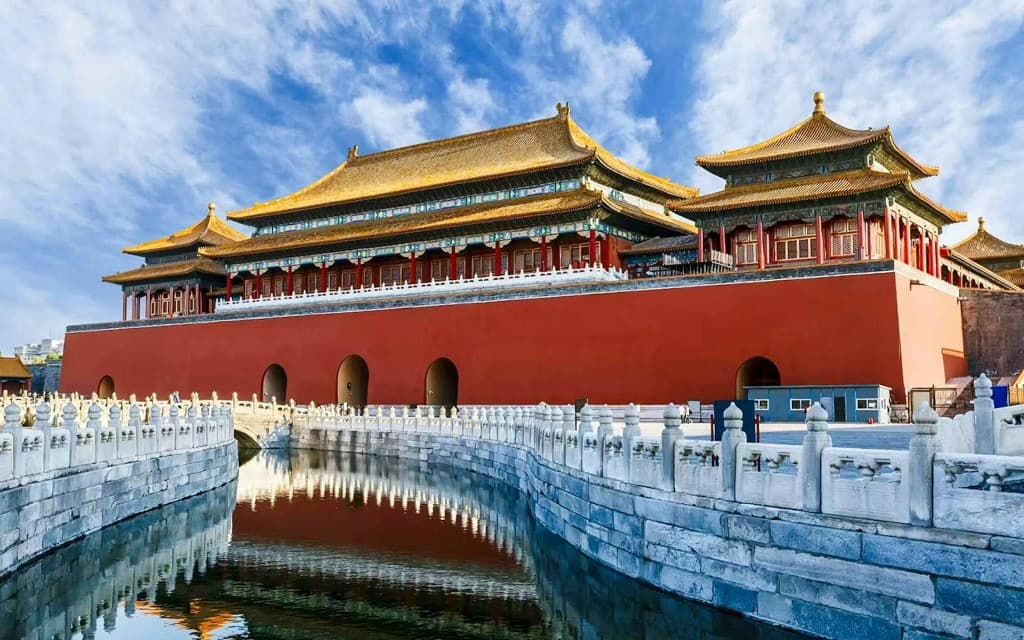
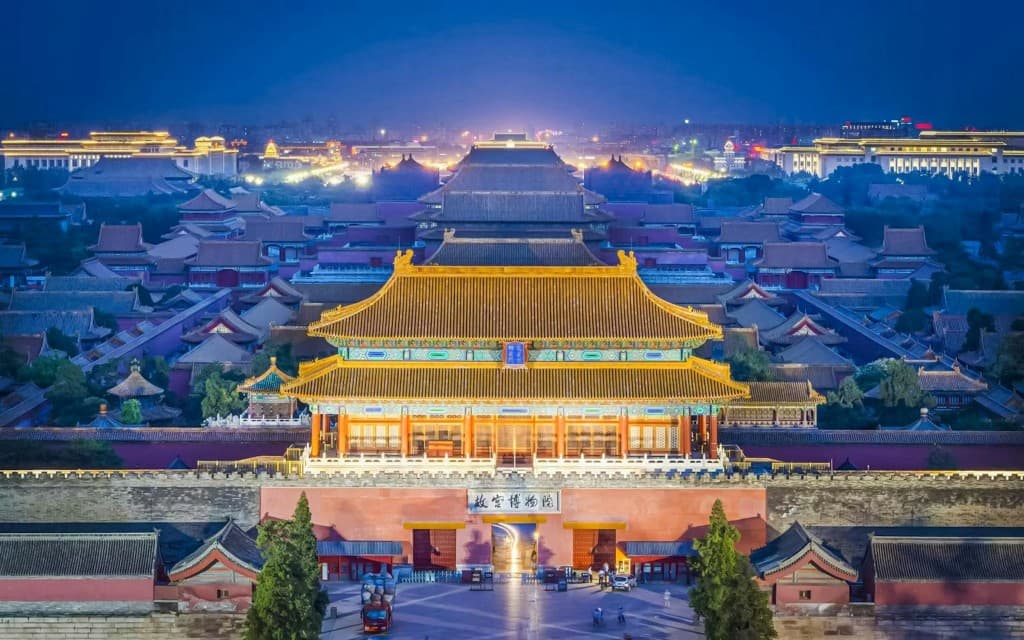
Discover the Forbidden City through these stunning photos, capturing its architectural grandeur and historical significance.
Explore the magnificent Forbidden City, a UNESCO World Heritage site and the historical heart of Beijing. Once the exclusive domain of emperors and their households for nearly 500 years, this sprawling palace complex showcases stunning traditional Chinese architecture and offers a glimpse into the opulent lives of China's past rulers. With a Forbidden City Ticket (MegaPass), you can delve deeper into the artistry, history, and cultural significance of this iconic landmark. Prepare to be transported back in time as you wander through the grand courtyards, explore the intricate halls, and discover the treasures within this remarkable imperial palace. A visit to the Forbidden City is an essential experience for anyone interested in Chinese history and culture.
There is no strict dress code for visiting the Forbidden City. However, it's recommended to dress respectfully, as it is a historical and cultural site. Comfortable clothing and shoes are advisable, as you'll be doing a lot of walking. During the summer months, lightweight and breathable clothing is recommended. In the winter, dress warmly, as the outdoor areas can be cold. Avoid wearing overly revealing or offensive clothing. Ultimately, dressing modestly and respectfully will enhance your experience and show consideration for the cultural significance of the site.
Explore Beijing's Forbidden City at your own pace with access to all main halls, the Treasure Gallery, and optional Clock Gallery.
Enter the Forbidden City through Meridian Gate using your dated ticket and passport, then follow the required south-to-north route through the complex. Plan your arrival outside the 10:00 AM to 1:00 PM peak window if you prefer thinner crowds. You can use the free luggage storage between Meridian Gate and Shenwu Gate, and lockers inside the venue, which is suitable for strollers and wheelchairs.
You move through the Palace Museum from south to north, crossing a sequence of ceremonial and residential zones. Your ticket covers the core palace axis, with access to the key imperial spaces that define the Forbidden City.
Entry to all main halls lets you walk the central route through the complex, including the primary palace courtyards used for imperial ceremonies as you head toward the northern exits at Shenwu Gate or Donghua Gate.
Open courtyards, available with the Treasure Gallery–only option, give you room to pause, view the palace architecture from different angles, and take in the overall scale of the former imperial residence.
The Treasure Gallery occupies part of the northeast wing in the Palace of Tranquil Longevity. Climate-controlled rooms display a focused selection of objects used by emperors and empresses inside the Forbidden City.
Around 400 imperial treasures are on view, including jade carvings, enamelware, and gold and silver vessels that were part of court rituals and daily palace life.
Gem-studded empresses' phoenix crowns and embroidered imperial robes highlight the personal regalia of the Qing court and show the materials reserved for the highest ranks.
Entry to the Treasure Gallery is included with all ticket options, giving you dedicated time in six air-conditioned rooms within the Palace of Tranquil Longevity area.
The Clock Gallery, located near the Treasure Gallery in the same northeastern wing, focuses on timepieces collected by the Qing court. It is housed in Fengxian Hall and nearby rooms inside the Palace Museum.
A collection of 82 historic clocks is displayed here, including 21 Chinese astronomical clocks and 61 imported pieces from Britain, France, and Switzerland.
Many timepieces feature intricate mechanical automata that write calligraphy, play instruments, or animate carved figures when activated during scheduled demonstrations.
Entry to the Clock Gallery is included when you choose the Tickets + Treasure and Clock Galleries option, and the automata demonstrations operate at set times that you can check on arrival.
Choose between the Tickets + Treasure and Clock Galleries option for the complete Palace Museum experience with Fengxian Hall, or the Tickets + Treasure Gallery option that focuses on the main halls, open courtyards, and imperial treasures in the Palace of Tranquil Longevity.
Entry route: You must visit from south to north, entering at Meridian Gate and exiting via Shenwu Gate or Donghua Gate.
Crowds: The site is busiest from 10:00 AM to 1:00 PM, so plan your visit to avoid these peak hours if possible.
Exhibitions: You should check current exhibitions on the official Palace Museum website before your visit.
Luggage storage: Free luggage storage is available, and bags are transferred between Meridian Gate and Shenwu Gate.
Storage hours: Luggage storage operates from 8:30 AM to 6:00 PM daily.
Lockers: Lockers are available inside the Forbidden City for additional storage.
Treasure Gallery location: The Treasure Gallery is in the Palace of Tranquil Longevity in the northeast wing.
Clock Gallery location: The Clock Gallery is in the same northeastern wing as the Treasure Gallery in the Palace of Tranquil Longevity area.
Clock demonstrations: Automata demonstrations in the Clock Gallery run at set times, so please check the schedule on arrival.
Typical visit time: A typical visit lasts about 2.5 to 3.5 hours including the Treasure Gallery.
Advance booking: Tickets are valid only on your selected date, and you must book at least one day in advance.
ID for entry: You must show your passport at Meridian Gate to enter; you do not need a printed ticket.
Clock Gallery option: If you select the Clock Gallery option, allow about 1.5 extra hours for your visit.
Gallery access by option: If you select the Treasure Gallery only option, your ticket will not include the Clock Gallery.
The Forbidden City, also known as the Palace Museum, served as the imperial palace from the Ming Dynasty to the end of the Qing Dynasty. Construction began in 1406 and was completed fourteen years later, in 1420. The complex consists of 980 buildings and covers 74 hectares (180 acres). It is the world's largest palatial structure. The name 'Forbidden City' comes from the fact that access was restricted to members of the imperial court, their staff, and specially permitted guests. Ordinary citizens were barred from entering. Today, the Forbidden City is open to the public, allowing visitors from around the world to explore its vast courtyards, elaborate halls, and priceless collections of artifacts. Visiting this palace offers a unique opportunity to witness the grandeur of Chinese imperial life and appreciate the artistry and craftsmanship of the Ming and Qing dynasties. Allow ample time to fully appreciate the scale and detail of this historical treasure.
Booking your Forbidden City tickets online offers several advantages. You can secure your entry in advance, avoiding long queues at the ticket counters, especially during peak season. Online platforms often provide detailed information about the various ticket options, including combo tickets like the Forbidden City Ticket (MegaPass), allowing you to plan your visit efficiently. Booking online ensures a smooth and hassle-free experience, enabling you to maximize your time exploring this magnificent historical site. Take advantage of online booking to guarantee your entry and enjoy a seamless visit to the Forbidden City.
The Forbidden City's history spans over five centuries, serving as the imperial palace for 24 emperors of the Ming and Qing dynasties. Construction began in 1406 during the reign of the Yongle Emperor of the Ming Dynasty, and it was completed in 1420. The palace complex was designed to be the political and ritual center of China, embodying the power and authority of the emperor. For centuries, the Forbidden City was off-limits to ordinary citizens, hence its name. Only members of the imperial court, government officials, and specially permitted guests were allowed inside. The Forbidden City witnessed numerous significant events in Chinese history, including coronations, imperial weddings, and state ceremonies. After the fall of the Qing Dynasty in 1912, the Forbidden City was transformed into a museum in 1925, opening its doors to the public and allowing visitors to explore its rich history and cultural treasures. Today, it stands as a symbol of China's imperial past and a testament to the artistry and craftsmanship of its people.
The Forbidden City's opening hours vary depending on the season. Generally, it is open from 8:30 AM to 5:00 PM during the peak season (April 1 to October 31) and from 8:30 AM to 4:30 PM during the off-season (November 1 to March 31). The ticket office typically closes one hour before the closing time. Please note that the Forbidden City is closed every Monday, except for public holidays. It's recommended to check the official website for the most up-to-date information on opening hours before your visit.
The best time to visit the Forbidden City is during the spring (April-May) or autumn (September-October) months. The weather during these seasons is mild and comfortable, making it ideal for exploring the vast outdoor spaces of the complex. Additionally, the crowds tend to be smaller during these months compared to the peak summer season. Arriving early in the morning is advisable to avoid the largest crowds and fully appreciate the beauty and tranquility of the Forbidden City.
Inside the Forbidden City, you'll discover a wealth of historical and architectural treasures. The main courtyards offer a sense of the immense scale of the complex, leading to the heart of imperial power. Explore the grand halls, such as the Hall of Supreme Harmony, the Hall of Central Harmony, and the Hall of Preserving Harmony, where important ceremonies and meetings were held. These halls showcase stunning examples of traditional Chinese architecture, with intricate carvings, vibrant colors, and symbolic decorations. Visit the imperial palaces, including the Palace of Heavenly Purity and the Palace of Earthly Tranquility, which served as the residences of the emperor and empress. You can also explore numerous exhibitions displaying historical artifacts, artwork, and treasures that offer insights into the lives of the emperors and their courts.
Before visiting the Forbidden City, there are a few things to keep in mind. It's advisable to book your tickets online in advance to avoid long queues, especially during peak season. Remember to bring your passport or other valid identification, as it is required for entry. Wear comfortable shoes, as you'll be doing a lot of walking. Bringing water and snacks is recommended, especially during hot weather. Be aware that there are restrictions on bringing certain items into the Forbidden City, such as large bags, liquids, and sharp objects. Photography is allowed in most areas, but flash photography may be restricted in some indoor spaces. Finally, be respectful of the historical site and follow the instructions of the staff.
To ensure the preservation of the Forbidden City and the enjoyment of all visitors, there are a few rules to follow. Please refrain from touching or climbing on any of the artifacts or structures. Avoid littering and dispose of your trash in designated bins. Smoking is prohibited within the Forbidden City. Be respectful of other visitors and avoid making excessive noise. Follow the instructions of the staff and security personnel. Large bags and luggage may be subject to inspection. By adhering to these rules, you can help preserve this historical site for future generations.
The Forbidden City is undoubtedly worth visiting for anyone interested in Chinese history, architecture, and culture. As a UNESCO World Heritage site, it offers a unique glimpse into the lives of China's emperors and the grandeur of the imperial court. The sheer scale of the complex, with its numerous palaces, halls, and courtyards, is awe-inspiring. Exploring the Forbidden City allows you to appreciate the intricate details of traditional Chinese architecture, the artistry of the artifacts, and the rich history that permeates every corner. Whether you're a history enthusiast, an architecture lover, or simply curious about Chinese culture, a visit to the Forbidden City is an unforgettable experience.
Ticket prices vary depending on the season and any special exhibitions. Please check the official website for current pricing.
Yes, purchasing tickets online in advance is highly recommended to avoid long queues.
Opening hours vary depending on the season, but it is generally open from 8:30 AM to between 4:30 PM and 5:00 PM. Closed on Mondays (except public holidays).
Allow at least 3 to 4 hours to explore the main areas of the Forbidden City.
There is no strict dress code, but it is recommended to dress respectfully.
Large bags may be subject to inspection. There are also restrictions on bringing certain items inside.
Photography is allowed in most areas, but flash photography may be restricted in some indoor spaces.
There are limited options for food and beverages inside. Bringing your own water and snacks is advisable.
Yes, audio guides are available for rent at the entrance, providing detailed information about the various sites within the Forbidden City.
The Forbidden City is easily accessible by public transportation. Take subway line 1 to Tiananmen East or Tiananmen West station. From either station, it's a short walk to the entrance of the Forbidden City.
There is no strict dress code for visiting the Forbidden City. However, it's recommended to dress respectfully, as it is a historical and cultural site. Comfortable clothing and shoes are advisable, as you'll be doing a lot of walking. During the summer months, lightweight and breathable clothing is recommended. In the winter, dress warmly, as the outdoor areas can be cold. Avoid wearing overly revealing or offensive clothing. Ultimately, dressing modestly and respectfully will enhance your experience and show consideration for the cultural significance of the site.