What's Included
- Skip-the-line entry to the Alhambra complex
- Access to Alcazaba Fortress and Generalife Gardens
- Nasrid Palaces access (as per option selected)
- Digital GPS audio guide in English, Spanish, French, German & Italian
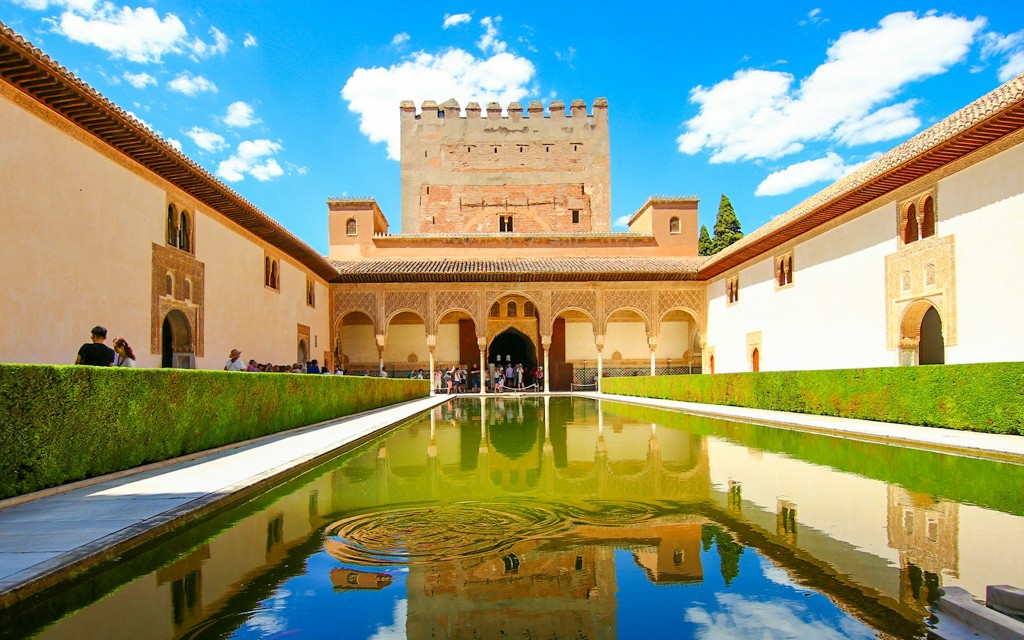
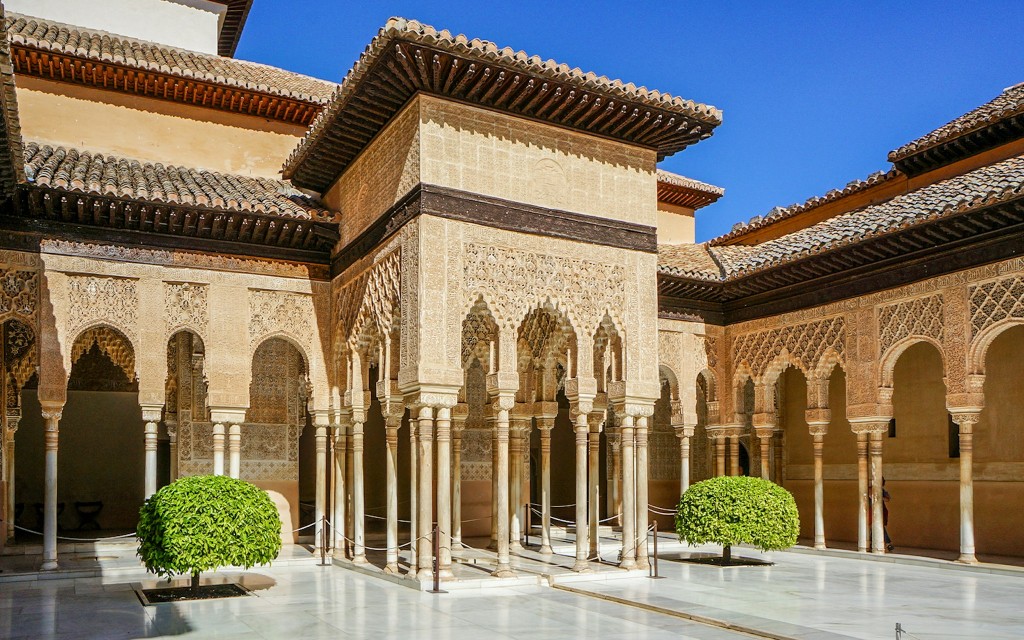
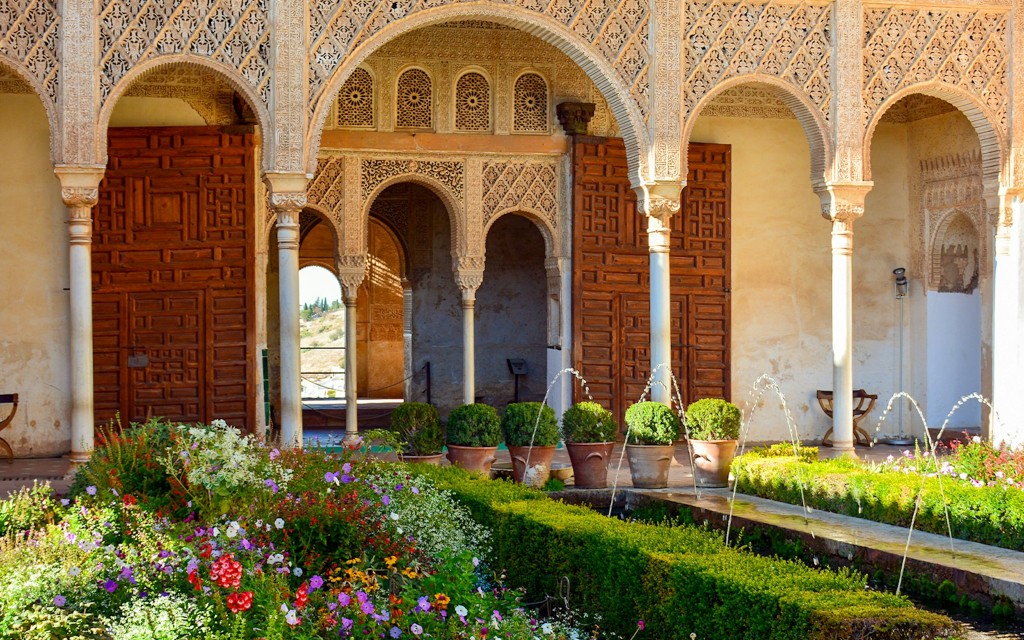
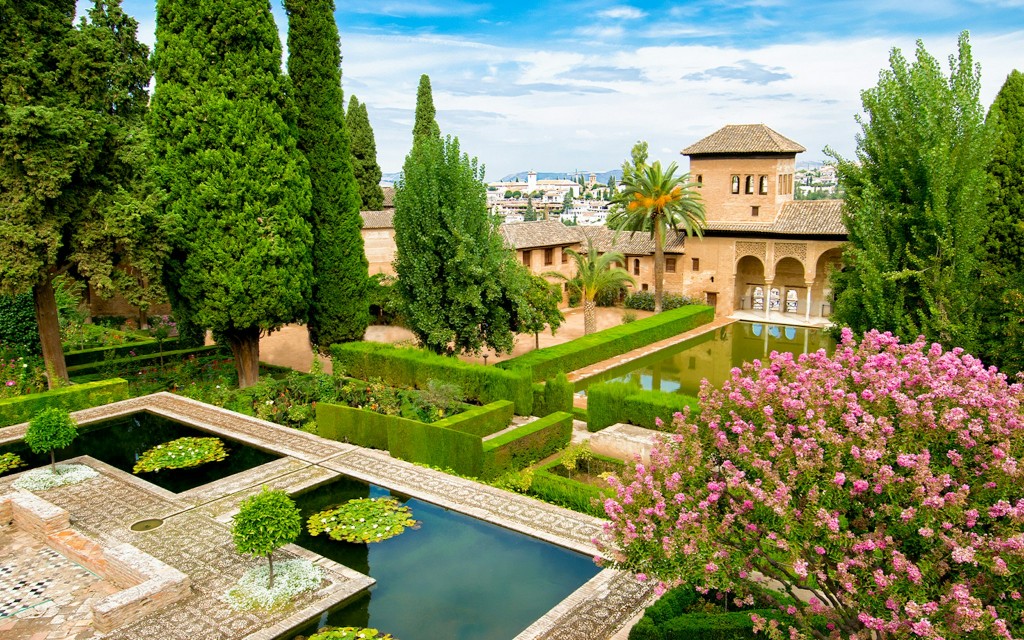
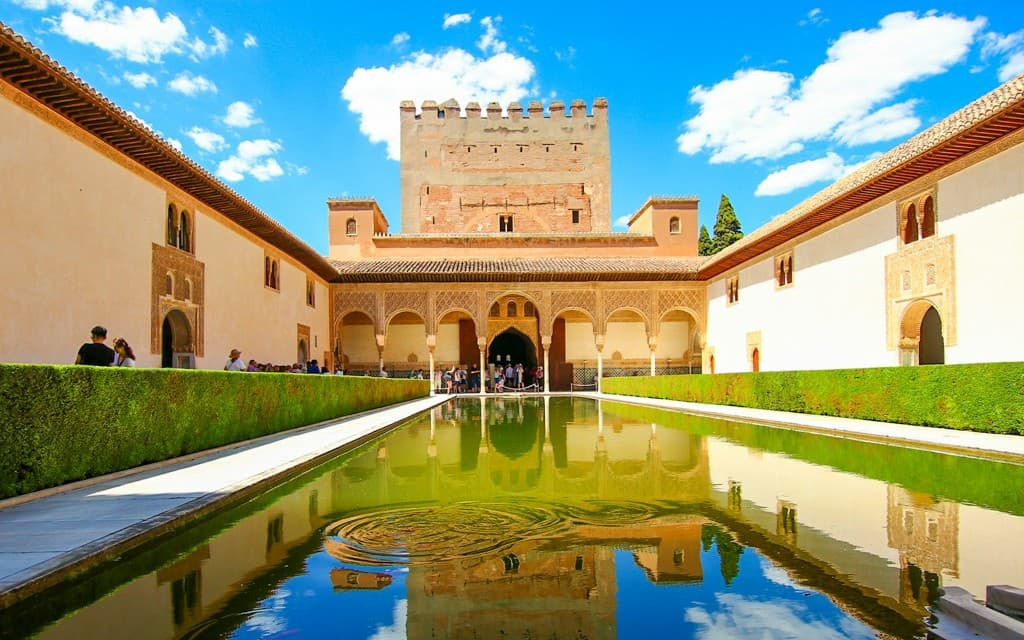
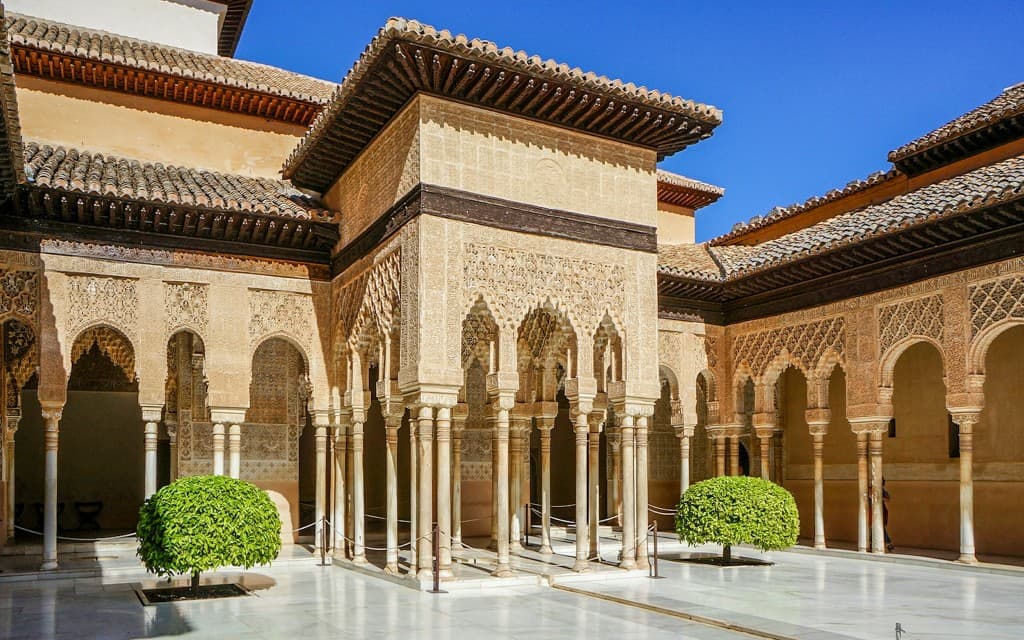
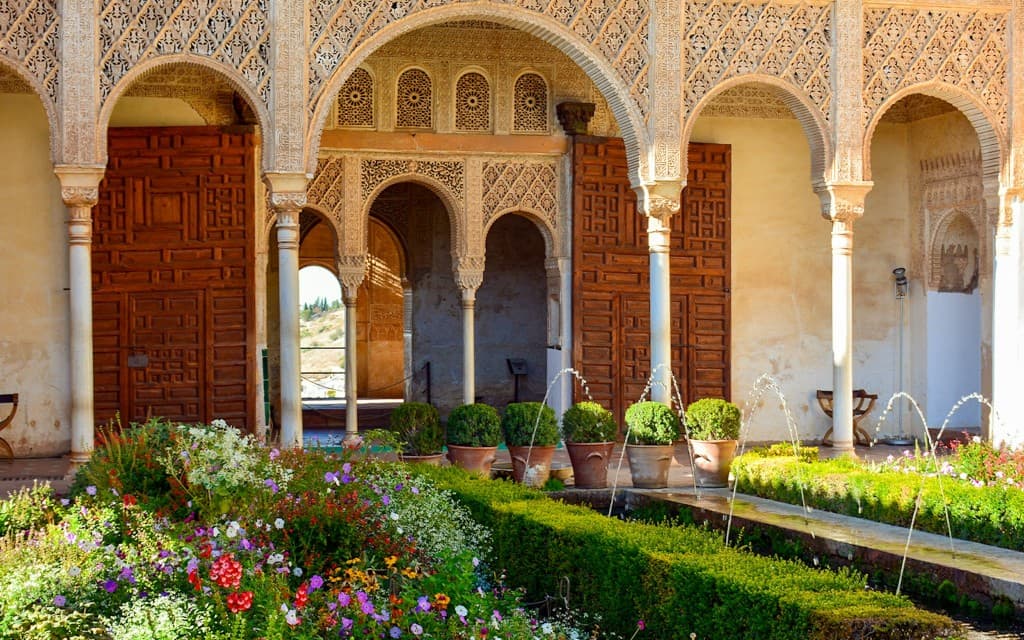
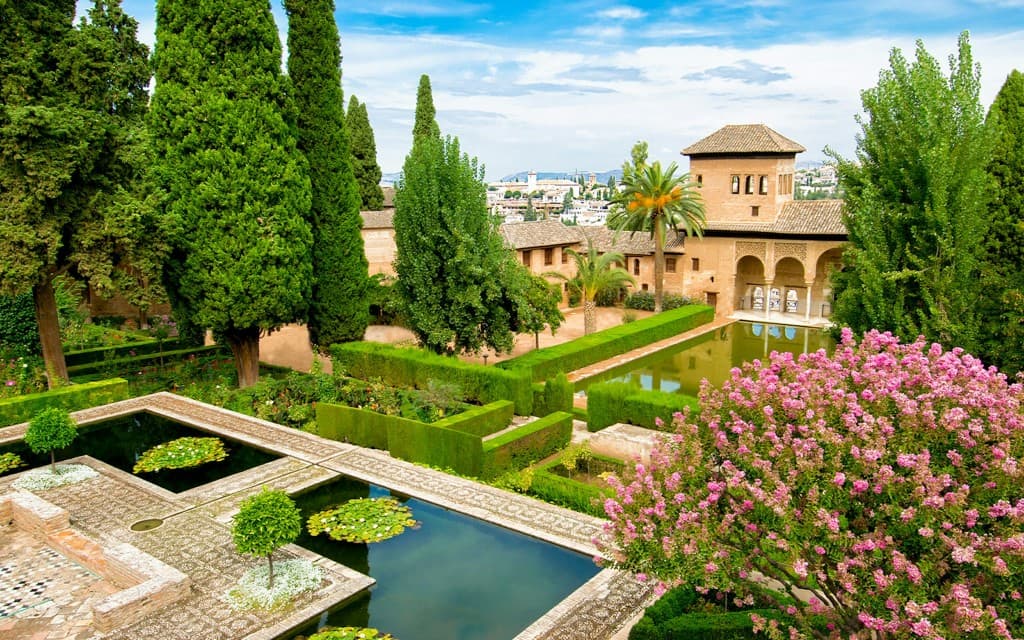
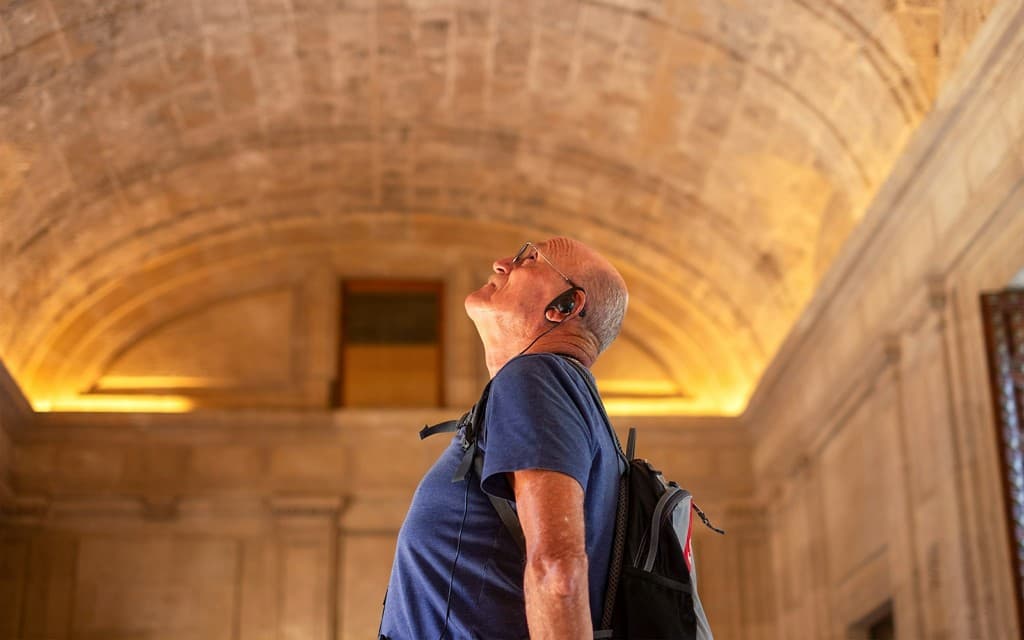
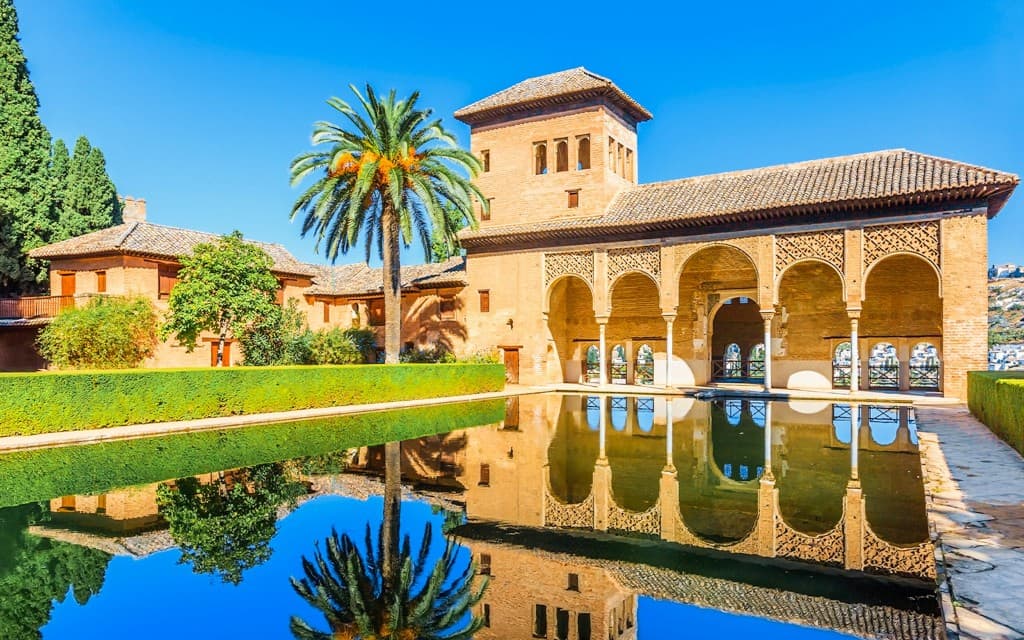
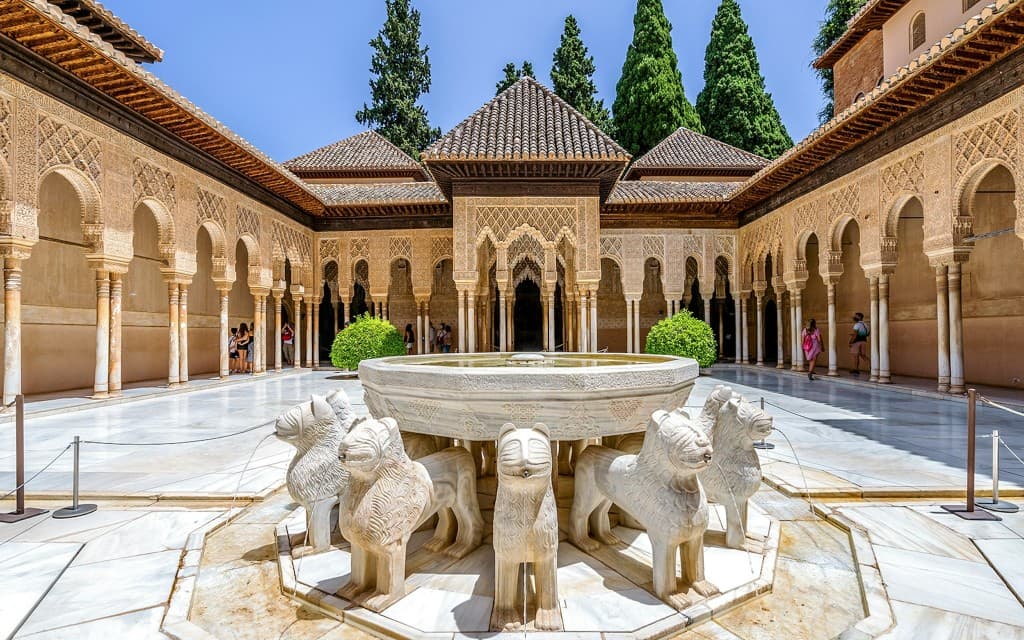
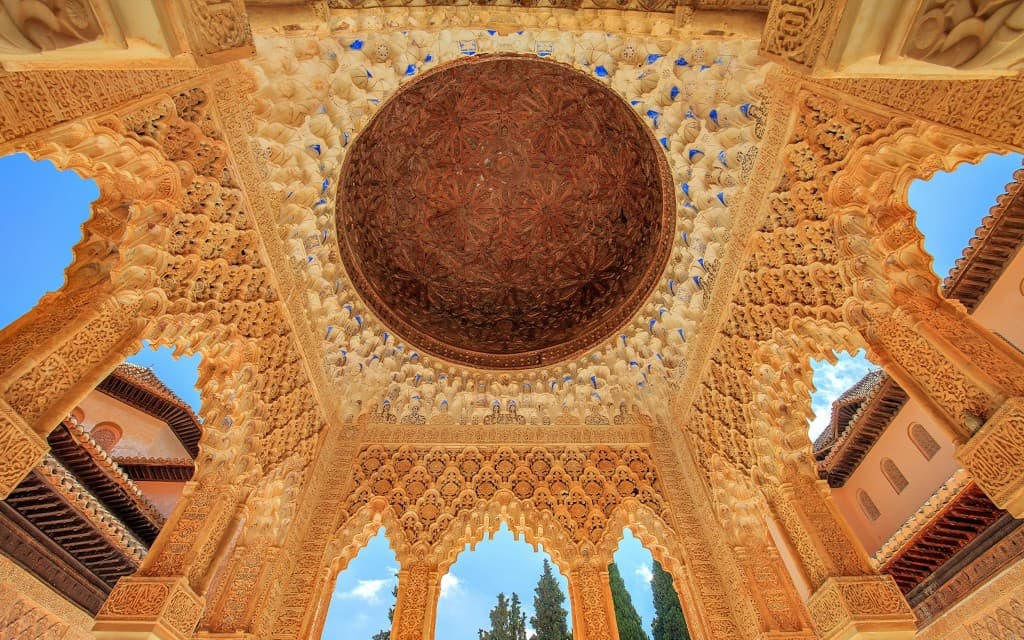
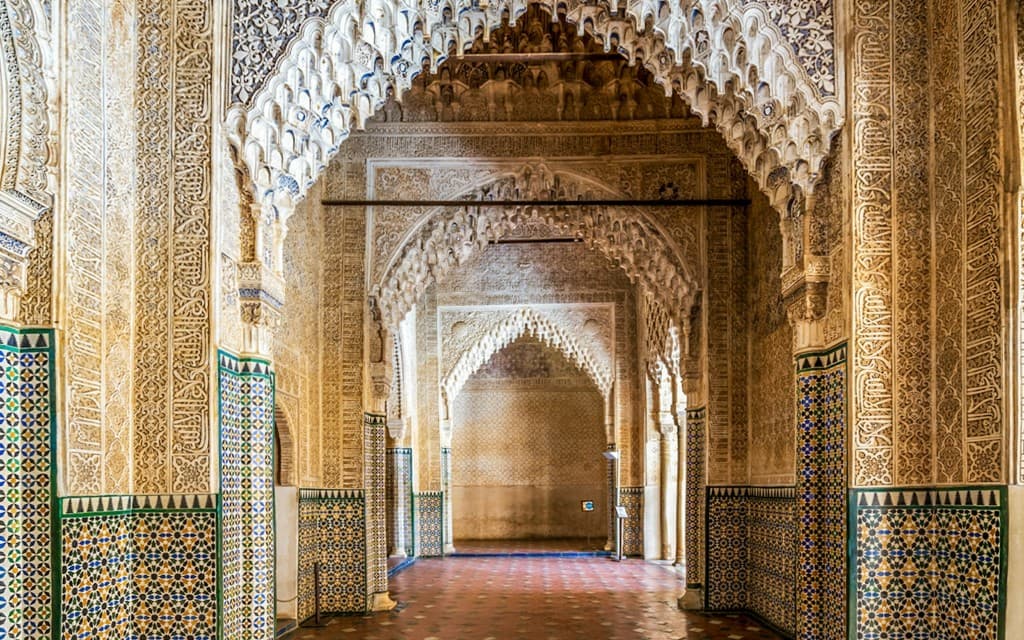
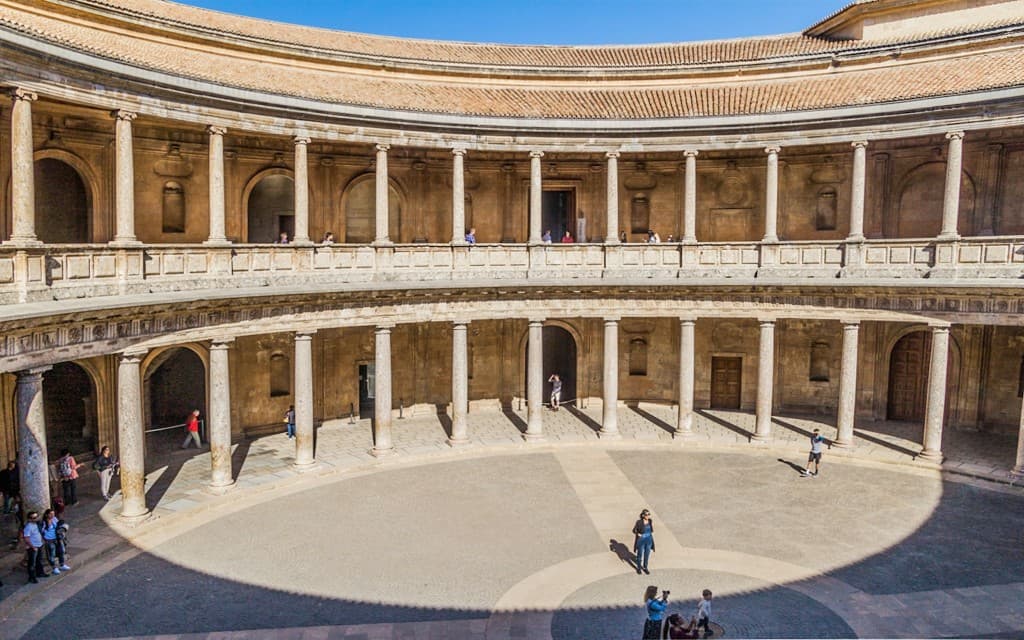
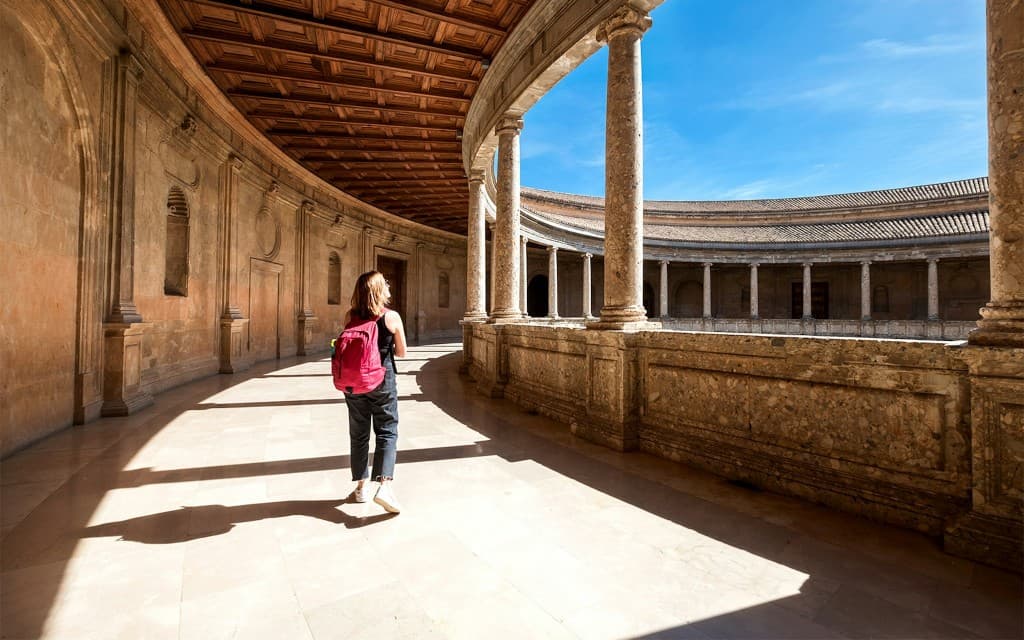
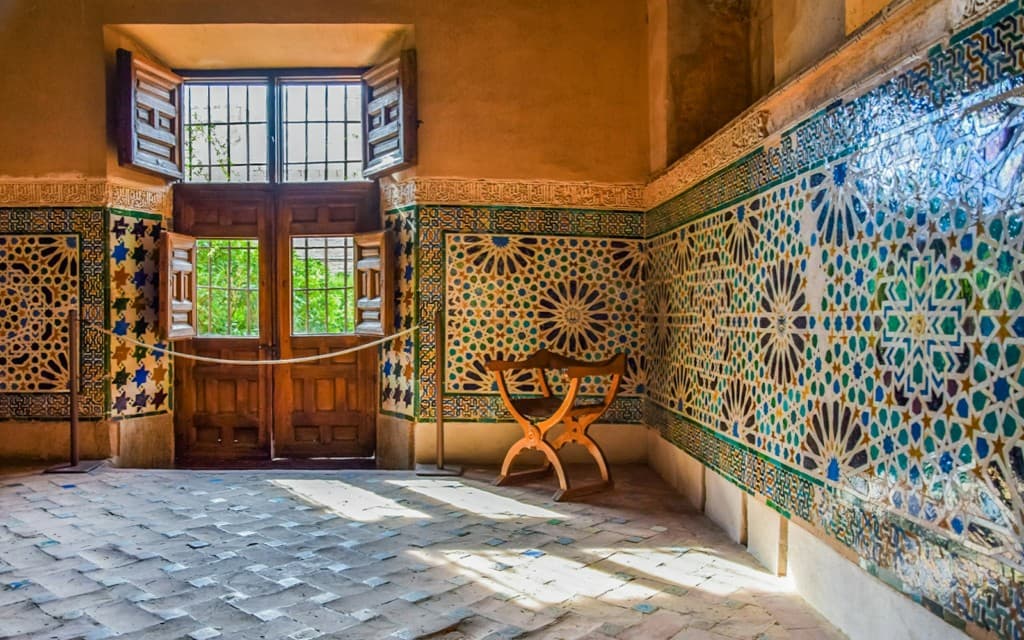
Explore the visual splendor of the Alhambra through these captivating photos.
The Alhambra, a spellbinding palace and fortress complex, graces the city of Granada, Spain, as a testament to the rich history and cultural fusion of the region. Perched atop a strategic hill overlooking Granada, the Alhambra stands as a breathtaking masterpiece of Islamic architecture, seamlessly blending intricate artistry with serene natural surroundings. Its stunning design, elaborate courtyards, and panoramic views create an unforgettable experience for every visitor. Visiting the Alhambra is more than just seeing a historical site; it's an immersive journey into a world of ornate beauty and tranquil harmony. The play of light and shadow across its delicate stucco work, the soothing sounds of water features, and the fragrant gardens evoke a sense of wonder and peace. It offers a profound connection to the past and a feast for the senses.
While there is no strict dress code for visiting the Alhambra, dressing respectfully is encouraged.
Fast-track your entry to the Alhambra and discover Granada’s most iconic landmark with the freedom of a multilingual audio guide.
Getting started
Head to the Granavisión Welcome Visitor Centre near the Alhambra to redeem your voucher. Bring your passport or ID, as entry is only granted with official identification. Once inside, use your skip-the-line ticket to bypass long queues and begin exploring with your personal audio system.
What to expect
Alhambra
A UNESCO World Heritage site and the crown jewel of Moorish Spain, the Alhambra is a city within a city. Built in the 13th century, it blends Islamic art, Christian influence, and centuries of history across palaces, gardens, and fortifications.
Features
Alcazaba Fortress: Climb its towers for panoramic views of Granada and the Sierra Nevada.
Generalife Gardens: Wander through fountains, orchards, and flowerbeds designed as a sultan’s summer retreat.
Courtyards and Palaces: Admire ornate arches, tiled halls, and tranquil courtyards that echo Andalusia’s golden age.
Nasrid Palaces (upgrade): Step into the intricate halls of the Nasrid dynasty, where stucco carvings, calligraphy, and reflective pools create a masterpiece of Islamic architecture.
Audio Guide: GPS-based narration in English, Spanish, French, German, and Italian brings each monument to life, with context on history, design, and hidden details.
Wear comfortable walking shoes—visiting the Alhambra means a lot of steps, courtyards, and gardens.
Bring your passport or official ID card. It’s mandatory to show original documentation for every visitor, including children. Without this, entry is denied.
Don’t forget headphones and a fully charged phone to enjoy the audio guide smoothly. Instructions to download and activate it will be sent to you along with your voucher.
Only bags smaller than 40 × 40 cm are allowed. Small bags with personal items are permitted during the visit. If these bags are backpacks, they must be carried at the front of the body to avoid inconvenience to other visitors or contact with the walls.
Food, drinks, sharp objects, and large luggage items can’t be taken inside. Bags and backpacks will be screened at security.
Tripods, professional camera gear, and recording equipment are restricted unless officially authorized.
Keep in mind: skip-the-line covers the ticket queue, but you’ll still pass through security checks—so brief waits are normal.
The Alhambra is wheelchair accessible in most areas, including the Generalife gardens and main courtyards.
Guide dogs are welcome inside.
Entry is tied to a specific time slot. You must arrive on time; late arrivals will not be accommodated.
The audio guide is self-paced. Museum policies do not allow guiding inside some palace sections, but the audio device provides detailed context throughout.
Due to the Alhambra’s popularity, time slots may shift slightly if your chosen one is sold out. You’ll be informed in advance if this happens.
The Alhambra, a UNESCO World Heritage site, is a palatial complex that embodies centuries of Spanish history. Originally constructed as a military fortress in the 9th century, it evolved into a lavish palace under the Nasrid dynasty in the 13th century. The Alhambra served as the royal residence and the seat of government, showcasing the opulence and sophistication of Moorish rule in Spain. More than just a palace, the Alhambra is a carefully designed environment that harmonizes architecture with nature. Its shaded courtyards, trickling fountains, and aromatic gardens were designed to evoke paradise on earth, offering respite and beauty. The strategic placement of the complex provides stunning panoramic views of Granada and the surrounding landscape, reinforcing its role as a symbol of power and prestige.
Today, the Alhambra stands as a reminder of the cultural exchange and artistic achievements that flourished in medieval Spain. Its intricate details, innovative engineering, and profound sense of place continue to inspire awe and admiration in all who visit.
The history of the Alhambra spans centuries, beginning in the 9th century with the construction of a fortress on the site. In the 13th century, the Nasrid dynasty transformed it into a palatial city. Under the rule of Muhammad I Ibn al-Ahmar, the Alhambra became the royal residence and a symbol of the Nasrid dynasty's power and cultural influence. The Alhambra reached its zenith in the 14th century under Yusuf I and Muhammad V, who were responsible for many of its most iconic structures, including the Palace of Comares and the Court of the Lions. The intricate stucco work, elaborate tile mosaics, and sophisticated water systems showcase the advanced artistry and engineering of the time.
In 1492, the Catholic Monarchs, Ferdinand and Isabella, captured Granada, bringing an end to Moorish rule in Spain. The Alhambra then became a royal palace. Charles V later added a Renaissance-style palace to the complex in the 16th century, creating a blend of architectural styles. The Alhambra has undergone several restorations and preservations, solidifying its status as a UNESCO World Heritage Site and a testament to the rich and complex history of Spain.
The Alhambra is open on all days of the week:
The best time to visit the Alhambra is during the spring (April-May) or fall (September-October) for pleasant weather and fewer crowds. Arriving early in the morning or later in the afternoon can help you avoid the busiest times. Weekdays are generally less crowded than weekends. Consider a night visit for a different perspective and a cooler experience.
Before booking your Alhambra tickets, keep the following in mind:
Visitors to the Alhambra are expected to adhere to the following guidelines:
Alhambra tickets can be booked online through our website, ensuring a guaranteed entry and access to exclusive deals.
You can purchase Alhambra tickets directly through our platform for a seamless booking experience.
It's recommended to book Alhambra tickets well in advance, ideally weeks or even months before your visit, due to high demand.
The general Alhambra ticket typically includes access to the Nasrid Palaces, Alcazaba, Generalife gardens, and other main areas of the complex.
Arrive at least 30 minutes before your scheduled entry time to allow for security checks and ticket verification.
Entry to the Alhambra requires a valid ticket, which must be purchased in advance or, if available, at the on-site ticket office.
Yes, guided tours of the Alhambra are available and can be booked through our website for a more in-depth experience.
While there is no strict dress code, dressing respectfully is encouraged. Comfortable shoes are recommended for walking.
The average visit duration for the Alhambra is 3 to 4 hours, allowing ample time to explore the main areas.
Photography is generally allowed inside the Alhambra, but flash photography may be restricted in certain areas. Be sure to check specific guidelines upon entry.
The Alhambra is located on a hill overlooking Granada. Location: C. Real de la Alhambra, s/n, Centro, 18009 Granada, Spain. The easiest way to get there is by taking the C30 or C32 bus from Plaza Nueva in the city center. You can also walk up to the Alhambra, though it is a steep climb. Taxis are readily available as well.
While there is no strict dress code for visiting the Alhambra, dressing respectfully is encouraged.