Grand Canyon Tours & Visitor Information
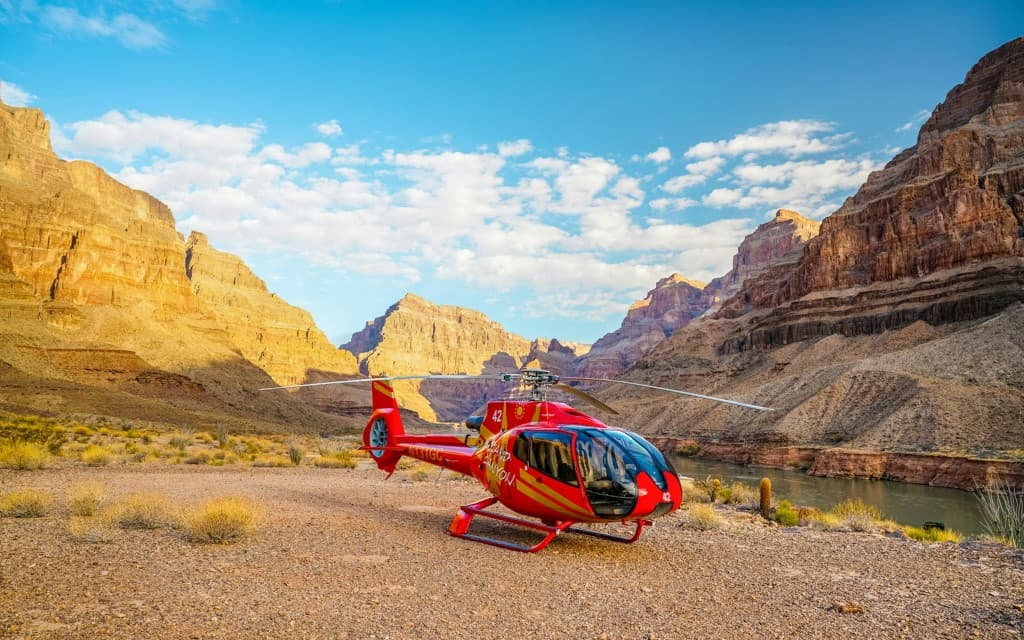
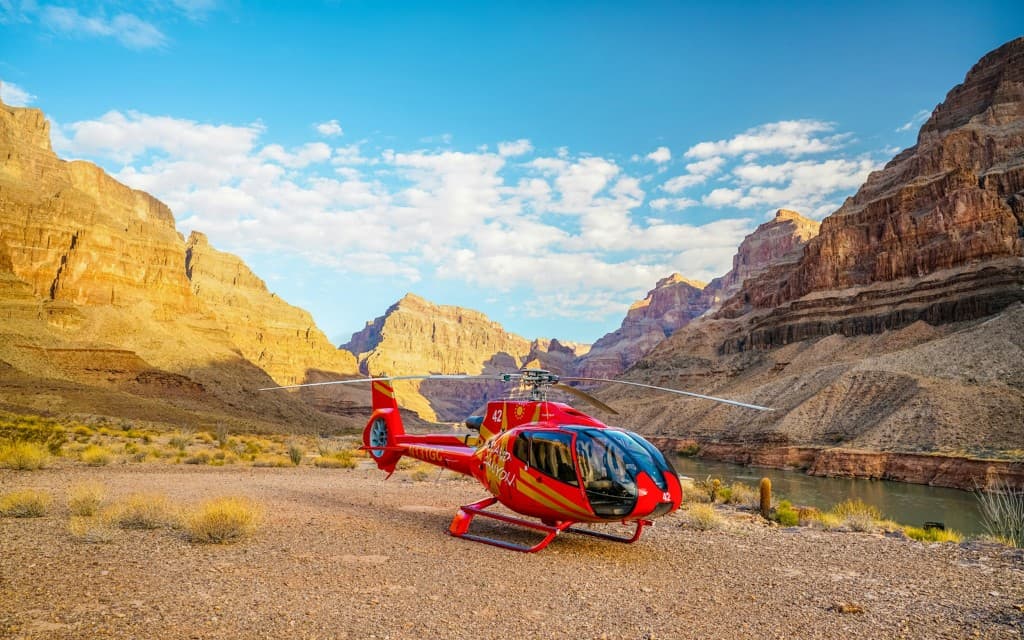
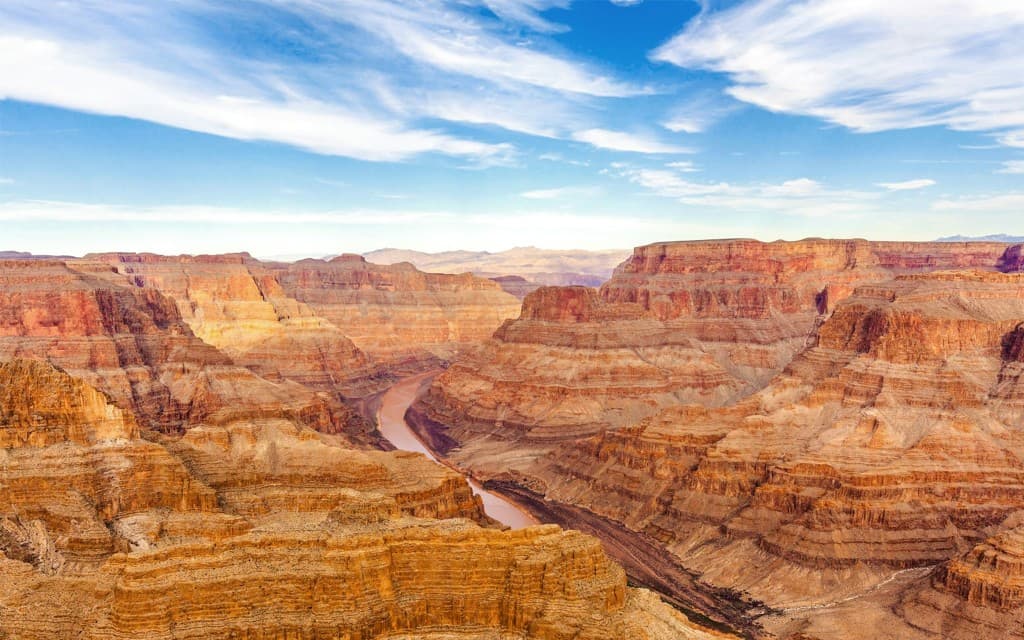
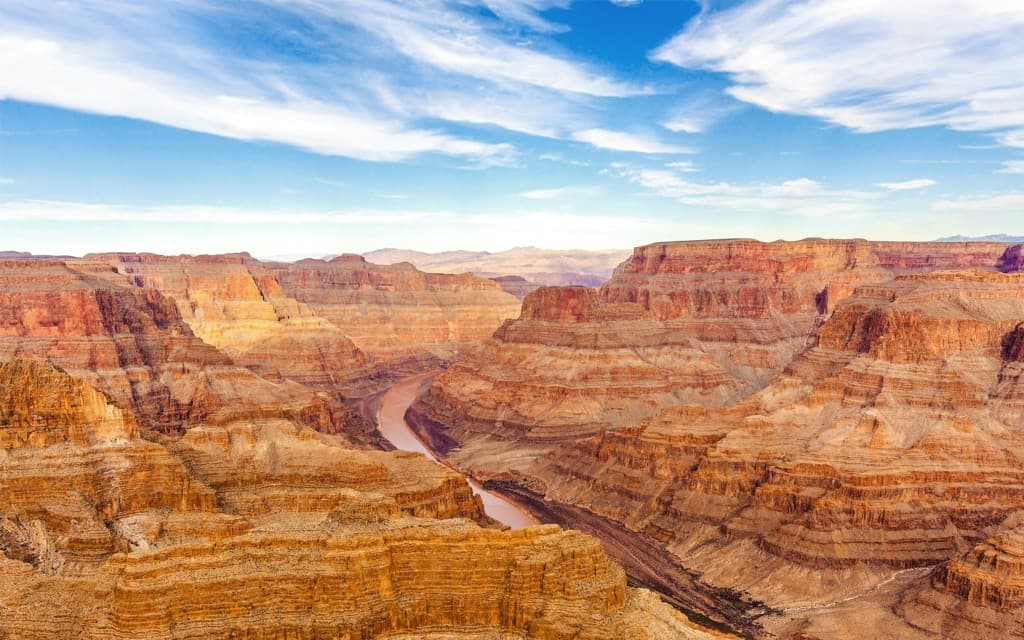
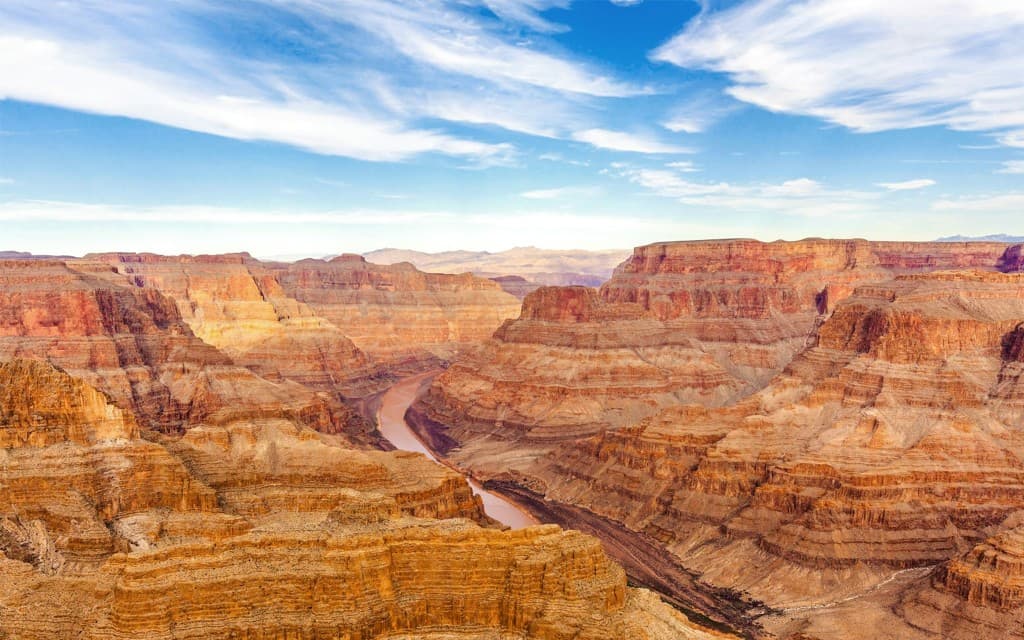
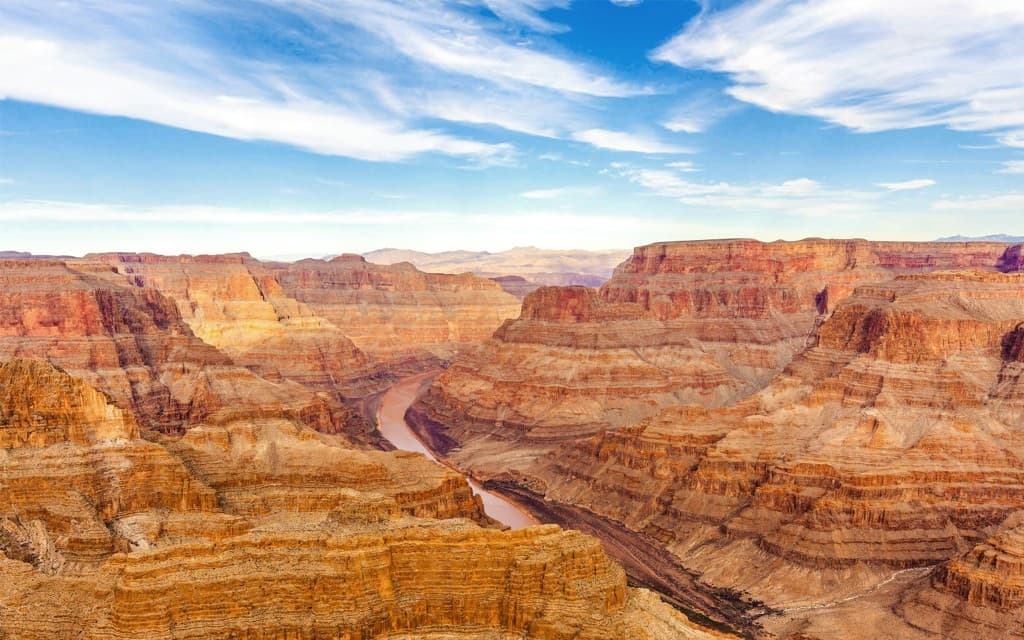
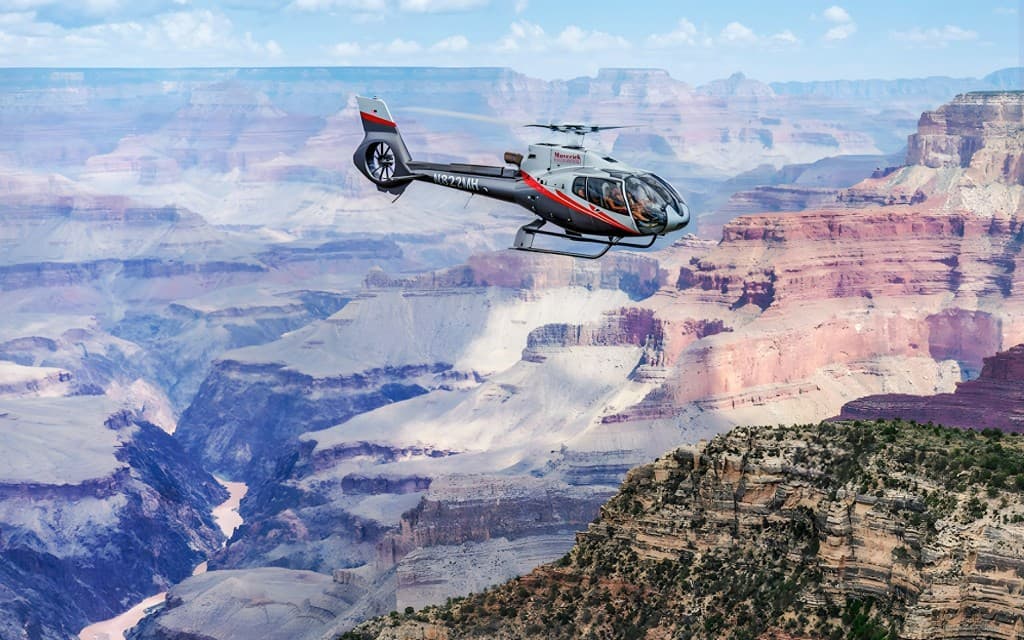
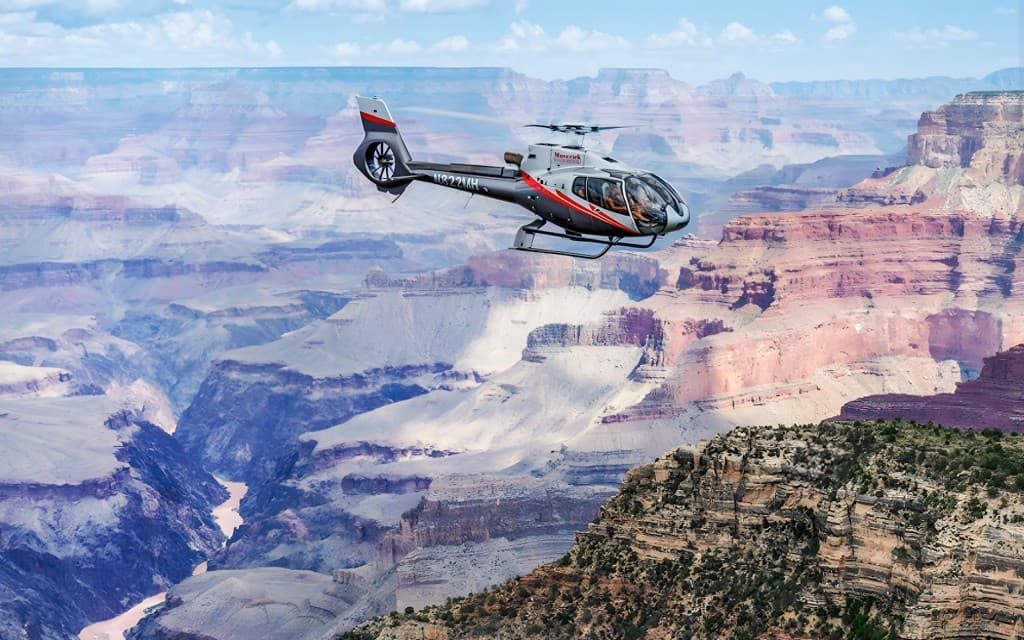
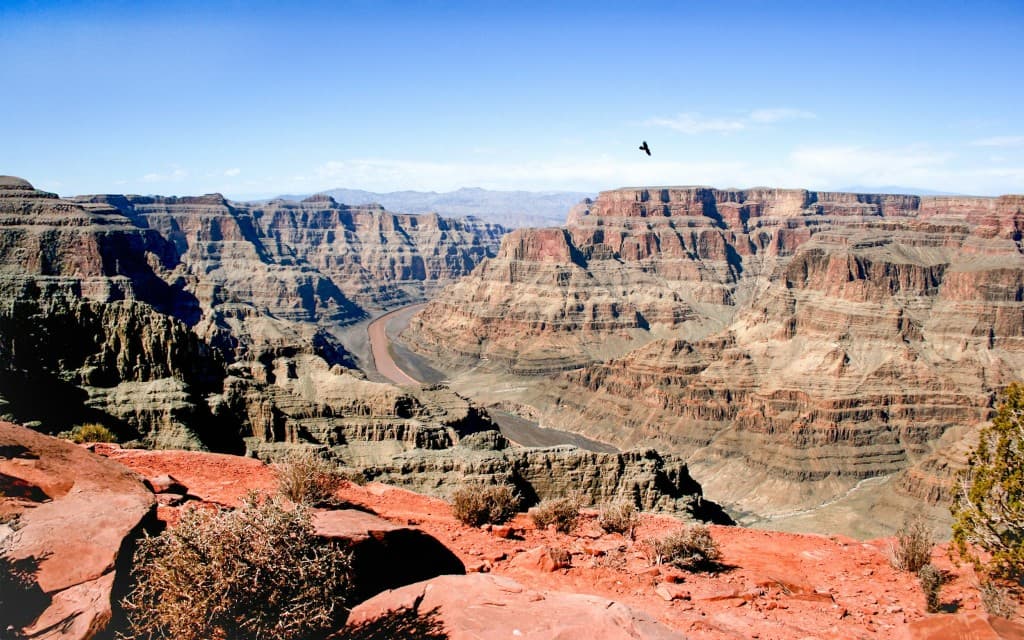
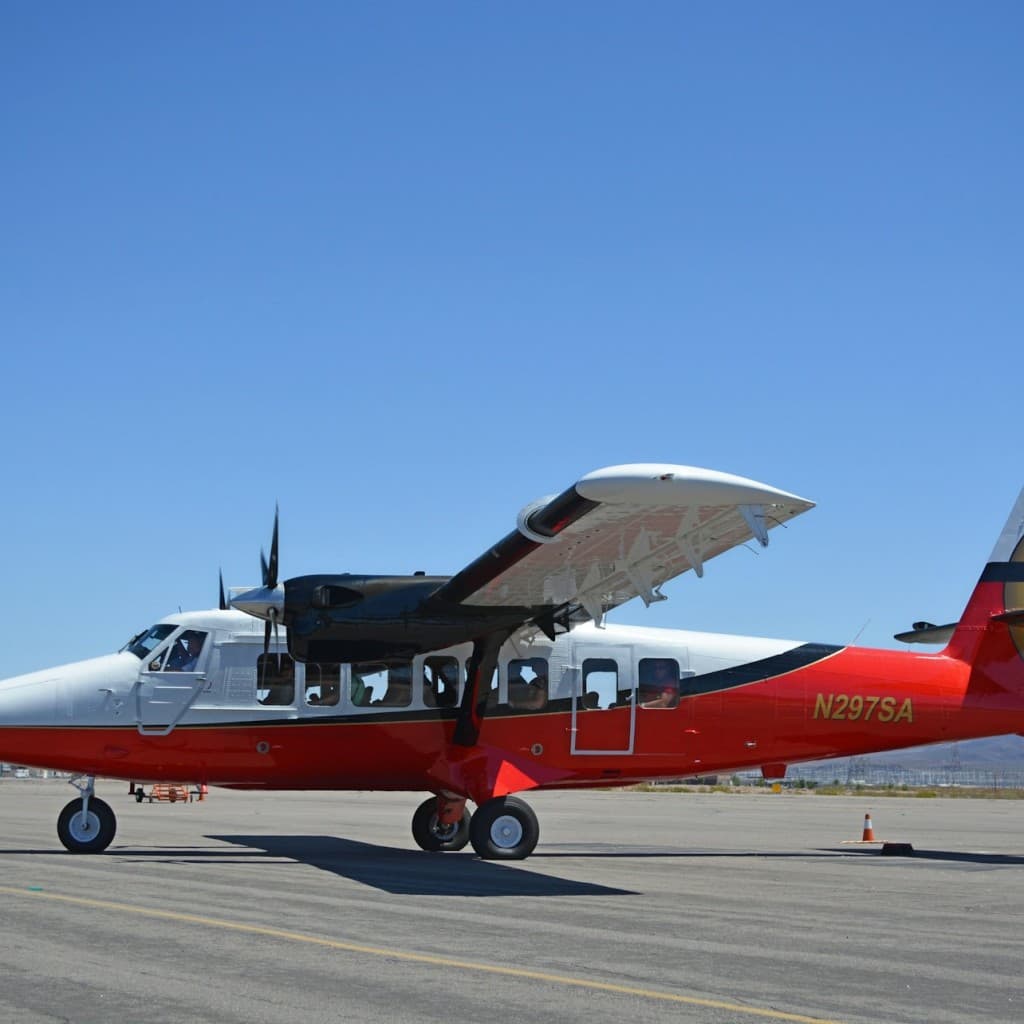
Grand Canyon: 45-Min. Aerial Tour by Airplane
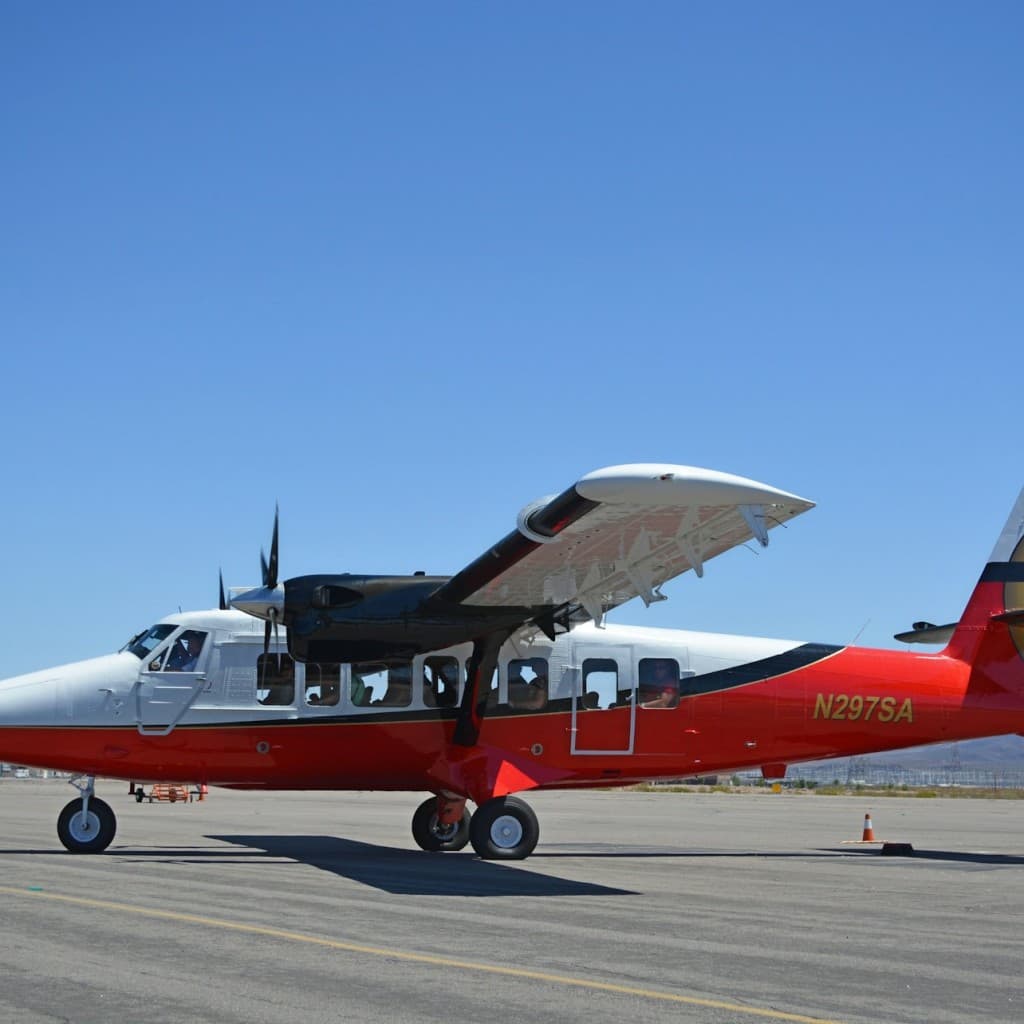
Grand Canyon Airplane Tour + IMAX Experience
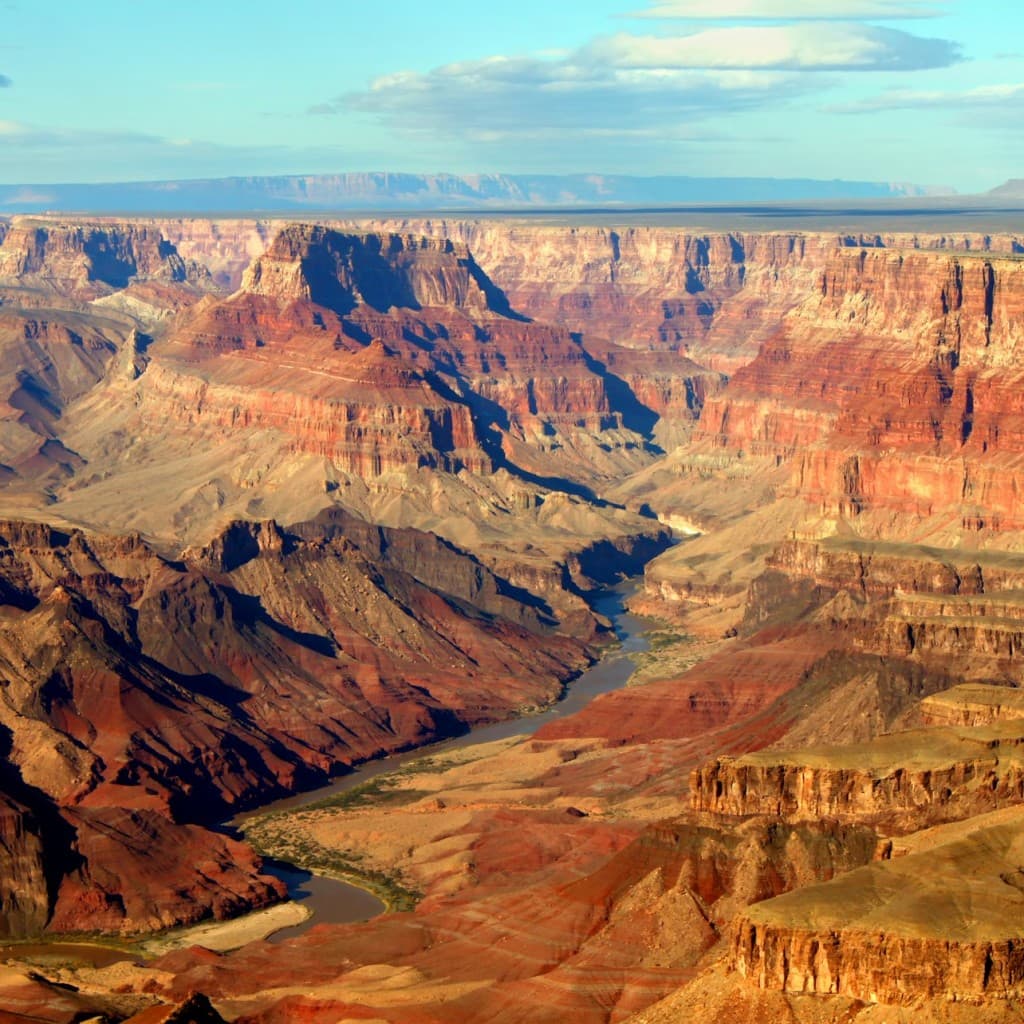
Grand Canyon IMAX Theater: Rivers of Time Movie
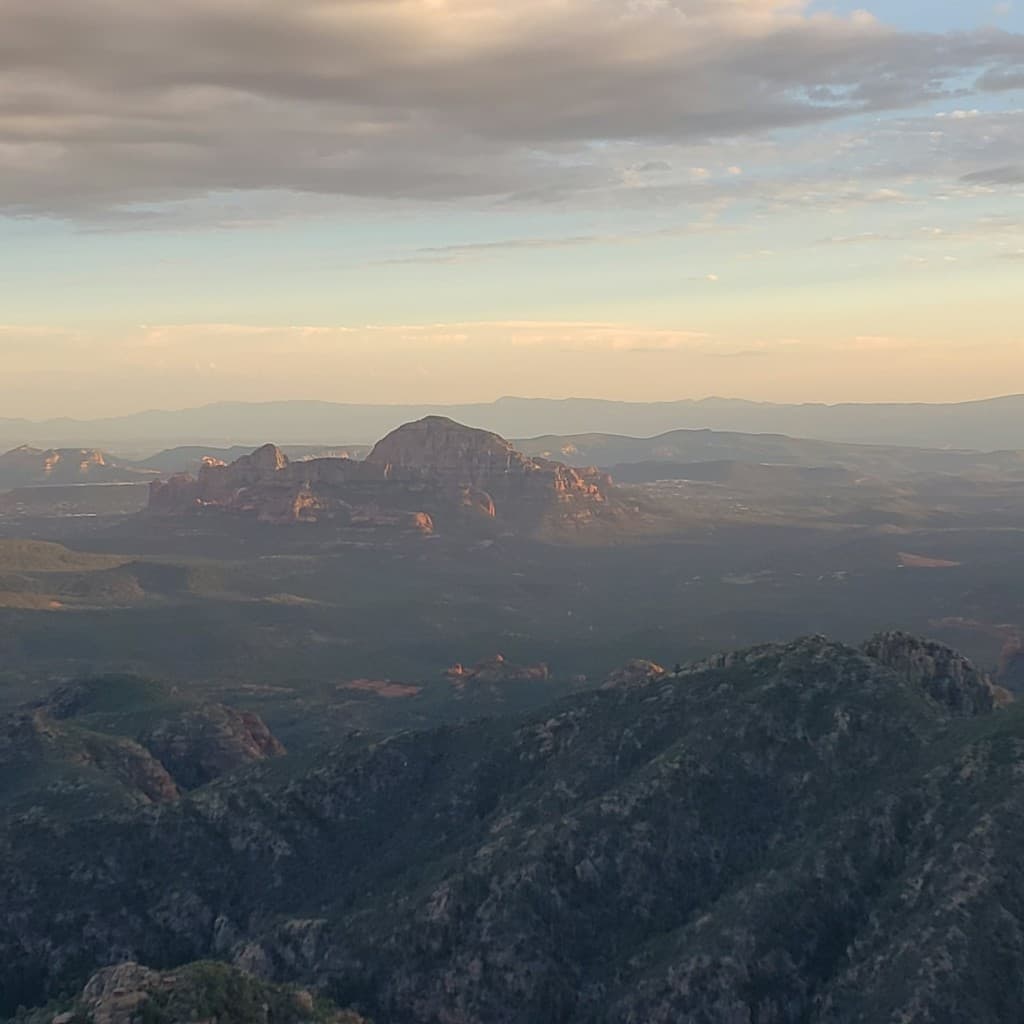
Grand Canyon National Park & Sedona: Day Trip from Phoenix/Scottsdale
Grand Canyon National Park: One-Way or Roundtrip Shuttle Transfer from Las Vegas
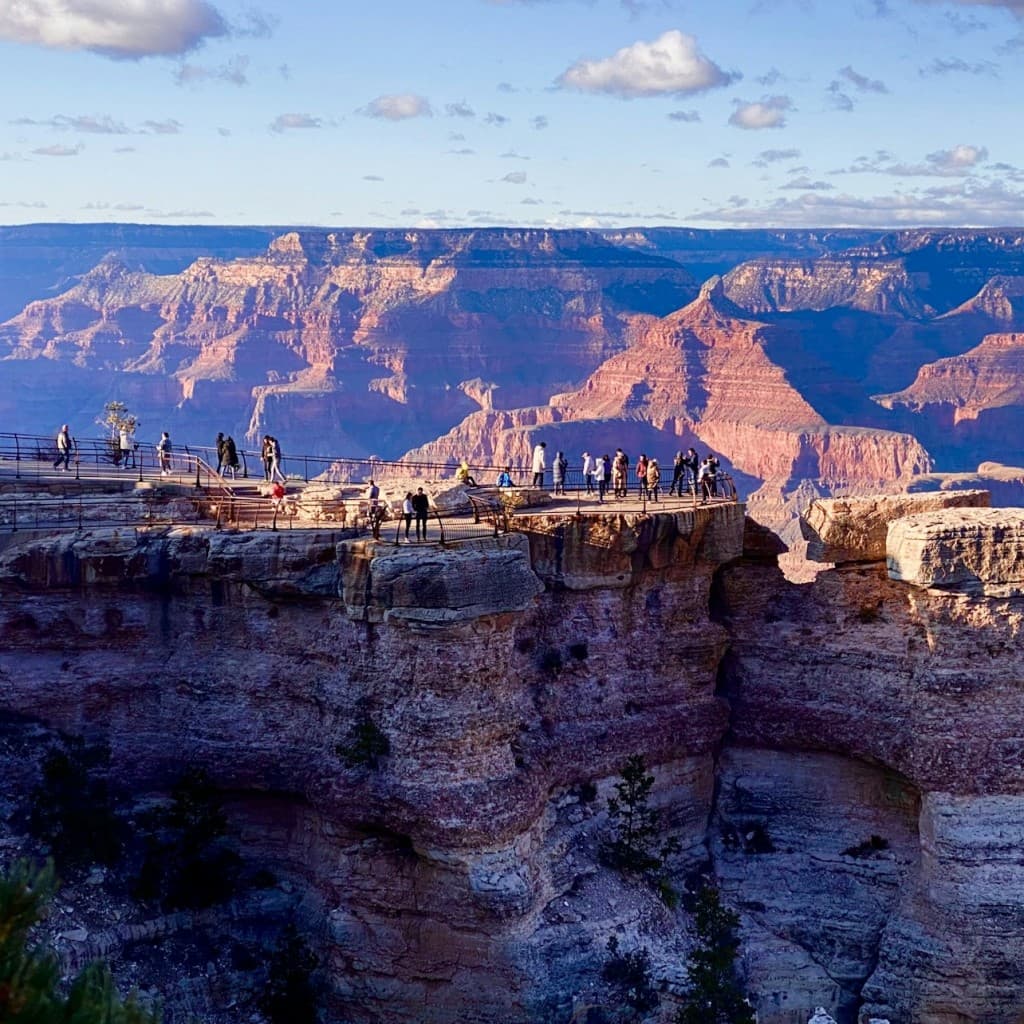
Grand Canyon National Park: Day Trip from Las Vegas with Lunch
Grand Canyon West: Roundtrip Flight from Las Vegas + Skywalk
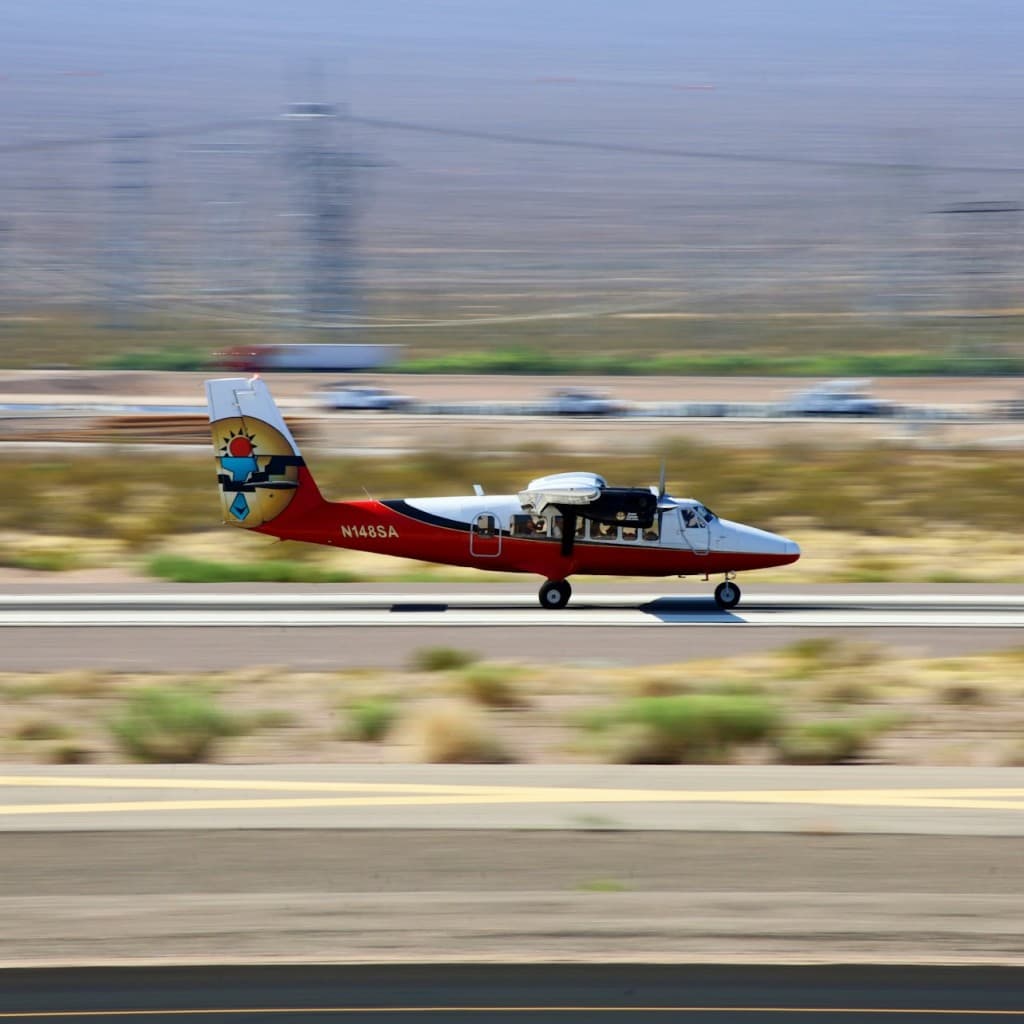
Grand Canyon Highlights: Roundtrip Flight from Las Vegas
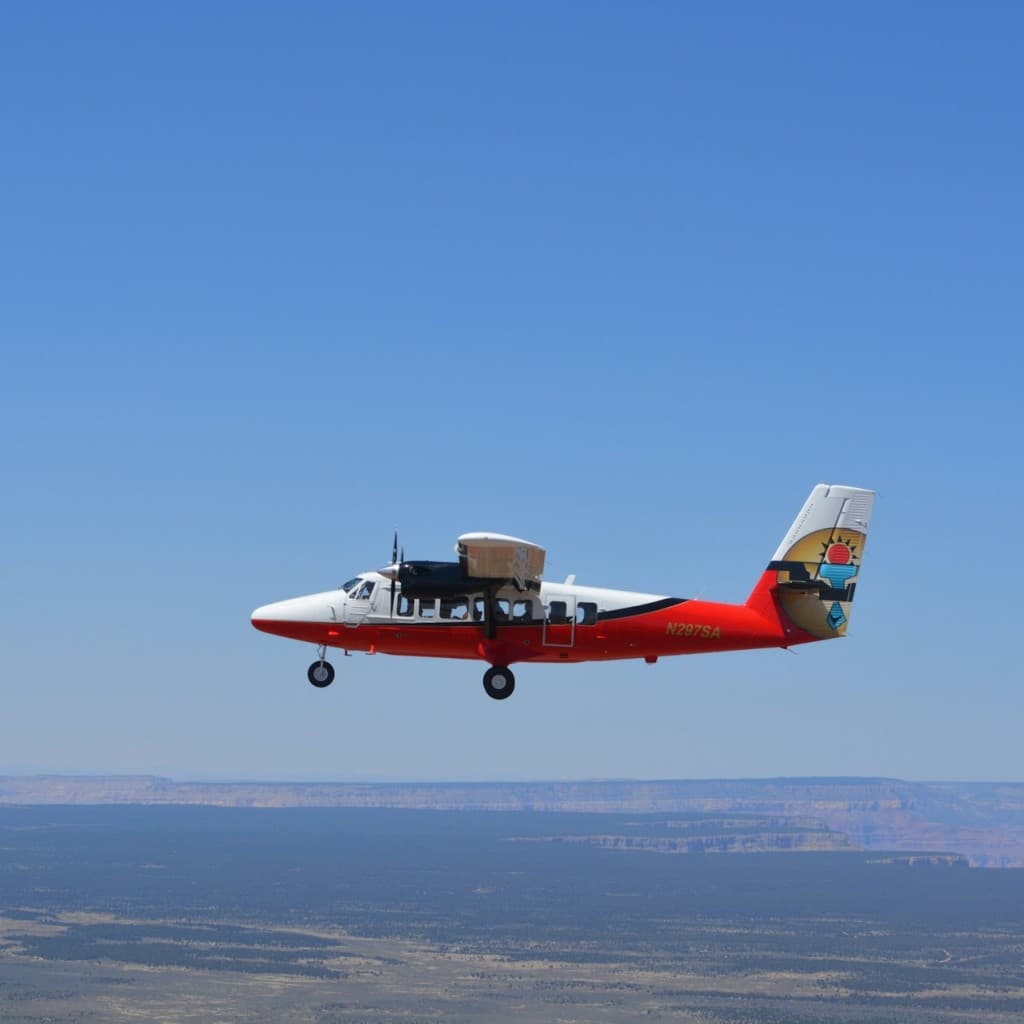
Grand Canyon North Rim: Roundtrip Flight from Las Vegas + Optional ATV Tour
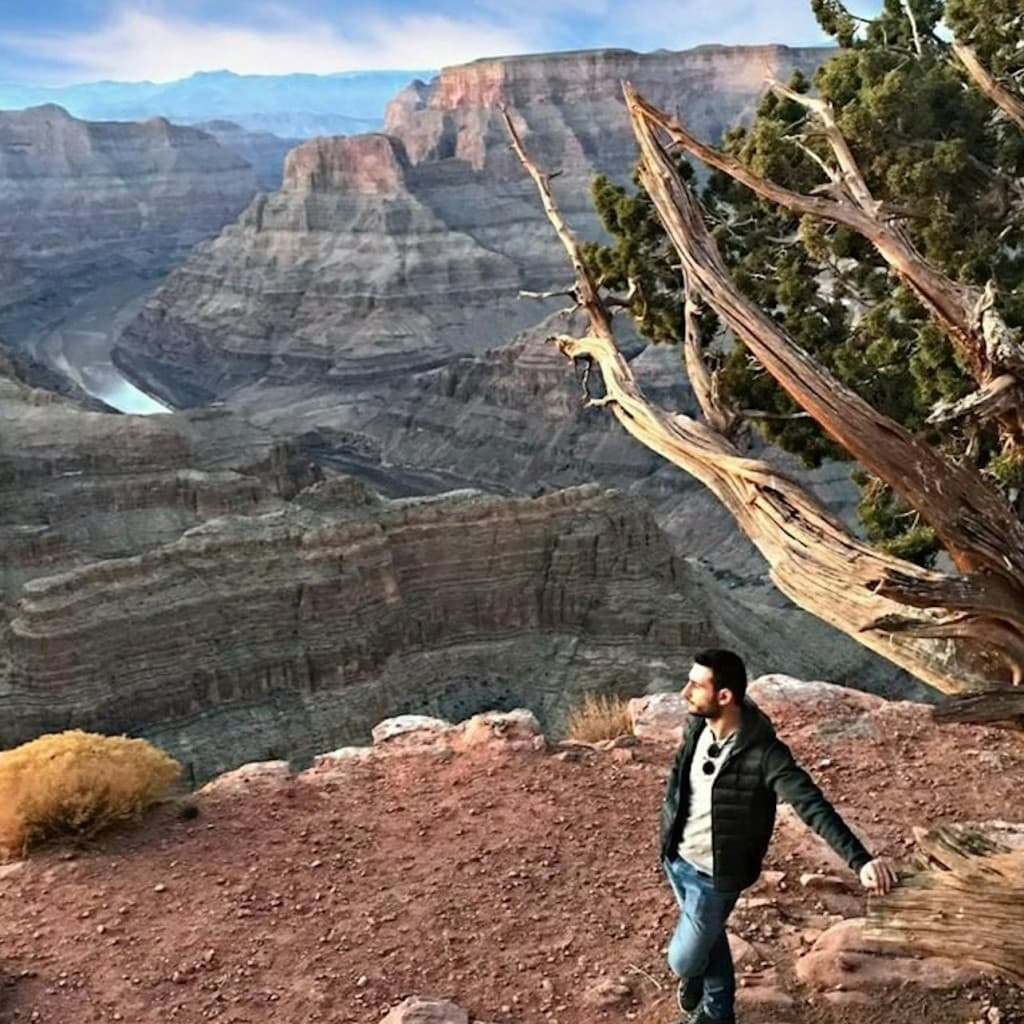
Grand Canyon West: All Access Pass

Grand Canyon: Grand Celebration Helicopter Tour
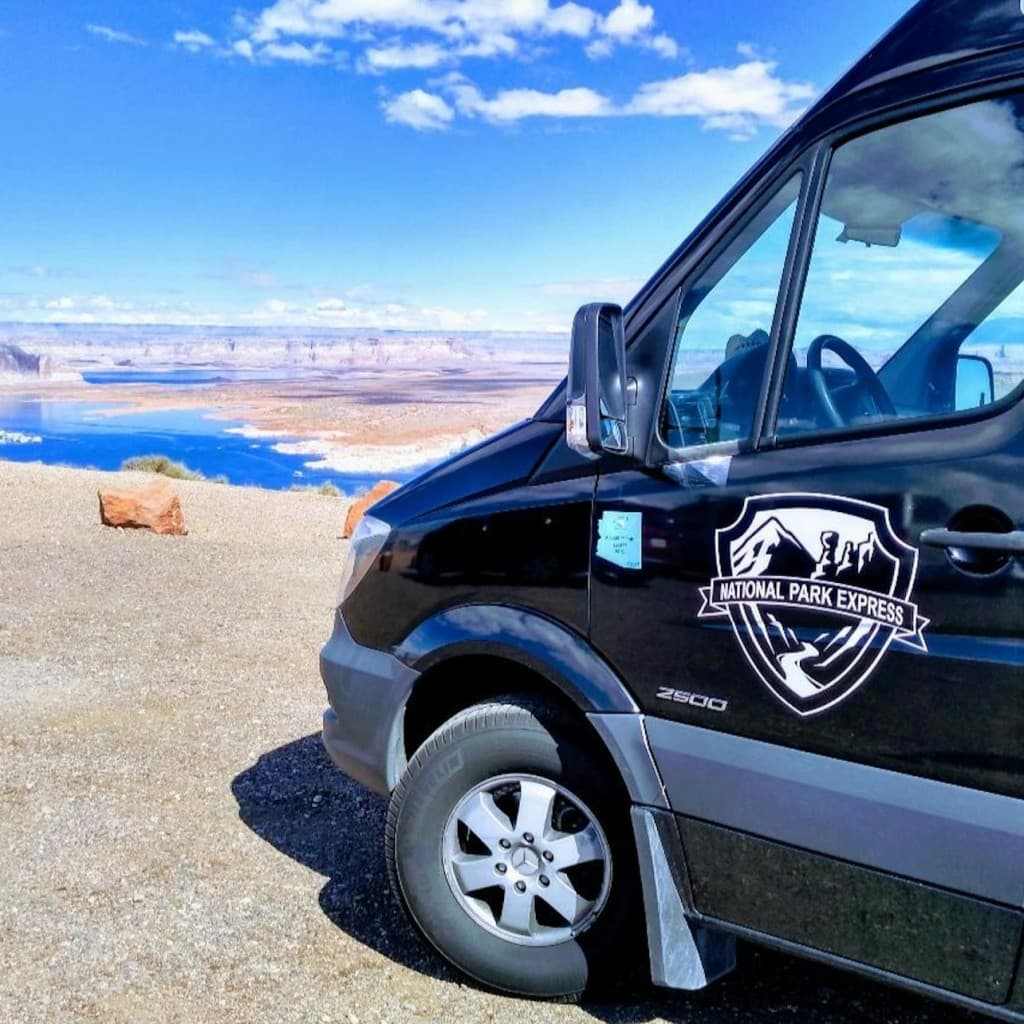
Grand Canyon West: One-Way or Roundtrip Shuttle Transfer from Las Vegas

Grand Canyon West: Day Trip from Las Vegas + Optional Skywalk
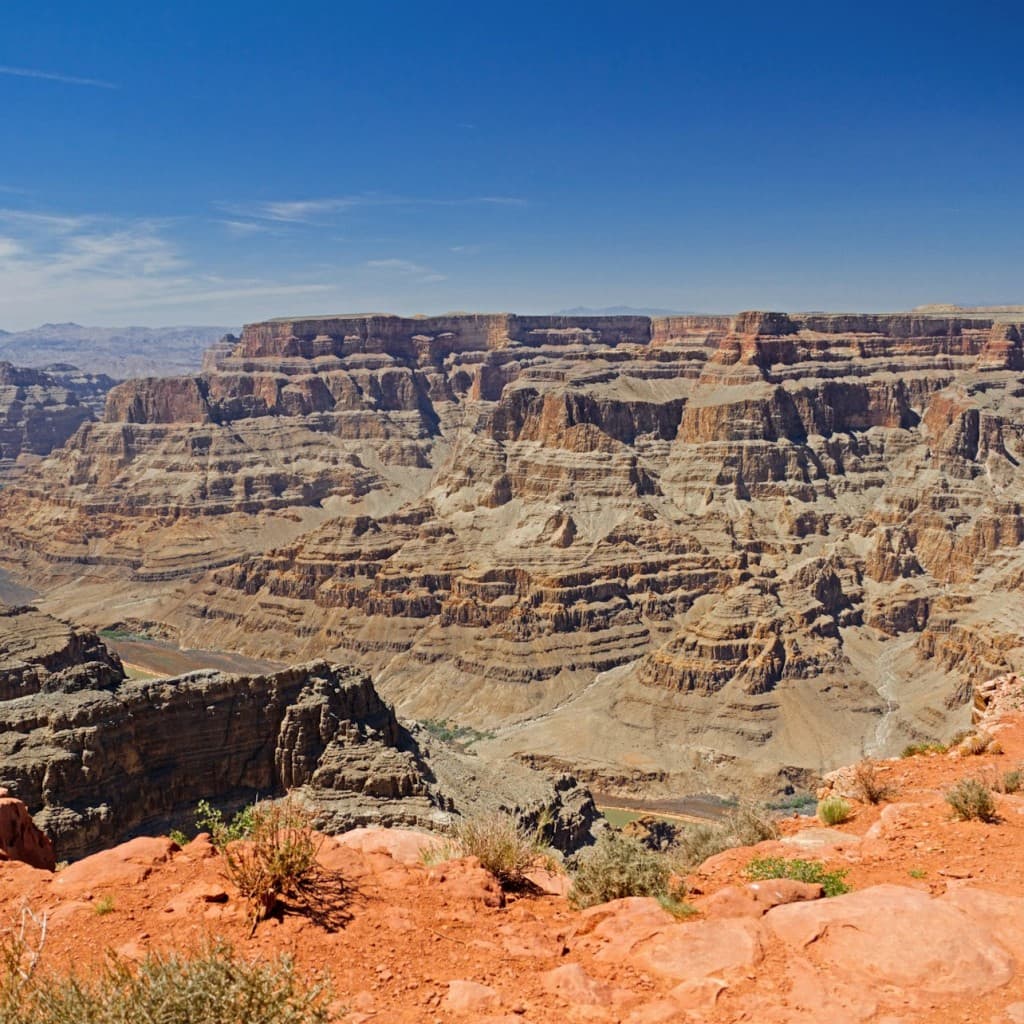
Grand Canyon: Golden Eagle Air Tour of the West Rim
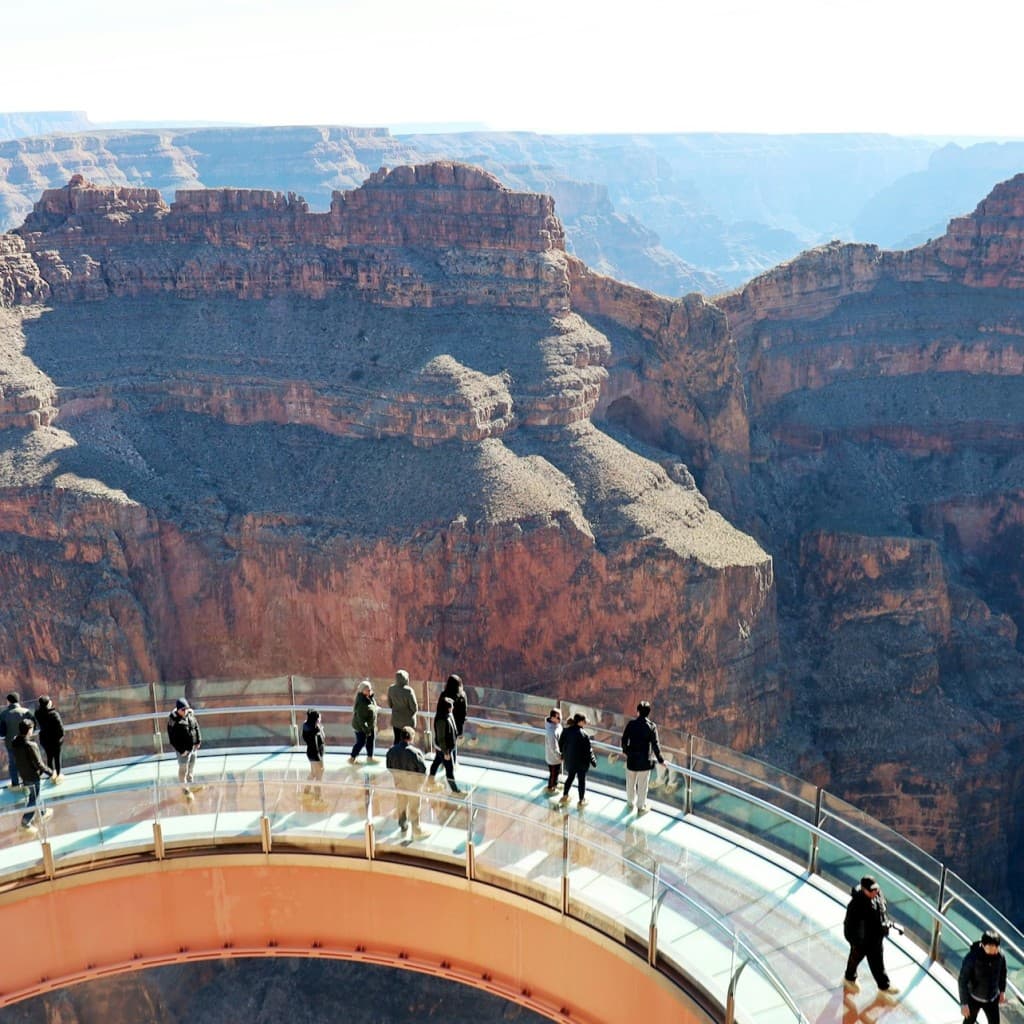
Grand Canyon: Skywalk + Helicopter Flight + Boat Ride from Las Vegas
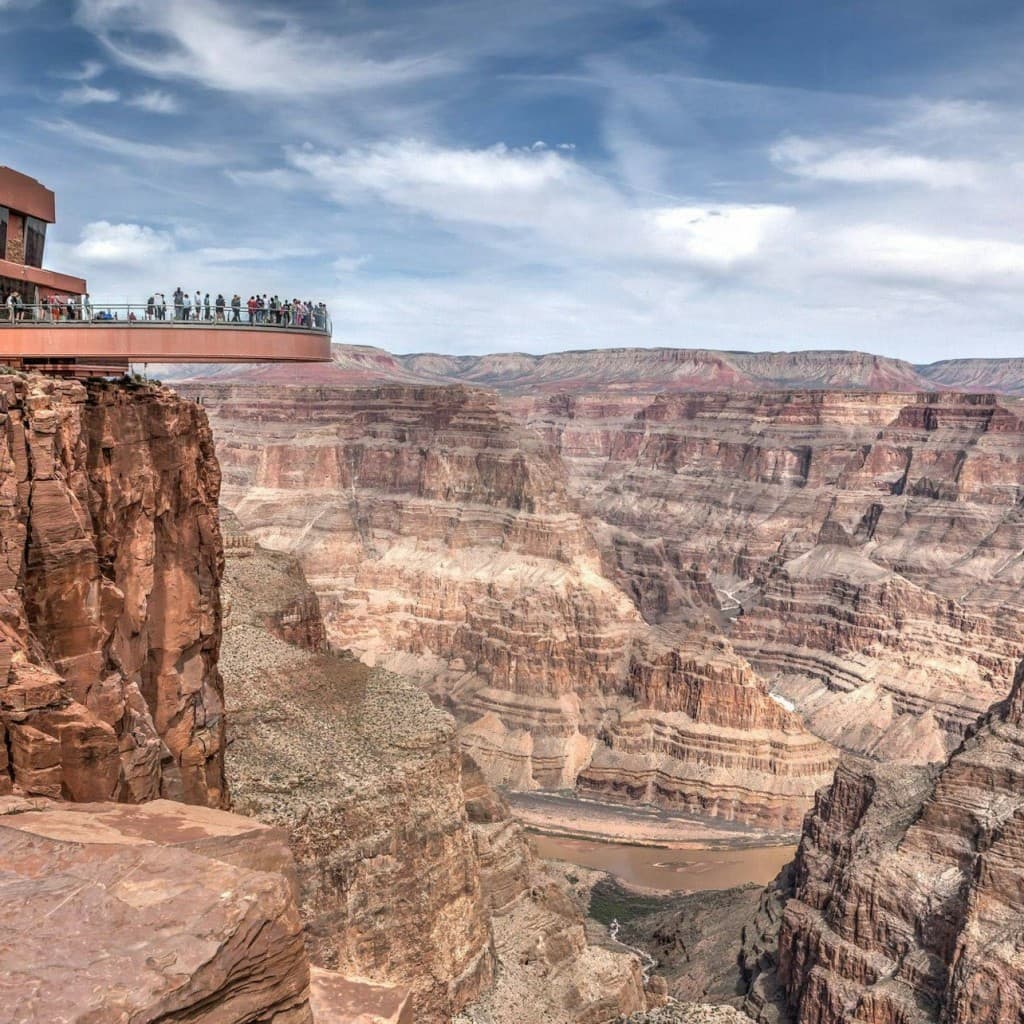
Grand Canyon: VIP West Rim Helicopter Tour from Las Vegas
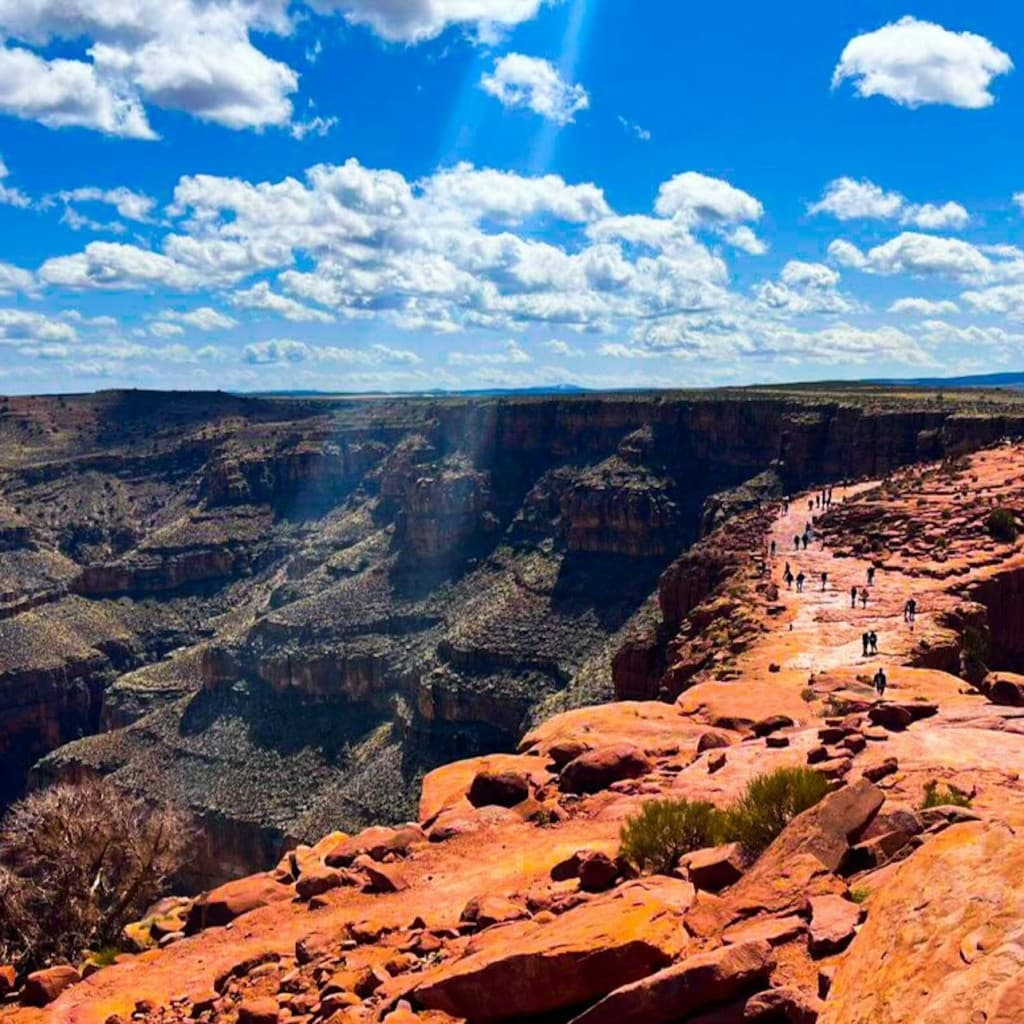
Grand Canyon West: Day Trip from Las Vegas + Skywalk
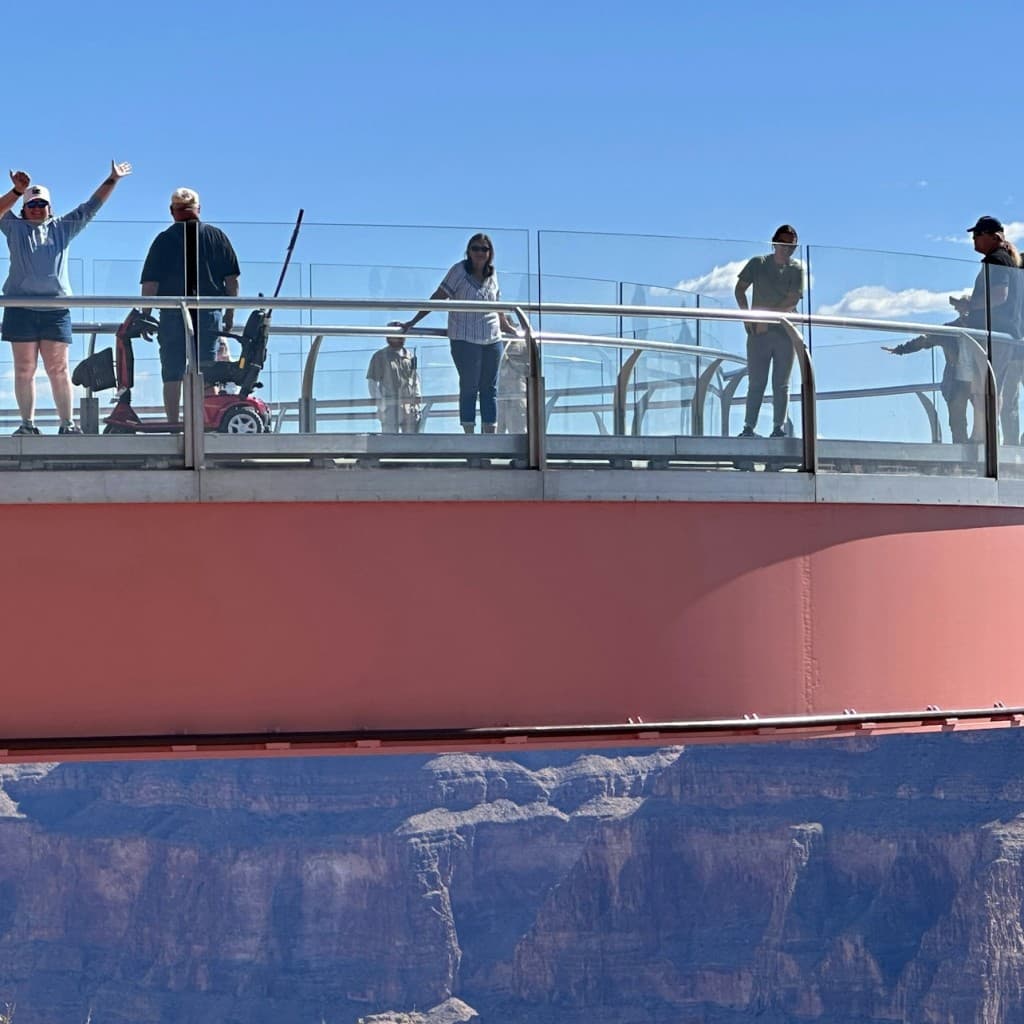
Grand Canyon West: Guided Tour in French + Skywalk Entry
Compare options
| Option | Type | Summary | Duration | From | Book |
|---|---|---|---|---|---|
| Grand Canyon IMAX Theater: Rivers of Time Movie | Tickets | Get ready to travel through time at one of the most breathtaking natural wonders of the world with Grand Canyon Rivers... | Flexible | €14.12 | Book |
| Las Vegas to Grand Canyon West & Hoover Dam Bus Tour with Optional Skywalk Entry (Las Vegas: Grand Canyon West, Hoover Dam without Lunch) | Tours | Details on option page | 10 hours | €67.99 | Book |
| Grand Canyon National Park: One-Way or Roundtrip Shuttle Transfer from Las Vegas | Tickets | Use the convenient shuttle service from Las Vegas, Nevada to Grand Canyon South, Arizona, home of Grand Canyon National... | Flexible | €81.66 | Book |
| Las Vegas to Grand Canyon West & Hoover Dam Bus Tour with Optional Skywalk Entry (Las Vegas: Grand Canyon West, Hoover Dam with Lunch) | Tours | Details on option page | 10 hours | €85.08 | Book |
| Grand Canyon West: One-Way or Roundtrip Shuttle Transfer from Las Vegas | Tickets | Use a shuttle service from Las Vegas, Nevada to Grand Canyon West, home of Skywalk. Travel in comfort with commercial v... | Flexible | €91.33 | Book |
| Grand Canyon West Rim Entry Tickets with Skywalk Access (Skywalk + All Access Ticket) | Tours | Details on option page | 4 hours | €95.21 | Book |
| Grand Canyon West: All Access Pass | Tickets | Get an All Access Pass to Grand Canyon West. Use the hop-on hop-off shuttle service to explore the West Rim. Visit Guan... | Flexible | €108.37 | Book |
| Las Vegas to Grand Canyon West & Hoover Dam Bus Tour with Optional Skywalk Entry (Las Vegas: Grand Canyon West, Hoover Dam including Skywalk & Lunch) | Tours | Details on option page | 10 hours | €112.56 | Book |
| Grand Canyon National Park: Day Trip from Las Vegas with Lunch | Tickets | Las Vegas to the Grand Canyon is one of the world's greatest road trips. See for yourself with this spectacular guided... | Flexible | €127.16 | Book |
| Grand Canyon West: Day Trip from Las Vegas + Optional Skywalk | Tickets | Step into the untouched beauty of Hualapai, Eagle, and Guano Point. Walk through the winding trail at Guano Point to th... | Flexible | €139.89 | Book |
| Grand Canyon Airplane Tour + IMAX Experience | Tickets | Experience the Grand Canyon like never before with this larger-than-life package! **Grand Canyon: 45-Min. Aerial Tour b... | Flexible | €151.66 | Book |
| Grand Canyon: 45-Min. Aerial Tour by Airplane | Tickets | Capture the grandeur of the **Grand Canyon South Rim** with tickets for an **airplane aerial tour** and enjoy unobstruc... | Flexible | €180.87 | Book |
| Grand Canyon West: Day Trip from Las Vegas + Skywalk | Tickets | Join a journey of a lifetime on this tip to the magnificent Grand Canyon, one of the seven wonders of the world. Hop ab... | Flexible | €220.17 | Book |
| Grand Canyon Highlights: Roundtrip Flight from Las Vegas | Tickets | Take an afternoon away from your Las Vegas vacation for a fantastic airplane tour over the Mojave Desert, Hoover Dam, L... | Flexible | €239.91 | Book |
| Grand Canyon West: Guided Tour in French + Skywalk Entry | Tickets | Get picked up from your hotel in an 8-seater SUV. Arrive at Grand Canyon West. Visit key sites such as Eagle Point and... | Flexible | €245.47 | Book |
| Grand Canyon National Park & Sedona: Day Trip from Phoenix/Scottsdale | Tickets | Learn about the Navajo Nation, get the facts on cacti, and soak up Arizona's rich history on this full-day tour of some... | Flexible | €258.77 | Book |
| 25-min Grand Canyon National Park Helicopter Tour with Optional Hummer Tour (From South Rim: Standard Helicopter Tour, 25-min) | Tours | Details on option page | 30 minutes | €299.46 | Book |
| 45-min Grand Canyon National Park Helicopter Tour with Optional Hummer Tour (From South Rim: Premium Helicopter Tour, 45-min) | Tours | Details on option page | 45 minutes | €374.56 | Book |
| Grand Canyon West: Roundtrip Flight from Las Vegas + Skywalk | Tickets | Take in the scenery from the sky as you depart by airplane to the rim of Grand Canyon West. En route you will have amaz... | Flexible | €387.39 | Book |
| Grand Canyon North Rim: Roundtrip Flight from Las Vegas + Optional ATV Tour | Tickets | Experience rare sights of the rugged northern canyon at the rustic Bar 10 Ranch. This breathtaking air tour flies you t... | Flexible | €415.47 | Book |
| Grand Canyon: Golden Eagle Air Tour of the West Rim | Tickets | This unforgettable air tour takes you on an exhilarating journey through the West Rim of the Grand Canyon, located with... | Flexible | €417.99 | Book |
| Las Vegas to Grand Canyon West & Hoover Dam Bus Tour with Optional Skywalk Entry (Las Vegas: Grand Canyon West, Hoover Dam including Helicopter & Boat Ride) | Tours | Details on option page | 10 hours | €446.77 | Book |
| From Las Vegas: 70+ min Grand Canyon West Rim Helicopter Tour Plus Canyon Floor Landing with Champagne (From Boulder City: Helicopter Tour, 70-min + Floor Landing) | Tours | Details on option page | 4 hours | €452.39 | Book |
| Grand Canyon: Grand Celebration Helicopter Tour | Tickets | Get ready for an unforgettable adventure with a Grand Celebration Helicopter Tour - the ultimate way to experience the... | Flexible | €479.76 | Book |
| From Las Vegas: 70+ min Grand Canyon West Rim Helicopter Tour Plus Canyon Floor Landing with Champagne (From Las Vegas: Helicopter Tour, 90-min + Floor Landing & Las Vegas Strip Views) | Tours | Details on option page | 4 hours | €499.68 | Book |
| Grand Canyon: VIP West Rim Helicopter Tour from Las Vegas | Tickets | This fantastic VIP tour starts from Las Vegas and includes a thrilling helicopter ride with sights along the way, inclu... | Flexible | €573.87 | Book |
| Grand Canyon: Skywalk + Helicopter Flight + Boat Ride from Las Vegas | Tickets | Discover Grand Canyon above and below the rim, with a helicopter flight, boat ride, and admission to the famous Skywalk... | Flexible | €805.85 | Book |
The Grand Canyon, a UNESCO World Heritage site, is one of the most breathtaking natural wonders in the world. Located in Arizona, USA, the canyon was carved over millions of years by the Colorado River, creating a vast and complex landscape of layered rock formations. The sheer scale of the Grand Canyon is awe-inspiring, with its immense depth and vibrant colors offering unparalleled views.
Whether you're an avid hiker, a nature enthusiast, or simply seeking a moment of profound beauty, the Grand Canyon promises an unforgettable experience. Its grandeur evokes a sense of timelessness, inviting visitors to contemplate the power and beauty of the natural world.
What to Expect
Highlights
About Grand Canyon National Park
Grand Canyon National Park protects and preserves the immense Grand Canyon and its surrounding environment. Established as a national park in 1919, it showcases the canyon's geological significance, diverse ecosystems, and rich cultural history. The park is home to numerous plant and animal species, many of which are unique to the region, and offers visitors a range of recreational activities, from hiking and mule rides to rafting and helicopter tours.
The Grand Canyon's primary purpose is to provide opportunities for visitors to experience and learn about this natural wonder while ensuring its preservation for future generations. It serves as a living laboratory for scientific research, contributing to our understanding of geological processes and environmental conservation. The park is also deeply intertwined with the history and culture of Native American tribes, who have inhabited the region for thousands of years, adding layers of human history to the natural landscape.
Why Book Online?
Booking Grand Canyon tours online is the easiest way to plan your visit with confidence. Availability can be limited during peak travel periods, and popular tour options often sell out in advance. By booking online through our website, you can compare verified Grand Canyon tours, secure your preferred date, and access a range of options, from guided sightseeing tours to helicopter and small-group experiences. Online booking also helps you avoid uncertainty on arrival and makes it easier to choose the tour that best matches your time, interests, and budget.
History
The Grand Canyon's history stretches back millions of years, with the Colorado River gradually carving through layers of rock to create the immense chasm we see today. The canyon also holds deep cultural significance for Native American tribes, who have inhabited the region for thousands of years. Archaeological evidence suggests human presence in the canyon dating back nearly 12,000 years. Various tribes, including the Havasupai, Hopi, and Navajo, consider the Grand Canyon a sacred place.
In the 16th century, Spanish explorers were among the first Europeans to see the canyon, but it wasn't until the late 19th century that the area began to be widely explored and appreciated for its natural beauty. The Grand Canyon was designated as a National Monument in 1908 and officially became a National Park in 1919, solidifying its protection and preservation for future generations. Since then, it has grown into a global attraction, drawing over 4 million visitors each year who come to marvel at its geological wonders and rich cultural heritage.
Opening Hours
Grand Canyon National Park is generally open 24 hours a day, 365 days a year. However, visitor centers, museums, and other facilities within the park may have specific operating hours that vary by season.
- South Rim Visitor Center: Open from 8:00 AM to 4:00 PM from May 23 to August 31, and from 8:00 AM to 5:00 PM from September 1 to May 22.
- North Rim Visitor Center: Open from 8:00 AM to 5:00 PM, usually from mid-May to mid-October, weather permitting.
- West Rim Visitor Center: Open from 8:00 AM to 7:15 PM, with last ticket sales typically ending at 5:00 PM; winter hours may vary.
- Most tours and activities: Typically run between 8:00 AM and 6:00 PM, depending on the tour type and departure location.
Best Time to Visit
The best time to visit the Grand Canyon is during spring and fall (March–May and September–October), when temperatures are milder and visibility is generally better. These seasons are ideal for sightseeing, hiking, and most guided tours.
Summer months bring higher temperatures and larger crowds, particularly at the South and West Rims, while afternoon storms may affect visibility and flight-based tours. Winter offers quieter conditions, especially at the South Rim, though snow can limit access in some areas.
Early morning visits are recommended year-round for cooler temperatures, clearer views, and fewer crowds.
Things to Know
Before booking your Grand Canyon tours, keep the following in mind.
- Choose the right rim: The Grand Canyon is divided into South Rim, North Rim, West Rim, and East Rim, and tour options vary significantly by location and departure city.
- South Rim tours: Typically include bus tours, Hummer tours, and helicopter flights, and are the most popular option within Grand Canyon National Park.
- West Rim tours: Often chosen from Las Vegas and may include the Skywalk, helicopter flights with canyon landings, or boat rides on the Colorado River; this area is not part of the national park.
- Weight limits apply to aerial tours: Helicopter and airplane tours have a maximum weight limit of around 300 lbs (136 kg), and additional seating may be required if exceeded.
- Entrance fees may or may not be included: Most ground-based tours include Grand Canyon National Park entrance fees, while aerial-only tours typically do not.
- Weather can affect tours: July and August bring monsoon storms that may cancel flights, while winter weather can affect access on the South Rim.
- Combo tours offer more value: Tours that combine flights, landings, boat rides, or Skywalk access allow you to experience multiple viewpoints in one visit.
- Add nearby landmarks: Many tours include or pass by attractions like Hoover Dam, Lake Mead, or aerial views of the Las Vegas Strip.
- Stay hydrated and prepared: Inner-canyon temperatures can exceed 110°F (43°C) in summer, making water, sun protection, and proper footwear essential.
- Hiking requires planning: Trails are steep, and the climb back up is significantly harder than the descent; staying on marked trails is critical.
- Free shuttle buses are available: The South Rim operates a free shuttle system connecting major viewpoints, visitor centers, and lodges.
Visitor Rules
- Drone use is strictly prohibited within Grand Canyon National Park.
- Stay on marked trails and away from cliff edges; shortcuts are not allowed.
- Do not feed, approach, or disturb wildlife under any circumstances.
- Always follow instructions from guides and tour staff during guided activities.
- Safety rules apply to helicopter and airplane tours, including seating and weight limits.
- Tours may be modified or canceled due to weather or safety conditions.
- Littering, removing rocks, or damaging natural features is prohibited.
- Accessibility varies by rim, viewpoint, and tour type.
Is It Worth Visiting?
The Grand Canyon is undeniably worth visiting. Its immense scale and breathtaking beauty create an awe-inspiring experience that leaves a lasting impression. Gazing out over the canyon's vast expanse evokes a sense of wonder and humility, connecting you to the powerful forces of nature that have shaped this landscape over millions of years.
Whether you're an avid hiker seeking challenging trails or simply looking to soak in the panoramic views, the Grand Canyon offers something for everyone. It's a place where you can disconnect from the everyday and reconnect with the natural world, creating memories that will last a lifetime. A visit to the Grand Canyon is an investment in an experience that will enrich your perspective and deepen your appreciation for the planet we call home.
Frequently Asked Questions
The easiest way to book Grand Canyon tours is online in advance. On our website, you can compare verified tour options, including bus tours, helicopter flights, and day trips with transfers, and choose the experience that best fits your schedule and travel style.
You can tour the Grand Canyon in several ways, depending on your time and interests. Popular options include guided bus tours, small-group day trips, helicopter flights, and self-guided visits by car. Guided tours are ideal for first-time visitors, as they handle transport and highlight key viewpoints.
Yes, Grand Canyon tours from Las Vegas are widely available. Many tours depart directly from Las Vegas hotels and include transportation, guided commentary, and optional upgrades such as helicopter flights or Skywalk access.
Yes, Grand Canyon tours from Las Vegas can be booked online in advance. Booking online allows you to compare tour types, secure preferred departure dates, and access verified options and attractive deals through our website.
The cost of a Grand Canyon helicopter tour depends on the flight duration, departure location, and included extras such as landings or transfers. Prices vary widely, so comparing helicopter tour options on our website is the best way to find current availability and value.
Entry to Grand Canyon National Park requires an entrance pass, but most guided tours include this fee in the price. If you are visiting independently, you will need to purchase a park pass separately.
The Grand Canyon is approximately 270 miles (435 kilometers) from Las Vegas by road. Travel time is typically around 4.5 to 5 hours each way by car, which is why many visitors choose guided day tours or flights from Las Vegas.
The spring (March-May) and fall (September-November) are generally considered the best times to visit, offering milder temperatures and fewer crowds.
Most visitors spend at least one or two full days exploring the Grand Canyon, but longer trips allow for a more in-depth experience.
How to Get There
The best way to get to the Grand Canyon depends on which rim you plan to visit and where you’re traveling from.
By car:
- Driving offers the most flexibility, particularly for visiting the South Rim or North Rim.
- From Las Vegas, the drive takes about 4.5 to 5 hours to the South Rim and around 2 hours to the West Rim.
- From Phoenix, the South Rim is approximately a 3.5-hour drive.
- The North Rim requires a longer drive and is only accessible seasonally.
By guided tour:
- Many visitors choose guided Grand Canyon tours, especially from Las Vegas. These tours include transportation by bus, airplane, or helicopter and remove the need to plan routes, parking, or entrance logistics. Tours are available to the South Rim and West Rim, with some options including hotel pickup.
By air:
- Airplane and helicopter flights operate from Las Vegas and nearby regional airports. These tours are the fastest way to reach the canyon and are popular for visitors with limited time. Some flights include landings inside the canyon or at the West Rim.
By train:
- The Grand Canyon Railway operates from Williams, Arizona, to the South Rim. This option is popular for travelers already in Arizona and offers a scenic, relaxed journey without driving.
Local access and parking
- At the South Rim, free shuttle buses connect visitor centers, viewpoints, and lodges, reducing the need to drive once inside the park. Parking is available near major visitor areas but can fill quickly during peak season.