Archaeological Park of Herculaneum Entry Ticket
Visit Herculaneum with an entry ticket—roam ancient streets, frescoed villas, baths, and the re‑opened volcanic beach on this UNESCO site.
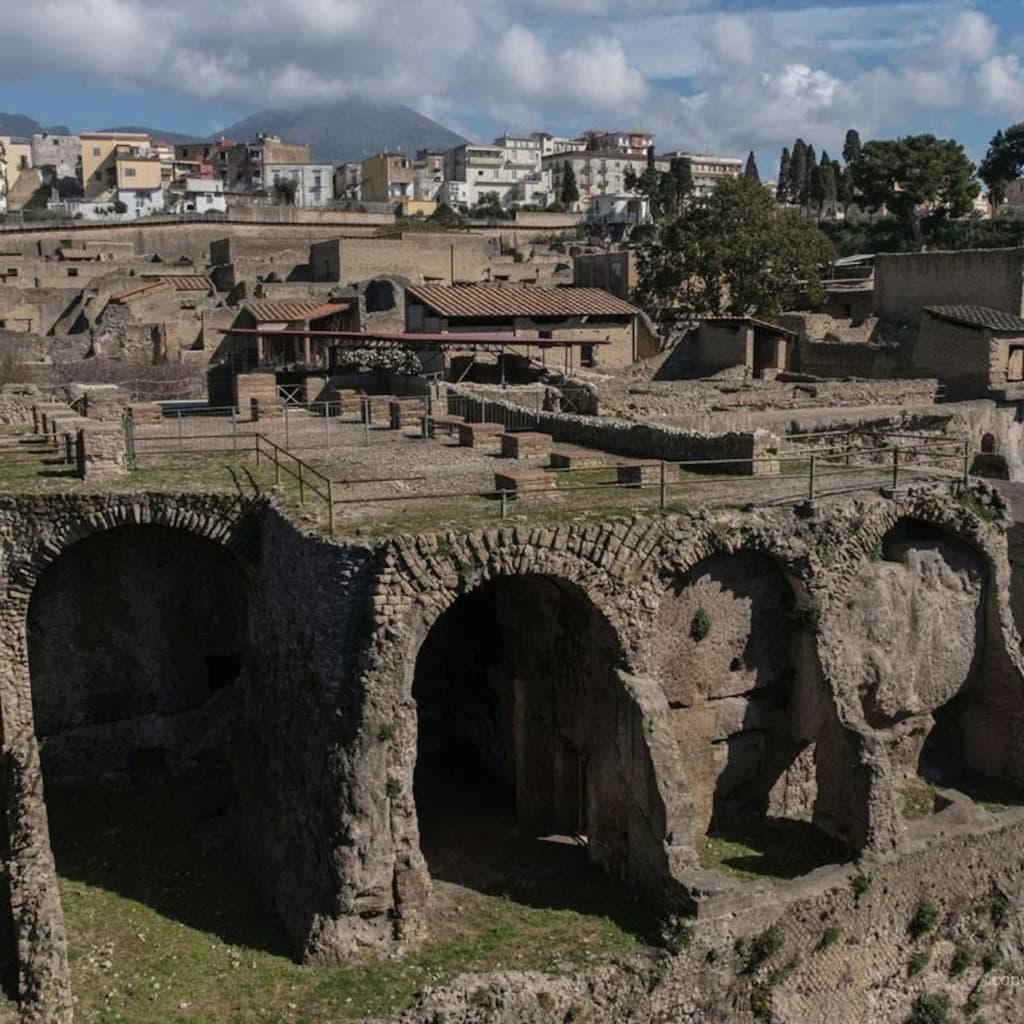
Herculaneum: Entry Ticket

Compare options
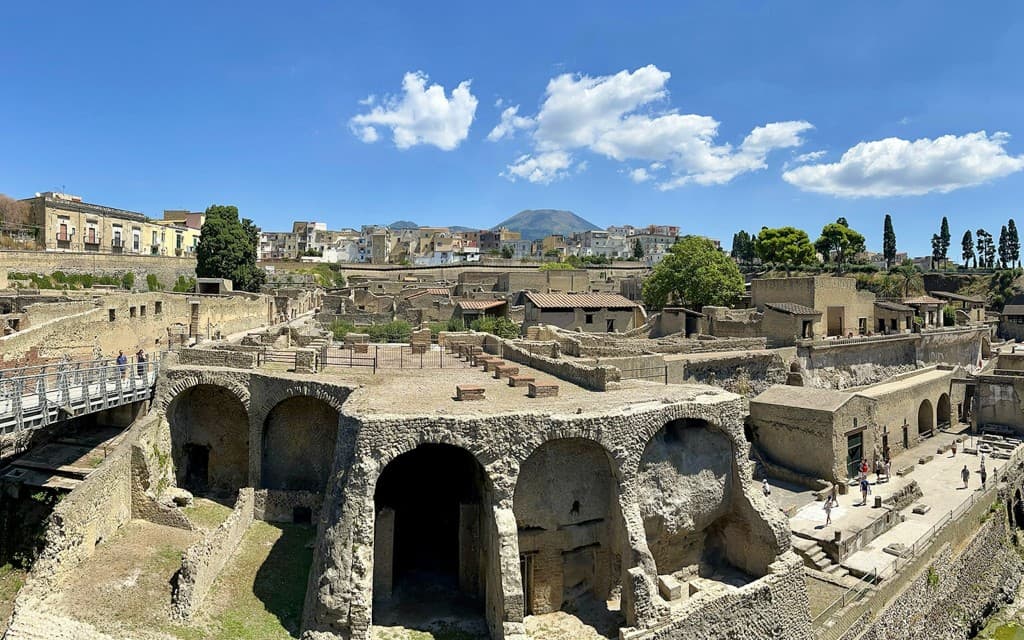
Step back in time at the Archaeological Park of Herculaneum, an exceptionally preserved ancient Roman town near Naples. Buried by the eruption of Mount Vesuvius in 79 AD, Herculaneum offers a captivating glimpse into daily life in the Roman Empire. Unlike Pompeii, Herculaneum was engulfed by superheated pyroclastic flows, which carbonized wood and other organic materials, leaving behind remarkably intact buildings, frescoes, and even household items. This UNESCO World Heritage site allows visitors to walk through ancient streets, explore multi-story houses, and witness the poignant remains of those who perished. A visit provides an intimate understanding of a sophisticated Roman community frozen in time.
What to Expect
Highlights
About Archaeological Park of Herculaneum
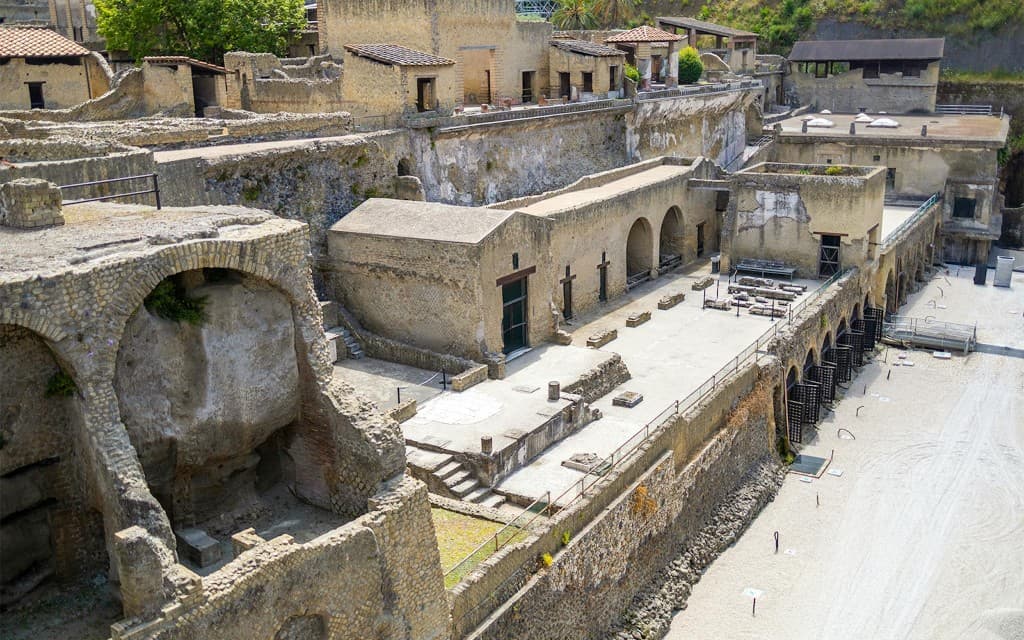
The Archaeological Park of Herculaneum, known in Italian as Ercolano, is a testament to the devastating power of Vesuvius and the incredible preservation capabilities of nature. Originally a wealthy coastal town, it was smaller and perhaps more affluent than its neighbor Pompeii. The pyroclastic surge that buried Herculaneum created a much denser and harder material than the ash that covered Pompeii, which explains the distinct state of preservation found here. Visitors can explore beautifully preserved villas, bathhouses, and shops, many still featuring their original wooden elements, intricate mosaics, and vibrant frescoes. The site's unique preservation allows for a deeper insight into Roman architecture, social structures, and daily routines, showcasing personal belongings and structural details rarely seen elsewhere. From the elaborate House of the Deer to the well-preserved public baths, Herculaneum offers a profoundly moving and educational experience, providing a tangible link to a civilization long past. Its compact size often allows for a more focused and less overwhelming visit compared to larger sites.
Why Book Online?
Booking your Herculaneum tickets online offers several advantages for a smoother visit. It allows you to secure your preferred entry time, which can be crucial during peak seasons. With timed-entry tickets, you can often bypass long queues at the entrance, maximizing your time exploring the ancient ruins. Many online options include valuable extras, such as a digital guidebook or a digital audio guide, enhancing your understanding of the site's history and significance. Pre-purchasing ensures a guaranteed entry, providing peace of mind and a hassle-free start to your archaeological adventure.
History
Herculaneum's history stretches back to the 6th century BC, with legendary ties to the Greek hero Hercules. Originally an Oscan settlement, it later came under Samnite and then Roman control. Under Roman rule, it flourished as a prosperous town, particularly favored by the Roman elite for its pleasant climate and coastal location. Many wealthy Romans built grand villas here, like the famous Villa of the Papyri. Life in Herculaneum was abruptly halted on August 24, 79 AD, when Mount Vesuvius erupted. While Pompeii was buried under layers of ash and pumice, Herculaneum initially escaped the heavy ashfall due to its upwind location. However, hours later, a series of devastating pyroclastic flows—superheated avalanches of gas, ash, and rock—engulfed the town. These flows solidified into a hard, dense rock, perfectly preserving the organic materials and structures within. The town lay buried and forgotten for nearly 1,700 years until accidental rediscoveries in the early 18th century led to systematic excavations, first for treasure and later for archaeological study, revealing its remarkable state of preservation.
Opening Hours
The Archaeological Park of Herculaneum generally operates with varying hours throughout the year. Typically, it opens around 9:00 AM. Closing times differ seasonally; during the summer months (April to October), the park usually closes later, around 7:30 PM (last entry one hour before closing), while in the winter months (November to March), it closes earlier, around 5:00 PM (last entry one hour before closing). The park may also be closed on specific public holidays, such as New Year's Day and Christmas Day. It is advisable to consider these seasonal changes when planning your visit.
Best Time to Visit
For the most comfortable and enjoyable experience, consider visiting Herculaneum during the spring (April-May) or autumn (September-October). During these shoulder seasons, the weather is generally mild and pleasant, making it ideal for exploring the open-air site without the intense summer heat or winter chill. Crowds also tend to be smaller than in the peak summer months, allowing for a more relaxed visit. Arriving early in the morning, shortly after opening, or later in the afternoon can also help avoid the busiest times of day, regardless of the season.
What to See Inside
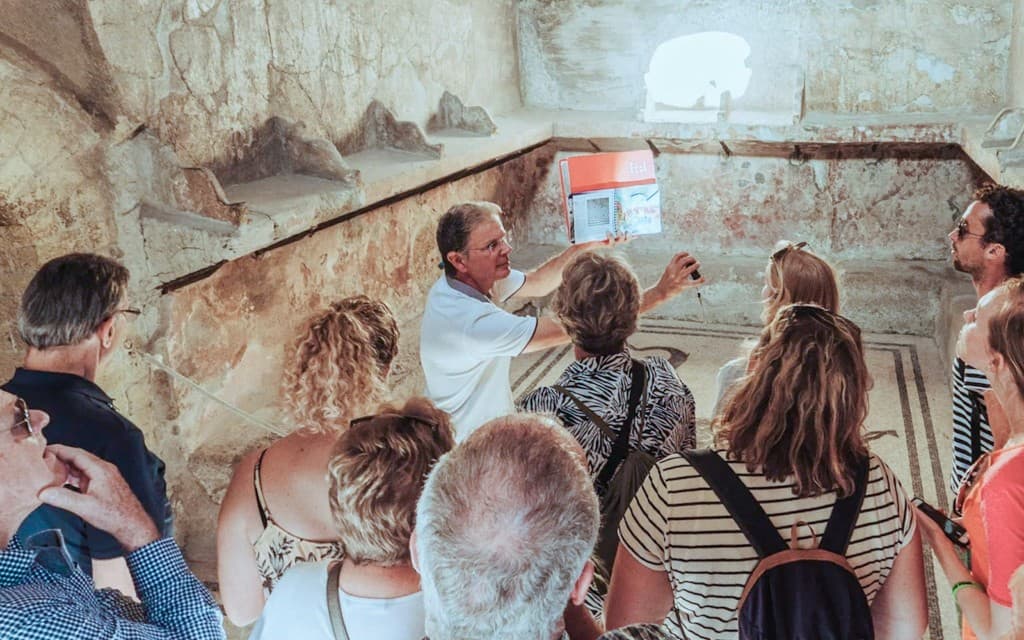
Inside the Archaeological Park of Herculaneum, visitors can explore a multitude of fascinating structures. Key attractions include the House of the Relief of Telephus, known for its intricate details, and the House of the Bicentenary, a grand residence with well-preserved frescoes. The Decumanus Maximus, the main street, leads past various shops and workshops. The impressive Suburban Baths offer a clear view of Roman bathing culture, complete with changing rooms, hot, warm, and cold sections. Do not miss the College of the Augustales, a former seat of worship, and the House of the Deer, famous for its sculptures and panoramic views. The ancient shoreline and the boathouses, where the carbonized skeletons of victims were discovered, provide a particularly poignant experience, highlighting the human cost of Vesuvius's eruption. The theatre, though largely unexcavated, also offers a glimpse of the town's former grandeur.
Things to Know
Wear comfortable walking shoes, as you'll be on uneven ancient pavements and unpaved paths. Bring water, especially during warmer months, as there are limited refreshment options within the park. Sun protection like a hat and sunscreen is recommended. While some areas are accessible, the site has many stairs and rough terrain, which might challenge visitors with mobility issues. Consider purchasing tickets that include a digital guide or audio guide for a deeper understanding of the ruins. Photography is generally permitted for personal use, but tripods and commercial photography may require special permission. Restrooms are available near the entrance.
Visitor Rules
To preserve the historical integrity of the Archaeological Park of Herculaneum, visitors are asked to adhere to certain rules. Please refrain from touching or climbing on ancient structures, frescoes, or artifacts. Littering is strictly prohibited, and visitors should dispose of waste in designated bins. Smoking is not allowed within the archaeological area. Large bags and backpacks may need to be deposited in lockers at the entrance. Pets are generally not permitted inside the park, with the exception of service animals. Always follow the instructions of park staff and remain on marked pathways to ensure safety and site protection.
Is It Worth Visiting?
Herculaneum is absolutely worth visiting for its unparalleled state of preservation and its intimate scale. It offers a more focused and detailed experience than its larger counterpart, Pompeii, making it easier to imagine the daily lives of its ancient inhabitants. The unique pyroclastic preservation means you can see wooden beams, furniture, and even food items carbonized in situ, providing an incredibly vivid connection to the past. For anyone interested in Roman history, archaeology, or simply a profoundly moving historical experience, Herculaneum stands as a must-see site.
Frequently Asked Questions
Herculaneum was buried by superheated pyroclastic flows, which carbonized wood and other organic materials, leading to an extraordinary state of preservation with many original wooden elements and even food items found. Pompeii was covered by ash and pumice, preserving the general forms of buildings but with less organic material intact. Herculaneum is also much smaller and generally less crowded.
Most visitors spend between 2 to 3 hours exploring the Archaeological Park of Herculaneum. This allows enough time to see the main highlights and appreciate the intricate details of the preserved buildings.
While it is physically possible, visiting both Herculaneum and Pompeii in one day can be tiring due to their size and the amount of walking involved. It is often recommended to dedicate separate days to each site to fully appreciate their unique characteristics, or to focus on key areas if doing a combined visit.
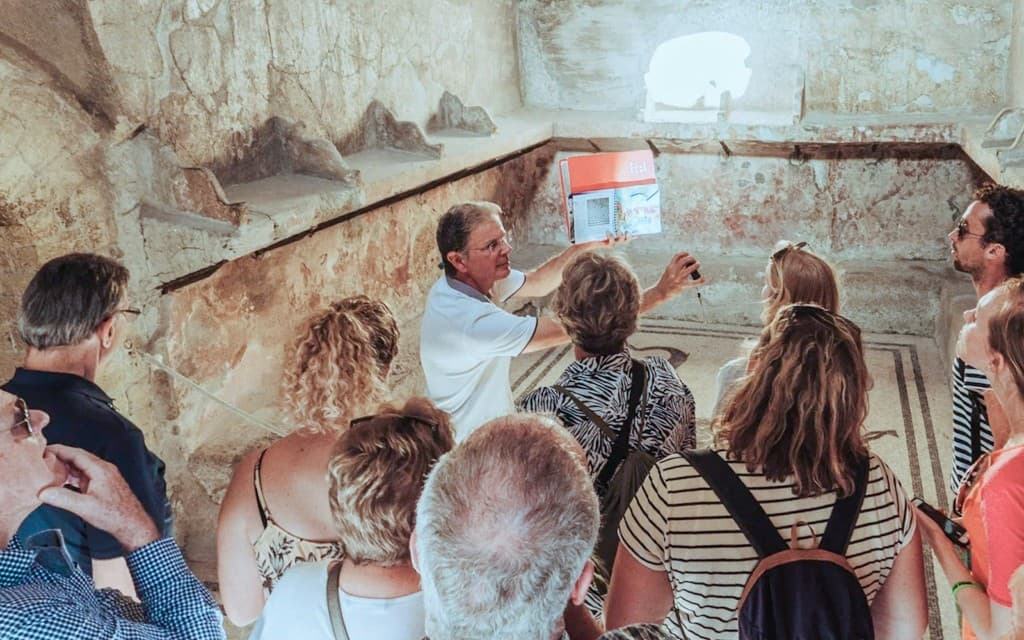
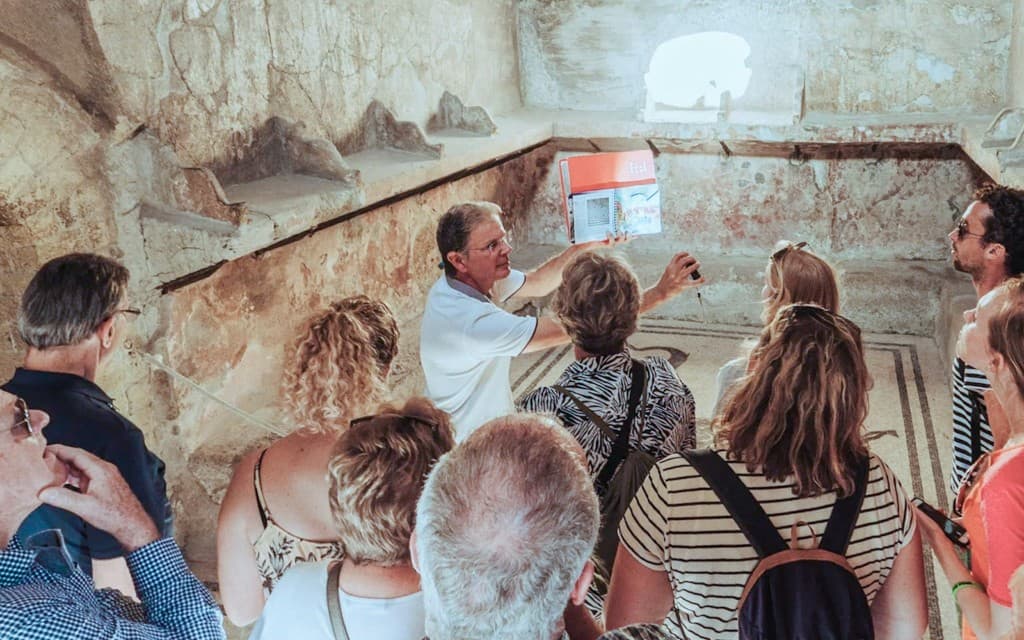
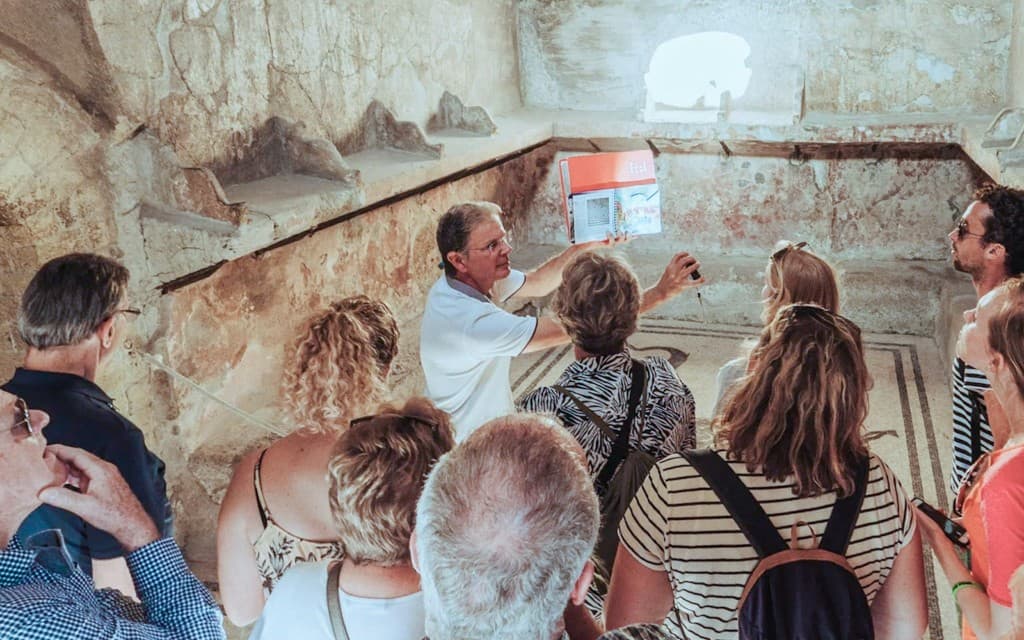
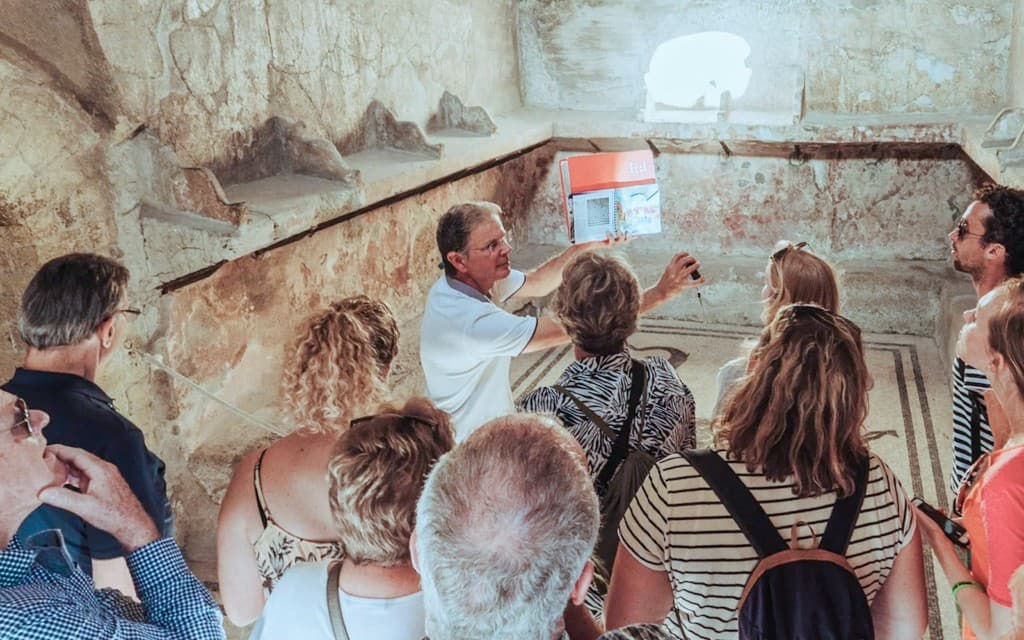
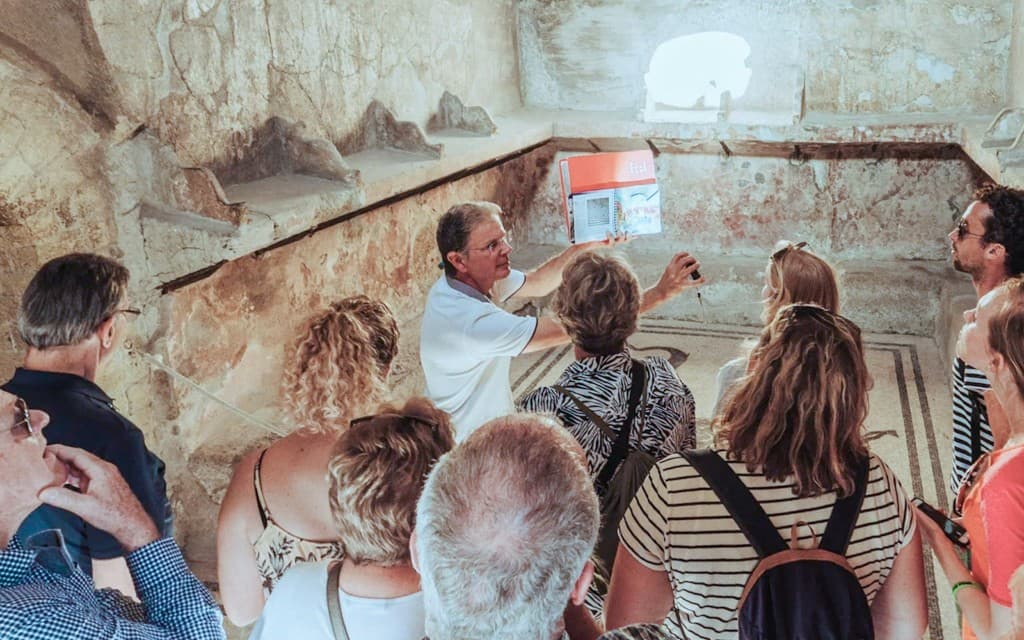
Yes, various guided tour options are available, often bookable online. These tours provide expert commentary and insights into the history and significance of the ruins. You can also enhance your visit with a digital audio guide or digital guidebook, which can be part of a timed-entry ticket package.
Herculaneum, like many ancient sites, presents challenges for visitors with mobility issues due to uneven terrain, ancient cobblestones, and numerous stairs. Some pathways are relatively flat, but full accessibility to all areas may be limited. It is advisable to be prepared for varied surfaces.
It is recommended to wear comfortable walking shoes, bring water, and wear sun protection (hat, sunscreen) especially during warmer months. A small bag is generally fine, but large backpacks might need to be checked at the entrance.
Yes, personal photography is generally allowed throughout the Archaeological Park. However, the use of tripods or professional photographic equipment may require special permission. Please respect any signs indicating restrictions in specific areas or regarding the use of flash.
How to Get There
Herculaneum is conveniently reached from Naples. The most common way is by taking the Circumvesuviana train line from Napoli Porta Nolana or Napoli Garibaldi station towards Sarno or Sorrento. Get off at the 'Ercolano Scavi' station. From there, the entrance to the archaeological park is a straightforward 10-15 minute walk downhill along Via IV Novembre.