

Kyoto: Guided Walking Tour + Kiyomizu-dera & Kōdaiji Temple Entry


Kyoto Full-Day Tour: Nijo Castle, Kinkaku-ji, Fushimi Inari Taisha, Kiyomizu-dera Temple (Kyoto Full-Day Tour)
Kyoto Full-Day Tour: Nijo Castle, Kinkaku-ji, Fushimi Inari Taisha, Kiyomizu-dera Temple (Kyoto Full-Day Tour with Lunch)
Kyoto Half-Day Temple Tour: Kinkaku-ji, Ginkaku-ji, Kiyomizu-dera (JR Kyoto Station Departure (10:00 AM))
Compare options
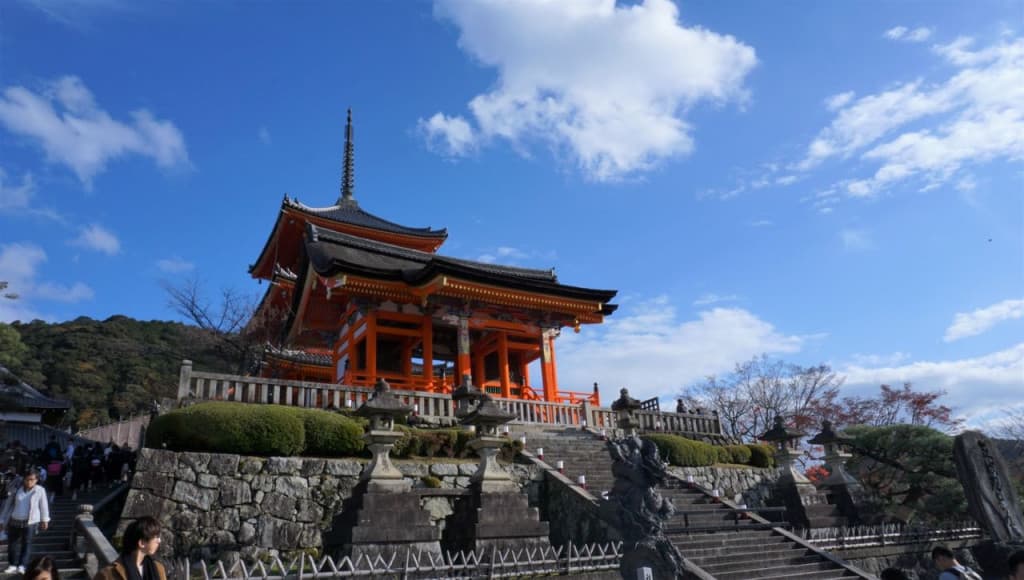
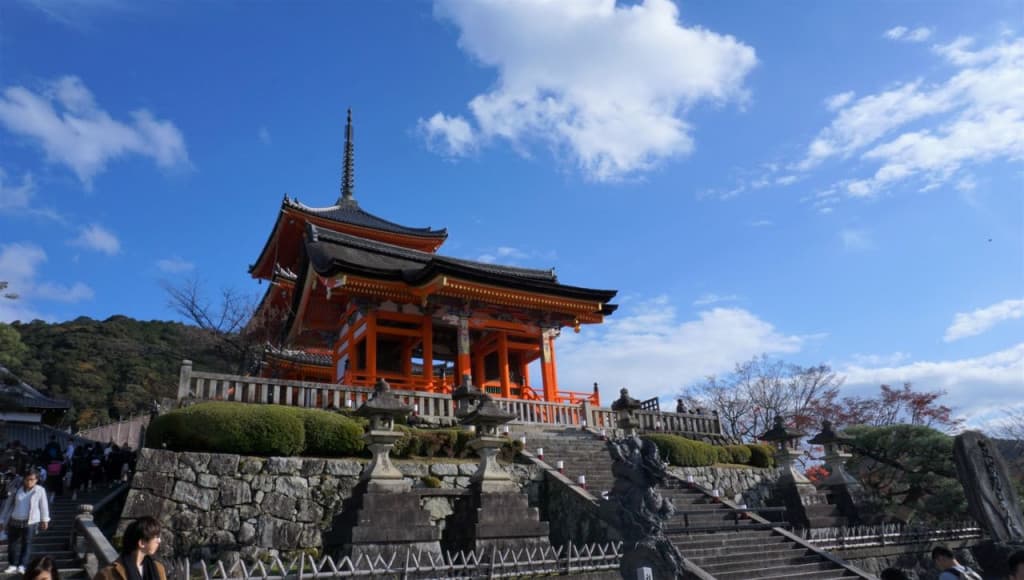
Kiyomizu-dera Temple, officially Otowa-san Kiyomizu-dera, is a renowned Buddhist temple in Kyoto, Japan. Established in 778, it is a UNESCO World Heritage site and a key component of the Historic Monuments of Ancient Kyoto. The temple is best known for its wooden stage that juts out from the main hall, offering stunning views of the city and surrounding hills. The name 'Kiyomizu' translates to 'Pure Water,' derived from the Otowa Waterfall located within the temple grounds. This temple is a must-see for anyone visiting Kyoto, offering a blend of natural beauty and historical significance.
What to Expect
Highlights
About Kiyomizu-dera Temple
Kiyomizu-dera Temple's history stretches back to the late Nara period. The temple was founded by Sakanoue no Tamuramaro, a general who, after hunting deer, was compelled by a vision to convert his home into a temple. The original structure burned down several times, and the current buildings were reconstructed in 1633 during the Edo period. Kiyomizu-dera is associated with the Hosso sect, one of the oldest schools of Japanese Buddhism. Throughout the year, the temple hosts various festivals and events, attracting numerous visitors who come to admire its architecture and natural surroundings. Its main hall, supported by hundreds of pillars, and the Otowa Waterfall, believed to have therapeutic properties, are particularly significant.
Why Book Online?
Booking your visit to Kiyomizu-dera online can save you time and ensure a smooth experience. While tickets are generally available on-site, having a pre-booked ticket can help you avoid potential queues, especially during peak tourist seasons. Booking online often provides additional information about the temple, including maps and details about special events. This preparation can enhance your visit, allowing you to fully appreciate the cultural and historical significance of this iconic Kyoto landmark.
History
The history of Kiyomizu-dera Temple dates back to 778 when Sakanoue no Tamuramaro, a general, encountered a Buddhist priest named Enchin Shonin near the Otowa Waterfall. Inspired by a vision, Tamuramaro converted his residence into a temple to honor Kannon, the goddess of mercy. The temple gained prominence during the Heian period and received patronage from the imperial court. Over the centuries, Kiyomizu-dera faced several fires, and the current structures were rebuilt in 1633 by Tokugawa Iemitsu. Today, Kiyomizu-dera stands as a testament to Japanese architectural and religious heritage, attracting millions of visitors annually.
Opening Hours
Kiyomizu-dera Temple's opening hours typically range from 6:00 AM to 6:00 PM, but these times can vary depending on the season and special events. During certain periods, such as the autumn foliage season, the temple may extend its hours for evening illuminations. It is recommended to check the official Kiyomizu-dera Temple website or visitor information sources for the most accurate and up-to-date schedule before planning your visit.
Best Time to Visit
The best times to visit Kiyomizu-dera are during the spring (late March to early April) for cherry blossoms and the autumn (mid-November to early December) for vibrant foliage. These seasons offer stunning natural backdrops that enhance the temple's beauty. However, these are also peak tourist seasons, so expect larger crowds. Visiting on a weekday or early in the morning can help you avoid some of the congestion.
What to See Inside
Inside Kiyomizu-dera Temple, visitors can explore a variety of fascinating sites. The main hall, with its large wooden stage, is a focal point, providing expansive views. Below the main hall, the Otowa Waterfall offers three separate streams of water; drinking from each is said to grant different benefits—longevity, success in studies, and a happy love life. Jishu Shrine, dedicated to love and matchmaking, features 'love stones' that visitors attempt to walk between with their eyes closed for good luck in relationships. Additionally, the Koyasu Pagoda is believed to ensure safe childbirth. The temple complex also includes several smaller halls, gardens, and statues, each contributing to the rich cultural experience.
Things to Know
When visiting Kiyomizu-dera, wear comfortable shoes, as there is a fair amount of walking involved, including uphill paths and stairs. Be prepared for crowds, especially during peak seasons. Photography is allowed in most areas, but using tripods may be restricted in crowded spots. Remember to bring cash, as some smaller shops and stalls may not accept credit cards. There are also coin lockers available near the entrance for storing bags and personal items.
Visitor Rules
As a sacred site, Kiyomizu-dera Temple has certain rules that visitors are expected to follow. Avoid loud conversations and disruptive behavior. Do not enter restricted areas or touch any religious artifacts. Smoking is generally prohibited within the temple grounds. When visiting the main hall and other prayer areas, maintain a respectful demeanor. These guidelines help preserve the serene atmosphere of the temple for all visitors.
Is It Worth Visiting?
Kiyomizu-dera Temple is undoubtedly worth visiting for its historical significance, stunning architecture, and breathtaking views. The iconic wooden stage, the sacred Otowa Waterfall, and the charming Jishu Shrine all contribute to a rich cultural experience. Whether you're interested in history, religion, or simply beautiful scenery, Kiyomizu-dera offers something for everyone. It's a must-see destination in Kyoto that will leave a lasting impression.
Frequently Asked Questions
Kiyomizu-dera is famous for its wooden stage, the Otowa Waterfall, and its historical significance as a UNESCO World Heritage site.
The entrance fee for Kiyomizu-dera is typically around 400 yen for adults and 200 yen for children.
Yes, Kiyomizu-dera is generally open year-round, but the opening hours may vary depending on the season.
Yes, you can drink the water from the Otowa Waterfall. Each of the three streams is said to grant different benefits: longevity, success in studies, and a happy love life. However, it is customary to only drink from one stream.
Yes, Kiyomizu-dera hosts various festivals and events throughout the year, including special illuminations during the spring and autumn seasons.
The journey from Kyoto Station to Kiyomizu-dera takes about 30-40 minutes by bus, followed by a 10-15 minute walk uphill to the temple.
While some parts of Kiyomizu-dera are accessible, certain areas, such as the main hall and some of the smaller shrines, may be challenging for people with mobility issues due to stairs and uneven paths.
Yes, there are many restaurants and tea houses located along the approach to Kiyomizu-dera, offering a variety of local cuisine and refreshments.
How to Get There
From Kyoto Station, take bus number 206 or 100 to the Gojo-zaka or Kiyomizu-michi bus stop. From either stop, it's about a 10-15 minute uphill walk to the temple. Alternatively, you can take the Keihan Railway to Kiyomizu-Gojo Station, followed by a 20-minute walk.