Auschwitz-Birkenau Guided Tour with Fast-Track Tickets & Transfer Options (English Guided Tour)Auschwitz-Birkenau Guided Tour with Fast-Track Tickets & Transfer Options (English Guided Tour) - 1Auschwitz-Birkenau Guided Tour with Fast-Track Tickets & Transfer Options (English Guided Tour) - 2Auschwitz-Birkenau Guided Tour with Fast-Track Tickets & Transfer Options (English Guided Tour) - 3

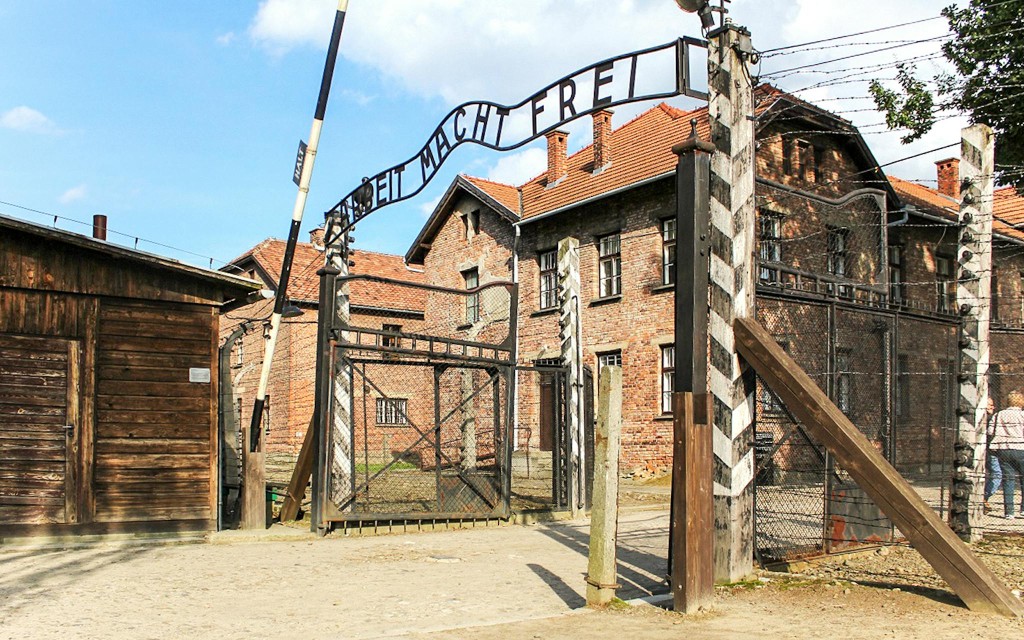
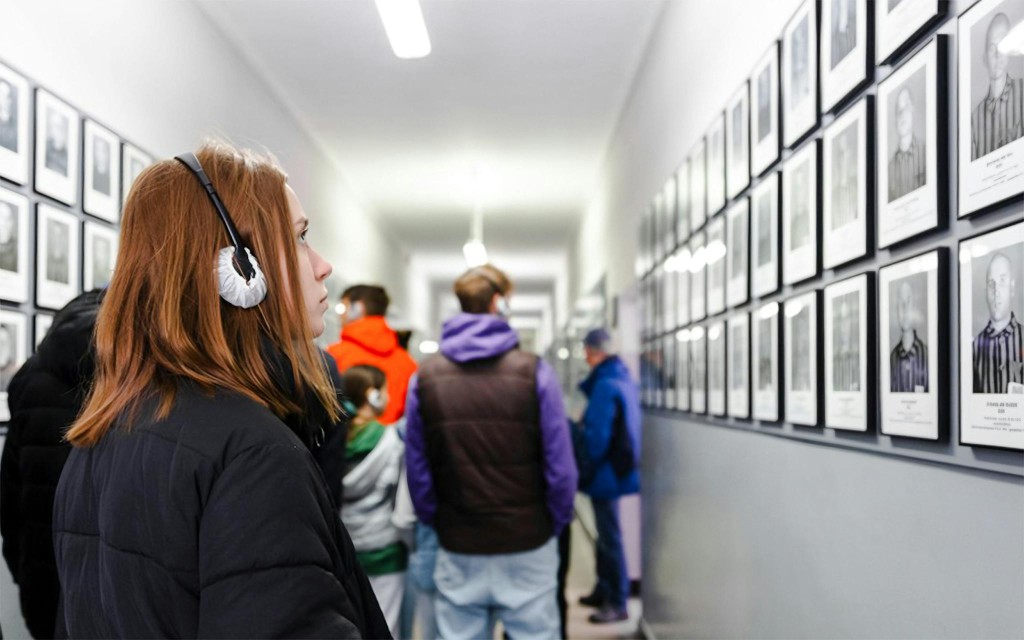
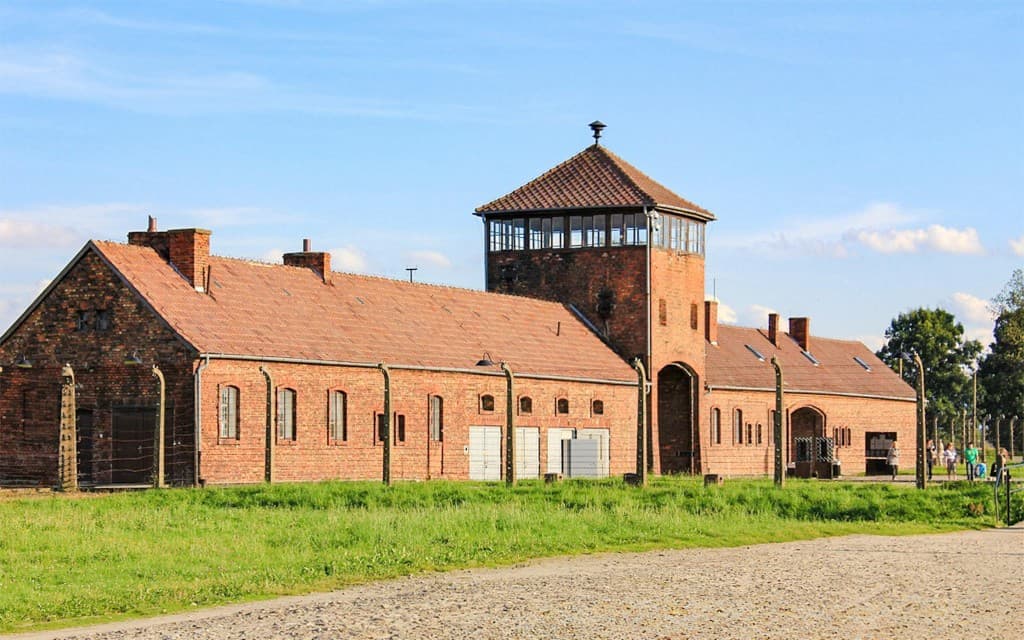
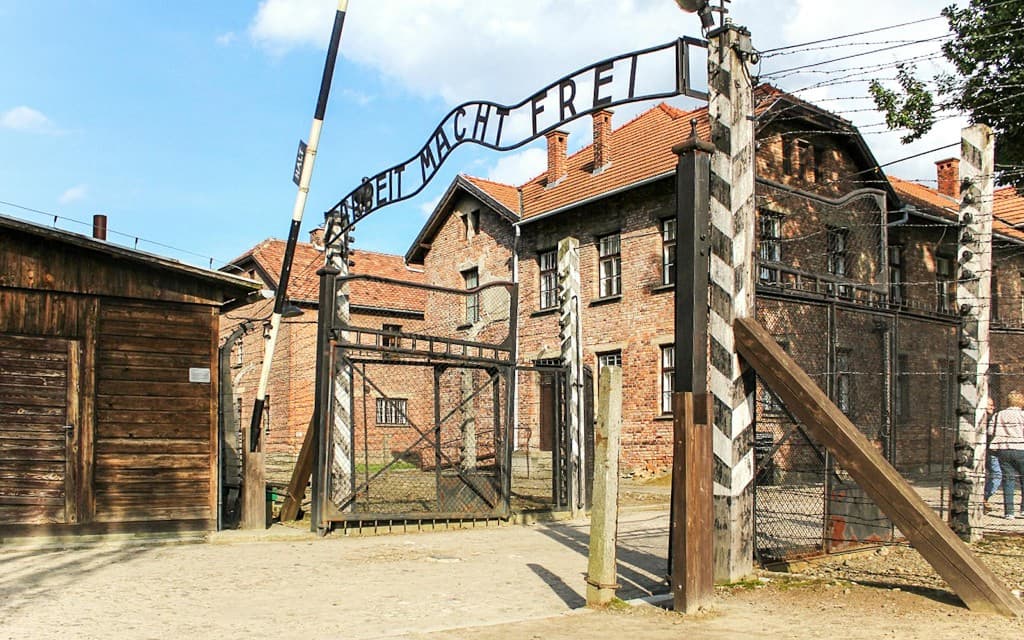
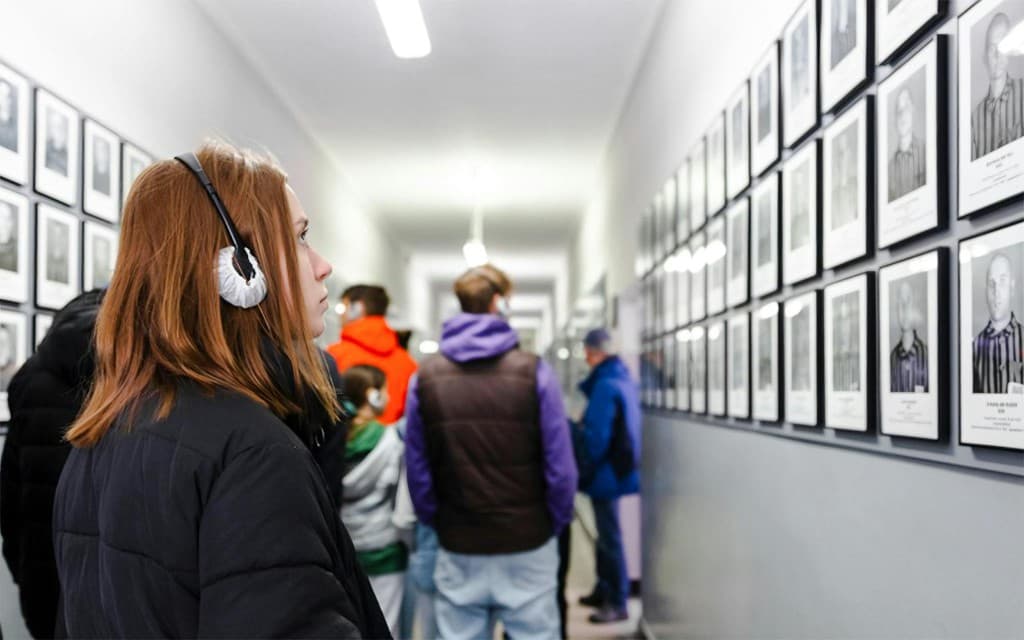
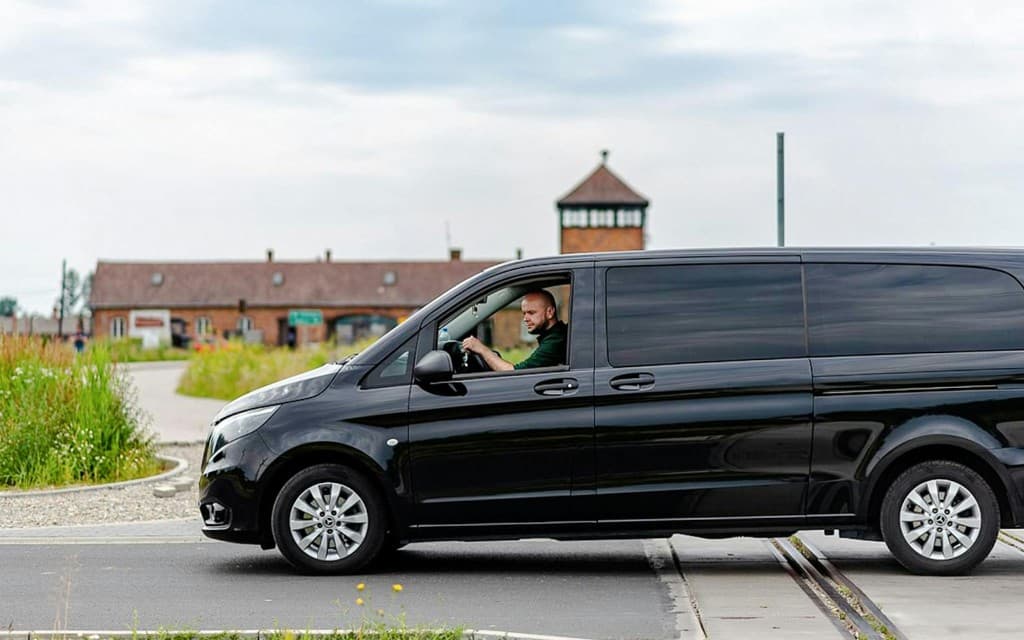
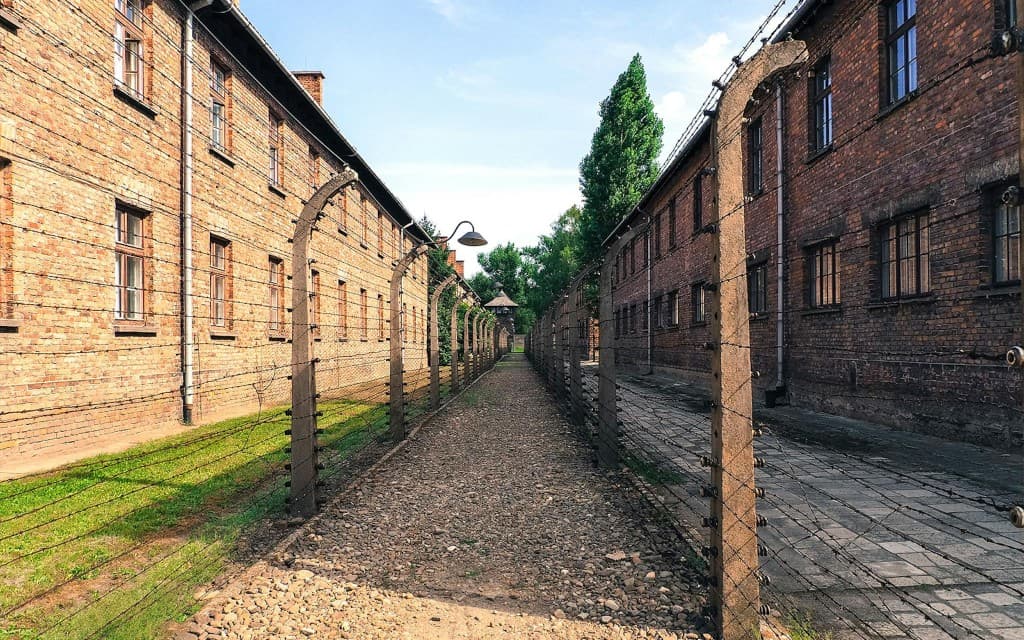
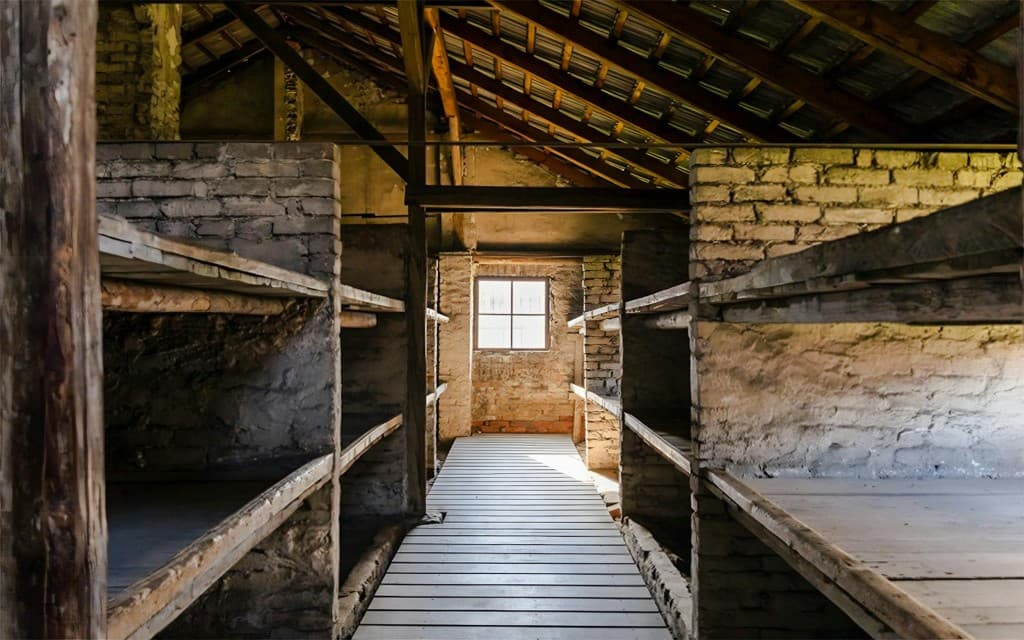
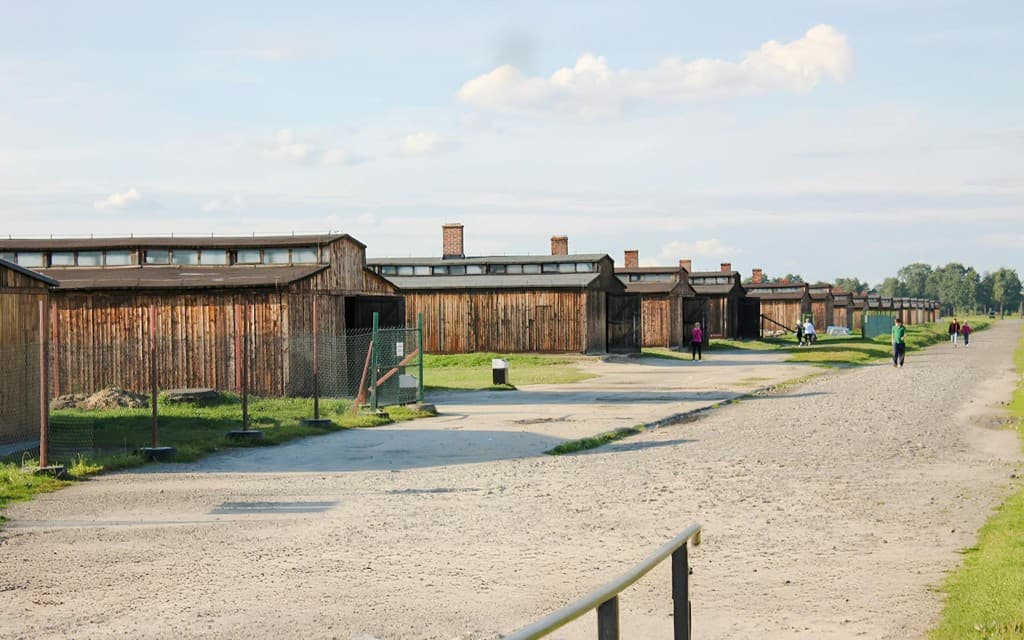
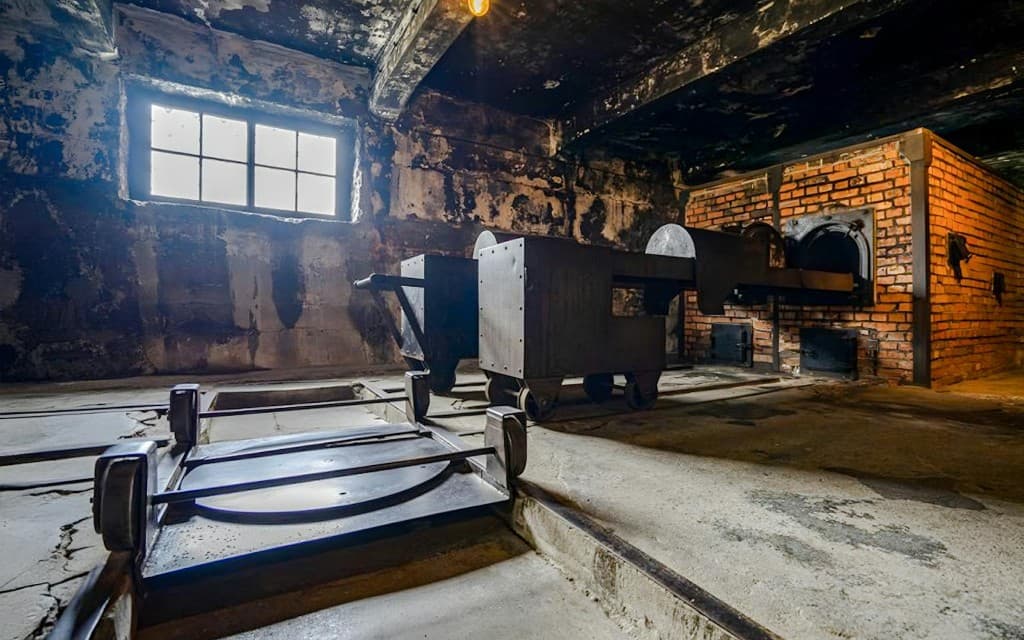
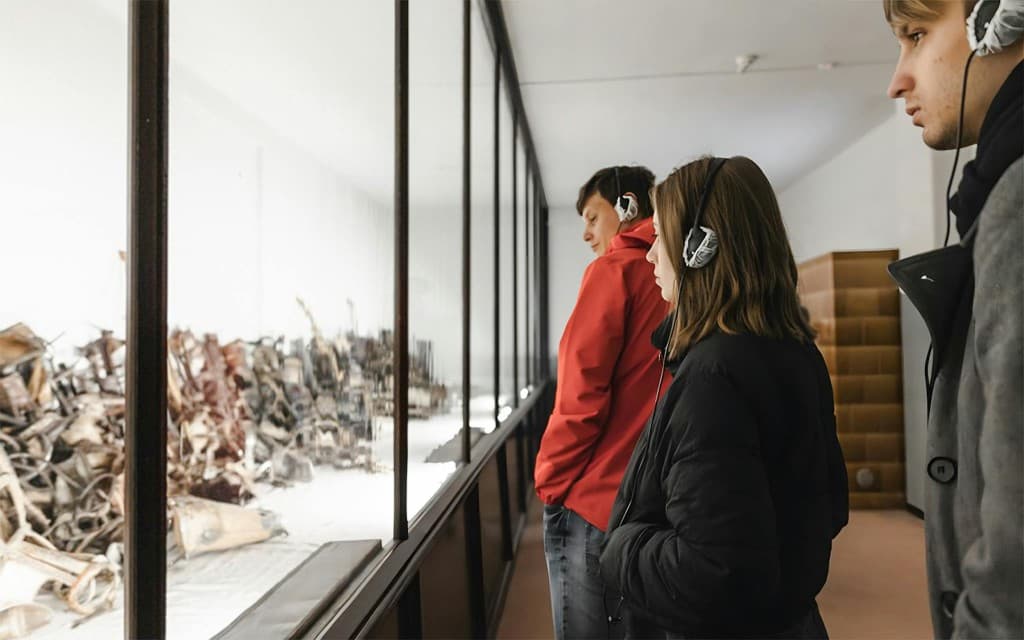
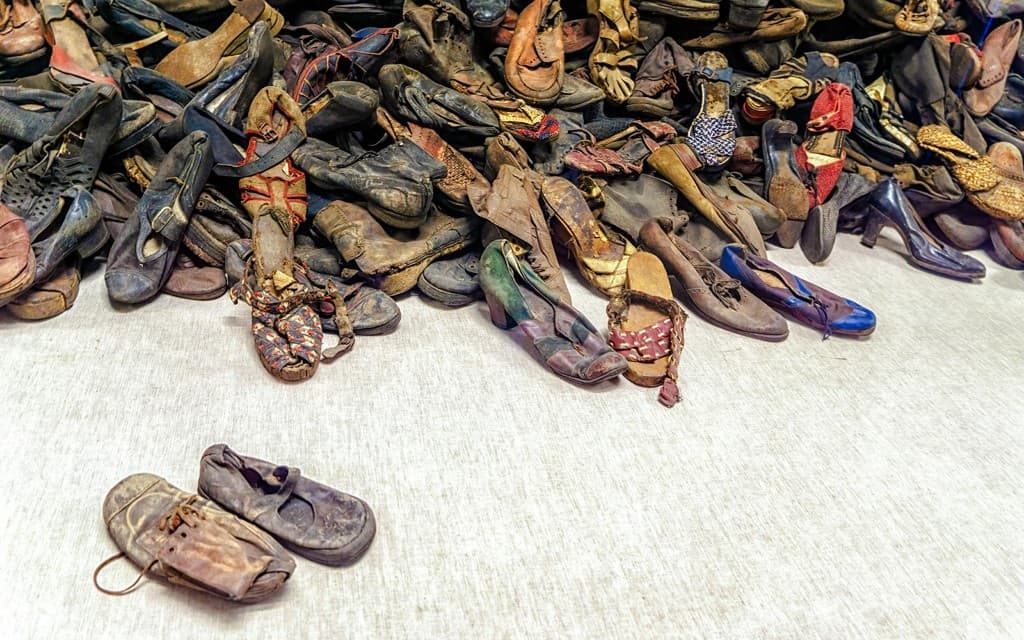
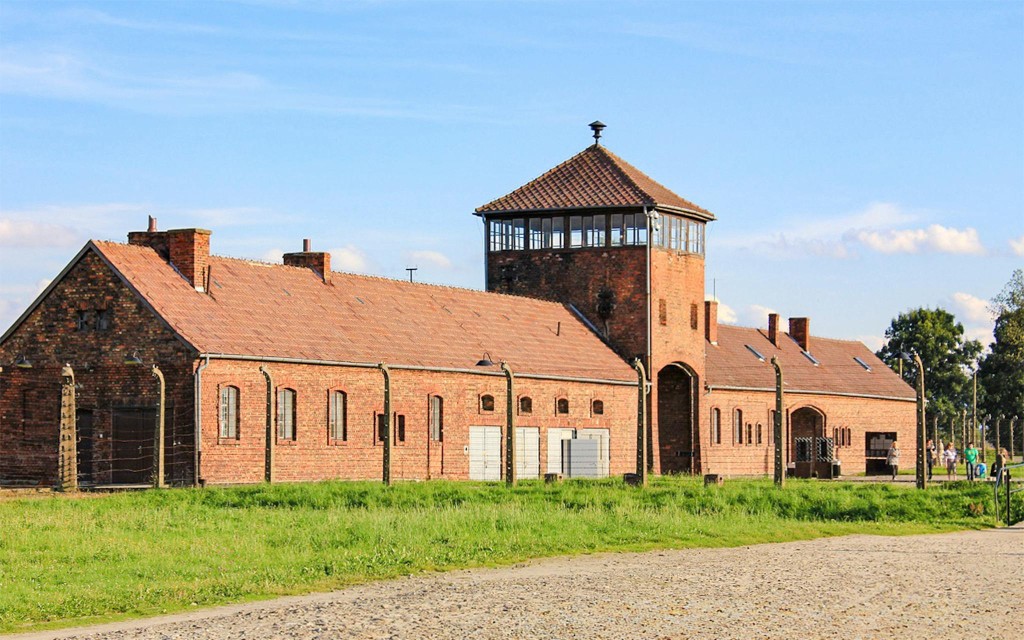
Explore the haunting grounds of Auschwitz-Birkenau through these images, capturing the stark reality and somber atmosphere of this historical site.

Embark on a deeply moving and educational journey to the Auschwitz-Birkenau Memorial and Museum. This guided tour from Krakow offers a profound understanding of one of the most significant sites of World War II. Walk through the grounds of Auschwitz I and Auschwitz II–Birkenau with a knowledgeable guide, who will provide historical context and personal insights into the tragic events that unfolded here. This experience provides a stark reminder of the consequences of hatred and intolerance. Consider a guided tour from Krakow: Auschwitz-Birkenau Guided Tour with Transfers for a seamless experience.

From101.10
ADULT
099 age
101.10
Duration
3 hours 30 minutes
Meeting Point
Krakow
In front of Auschwitz Museum restaurant., Więźniów Oświęcimia 20, 32-600 Oświęcim, Małopolskie, Poland
Opening Hours
Opening hours vary depending on the time of year. Generally, the site is open daily, but it's best to check the official website for the most up-to-date information.
Visit Duration
Allocate at least 4-6 hours to fully experience both Auschwitz I and Auschwitz II-Birkenau.
Best Time to Visit
The best time to visit is during the shoulder seasons (spring or fall) to avoid large crowds and extreme weather.
Address
The Auschwitz-Birkenau Memorial and Museum is located in Oświęcim, Poland.
Dress Code

When visiting Auschwitz-Birkenau, it is important to dress respectfully. As a site of remembrance and mourning, visitors should avoid wearing clothing that is overly casual, revealing, or offensive. Opt for modest attire that demonstrates respect for the solemn nature of the site. Comfortable shoes are essential, as you will be doing a significant amount of walking. Consider the weather conditions when choosing your clothing, and dress accordingly. Bringing a light jacket or sweater is advisable, even during the warmer months, as some of the indoor exhibits may be cool.

Experience details at a glance

What's Included

  • Fast-track entry to Auschwitz I & Auschwitz II–Birkenau
  • Guided tour by an official English/Italian/German/French/Spanish/Polish-speaking Auschwitz-Birkenau guide (as per option selected)
  • Last-minute English guided tour (as per option selected)
  • Hotel pick-up (as per option selected)
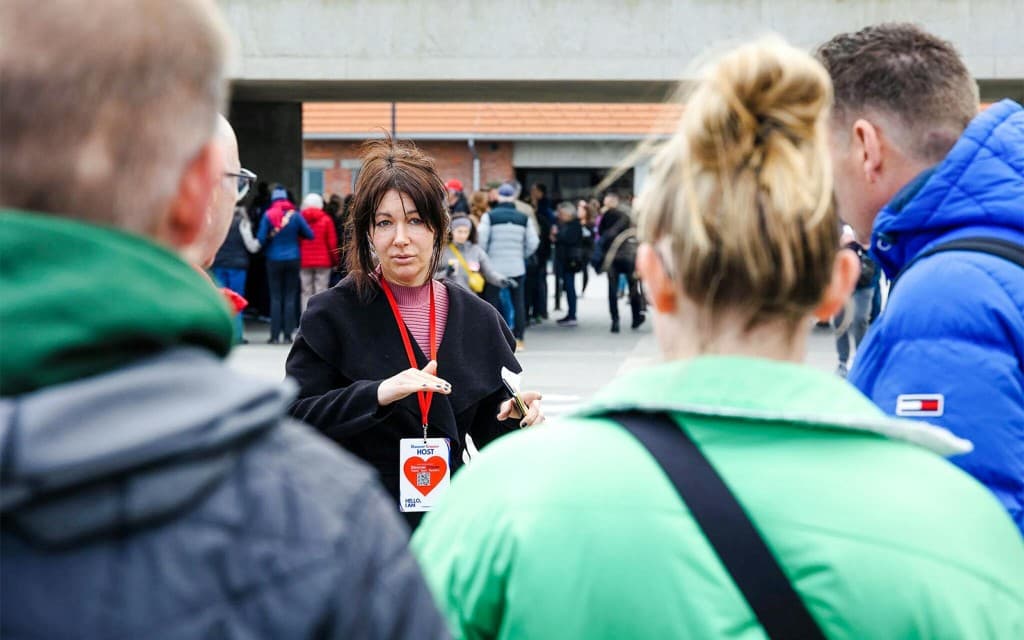
  • Local host
  • Headsets

Your experience

Guided tour of History's darkest chapter

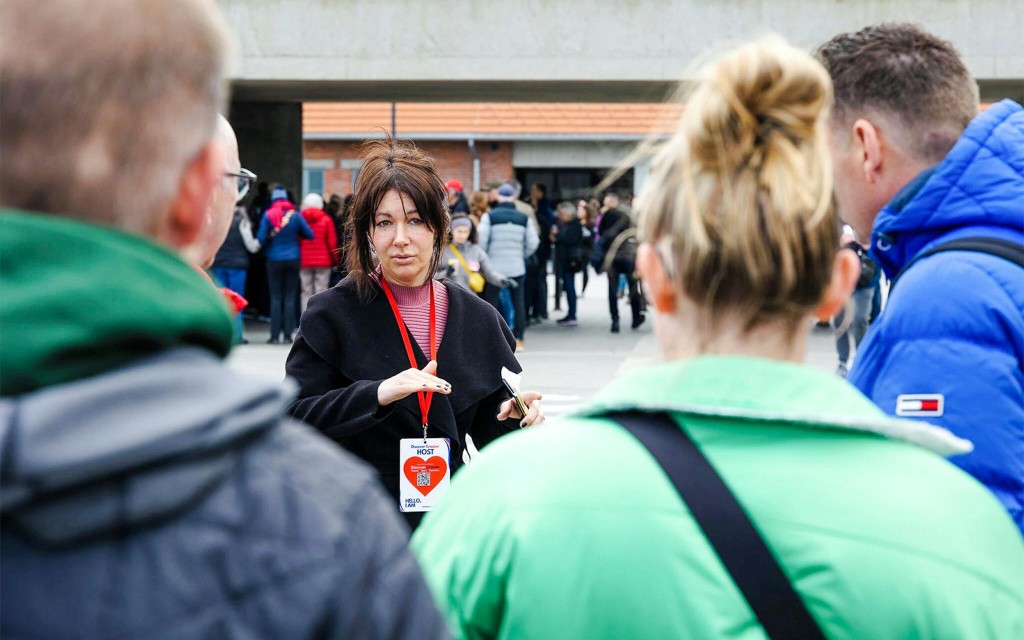
This guided tour is a melancholy exploration of Auschwitz I and Auschwitz II–Birkenau, the infamous Nazi concentration camps. With over 1.5 million innocent lives lost during the Holocaust, these camps are enduring reminders of humanity's darkest chapter. An official guide leads your tour. Take in the haunting remnants of the camp, visit the barracks and the ruins of the gas chamber, and pay homage to the lives lost. A local host will meet you near Auschwitz I and ease your entry with pre-booked fast-track tickets.

Tailored tours and fast-track entry

Choose from English/Italian/German/French/Spanish/Polish-speaking Auschwitz-Birkenau guides or the Last-Minute English guided tour for spontaneous decisions. Your ticket includes a fast-track entry into both Auschwitz I and Auschwitz II–Birkenau, bypassing the long queues. With headsets provided for an immersive auditory experience, you are set to delve deep into the Holocaust's harrowing history. Between the tour of Auschwitz I and Auschwitz II–Birkenau, there will be a 10-15 minute break for lunch, after which you will board a bus for the second part of the visit.
Know Before You Go

Know before you go

What’s not allowed

  • Please note that pets, smoking, luggage or large bags are not allowed.

  • Strict dress code: short skirts are not allowed.

  • Large bags and backpacks are not allowed inside the museum; only bags up to 30x20x10 cm in size are permitted.

  • Baby strollers are not allowed inside.

Accessibility

  • This experience is not accessible by wheelchair.

Additional information

  • Guests may have to wait in long queues for some time before entering the camp. Please expect a considerable wait time at the entrance during peak season.

  • Please note that tour timings may change, even within 24 hours of the scheduled start time. Kindly check the latest timing before your experience.

  • Larger bags and luggage can be stored in the cloakroom.

  • Pickup times are approximate and may vary on the day of your visit. While your preferred time will be recorded, the exact schedule is confirmed one day in advance and shared via email and/or WhatsApp, so we recommend allowing some flexibility when planning your day.

  • If your accommodation is outside the pickup zone, in a restricted area, or in a location with limited vehicle access, you may be asked to meet at the closest available pickup point.

  • Auschwitz is a highly regulated and sensitive historical site, and there are occasions when fast-track access cannot be guaranteed due to decisions made directly by the museum authorities.

Instructions

- Guided tour by an official English-speaking Auschwitz-Birkenau guide - Fast-track entrance to Auschwitz-Birkenau - Pre-booked ticket for Auschwitz I & Auschwitz II–Birkenau - Local host - Headsets

What to Expect

A visit to Auschwitz-Birkenau is a deeply moving and emotionally challenging experience. Be prepared to witness the remnants of unimaginable suffering and loss. The atmosphere is somber and reflective, and you may feel a range of emotions, including sadness, anger, and disbelief. The exhibits are graphic and disturbing, but they are essential for understanding the full extent of the atrocities that occurred here. Allow yourself time to process your emotions and reflect on the lessons of the Holocaust. It is a place to pay respects to the victims and to commit to never forgetting their stories.

About Auschwitz-Birkenau Guided Tour

Auschwitz-Birkenau stands as a chilling testament to the horrors of the Holocaust. This former concentration and extermination camp, located near Oświęcim, Poland, serves as a memorial to the millions of victims who perished within its walls. Established by Nazi Germany during World War II, Auschwitz-Birkenau has become a symbol of unprecedented cruelty and a place of remembrance for the international community. Visiting Auschwitz-Birkenau is a deeply emotional and educational experience. The site provides invaluable insights into the atrocities of the Holocaust, fostering reflection on the importance of human rights, tolerance, and the prevention of genocide. The museum and memorial aim to preserve the memory of the victims and educate future generations about the dangers of hatred and discrimination.

Highlights

Experience a journey through history on this guided tour, ideal for history enthusiasts and those seeking to understand the Holocaust.
Get fast-track entry into Auschwitz I and Auschwitz II-Birkenau with pre-booked tickets, saving valuable time.
Traverse the haunting remnants of original barracks, gas chamber ruins, and stand before Auschwitz's iconic main gate, soaking in the weight of history.
Opt for ticket options including last-minute English guided tours, and the flexibility to choose a guide in your preferred language.
The infamous sign at the Auschwitz gate, ‘Arbeit Macht Frei’ (Work Sets You Free), was made by prisoners who subtly sabotaged it, inverting the 'B' as an act of defiance.

Why Book Online?

Booking your Auschwitz-Birkenau guided tour online ensures a seamless and stress-free experience. By reserving your spot in advance, you can avoid long queues and guarantee entry, especially during peak season. Online platforms often provide detailed tour information, flexible booking options, and secure payment methods. Additionally, you can compare different tour packages and choose the one that best suits your interests and schedule, allowing you to focus on the solemn experience ahead.

History

Auschwitz-Birkenau was established by Nazi Germany in 1940, initially as a concentration camp for Polish political prisoners. Over time, it expanded into a vast complex, becoming the largest of the Nazi extermination camps. Auschwitz I served as the administrative center, while Auschwitz II-Birkenau was designed as a death camp, equipped with gas chambers and crematoria for the mass extermination of Jews, Roma, and other groups deemed undesirable by the Nazi regime. Millions of people were systematically murdered at Auschwitz-Birkenau between 1940 and 1945. The camp was liberated by the Soviet Red Army on January 27, 1945. In 1947, Poland established the Auschwitz-Birkenau State Museum to preserve the site and commemorate the victims of Nazi atrocities. UNESCO declared Auschwitz-Birkenau a World Heritage Site in 1979.

Opening Hours

The Auschwitz-Birkenau Memorial and Museum is generally open daily, but opening hours vary depending on the time of year. From April to October, the site typically opens earlier and closes later than during the winter months (November to March). It is advisable to check the official website for the specific opening hours on the day of your visit, as they may be subject to change due to special events or holidays. Arriving early in the morning is recommended to avoid crowds, especially during peak season.

Best Time to Visit

The best time to visit Auschwitz-Birkenau is during the shoulder seasons, in late spring (May-June) or early fall (September-October). During these months, the weather is generally mild, and the crowds are smaller compared to the peak summer months. Visiting during the off-season (November to March) can also provide a more contemplative experience, although some outdoor exhibits may be affected by the weather. Consider the day of the week as well; weekdays tend to be less crowded than weekends.

What to See Inside

Inside Auschwitz I, you will encounter various exhibits housed in the former prison blocks, showcasing artifacts, photographs, and documents that detail the lives of prisoners and the atrocities committed. The gas chamber and crematorium are somber reminders of the camp's dark purpose. In Auschwitz II-Birkenau, the sheer scale of the camp is overwhelming. You'll see the infamous railway tracks that transported countless victims, the remains of gas chambers and crematoria, and the vast expanse of barracks where prisoners were confined. The International Monuments, located at the end of the railway line, serve as a place for reflection and remembrance.

Things to Know

Photography is allowed in most areas of the Auschwitz-Birkenau Memorial and Museum, but using flash or tripods inside the buildings is prohibited. Please be respectful when taking photos. Large bags and backpacks are not allowed inside the museum; you can store them in the lockers available near the entrance. Wear comfortable shoes, as you will be doing a lot of walking. Bottled water is permitted, but eating is not allowed inside the museum grounds. Be prepared for a somber and emotionally challenging experience. Children under the age of 14 are generally not recommended to visit the site.

Visitor Rules

Visitors are expected to maintain a respectful demeanor at all times while on the grounds of Auschwitz-Birkenau. Loud talking, inappropriate behavior, and any actions that could be interpreted as disrespectful to the memory of the victims are strictly prohibited. Follow the instructions of the museum staff and guides. Stay on the designated paths and do not enter restricted areas. Smoking is not allowed anywhere on the site. Please be mindful of other visitors and allow them to experience the site in peace. The consumption of alcohol or drugs is strictly forbidden.

Is It Worth Visiting?

Visiting Auschwitz-Birkenau is an essential experience for anyone seeking to understand the depths of human cruelty and the importance of preventing future atrocities. It serves as a powerful reminder of the consequences of hatred, intolerance, and discrimination. While the visit may be emotionally challenging, it provides invaluable insights into the history of the Holocaust and the resilience of the human spirit. The site encourages reflection on the importance of human rights, tolerance, and the need to stand up against injustice. It is a place of remembrance, education, and a call to action for a more peaceful and just world.

Frequently Asked Questions

How do I get to Auschwitz-Birkenau from Krakow?

You can take a direct bus from the Krakow bus station, a train to Oświęcim followed by a local bus or taxi, or join a guided tour that includes transportation.

How long does a visit to Auschwitz-Birkenau take?

Allocate at least 4-6 hours to fully experience both Auschwitz I and Auschwitz II-Birkenau.

Is photography allowed at Auschwitz-Birkenau?

Yes, photography is allowed in most areas, but using flash or tripods inside the buildings is prohibited.

Are there any restrictions on what I can bring into the museum?

Large bags and backpacks are not allowed; you can store them in lockers near the entrance.

Is there a dress code for visiting Auschwitz-Birkenau?

Dress respectfully, avoiding overly casual, revealing, or offensive clothing. Comfortable shoes are essential.

Are children allowed to visit Auschwitz-Birkenau?

It is generally not recommended for children under the age of 14 to visit the site due to the sensitive nature of the exhibits.

Can I visit Auschwitz-Birkenau without a guided tour?

Yes, you can visit without a guided tour, but having a guide provides valuable historical context and insights.

What is the best time of year to visit Auschwitz-Birkenau?

The shoulder seasons (late spring or early fall) are ideal for avoiding large crowds and extreme weather.

Is it possible to book a guided tour online?

Yes, booking online is recommended to ensure a spot and avoid queues, especially during peak season.

How to Get There

The most common way to reach Auschwitz-Birkenau is from Krakow. You can take a direct bus from the Krakow bus station, which arrives near the entrance to the museum. Alternatively, you can take a train to Oświęcim and then a local bus or taxi to the site. Guided tours often include transportation from Krakow.

From
101.10
per person
ADULT
099 age
101.10
Check Availability
Cancellation PolicyFree cancellation is not included for this option.
Duration
3 hours 30 minutes
Meeting Point
Krakow
In front of Auschwitz Museum restaurant., Więźniów Oświęcimia 20, 32-600 Oświęcim, Małopolskie, Poland
Opening Hours
Opening hours vary depending on the time of year. Generally, the site is open daily, but it's best to check the official website for the most up-to-date information.
Visit Duration
Allocate at least 4-6 hours to fully experience both Auschwitz I and Auschwitz II-Birkenau.
Best Time to Visit
The best time to visit is during the shoulder seasons (spring or fall) to avoid large crowds and extreme weather.
Address
The Auschwitz-Birkenau Memorial and Museum is located in Oświęcim, Poland.
Dress Code

When visiting Auschwitz-Birkenau, it is important to dress respectfully. As a site of remembrance and mourning, visitors should avoid wearing clothing that is overly casual, revealing, or offensive. Opt for modest attire that demonstrates respect for the solemn nature of the site. Comfortable shoes are essential, as you will be doing a significant amount of walking. Consider the weather conditions when choosing your clothing, and dress accordingly. Bringing a light jacket or sweater is advisable, even during the warmer months, as some of the indoor exhibits may be cool.

From
101.10
Check Availability