

What's Included
- English, German, French, or Spanish-speaking guide (as per option selected)
- Skip-the-line entry to Schindler's Factory
- Walking tour of the Jewish Ghetto at Podgórze
- Walking tour of Kazimierz Jewish district (as per option selected)
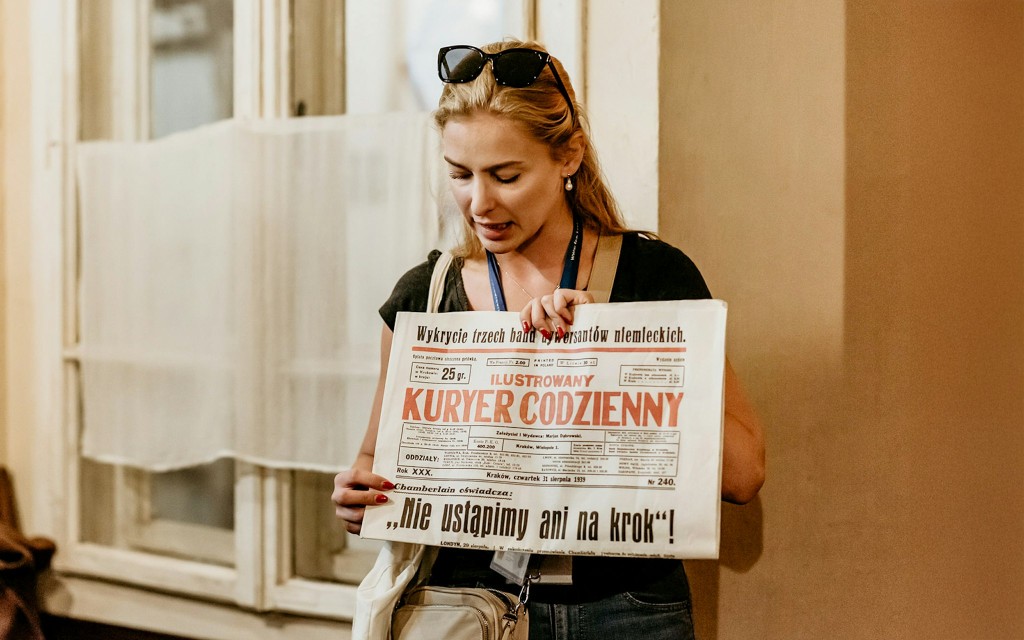
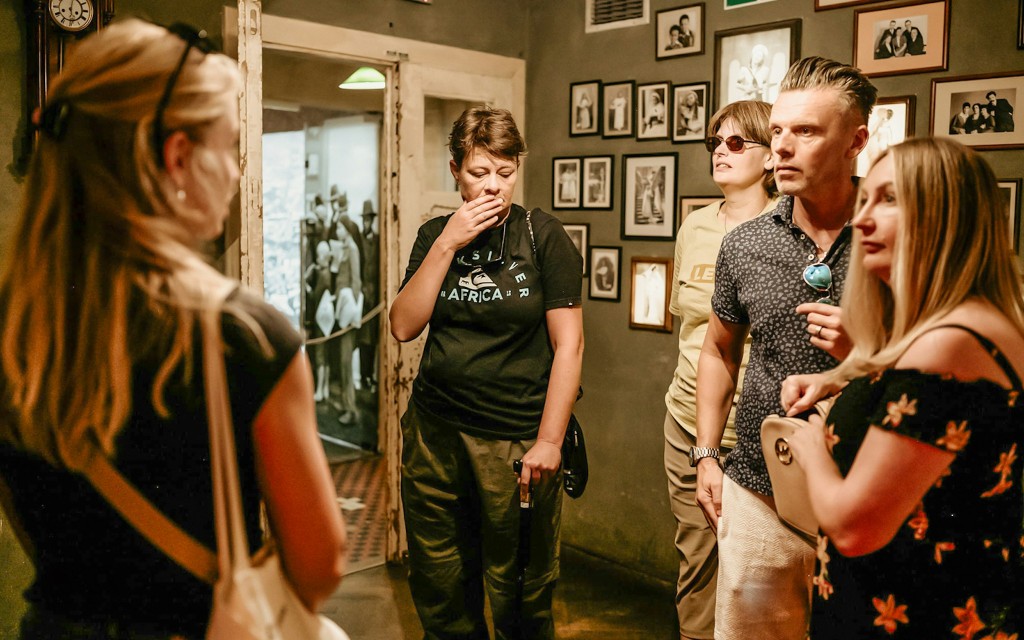
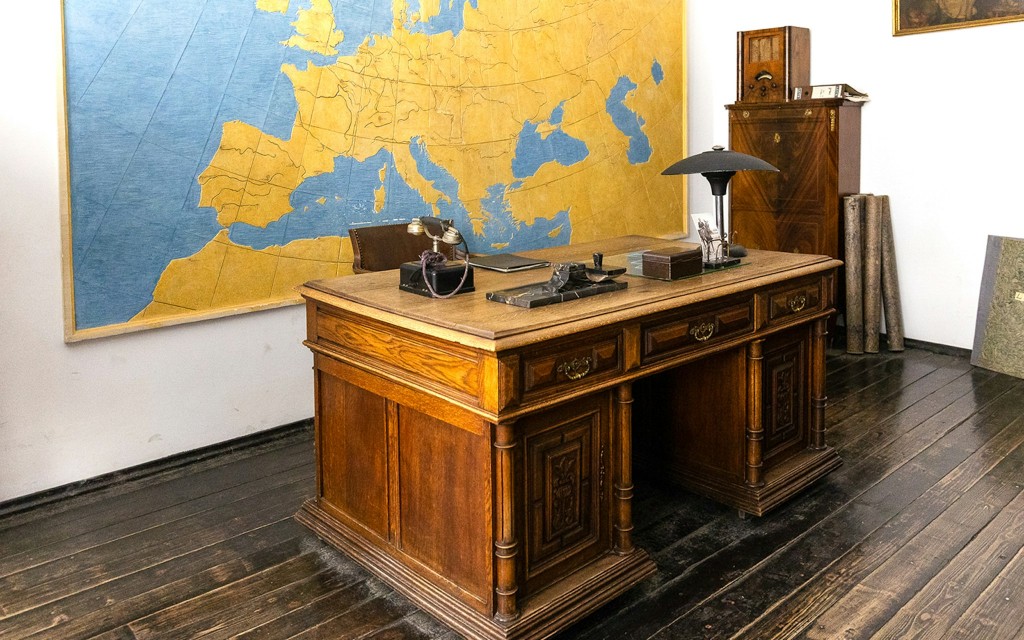
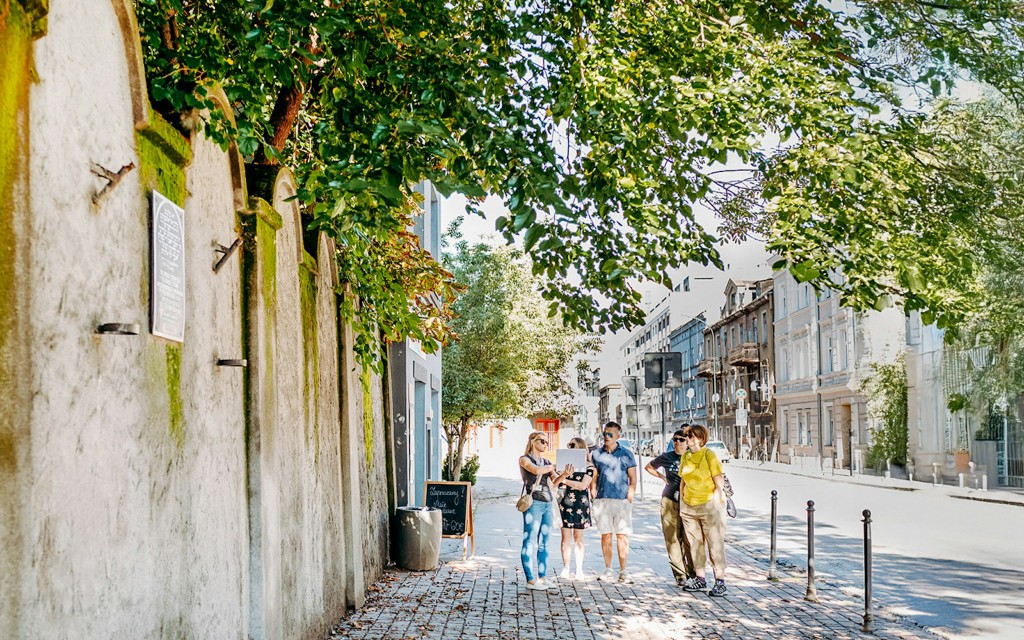
Explore the visual story of Oskar Schindler's Factory and wartime Krakow through these images.
Step back in time and delve into the heart of wartime Krakow at Oskar Schindler's Factory. This museum, housed in the former enamel factory of Oskar Schindler, offers a poignant exploration of life under Nazi occupation. Through powerful exhibitions, personal stories, and immersive displays, visitors gain a profound understanding of the challenges faced by Krakow's residents during World War II and the extraordinary acts of courage that emerged. Explore the compelling narrative of Oskar Schindler, a man who saved the lives of over a thousand Jewish people during the Holocaust. Discover the history and human stories within these walls.
There is no specific dress code for visiting Oskar Schindler's Factory. However, it is recommended to dress respectfully, considering the sensitive nature of the museum's content. Comfortable shoes are advisable, as you will be doing a fair amount of walking.
Trace the history of Krakow’s Jewish Ghetto and Schindler’s Factory on this 3-hour guided tour with skip-the-line entry.
Getting started
Meet your guide near the main entrance of Schindler’s Factory or the designated meeting point in Podgórze. After a quick ticket check and introduction, your guide will outline the route and share essential background before you begin exploring.
What to expect
Oskar Schindler’s Factory & Jewish Ghetto
Step into the story of Nazi-occupied Krakow as you visit Oskar Schindler’s Factory, a site made famous by its role in saving Jewish lives during World War II. Walk through the historic streets of Podgórze, once the heart of the Jewish Ghetto, and encounter sites that shaped Krakow’s wartime legacy.
Features
Schindler’s Factory: Explore the preserved factory where Oskar Schindler employed and protected Jewish workers, learning about his legacy and the events that inspired “Schindler’s List.” See personal artifacts, photographs, and the permanent exhibition 'Krakow under Nazi Occupation 1939-45'.
Heroes’ Square: Visit the 68 Empty Chairs memorial, a powerful tribute to the victims and survivors of the ghetto.
Podgórze Ghetto: Walk past remnants of the original ghetto wall and former residences, gaining insight into daily life under occupation.
Pharmacy Under the Eagle: Discover the story of this pharmacy, which served as a crucial support point for the Jewish community during the war.
Multilingual live guide: Tours are available in English, French, German, or Spanish, ensuring an in-depth historical context.
For deeper insight into Jewish life, upgrade to a walking tour of Kazimierz — the once-prosperous Jewish quarter before the community was relocated to the Ghetto during Nazi occupation.
Valid photo ID that matches the name on the ticket
Comfortable walking shoes (the tour involves extended periods of walking)
The attraction is accessible for wheelchair users.
This experience is not suitable for people with claustrophobia.
Large bags, suitcases, and oversized luggage
Pets, except for registered service animals
Food and drinks
Alcohol, drugs, and any form of intoxication
Oskar Schindler's Factory Museum is more than just a historical site; it's a deeply moving experience that sheds light on one of the darkest periods in human history. Located in the former enamel factory, the museum's exhibits meticulously recreate the atmosphere of wartime Krakow. Visitors walk through recreated streets, apartments, and workshops, gaining a visceral sense of the daily struggles and resilience of the city's inhabitants. The museum's focus extends beyond Schindler himself, highlighting the experiences of ordinary people caught in extraordinary circumstances. Through personal artifacts, photographs, and documents, the museum creates a powerful connection to the past, prompting reflection on the importance of compassion and resistance in the face of oppression. Consider enhancing your visit with an English Guided Tour for deeper insights.
Booking your tickets online in advance ensures a seamless and stress-free visit to Oskar Schindler's Factory. Secure your entry at your preferred time, avoid potential queues, and guarantee access to this important historical site, especially during peak season. Consider adding an English Guided Tour or MegaPass to your online booking.
Oskar Schindler's Factory, originally an enamel factory named 'Deutsche Emailwaren-Fabrik' (DEF), played a significant role during World War II. Oskar Schindler, a German businessman, took over the factory in 1939. Initially motivated by profit, Schindler gradually became aware of the atrocities committed against Jewish people. He began employing Jewish workers from the nearby Krakow Ghetto, saving them from deportation and death. Schindler's efforts are credited with saving the lives of over 1,200 Jewish people. After the war, the factory fell into disuse until it was transformed into a museum in 2010. Today, it stands as a testament to the horrors of the Holocaust and the courage of those who resisted.
The museum's opening hours vary depending on the season and day of the week. Generally, it is open daily, but it's advisable to check the official website for the most up-to-date schedule before your visit. Keep in mind that the last entry is typically one to two hours before the closing time.
The best time to visit Oskar Schindler's Factory is generally during the shoulder seasons (spring or fall) when the crowds are smaller and the weather is pleasant. Arriving early in the morning or later in the afternoon can also help you avoid the busiest times. Weekdays are typically less crowded than weekends.
Inside Oskar Schindler's Factory, the main exhibit, 'Krakow Under Nazi Occupation 1939-1945,' immerses you in the realities of wartime Krakow. Explore meticulously recreated scenes of daily life, from cramped apartments to clandestine meeting places. Personal artifacts, photographs, and documents bring the stories of individuals to life, showcasing their resilience and resistance. Learn about the systematic persecution of Jewish people and the heroic efforts of those who risked their lives to help them. Discover the story of Oskar Schindler and his transformation from a businessman to a savior. The museum also features exhibits on the Polish resistance movement and the cultural life of Krakow during the occupation.
Photography is generally allowed inside the museum, but flash photography may be restricted in certain areas. Large bags and backpacks may need to be stored in lockers. The museum can be quite crowded, especially during peak season, so it's advisable to arrive early or book your tickets online in advance. The exhibits contain sensitive content related to the Holocaust, so be prepared for a somber and emotionally impactful experience. Allow ample time to explore the museum thoroughly.
Please be respectful of the exhibits and other visitors. Avoid loud talking or disruptive behavior. Do not touch the artifacts on display. Follow the instructions of the museum staff. Eating and drinking are generally not allowed inside the exhibit areas. Please be aware that security personnel may conduct bag checks upon entry.
Oskar Schindler's Factory is undoubtedly worth visiting for anyone interested in World War II history, the Holocaust, or the story of Oskar Schindler's courageous actions. The museum offers a powerful and moving experience that provides valuable insights into the lives of those who lived through this dark period. The exhibits are well-curated and thought-provoking, and the museum's location in the original factory adds to its authenticity. It is a must-see destination for those seeking a deeper understanding of Krakow's past.
Allow at least 2-3 hours to fully experience the museum.
Yes, photography is generally allowed, but flash photography may be restricted in certain areas.
Yes, guided tours in English and other languages are often available. Check when booking your ticket.
The museum contains sensitive content that may not be suitable for young children. Parental discretion is advised.
The museum strives to be accessible, but some areas may have limited accessibility. Contact the museum directly for specific information.
Large bags and backpacks may need to be stored in lockers.
Booking tickets online in advance is highly recommended, especially during peak season, to guarantee entry.
Yes, restrooms are available for visitors.
The easiest way to reach Oskar Schindler's Factory is by tram. Several tram lines stop near the factory (lines 3, 13, 19, 24, 50, 69). Get off at the 'Zabłocie' stop. From there, it's a short walk to the museum. You can also take a bus to the same stop. Walking from the city center takes approximately 30-40 minutes.
There is no specific dress code for visiting Oskar Schindler's Factory. However, it is recommended to dress respectfully, considering the sensitive nature of the museum's content. Comfortable shoes are advisable, as you will be doing a fair amount of walking.