

What's Included
- Tour Guide
- Sightseeing Bus Tour
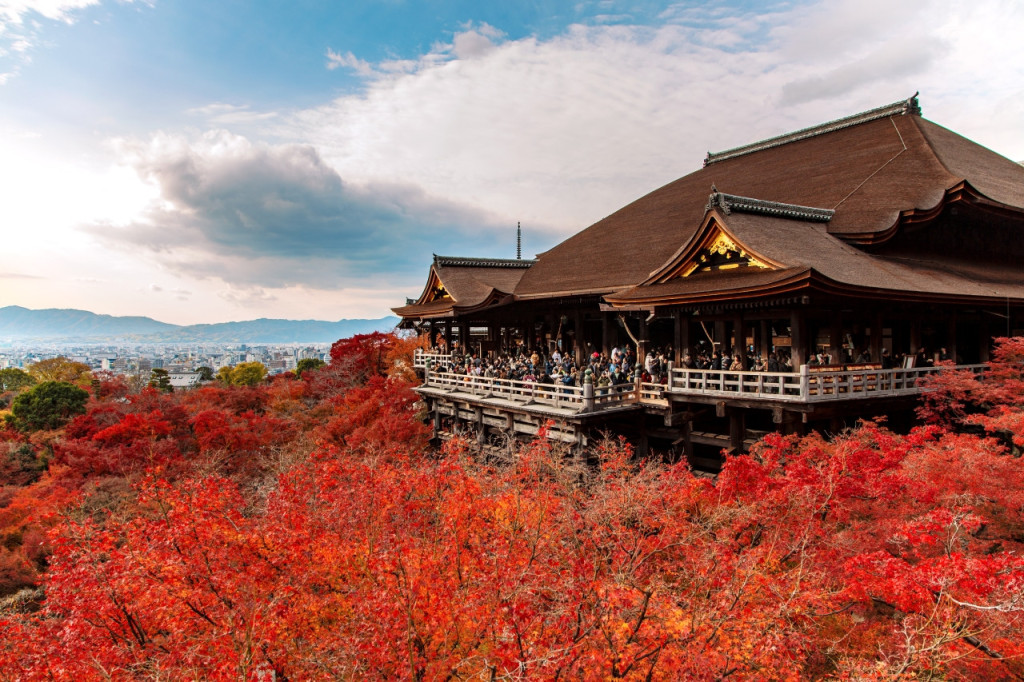
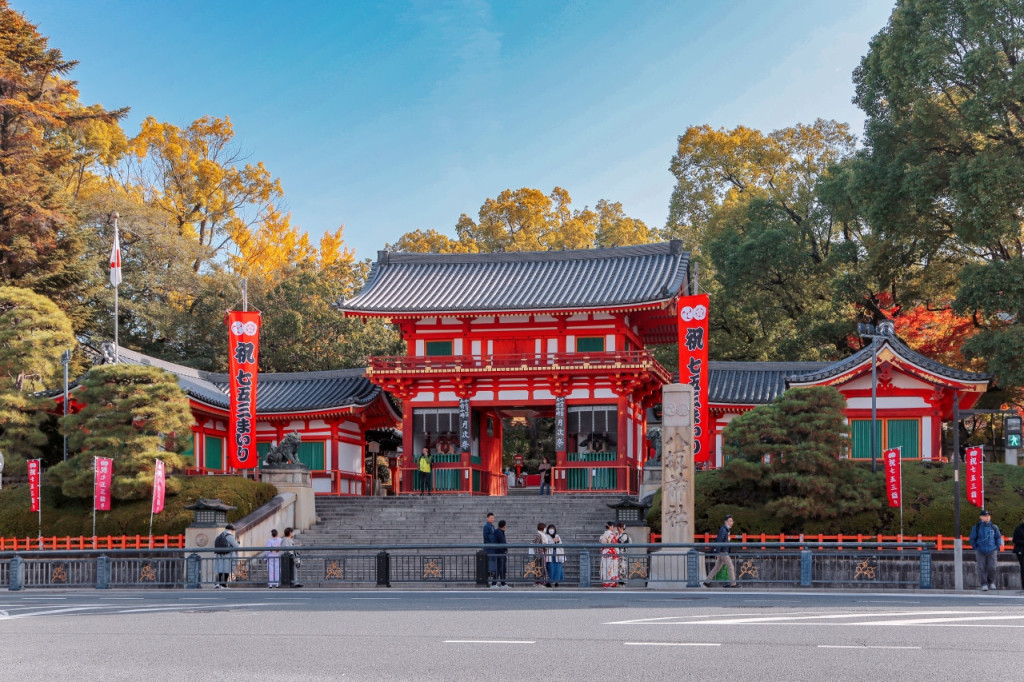
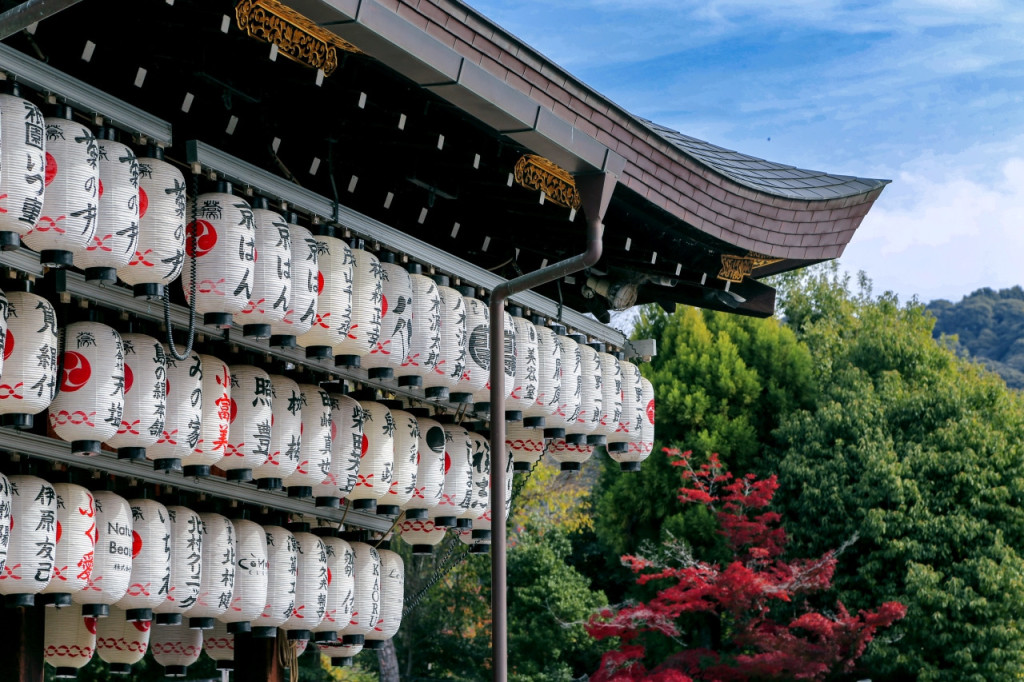
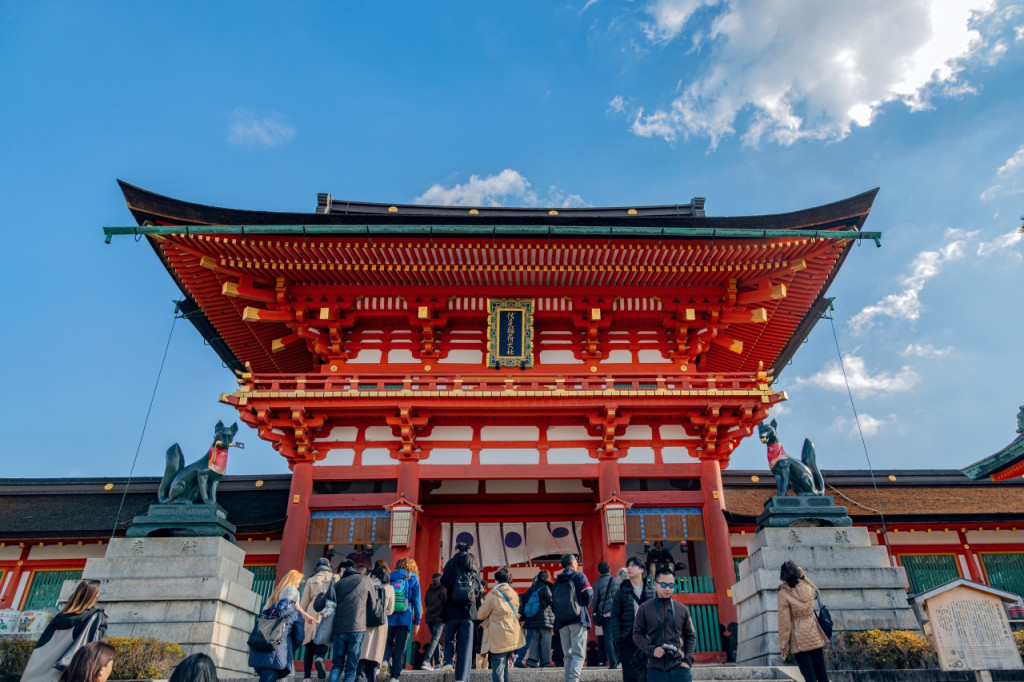
Explore the beauty of Fushimi Inari-taisha through these captivating photos, showcasing the iconic torii gates, serene pathways, and vibrant atmosphere of this historic shrine.
Fushimi Inari-taisha is an iconic Shinto shrine in Kyoto, Japan, famed for its thousands of vibrant red torii gates that wind up a mountainside. Dedicated to Inari, the god of rice, prosperity, and business, this popular destination offers a captivating blend of spiritual significance and natural beauty. Visitors can explore the numerous trails, discover smaller shrines, and enjoy panoramic views of Kyoto. Allow ample time to fully appreciate the unique atmosphere and hike through the enchanting tunnels of vermilion gates. Experiencing the Fushimi Inari Shrine is a must for anyone seeking a glimpse into Japan's rich cultural heritage.
There is no strict dress code for visiting Fushimi Inari-taisha, but it is advisable to dress respectfully. Avoid overly revealing clothing. Comfortable shoes are essential, as the hike up Mount Inari involves a considerable amount of walking. Consider dressing in layers, as the temperature can vary depending on the time of day and altitude.
Fushimi Inari-taisha is one of the most important and impressive Shinto shrines in Kyoto. The shrine is famous for its thousands of vermilion torii gates, which straddle a network of trails leading up Mount Inari. These gates were donated by individuals and companies, each bearing the donor's name. The hike to the summit takes approximately 2-3 hours and offers stunning views of Kyoto. Along the way, you'll encounter numerous smaller shrines, restaurants, and rest areas. The atmosphere of Fushimi Inari is both mystical and awe-inspiring, attracting visitors from all over the world. The shrine's origins date back to the 8th century, long before Kyoto became the capital of Japan, highlighting its enduring significance in Japanese culture.
While Fushimi Inari-taisha is free to enter, planning your visit ahead of time can greatly enhance your experience. Booking transportation in advance, especially during peak season, ensures a smooth journey. Researching the trails and identifying key points of interest will help you make the most of your time. Understanding the shrine's history and significance enriches your visit, providing a deeper appreciation for its cultural value. Although you don't need a ticket, preparation is key to a memorable experience.
The history of Fushimi Inari-taisha dates back to 711 AD, making it one of the oldest and most significant Shinto shrines in Japan. Originally dedicated to the god of rice and agriculture, Inari, the shrine has evolved to encompass prosperity, business success, and household safety. During the Heian period (794-1185), the shrine gained imperial patronage, further solidifying its importance. The iconic torii gates began to appear during the Edo period (1603-1868), donated by merchants and businesses seeking favor from Inari. Today, the shrine continues to attract millions of visitors each year, drawn by its spiritual significance and unique cultural landscape.
Fushimi Inari-taisha is open 24 hours a day, 7 days a week. While the shrine grounds are always accessible, visiting during daylight hours is recommended to fully appreciate the scenery and navigate the trails safely. Some shops and restaurants near the shrine may have varying hours, so plan accordingly if you intend to dine or shop.
The best time to visit Fushimi Inari-taisha is during the spring (March-May) or autumn (September-November) for pleasant weather and stunning natural scenery. Visiting on weekdays or early mornings is recommended to avoid the crowds, especially during peak seasons. The shrine is also beautiful in the evening, with the torii gates illuminated by lanterns, offering a magical experience.
The main attraction at Fushimi Inari-taisha is undoubtedly the Senbon Torii, the thousands of vermilion torii gates winding up the mountain. These gates create a mesmerizing tunnel effect, with sunlight filtering through the vibrant red structures. Along the way, you'll encounter numerous smaller shrines dedicated to various deities. Keep an eye out for the many fox statues (kitsune), considered messengers of Inari. The Okusha Hohaisho Inner Shrine is another significant point of interest, located about halfway up the mountain. Take time to explore the various trails branching off the main path, each offering unique perspectives and hidden gems. The summit provides panoramic views of Kyoto, making the hike well worth the effort.
Wear comfortable shoes, as the hike up Mount Inari involves a considerable amount of walking. Bring water and snacks, especially if you plan to hike to the summit. Be respectful of the shrine's sacred atmosphere and avoid loud conversations or disruptive behavior. Photography is permitted, but refrain from using flash photography inside the shrine buildings. Check the weather forecast before your visit and dress appropriately. Consider visiting early in the morning to avoid crowds and enjoy a more peaceful experience. Many smaller shrines are along the route, so take your time to explore.
As a sacred site, visitors are expected to maintain respectful behavior while on the grounds of Fushimi Inari-taisha. Avoid loud conversations, disruptive behavior, and littering. Photography is generally permitted, but be mindful of restrictions inside certain buildings. Do not touch or climb on the torii gates or other sacred objects. Follow any instructions given by shrine staff. Proper attire is recommended when visiting the shrine.
Fushimi Inari-taisha is definitely worth visiting for its unique blend of cultural significance, natural beauty, and spiritual atmosphere. The thousands of vibrant torii gates create a mesmerizing experience, while the hike up Mount Inari offers stunning views of Kyoto. The shrine's rich history and numerous smaller shrines provide ample opportunities for exploration and discovery. Whether you are interested in Shinto traditions, Japanese culture, or simply enjoy scenic hikes, Fushimi Inari-taisha is a must-see destination in Kyoto.
No, admission to Fushimi Inari-taisha is free.
The hike to the summit of Mount Inari typically takes about 2-3 hours.
Yes, there are restrooms located at several points along the trail.
Yes, there are shops and restaurants near the shrine's entrance and along the hiking trail.
The main entrance and some areas near the base of the mountain are accessible, but the hiking trails are not wheelchair accessible.
Pets are generally allowed, but they must be kept on a leash and under control.
Foxes (kitsune) are considered the messengers of Inari, the god of rice, prosperity, and business.
Fushimi Inari-taisha can be crowded, especially during peak seasons and weekends. Visiting early in the morning or on weekdays is recommended to avoid the crowds.
Fushimi Inari-taisha is easily accessible by train. Take the JR Nara Line to Inari Station, which is directly in front of the shrine's entrance. Alternatively, take the Keihan Main Line to Fushimi-Inari Station, which is a short walk to the shrine. Kyoto city buses also stop nearby.
There is no strict dress code for visiting Fushimi Inari-taisha, but it is advisable to dress respectfully. Avoid overly revealing clothing. Comfortable shoes are essential, as the hike up Mount Inari involves a considerable amount of walking. Consider dressing in layers, as the temperature can vary depending on the time of day and altitude.