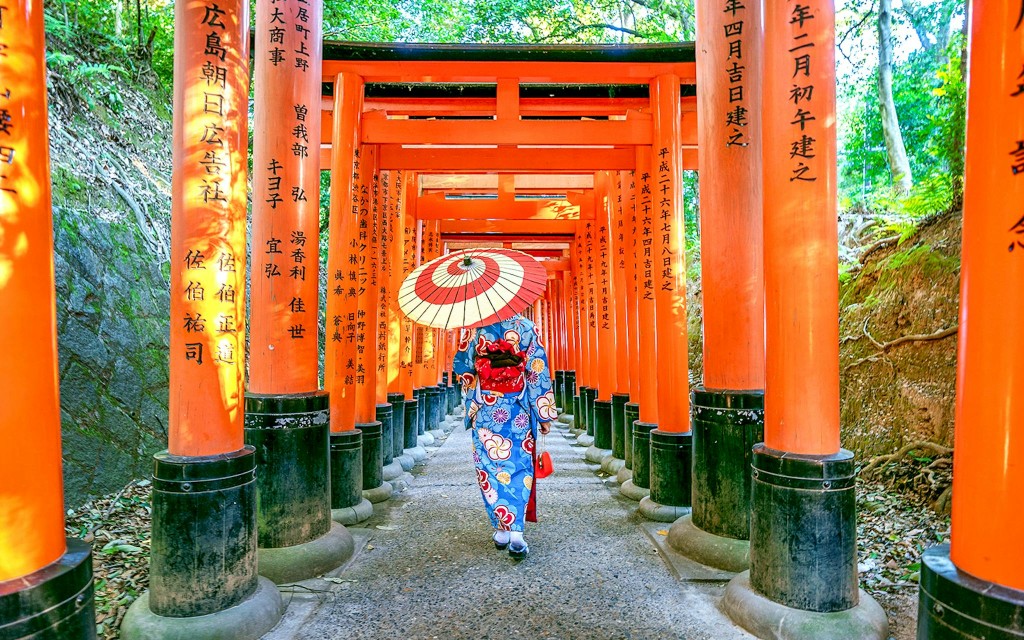
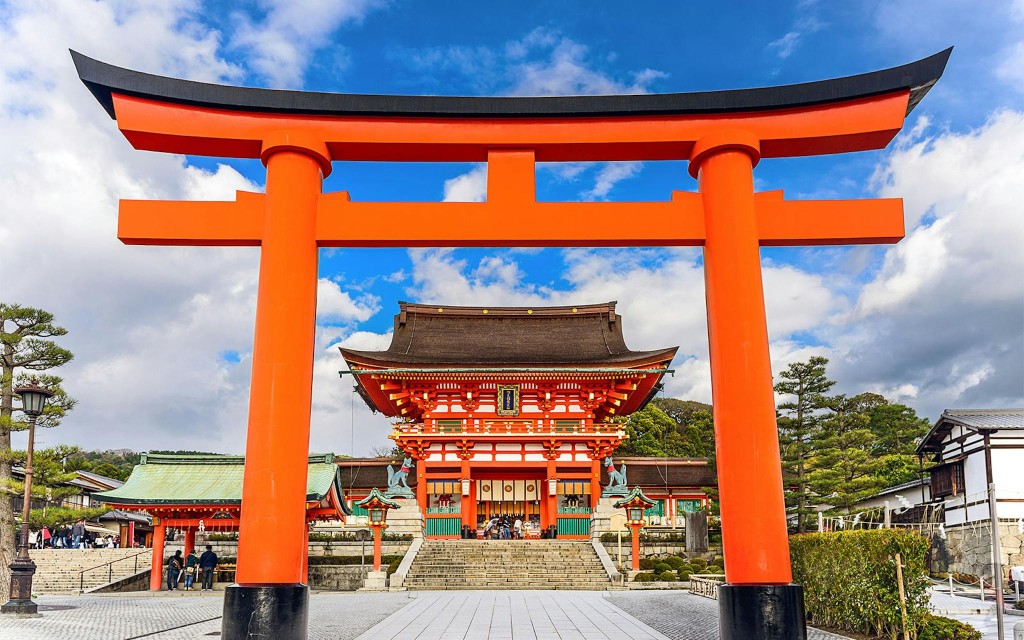
The history of Fushimi Inari-taisha dates back to 711 AD, making it one of the oldest and most significant Shinto shrines in Japan. Originally dedicated to the god of rice and agriculture, Inari, the shrine has evolved to encompass prosperity, business success, and household safety. During the Heian period (794-1185), the shrine gained imperial patronage, further solidifying its importance. The iconic torii gates began to appear during the Edo period (1603-1868), donated by merchants and businesses seeking favor from Inari. Today, the shrine continues to attract millions of visitors each year, drawn by its spiritual significance and unique cultural landscape.