

What's Included
- Admission
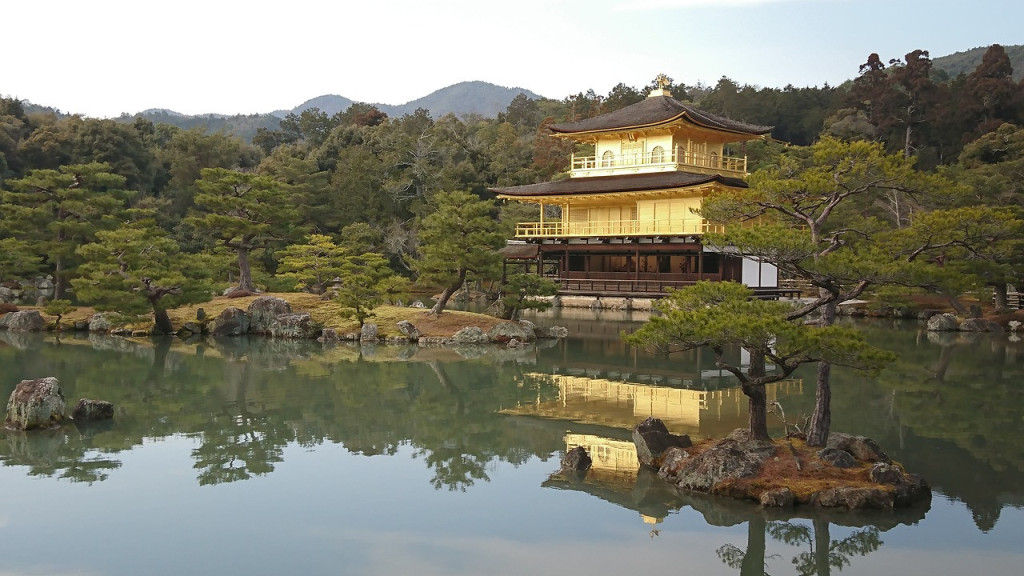
Explore the beauty of Kinkaku-ji through these stunning photos, showcasing its golden splendor and serene surroundings.
Kinkaku-ji, also known as the Golden Pavilion, is a Zen Buddhist temple in Kyoto, Japan. It is one of the most popular buildings in Japan, attracting large numbers of visitors annually. Originally built in 1397 as a villa for statesman Ashikaga Yoshimitsu, it was converted into a Zen temple after his death in 1408. The pavilion is famed for being covered in gold leaf, and its architecture incorporates elements of different historical periods. Set on the edge of a serene pond, with meticulously maintained gardens, Kinkaku-ji is a sight to behold. It reflects beautifully on the water, enhancing its golden shimmer and the overall tranquil atmosphere of the location.
There is no strict dress code for visiting Kinkaku-ji. However, as it is a religious site, it is advisable to dress modestly. Avoid overly revealing clothing. Comfortable attire suitable for walking is recommended, as you will be exploring the gardens and surrounding areas. During the colder months, dress warmly, as the temple grounds can be exposed to the elements.
Kinkaku-ji's design is intended to visually represent the Kitayama culture that flourished in the aristocratic circles of Kyoto during Yoshimitsu's time. The structure is three stories high, each reflecting a different architectural style. The first floor, known as The Chamber of Dharma Waters, is built in the Shinden style used in Heian period palaces, and it serves as a reception area. The second floor, called The Tower of Sound Waves, is built in the style of a samurai residence (bukke-zukuri). The third floor, named the Cupola of Emptiness, is built in the style of a Zen temple hall (zenshū-butsuden-zukuri) and is adorned with gold leaf both inside and out. On top of the pavilion sits a bronze phoenix, further enhancing the building's beauty and symbolic significance. The surrounding landscape is carefully designed to complement the pavilion, creating a harmonious blend of nature and architecture.
Booking tickets online can save time and ensure entry, especially during peak tourist seasons when Kinkaku-ji can get very crowded. Online platforms often provide additional information about the temple, including guided tours and background details, enhancing the overall experience. Moreover, some online tickets may offer discounts or bundled deals that are not available on-site, making your visit more affordable and convenient.
Kinkaku-ji has a rich and storied past, originally constructed in 1397 as a retirement villa for Shogun Ashikaga Yoshimitsu. Yoshimitsu aimed to create a lavish retreat reflecting the Kitayama culture of the time, which blended aristocratic and religious elements. After Yoshimitsu's death in 1408, the villa was converted into a Zen Buddhist temple by his son, following Yoshimitsu's wishes. During the Onin War (1467-1477), much of the complex was destroyed by fire, but the Golden Pavilion itself survived. A significant event occurred in 1950 when a young monk, Mizoguchi, set the pavilion on fire, resulting in its complete destruction. This act shocked Japan and became the subject of Yukio Mishima's novel "The Temple of the Golden Pavilion". The pavilion was reconstructed in 1955, faithfully replicating the original design, and has since become one of Japan's most iconic landmarks.
Kinkaku-ji is typically open from 9:00 AM to 5:00 PM daily. Please be aware that hours may be subject to change, especially during special events or holidays. It's generally a good idea to arrive early to avoid the largest crowds, particularly during peak tourist seasons. The temple grounds are accessible throughout the day, allowing ample time to explore the gardens and surrounding areas.
The best times to visit Kinkaku-ji are during the spring (March to May) and autumn (September to November) seasons. In spring, the cherry blossoms add a stunning contrast to the golden pavilion, while autumn brings vibrant foliage that complements the temple's beauty. Visiting either early in the morning or later in the afternoon provides a quieter, less crowded experience, allowing for a more peaceful appreciation of the site.
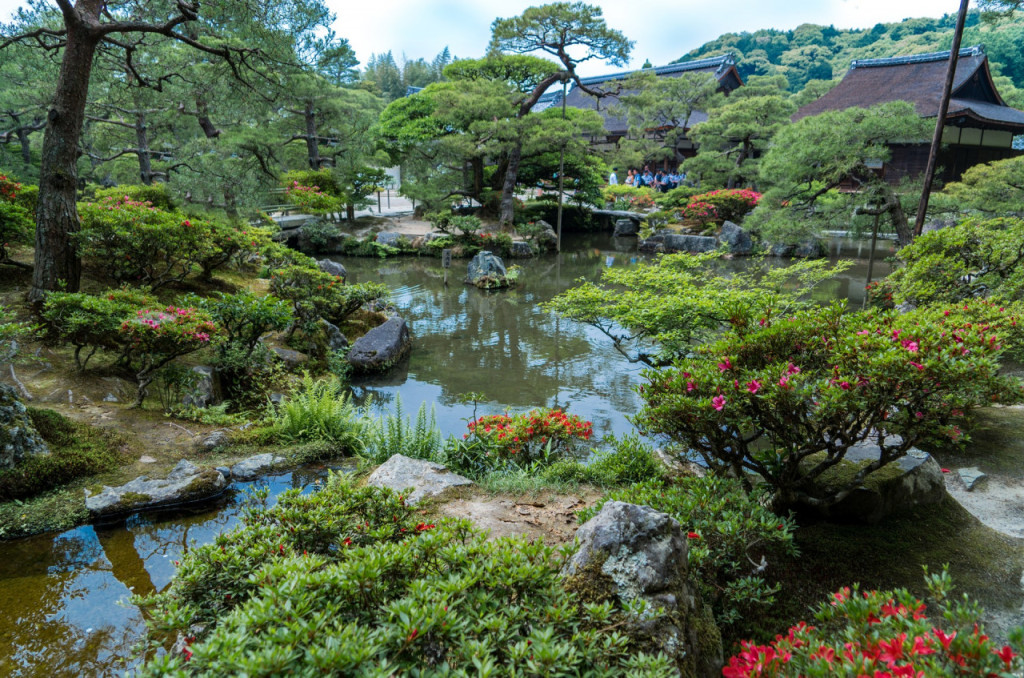
While entry inside the Golden Pavilion is not permitted, the exterior and surrounding gardens offer plenty to explore. The reflection of the pavilion in the Mirror Pond (Kyōko-chi) is a highlight, providing stunning photo opportunities. The meticulously landscaped gardens feature various strategically placed stones and plants that enhance the scenic beauty. You can also see the Sekkatei Teahouse, which offers a glimpse into traditional Japanese tea culture. The temple also houses various artifacts and statues, though these are generally viewed from a distance. Walking around the pond, visitors can appreciate different perspectives of the pavilion and its integration with the natural surroundings.
Photography is allowed throughout the Kinkaku-ji grounds, so feel free to capture the beauty of the Golden Pavilion. However, the use of tripods may be restricted in crowded areas. There are souvenir shops near the exit where you can purchase mementos of your visit. Restrooms are available on-site for visitors' convenience. Consider wearing comfortable shoes, as you'll be doing a fair amount of walking around the gardens and pond.
Visitors are expected to maintain a respectful demeanor while on the grounds of Kinkaku-ji. Please refrain from loud talking or disruptive behavior. Smoking is not permitted on the temple grounds. Do not enter restricted areas or attempt to climb on any structures. Follow any instructions given by temple staff or posted signs. Dispose of any trash in designated receptacles to help keep the area clean and beautiful for all visitors.
Kinkaku-ji is undoubtedly worth visiting for its stunning beauty and historical significance. The shimmering gold leaf exterior, combined with the serene pond and meticulously maintained gardens, creates a captivating scene. It offers a unique glimpse into Japanese history and culture, reflecting the opulence of the Ashikaga era and the principles of Zen Buddhism. Whether you are a history enthusiast, a photography lover, or simply seeking a tranquil escape, Kinkaku-ji provides an unforgettable experience.
Kinkaku-ji, also known as the Golden Pavilion, is a Zen Buddhist temple in Kyoto, Japan.
The pavilion is covered in gold leaf, giving it a golden appearance.
It was originally built in 1397 as a villa for Ashikaga Yoshimitsu.
No, entry inside the pavilion is not permitted.
A typical visit lasts about one to two hours.
Spring and autumn offer the most pleasant weather and scenery.
Take City Bus number 101 or 205 directly to Kinkaku-ji.
Yes, photography is allowed, but tripods may be restricted in crowded areas.
While there is no strict dress code, modest attire is recommended.
From Kyoto Station, take the City Bus number 101 or 205 directly to Kinkaku-ji. The bus ride takes approximately 40 minutes. Alternatively, you can take the Karasuma Subway Line to Kitaoji Station and then transfer to a bus heading to Kinkaku-ji. From the bus stop, it's a short walk to the temple entrance.
There is no strict dress code for visiting Kinkaku-ji. However, as it is a religious site, it is advisable to dress modestly. Avoid overly revealing clothing. Comfortable attire suitable for walking is recommended, as you will be exploring the gardens and surrounding areas. During the colder months, dress warmly, as the temple grounds can be exposed to the elements.