

What's Included
- Entry to Bahia Palace
- Digital audio guide in English, French, German, Italian, Spanish, Dutch, Mandarin, Indian, Japanese, Mexican, Arabic & more
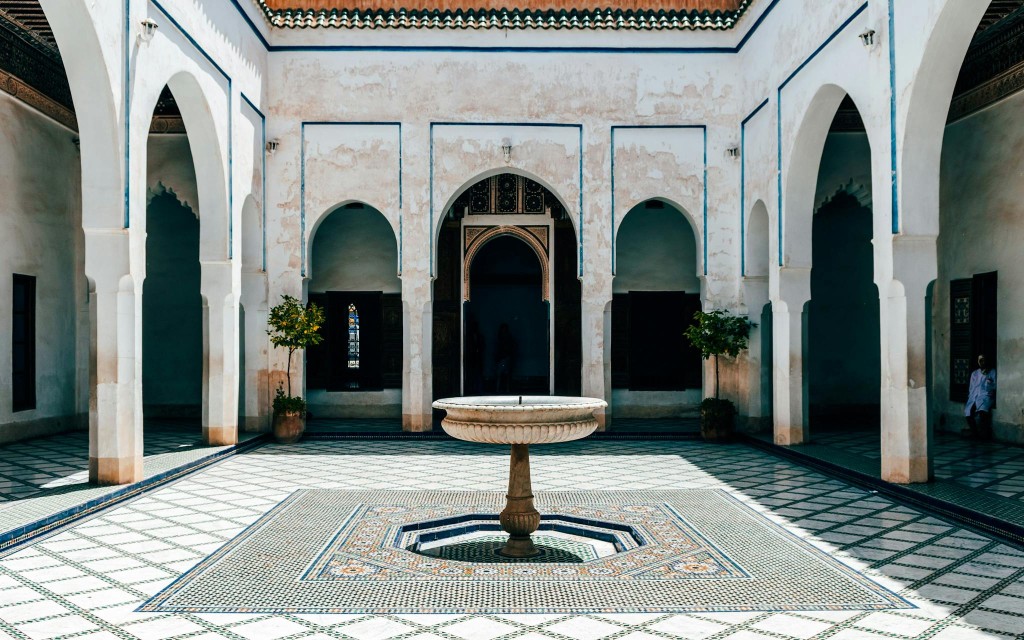
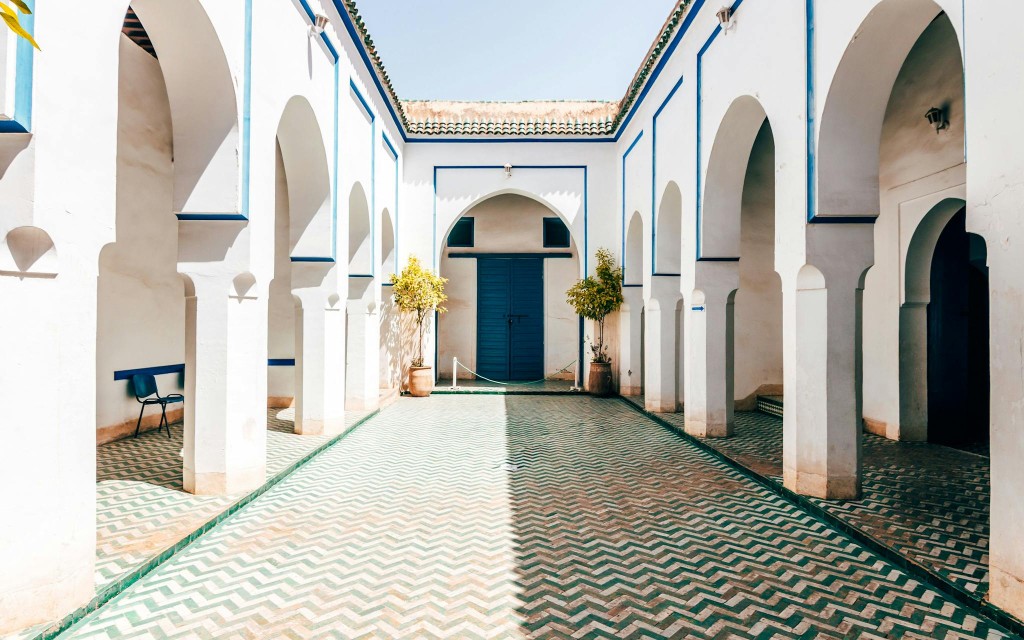
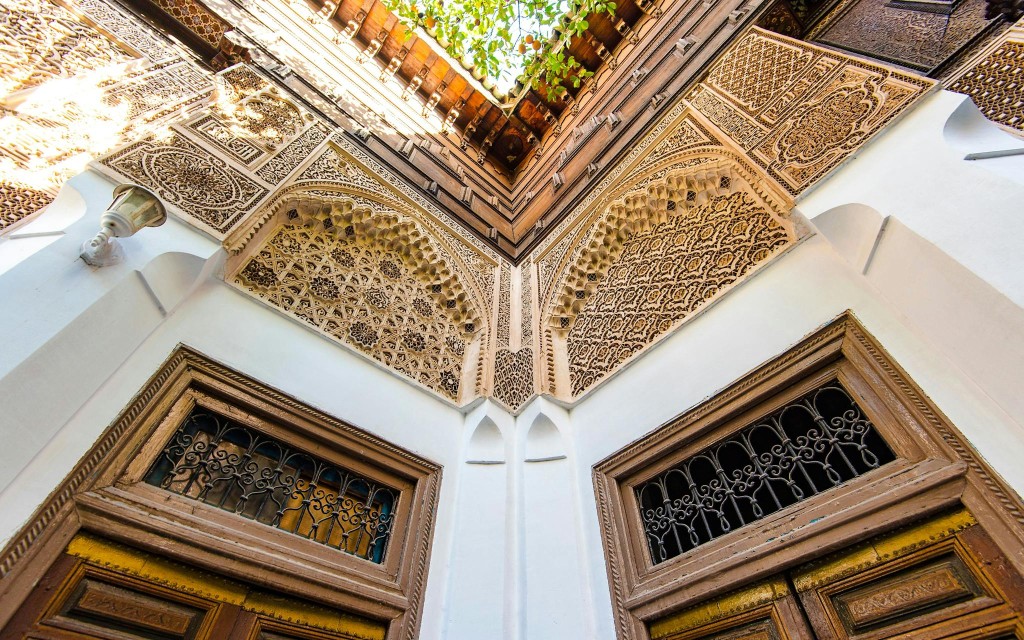
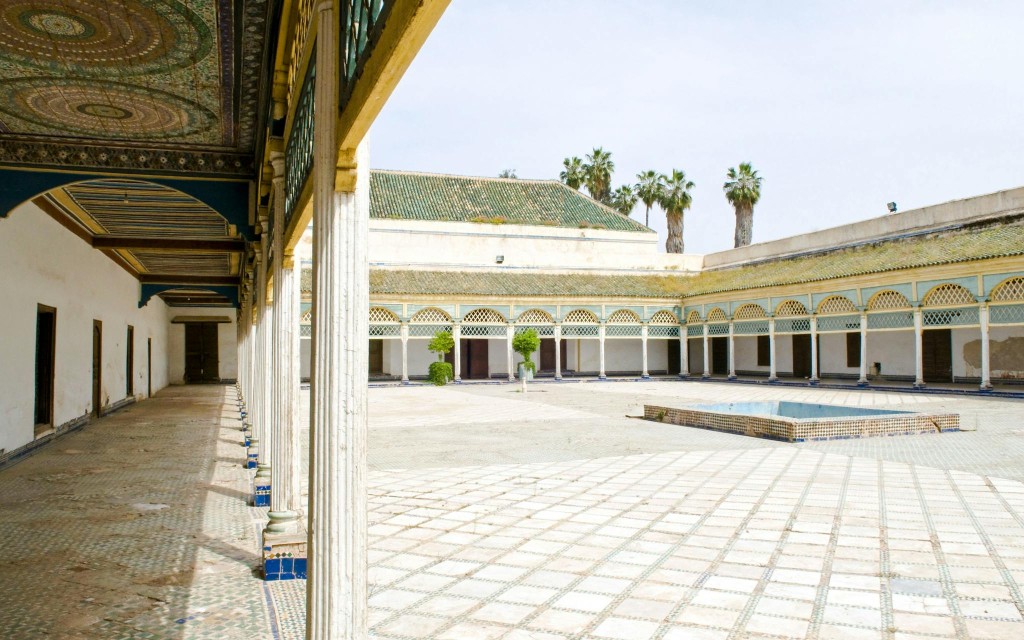
Discover the beauty of Bahia Palace through these captivating photos, showcasing its stunning architecture, intricate details, and serene gardens.
Bahia Palace, located in the heart of Marrakech, is a stunning example of Moroccan architecture and design. Built in the late 19th century by Grand Vizier Si Musa, it was intended to be the greatest palace of its time. The palace showcases intricate craftsmanship, lush gardens, and opulent courtyards, reflecting the wealth and power of its former inhabitants. Bahia Palace offers visitors a glimpse into the luxurious lifestyle of the Moroccan elite during the late 1800s, before Morocco became a French Protectorate. Its name, meaning 'brilliance', perfectly captures the essence of this magnificent historical site. Explore its labyrinthine passages and marvel at the elaborate details that adorn every corner, making it a must-see destination for anyone visiting Marrakech.
When visiting Bahia Palace, it is recommended to dress respectfully, in line with local customs. While there is no strict dress code, modest clothing is advisable. Shoulders and knees should be covered. Comfortable shoes are recommended, as you'll be doing a fair amount of walking. During the warmer months, lightweight and breathable clothing is preferable to stay comfortable in the heat.
Explore Marrakech’s Bahia Palace with an included entry ticket and a self-guided digital audio guide app.
Scan your entry ticket to Bahia Palace at the official entrance and proceed inside at your reserved time. Once you are through the gate, open the Digital audio guide app for a self-guided tour on your own device. From here, you can follow the suggested route at your own pace without needing to join a scheduled group.
What to expect
Your visit centers on the "Palace of the Beautiful," a 2-acre masterpiece of Moroccan-Andalusian architecture. You will navigate the sprawling complex independently—from the massive 1,500-square-meter Grand Courtyard paved in Italian Carrara marble to the intimate Petit Riad with its lush greenery. Using a combination of on-site signposting and your digital audio narrative, you have the total freedom to decide how long to linger under the carved cedarwood ceilings or beside the tinkling fountains.
Features
Unrestricted exploration: Your ticket grants direct access to the palace’s opulent interiors and expansive outdoor riads. Explore the Vizier’s private quarters and the Harem's courtyards that are open to the public during your visit.
Smart narrative sync: The digital audio guide serves as your personal historian, offering rich context on the vibrant zellij tilework and meticulous stucco carvings. You have full control to pause, replay, or skip chapters based on your curiosity.
Hands-free discovery: Designed for the modern traveler, the app acts as a real-time reference. Listen to the secrets of the Alawite dynasty and the palace's construction while you walk, eliminating the need for cumbersome paper maps or keeping up with a physical guide.
Total autonomy: Since you are your own guide, you can adjust your pace to avoid the crowds, revisit the scented citrus gardens for a second look, and conclude your royal tour whenever you feel satisfied.
Note on renovations: To preserve the delicate 19th-century craftsmanship, some areas may be temporarily closed for restoration. These efforts ensure the zellij and cedarwood remain vibrant for years to come. No discounts are provided for these closures, but the majority of the palace’s 150 rooms remain a stunning showcase of Moroccan art.
Bring your own headphones (preferably wired or noise-cancelling) to hear the commentary clearly over the bustle of the crowds.
Bring a fully charged smartphone/power bank, comfortable walking shoes, a refillable water bottle, and sun protection.
Suitcases, oversized backpacks, and large travel gear are strictly prohibited for security and space reasons. There is no official cloakroom on-site, so leave these at your Riad.
While photography is encouraged, tripods and professional video equipment usually require special permits and are generally not allowed for casual visitors.
To preserve the ancient pigments and carved cedarwood, avoid using flash inside the smaller chambers.
This is a cultural and historic site; being under the influence of alcohol or bringing alcohol is strictly forbidden.
Pets are not allowed on this experience.
The palace is mostly on one level, which makes it more accessible than many other Marrakech sites. However, expect narrow doorways and uneven stone thresholds between rooms.
Manual wheelchairs can navigate most of the main courtyards (like the Great Courtyard), but some of the inner riads and smaller doorways may be tight or have a small step.
Similar to wheelchairs, lightweight "umbrella" strollers are manageable, but heavy-duty strollers may be a struggle in the narrower passages.
Accessible restroom facilities are very limited inside the monument itself.
The palace does not always have a strong, free Wi-Fi signal at the entrance. It is highly recommended to download your audio guide app and its content while you are still at your hotel.
Ensure your app has an "Offline Mode" so you don't burn through roaming data while wandering the 150+ rooms.
Some areas of the Bahia Palace may be temporarily closed due to renovations. The palace remains open to visitors. No refunds or discounts will be provided due to these temporary closures.
No strict dress code, but modest attire (shoulders and knees covered) is recommended out of cultural respect.
Bahia Palace, constructed in the late 19th century, stands as a remarkable testament to Moroccan architectural prowess. Commissioned by Grand Vizier Si Musa and later expanded by his son Abu 'Ba' Ahmad, the palace aimed to capture the very essence of Moroccan and Islamic styles. The palace's design incorporates elements from Andalusian and Moorish traditions, featuring riads and gardens intended to capture the essence of paradise on Earth. The palace is composed of a sprawling complex of courtyards, gardens, and intricately decorated rooms. Artisans from all over Morocco contributed to its splendor, creating a mosaic of stucco work, zellij tilework, and cedarwood carvings. The intention was to create a residence of unparalleled luxury, reflecting the power and influence of the Grand Vizier. Although intended to house Si Musa's four wives and numerous concubines, only one was ever resident, after his death. After the departure of Abu 'Ba' Ahmad and the French Protectorate came into effect, the palace was repurposed, housing high-ranking French officials. Today, Bahia Palace is open to the public, inviting visitors to wander through its lavish rooms and serene gardens, experiencing the grandeur of a bygone era and gaining insight into the rich cultural heritage of Morocco.
Booking tickets online for Bahia Palace offers several advantages. You can skip the ticket lines, ensuring you maximize your time exploring the palace. Online booking allows you to plan your visit in advance, securing your entry at your preferred time. Many online platforms also offer bundled deals, combining entry to the Bahia Palace with other attractions in Marrakech. Booking online guarantees you won't miss out on experiencing one of Marrakech's most beautiful landmarks.
Bahia Palace was constructed in the late 19th century by Si Musa, who served as the Grand Vizier to Sultan Hassan I of Morocco. Si Musa envisioned the palace as a symbol of his power and wealth, sparing no expense in its construction. After Si Musa's death, his son Abu 'Ba' Ahmad continued the building and expansion of the palace, adding to its splendor and grandeur. Abu 'Ba' Ahmad, who also served as Grand Vizier, further embellished the palace with intricate decorations, lush gardens, and opulent courtyards. The palace became a showcase of Moroccan craftsmanship, employing artisans from across the country. The palace hosted dignitaries and important figures during his time as Grand Vizier. Following the death of Abu 'Ba' Ahmad in 1900, the palace was ransacked, and its treasures were seized. During the French Protectorate, the palace was used to house high-ranking French officials. Today, Bahia Palace stands as a museum, offering visitors a glimpse into the luxurious lifestyle of the Moroccan elite and the architectural achievements of the era.
Bahia Palace is typically open daily, with visiting hours usually starting around 9:00 AM and closing around 5:00 PM. However, hours may be subject to change, especially during religious holidays or special events. It is best to verify the current opening hours before planning your visit to ensure you have ample time to explore the palace.
The best time to visit Bahia Palace is during the spring (March to May) or fall (September to November) when the weather in Marrakech is pleasant and mild. Visiting early in the morning, shortly after opening, can help you avoid the larger crowds that gather later in the day. This allows for a more peaceful and intimate experience of the palace's beauty.
Inside Bahia Palace, visitors can explore a maze of luxurious apartments, riads and serene courtyards. The grand courtyard, paved with marble and adorned with fountains, provides a serene oasis. Each room showcases the exquisite craftsmanship of Moroccan artisans. Elaborate stucco work, vibrant zellij tilework, and intricately carved cedarwood ceilings adorn the walls and ceilings. The palace also features a large riad, complete with a central pool and lush gardens, offering a peaceful escape from the bustling city. The former private chambers of the Grand Vizier and his wives are filled with details reflecting the opulence of 19th-century Moroccan life. The play of light and shadow, combined with the intricate ornamentation, creates a mesmerizing experience. Exploring the Bahia Palace gives visitors a profound appreciation for the rich artistic and architectural heritage of Morocco.
When visiting Bahia Palace, it is advisable to wear comfortable shoes as you will be doing a lot of walking. Photography is allowed, but be mindful of other visitors when taking pictures. There are guides available at the entrance who can provide valuable insights into the history and architecture of the palace. Be prepared to encounter crowds, especially during peak tourist season. There is a small entry fee, and tickets can be purchased at the entrance or online.
When visiting Bahia Palace, please respect the historical site by avoiding touching or climbing on any of the structures. Stay on the designated paths to protect the gardens and courtyards. Refrain from loud conversations or disruptive behavior that may disturb other visitors. Photography is permitted for personal use, but commercial photography may require prior authorization. Please dispose of any trash in the designated receptacles to help preserve the beauty of the palace.
Bahia Palace is absolutely worth visiting for anyone interested in Moroccan architecture, history, and art. The palace offers a unique glimpse into the opulent lifestyle of the Moroccan elite during the late 19th century. The intricate details, from the stucco work to the zellij tilework and cedarwood carvings, are a testament to the skill and artistry of Moroccan artisans. The serene courtyards and lush gardens provide a peaceful escape from the bustling city. Exploring the palace allows visitors to appreciate the rich cultural heritage of Morocco and gain a deeper understanding of its history. Whether you are a history buff, an architecture enthusiast, or simply looking for a beautiful place to explore, Bahia Palace is a must-see destination in Marrakech.
Bahia Palace is a 19th-century palace in Marrakech, Morocco, known for its intricate Moroccan architecture and beautiful gardens.
Bahia Palace was primarily built by Grand Vizier Si Musa and later expanded by his son Abu 'Ba' Ahmad.
Bahia Palace is generally open daily from 9:00 AM to 5:00 PM, but it's advisable to check the current hours before visiting.
The entry fee for Bahia Palace is relatively inexpensive. Check current pricing online.
Yes, photography is allowed for personal use, but commercial photography may require special permission.
The best time to visit is during the spring or fall, or early in the morning to avoid crowds.
Yes, guided tours are often available at the entrance, providing valuable insights into the palace's history and architecture.
It's recommended to dress modestly, covering shoulders and knees, out of respect for local customs.
Bahia Palace is located in the medina, making it easily accessible by taxi or on foot from many points in central Marrakech. If you are near Jemaa el-Fna, you can walk through the souks to reach the palace. Public transportation options are also available to get you close to the palace entrance.
When visiting Bahia Palace, it is recommended to dress respectfully, in line with local customs. While there is no strict dress code, modest clothing is advisable. Shoulders and knees should be covered. Comfortable shoes are recommended, as you'll be doing a fair amount of walking. During the warmer months, lightweight and breathable clothing is preferable to stay comfortable in the heat.