


What's Included
- Reserved entry to Museo Di Capodimonte
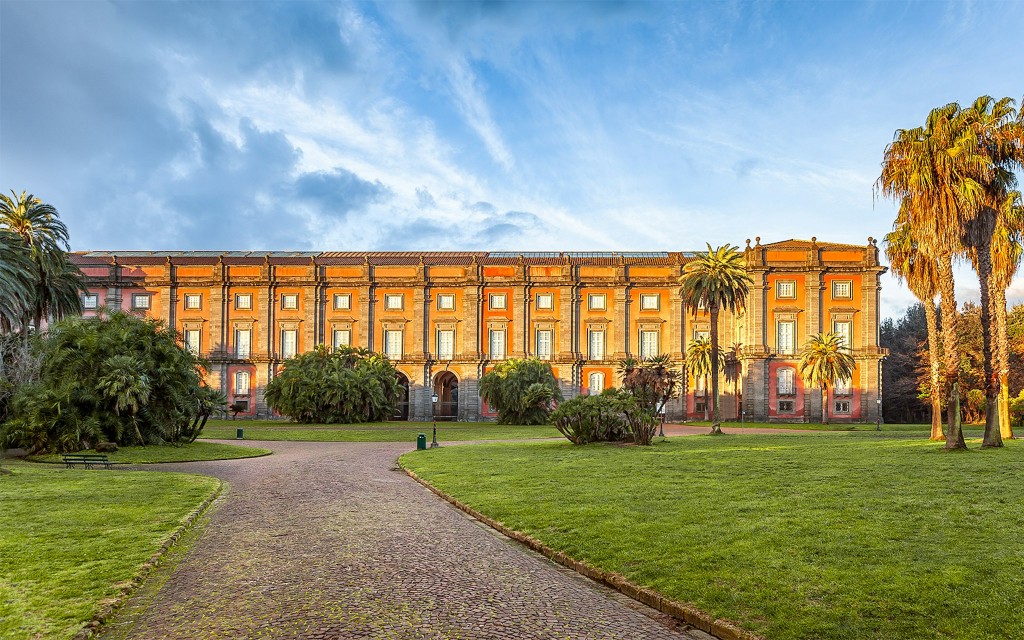
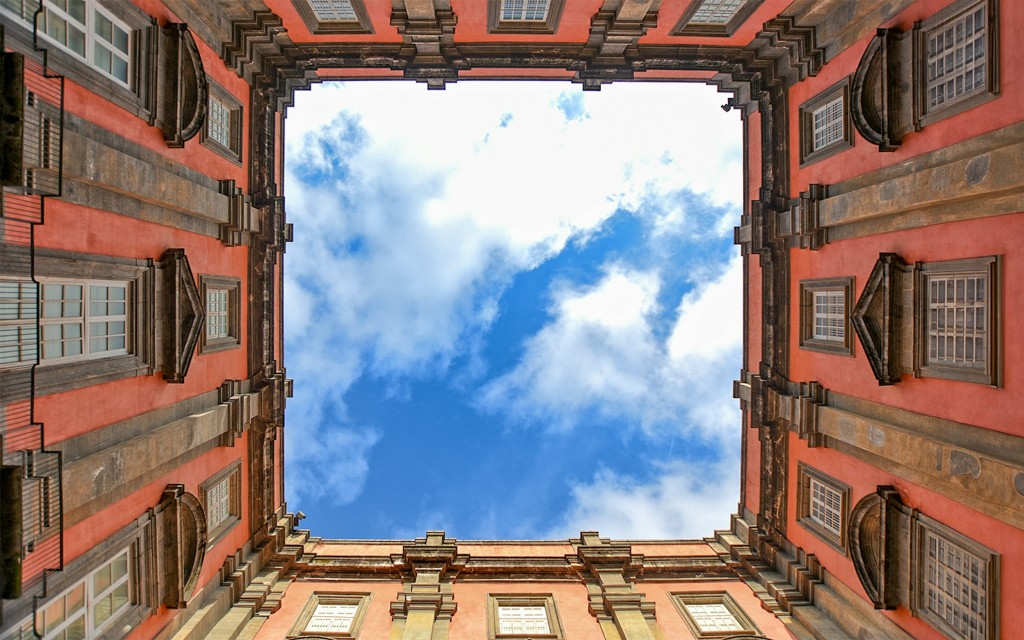
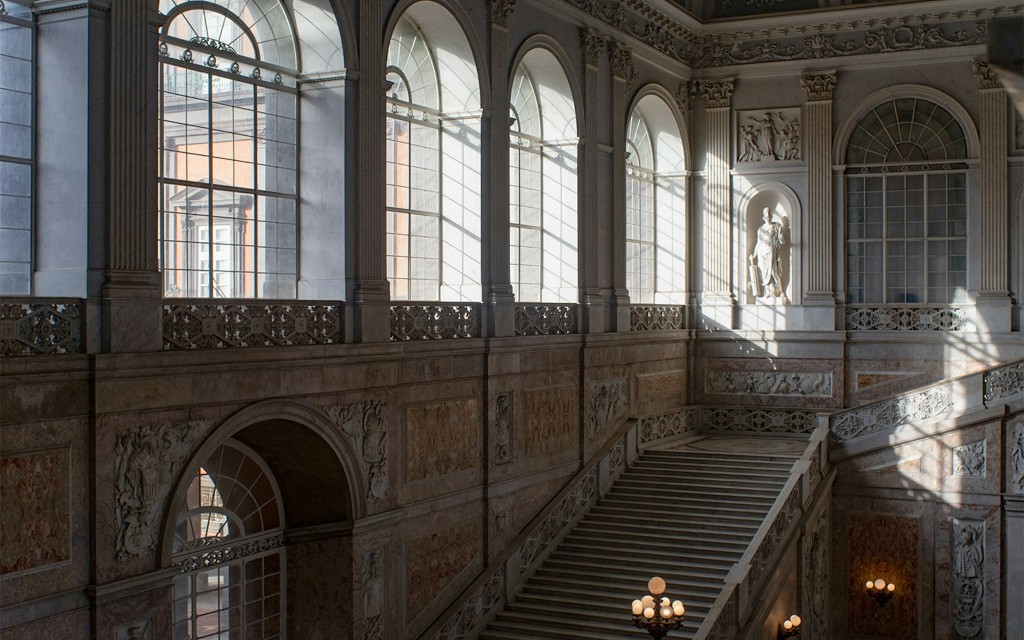
Explore a visual journey through the Capodimonte Museum with these inspiring photographs, showcasing its magnificent collections, royal chambers, and the stunning surrounding park.
Perched atop a hill overlooking Naples, the Capodimonte Museum is housed within the majestic Bourbon Palace of Capodimonte, a former royal residence. It offers a unique journey through art and history, showcasing one of Italy's most significant art collections. Visitors can marvel at masterpieces from the Renaissance and Baroque periods, explore the opulent Royal Apartments, and stroll through the surrounding sprawling park, offering breathtaking views of the city and the Bay of Naples. This multifaceted venue blends artistic grandeur with historical significance, making it an essential destination for anyone exploring the cultural richness of Southern Italy.
There is no strict dress code for visiting the Capodimonte Museum. However, as a cultural institution housed in a historic royal palace, comfortable yet respectful attire is recommended. Casual clothing is generally acceptable. During warmer months, light clothing is suitable, while in cooler seasons, layers are advisable, as temperatures inside can vary.
Visit one of the largest and richest museums in Italy, Museo di Capodimonte, housed within Palazzo di Capodimonte, initially built as a hunting lodge for Charles VII of Bourbon. With hassle-free reserved entry, access to a vast collection of treasured paintings, sculptures, porcelain, and decorative arts has never been easier. Spread across three floors and 160 rooms, over here one can find works by legendary artists the likes of Giovanni Bellini, Colantonio, Artemisia Gentileschi, Jusepe de Ribera, Luca Giordano, Mattia Preti, Francesco Solimena, and Van Dyck to name a few.
The first floor is occupied by the royal apartments; room 52 (Salottino di Porcellana) in particular is a stunning example of 18th-century chinoiserie. The second-floor showcases work by Neapolitan artists from the 13th to the 19th centuries. The third floor contains knockout pieces by artists from Masaccio to Raphael to Andy Warhol. In addition to its rich interiors, the museum is also part of a Royal Park, an unspoiled green haven spread across 300 acres with over 400 plant species to show.
The museum is accessible to people with reduced mobility.
Your guide dogs are welcome at the venue.
The halls will be accessible following a one-way entry and exit itinerary, indicated by the appropriate signs.
Entry to the museum is free on the first Sunday of each month.
With this ticket, gain access to the current exhibitions.
The ticket is valid for 1 day and allows you to leave the museum and re-enter several times until closing time.
The Capodimonte Museum is renowned for its vast and diverse collections, spanning centuries of artistic expression. The Farnese Collection, inherited by the Bourbons, forms the core of its holdings, featuring works by titans such as Titian, Raphael, Botticelli, and Caravaggio. Beyond these Renaissance and Baroque treasures, the museum also houses Neapolitan art from the 13th to the 18th century, showcasing local artistic brilliance. A significant part of the experience includes exploring the Royal Apartments, which have been preserved to reflect their original grandeur, complete with period furniture, tapestries, and decorative arts, offering a glimpse into royal life. Additionally, the museum presents a fascinating collection of contemporary art and an impressive armory. The surrounding Royal Park of Capodimonte, designed as a hunting reserve, provides a tranquil escape with its historical buildings, pathways, and lush greenery, perfect for a leisurely walk before or after your museum visit.
Booking your Capodimonte Museum tickets online offers several advantages, ensuring a smoother and more enjoyable visit. Online tickets often provide reserved entry or skip-the-line access, allowing you to bypass long queues, especially during peak season. This saves valuable time and ensures you can start exploring the collections without delay. Additionally, pre-purchasing helps in planning your itinerary and can sometimes include combined offers or guided tours, enhancing your overall experience. Secure your entry in advance and focus on immersing yourself in the magnificent art and history without the stress of on-site ticket purchasing.
The history of Capodimonte begins in 1738 when King Charles VII of Naples and Sicily (later Charles III of Spain) commissioned the construction of a hunting lodge on the hill of Capodimonte. This initial project soon evolved into a grand palace intended to house the immense Farnese Collection, which Charles inherited from his mother, Elisabetta Farnese. Over the centuries, the palace served as a royal residence for the Bourbon and later the Savoy dynasties, each leaving their mark on its architecture and interiors. After the unification of Italy, the palace continued to function as a royal residence until 1920, when it was ceded to the Italian state. It officially opened as a museum in 1957, bringing together the Farnese collection, the Neapolitan Gallery, and other significant art and historical artifacts to create one of Italy's most important cultural institutions. Its transformation from a royal abode to a public museum marked a significant step in making these treasures accessible to all.
The Capodimonte Museum generally opens in the morning and closes in the late afternoon. It is typically closed on Tuesdays for maintenance. Specific opening and closing times can vary by season, so it is advisable to account for these potential changes when planning your visit. Last entry is usually an hour before closing. The park generally has longer opening hours than the museum itself.
To fully enjoy the Capodimonte Museum and its serene surroundings, consider visiting on a weekday, either shortly after opening or in the late afternoon. Weekends, particularly Sunday afternoons, can be busier. Visiting during the spring or autumn months (April-May, September-October) offers pleasant weather for exploring the expansive park before or after your museum tour, enhancing the overall experience. Early mornings often provide a quieter atmosphere, allowing for more intimate viewing of the art.
Inside the Capodimonte Museum, you will encounter an extraordinary range of art and historical artifacts across multiple floors. The first floor is primarily dedicated to the Farnese Collection, featuring iconic works by Botticelli, Bellini, Titian, and the powerful 'Flagellation of Christ' by Caravaggio. The Royal Apartments on the second floor transport you back in time with their original furniture, porcelain, tapestries, and the exquisite collection from the Royal Manufactory of Capodimonte. The third floor houses the Neapolitan Gallery, showcasing works by local artists from the 13th to the 18th centuries, alongside a significant collection of contemporary art. Don't miss the impressive armory, displaying weapons and armor from various periods, providing a comprehensive historical perspective.
Wear comfortable shoes as you will be doing a significant amount of walking through the museum and potentially the vast park. Lockers are usually available for storing large bags and backpacks, which are often not permitted inside the exhibition rooms. Photography is generally allowed for personal use in most areas, but flash photography is typically prohibited, and restrictions may apply to certain artworks. Allow ample time for your visit, as the collections are extensive. Consider purchasing an audio guide for deeper insights into the artworks and history. Refreshments and restrooms are available on-site.
To preserve the artworks and ensure a pleasant experience for all, visitors are asked to observe certain rules. Large bags, backpacks, and umbrellas must be stored in the cloakroom or lockers. Food and drinks are not permitted within the exhibition halls. Touching the artworks or displays is strictly forbidden. Please maintain a respectful volume and avoid running inside the museum. Sketching is permitted with pencils, but ink or paint is not allowed. Group tours may be subject to specific guidelines to ensure smooth flow.
The Capodimonte Museum is unequivocally worth visiting for anyone with an interest in art, history, or Italian culture. It offers a rare opportunity to see world-class masterpieces by Renaissance and Baroque artists within the authentic setting of a former royal palace. The unique combination of an extensive art gallery, preserved royal apartments, and a beautiful park provides a rich and varied experience that appeals to a wide range of visitors. Its serene location and stunning views also contribute to an unforgettable cultural outing, making it a standout destination in Naples.
The museum primarily houses the Farnese Collection, the Neapolitan Gallery, the Royal Apartments, and collections of contemporary art and an armory.
Yes, older children interested in art and history may enjoy the collections. The expansive park is also a great place for families to relax.
Yes, tickets can be purchased at the entrance, but booking online in advance is often recommended to avoid queues, especially for reserved entry options.
Limited parking may be available in the vicinity of the museum or within the Royal Park. Public transport is a common way to reach the location.
Yes, various guided tour options are often available, sometimes bundled with skip-the-line tickets, offering deeper insights into the collections and palace history.
The museum generally provides accessibility features, including elevators and ramps, to accommodate visitors with reduced mobility. It is advisable to inquire about specific access routes upon arrival.
No, food and drinks are typically not permitted inside the exhibition areas of the museum. There may be designated cafes or refreshment areas available on-site.
The Capodimonte Museum is situated on a hill, a short distance from central Naples. You can reach it by public transport, typically via a bus service that runs directly to the museum entrance. Look for bus lines that serve the Capodimonte area from key points in the city, such as Piazza Garibaldi (Naples Central Station) or Piazza Dante. A taxi or ride-sharing service offers a direct and convenient option, especially for those preferring not to navigate public transport.
There is no strict dress code for visiting the Capodimonte Museum. However, as a cultural institution housed in a historic royal palace, comfortable yet respectful attire is recommended. Casual clothing is generally acceptable. During warmer months, light clothing is suitable, while in cooler seasons, layers are advisable, as temperatures inside can vary.