

What's Included
- Entrance to Turtle Point
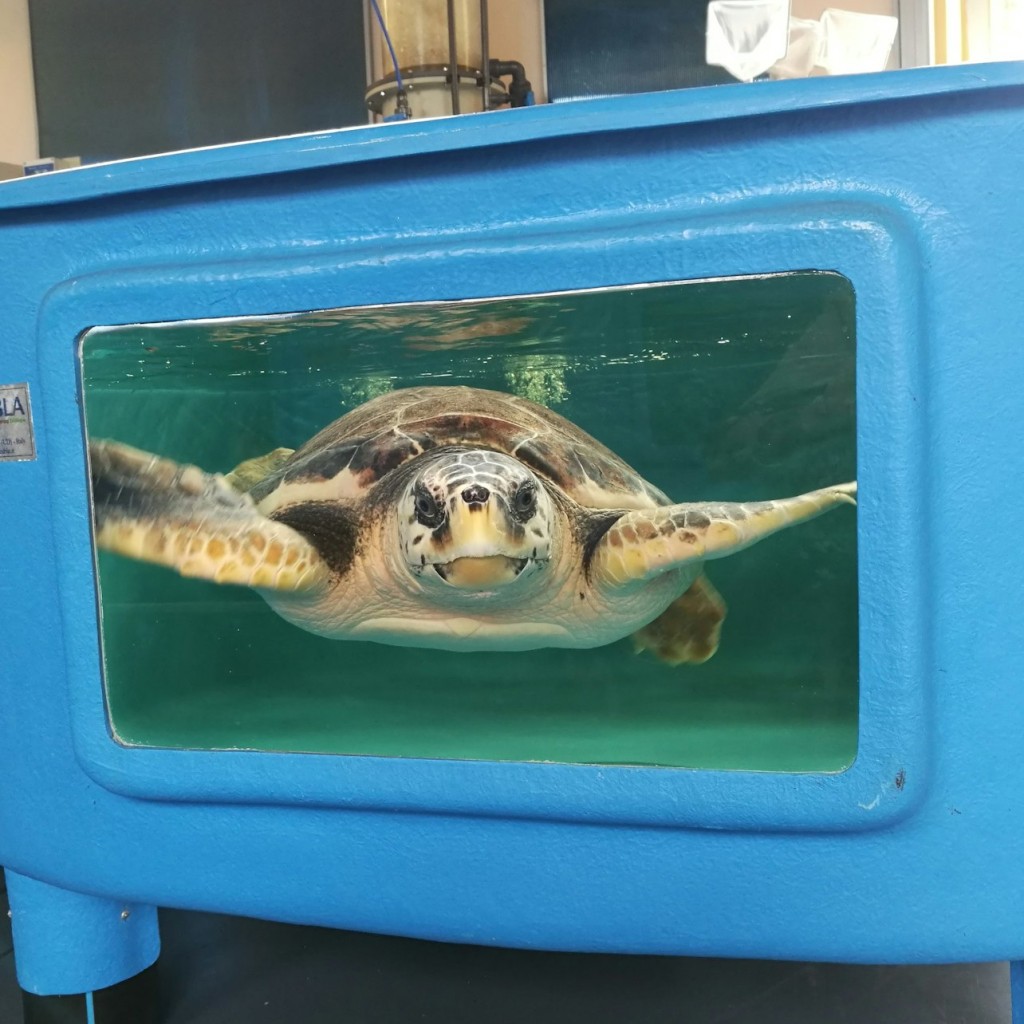
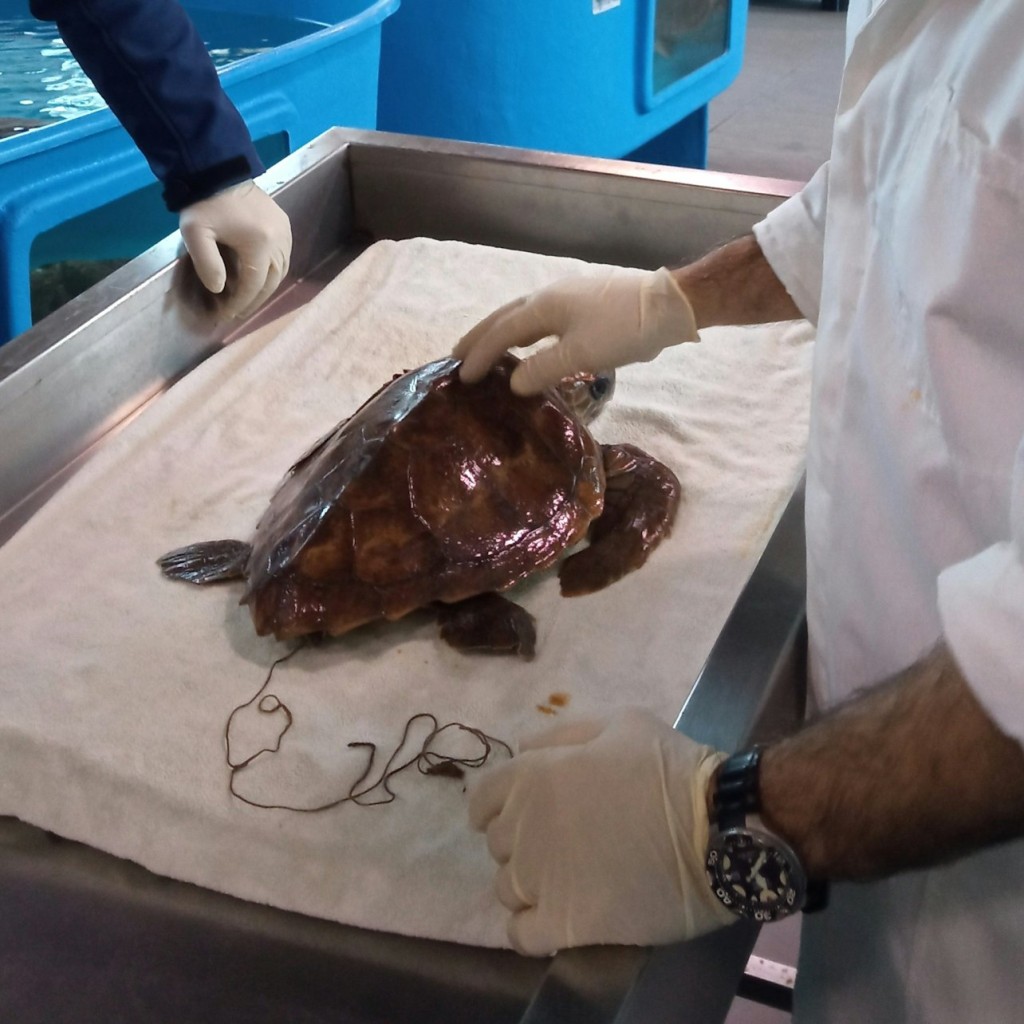
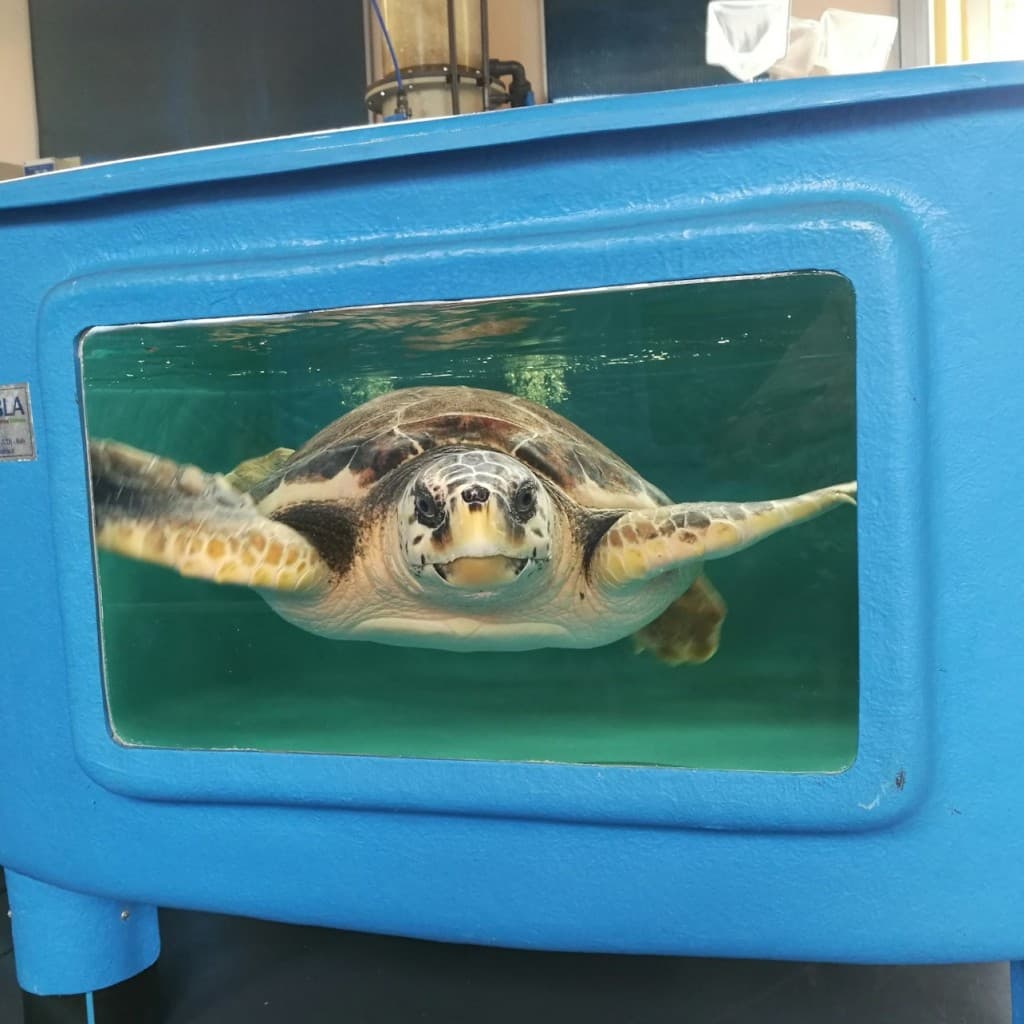
Capture the inspiring moments of your visit to Turtle Point. These images offer a glimpse into the dedicated efforts of marine conservation and the incredible journey of sea turtles on their path to recovery.
Welcome to Turtle Point, a dedicated sea turtle rescue and rehabilitation center located near Naples. This unique facility offers visitors an opportunity to connect with the critical work of marine conservation. At Turtle Point, you can learn about the challenges facing sea turtles in the Mediterranean, witness the rehabilitation efforts firsthand, and understand how every individual can contribute to protecting these magnificent creatures. It is an educational journey into the world of marine biology, highlighting the importance of biodiversity and the ongoing commitment to environmental protection. Experience an inspiring visit that combines learning with the chance to observe rescued sea turtles up close, fostering a deeper appreciation for marine ecosystems.
There is no formal dress code required for visiting Turtle Point. Comfortable clothing and footwear are recommended, as you will likely be walking and standing for a period. Given the coastal location, consider wearing layers, especially during cooler months or if there's a sea breeze. A hat and sunglasses are advisable during sunny periods, particularly if outdoor viewing areas are part of the tour.
Turtle Point stands as a beacon of hope for sea turtles in the Mediterranean region, functioning as both a rescue and rehabilitation facility and an educational hub. Its primary mission is to recover injured or sick sea turtles, provide them with necessary medical care, and eventually release them back into their natural habitat. The center is equipped with specialized tanks and veterinary facilities where expert staff and volunteers dedicate their time to nursing these vulnerable animals back to health. Beyond its immediate rescue efforts, Turtle Point plays a crucial role in marine conservation through extensive research and awareness programs. Visitors gain insight into the various threats sea turtles face, such as plastic pollution, fishing net entanglement, and habitat degradation. The center actively promotes sustainable practices and educates the public on how to mitigate human impact on marine ecosystems. Through interactive exhibits and guided tours, guests can discover the intricate lives of sea turtles and the broader marine biodiversity of the Mediterranean Sea. The commitment extends to fostering a new generation of environmental stewards, emphasizing the collective responsibility in preserving our oceans.
Booking your entry ticket to Turtle Point online offers several advantages, ensuring a smoother and more convenient visit. Online booking typically allows you to secure your preferred time slot, helping to manage visitor flow and provide a more intimate experience, especially during peak seasons. It often means skipping potential queues at the entrance, saving valuable time and allowing you to begin your exploration sooner. Additionally, online platforms frequently provide instant confirmation and all necessary information directly to your device, streamlining your travel plans. By booking in advance, you ensure your entry and contribute directly to the ongoing conservation and rehabilitation work at Turtle Point, supporting their vital mission.
The inception of Turtle Point dates back to a growing awareness of the significant decline in Mediterranean sea turtle populations and the increasing number of stranded or injured individuals along the coast near Naples. Local marine biologists and conservationists recognized the urgent need for a dedicated facility to address these issues. Initially, the center began as a modest volunteer-run initiative, operating out of temporary facilities. Through sustained fundraising efforts, grants, and public support, the project expanded, allowing for the construction of specialized rehabilitation tanks, a veterinary clinic, and educational exhibit spaces. Over the years, Turtle Point has developed into a leading authority in sea turtle rescue and rehabilitation, collaborating with universities, government agencies, and international conservation organizations. Its history is marked by numerous successful rehabilitation and release stories, each contributing to the preservation of these ancient mariners. The center continues to evolve, adapting to new challenges in marine conservation and expanding its outreach to inspire future generations.
Turtle Point usually welcomes visitors during standard operating hours, generally from late morning to late afternoon. However, specific opening and closing times can fluctuate depending on the season, local events, and operational needs. It is advisable to check the most current schedule before planning your visit, as hours may differ on weekends or during national holidays. Some days may also offer extended hours or guided tours that require prior booking.
To make the most of your visit to Turtle Point, consider planning your trip during the shoulder seasons (spring or autumn) when the weather is pleasant and crowds are generally smaller than in the peak summer months. Weekday mornings, shortly after opening, are often the least crowded times, offering a more tranquil environment for observing the turtles and engaging with the educational exhibits. This allows for a more personal experience and better opportunities to speak with staff if available. Avoiding midday during summer can also enhance comfort, as the facility might be less busy and cooler.
Inside Turtle Point, visitors can explore various sections dedicated to sea turtle rehabilitation and marine education. The main attraction is undoubtedly the rehabilitation tanks, where you can observe rescued sea turtles recovering from injuries or illnesses. Each tank often features information about the individual turtle's story, its species, and the nature of its recovery. Educational exhibits delve into the different species of sea turtles found in the Mediterranean, their life cycles, and migration patterns. You will also find displays on the threats to marine life, such as plastic pollution, ghost fishing gear, and climate change, alongside solutions and conservation strategies. Interactive displays might include touch screens, informative videos, and even a mock veterinary area to illustrate the medical procedures involved in turtle care. The center often includes dedicated areas highlighting the broader Mediterranean marine ecosystem, showcasing other local species and the importance of preserving their habitats.
When visiting Turtle Point, be aware that it is primarily a rehabilitation center, meaning the well-being of the sea turtles is paramount. Photography is generally permitted, but flash photography should be avoided to prevent disturbing the animals. Food and drinks are usually restricted to designated areas. The facility is designed to be accessible, though specific accessibility features might vary; inquire if you have particular needs. Guided tours are often available and can greatly enhance your understanding of the center's work. Consider bringing a reusable water bottle. Remember that the animals you see are under care and their interactions with visitors are limited for their recovery.
To ensure a safe and respectful environment for both visitors and the recovering sea turtles, certain rules are in place at Turtle Point. Visitors are asked to maintain a calm and quiet demeanor, especially near the rehabilitation tanks, to minimize stress on the animals. Touching the sea turtles or attempting to feed them is strictly prohibited. Children must be supervised by an adult at all times. Smoking is not permitted anywhere within the facility. Follow all instructions from staff and signage. Waste should be disposed of in appropriate bins to help maintain cleanliness and protect the sensitive environment.
Turtle Point is absolutely worth visiting for anyone interested in marine life, conservation, or unique educational experiences. It provides a rare opportunity to see sea turtles up close in a rehabilitative setting, offering profound insights into the challenges they face and the dedicated efforts to save them. The center’s focus on education makes it an enriching experience for all ages, fostering a deeper connection to ocean ecosystems. Beyond the emotional impact of witnessing recovery efforts, visitors leave with a greater understanding of environmental stewardship and practical ways to contribute to conservation, making it a truly impactful and memorable outing near Naples.
Turtle Point is a sea turtle rescue and rehabilitation center located near Naples, dedicated to treating injured or sick sea turtles and educating the public about marine conservation.
Yes, visitors can observe rescued sea turtles undergoing rehabilitation in specialized tanks within the center.
Absolutely. Turtle Point offers an educational and inspiring experience for visitors of all ages, with exhibits designed to engage children in marine conservation.
A typical visit to Turtle Point usually takes between 1.5 to 2 hours, allowing sufficient time to explore the exhibits and observe the turtles.
Guided tours are often available and highly recommended to enhance your understanding of the center's work. It is advisable to inquire about tour availability upon arrival or when booking.
Turtle Point engages in sea turtle rescue, veterinary care, rehabilitation, and release. It also conducts research and public education programs on marine conservation and threats to sea turtles.
Turtle Point often relies on volunteers for various aspects of its operations. Information on volunteering opportunities can typically be found on their website or by contacting the center directly.
Accessing Turtle Point, located near Naples, generally involves a combination of public transport and a short walk. From Naples, visitors can often take a regional train or bus service to the nearest town or coastal hub. Upon arrival at the local station or bus stop, the center is usually reachable via a local bus route, taxi service, or a pleasant walk depending on its exact proximity. Detailed local transport maps and schedules are typically available at major transport hubs in Naples.
There is no formal dress code required for visiting Turtle Point. Comfortable clothing and footwear are recommended, as you will likely be walking and standing for a period. Given the coastal location, consider wearing layers, especially during cooler months or if there's a sea breeze. A hat and sunglasses are advisable during sunny periods, particularly if outdoor viewing areas are part of the tour.