

What's Included
- Musée de l'Orangerie ticket
- Access to permanent and temporary exhibitions
Explore a visual journey through the Musée de l'Orangerie, from the tranquil beauty of Monet's Water Lilies to masterpieces of early 20th-century art.
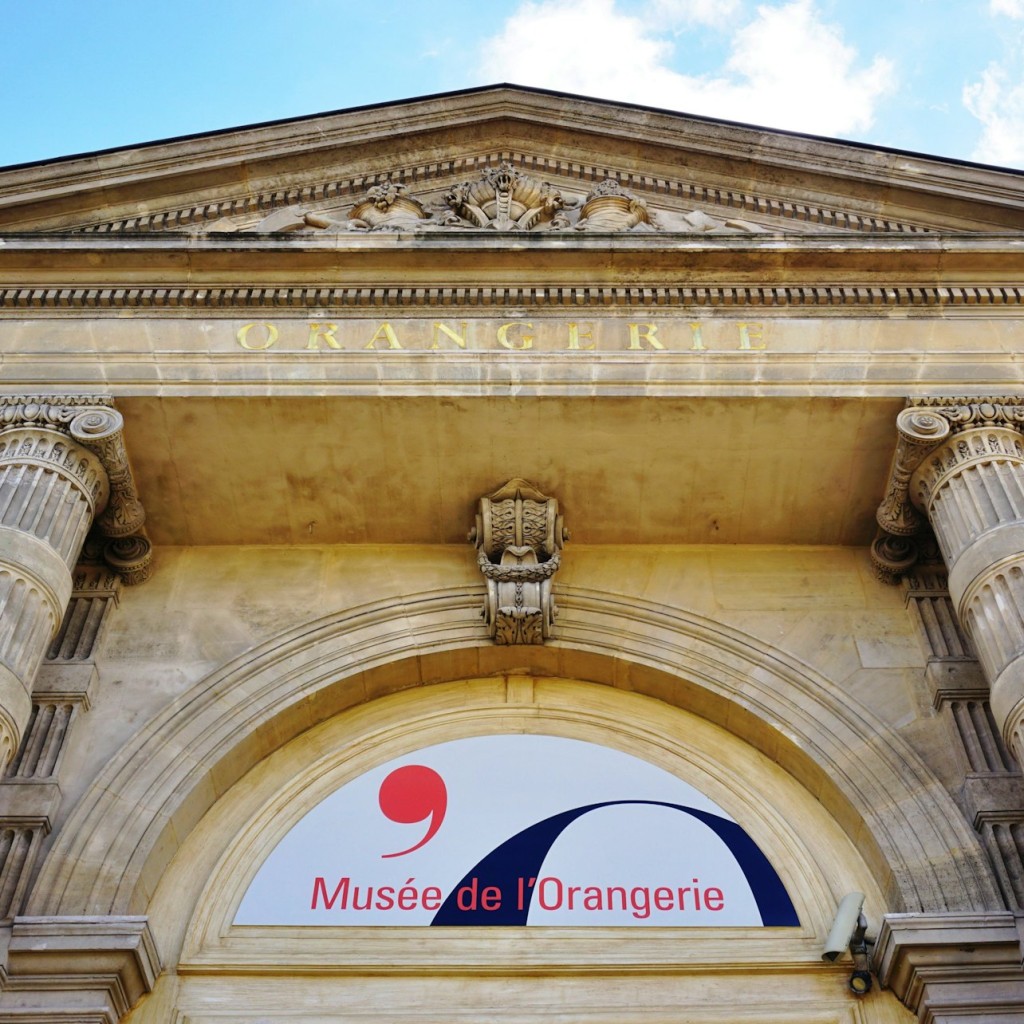
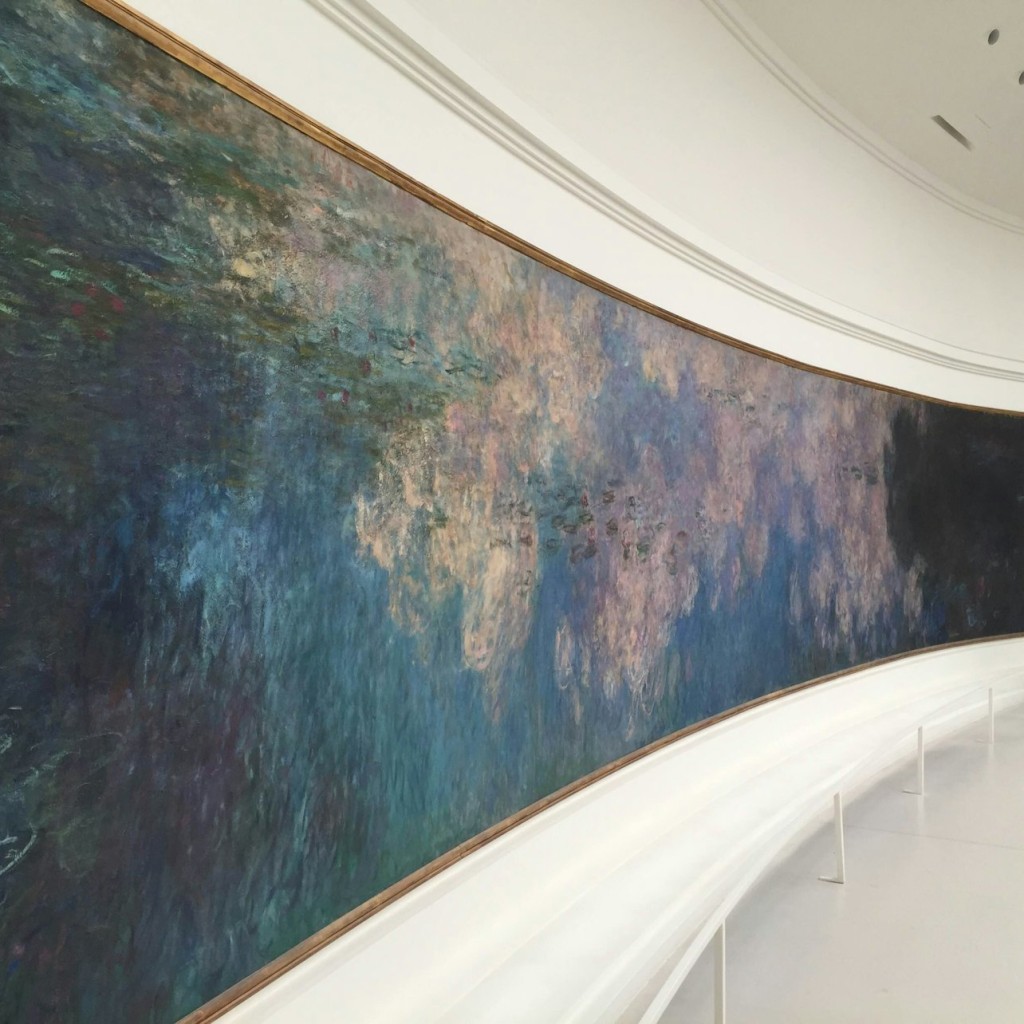
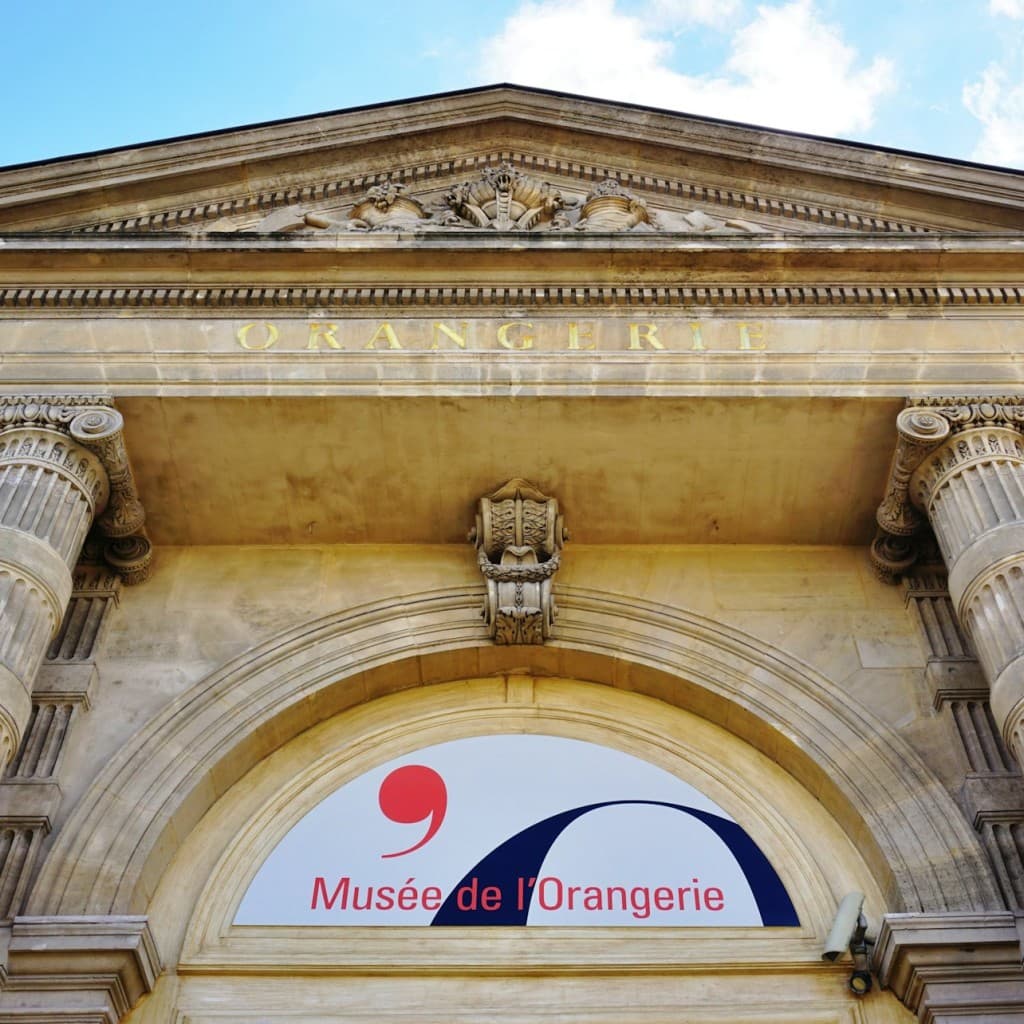
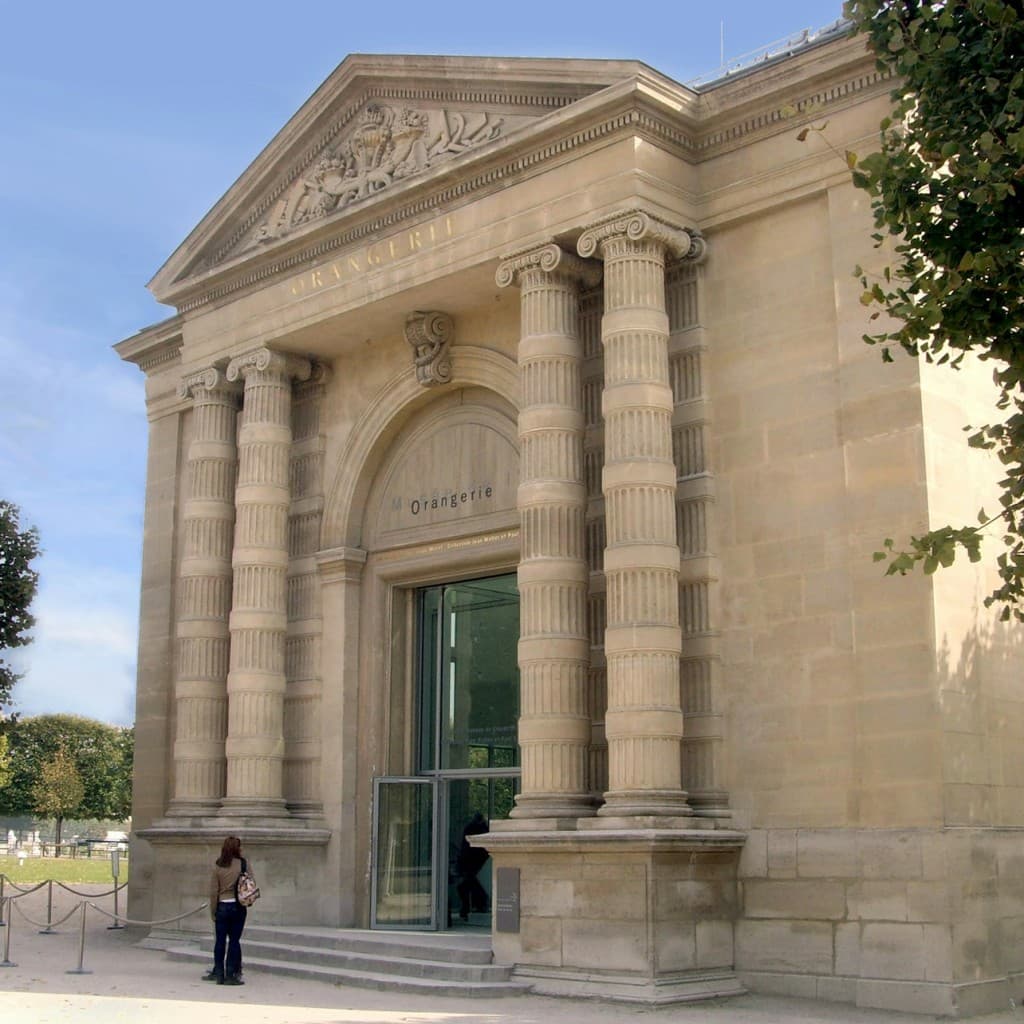
The Musée de l'Orangerie is a gallery of Impressionist and Post-Impressionist paintings and while the larger-than-life Water Lilies by Monet are definitely the main event, they're far from the only reason to visit. Located in an old orangerie in the heart of Paris, this museum is notable for having an impressive amount of Monets in a decadently light and airy setting. The museum also displays works by the likes of Cézanne, Matisse, Picasso, Renoir, and Rousseau, among others.
There is no formal dress code required to visit the Musée de l'Orangerie. However, comfortable footwear is recommended as you will be standing and walking through the galleries. Parisian style generally leans towards smart casual, but practical and respectful attire is appropriate for visiting cultural institutions.
The Musée de l'Orangerie is a gallery of Impressionist and Post-Impressionist paintings and while the larger-than-life Water Lilies by Monet are definitely the main event, they're far from the only reason to visit. Located in an old orangerie in the heart of Paris, this museum is notable for having an impressive amount of Monets in a decadently light and airy setting. The museum also displays works by the likes of Cézanne, Matisse, Picasso, Renoir, and Rousseau, among others.
Booking your Musée de l'Orangerie tickets online offers several advantages, ensuring a smoother and more enjoyable visit. Pre-purchasing tickets, such as Fast-Track Tickets, allows you to bypass potential queues at the entrance, saving valuable time. Various options are available, including entry tickets and those enhanced with an audioguide for deeper insights into the collections. For a more personalized experience, consider a small group guided tour or a private guided tour, available in multiple languages including English, French, Spanish, Italian, German, and Russian. Securing your preferred date and time in advance is especially beneficial during peak seasons, helping you plan your itinerary with confidence and peace of mind.
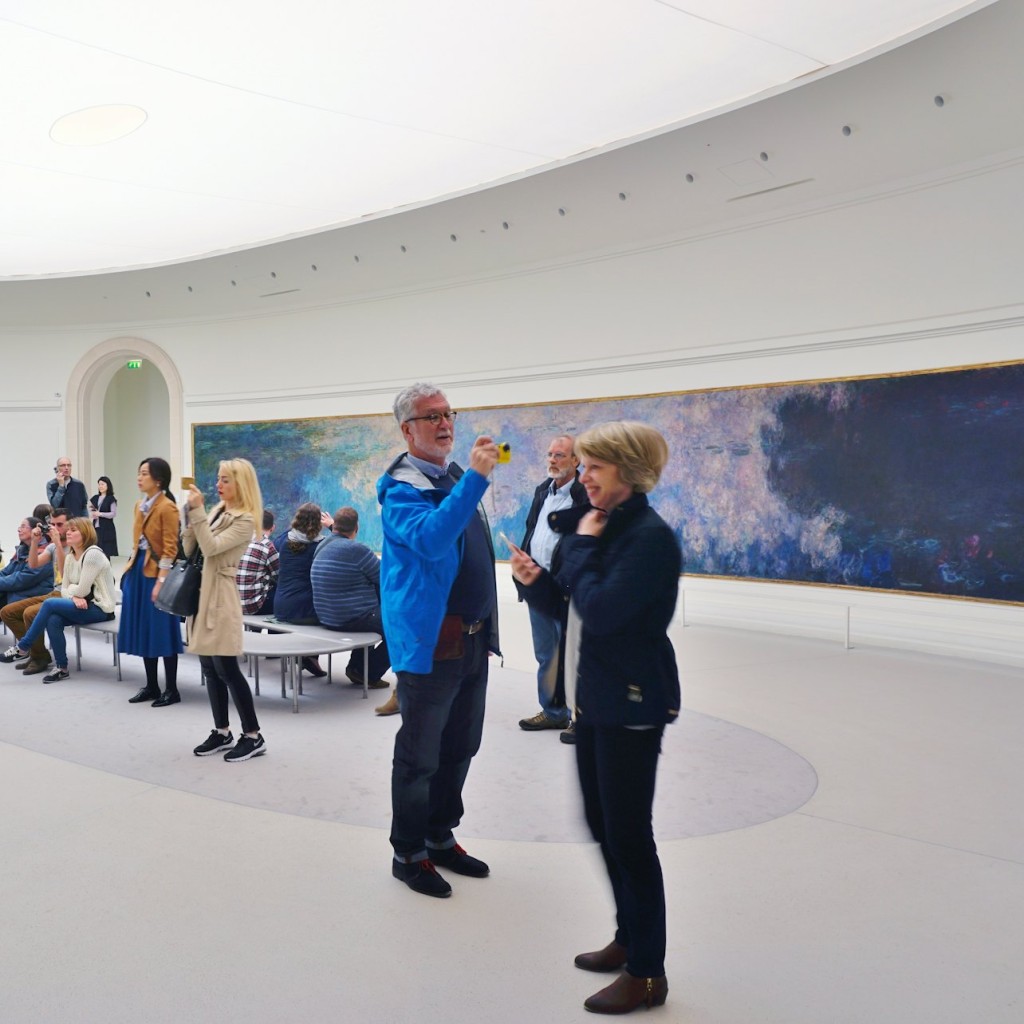
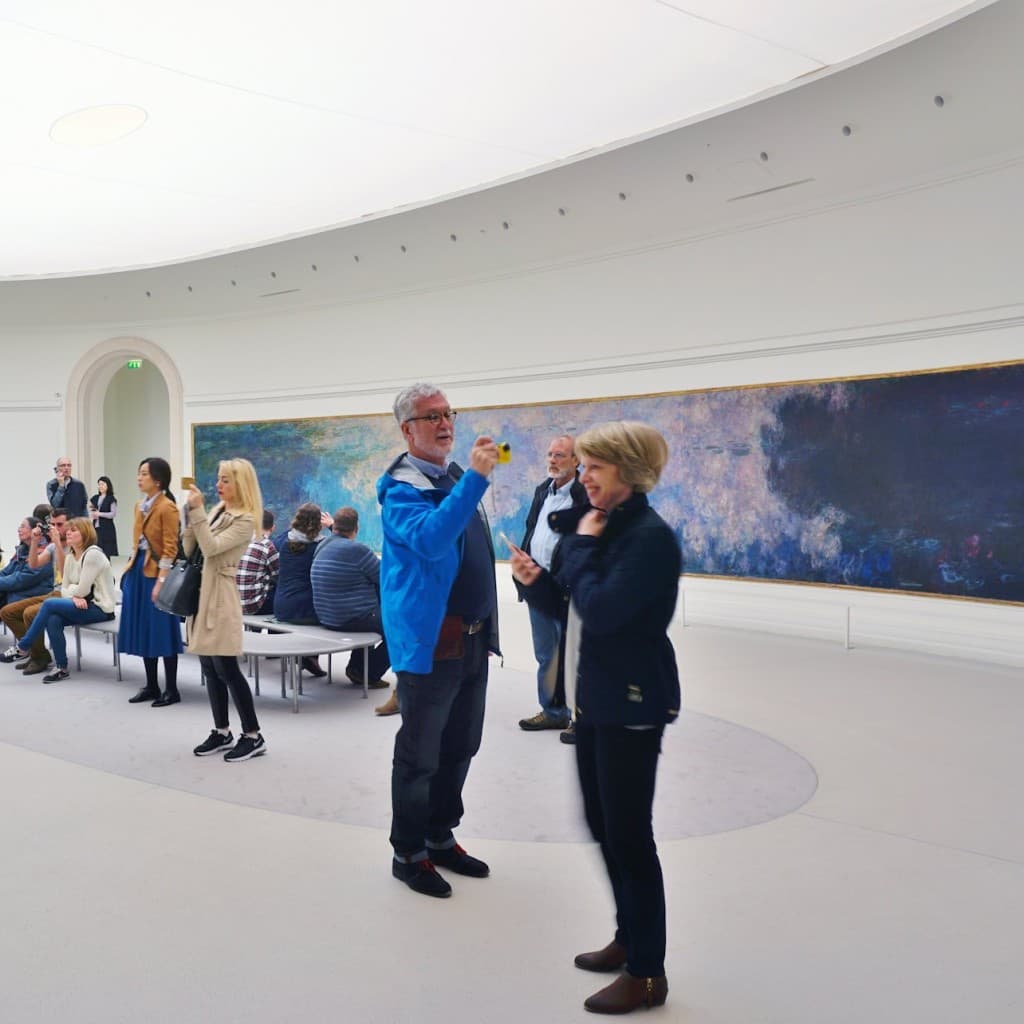
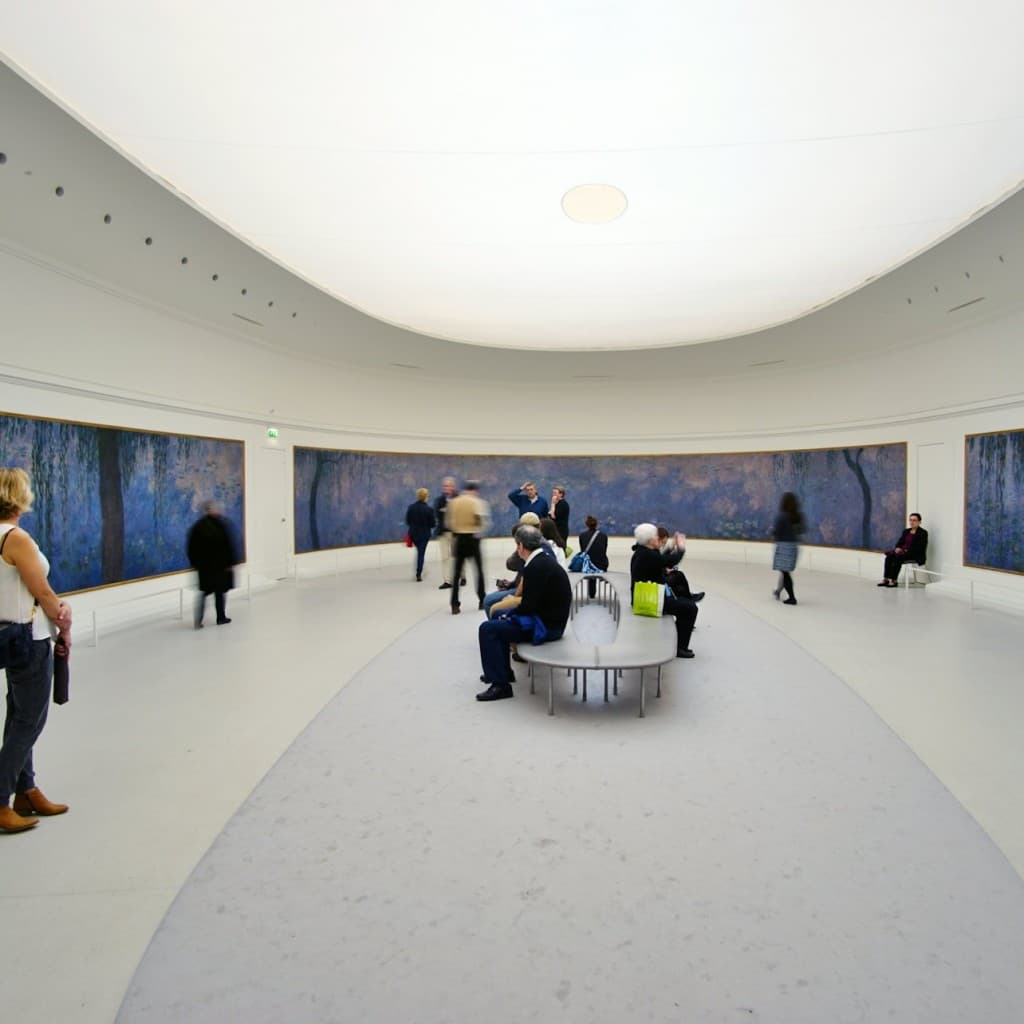
The building that houses the Musée de l'Orangerie began its life in 1852 under Napoleon III, constructed as an orangery for the Tuileries Garden. It served this horticultural purpose until the early 20th century. Following World War I, Claude Monet, deeply affected by the conflict, envisioned a space where his monumental 'Water Lilies' series could be displayed in a continuous, calming environment, offering solace and reflection. He donated the panels to the French state, and the former orangery was chosen as the ideal location. Architect Camille Lefèvre redesigned the building to accommodate the canvases, creating the two large oval rooms with natural light Monet had dreamed of. The museum first opened its doors in 1927, a few months after Monet's death. Later, in the 1960s, the Jean Walter and Paul Guillaume Collection, a significant donation of Impressionist and modern works, found its home on the lower level, cementing the Orangerie's status as a dual-faceted artistic sanctuary.
The Musée de l'Orangerie typically opens its doors at 9:00 AM and closes at 6:00 PM, with the last entry usually an hour before closing. The museum is generally closed on Tuesdays, as well as on May 1st, December 25th, and January 1st. It is advisable to note that hours can be subject to change, especially during public holidays or special events, so visitors should allocate sufficient time for their visit.
To experience the serene beauty of Monet's Water Lilies with fewer crowds, the best times to visit the Musée de l'Orangerie are typically first thing in the morning when it opens or later in the afternoon, approximately two hours before closing. Weekdays, particularly during the off-peak seasons (autumn, winter excluding holidays, and early spring), are generally less crowded than weekends and public holidays. Avoiding lunch hours and mid-afternoon on peak days can significantly enhance your experience, allowing for more contemplative viewing of the artworks.
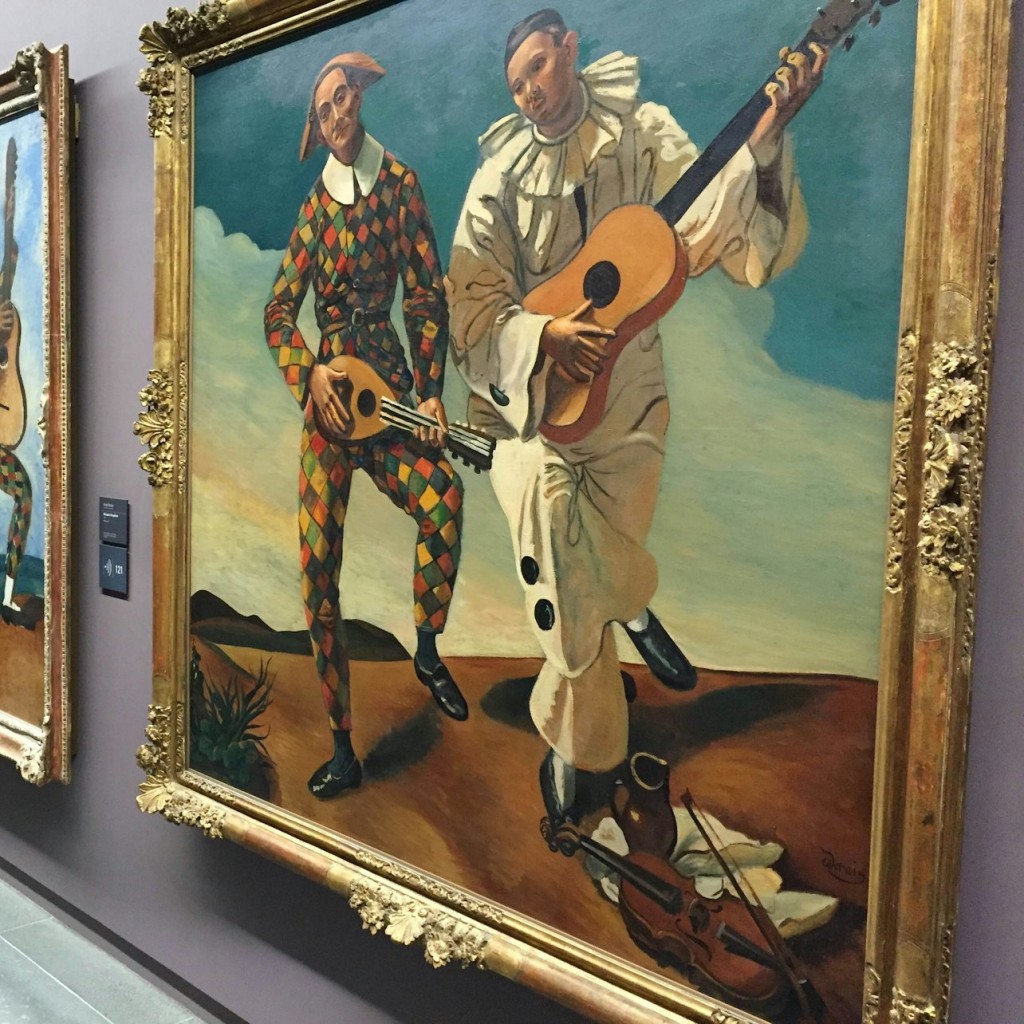
The primary attraction inside the Musée de l'Orangerie is undoubtedly Claude Monet's 'Water Lilies' cycle. These eight immense panels are displayed in two large, curved rooms on the ground floor, designed specifically by Monet to immerse viewers in the tranquil beauty of his garden at Giverny. The continuous display around the walls creates a panoramic effect, reflecting the changing light and seasons. Upstairs, or on the lower level, depending on access, you will discover the Jean Walter and Paul Guillaume Collection. This collection showcases Impressionist and modern art masterpieces from the late 19th and early 20th centuries. Key artists represented include Auguste Renoir, with his vibrant portraits and landscapes, Paul Cézanne, known for his still lifes and structural compositions, and the Fauvist works of Henri Matisse. You'll also find pieces by Pablo Picasso, Henri Rousseau, Amedeo Modigliani, and Chaïm Soutine, offering a rich overview of the artistic currents that defined the period.
Consider booking your tickets in advance, especially fast-track options, to save time upon arrival. Audioguides are available for rent at the museum and can enhance your understanding of the collections. The museum is generally accessible for visitors with reduced mobility, but it is always good to check specific accessibility details beforehand. There is a small gift shop offering books, postcards, and souvenirs. While there is no full-service restaurant within the museum, cafes are available nearby in the Tuileries Garden. Photography without flash is generally permitted for personal use, but always respect any specific signage.
To ensure a pleasant experience for all visitors and the preservation of the artworks, large bags, backpacks, and umbrellas must be stored in the cloakroom or lockers provided. Food and drinks are not permitted inside the exhibition areas. Running, loud conversations, and touching the artworks are strictly prohibited. Always follow the instructions of museum staff and adhere to any posted signage regarding photography or specific exhibition rules.
The Musée de l'Orangerie is undeniably worth visiting for its unparalleled display of Claude Monet's 'Water Lilies,' which offers a truly immersive and meditative experience. It's a journey into the heart of Impressionism that few other places can provide. The museum's manageable size also allows for a deeply engaging visit without the fatigue often associated with larger institutions. Furthermore, the outstanding collection of early 20th-century masters provides a rich contrast and a broader appreciation of modern art, solidifying its place as a quintessential Parisian art destination for anyone seeking beauty and introspection.
The primary attractions are Claude Monet's series of 'Water Lilies' paintings, displayed in two large, oval rooms, and the Jean Walter and Paul Guillaume Collection featuring works by artists like Renoir, Cézanne, Matisse, and Picasso.
While not always strictly necessary, booking tickets in advance, especially fast-track options, is highly recommended to save time, bypass queues, and secure your preferred entry time.
Most visitors spend approximately 1.5 to 2 hours exploring both the Water Lilies and the permanent collections.
The museum is generally accessible for visitors with reduced mobility, including elevators to access different levels. Specific details can often be found on informational signage at the entrance.
Photography for personal use is generally permitted without flash, but specific rules may apply to certain exhibitions or areas. Always respect any posted signs.
Yes, various guided tour options are available, including small group guided tours and private guided tours, often offered in multiple languages to enhance your understanding of the collections.
The museum is conveniently located near several metro stations, including Concorde (Lines 1, 8, 12), and is also served by numerous bus routes, with stops at Place de la Concorde or within the Tuileries Garden area.
The Musée de l'Orangerie is easily accessible via Paris's extensive public transport network. You can reach it by metro, with the nearest stations being Concorde (Lines 1, 8, 12), Assemblée Nationale (Line 12), and Tuileries (Line 1). Several bus lines also serve the area, including numbers 24, 42, 52, 72, 73, 84, and 94, stopping at nearby Place de la Concorde or Tuileries. From any of these stops, a short walk through the Tuileries Garden will lead you directly to the museum.
There is no formal dress code required to visit the Musée de l'Orangerie. However, comfortable footwear is recommended as you will be standing and walking through the galleries. Parisian style generally leans towards smart casual, but practical and respectful attire is appropriate for visiting cultural institutions.