

What's Included
- Entry ticket
- Audio guide (if selected)
- 45-minute guided tour (if selected)
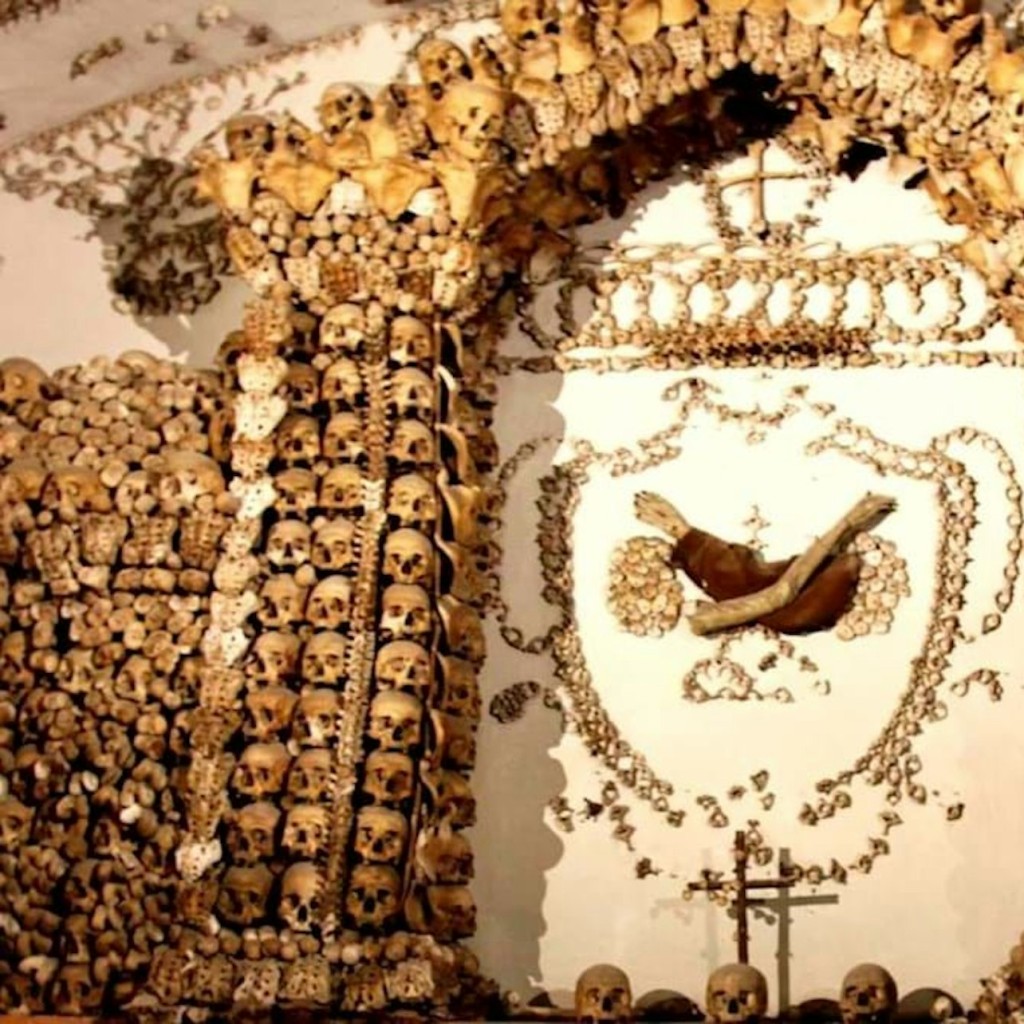
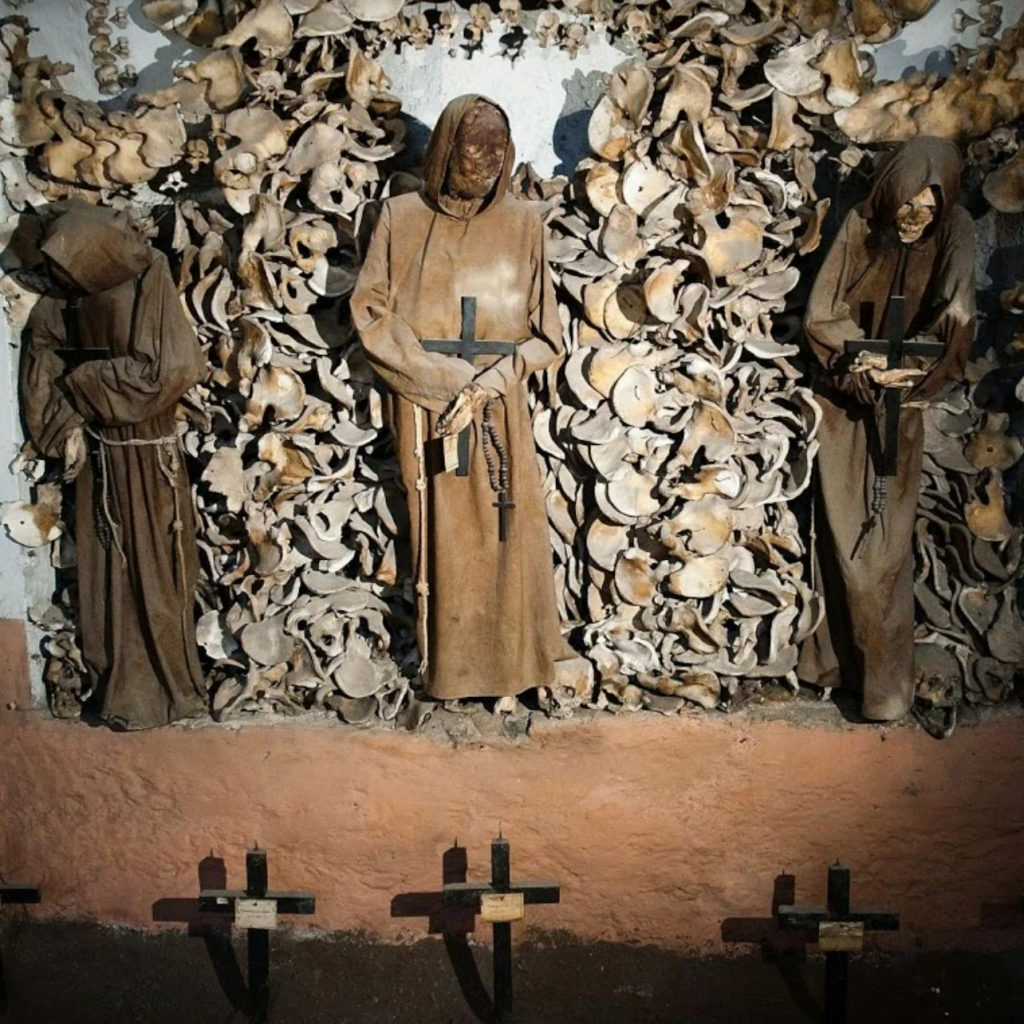
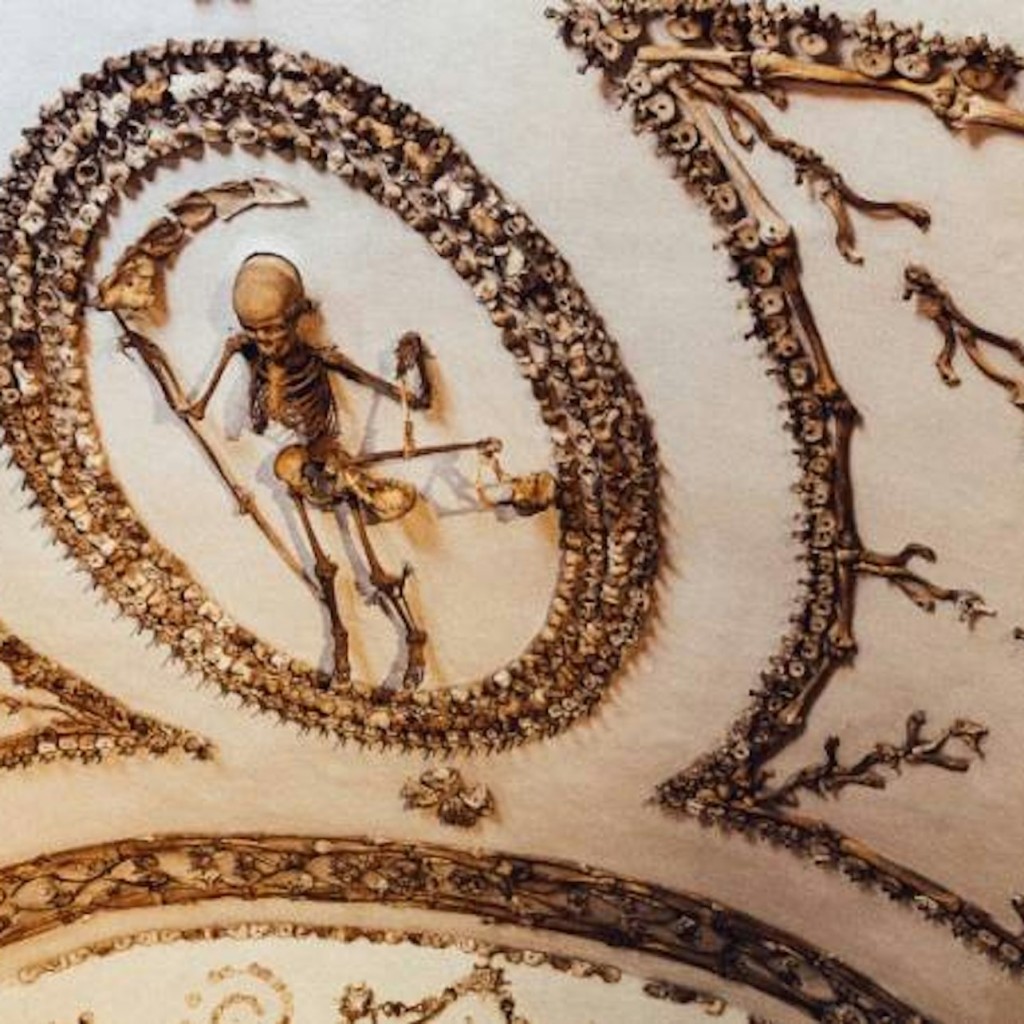
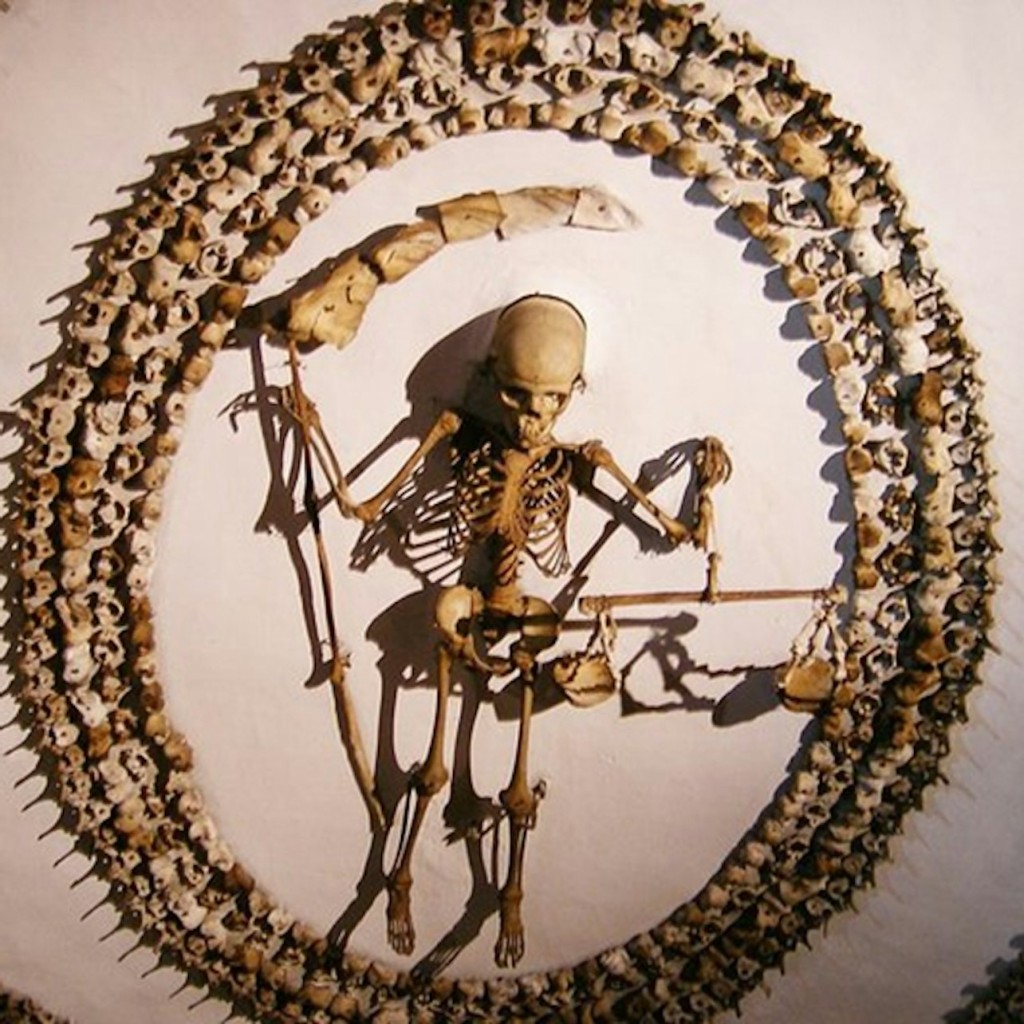
Explore the Capuchin Crypt through these images, showcasing the unique artistic displays and the contemplative atmosphere of this historic site.
The Capuchin Crypt, located beneath the church of Santa Maria della Concezione dei Cappuccini in Rome, offers a unique and thought-provoking experience. This underground ossuary is decorated with the bones of approximately 4,000 Capuchin friars, creating intricate and macabre artistic displays. More than just a collection of bones, the crypt serves as a memento mori, a reminder of the transience of life and the inevitability of death. Visitors are invited to contemplate mortality and the spiritual significance of life beyond the physical realm. The crypt provides a serene and reflective atmosphere, encouraging visitors to consider the deeper aspects of existence. A visit to the Capuchin Crypt is an unforgettable experience, offering a glimpse into a unique aspect of Roman history and spirituality.
Visitors to the Capuchin Crypt are asked to dress modestly, as it is a religious site. Shoulders and knees should be covered. Avoid wearing revealing clothing or beachwear. This shows respect for the sacred nature of the space and the beliefs of the Capuchin order.
The Capuchin Crypt, located beneath the Church of Santa Maria della Concezione dei Cappuccini, presents a distinctive and contemplative experience in the heart of Rome. Created between 1500 and 1870, the crypt contains the remains of approximately 4,000 Capuchin friars. The bones have been artistically arranged to create elaborate decorations and symbolic displays throughout six small chapels. The crypt is not intended to be a morbid spectacle, but rather a 'memento mori' – a reminder of the fleeting nature of life and the importance of spiritual reflection. Each chapel features a different theme, using bones to represent concepts such as resurrection and judgment. Visitors are invited to contemplate their own mortality and the eternal questions of life and death. The serene and somewhat eerie atmosphere of the crypt encourages introspection and contemplation, offering a unique perspective on Roman history, art, and spirituality. The site serves as a powerful reminder of the Capuchin order's ascetic lifestyle and deep commitment to their faith.
Reserving tickets for the Capuchin Crypt online ensures a seamless and stress-free visit. Booking in advance allows you to skip potential ticket lines and secure your entry at your preferred time, especially during peak tourist seasons. Online platforms often provide additional information about the crypt, enhancing your understanding and appreciation of this unique site. Secure your visit in advance and avoid lines by booking your ticket online.
The Capuchin Crypt's origins date back to 1631 when the Capuchin friars transferred the remains of their deceased brothers from the original friary to the newly constructed church of Santa Maria della Concezione dei Cappuccini. Brother Michele of Bergamo oversaw the arrangement of the bones. The friars, embracing a life of poverty and simplicity, saw the crypt as a reminder of their own mortality and the transient nature of earthly existence. Over the centuries, the crypt evolved into its current form, with the bones being artistically arranged to create symbolic and decorative displays. The crypt served not only as a burial place but also as a place of meditation and reflection for the friars and visitors alike. Today, the Capuchin Crypt remains a unique and compelling site, attracting visitors from around the world who come to contemplate its message of life, death, and spirituality.
The Capuchin Crypt is generally open daily, from 10:00 AM to 6:00 PM, with last admission at 5:30 PM. Hours may vary on holidays or for special events, so checking the schedule beforehand is advised.
The best time to visit the Capuchin Crypt is during the off-season or on weekdays to avoid large crowds. Arriving early in the morning or later in the afternoon can provide a more peaceful and reflective experience. Consider visiting during the shoulder seasons (spring or fall) for pleasant weather and fewer tourists.
Inside the Capuchin Crypt, visitors will encounter six small chapels, each adorned with the bones of Capuchin friars. The first chapel serves as a welcome area. The Crypt of the Resurrection features a panel highlighting the resurrection of Lazarus. The Ossuary contains only bones, and no decorated figures. The Crypt of Skulls and Pelvises contains, as expected, skulls and pelvises arranged as decorations. Perhaps the most striking is the Crypt of the Leg Bones and Thigh Bones, where these bones form elaborate patterns and designs. The chapel of the Masses contains the body of St. Felix of Nicosia. The crypt includes a plaque with a quote: 'What you are now we used to be; what we are now, you will be.'
Photography is generally not allowed inside the Capuchin Crypt to preserve the solemn atmosphere and protect the delicate displays. The crypt can be chilly, so bringing a light sweater or jacket is advisable. Out of respect for the site, maintain a quiet and reverent demeanor during your visit. The experience may be intense for some, so be prepared for the emotional impact of the displays.
Visitors are expected to maintain a respectful and quiet demeanor within the Capuchin Crypt. Photography is typically prohibited to preserve the atmosphere and protect the displays. Touching the bone arrangements is strictly forbidden. Please follow any instructions provided by the staff to ensure a respectful experience for all visitors.
The Capuchin Crypt is worth visiting for its unique and thought-provoking artistic displays created from human bones. It offers a rare opportunity to contemplate mortality and the transience of life in a serene and historic setting. The crypt’s intricate bone decorations and 'memento mori' theme provide a powerful and unforgettable experience. It is a truly unique destination that will stay with you long after you leave.
The Capuchin Crypt is an ossuary located beneath the church of Santa Maria della Concezione dei Cappuccini in Rome, decorated with the bones of approximately 4,000 Capuchin friars.
The bones serve as a 'memento mori,' a reminder of the transience of life and the inevitability of death, encouraging contemplation of mortality and spiritual matters.
No, photography is generally not allowed inside the Capuchin Crypt to preserve the solemn atmosphere and protect the delicate displays.
Visitors are asked to dress modestly, covering shoulders and knees, to show respect for the religious nature of the site.
A typical visit lasts about one hour, allowing sufficient time to explore each chapel and appreciate the displays.
The crypt is accessible by Metro Line A to Barberini station, followed by a short walk. Several bus lines also stop nearby.
The crypt may not be suitable for those sensitive to images of human remains, but it offers a unique and thought-provoking experience for many visitors.
Guided tours may be available; inquire at the entrance or check online for tour options to enhance your visit.
The quote 'What you are now we used to be; what we are now, you will be' reinforces the 'memento mori' theme, reminding visitors of their own mortality.
The Capuchin Crypt is easily accessible by public transport. Take the Metro Line A to Barberini station, which is a short walk from the church of Santa Maria della Concezione dei Cappuccini. Several bus lines also stop nearby. Walking from many central Rome locations is also a good option.
Visitors to the Capuchin Crypt are asked to dress modestly, as it is a religious site. Shoulders and knees should be covered. Avoid wearing revealing clothing or beachwear. This shows respect for the sacred nature of the space and the beliefs of the Capuchin order.