

What's Included
- Entry Ticket to Galleria Arte Moderna Nazionale
- Access to permanent & temporary exhibitions
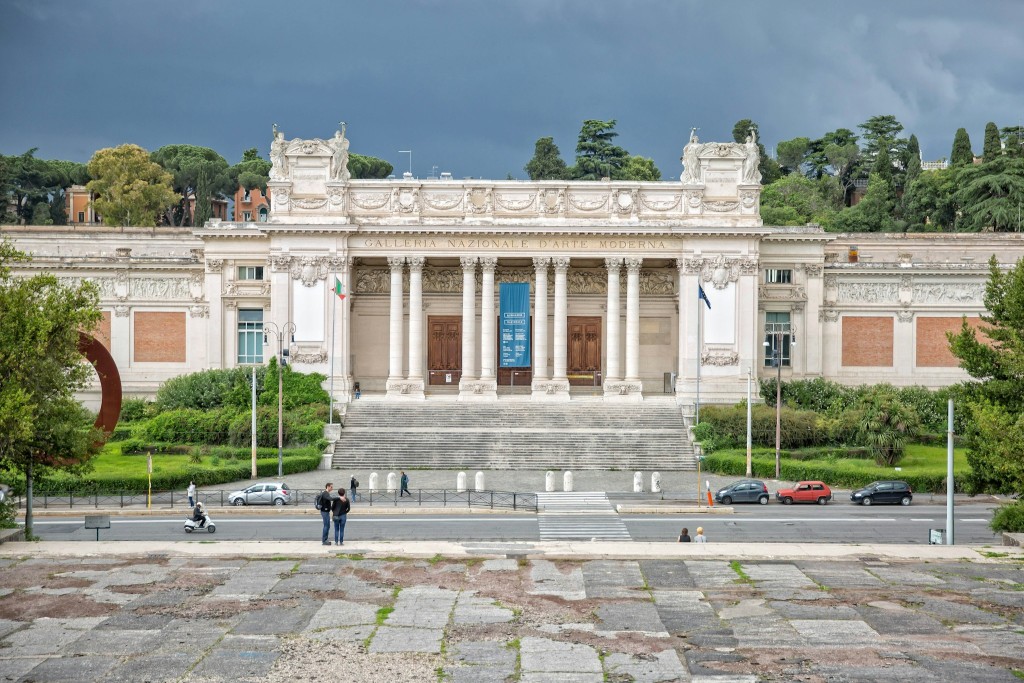
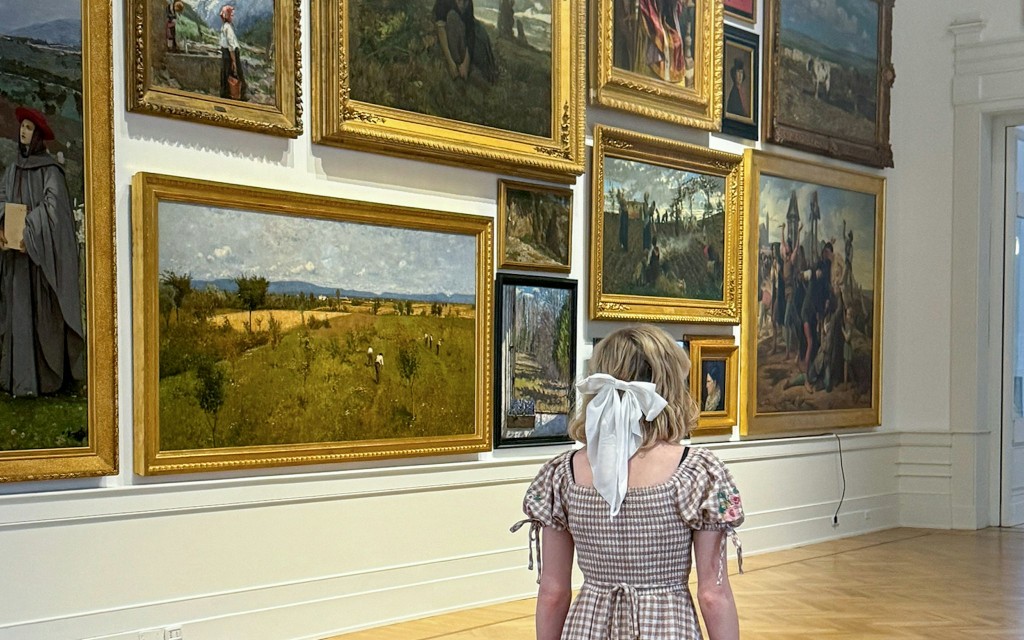
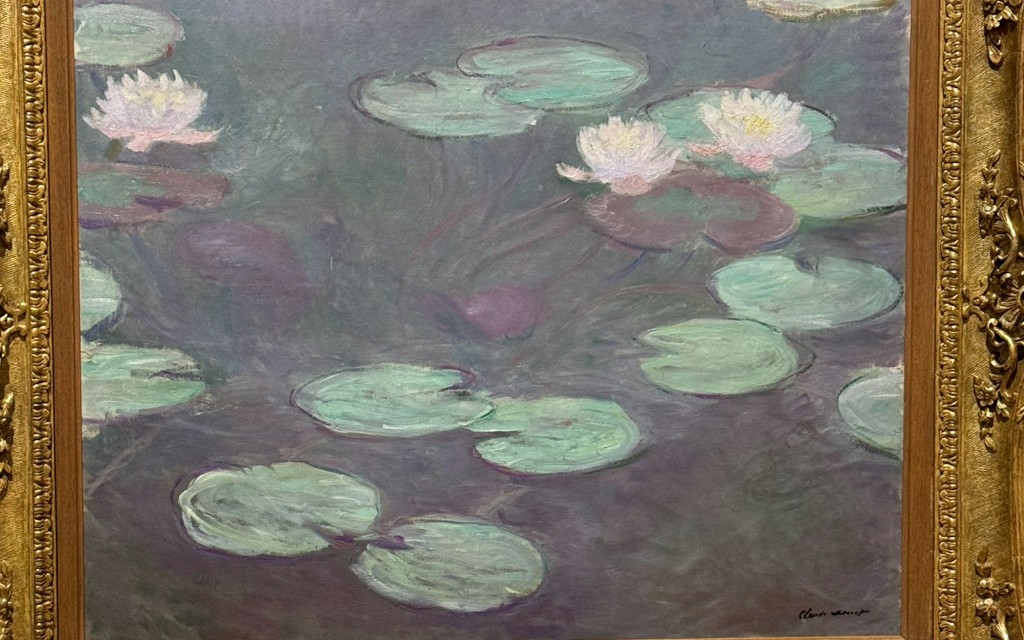
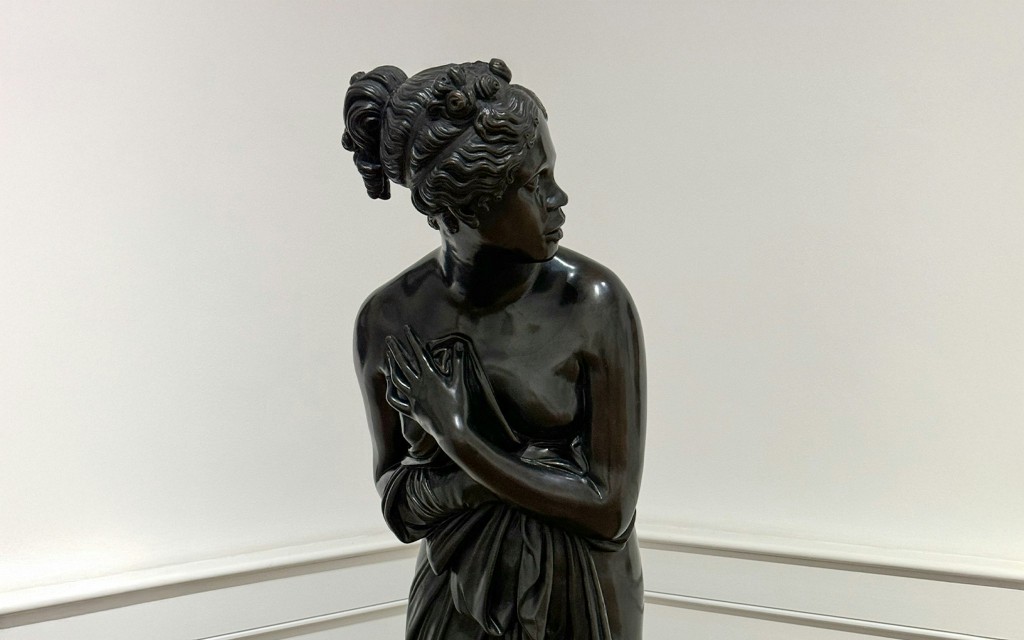
Explore a visual journey through the National Gallery of Modern and Contemporary Art with these captivating images, showcasing its architectural beauty and some highlights from its extensive collections.
The National Gallery of Modern and Contemporary Art, known in Italian as Galleria Nazionale d'Arte Moderna e Contemporanea (GNAM), is a prominent cultural institution located in Rome, Italy. It houses an extensive collection of Italian and international art from the 19th and 20th centuries, making it a crucial destination for art enthusiasts. The gallery offers a journey through various artistic movements, from Neoclassicism and Romanticism to Symbolism, Futurism, and beyond. Its grand architectural setting provides an impressive backdrop for the masterpieces within, inviting visitors to explore the rich tapestry of modern artistic expression and cultural evolution over two centuries.
There is no formal dress code for visiting the National Gallery of Modern and Contemporary Art. However, it is advisable to dress comfortably and respectfully, as you will be doing a fair amount of walking through the exhibition halls. Layers are also recommended, as temperatures inside can vary. Practical footwear is encouraged to ensure comfort during your exploration of the extensive collections.
After placing your order, you'll receive a confirmation email with your ticket(s). Please be sure to check your spam folder as well.
Present your digital ticket at the museum entrance.
The museum generally operates during standard daytime hours. Check the official museum website for the most current operating hours and last admission times before your visit.
Security checks are mandatory for all visitors and may require a short wait.
Visit the Galleria Nazionale d’Arte Moderna with a ticket—roam grand neoclassical halls housing ~1,100 paintings and sculptures, showcasing masterpieces by Italian and international modern art giants.
Explore an extraordinary collection of modern and contemporary masterpieces at the Galleria Nazionale d’Arte Moderna e Contemporanea in Rome. Housed in an elegant early-20th-century building near Villa Borghese, the museum presents some 1,100 works—over 20,000 pieces in total—by Italian and international artists. Wander through over 50 refined galleries showcasing pivotal movements from late 19th-century Neoclassicism and Romanticism to Futurism, Surrealism, Abstract Expressionism, and beyond. Highlights include works by Giacomo Balla, Giorgio Morandi, Amedeo Modigliani, Alberto Burri, and foreign luminaries like Van Gogh, Monet, Klimt, Giacometti, Duchamp, and Pollock. Experience a profound journey through two centuries of artistic evolution.
Some areas may have limited accessibility. Please check the museum’s policies in advance if needed.
Photography is allowed in most areas but may be restricted in certain exhibits.
Follow all on-site health and safety guidelines.
Wear comfortable shoes, as the visit may involve walking and stairs.
Keep your ticket with you throughout your visit.
It is not possible to skip the security lines. There may be a line at the entrance, and security checks are mandatory for all visitors.
You will receive your e-ticket in the booking confirmation email (see more under HOW IT WORKS). The e-ticket needs to be presented at the museum.
No animals are allowed.
No live guide or meeting point is provided.
Receive Your Ticket
After booking, you’ll receive your entry ticket via email. Please check your spam folder/junk box as well.
Go Directly to the Entrance
Show your digital ticket at the entrance of each site. No need to queue for purchasing—just scan and enter.
Follow Site Rules
Respect each monument’s visiting hours, photography policies, and safety guidelines.
It is not possible to skip the security lines. There may be a line at the entrance, and security checks are mandatory for all visitors.
The National Gallery of Modern and Contemporary Art is home to Italy's largest collection of modern and contemporary art, featuring approximately 20,000 works including paintings, drawings, sculptures, and installations. The collection spans from the Neoclassical period to the present day, providing a comprehensive overview of artistic developments. Visitors can explore a vast array of Italian artists such as Giorgio de Chirico, Amedeo Modigliani, Umberto Boccioni, and Giacomo Balla, alongside influential international figures like Claude Monet, Vincent van Gogh, Edgar Degas, Auguste Rodin, and Jackson Pollock. The gallery's architectural splendor, housed in the monumental Palazzo delle Belle Arti, designed by Cesare Bazzani and inaugurated in 1911, further enhances the visitor experience. Beyond its permanent collection, GNAM regularly hosts significant temporary exhibitions, educational programs, and cultural events, solidifying its role as a dynamic hub for contemporary art and discourse in the heart of Rome.
Booking your tickets for the National Gallery of Modern and Contemporary Art online offers several advantages, ensuring a smoother and more convenient visit. Online purchases often allow you to bypass long queues at the ticket counter, saving valuable time, especially during peak seasons. Securing your tickets in advance guarantees your entry on your preferred date and time, eliminating the risk of tickets being sold out. This streamlined process lets you focus more on enjoying the art and less on logistical concerns, making for a more relaxed and enjoyable experience from the moment you arrive at the gallery.
The National Gallery of Modern and Contemporary Art was established in 1883 to collect and conserve modern Italian art, a period often overlooked by traditional museums. Its initial home was the Palazzo delle Esposizioni, but it soon outgrew this space. The current monumental building, the Palazzo delle Belle Arti, was specifically designed by architect Cesare Bazzani. It was constructed for the International Exhibition of Art in 1911, celebrating the 50th anniversary of the unification of Italy, and subsequently became the permanent seat of the gallery. Over the decades, the gallery's collection has significantly expanded, encompassing not only Italian masters but also a substantial body of international modern and contemporary art. It has continually adapted its exhibition spaces and curatorial approach to reflect evolving artistic trends and interpretations, playing a pivotal role in showcasing the development of modern art movements and their impact on Italian culture.
The National Gallery of Modern and Contemporary Art generally welcomes visitors from Tuesday to Sunday, typically opening from 8:30 or 10:00 AM and closing around 7:00 or 7:30 PM. It is usually closed on Mondays, as well as on certain public holidays throughout the year. Specific opening and closing times can vary seasonally or due to special events, so visitors planning a trip should consider these potential variations.
To fully enjoy the extensive collections at the National Gallery of Modern and Contemporary Art, the best time to visit is during the shoulder seasons (spring and autumn) when the weather in Rome is pleasant and tourist crowds are generally smaller than in summer. Arriving shortly after opening on a weekday, particularly Tuesday through Thursday, can provide a more serene viewing experience with fewer visitors. Weekends and public holidays tend to be busier, so if you prefer a quieter atmosphere, plan your visit accordingly. Evenings, if available, can also offer a more relaxed environment.
Inside the National Gallery of Modern and Contemporary Art, visitors are invited to explore a sprawling collection organized both chronologically and thematically. The journey begins with 19th-century art, showcasing masterpieces from Neoclassicism, Romanticism, and Realism, including works by Antonio Canova and Giovanni Fattori. Moving into the 20th century, the gallery features significant sections dedicated to Italian Futurism, with iconic pieces by Boccioni and Balla, as well as Symbolism and Metaphysical Art. International movements are also well-represented, with works from Impressionism, Post-Impressionism, Cubism, and Surrealism. Later galleries display Post-War Italian art, Arte Povera, and contemporary installations, providing a complete panorama of artistic evolution up to the present day. The sculptures are often integrated within the exhibition spaces and also featured in the gallery's outdoor areas.
Consider purchasing your tickets in advance to save time upon arrival. The gallery offers cloakroom services where you can store larger bags and backpacks, which are typically not allowed in the exhibition spaces. Audio guides are often available for rent, providing deeper insights into selected artworks. Photography without flash is generally permitted for personal use, but always be mindful of specific signage. The gallery includes facilities such as restrooms, a bookshop, and a cafe for visitor convenience. Plan for comfortable walking shoes as the gallery is extensive.
To ensure the preservation of the artworks and a pleasant experience for all visitors, several rules are in place. Touching the artworks is strictly prohibited. Large bags, backpacks, and umbrellas must be stored in the cloakroom. Food and drinks are not permitted within the exhibition areas. Visitors are requested to maintain a respectful silence and avoid loud conversations. Running and disruptive behavior are not allowed. Photography for personal use is generally permitted without flash, but tripods or professional equipment may require special permission.
The National Gallery of Modern and Contemporary Art is unequivocally worth visiting for anyone with an interest in art history, particularly from the 19th century through to contemporary movements. Its extensive and diverse collection offers a unique insight into the evolution of Italian art alongside significant international works. The architectural grandeur of the building itself is a sight to behold. It provides an enriching cultural experience that allows visitors to connect with the artistic spirit of an era, making it an essential stop on any Roman itinerary for art lovers.
The gallery features a wide range of art from the 19th and 20th centuries, including Neoclassicism, Romanticism, Symbolism, Futurism, Impressionism, and contemporary installations, by both Italian and international artists.
Yes, photography for personal use is generally allowed without flash. However, the use of tripods or professional equipment may require special permission, and specific restrictions might apply to certain temporary exhibitions.
The gallery strives to be accessible to all visitors. It typically provides ramps, elevators, and accessible restrooms. It is advisable to inquire about specific accessibility needs prior to your visit.
Large bags, backpacks, and umbrellas are generally not permitted within the exhibition halls and must be stored in the complimentary cloakroom provided at the entrance.
Yes, the National Gallery of Modern and Contemporary Art usually includes a cafe or refreshment area where visitors can take a break and enjoy light snacks and beverages.
While specific guided tours may be available for groups or on certain days, visitors can typically rent audio guides at the entrance to enhance their self-guided exploration of the collection.
To thoroughly experience the main collections and temporary exhibitions, most visitors spend approximately 2 to 3 hours at the National Gallery of Modern and Contemporary Art.
The National Gallery of Modern and Contemporary Art is accessible via public transport in Rome. You can reach it by taking Metro Line A to the Flaminio stop, from which it's a pleasant walk. Alternatively, several bus lines and tram services operate nearby, with stops generally within a short walking distance of the gallery. Taxis and ride-sharing services are also available for direct transport.
There is no formal dress code for visiting the National Gallery of Modern and Contemporary Art. However, it is advisable to dress comfortably and respectfully, as you will be doing a fair amount of walking through the exhibition halls. Layers are also recommended, as temperatures inside can vary. Practical footwear is encouraged to ensure comfort during your exploration of the extensive collections.