


What's Included
- Entry Ticket to Carcer Tullianum (Marmertime Prison)
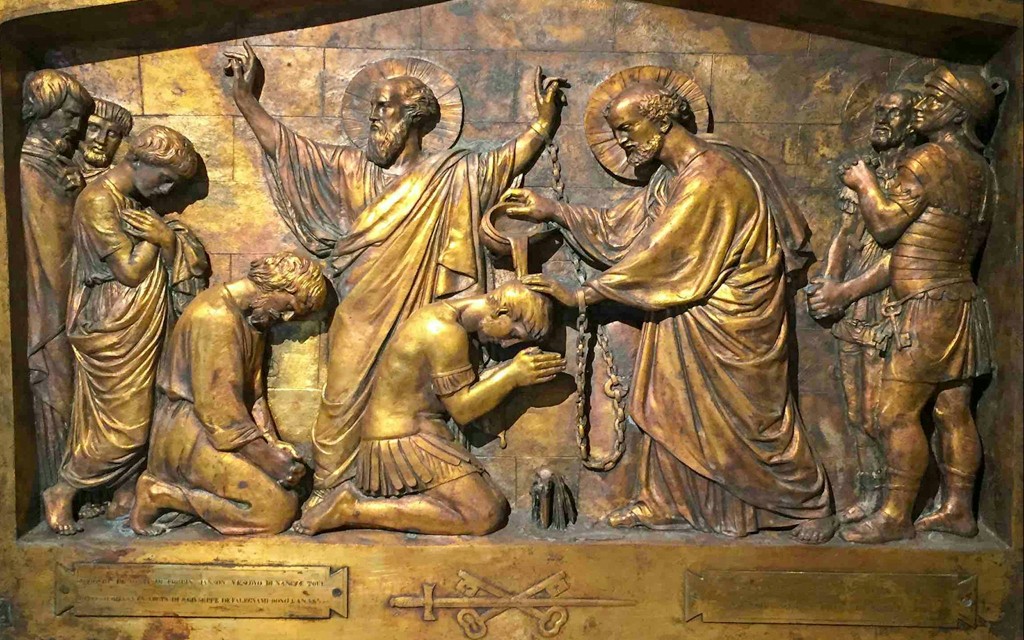
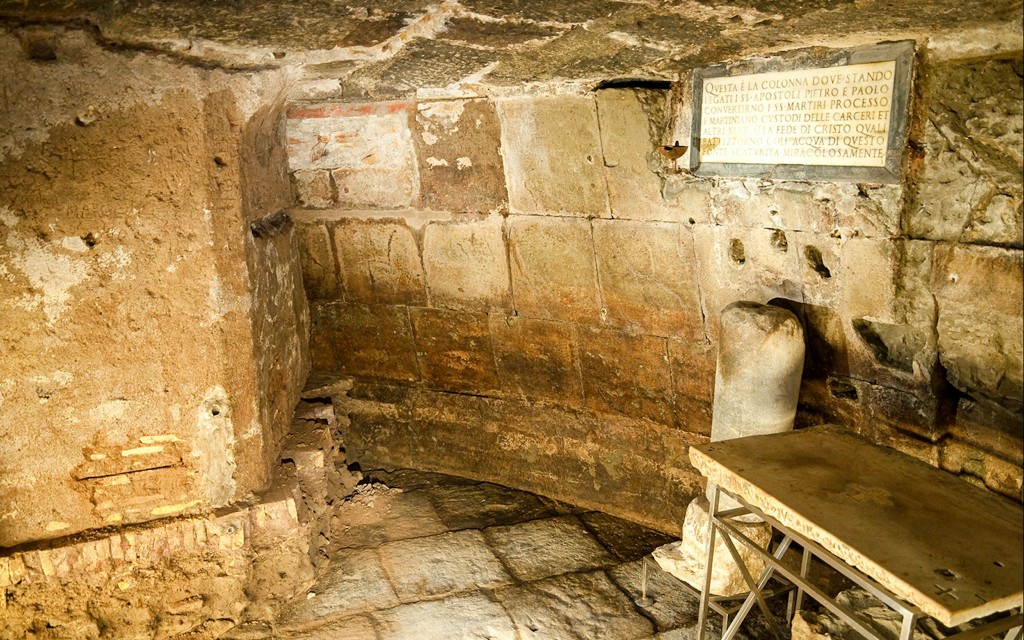
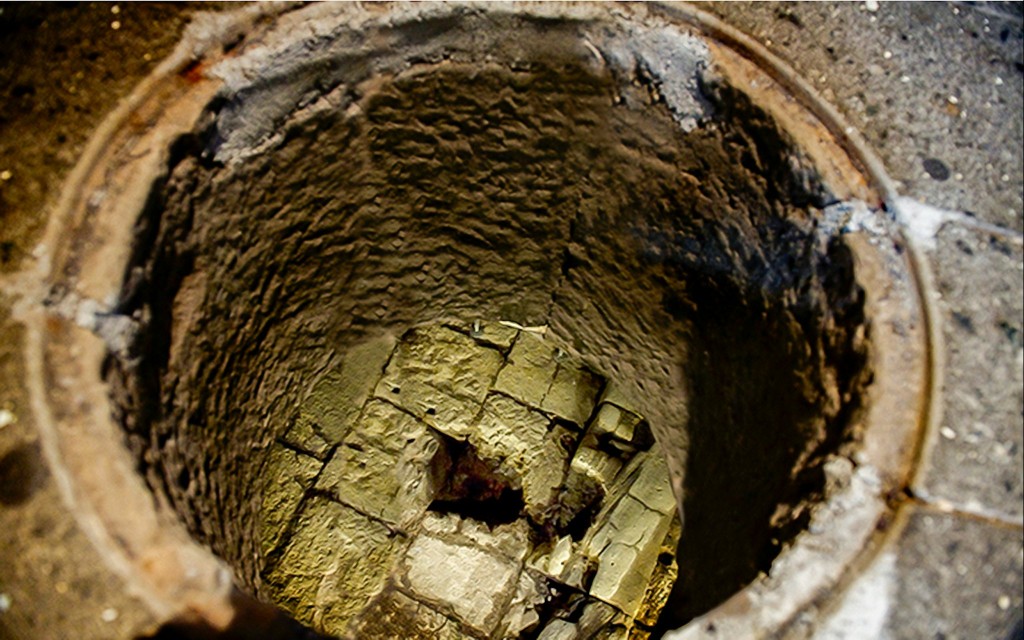
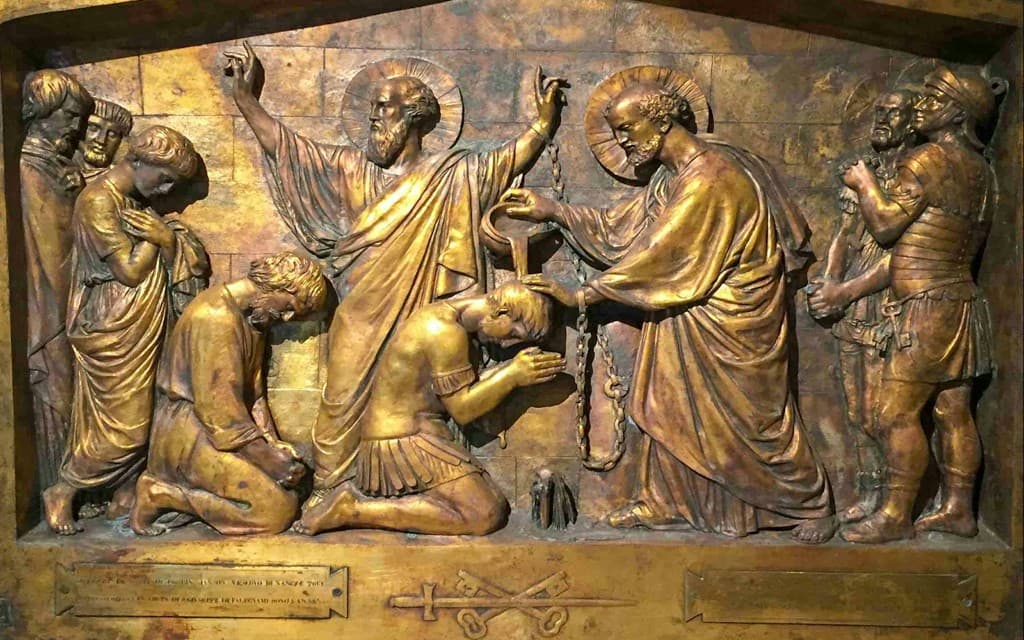
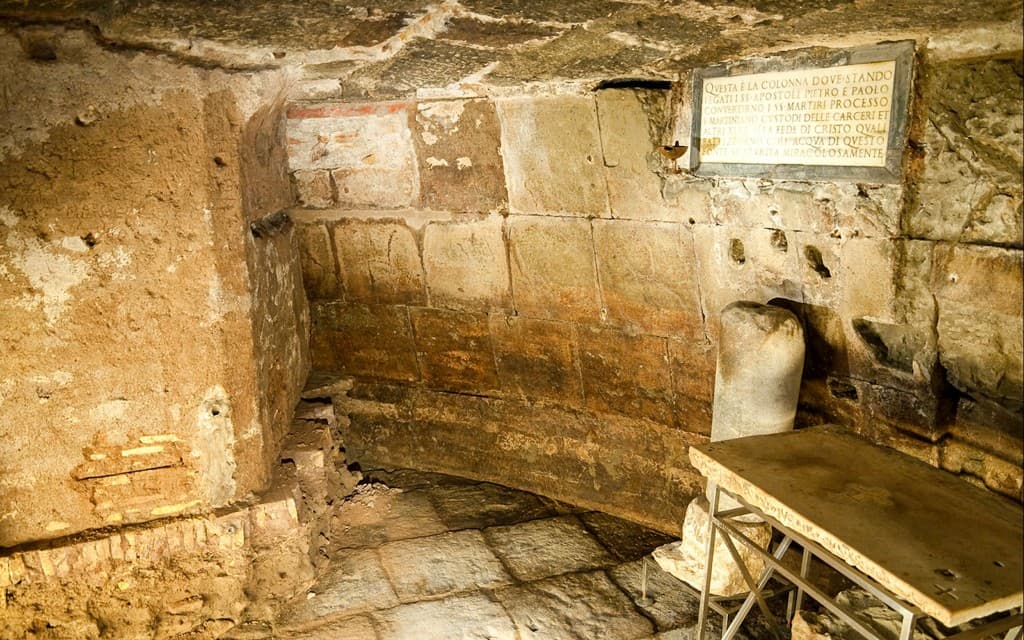
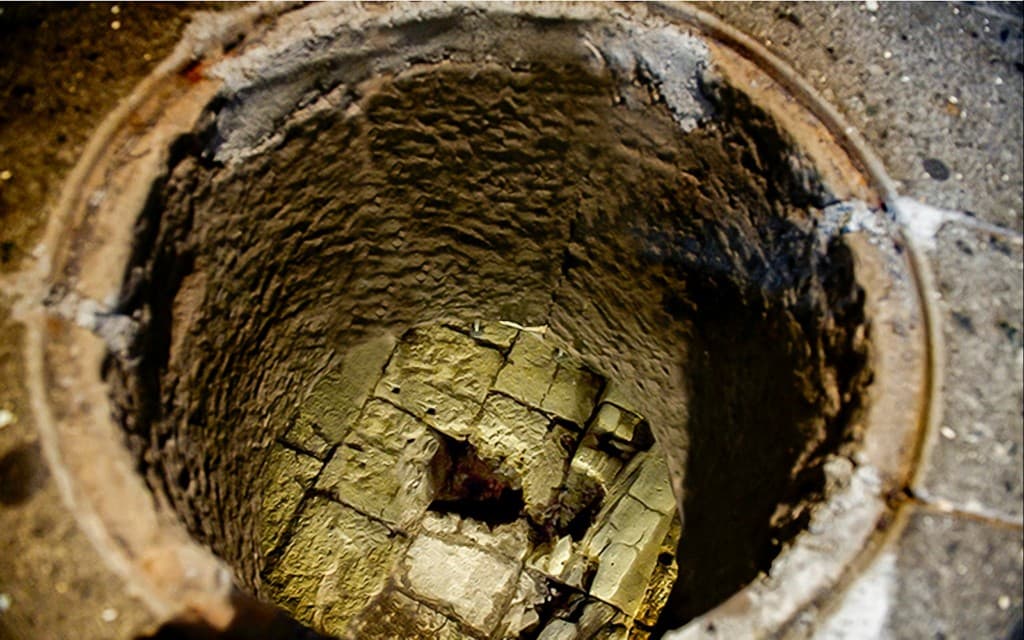
Explore the chilling depths and historical significance of the Mamertine Prison through these images.
The Mamertine Prison, also known as the Tullianum, is Rome's most ancient prison. Situated near the Roman Forum, it holds immense historical and religious significance. According to tradition, it was here that Saints Peter and Paul were imprisoned before their martyrdom. The site offers a chilling glimpse into the harsh realities of ancient Roman incarceration and justice. Visitors can explore the two chambers of the prison and learn about the famous figures who were held captive within its walls. Today, the Mamertine Prison stands as a testament to the city's layered past, attracting history buffs and pilgrims alike.
A modest dress code is recommended when visiting the Mamertine Prison, especially due to its religious significance. While there are no strict rules, it is advisable to avoid wearing overly revealing clothing. Comfortable footwear is also recommended, as the site involves some walking.
After placing your order, you'll receive a confirmation email with your ticket(s). Please be sure to check your spam folder as well.
PLAN YOUR VISIT HOURS:
Daily Opening Hours:
Monday to Sunday: 10:00 AM to 6:00 PM (Last admission at 5:00 PM)
Important Note: Security checks are mandatory for all visitors and may require a short wait.
Visit Mamertine Prison with a ticket—explore its two subterranean cells, ancient dungeon, and sacred altar beneath the church of San Giuseppe dei Falegnami.
Descend into the depths of Rome’s early history at the Mamertine Prison, also known as the Tullianum. This subterranean chamber, carved into the Capitoline Hill, was used as a high-security state prison during the Roman Republic and Empire. Explore its stone-built lower cell—where Saint Peter was said to be imprisoned—and the larger upper hall used for hearings. Atmospheric lighting and on-site information help bring to life tales of political prisoners, legendary saints, and ancient judicial practices. Ideal for history enthusiasts and spiritual travelers, this visit offers a poignant glimpse into the darkest corners of Roman heritage.
The supplier will promptly send you an email with your entry ticket as soon as your reservation is confirmed.
It is not possible to skip the security lines. There could be a line at the entrance and is mandatory for all visitors.
Some areas may have limited accessibility. Please check the museum’s policies in advance if needed.
Photography is allowed in most areas but may be restricted in certain exhibits.
Follow all on-site health and safety guidelines.
Wear comfortable shoes, as the visit may involve walking and stairs.
Keep your ticket with you throughout your visit.
It is not possible to skip the security lines. There may be a line at the entrance, and security checks are mandatory for all visitors.
You will receive your e-ticket in the booking confirmation email (see more under HOW IT WORKS). The e-ticket needs to be presented at the museum.
No animals are allowed.
No live guide or meeting point is provided.
Receive Your Ticket
After booking, you’ll receive your entry ticket via email. Please check your spam folder/junk box as well.
Go Directly to the Entrance
Show your digital ticket at the entrance of each site. No need to queue for purchasing—just scan and enter.
Follow Site Rules
Respect each monument’s visiting hours, photography policies, and safety guidelines.
It is not possible to skip the security lines. There may be a line at the entrance, and security checks are mandatory for all visitors
The Mamertine Prison, or Tullianum, represents one of Rome's most poignant historical sites, steeped in both legend and documented history. Located at the foot of the Capitoline Hill, near the Roman Forum, this ancient prison is believed to have been constructed as early as the 7th century BC. Its primary function was to house enemies of the state, those awaiting trial, or those sentenced to death. The prison consists of two chambers: an upper chamber and a lower, more dismal cell. Over the centuries, the Mamertine Prison has become strongly associated with the imprisonment of Saint Peter and Saint Paul, who, according to Christian tradition, were held here before their eventual martyrdom in Rome. This connection has transformed the site into an important pilgrimage destination, drawing visitors interested in both its historical and religious significance. Exploring the Mamertine Prison offers a unique opportunity to reflect on the themes of justice, faith, and the enduring legacy of ancient Rome.
Booking your visit online ensures you won't miss the chance to explore this significant historical site. Online reservations help manage visitor flow, reducing wait times and guaranteeing your entry. This allows you to plan your day in Rome more efficiently, ensuring a smooth and enriching experience at the Mamertine Prison.
The Mamertine Prison, also known as the Tullianum, has a history stretching back to ancient Rome. Believed to have been constructed in the 7th century BC, it served as a state prison for high-profile enemies and criminals. Its two chambers, the upper Carcer and the lower Tullianum, reflect the grim conditions endured by its inmates. According to Christian tradition, Saints Peter and Paul were imprisoned here during the reign of Nero, before their martyrdom. Peter is said to have miraculously created a spring of water within the prison to baptize his fellow prisoners. Over the centuries, the site has been transformed into a place of Christian pilgrimage and veneration. Archaeological excavations have revealed layers of history, confirming its use as a prison during the Roman Republic and Empire. Today, the Mamertine Prison stands as a powerful reminder of Rome's complex past, attracting visitors from around the world who come to explore its historical and religious significance.
The Mamertine Prison is generally open daily, but hours can vary depending on the season and day of the week. It's advisable to check the official website or ticketing platforms for the most up-to-date schedule before planning your visit.
The best time to visit the Mamertine Prison is during the off-season months (October to April) to avoid the large tourist crowds. Arriving early in the morning or later in the afternoon can also provide a more peaceful and reflective experience.
Inside the Mamertine Prison, visitors can explore the two main chambers that comprise this ancient structure. The upper chamber, originally built as a cistern, was later converted into a prison cell. Here, you'll find an altar, commemorating St. Peter's imprisonment. Descending to the lower chamber, the Tullianum, reveals the prison's most ancient and grim section. This dark, subterranean cell was where prisoners were held in the most severe conditions, often awaiting execution. A hole in the floor connects the two chambers, serving as a stark reminder of the prison's purpose. Informational displays throughout the site offer insights into the prison's history, the lives of its prisoners, and its significance in both Roman and Christian history.
Photography may be restricted in certain areas of the prison. Wear comfortable shoes as the site involves some walking and uneven surfaces. Be mindful of the site's historical and religious significance, and maintain a respectful demeanor throughout your visit.
Visitors are expected to maintain a respectful atmosphere while visiting the Mamertine Prison. Please refrain from loud talking or disruptive behavior. Follow the instructions of the staff and adhere to any posted guidelines. Touching or damaging the ancient structures is strictly prohibited.
The Mamertine Prison is worth visiting for its unique blend of historical and religious importance. As Rome's oldest prison, it offers a glimpse into the harsh realities of ancient Roman justice. Its association with Saints Peter and Paul adds a layer of spiritual significance, making it a compelling destination for pilgrims and history enthusiasts alike. The site's location near the Roman Forum also makes it a convenient stop on any tour of ancient Rome, providing a deeper understanding of the city's layered past.
The Mamertine Prison, also known as the Tullianum, is Rome's oldest prison, dating back to ancient times. It was used to house enemies of the state and criminals.
It is significant due to its age, its use as a state prison in ancient Rome, and its association with the imprisonment of Saints Peter and Paul.
Photography may be restricted in certain areas. Please check with the staff upon arrival.
Allow approximately 1 to 2 hours for a complete visit.
Accessibility may be limited due to the historic nature of the site. Contact the venue directly for specific information.
Yes, there is usually an entrance fee to visit the Mamertine Prison. Check the official website for current pricing.
Guided tours may be available. Inquire at the entrance or check online for tour schedules and availability.
Wear comfortable shoes and dress modestly, especially due to the site's religious significance.
The Mamertine Prison is easily accessible by public transportation. You can take the Metro to the Colosseo station and then walk a short distance. Several bus lines also serve the area. Walking from the Roman Forum is also a convenient option.
A modest dress code is recommended when visiting the Mamertine Prison, especially due to its religious significance. While there are no strict rules, it is advisable to avoid wearing overly revealing clothing. Comfortable footwear is also recommended, as the site involves some walking.