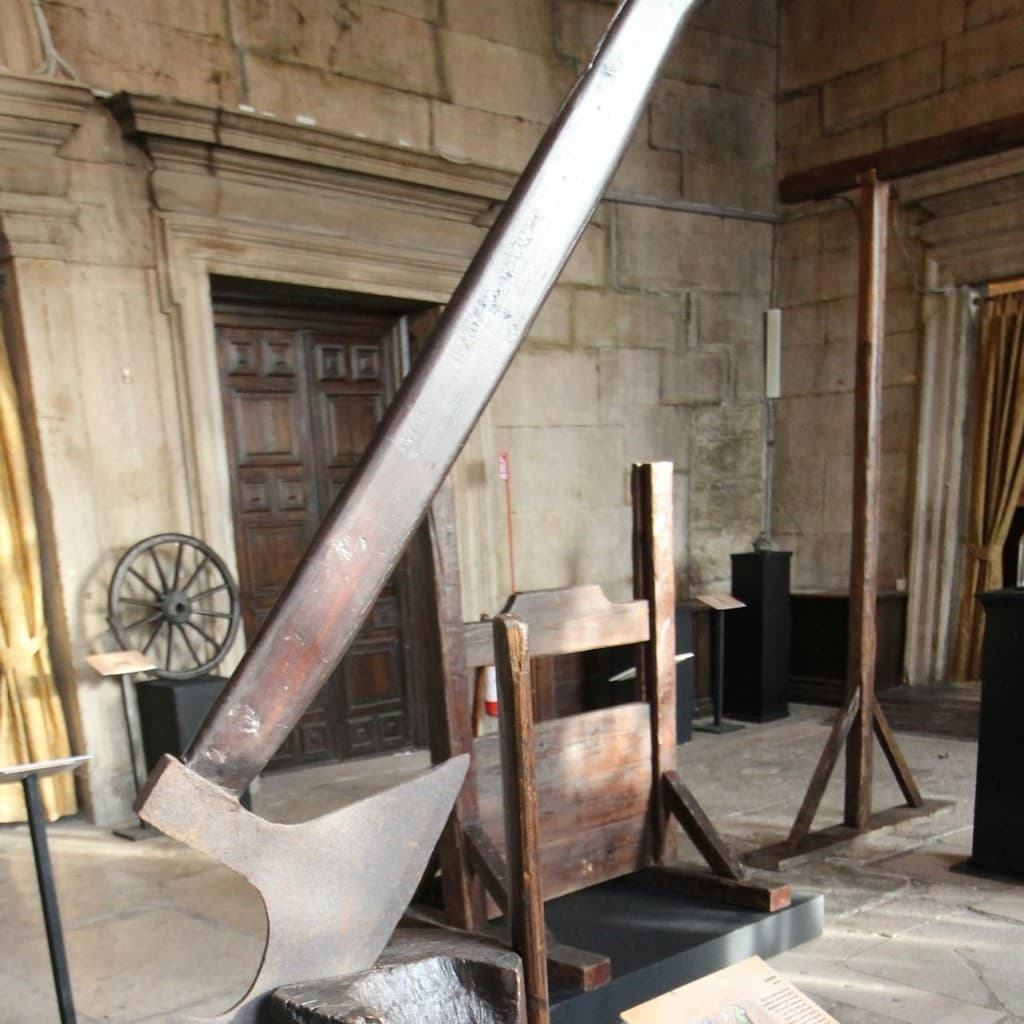
Venice in the Middle Ages: Documents and Torture Instruments
Compare options
| Option | Type | Summary | Duration | From | Book |
|---|---|---|---|---|---|
| Venice in the Middle Ages: Documents and Torture Instruments | Tickets | Suggestive testimonies, documents and objects: these are just some of the elements that combine to make Maleficia a uni... | Flexible | €9.90 | Book |
Step back in time and uncover the compelling narrative of Venice during the medieval period with an extraordinary exhibition that brings history to life. This unique attraction, known as "Venice in the Middle Ages: Documents and Torture Instruments," offers a profound look into the city's past, revealing its fascinating justice system, the intricacies of daily life, and the remarkable evolution of a maritime power. Explore an extensive collection of historical documents and artifacts, including chilling examples of medieval torture instruments, all meticulously preserved to provide an authentic glimpse into the bygone era. It's an immersive journey designed to educate and intrigue visitors about one of Europe's most unique cities.
What to Expect
Highlights
About Venice in the Middle Ages
The exhibition "Venice in the Middle Ages" provides a deep dive into the historical tapestry of the Venetian Republic, exploring its unique political landscape, social structures, and cultural achievements during the Middle Ages. Visitors will encounter a meticulously curated collection of original historical documents that shed light on various aspects of Venetian life, from trade and commerce to governance and legal practices. A significant portion of the exhibition is dedicated to the justice system of the time, featuring a comprehensive display of period-appropriate torture instruments. These artifacts serve as a stark reminder of the often-harsh realities of medieval law and order. Beyond the instruments, the exhibition contextualizes these practices within the broader societal norms and beliefs of the era, offering insights into why and how such methods were employed. Engaging displays and informative panels guide visitors through the evolution of Venice, highlighting its rise as a powerful maritime republic and its distinctive role in European history. It's an educational and thought-provoking experience for anyone interested in medieval history, criminology, or the unique heritage of Venice.
Why Book Online?
Booking your tickets online for "Venice in the Middle Ages" offers a seamless and convenient way to plan your visit. By purchasing in advance, you can often secure your preferred entry time, helping you to manage your itinerary effectively and avoid potential queues, especially during peak tourist seasons. Online booking provides instant confirmation, ensuring your entry and giving you peace of mind before you even arrive. It simplifies the entry process, allowing you more time to explore the captivating history of medieval Venice without unnecessary delays.
History
Venice's history in the Middle Ages is a captivating tale of a city-state rising from humble beginnings to become a dominant maritime power. Founded by refugees fleeing barbarian invasions in the 5th century, Venice slowly developed its unique identity, centered around its lagoon environment. By the 9th century, it was an independent republic, strategically positioned between the Eastern and Western worlds. Its economic power grew through extensive trade networks, particularly with Byzantium and the Levant, establishing Venice as a crucial link on the Silk Road and the spice routes. The city's political structure was equally distinctive, governed by a Doge elected for life, advised by powerful councils, rather than a king or emperor. This unique system fostered stability and allowed Venice to maintain its independence against larger empires. The medieval period also saw the development of its formidable navy, which played a critical role in controlling trade routes and defending its territories, including involvement in the Crusades. The legal and judicial systems evolved in parallel, reflecting the city's unique governance and commercial focus. The exhibition delves into this rich historical backdrop, showcasing how justice was administered and how daily life was shaped by these powerful historical forces, from the early medieval commune to the flourishing height of the Republic.
Opening Hours
The exhibition typically opens daily, though specific hours can fluctuate depending on the season and any special events. Generally, it operates during standard museum hours, often from morning to late afternoon or early evening. It is recommended to consult a local guide or public listings for the most current daily opening and closing times, as well as information on any holidays or special closures. Plan your visit accordingly to ensure sufficient time to explore all the exhibits.
Best Time to Visit
To fully appreciate "Venice in the Middle Ages" and avoid large crowds, consider visiting during the quieter periods. Weekday mornings, shortly after opening, or late afternoons, an hour or two before closing, are often the best times. During these hours, you can explore the exhibits more leisurely, engage with the informational displays, and absorb the atmosphere without feeling rushed. Weekends and mid-day hours tend to be busier, especially during peak tourist seasons in Venice, so planning around these times will enhance your experience significantly.
What to See Inside
Inside "Venice in the Middle Ages," you will discover a rich array of exhibits designed to transport you to the heart of the medieval Venetian Republic. The collection features numerous original historical documents, including decrees, legal texts, and administrative records, offering firsthand accounts of life and governance. A significant part of the exhibition showcases a diverse collection of medieval torture instruments, each presented with historical context to explain its purpose and the judicial practices of the time. While these instruments are a somber reminder of history, they are accompanied by explanations that help visitors understand the legal framework and societal norms of the period. Beyond these artifacts, expect to find detailed displays on daily life in medieval Venice, covering aspects such as trade, craftsmanship, social classes, and the influence of the Doge and the Venetian councils. The exhibition often employs descriptive panels and visual aids to enhance the educational experience, making the complex history accessible and engaging.
Things to Know
When visiting "Venice in the Middle Ages," it's good to wear comfortable shoes as you will likely do a fair amount of walking to and within the exhibition. Photography is generally permitted for personal use, but flash photography might be restricted to preserve the artifacts; always look for signage. The exhibition can be quite informative and detailed, so allow adequate time for your visit. While the exhibition features historical instruments, it is presented in an educational context, but discretion is advised for very young or sensitive visitors. Accessibility can be a challenge in historic Venetian buildings; inquire about specific access for strollers or wheelchairs if needed. Lockers for bags may be available, so check upon arrival.
Visitor Rules
To ensure a respectful and safe experience for all visitors and the preservation of the exhibits, several rules are typically in place. Please refrain from touching any of the artifacts or displays, as they are often delicate and irreplaceable. Maintain a quiet environment within the exhibition halls, especially when others are present, allowing everyone to absorb the historical information. Food and drinks are generally not permitted inside the exhibition areas. Large bags or backpacks might need to be checked in at a cloakroom. Follow any instructions given by staff and adhere to specific signage regarding photography or behavior.
Is It Worth Visiting?
"Venice in the Middle Ages" is certainly worth visiting for anyone with an interest in history, medieval culture, or the unique story of Venice. It offers a rare opportunity to engage directly with original historical documents and artifacts, providing a tangible connection to the past. The exhibition's focus on both daily life and the justice system, including the often-unseen aspects like torture instruments, offers a comprehensive and thought-provoking perspective that goes beyond typical tourist attractions. It's an educational experience that illuminates the complexities and realities of a powerful historical era, making it a valuable addition to your Venetian itinerary.
Frequently Asked Questions
The exhibition primarily focuses on the historical, social, and legal aspects of Venice during the medieval period, including its justice system and daily life, exemplified by historical documents and period instruments.
Yes, the exhibition features a collection of medieval torture instruments, presented within their historical and judicial context to inform visitors about the legal practices of the era.
While educational, the exhibition's content, particularly the display of torture instruments, may be sensitive for very young children. Parental discretion is advised.
Most visitors spend approximately 1 to 2 hours exploring all the exhibits, depending on their level of interest and engagement with the detailed information.
Photography for personal use is generally allowed, but flash photography is typically prohibited to protect the historical artifacts. Please look for specific signage inside.
Accessibility can vary in historic Venetian buildings. It is advisable to inquire about specific wheelchair access arrangements before your visit if needed.
Booking tickets online in advance is recommended to ensure your entry, secure preferred time slots, and potentially avoid queues, especially during busy seasons.
The exhibition is situated in a central location within Venice, making it easily accessible via Vaporetto (water bus) and a short walk from major stops.
The exhibition is primarily self-guided, with extensive informational panels. Information on any potential audio guides or scheduled guided tours should be checked locally.
How to Get There
Accessing "Venice in the Middle Ages" is straightforward due to its central location. From Piazzale Roma or Santa Lucia train station, you can take a Vaporetto (water bus) to a nearby stop, such as Rialto or San Marco, depending on the exact venue address. From these Vaporetto stops, the exhibition is usually a short walk through Venice's charming streets and alleys. Follow local signage or use a map application for precise walking directions from your Vaporetto stop. Walking is also a primary mode of transport within Venice and can be a pleasant way to reach the exhibition from many parts of the city.