

What's Included
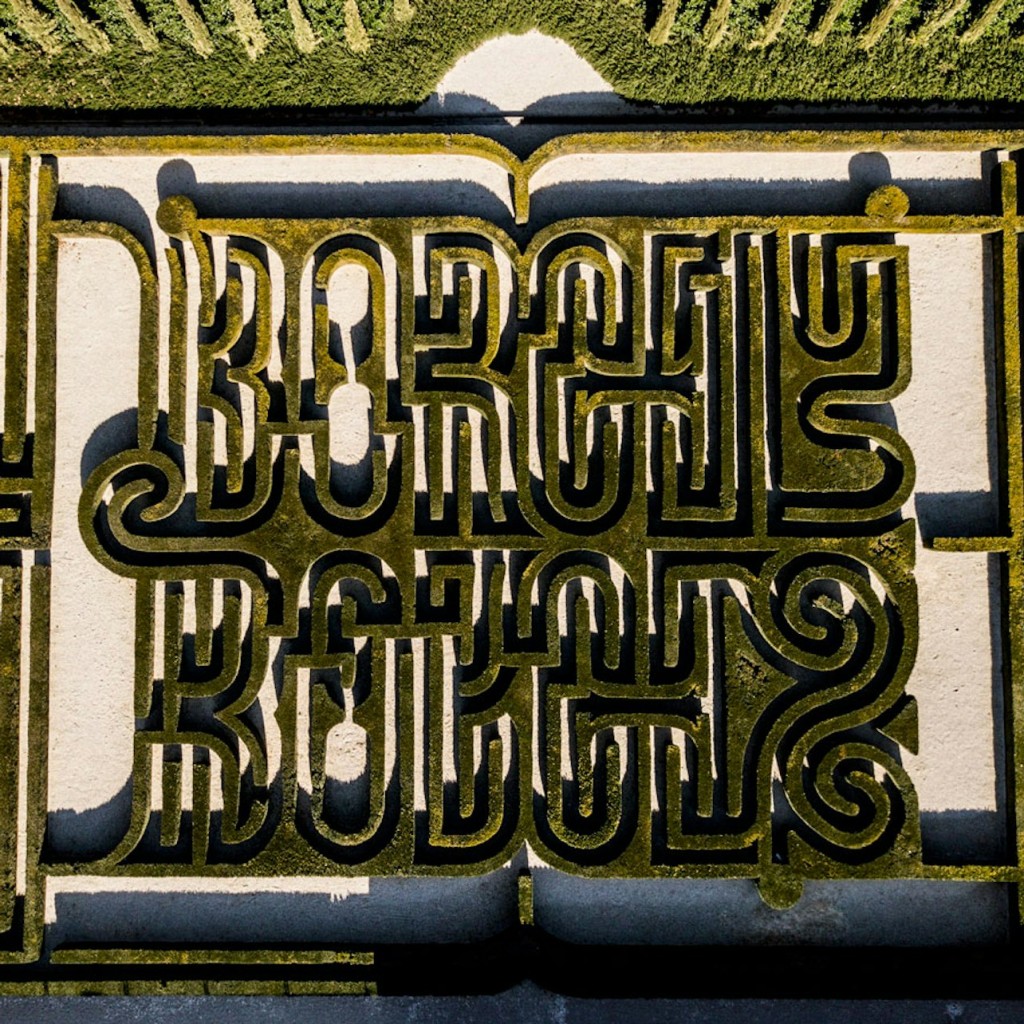
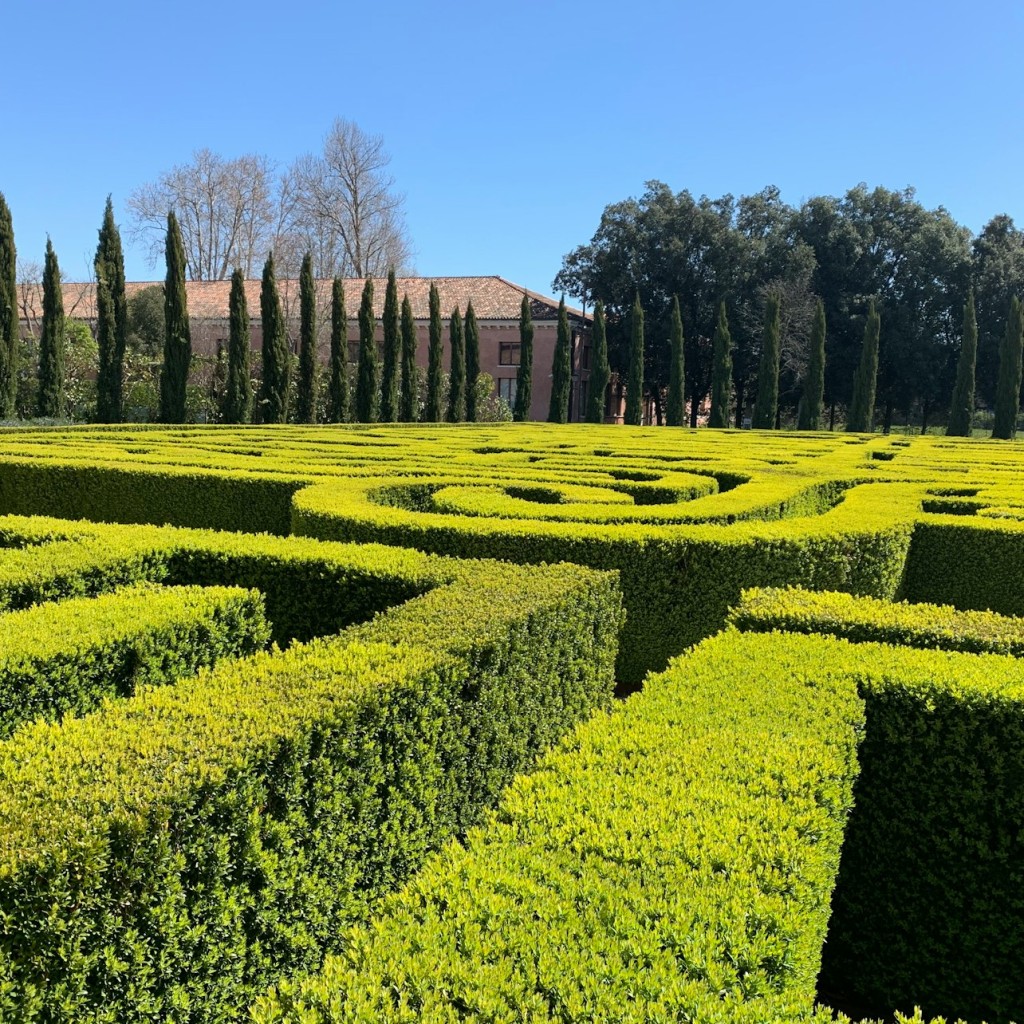
- Entrance ticket for a 30-45 minute visit of the Borges Labyrinth
- Access to Nuova Manica Lunga
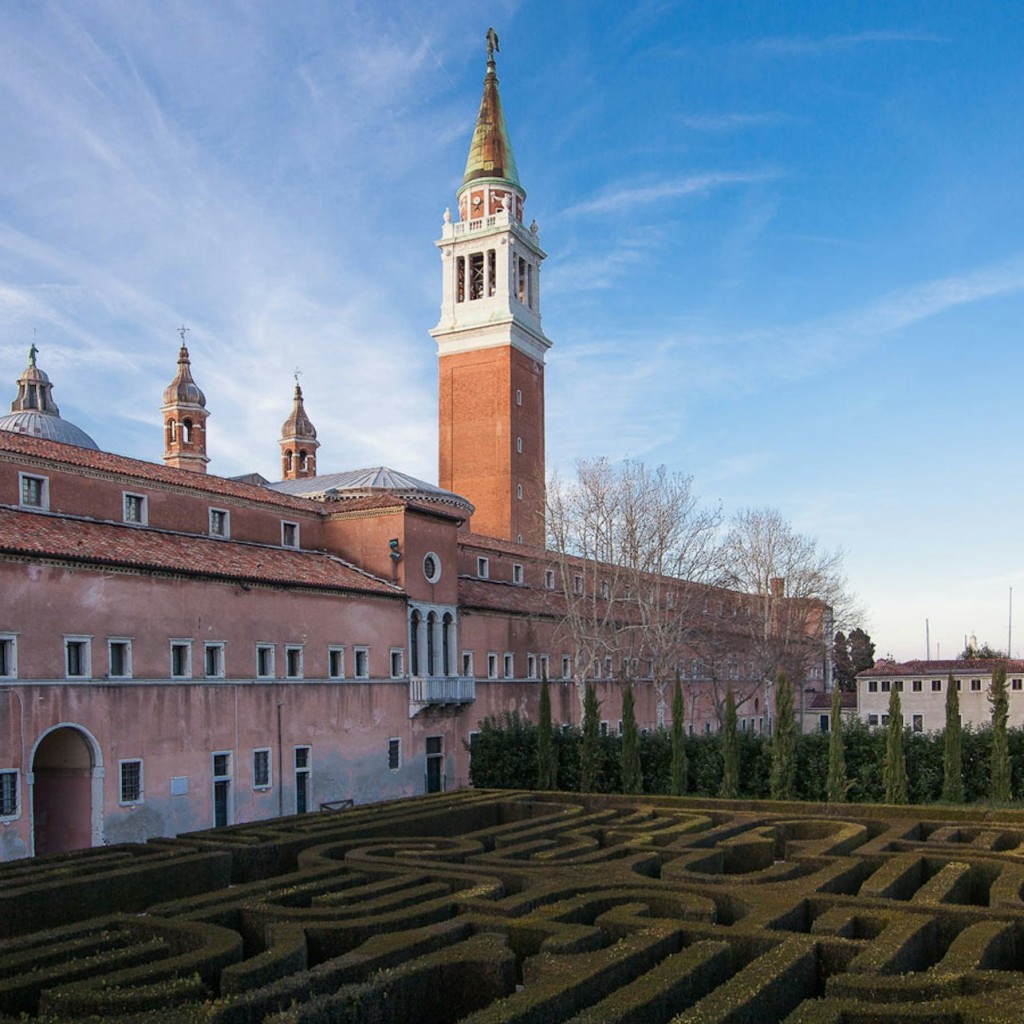
Explore a visual journey of San Giorgio Maggiore Island, showcasing its iconic architecture, breathtaking views, and serene landscapes.
Discover the tranquil allure of San Giorgio Maggiore Island, a jewel set against the backdrop of Venice's bustling waterways. This picturesque island offers visitors a serene escape, blending remarkable architecture, profound cultural landmarks, and unique artistic experiences. Home to historic sites, scenic gardens, and iconic viewpoints, San Giorgio Maggiore is a peaceful haven that invites exploration. Ascend its bell tower for panoramic vistas of the Venetian lagoon, explore world-class art exhibitions, or simply stroll through its quiet grounds. The island provides a refreshing perspective on Venice, making it an essential stop for anyone seeking both beauty and tranquility.
When visiting the Basilica di San Giorgio Maggiore and other religious sites on the island, a modest dress code is expected. Shoulders and knees should be covered as a sign of respect. This applies to both men and women. While there is no strict dress code for general outdoor areas of the island, comfortable and respectful attire is always recommended for visiting any cultural or religious location in Italy.
San Giorgio Maggiore Island, often recognized by its magnificent Palladian church and towering campanile, stands as a prominent landmark in the Venetian lagoon. Beyond its iconic silhouette, the island is a vibrant hub of culture and art, offering a distinct experience from the main islands of Venice. Visitors can immerse themselves in the architectural brilliance of the Basilica di San Giorgio Maggiore, designed by Andrea Palladio, and admire masterpieces by Tintoretto within its sacred walls. The island is also a significant cultural center, hosting the Cini Foundation, which supports art, history, and music. Modern attractions like the Vatican Chapels and the Borges Labyrinth provide contemporary artistic and literary interpretations, complementing the island's rich historical tapestry. Whether you're interested in art, architecture, history, or simply wish to enjoy breathtaking views of Venice from a unique vantage point, San Giorgio Maggiore promises an enriching visit. Its serene environment makes it an ideal location for contemplative walks and photography.
Booking your visit and any associated tours or experiences for San Giorgio Maggiore Island online offers significant convenience and peace of mind. By securing your tickets in advance, you can save valuable time that might otherwise be spent waiting in queues, especially during peak seasons. Online booking often provides access to exclusive tours, such as the Wood and Vatican Chapels Tour or the Borges Labyrinth experience, ensuring your spot for these unique attractions. This allows for better planning of your itinerary, ensuring a seamless and stress-free exploration of this beautiful island and its cultural treasures.
The history of San Giorgio Maggiore Island dates back to Roman times, but its significance grew considerably with the establishment of a Benedictine monastery in the 10th century. Over centuries, the island became a crucial religious and cultural center. The current Basilica di San Giorgio Maggiore is a masterpiece by the renowned architect Andrea Palladio, begun in 1566 and completed after his death by Vincenzo Scamozzi. The island played a vital role in Venetian maritime history due to its strategic position, serving as a point of reference for ships entering the lagoon. In the 19th century, following the fall of the Venetian Republic, the monastery was suppressed, and the island was used for various military purposes. It was not until the mid-20th century, with the establishment of the Giorgio Cini Foundation, that San Giorgio Maggiore was revitalized as a prominent center for art, culture, and learning. This transformation brought new life to its historic buildings and introduced modern artistic endeavors, cementing its place as a unique cultural destination in Venice.
The Basilica di San Giorgio Maggiore typically opens daily, generally from morning until late afternoon, often closing for a lunch break. The Bell Tower usually follows similar hours but may have slightly different operating times or closures due to weather. Specific exhibitions and facilities, such as the Vatican Chapels or Borges Labyrinth, may have their own distinct schedules, which can vary seasonally. It is advisable to consider visiting during standard daytime hours to ensure access to all desired attractions.
To experience San Giorgio Maggiore Island at its best, consider visiting during the shoulder seasons of spring (April-May) or autumn (September-October). During these periods, the weather is typically pleasant, and the crowds are generally smaller than in the peak summer months. Arriving early in the morning, shortly after opening, is also highly recommended. This allows for a more peaceful exploration of the basilica and the bell tower before larger groups arrive, providing a more intimate experience and better opportunities for photography, especially from the bell tower's panoramic viewpoint.
Within San Giorgio Maggiore Island, visitors will find a wealth of architectural and artistic marvels. The centerpiece is the Basilica di San Giorgio Maggiore, an exquisite example of Renaissance architecture designed by Andrea Palladio. Inside, marvel at important works by Jacopo Tintoretto, including 'The Last Supper' and 'Manna from Heaven'. A definite highlight is the island's bell tower, which offers a captivating elevator ride to the top, revealing a 360-degree panorama of Venice, its lagoon, and surrounding islands. The island also features contemporary installations such as the Vatican Chapels, a series of diverse architectural structures, and the Borges Labyrinth, a tribute to the Argentine writer Jorge Luis Borges. The Cini Foundation further adds to the cultural offerings with various exhibitions and gardens.
When planning your visit to San Giorgio Maggiore Island, remember to wear comfortable shoes as you'll be doing a fair amount of walking, especially if exploring the various gardens and installations. Bring a camera to capture the stunning views from the bell tower and the beautiful architecture. It's advisable to check the weather forecast, particularly for bell tower access. Consider purchasing Vaporetto tickets in advance or a Venice travel card to simplify transport. While there are facilities on the island, options for food and drink might be limited compared to central Venice, so planning accordingly is wise. Allow ample time to fully appreciate the tranquility and artistic offerings of this unique Venetian island.
Visitors to San Giorgio Maggiore Island are requested to show respect for its sacred and cultural sites. This includes maintaining a quiet demeanor within the Basilica and other places of worship. Littering is strictly prohibited, and visitors are encouraged to dispose of waste responsibly. Photography is generally permitted, but certain areas or exhibitions may have restrictions, so please observe any posted signs. Large bags or backpacks may need to be stored in designated areas, particularly inside the Basilica or during special exhibitions. Always follow the instructions of staff for a safe and enjoyable visit.
San Giorgio Maggiore Island is absolutely worth visiting for anyone seeking a blend of historical grandeur, artistic beauty, and serene contemplation away from the main tourist hubs of Venice. Its architectural masterpieces, particularly Palladio's Basilica, and the exceptional artworks by Tintoretto offer profound cultural experiences. The panoramic views from the bell tower are arguably among the best in Venice, providing a unique perspective of the city and its lagoon. Coupled with its peaceful gardens and contemporary artistic installations, the island offers a comprehensive and deeply enriching visit that caters to diverse interests, making it a highlight for any Venetian itinerary.
You can reach San Giorgio Maggiore Island by taking Vaporetto (water bus) line 2 from various stops in Venice, such as San Zaccaria near St. Mark's Square. The journey is short and offers scenic views.
Key attractions include the Basilica di San Giorgio Maggiore, its Bell Tower with panoramic views, artworks by Tintoretto, the Vatican Chapels, and the Borges Labyrinth.
Entry to the Basilica is typically free, but there is usually a fee to ascend the Bell Tower. Some special exhibitions or sections like the Vatican Chapels may also require a ticket.
From the Bell Tower, you can enjoy stunning 360-degree panoramic views of St. Mark's Square, the Doge's Palace, the Venetian lagoon, and surrounding islands.
Most visitors spend between 1.5 to 3 hours on San Giorgio Maggiore Island, which allows enough time to explore the Basilica, ascend the Bell Tower, and enjoy the surroundings.
There are limited options for food and drink on San Giorgio Maggiore Island compared to central Venice. It's advisable to plan accordingly or bring your own refreshments.
Yes, the Borges Labyrinth is usually accessible to visitors, often as part of a guided tour or specific ticket. It's a unique literary and art installation on the island.
San Giorgio Maggiore Island is easily accessible from central Venice by public transport. The most common way to reach the island is by taking Vaporetto (water bus) line 2 from various stops, including San Zaccaria (near St. Mark's Square) or Rialto. The journey is short and scenic, offering views of the lagoon. Upon arrival at the island's Vaporetto stop, the main attractions like the Basilica and bell tower are just a short walk away.
When visiting the Basilica di San Giorgio Maggiore and other religious sites on the island, a modest dress code is expected. Shoulders and knees should be covered as a sign of respect. This applies to both men and women. While there is no strict dress code for general outdoor areas of the island, comfortable and respectful attire is always recommended for visiting any cultural or religious location in Italy.