Music Museum & Baroque Concert
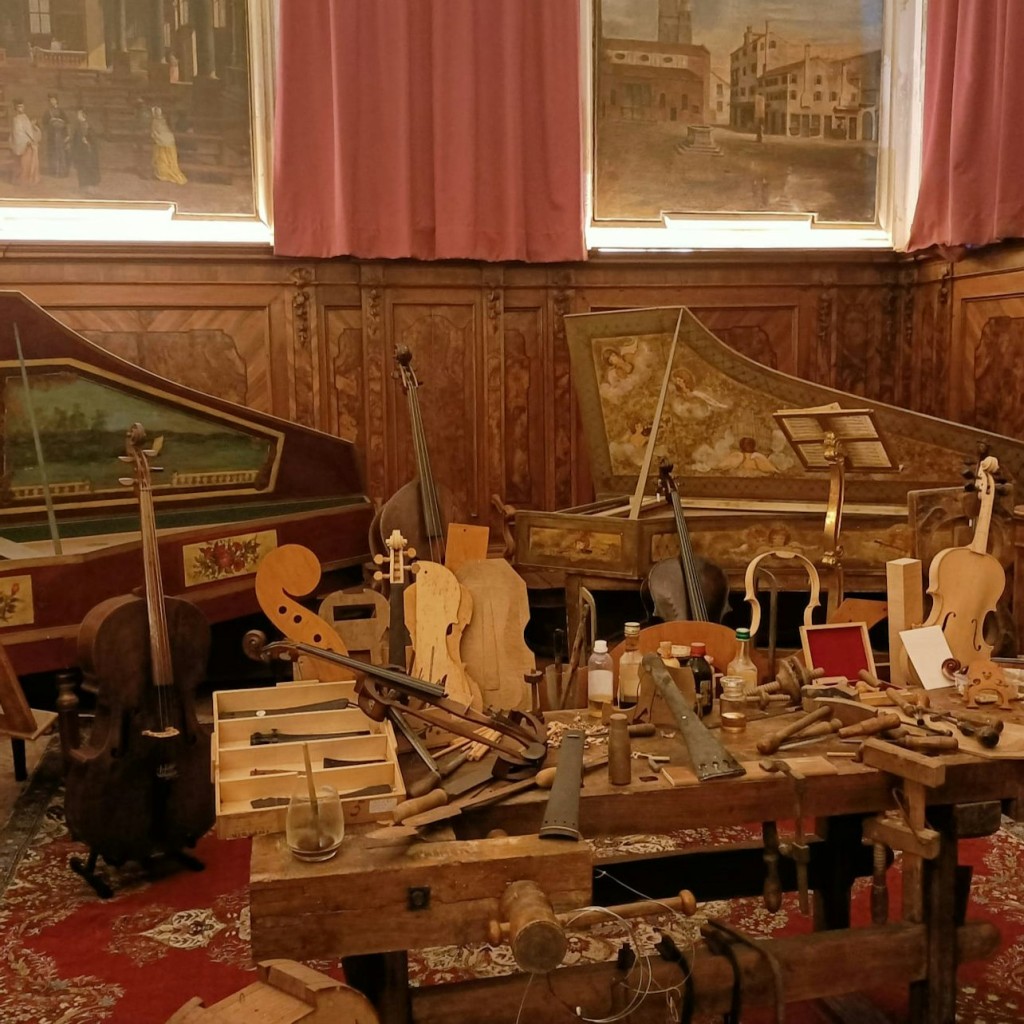
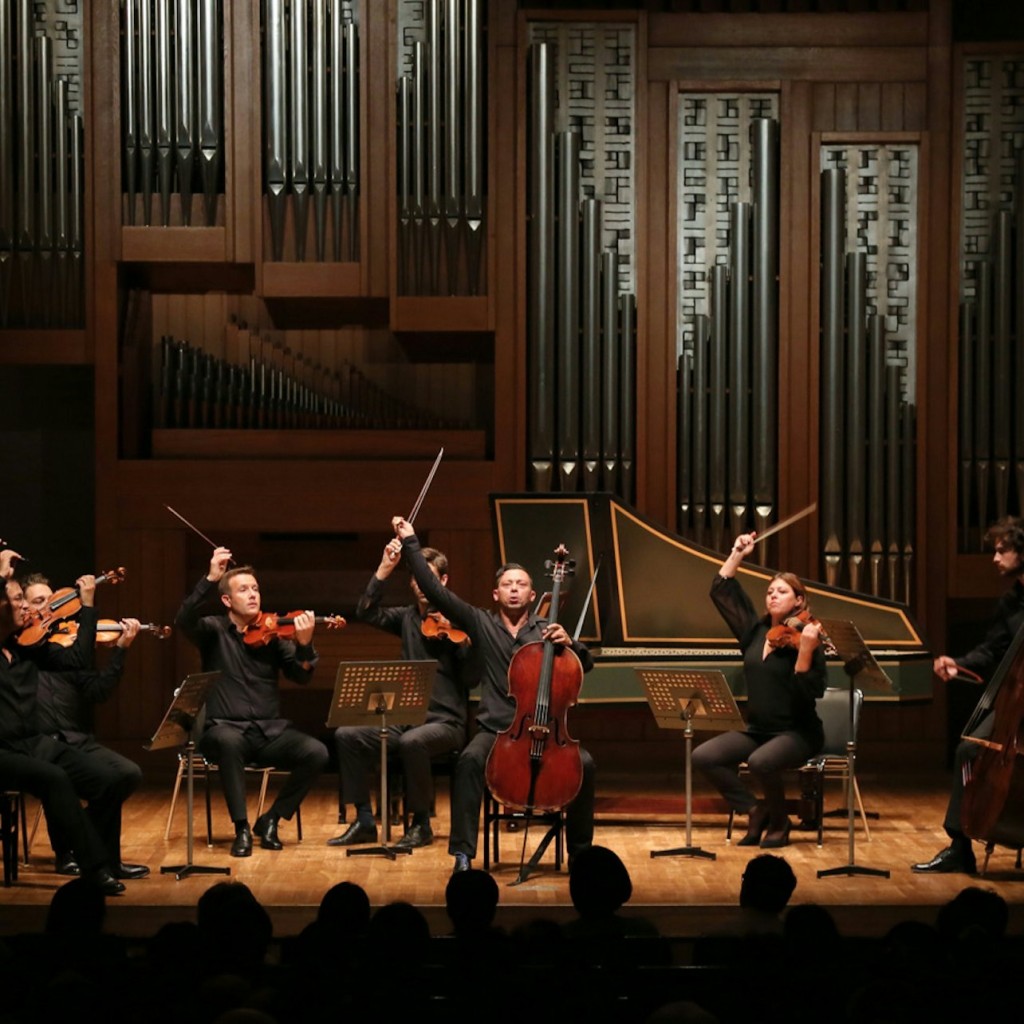
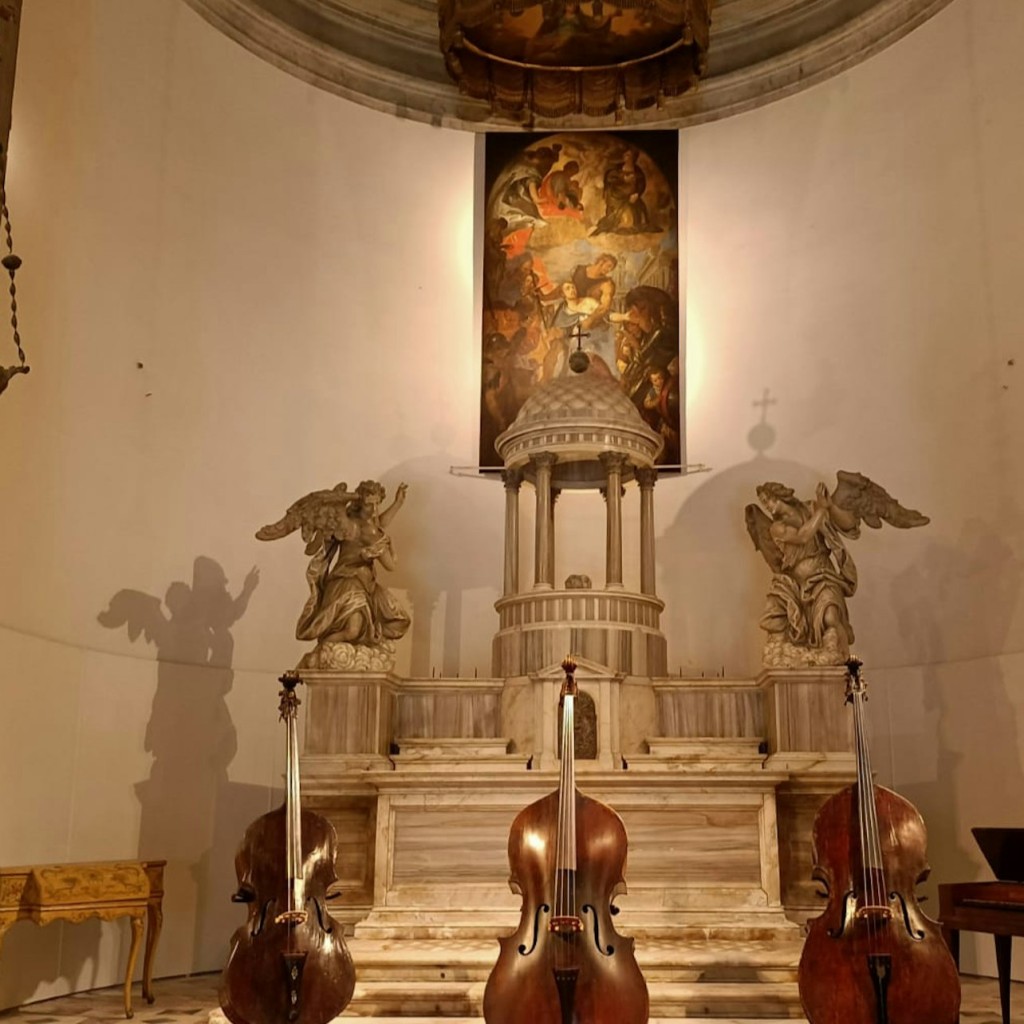
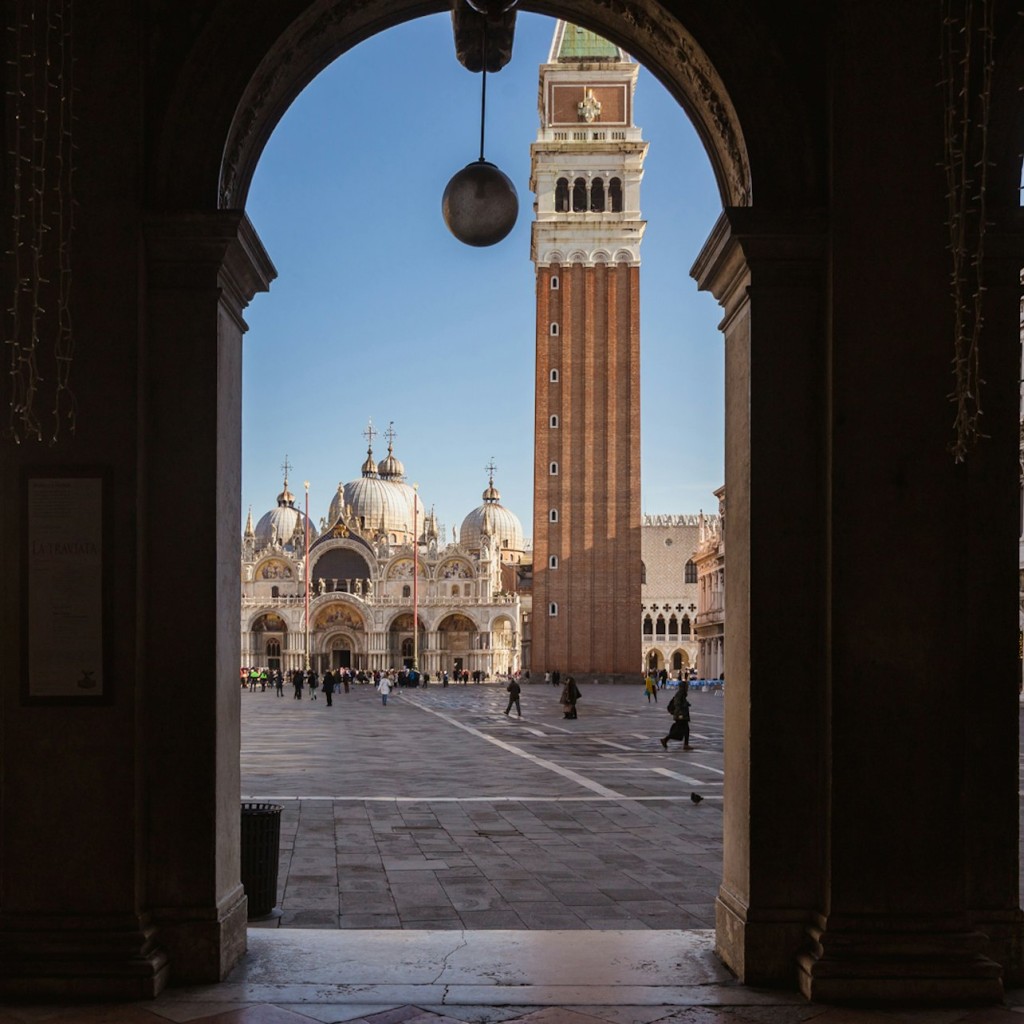

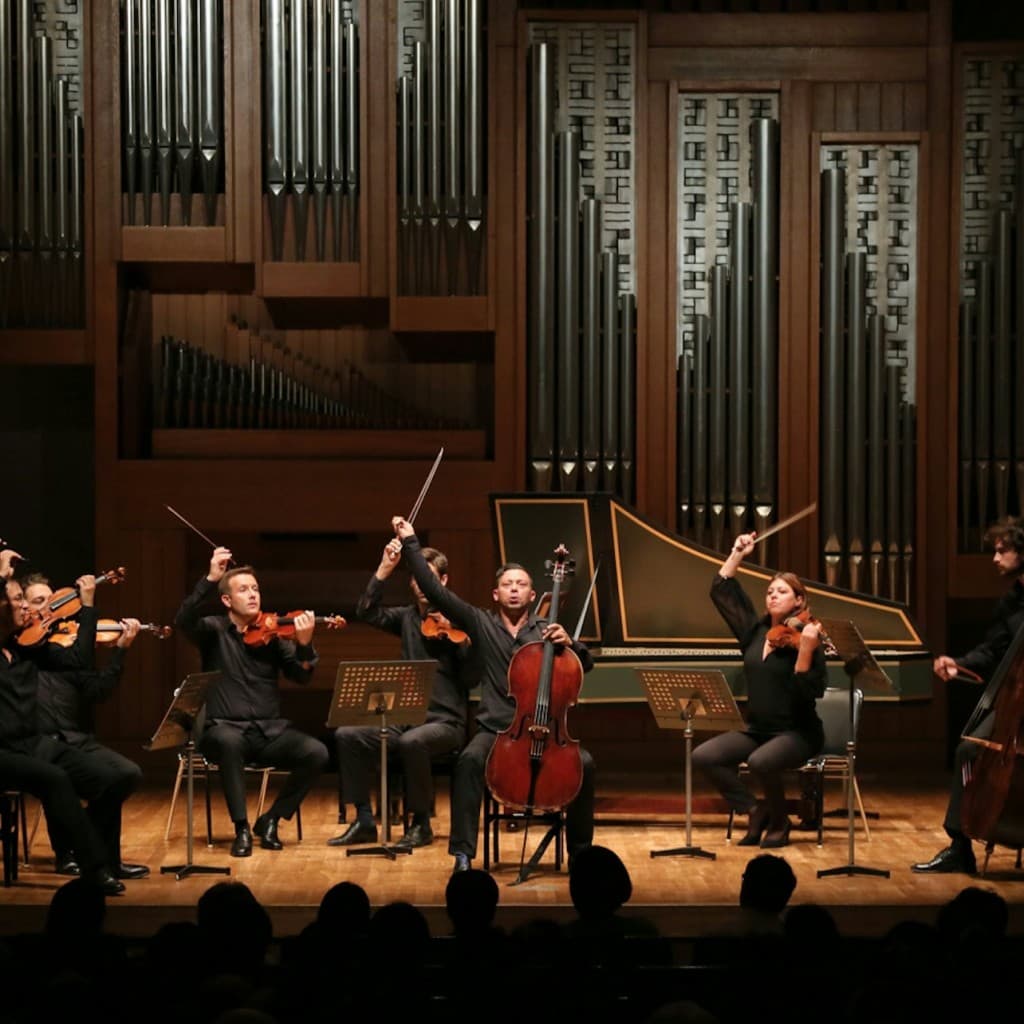
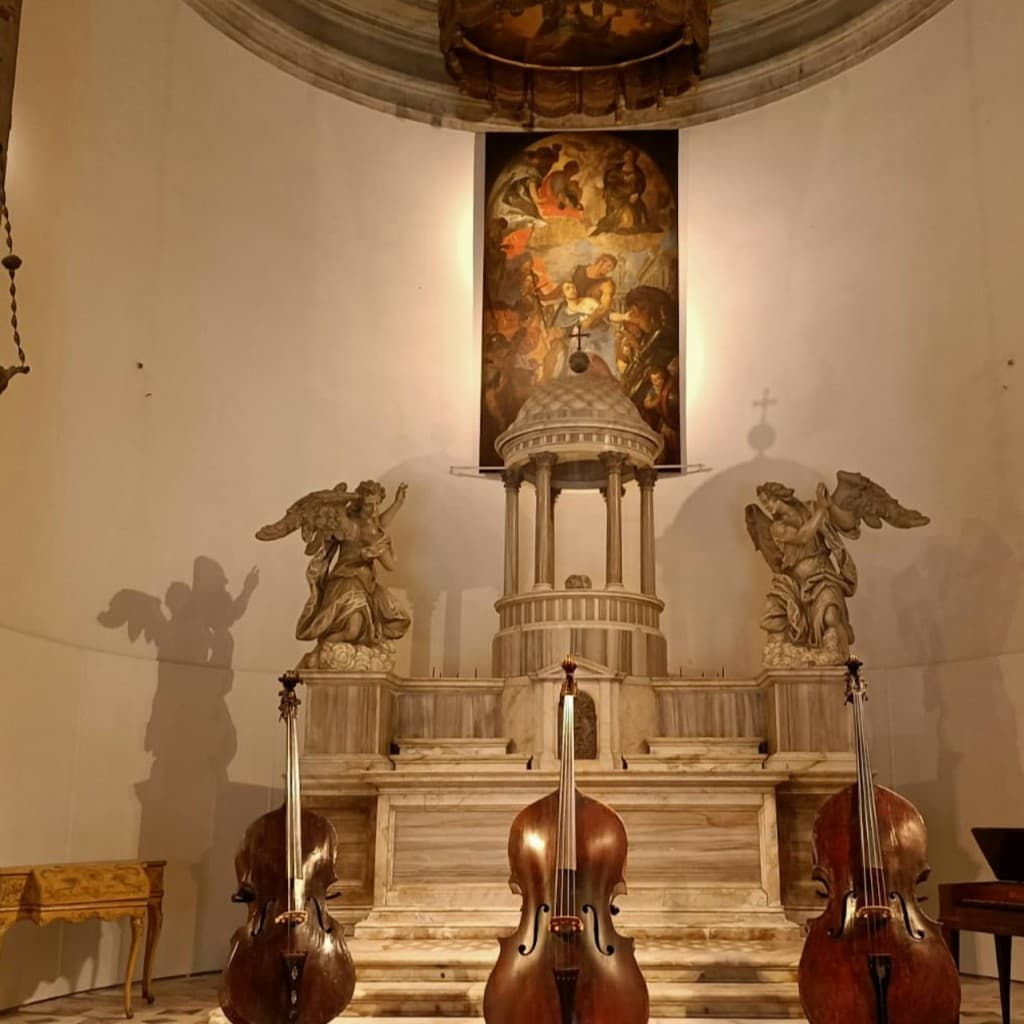


Explore a visual journey through the Venice Music Museum's exquisite collection of historic instruments and engaging exhibits.
The Venice Music Museum invites visitors on a captivating journey through centuries of Venetian musical history. Housed in a former church, this unique institution showcases a remarkable collection of historic musical instruments, particularly focusing on the string family, and pays homage to the city's rich legacy as a cradle of classical music. Discover the fascinating life and works of renowned composers like Antonio Vivaldi, whose genius profoundly shaped the Baroque era. The museum offers an immersive experience, combining visual exhibits with the enduring sounds of Venice's past, making it an essential stop for music enthusiasts and culture seekers alike. It's a place where the echoes of history resonate through magnificent craftsmanship and timeless melodies.
There is no strict dress code for visiting the Venice Music Museum. However, as the museum is often located within a former church, respectful attire is appreciated. Comfortable clothing and footwear are recommended, as you will be standing and walking through the exhibits. Layers are also advisable, as temperatures inside historic buildings can vary.
What to Expect
About Venice Music Museum: Explore Venetian Musical Heritage
Situated in the heart of Venice, the Venice Music Museum is dedicated to preserving and celebrating the city's profound musical heritage. This charming museum, often found within the historic Church of San Maurizio, presents a meticulously curated collection of musical instruments, primarily from the 17th to 20th centuries. Visitors can admire beautifully restored violins, cellos, violas, and mandolins, crafted by master luthiers. The exhibits provide insights into the evolution of instrument making and the significant role these instruments played in Venetian musical life. A central theme is the life and impact of Antonio Vivaldi, the 'Red Priest' of Venice, whose innovative compositions define much of the Baroque period. The museum thoughtfully illuminates Vivaldi's time at the Ospedale della Pietà and his contributions to classical music. Beyond Vivaldi, the museum highlights the broader context of music in Venice, from the grand opera houses to the intimate salons, showcasing how music was woven into the fabric of Venetian society. It's an enriching cultural experience that appeals to both seasoned classical music aficionados and curious newcomers.
Highlights
Why Book Online?
Booking your tickets for the Venice Music Museum online offers convenience and ensures a smooth entry into this fascinating attraction. By securing your admission in advance, you can save time upon arrival and streamline your visit, allowing more time to explore the exhibits. Online booking often provides access to special combined offers, such as tickets that include a Vivaldi 'Four Seasons' concert by Interpreti Veneziani or a classical concert with an audio guide. These packages enhance your experience, providing both historical context and live musical performance, all while simplifying your travel planning.
History
Venice has long been a pivotal center for musical innovation and artistry, particularly during the Baroque era. From the 16th to the 18th centuries, the city boasted numerous opera houses, churches with renowned musical programs, and charitable institutions known as 'Ospedali,' which provided musical training to orphaned girls. It was within this vibrant environment that Antonio Vivaldi, one of the most celebrated Baroque composers, flourished. Vivaldi served for many years as a violin teacher and composer at the Ospedale della Pietà, an orphanage for girls, creating a vast body of work including concertos, operas, and sacred music. The Venice Music Museum, often housed in a historic building such as the Church of San Maurizio, emerged from a desire to preserve and share this extraordinary musical legacy. It collects and exhibits historical instruments, highlighting the craftsmanship of Venetian luthiers and commemorating the lives of composers who shaped the city's musical identity. The museum serves as a tangible link to Venice's golden age of music, allowing contemporary audiences to connect with the sounds and stories of centuries past.
Opening Hours
The Venice Music Museum generally welcomes visitors daily. While specific opening and closing times may vary by season or special events, visitors can typically expect the museum to be open from morning to late afternoon. It is advisable to allow sufficient time before closing to enjoy all the exhibits. The museum might have reduced hours on certain public holidays, but generally maintains a regular schedule to accommodate international visitors.
Best Time to Visit
To fully enjoy the serene atmosphere and detailed exhibits of the Venice Music Museum, the best time to visit is during the shoulder seasons of spring (April-May) or autumn (September-October), when the city experiences pleasant weather and fewer tourist crowds. During peak summer months, arriving early in the morning shortly after opening or in the late afternoon before closing can help you avoid the busiest periods. Weekdays generally offer a more tranquil experience than weekends. Visiting during these times allows for a more intimate engagement with the historical instruments and musical narratives without feeling rushed.
What to See Inside
Inside the Venice Music Museum, visitors will primarily encounter an exquisite collection of antique musical instruments, with a strong emphasis on string instruments. Marvel at masterfully crafted violins, violas, cellos, and mandolins, many of which date back to the Baroque era. Each instrument tells a story of its maker and its role in Venice's vibrant musical past. The museum also features detailed exhibits dedicated to the life and works of Antonio Vivaldi, providing insights into his groundbreaking compositions and his connection to the city's musical institutions. Informative panels and displays illustrate the history of Venetian music, the development of lutherie, and the cultural significance of music in Venice. You can explore the various sections at your own pace, absorbing the historical atmosphere and appreciating the artistry of these preserved relics.
Things to Know
When planning your visit to the Venice Music Museum, be aware that photography is generally permitted for personal use, though flash photography might be restricted. The museum is typically accessible, but Venice's historic infrastructure can sometimes present challenges; inquire about specific accessibility features if needed. Restrooms are usually available on site. Consider combining your museum visit with a classical concert in Venice, as some tickets offer combined experiences that deepen your understanding and appreciation of Venetian music. The museum usually features a small gift shop where you can find music-related souvenirs and books. Comfortable shoes are always recommended for exploring Venice and its attractions.
Visitor Rules
Visitors to the Venice Music Museum are expected to observe common museum etiquette to preserve the exhibits and ensure an enjoyable experience for all. Please refrain from touching the instruments or display cases, as they are fragile historical artifacts. Food and beverages are typically not allowed within the exhibition areas. Keep noise levels to a minimum to respect other visitors. Large bags and backpacks may need to be checked into a cloakroom or locker, if available. Follow any specific instructions from museum staff regarding photography or designated areas.
Is It Worth Visiting?
The Venice Music Museum is unequivocally worth visiting for anyone with an interest in music, history, or Venetian culture. It offers a unique window into the city's profound impact on classical music, particularly during the Baroque period. The exquisite collection of historic instruments, combined with the detailed focus on figures like Antonio Vivaldi, provides a rich educational and aesthetic experience. For visitors who opt for a combined ticket with a concert, the museum visit enriches the appreciation of the live performance. It's an intimate and engaging way to connect with the artistic soul of Venice, offering a different perspective beyond the more conventional tourist attractions.
Frequently Asked Questions
The Venice Music Museum is typically housed in the historic Church of San Maurizio, centrally located in Venice near attractions like Campo Santo Stefano.
The museum features an impressive collection of historic musical instruments, with a strong focus on string instruments such as violins, cellos, violas, and mandolins from the 17th to 20th centuries.
While Antonio Vivaldi and his legacy are a central and significant part of the museum's exhibits, it also covers broader Venetian musical history and the art of instrument making.
Yes, tickets are often available that combine museum entry with attendance at a classical concert, such as Vivaldi's 'Four Seasons' performed by Interpreti Veneziani, offering a complete musical experience.
Most visitors spend between 1 to 1.5 hours exploring the Venice Music Museum, allowing enough time to appreciate all the exhibits.
While specific guided tours may vary, some ticket options include an audio guide, which provides detailed explanations of the exhibits and instruments.
Photography for personal use is generally permitted inside the Venice Music Museum, but visitors should avoid using flash and respect any specific restrictions indicated by staff or signage.
How to Get There
The Venice Music Museum is conveniently located in the heart of Venice. From Piazzale Roma or Santa Lucia train station, you can take a vaporetto (water bus) to the 'Gigilio' or 'San Samuele' stops, which are generally within a short walking distance of the museum. Alternatively, given Venice's compact nature, many central accommodations are within walking distance. Follow the signs towards Campo Santo Stefano or Ponte dell'Accademia, as the museum is often situated in that general vicinity.
There is no strict dress code for visiting the Venice Music Museum. However, as the museum is often located within a former church, respectful attire is appreciated. Comfortable clothing and footwear are recommended, as you will be standing and walking through the exhibits. Layers are also advisable, as temperatures inside historic buildings can vary.