

What's Included
- Guided walking tour
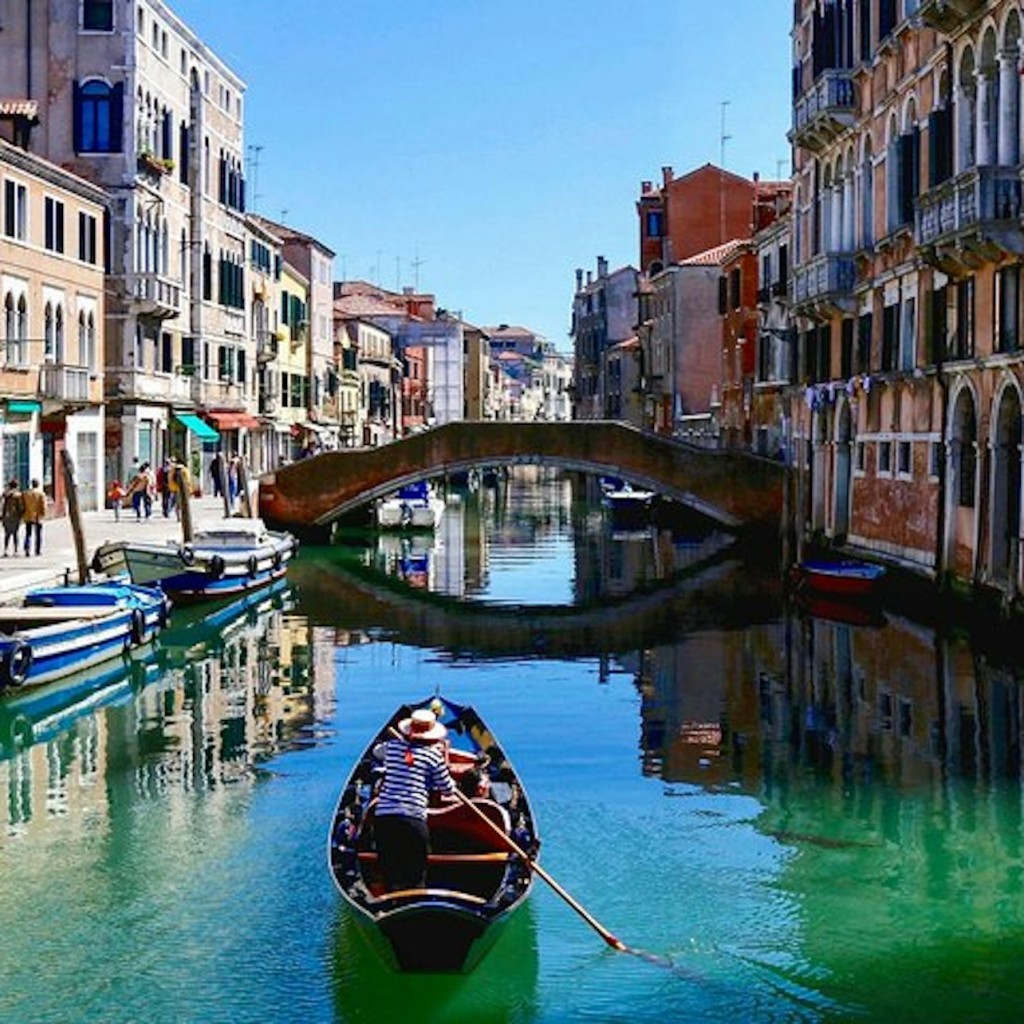
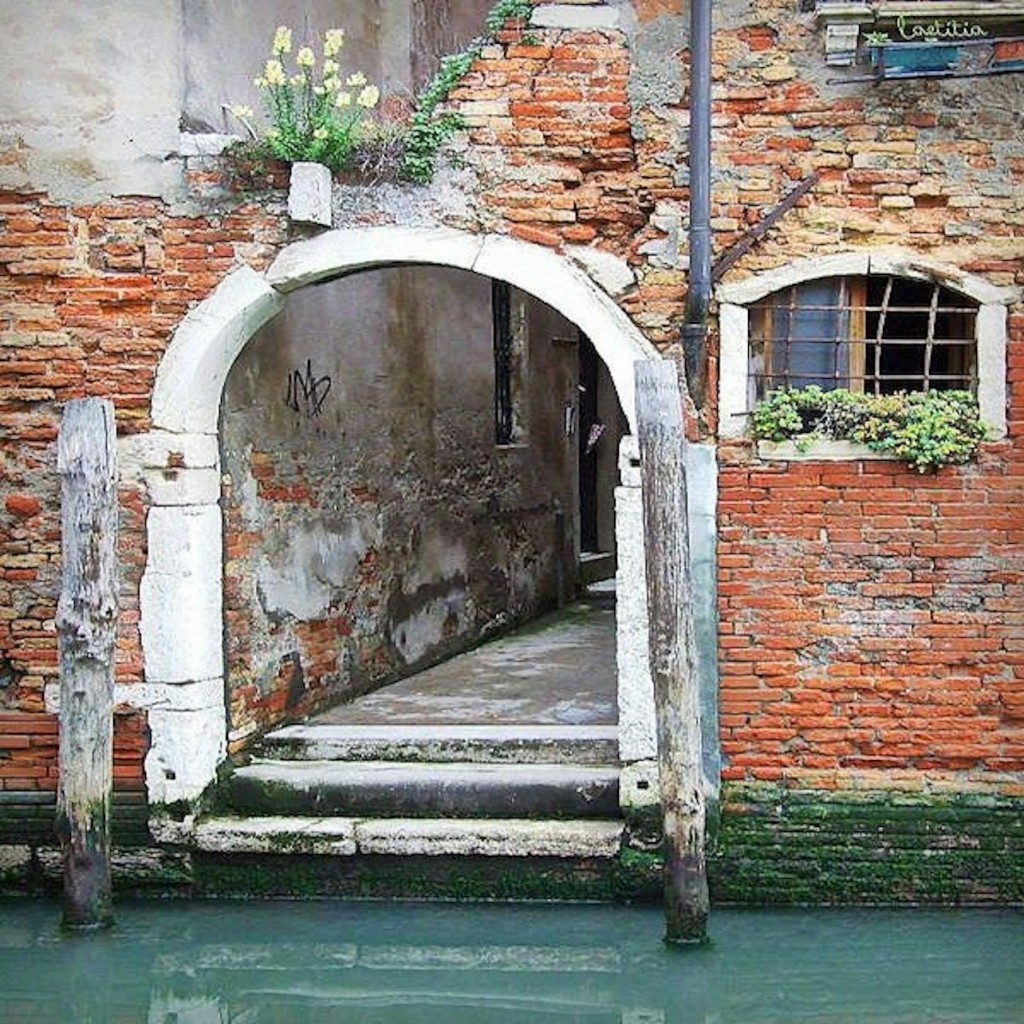
Discover the beauty and charm captured during Venice walking tours.
Embark on an unforgettable journey through the enchanting labyrinth of Venice with a guided walking tour. Beyond the renowned St. Mark's Square and Rialto Bridge, these tours invite you to delve deeper into the city's rich tapestry of history, art, and local life. Traverse narrow calle, cross charming bridges, and uncover hidden campi (squares) that reveal the authentic Venetian spirit. Whether you're a first-time visitor or a seasoned traveler, a walking tour offers a unique perspective, providing insights into the city's fascinating past and vibrant present, brought to life by knowledgeable local guides. It's an immersive way to connect with the soul of this floating city.
For Venice walking tours, the primary recommendation is comfortable and practical attire. You will be walking extensively, so comfortable, closed-toe shoes are essential. Layers are advisable, as temperatures can vary between shaded alleyways and open squares, and seasonally. During warmer months, light, breathable fabrics are best. In cooler seasons, a warm coat, hat, and scarf are recommended. If your tour includes visits to churches or other religious sites, it is important to dress modestly: shoulders and knees should be covered. Carrying a light shawl or scarf is a good way to ensure compliance if needed.
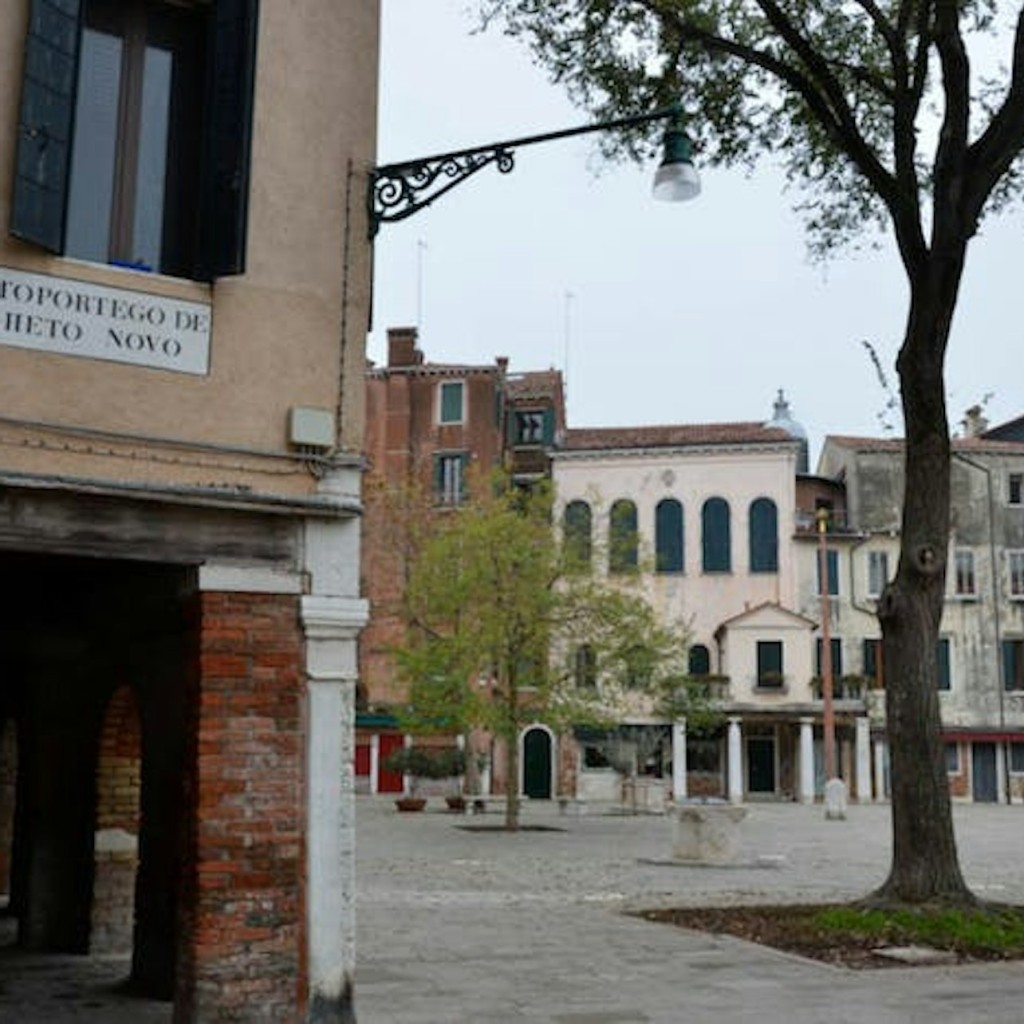
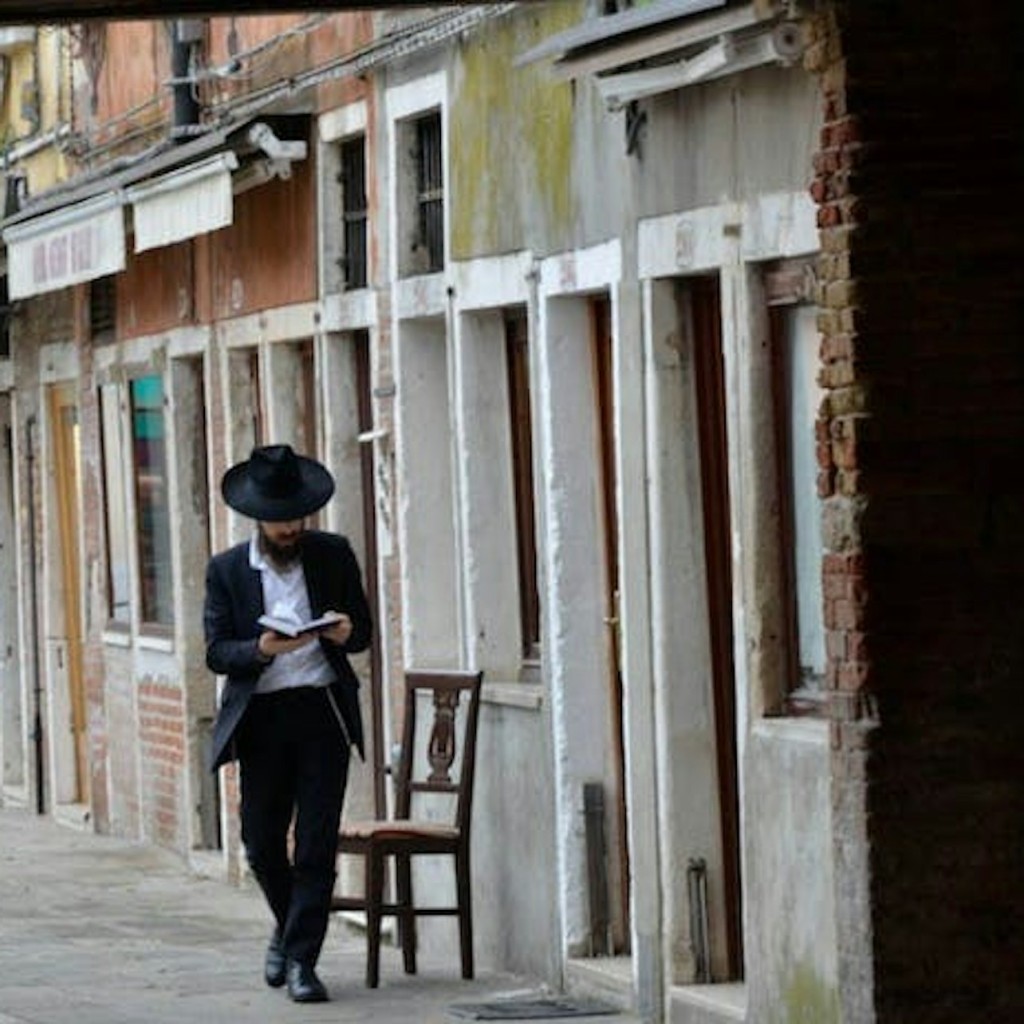
Venice walking tours offer a comprehensive and intimate way to experience one of the world's most unique cities. Designed to suit various interests, these tours guide you through the historic heart of Venice, showcasing its iconic landmarks, such as the majestic St. Mark's Basilica and Doge's Palace exteriors, and the picturesque Rialto Bridge. More than just sightseeing, a walking tour allows you to explore hidden alleyways and tranquil courtyards often missed by independent explorers. Expert guides share captivating stories, historical anecdotes, and local insights, illuminating Venice's thousand-year history as a powerful maritime republic and a center of art and culture. You might discover the secrets of the Jewish Ghetto, hear tales of Venetian ghosts and mysteries, or simply soak in the daily life of local residents away from the main tourist paths. From an overview of the city's highlights to specialized thematic explorations like 'Hidden Venice' or 'Rialto & Jewish Quarter', these tours provide context and appreciation for Venice's unparalleled beauty and complex heritage. They are ideal for those seeking a deeper understanding and a truly immersive cultural experience.
Booking your Venice walking tour online ensures you secure your spot, especially for popular itineraries or during peak travel seasons. Online booking provides convenience, allowing you to compare various tour options, read itineraries, and select the perfect tour that aligns with your interests and schedule from the comfort of your home. Many tours also offer instant confirmation and mobile ticketing, streamlining your arrival process. Furthermore, by booking in advance, you can often benefit from a wider selection of available times and specialized tours, ensuring a seamless and well-planned experience in Venice.
Venice, La Serenissima, boasts a captivating history spanning over a millennium. Founded in the 5th century by mainlanders fleeing barbarian invasions, its strategic lagoon location provided natural defense, allowing it to grow into a formidable maritime republic. By the 10th century, Venice had established itself as a major trading power, controlling key routes between the East and West. Its wealth was built on trade in spices, silks, and luxury goods, fostering an era of immense artistic and architectural achievement. The city was governed by Doges, elected lifelong rulers, and a complex system of councils, reflecting its unique political structure. Iconic landmarks like St. Mark's Basilica and Doge's Palace testify to its past glory, adorned with treasures and artistry from across the Mediterranean. The Renaissance saw Venice flourish further, producing masters like Titian and Tintoretto. However, the discovery of new trade routes in the 15th and 16th centuries gradually led to its decline as a major power. Despite this, Venice retained its cultural vibrancy until its fall to Napoleon in 1797. Today, Venice stands as a living museum, its history etched into every canal, bridge, and palazzo, offering endless discovery for those who explore its labyrinthine streets.
Venice walking tours do not have fixed 'opening hours' in the traditional sense, as they are scheduled experiences. Tours typically run daily, with multiple start times available throughout the morning and afternoon, and sometimes evening tours for specific themes like 'Ghost & Mysteries'. The exact schedule depends on the tour operator, the specific itinerary, and the season. During peak tourist season (spring, summer, early autumn), more frequent tours are generally offered. During the quieter winter months, options might be slightly reduced but still plentiful. It is always recommended to check the specific tour schedule when booking to ensure availability and choose a time that best suits your travel plans.
The best time to visit Venice for a walking tour is during the shoulder seasons of spring (April-May) and autumn (September-October). During these periods, the weather is pleasantly mild, and the crowds are generally more manageable compared to the bustling summer months. Early mornings are particularly ideal for walking tours, offering cooler temperatures and the chance to experience the city's iconic sights with fewer people, allowing for better photos and a more serene atmosphere. Late afternoons are also excellent, as the light becomes softer, creating a magical ambiance, and some day-trippers begin to depart. Visiting in winter can offer a unique, quieter perspective, though dress warmly for cooler temperatures.
A Venice walking tour typically guides you through some of the city's most emblematic areas and introduces you to its lesser-known charming spots. You can expect to traverse the bustling St. Mark's Square, marvel at the exterior of St. Mark's Basilica and the Doge's Palace, and cross the famed Rialto Bridge while learning about its significance. Many tours will take you through the intricate network of canals and bridges, leading to historic churches, vibrant markets, and artisan workshops tucked away in quiet courtyards. Depending on the tour theme, you might explore the ancient Jewish Ghetto, learn about local legends on a 'Ghost & Mysteries' tour, or discover the daily life in neighborhoods like Cannaregio or Castello. Some specialized tours may include a stop at the St. Mark's Campanile (with a skip-the-line ticket) or offer a unique perspective like a gondola ride or a Spritz tasting, enhancing your exploration of Venice's diverse offerings.
When preparing for a Venice walking tour, prioritize comfort. Wear extremely comfortable walking shoes, as you'll be on your feet for an extended period, traversing uneven cobblestones and numerous bridges. It's advisable to carry a small bottle of water, especially during warmer months, and a compact umbrella or light rain jacket, as weather can change quickly. A small backpack or cross-body bag is practical for essentials. Remember to bring your camera to capture the city's beauty. Be punctual for your tour's meeting point, as guides typically adhere to a strict schedule. While guides provide valuable information, feel free to ask questions to enrich your experience. Lastly, be mindful of your surroundings and other pedestrians in crowded areas.
To ensure an enjoyable experience for all participants and to respect the local environment, visitors on Venice walking tours are asked to observe certain rules. Always stay with your guided group and follow the instructions of your tour leader, especially in crowded areas. Be respectful of local residents and their privacy, particularly when passing near homes or quiet residential areas. Avoid littering and help keep Venice clean. When entering churches or other religious sites (if included in the tour), silence and respectful behavior are required. Do not block pathways or bridges, allowing others to pass freely. Large bags or backpacks might need to be carried on your front in particularly crowded spots or for security reasons. Remember that smoking is prohibited in many public areas.
A Venice walking tour is undoubtedly worth visiting for anyone seeking to truly understand and appreciate the city beyond its surface-level beauty. While independent exploration is charming, a guided tour offers invaluable context, revealing the stories behind the architecture, the history embedded in the calle, and the nuances of Venetian culture that might otherwise go unnoticed. Expert local guides provide insights into hidden gems, local traditions, and the daily life of Venetians, transforming a simple walk into a rich educational and immersive experience. It's an efficient way to cover significant ground, discover both famous landmarks and secret spots, and gain a deeper connection to this extraordinary floating city, making your visit far more meaningful and memorable.
Venice offers a wide array of walking tours, including general highlights tours covering St. Mark's and Rialto, specialized tours like 'Hidden Venice,' 'Ghost & Mysteries,' 'Jewish Quarter,' and themed tours focusing on food, art, or specific historical periods. Private guided tours are also available for customized experiences.
Most Venice walking tours involve moderate walking over cobblestone streets and numerous bridges, often with steps. While many tours are designed to be accessible, those with significant mobility issues should inquire about specific tour routes and accessibility options before booking. Comfortable shoes are essential.
Wear comfortable walking shoes, as you will be on your feet for several hours. Dress in layers to adapt to changing temperatures, and consider bringing a light rain jacket or umbrella. If your tour includes visits to churches, modest attire (shoulders and knees covered) is required.
Typically, standard Venice walking tours focus on exterior views and city exploration, and do not include entrance fees to attractions like St. Mark's Basilica or Doge's Palace. However, some specific tours, such as 'St. Mark’s Campanile: Skip The Line Ticket + Walking Tour,' may include entry to a particular site. Always check the tour's specific inclusions.
Yes, many tour operators offer private guided walking tours in Venice that can be customized to your group's specific interests, pace, and preferred duration. This allows for a highly personalized exploration of the city.
Venice walking tours generally operate rain or shine. In case of rain, guides typically continue the tour, possibly adapting the route slightly for shelter if feasible. It is advisable to bring an umbrella or a rain jacket to stay dry and comfortable.
It is recommended to book your Venice walking tour in advance, especially during peak travel seasons, to ensure availability and secure your preferred date and time. Booking a few weeks ahead is usually sufficient, though popular tours might require more lead time.
Children are generally welcome on Venice walking tours, but parents should consider the tour's duration and content to ensure it is suitable for their child's age and attention span. Some tours might be more engaging for younger participants than others.
Getting to the starting point of your Venice walking tour typically involves using the city's unique public transportation, the Vaporetto (water bus), or simply walking. Venice is a pedestrian city, so comfortable shoes are essential. Vaporetto lines connect all major points, including Piazzale Roma (where buses and cars arrive) and Santa Lucia train station, to areas like St. Mark's Square and Rialto. Plan your Vaporetto route in advance and allow extra time, especially during peak hours, as stations can be busy. For closer destinations, walking is often the most direct and scenic option.
For Venice walking tours, the primary recommendation is comfortable and practical attire. You will be walking extensively, so comfortable, closed-toe shoes are essential. Layers are advisable, as temperatures can vary between shaded alleyways and open squares, and seasonally. During warmer months, light, breathable fabrics are best. In cooler seasons, a warm coat, hat, and scarf are recommended. If your tour includes visits to churches or other religious sites, it is important to dress modestly: shoulders and knees should be covered. Carrying a light shawl or scarf is a good way to ensure compliance if needed.