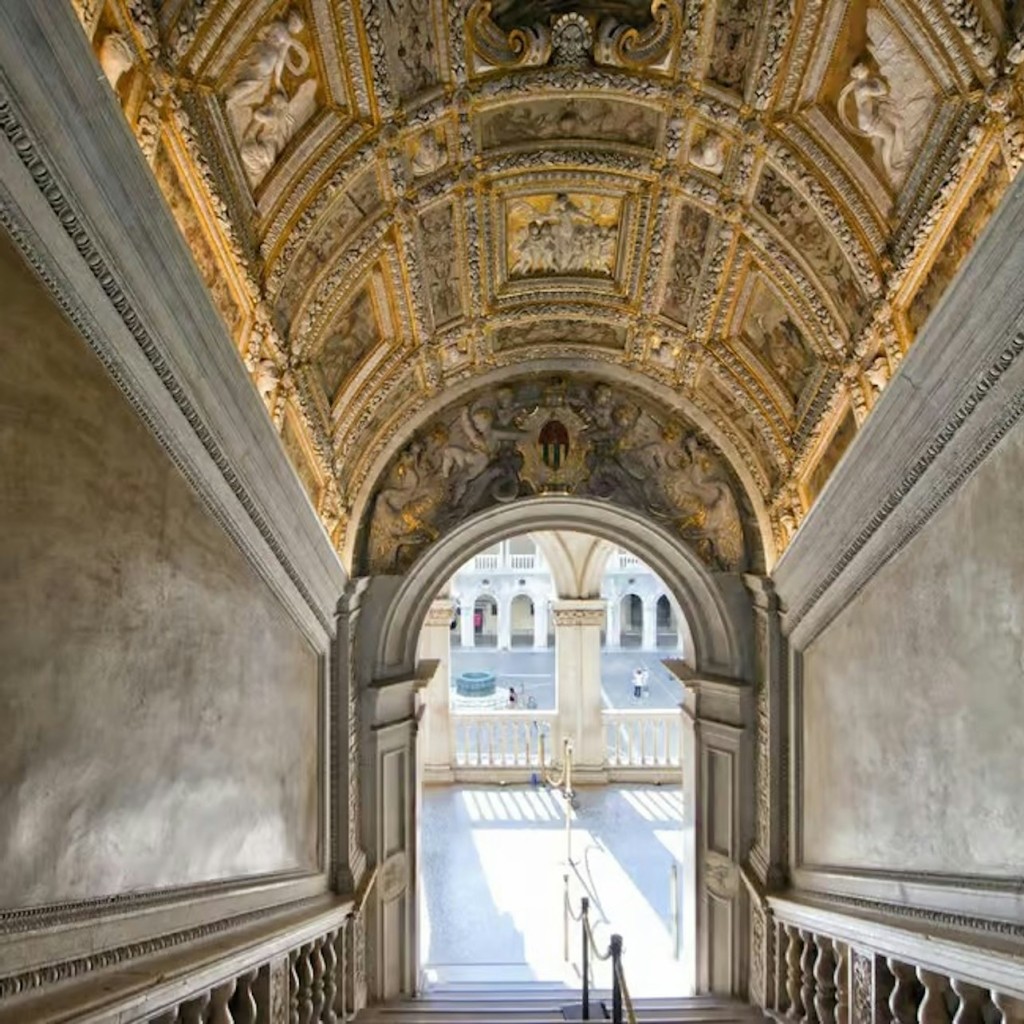
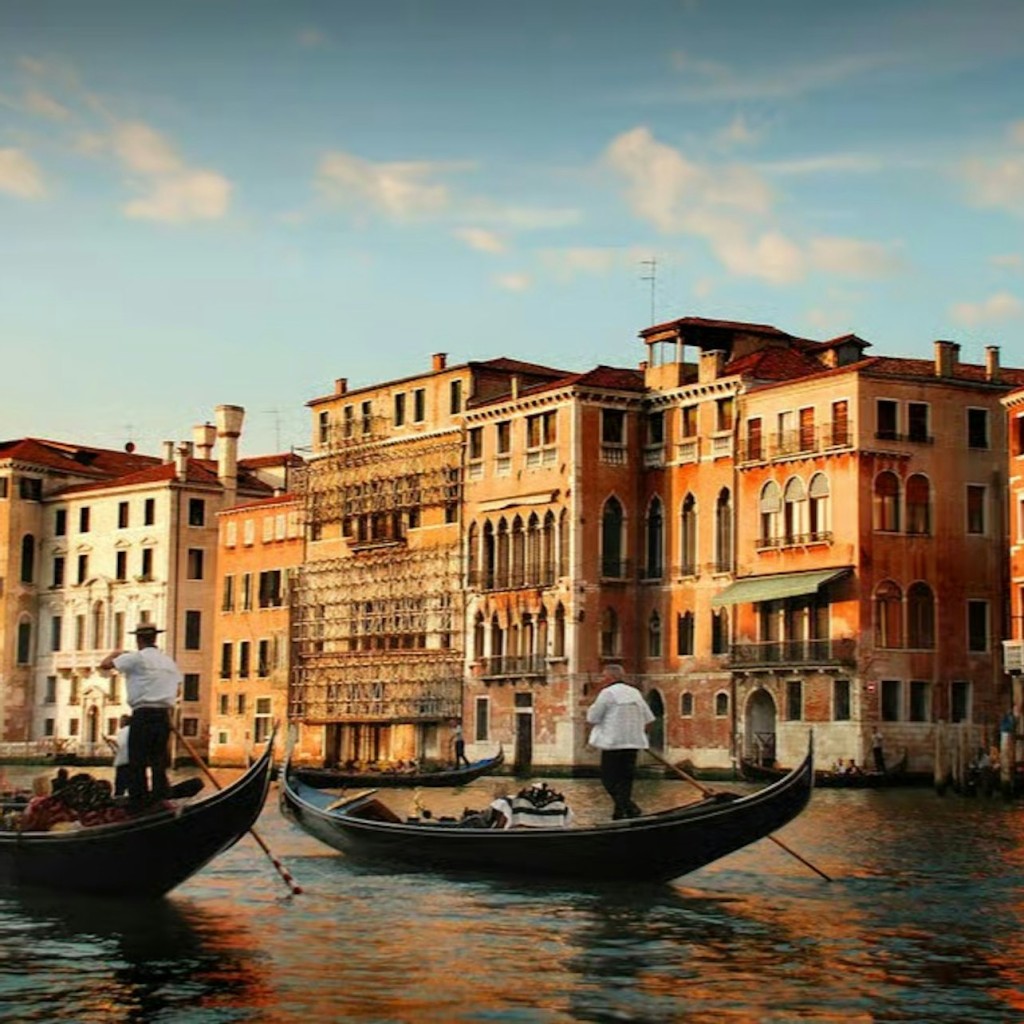
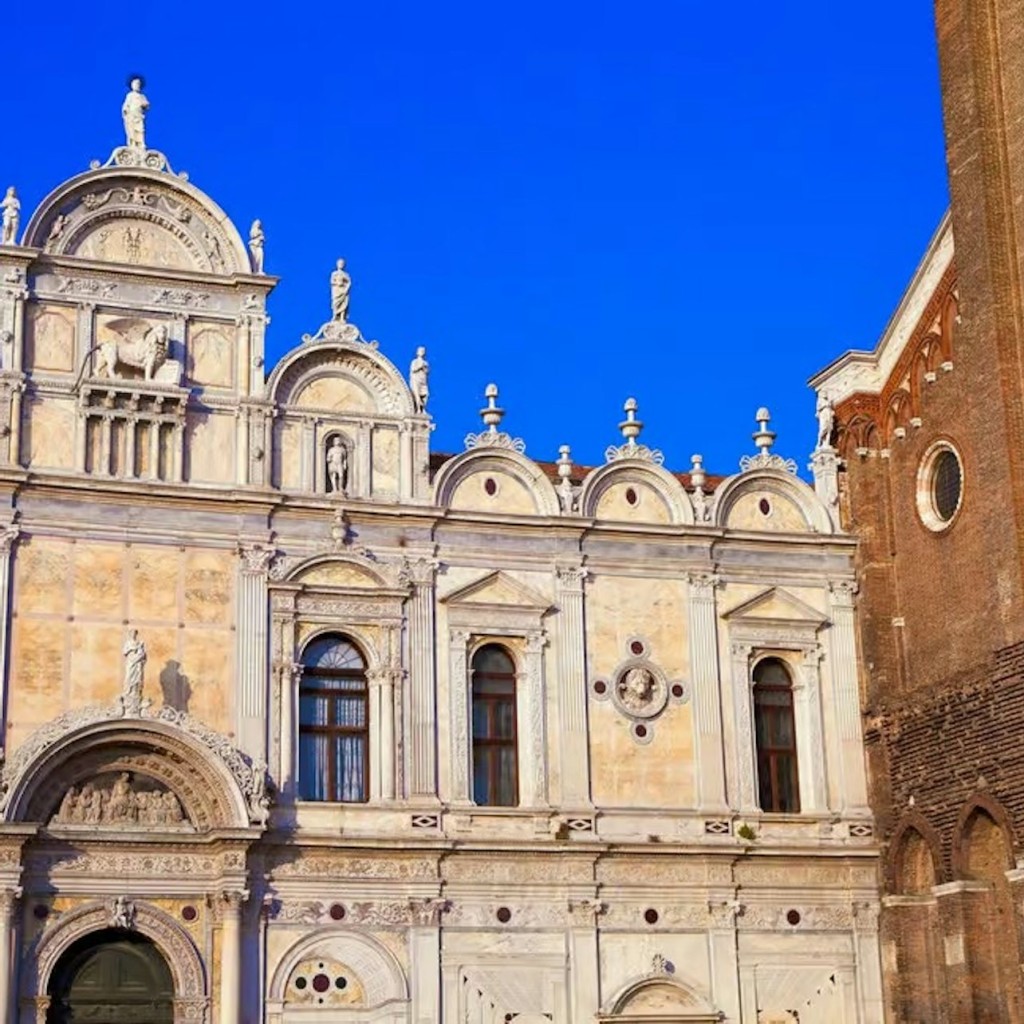
Venice, La Serenissima, boasts a captivating history spanning over a millennium. Founded in the 5th century by mainlanders fleeing barbarian invasions, its strategic lagoon location provided natural defense, allowing it to grow into a formidable maritime republic. By the 10th century, Venice had established itself as a major trading power, controlling key routes between the East and West. Its wealth was built on trade in spices, silks, and luxury goods, fostering an era of immense artistic and architectural achievement. The city was governed by Doges, elected lifelong rulers, and a complex system of councils, reflecting its unique political structure. Iconic landmarks like St. Mark's Basilica and Doge's Palace testify to its past glory, adorned with treasures and artistry from across the Mediterranean. The Renaissance saw Venice flourish further, producing masters like Titian and Tintoretto. However, the discovery of new trade routes in the 15th and 16th centuries gradually led to its decline as a major power. Despite this, Venice retained its cultural vibrancy until its fall to Napoleon in 1797. Today, Venice stands as a living museum, its history etched into every canal, bridge, and palazzo, offering endless discovery for those who explore its labyrinthine streets.