What's Included
- Entry to the Natural History Museum Vienna
- English or German-speaking guide (based on option selected)
Explore a visual journey through the Natural History Museum Vienna, capturing the awe-inspiring architecture and incredible diversity of its world-renowned collections.
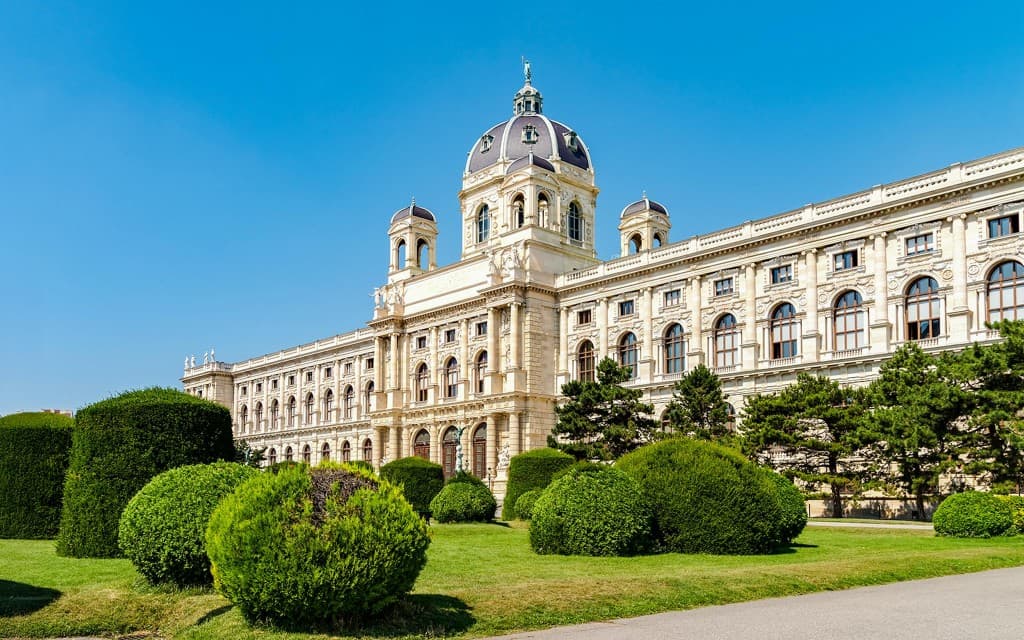
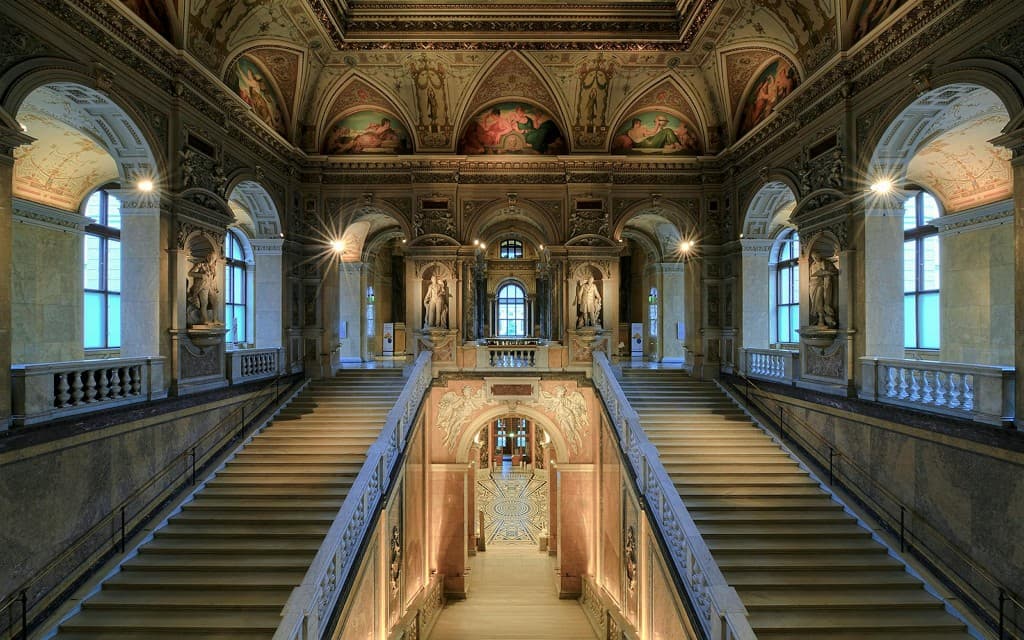
The Natural History Museum Vienna, or Naturhistorisches Museum Wien, is one of the largest and most significant natural history museums in the world. Housed in an opulent palace on Maria-Theresien-Platz, it presents an extraordinary journey through billions of years of Earth's history and the evolution of life. Its vast collections span over 30 million objects, offering a comprehensive look at biodiversity, geology, palaeontology, and anthropology. Visitors can explore everything from precious minerals and gigantic dinosaur skeletons to unique ethnographic artifacts. A visit promises an enriching experience for all ages, combining scientific exploration with the grandeur of imperial architecture, making it a cornerstone of Vienna's cultural landscape.
There is no specific dress code for visiting the Natural History Museum Vienna. Casual and comfortable attire is perfectly acceptable, as you will likely be doing a fair amount of walking. However, dressing respectfully is always appreciated, particularly when visiting cultural institutions. Given Vienna's climate, it is advisable to dress in layers, especially during cooler months, to ensure comfort while moving between the potentially varied temperatures of the exhibition halls.
Walk through Vienna’s Natural History Museum and experience the evolution of life, from prehistoric giants and ancient meteorites to early human creativity and the beauty of the mineral world.
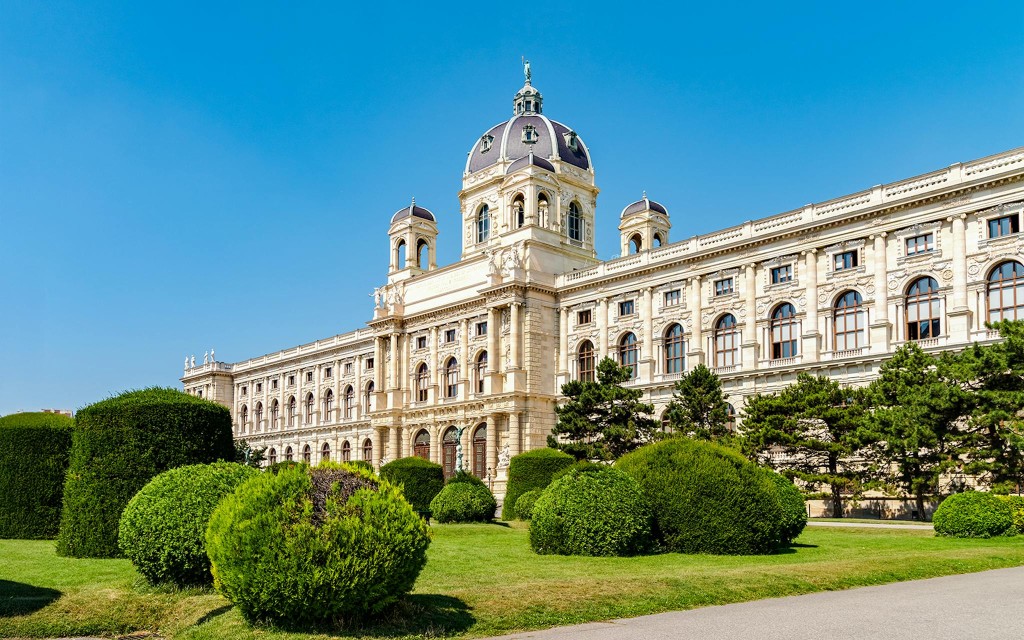
The museum's grand entrance sits on Maria-Theresien-Platz, facing the twin Kunsthistorisches Museum. Show your ticket at the main counter just inside the central dome hall, then proceed through a brief security check. Once inside, you’re free to explore the museum at your own pace.
Established in 1889, the Natural History Museum is not only an architectural gem but also a treasure trove of scientific knowledge. Spanning over 39 grand exhibition halls, the museum offers a deep dive into the history of Earth, from the formation of the solar system to the development of human civilizations.
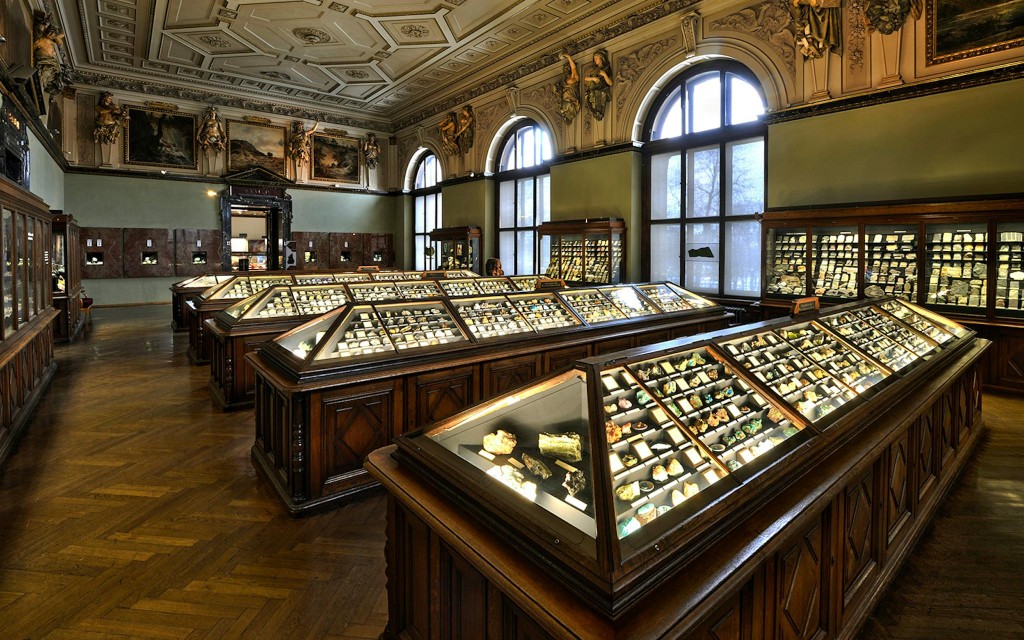
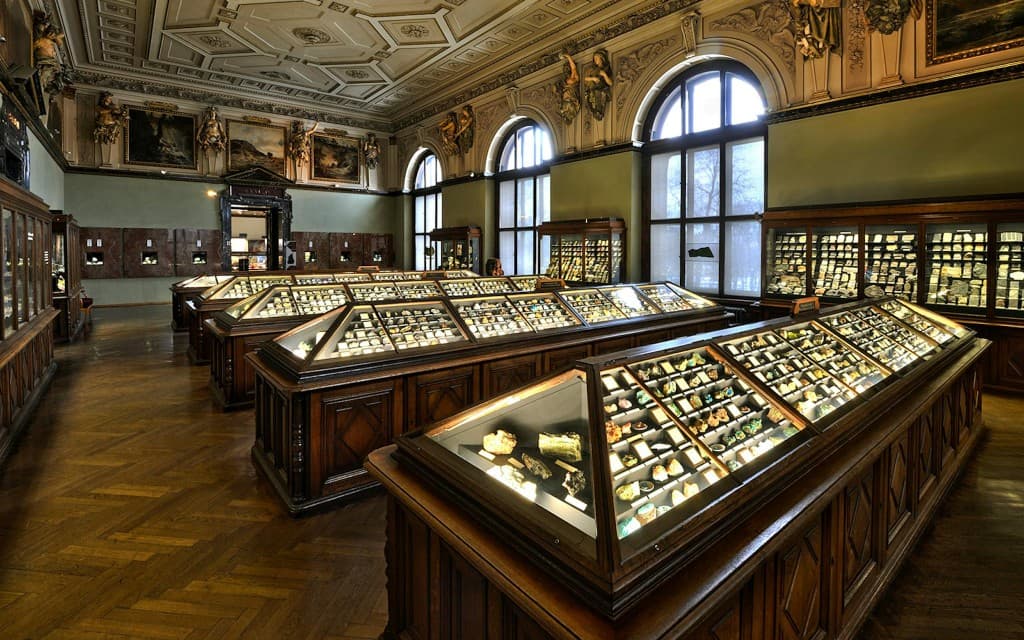
The journey begins with mineralogy and meteorites, including one of the world’s largest public meteorite displays, before unfolding into mesmerizing fossil collections and prehistoric relics.
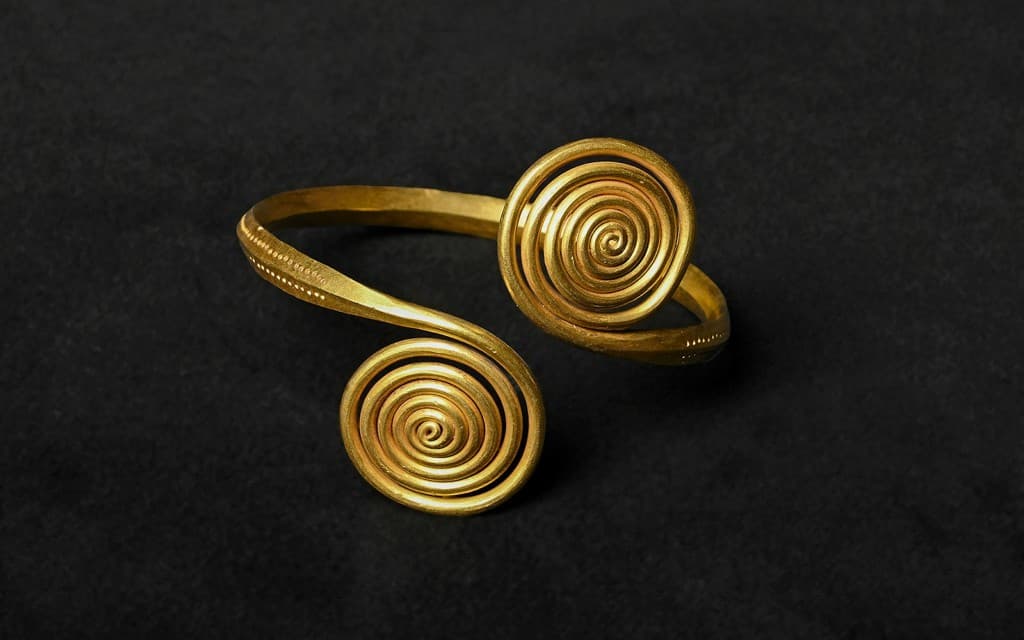
Among its permanent highlights is the famed Venus of Willendorf, a 29,500-year-old figurine that offers a rare glimpse into early human artistic expression.
Young explorers will delight in the 'Ice Age Children and Their World', a hands-on children’s hall that recreates life during the last Ice Age with immersive displays and interactive activities.
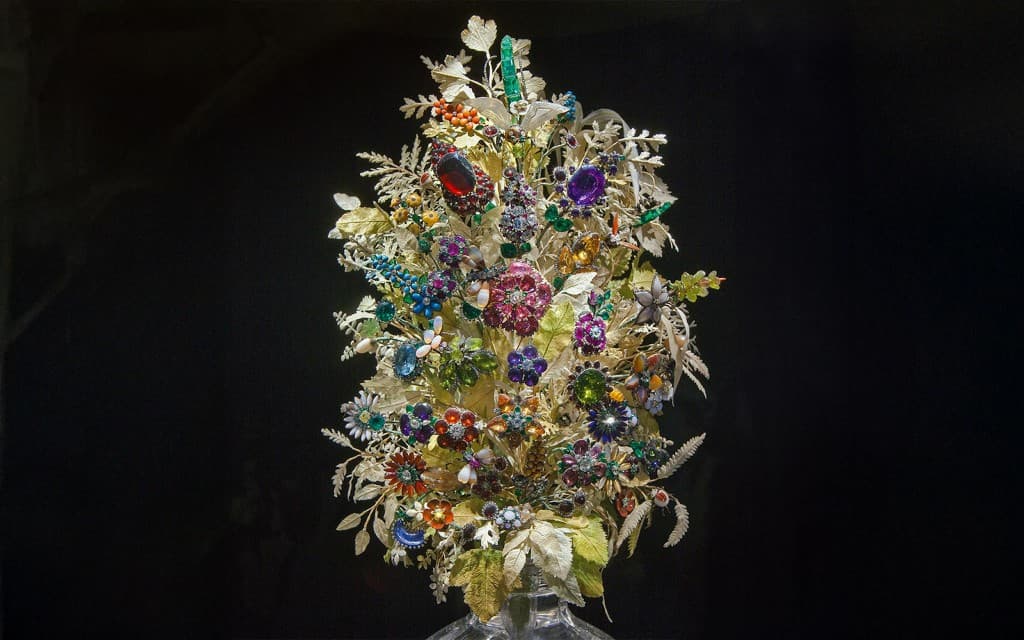
In Hall 1, the Crystal World invites you into a glittering landscape of minerals and gemstones. Interactive stations encourage you to touch, observe, and experiment, offering a hands-on look at how these natural structures form and reveal the hidden geometry of our planet.
Meanwhile, the newly renovated Amphibians and Reptiles Rooms reveal the fascinating evolutionary adaptations of cold-blooded species with vivid dioramas and detailed specimens.
The museum is also known for its ever-evolving special exhibitions, or Sonderausstellungen, which delve into diverse themes—from public health campaigns to quirky natural history niches, such as the cultural significance of rhinoceroses.
Comfortable, closed-toe shoes are recommended—some floors and gallery transitions aren’t carpeted, and you’ll do a lot of walking.
If you plan to borrow a wheelchair, you must bring a valid photo ID to leave at the front desk.
Large bags, full-size backpacks, umbrellas, tripods, walking sticks without medical necessity, and bulky coats must be checked into the cloakroom near the entrance.
Food and beverages are not permitted inside the exhibition areas under any circumstances.
Pets are not allowed inside the museum; only certified assistance animals such as guide dogs are permitted.
Photography with flash or any form of professional filming equipment is not allowed without advance written permission.
The museum is partially wheelchair accessible, with ramp entry via Burgring 7 and elevator access to all exhibition floors. However, the rooftop tour is not accessible due to stairs and limited space.
Wheelchairs are available to borrow free of charge at the information desk, though availability is limited and provided on a first-come, first-served basis.
Accessible restrooms are located on every main floor, including one near the café's guest garden area.
To make the most of your visit, arrive early—last admission is 30 minutes before closing (5:30pm from Thursday to Monday and 7:30pm on Wednesdays).
The main entrance is at Maria-Theresien-Platz, 1010 Wien, with the ticket office located right in front of it. For visitors using wheelchairs, please use the accessible entrance at Burgring 7, 1010 Wien.
The information desk is located inside the museum, in the Entrance Hall at the 'Unterer Kuppelsaal'.
Children under the age of 14 must be accompanied by an adult at all times while inside the museum.
Most visitors begin on the ground floor, so starting on the upper levels (especially in the morning) gives you a quieter experience in the fossil, anthropology, and meteorite halls.
Although the lockers are free to use, you’ll need a 1-euro coin as a deposit, which is returned when you unlock them.
Strollers are allowed, but during peak times, staff may ask you to temporarily park them in designated areas to reduce congestion.
The museum café, located under the central dome, serves a range of hot meals, pastries, and drinks, and is open daily except Tuesdays.
A museum shop on the ground floor offers a variety of themed souvenirs, including books, gemstones, fossils, and educational toys.
The Natural History Museum Vienna is a monumental institution dedicated to the preservation and study of the natural world. Situated in a stunning historic building that mirrors the Kunsthistorisches Museum across the square, it boasts 39 exhibition halls designed to captivate and educate. The museum's diverse collections originated from the vast scientific acquisitions of the Habsburg monarchy, meticulously gathered over centuries. Today, it serves as a leading research center and a popular attraction, inviting visitors to delve into its extensive displays. From rare gemstones and ancient fossils to meticulously preserved animal specimens and human origins, the museum covers nearly every aspect of natural history. Interactive exhibits and detailed presentations provide insights into complex scientific concepts, while the sheer scale and beauty of the exhibits leave a lasting impression. It stands as a testament to humanity's enduring curiosity about the universe and its inhabitants.
Booking your Natural History Museum Vienna entry ticket online offers a convenient way to plan your visit and save time upon arrival. Online tickets often allow for expedited entry, enabling you to bypass general admission queues and begin your exploration without delay. This is particularly beneficial during peak tourist seasons or on weekends when the museum can be very busy. Securing your tickets in advance ensures guaranteed access, providing peace of mind and a smoother, more enjoyable experience from the moment you step foot in this magnificent institution.
The history of the Natural History Museum Vienna is deeply intertwined with the Habsburg monarchy's passion for collecting and scientific inquiry. Its origins trace back to the 18th century with Emperor Franz Stephan I, husband of Empress Maria Theresia, who acquired a vast collection of natural objects, including minerals and precious stones. This collection formed the core of what would become a world-class institution. Over generations, the Habsburg emperors expanded these collections significantly, funding expeditions and scientific research worldwide. The current magnificent building on Maria-Theresien-Platz was commissioned by Emperor Franz Joseph I and designed by Gottfried Semper and Carl von Hasenauer. It was officially opened in 1889, purpose-built to house the Imperial Natural History Collections. Since then, the museum has continued to grow its collections, conduct vital research, and educate the public, preserving its rich imperial legacy while embracing modern scientific advancements.
The Natural History Museum Vienna typically welcomes visitors from 9:00 AM or 9:30 AM, with closing times varying between 6:00 PM and 6:30 PM. It is generally closed to the public on Tuesdays. On Wednesdays, the museum often has extended evening hours, closing later. It is advisable to note that opening hours can be subject to change, especially on public holidays or for special events. Please plan your visit accordingly, allowing ample time to explore the extensive collections.
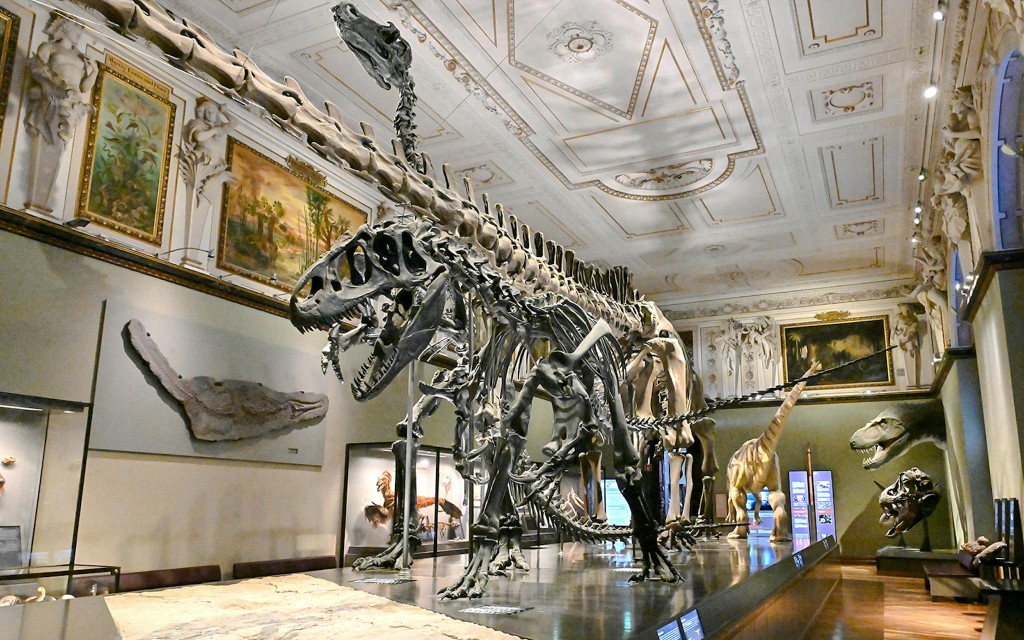
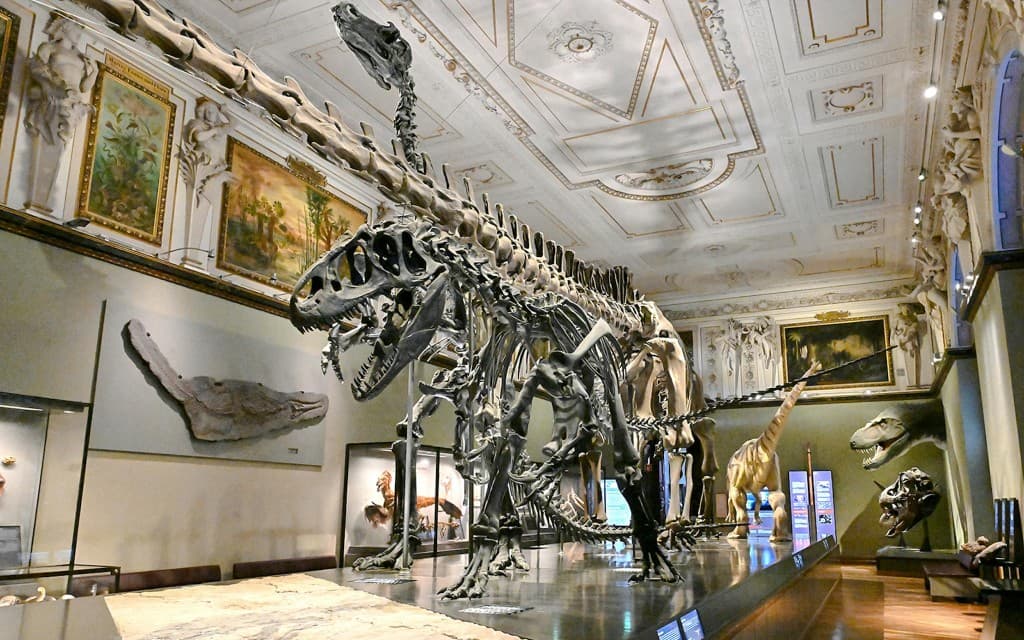
To experience the Natural History Museum Vienna with fewer crowds and a more relaxed atmosphere, consider visiting on a weekday, particularly in the morning shortly after opening. Weekends and public holidays tend to be busier, especially in the afternoon. During school holidays, the museum can also attract larger groups. Arriving early on a weekday allows you to explore the most popular exhibits, such as the Dinosaur Hall and the Venus of Willendorf, with greater ease. The museum's vastness ensures that even on busier days, there are still quieter sections to discover.
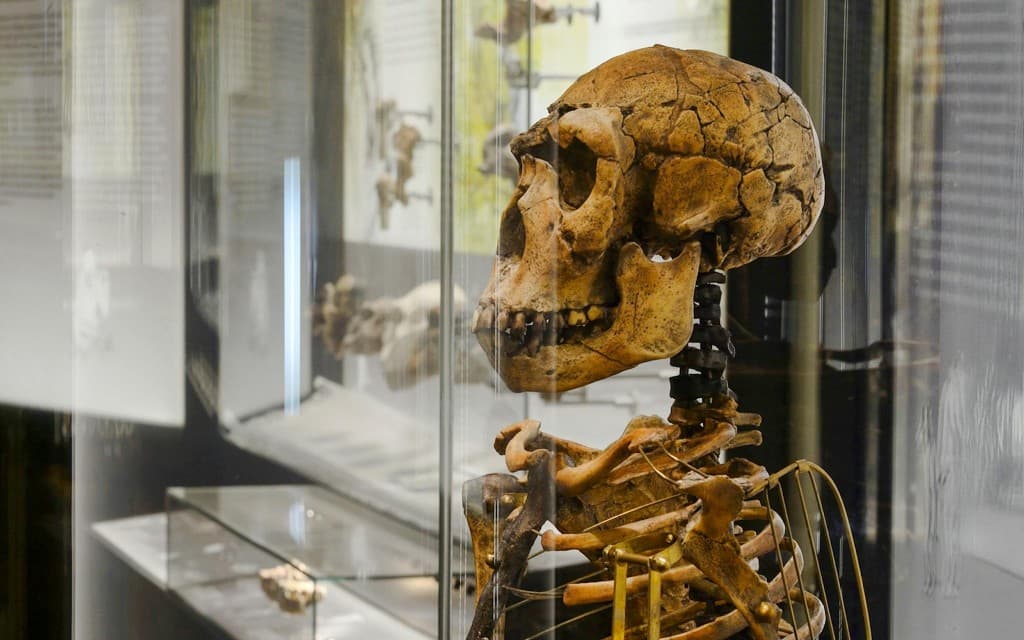
Inside the Natural History Museum Vienna, visitors are treated to an expansive array of exhibits across two floors. The first floor is primarily dedicated to geology, palaeontology, and mineralogy, housing the world-renowned Meteorite Hall and a spectacular collection of gemstones and minerals. The dinosaur hall is a major draw, with impressive skeletons and realistic models. The second floor focuses on zoology, botany, and anthropology. Here, you'll find meticulously arranged displays of diverse animal species, from insects to mammals, showcasing global biodiversity. The Anthropological Hall features significant archaeological finds, including the Venus of Willendorf, offering insights into human history and development. The grand architecture of the building itself, with its ornate ceilings and intricate details, is also a sight to behold.
Wear comfortable shoes as the museum is vast and involves a lot of walking across its numerous halls and two main floors. Consider renting an audio guide to enhance your understanding of the exhibits and their historical significance. The museum has a cafe where you can take a break and a shop for souvenirs. Allow sufficient time for your visit, as rushing through the extensive collections may diminish the experience. Lockers are available for coats and bags. Photography is generally permitted for personal use, but flash photography is typically prohibited to protect sensitive artifacts.
To ensure a pleasant experience for all visitors and to preserve the valuable collections, please observe the museum's rules. Do not touch the exhibits, as this can cause damage. Flash photography is generally not allowed. Food and beverages are not permitted in the exhibition halls but can be consumed in designated areas like the cafe. Running, shouting, or disruptive behavior is discouraged. Large bags and backpacks may need to be stored in lockers. Please respect fellow visitors and maintain a quiet atmosphere.
The Natural History Museum Vienna is undoubtedly worth visiting for its unparalleled collections, stunning architecture, and educational value. It offers a unique opportunity to explore billions of years of natural history under one roof, from the smallest microorganisms to gigantic dinosaur skeletons. The sheer scale and diversity of the exhibits, combined with the grandeur of the imperial building, create an immersive and awe-inspiring experience. Whether you are interested in geology, zoology, palaeontology, or anthropology, or simply seeking a cultural and educational outing, the museum provides fascinating insights and discoveries for visitors of all ages, making it a highlight of any trip to Vienna.
Key highlights include the iconic Venus of Willendorf, the spectacular Dinosaur Hall, the extensive Meteorite Collection, and the impressive displays of minerals and gemstones.
Yes, the museum is very family-friendly, offering many engaging exhibits like the dinosaur hall, interactive displays, and diverse animal collections that captivate visitors of all ages.
Most visitors spend between 2 to 4 hours exploring the museum's numerous exhibition halls, though more time can be spent for a deeper dive into specific collections.
The museum offers various guided tours and audio guides in multiple languages to enhance your understanding of the collections. Specific availability may vary.
Food and beverages are generally not allowed in the exhibition areas but can be consumed in designated cafe or restaurant areas within the museum.
The Natural History Museum Vienna is committed to accessibility, offering elevators and ramps to ensure that all visitors can explore its collections.
It is recommended to purchase your Natural History Museum Vienna entry ticket online in advance to save time and ensure a smooth entry, especially during busy periods.
The Natural History Museum Vienna is easily accessible by public transport. Take the U2 or U3 underground lines to Volkstheater station, which is just a short walk away. Alternatively, tram lines 1, 2, D, and 71 stop at Burgring, also within walking distance. Various bus lines also serve the area around Maria-Theresien-Platz. The museum's central location makes it a convenient destination from most parts of Vienna.
There is no specific dress code for visiting the Natural History Museum Vienna. Casual and comfortable attire is perfectly acceptable, as you will likely be doing a fair amount of walking. However, dressing respectfully is always appreciated, particularly when visiting cultural institutions. Given Vienna's climate, it is advisable to dress in layers, especially during cooler months, to ensure comfort while moving between the potentially varied temperatures of the exhibition halls.