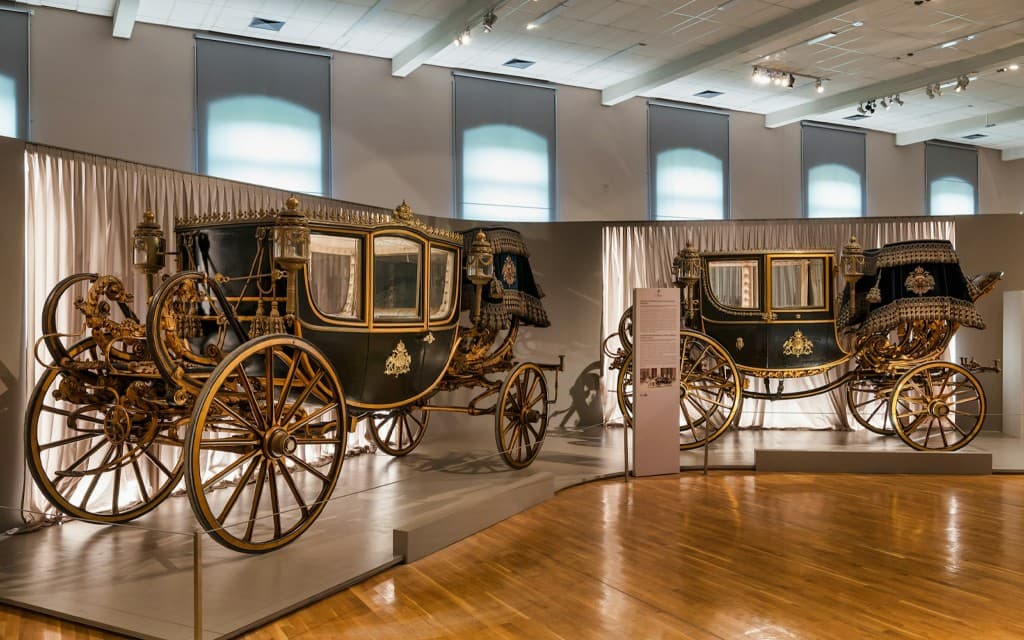
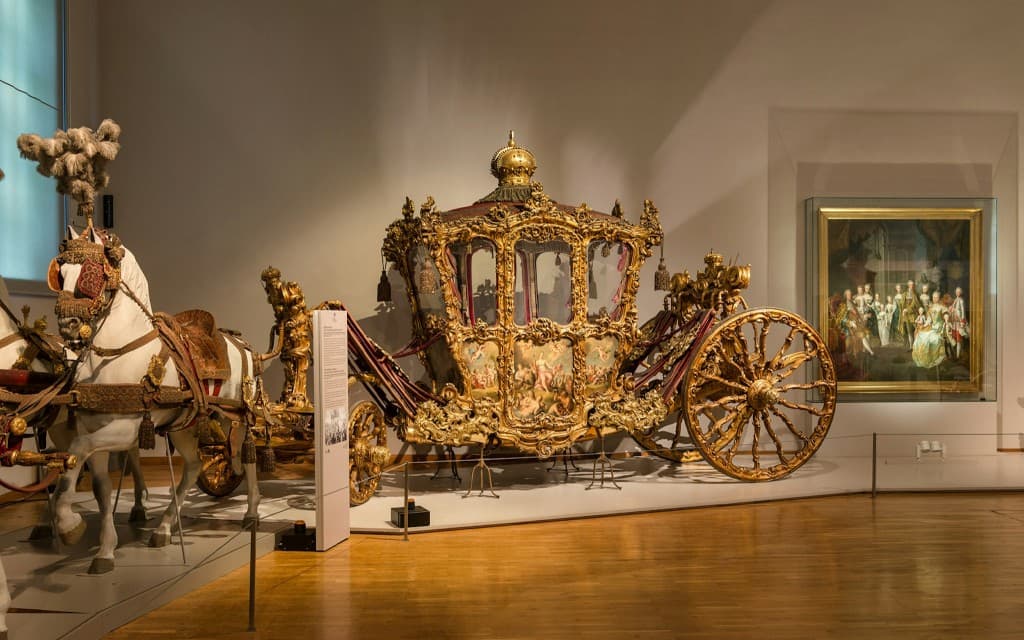
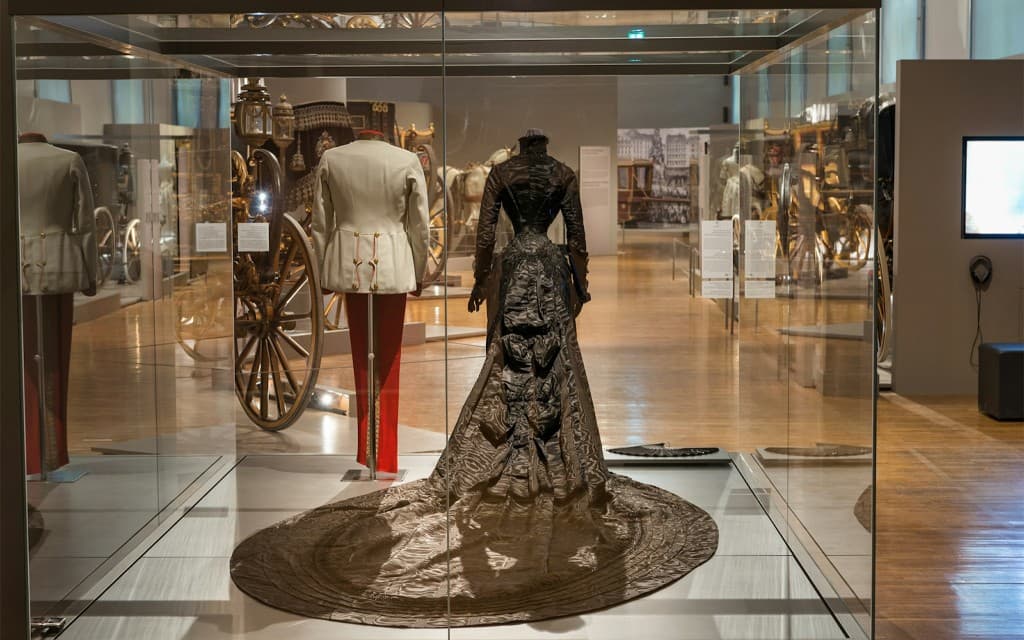
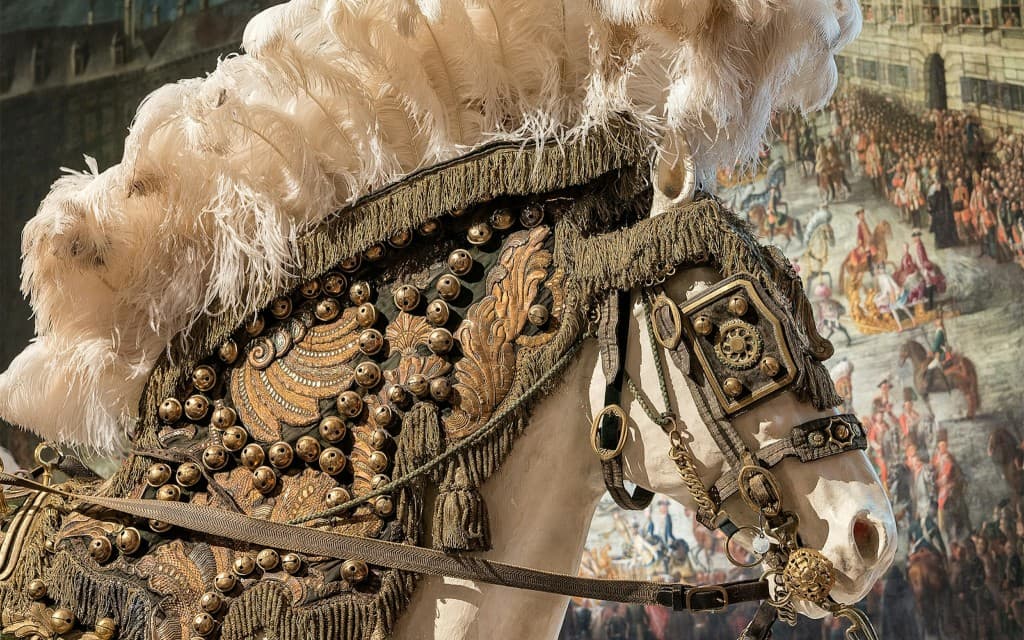

What's Included
- Entrance ticket to the Imperial Carriage Museum
Discover the beauty and grandeur of Schönbrunn Palace through these photos.
Schönbrunn Palace, a UNESCO World Heritage site in Vienna, is a magnificent testament to Austria's imperial history. This sprawling estate, once the summer residence of the Habsburg emperors, offers a captivating blend of architectural grandeur, opulent interiors, and meticulously manicured gardens. Visiting Schönbrunn is an immersive experience, transporting you back to a time of imperial splendor and offering a glimpse into the lives of Austrian royalty. Stroll through the palace's lavish state rooms, wander the vast gardens, and discover hidden fountains and sculptures. Schönbrunn Palace is a must-see destination for anyone seeking to explore Austria's rich cultural heritage. Its beauty and historical significance create a memorable experience for every visitor.
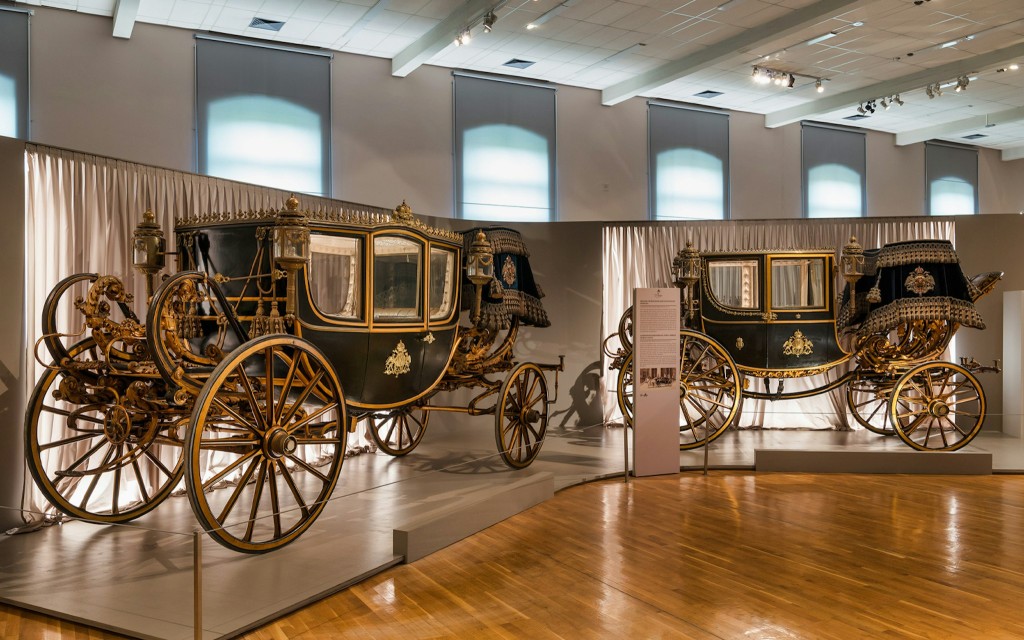
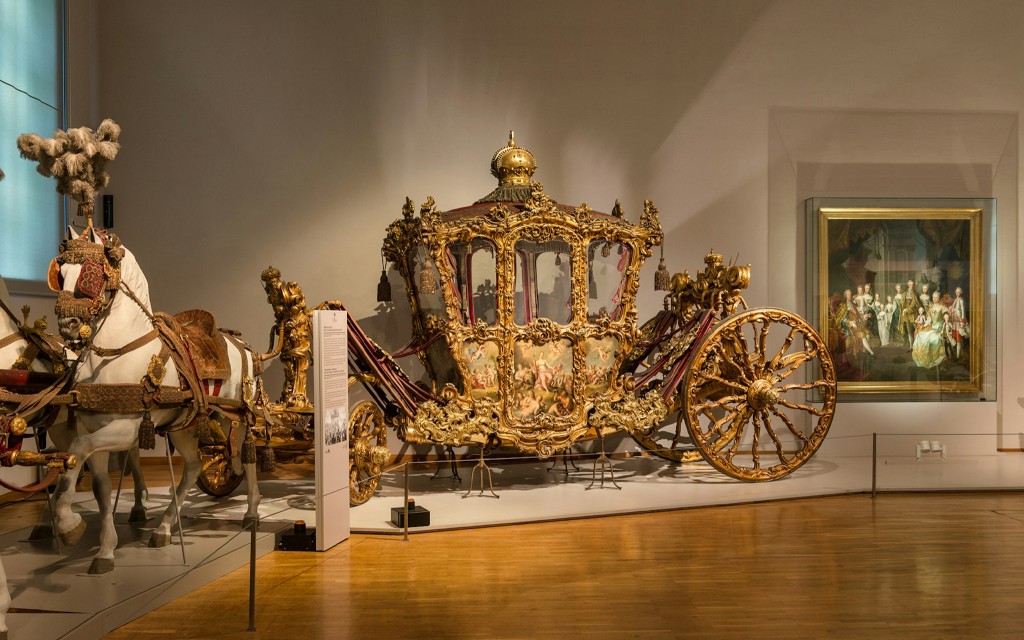
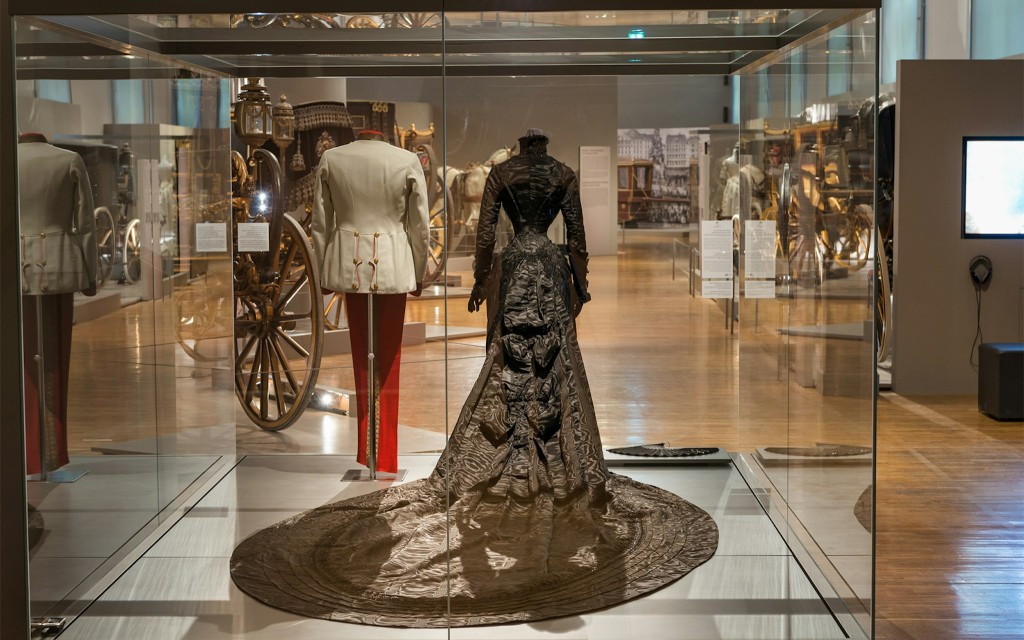
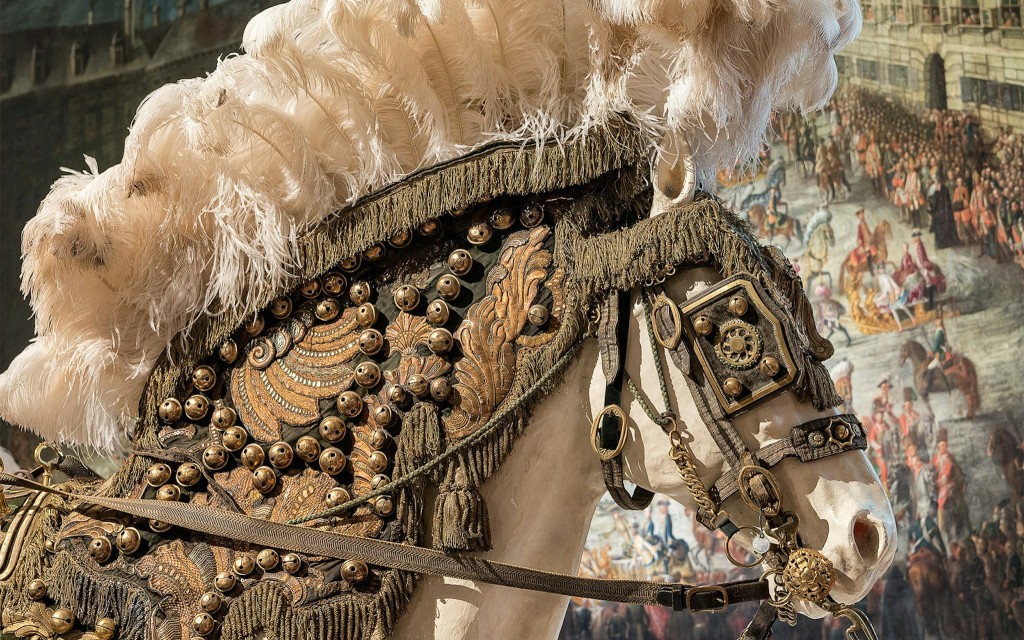
The Imperial Carriage Museum hosts a unique collection of horse-driven carriages, motor vehicles, and other locomotives that symbolize the enchanting world of European royalty. The museum’s exhibits have been widely regarded as the most well-preserved fleet of royal wagons and cars in Europe. Besides the vehicles, the museum also has a wide range of opulent ceremonial robes, servants’ livery, and harnesses on display. The moment you step inside, you will find yourself transported to the era of Maria Theresa, Napoleon Bonaparte, Franz Joseph, and several other prominent figures of the 18th and early 19th century. The Imperial Carriage Museum is particularly well-known for its assortment of royal items that once belonged to Empress Elisabeth (‘Sisi’), including her wedding carriage, saddle, and imperial clothes.
From 18 Dec 2020 to 11 Apr 2021, the museum will also host a special exhibition titled ‘Corona’s Ancestors - Masks and Epidemics at the Viennese Court 1500 - 1918’. As the name suggests, the exhibition will explore the lives and political upheavals surrounding several harrowing pandemics that were rampant between the 16th and 20th centuries. The event aims to foster a broader understanding of how we lived in the perpetual fear of epidemics for most of human history. Some of the most characteristic objects that served as witnesses of past pandemics, such as carnival and tournament masks worn by nobles of the Viennese court, will also be on display. You will also see Habsburg’s ‘garments of mourning’ and fascinating documents that talk about the history of vaccination.
Facilities: Wheelchair Accessibility.
Photographs can be taken with the flash turned off. Tripods are not allowed in the museum.
Although it is not included in the ticket price, an audio guide can be purchased at the venue.
Please note that you will have to compulsorily present your printed ticket at the entrance.
Please Note: Voucher is valid for 3 months after purchase for 1 visit only.
The voucher needs to get redeemed at the venue, no direct entry/skip-the-line is possible.
Daily: 9am - 5pm
Due to dismantling work, closed between 25 April to 29 April 2022.
Schönbrunn Palace stands as a symbol of imperial power and cultural richness. Originally built as a hunting lodge, it was transformed into a stunning palace by Empress Maria Theresa in the 18th century. The palace served as the summer residence of the Habsburg emperors and a venue for important state events. Its design reflects a blend of Baroque and Rococo styles, showcasing the artistic tastes of the era.
Today, Schönbrunn Palace is a museum and a popular tourist attraction, offering visitors a chance to explore its opulent interiors and vast gardens. The palace's significance extends beyond its architectural beauty. It represents a pivotal period in Austrian history, marked by imperial power, artistic innovation, and cultural exchange. Schönbrunn Palace continues to host events and exhibitions, preserving its legacy as a center of culture and history.
Schönbrunn Palace's history dates back to the 14th century when it was known as Katterburg, a monastic estate. In 1569, Emperor Maximilian II acquired the property and transformed it into an imperial hunting ground. The estate suffered significant damage during the Ottoman sieges of Vienna in the 17th century. Emperor Leopold I commissioned the architect Johann Bernhard Fischer von Erlach to design a new palace in 1696, but construction was delayed. Empress Maria Theresa oversaw the palace's transformation into its current form in the 18th century. She commissioned extensive renovations and expanded the gardens.
Schönbrunn Palace became the summer residence of the Habsburg emperors and a center of imperial life. Emperor Franz Joseph, who ruled from 1848 to 1916, was born and died at Schönbrunn. After the fall of the Habsburg monarchy in 1918, the palace became the property of the Austrian Republic and was opened to the public. Today, Schönbrunn Palace is a UNESCO World Heritage site and one of Vienna's most popular tourist attractions.
Schönbrunn Palace welcomes visitors every day of the week. From Monday to Sunday, the palace is open with consistent hours. The daily operating hours are from 8:30 AM to 5:00 PM. Visitors can explore the palace and its attractions during these hours. Keep in mind that specific attractions within the Schönbrunn Palace complex might have different opening times. It's worth checking the schedule for any particular areas you plan to visit.
The best time to visit Schönbrunn Palace is during the shoulder seasons (April-May and September-October). The weather is pleasant, and the crowds are smaller than during the peak summer months (June-August). To avoid the busiest times, plan your visit for a weekday morning. Arriving early allows you to explore the palace and gardens before the tour groups arrive. Consider visiting in the late afternoon for a more relaxed experience, although some attractions may close earlier.
Before booking your Schönbrunn Palace tickets, keep the following in mind:
To ensure a pleasant experience for all visitors, please observe the following rules:
Schönbrunn Palace is undoubtedly worth visiting for its stunning architecture, rich history, and cultural significance. Walking through the palace's opulent rooms and expansive gardens is like stepping back in time to the era of the Habsburg emperors. The palace offers a captivating glimpse into the lives of Austrian royalty and the artistic tastes of the time. Whether you're a history buff, an art enthusiast, or simply looking for a beautiful place to explore, Schönbrunn Palace has something to offer everyone. The palace's grandeur and beauty create a memorable experience that will stay with you long after you leave. From the Hall of Mirrors to the Gloriette, every corner of Schönbrunn Palace is filled with wonder and charm. A visit to Schönbrunn is an essential part of any trip to Vienna.
You can book Schönbrunn Palace tickets online through our website for the best deals and guaranteed entry.
Schönbrunn Palace tickets can be purchased online or at the ticket counters on-site. Booking online through our website is recommended to avoid queues.
Yes, booking Schönbrunn Palace tickets online is highly recommended for convenience, guaranteed entry, and access to exclusive deals. Visit our website to book.
Enter Schönbrunn Palace by presenting your ticket at the designated entrance for your ticket type. Follow the signs and instructions provided by the staff.
The best time to visit Schönbrunn Palace is during the shoulder seasons (April-May and September-October) or on weekday mornings to avoid large crowds.
A comprehensive tour of Schönbrunn Palace, including the gardens, typically takes 3 to 4 hours.
Yes, Schönbrunn Palace is definitely worth visiting for its stunning architecture, rich history, and beautiful gardens. It's a must-see attraction in Vienna.
Photography is generally allowed inside Schönbrunn Palace, but flash photography may be prohibited in certain areas.
Yes, guided tours of Schönbrunn Palace are available. Consider booking one to learn more about the palace's history and art. Check our website for tour availability.
There is no specific dress code for visiting Schönbrunn Palace, but it is recommended to dress respectfully.
Schönbrunn Palace is easily accessible by public transportation. Location: Schönbrunner Schloßstraße 47, 1130 Wien, Austria. The U4 metro line stops directly at the Schönbrunn station. Tram lines 10 and 58, and bus line 10A, also stop near the palace entrance. If arriving by car, parking is available, but it can be limited during peak season.