Entradas para la Acrópolis y el Partenón con audioguía (Acropolis Tickets + Acropolis Multilingual Audio Guide)Entradas para la Acrópolis y el Partenón con audioguía (Acropolis Tickets + Acropolis Multilingual Audio Guide) - 1Entradas para la Acrópolis y el Partenón con audioguía (Acropolis Tickets + Acropolis Multilingual Audio Guide) - 2Entradas para la Acrópolis y el Partenón con audioguía (Acropolis Tickets + Acropolis Multilingual Audio Guide) - 3

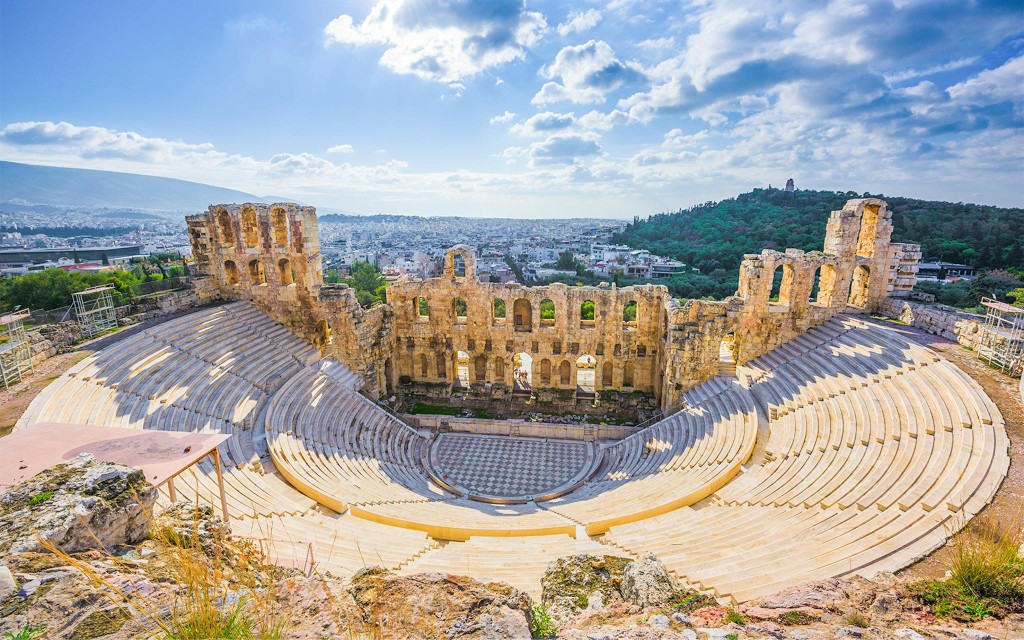
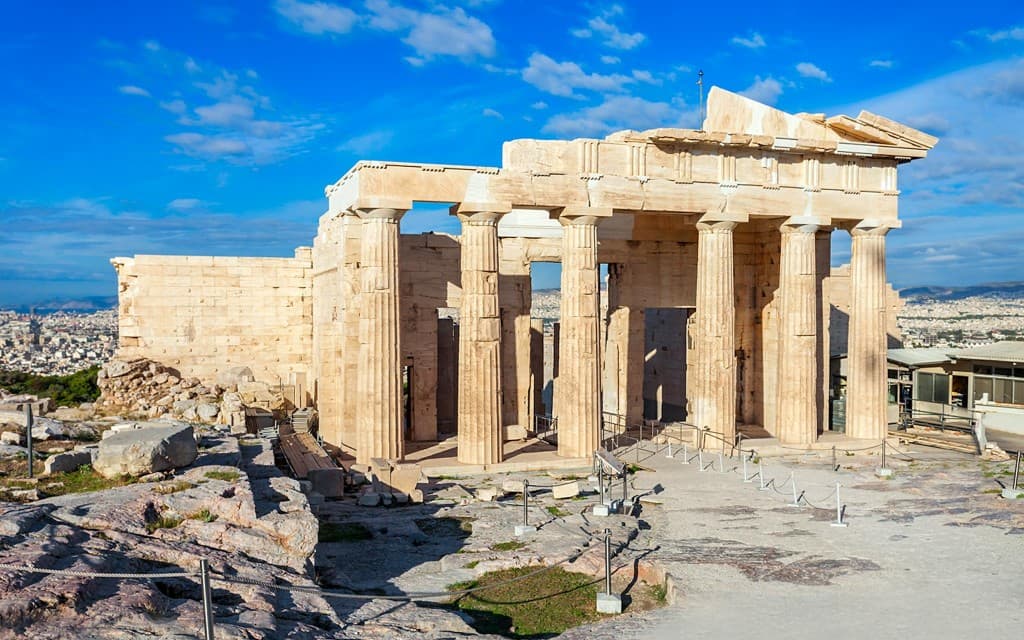
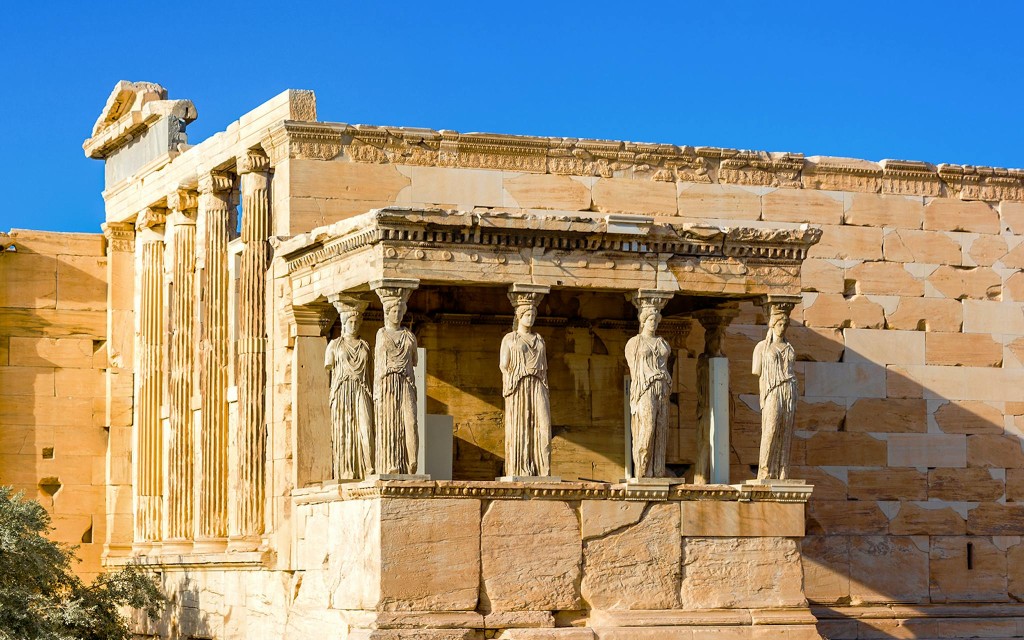
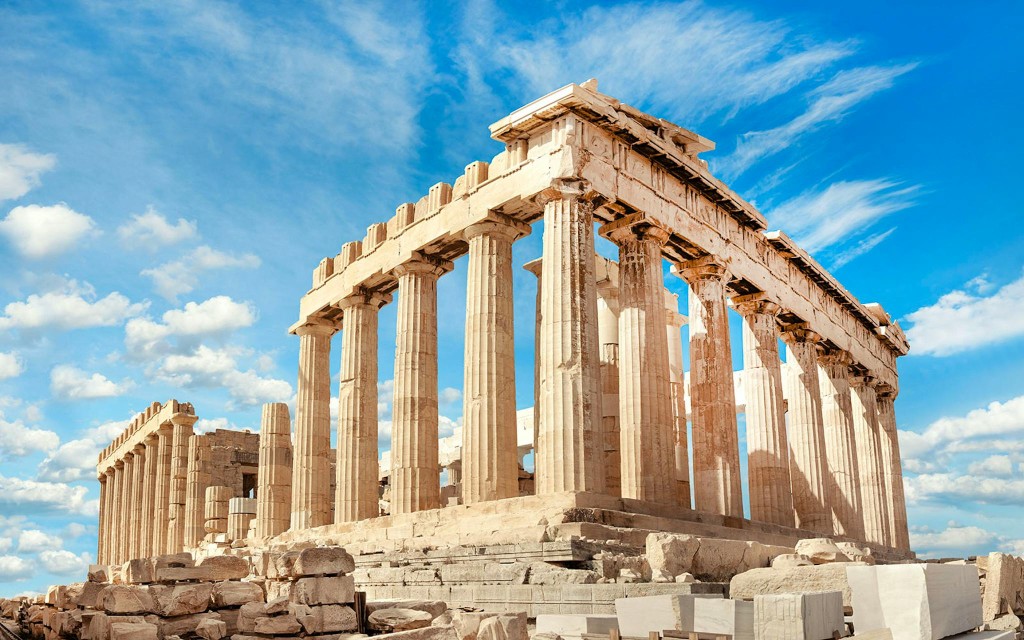
Discover captivating images of the Acropolis and Parthenon, showcasing the grandeur of ancient Greek architecture and the breathtaking views from this historic landmark.

Explore the magnificent Acropolis of Athens, a UNESCO World Heritage Site and the enduring symbol of Classical Greece. Perched high above the bustling city, this ancient citadel invites visitors to step back in time and witness the architectural marvels that defined a civilization. At its heart stands the Parthenon, the majestic temple dedicated to the goddess Athena, embodying the peak of Doric order. A visit here offers a profound journey through history, art, and philosophy, providing unparalleled panoramic views of Athens and the Aegean beyond. Discover the legends and stories embedded in every stone of this historic site.

Desde44.52
ADULT
44.52
Duración
2 horas
Punto de encuentro
Athens, GR
Horario de apertura
Opening hours for the Acropolis vary seasonally, generally opening early in the morning and closing in the late afternoon or early evening. It typically remains closed on major public holidays.
Duración de la visita
A typical visit to the Acropolis and Parthenon usually takes between 2 to 3 hours to fully explore the site.
Mejor momento para visitar
The best time to visit the Acropolis is early morning or late afternoon to avoid crowds and the midday heat, especially during warmer months.
Dirección
The Acropolis is located atop a prominent rocky hill in the heart of Athens, Greece, overseeing the entire city.
Código de vestimenta

There is no strict dress code for visiting the Acropolis, as it is an outdoor archaeological site. However, comfortable and practical attire is highly recommended. Given the uneven terrain, many stairs, and potential for hot weather, wear comfortable walking shoes with good grip. Light, breathable clothing is advisable during summer. In cooler months, layered clothing is appropriate. A hat and sunglasses are also recommended for sun protection year-round.

Resumen de la experiencia

Qué está incluido

  • Entrada con horario programado a la Acrópolis
  • Tour de 2 horas guiado por expertos (según la opción elegida)
  • Tour autoguiado de la Acrópolis (según la opción elegida)
  • Audioguía histórica disponible en inglés, francés, alemán, español e italiano (según la opción seleccionada)
  • Audioguía del casco antiguo de Atenas (Plaka) (según la opción elegida)
  • Entrada al Museo de la Acrópolis (según la opción elegida)
  • Acceso sin conexión, narración de audio y un mapa en línea (según la opción seleccionada)
  • Acrópolis
  • Partenón
  • Templo de Atenea Nike
  • Odeón de Herodes Ático
  • Teatro de Dionisio Eleutereo
  • Erecteión
  • Propylaea
  • Casco antiguo de Atenas (Plaka) (según la opción elegida)
  • Museo de la Acrópolis (según la opción elegida)
  • Excavación subterránea de un barrio antiguo en el Museo de la Acrópolis (según la opción elegida)
  • Athens Classic MegaPass (según la opción elegida)

Qué no está incluido

  • Traslados
  • Comida y bebidas
  • Dispositivo móvil para app de audio

Tu experiencia

Desde la Acrópolis hasta el ágora antigua, contempla los lugares más legendarios de Atenas con un tour guiado o explora a tu ritmo con una audioguía multilingüe.

Inicio

Tu visita comienza en la Acrópolis, donde te reunirás con tu guía en el punto de entrada designado o comenzarás tu tour autoguiado con una audioguía. Si has elegido un tour guiado, tu experto te presentará la historia del lugar antes de guiarte por esta antigua ciudadela.

Lo que te espera

La Acrópolis

Pasea por los Propileos, la gran Gateway de la Acrópolis, y disfruta de unas vistas panorámicas de Atenas. Explora el Partenón, la joya de la corona de la Grecia clásica, mientras aprendes sobre su construcción, sus famosas esculturas y su evolución a lo largo del tiempo.

Visita el Erecteión, conocido por sus elegantes columnas cariátides, y el Templo de Atenea Niké, dedicado a la diosa de la victoria. Tu guía (o audioguía) compartirá los mitos que se esconden tras estos templos, incluida la legendaria rivalidad de Atenea y Poseidón por Atenas.

Dirígete al Teatro de Dionisio, cuna del Drama griego, donde los antiguos dramaturgos representaban sus obras. Pásate por el Odeón de Herodes Ático, un anfiteatro romano que sigue albergando representaciones en la actualidad.

Museo de la Acrópolis (opcional)

Actualiza tu entrada para explorar objetos de la Acrópolis, incluidas las Cariátides originales, los mármoles del Partenón y el friso del Partenón. Visita la excavación subterránea del museo, donde se conserva un antiguo barrio ateniense bajo suelos de cristal.

Casco Antiguo (Plaka) (opcional)

Opta por una audioguía del casco antiguo de Atenas para explorar las calles históricas de Plaka, las iglesias bizantinas y las tabernas locales mientras aprendes sobre la evolución de la ciudad.
Know Before You Go

Qué saber antes de tu visita

Qué llevar

  • Ten a mano tu pasaporte, DNI y carné de estudiante para una experiencia sin complicaciones.

  • Adelántate a los acontecimientos y descarga la aplicación de audio de antemano para evitar cualquier fallo de red en el lugar.

  • No te olvides de traer tus auriculares para disfrutar de una experiencia de audioguía inmersiva.

Lo que no está permitido

  • Sólo se permiten mochilas o bolsos pequeños.

  • No se permite el uso de equipos fotográficos profesionales, trípodes ni drones.

Accesibilidad

  • La Acrópolis tiene accesibilidad limitada para visitantes con problemas de movilidad. Aunque hay un ascensor **** cerca de la entrada de la Cuesta Sur, su funcionamiento está totalmente gestionado por el lugar de celebración y puede que no siempre esté disponible. Ponte en contacto con el sitio un día antes de tu visita en el +30 210 3214172 o en el +30 210 9238470 para confirmar la disponibilidad.

  • Algunos caminos están pavimentados, pero el terreno sigue siendo accidentado en muchas zonas, y puede ser necesaria la asistencia.

  • Los visitantes con discapacidad y un acompañante tienen derecho a la admisión gratuita con documentación válida.

  • Hay aseos accesibles en silla de ruedas cerca del Museo de la Acrópolis y de las entradas al recinto.

  • Hay lugares de descanso y bancos disponibles, pero las zonas de sombra son limitadas.

  • El Museo de la Acrópolis es totalmente accesible, con ascensores, rampas y exposiciones táctiles para visitantes con discapacidad visual.

  • Algunos lugares, como el Ágora Romana y el Templo de Zeus Olímpico, tienen caminos más suaves, pero otros, como el Ágora Antigua, presentan un terreno accidentado.

Información adicional

  • Nota: El Partenón de la Acrópolis funciona con un sistema de entrada programada, que requiere que los visitantes reserven con antelación una fecha y una franja horaria. Llega 30 minutos antes para una experiencia sin complicaciones. Puedes introducir hasta 15 minutos antes o después de la franja horaria elegida.

  • La aplicación y las audioguías requieren unos 200-250 MB de espacio en tu dispositivo.

  • La Acrópolis ofrece admisión gratuita en determinados días, como el 6 de marzo, el 18 de abril, el 18 de mayo, el último fin de semana de septiembre, el 28 de octubre y los primeros domingos de noviembre a marzo.

  • El Museo de la Acrópolis también ofrece entrada gratuita el 6 de marzo (Día de Melina Mercouri), el 25 de marzo (Fiesta Nacional), el 18 de mayo (Día Internacional de los Museos) y el 28 de octubre (Fiesta Nacional).

Admisibilidad de la concesión
  • Los ciudadanos de la UE de hasta 25 años tienen admisión gratuita todo el año presentando un documento de identidad o pasaporte válidos.

  • Se recomienda a los visitantes que lleguen 30 minutos antes de la hora de entrada reservada.

  • Los ciudadanos no comunitarios de hasta 25 años tienen admisión gratuita todo el año presentando un documento de identidad o pasaporte válidos.

  • Los niños menores de 6 años, independientemente de su nacionalidad, tienen admisión gratuita con un documento de identidad válido.

  • Las personas mayores de 65 años procedentes de Grecia o de otros Estados miembros de la UE tienen derecho a una tasa de admisión reducida, del 1 de octubre al 31 de mayo de cada año, previa presentación de un documento de identidad o pasaporte válidos.

  • Las personas con discapacidad con un grado de minusvalía igual o superior al 67% y un acompañante tienen derecho a la admisión gratuita, independientemente de su nacionalidad, previa presentación de un documento de identidad o pasaporte válidos.

  • Los ciudadanos griegos en paro pueden beneficiarse de una concesión presentando su DNI junto con una tarjeta de desempleo válida o una prueba de renovación reciente.

  • Las familias griegas con varios hijos pueden obtener ventajas si presentan un documento de identidad y un certificado válido de familia numerosa expedido por la Confederación Suprema Griega de Padres de Familia Numerosa. Si sus niños tienen discapacidades, también deben presentar un Certificado de Discapacidad expedido por el Centro de Certificación de Discapacidades.

Instructions

- Includes Acropolis app-based multilingual audio guide in English, French, Spanish, and Italian, created by historians - Offline access, rich content, audio narration, and online map - Includes entry tickets for Acropolis - Access to the Parthenon, Temple of Athena Nike, Odeon of Herodes Atticus, Theatre of Dionysus, Eleuthereus, Erechtheion & the Propylaea

Qué Esperar

Upon arrival at the Acropolis, expect an uphill walk to reach the main monuments. The paths can be uneven, and there are many steps, so comfortable footwear is essential. The site can be crowded, especially during peak hours and seasons, but the sheer grandeur of the Parthenon and other structures makes it a worthwhile visit. You will have the opportunity to walk around and within the various temples, marveling at their scale and intricate details. Guided tours or audio guides can greatly enhance your understanding of the historical and mythological context. Prepare for stunning photographic opportunities, especially of the Parthenon and the expansive city views from the summit.

Acerca de Acropolis & Parthenon: Ancient Athens' Iconic Landmark

The Acropolis of Athens is a prominent ancient citadel located on a rocky outcrop above the city of Athens, Greece. It served as a natural fortress, a religious center, and a symbol of the city's power and prosperity throughout its long history. The most famous and significant monument on the Acropolis is the Parthenon, a former temple dedicated to the goddess Athena, whom the people of Athens considered their patron. Built in the 5th century BC, during the golden age of Pericles, the Parthenon is an enduring symbol of ancient Greece, its democracy, and its cultural brilliance. Beyond the Parthenon, the Acropolis complex includes other significant structures such as the Propylaea, the monumental gateway to the sanctuary; the Erechtheion, an elegant temple known for its Porch of the Caryatids; and the Temple of Athena Nike, a smaller temple celebrating victory. Together, these structures showcase the pinnacle of ancient Greek architectural and artistic achievement. The site also offers breathtaking vistas of Athens, stretching from the Saronic Gulf to the surrounding mountains, making it a must-visit destination for anyone interested in history, architecture, and stunning landscapes.

Puntos Destacados

Esta entrada te da acceso a la Acrópolis, el Partenón, sus lugares emblemáticos y mucho más, con opciones de tours guiados, visitas autoguiadas y audioguías multilingües.
Explora el Templo de Atenea Niké, el Teatro de Dioniso Eleutereo y el Erecteión, aprendiendo sobre su construcción, su papel en la antigua Atenas y los mitos que dieron forma a la historia griega.
Opta por una audioguía multilingüe para explorarlas a tu ritmo, o únete a un tour guiado para escuchar los comentarios de expertos que dan vida a las ruinas con un contexto histórico y relatos apasionantes.
Mejora tu entrada para incluir una visita guiada u opta por el Museo de la Acrópolis, donde podrás ver las cariátides originales, las esculturas del Partenón y objetos cotidianos de la vida en la Atenas antigua, o elige el Athens Classic MegaPass, con el que podrás visitar los lugares imprescindibles con un solo pase.

¿Por qué reservar en línea?

Booking your Acropolis and Parthenon tickets online offers several advantages, including the convenience of securing your entry in advance and often providing skip-the-line access. This allows you to bypass potentially long queues, especially during peak seasons, saving valuable time. Online booking also provides flexibility with various ticket options, such as combined tickets with audio guides or guided tours, allowing for a more enriched and efficient visit tailored to your preferences. It ensures your entry on your preferred date and time, streamlining your travel experience.

Historia

The history of the Acropolis dates back to the Neolithic period, with evidence of early settlements around 4000 BC. In the Mycenaean era (1600-1100 BC), it became a fortified citadel. However, its golden age truly began in the 5th century BC, following the Persian Wars. Under the leadership of Pericles, an ambitious building program transformed the Acropolis into the monumental complex we largely see today. The Parthenon, built between 447 and 432 BC, was the most significant project, designed by architects Ictinus and Callicrates, with sculptural decoration by Phidias. Subsequent structures like the Propylaea, Erechtheion, and Temple of Athena Nike further enhanced its grandeur. Throughout Roman, Byzantine, Frankish, and Ottoman periods, the Acropolis served various purposes, from a Christian church to a mosque, and later a Turkish garrison. Many of its sculptures and architectural elements were removed or damaged over centuries. In the 19th century, with the establishment of the modern Greek state, efforts began to restore and protect the Acropolis, leading to ongoing archaeological work and conservation projects that continue to this day, preserving its status as a universal symbol of classical spirit and civilization.

Horario de apertura

The Acropolis typically opens daily, though specific hours are subject to seasonal changes. During the summer months (April to October), it generally opens earlier, often around 8:00 AM, and closes later, sometimes around 7:00 PM or 8:00 PM. In winter months (November to March), opening hours are usually shorter, from around 8:30 AM to 5:00 PM. It is closed on certain public holidays, including January 1st, March 25th, May 1st, Easter Sunday, and December 25th and 26th. It is advisable to plan your visit according to the current season.

Mejor momento para visitar

To fully enjoy your visit to the Acropolis and avoid the largest crowds, consider arriving either immediately after opening in the early morning or in the late afternoon, approximately two hours before closing. This strategy also helps in mitigating the intense heat of the Athenian sun, particularly during the summer. Spring (April-May) and autumn (September-October) offer pleasant weather conditions, making them ideal seasons for exploration. Weekdays generally see fewer visitors than weekends. Visiting during these times allows for a more comfortable and less rushed experience, offering better photo opportunities of the Parthenon and other monuments.

Qué ver dentro

Within the Acropolis complex, visitors will encounter several iconic ancient Greek structures. The centerpiece is undoubtedly the Parthenon, the grand Doric temple dedicated to Athena Parthenos, celebrated for its architectural precision and sculptural decoration. The Propylaea serves as the monumental entrance, a complex structure of gateways and columns. To the north stands the Erechtheion, an intricate temple featuring the famous Porch of the Caryatids, where six maiden figures support the roof. Nearby, the small but elegant Temple of Athena Nike guards the entrance. Visitors can also see the remains of the Odeon of Herodes Atticus and the Theatre of Dionysus on the southern slopes, offering glimpses into ancient performance arts. Each structure tells a part of Athens' rich history and mythology.

Cosas que saber

Wear comfortable walking shoes, as the site involves significant walking on uneven surfaces and slopes. Bring water, especially during warmer months, as shade is limited on the Acropolis. Sunscreen, a hat, and sunglasses are also highly recommended. There are limited facilities on the Acropolis itself, so it's wise to use restrooms and purchase refreshments before ascending. Consider purchasing skip-the-line tickets or guided tours online to save time and enhance your understanding of the monuments. Photography is permitted for personal use, but drones are generally prohibited without special permission.

Reglas para visitantes

Visitors are expected to treat the archaeological site with respect. Do not touch or lean on the ancient monuments. Climbing on structures is strictly forbidden. Large bags and backpacks may need to be checked at the entrance. Food and drinks, other than water, are generally not permitted near the monuments. Smoking is prohibited throughout the site. Keep noise levels to a minimum to ensure a peaceful experience for all visitors. Follow all instructions given by site staff for your safety and the preservation of the heritage site.

¿Vale la pena visitarlo?

The Acropolis and Parthenon are undoubtedly worth visiting as they represent the pinnacle of ancient Greek civilization and a cornerstone of Western culture. As a UNESCO World Heritage Site, it offers an unparalleled opportunity to walk among millennia-old structures, understand the roots of democracy and philosophy, and witness architectural genius firsthand. The breathtaking panoramic views of Athens alone make the ascent worthwhile. For anyone with an interest in history, art, or simply experiencing one of the world's most iconic landmarks, the Acropolis provides an unforgettable and deeply enriching experience that transcends time.

Preguntas frecuentes

What is the Acropolis of Athens?

The Acropolis of Athens is an ancient citadel located on a rocky outcrop above the city of Athens, Greece. It is a UNESCO World Heritage Site, home to several historically significant buildings, most notably the Parthenon.

What is the Parthenon?

The Parthenon is a former temple on the Athenian Acropolis, Greece, dedicated to the goddess Athena, whom the people of Athens considered their patron. It is a symbol of ancient Greece and one of the world's greatest cultural monuments.

Do I need to book tickets in advance for the Acropolis?

It is highly recommended to book your Acropolis tickets in advance, especially during peak season, to secure your entry and potentially benefit from skip-the-line access, saving you time.

What is the best way to get to the Acropolis?

The most convenient way to reach the Acropolis is by metro. The 'Acropolis' station on the red line is a short walk from the entrance. 'Monastiraki' station (blue and green lines) is also nearby.

How long does a visit to the Acropolis usually take?

A typical visit to the Acropolis, including time to explore the main monuments like the Parthenon, Propylaea, and Erechtheion, usually takes about 2 to 3 hours.

Are there restrooms and facilities on the Acropolis?

Restrooms and basic facilities are available near the entrance of the Acropolis, but limited directly within the monument area. It's advisable to use them before ascending.

Is the Acropolis accessible for visitors with mobility issues?

While some areas of the Acropolis are challenging due to uneven terrain and steps, there is an elevator available for visitors with severe mobility issues. It is usually accessed from the north slope and requires prior arrangement.

Cómo llegar

The Acropolis is easily accessible by public transport. The nearest metro station is Acropolis (red line), which is a short walk from the site's main entrance. Alternatively, Monastiraki station (blue and green lines) is also within walking distance, offering a scenic route through the historic Plaka district. Various bus and trolleybus lines also serve the area around the Acropolis. Taxis are widely available and can drop visitors near the main entrance points.

Desde
44.52
por persona
ADULT
44.52
Consultar disponibilidad
Política de CancelaciónLa cancelación gratuita no está incluida en esta opción.
Duración
2 horas
Punto de encuentro
Athens, GR
Horario de apertura
Opening hours for the Acropolis vary seasonally, generally opening early in the morning and closing in the late afternoon or early evening. It typically remains closed on major public holidays.
Duración de la visita
A typical visit to the Acropolis and Parthenon usually takes between 2 to 3 hours to fully explore the site.
Mejor momento para visitar
The best time to visit the Acropolis is early morning or late afternoon to avoid crowds and the midday heat, especially during warmer months.
Dirección
The Acropolis is located atop a prominent rocky hill in the heart of Athens, Greece, overseeing the entire city.
Código de vestimenta

There is no strict dress code for visiting the Acropolis, as it is an outdoor archaeological site. However, comfortable and practical attire is highly recommended. Given the uneven terrain, many stairs, and potential for hot weather, wear comfortable walking shoes with good grip. Light, breathable clothing is advisable during summer. In cooler months, layered clothing is appropriate. A hat and sunglasses are also recommended for sun protection year-round.