

Qué está incluido
- Transporte de ida y vuelta
- Visita guiada
- Mapa de Meteora
- Almuerzo (si se elige la opción)
- Audioguía en el interior de los monasterios
- WiFi
- Agua embotellada
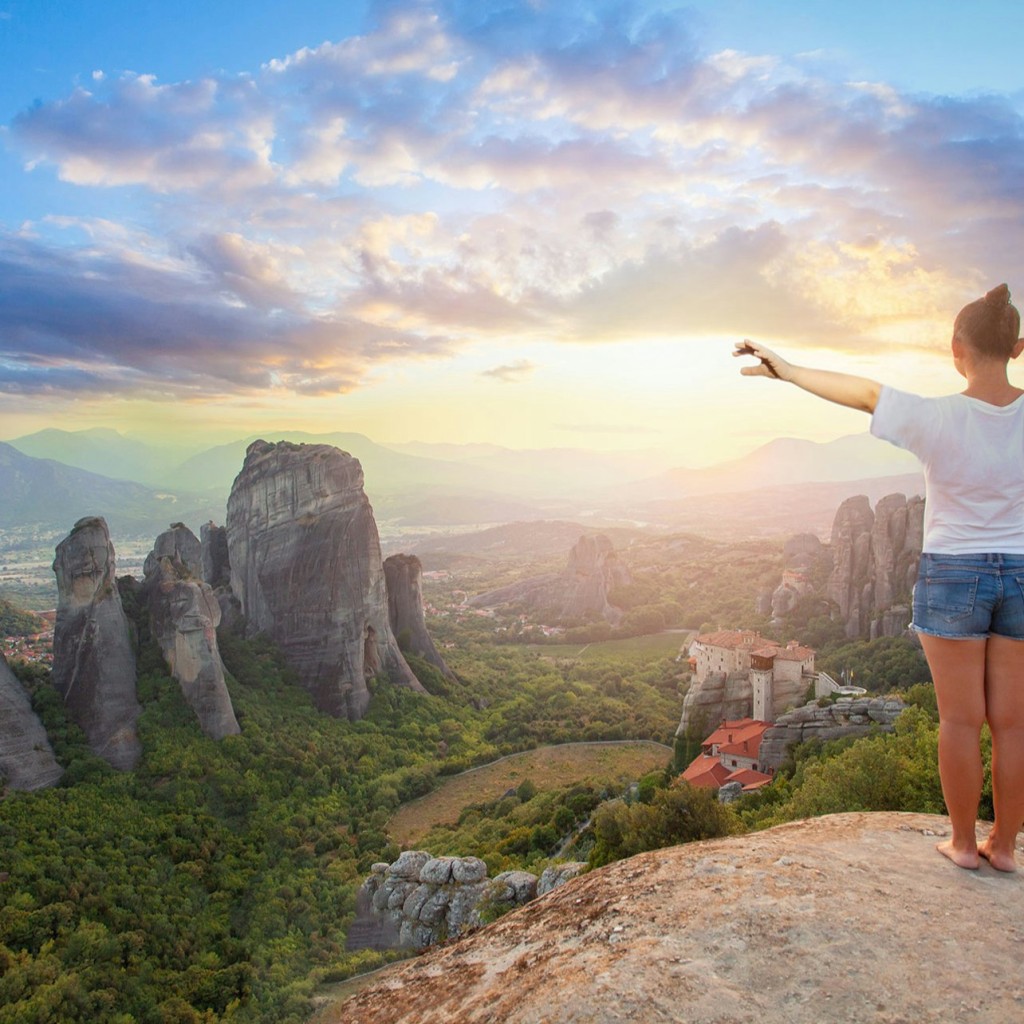
Discover the breathtaking beauty and unique architecture of Meteora through these stunning images, showcasing the monasteries perched atop their majestic rock formations.
Embark on an extraordinary journey to Meteora, a UNESCO World Heritage Site renowned for its breathtaking monasteries perched atop colossal rock pillars. These tours from Athens offer a unique opportunity to witness one of Greece's most remarkable landscapes, blending natural wonder with spiritual devotion. Choose from various itineraries including full-day trips, overnight stays, or multi-day excursions to explore this awe-inspiring destination. Marvel at the intricate architecture, ancient frescoes, and panoramic views that have captivated visitors for centuries. A visit to Meteora provides profound insight into Byzantine history and Orthodox monastic traditions, making it an essential experience for any traveler to Greece.
To enter the Meteora monasteries, visitors must adhere to a modest dress code. For men, this means wearing long trousers and shirts with sleeves. For women, shoulders must be covered, and skirts or dresses should extend below the knee. It is common for some monasteries to provide wrap-around skirts or trousers at the entrance for visitors who are not appropriately dressed, but it is best to come prepared to avoid any delays or inconvenience.
Meteora, meaning 'suspended in the air' in Greek, perfectly describes this complex of monasteries built on natural sandstone rock pillars. This geological phenomenon, located in central Greece near the town of Kalabaka, is a testament to both nature's grandeur and human perseverance. For over 600 years, monks and nuns have inhabited these inaccessible peaks, creating a thriving monastic community that persevered through centuries. Today, six monasteries remain active and are open to visitors, offering a glimpse into their rich history and spiritual significance. Tours from Athens cater to diverse preferences, ranging from convenient train journeys to comfortable coach trips and exclusive private experiences. You can opt for guided explorations of one, two, or even three monasteries, or choose comprehensive packages that include meals and overnight accommodation. Whether you seek historical enlightenment, spiritual solace, or simply stunning photography opportunities, Meteora promises an unforgettable adventure through a landscape unlike any other.
Booking your Meteora tour from Athens online offers convenience and peace of mind. Secure your preferred date and chosen itinerary in advance, ensuring availability, especially during peak travel seasons. Online booking often provides access to a wider selection of tours, including various language options and packages with or without lunch. By booking ahead, you can often benefit from skip-the-line access at popular monasteries, saving valuable time. Additionally, an online reservation confirms your seat on a comfortable transfer and guarantees an expert guide to enrich your experience with historical insights and local knowledge.
The history of Meteora dates back millions of years with the geological formation of its unique rock pillars. Around the 11th century, hermits began settling in caves and crevices of these formidable rocks, seeking solitude and spiritual contemplation. The first organized monastic community emerged in the 14th century, driven by the increasing political instability in the region. Saint Athanasios the Meteorite founded the Great Meteoron, the first and largest monastery, establishing the foundational rules for monastic life. Over the subsequent centuries, twenty-four monasteries were built, many accessible only by rope ladders or primitive winches, creating a resilient spiritual haven. The monasteries flourished until the 17th century, after which many were abandoned or fell into disrepair. Today, six monasteries remain active, meticulously preserved and offering an enduring legacy of Byzantine art and Orthodox spirituality. Meteora was designated a UNESCO World Heritage Site in 1988, recognized for its outstanding cultural and natural significance.
The opening hours for the Meteora monasteries are not uniform and can vary significantly from one monastery to another, as well as by season. Each of the six active monasteries (Great Meteoron, Varlaam, Rousanou, St. Nicholas Anapausas, St. Stephen, Holy Trinity) observes its own schedule and has a specific day of the week when it is closed. During the summer months, hours are generally longer, while winter might see reduced hours. It is advisable to note that all monasteries are closed for a period on their specific closing day. Tours typically plan visits to accommodate these varying schedules, ensuring you visit the maximum possible number of monasteries open on your chosen day.
The optimal periods to visit Meteora are spring (April to May) and autumn (September to October). During these seasons, the weather is mild and pleasant for walking and exploring, and the crowds are generally smaller than in summer. Spring offers lush greenery and blooming wildflowers, while autumn provides beautiful fall foliage. Summer (June to August) can be very hot and crowded, particularly in July and August, which might make climbing steps to the monasteries less comfortable. Winter (November to March) brings colder temperatures and a chance of snow, which can create a dramatically beautiful landscape, but some local services might be reduced, and ice can make paths slippery. Regardless of the season, morning visits are typically recommended to avoid the busiest times.
Within the monasteries of Meteora, visitors will discover a treasure trove of religious art and historical artifacts. Each monastery features unique architectural styles, often incorporating elements designed to blend seamlessly with the natural rock. Inside, you can admire exquisite Byzantine frescoes, many dating back to the 14th and 15th centuries, depicting scenes from the Bible and lives of saints. You will also find intricate icons, ancient manuscripts, and various religious relics. Many monasteries house small museums showcasing monastic life, vestments, and ecclesiastical objects. The chapels are often richly decorated, and from their windows, visitors are treated to unparalleled views of the surrounding Meteora landscape, making the interior experience as captivating as the exterior.
When planning your Meteora tour, remember to wear comfortable walking shoes as there are many steps and uneven paths to navigate at the monasteries. Bring water, especially during warmer months, and a camera to capture the spectacular views. Most tours from Athens include transportation, and often a guide, but entrance fees to the monasteries are usually separate and paid on site. While credit cards are accepted in some places, it is good to carry some cash for small purchases or entrance fees. Be prepared for a full day of travel if coming from Athens, and consider an overnight stay if you wish for a more relaxed pace and to experience Meteora at sunrise or sunset.
Visitors to Meteora's monasteries are expected to adhere to certain rules to respect their sacred nature. These typically include maintaining a quiet demeanor, refraining from loud conversations, and respecting designated areas. Smoking, eating, and drinking are generally not permitted inside the monastery buildings. Large bags or backpacks may need to be left at the entrance or carried with care. Photography is usually allowed in exterior areas and sometimes in specific interior sections, but flash photography might be prohibited. Always follow the instructions of the monastery staff and guides to ensure a smooth and respectful visit.
Meteora is undeniably worth visiting for its unparalleled combination of natural splendor and spiritual profoundness. The sight of centuries-old monasteries clinging precariously to towering rock pillars creates an almost surreal landscape, unique in the world. It offers not only breathtaking panoramic views and incredible photography opportunities but also a deep dive into Greek Orthodox history and monastic traditions. Experiencing the serene atmosphere, exploring the ancient frescoes, and understanding the resilience of the monastic communities provides a deeply enriching cultural and spiritual experience that leaves a lasting impression on every visitor.
Meteora is a UNESCO World Heritage Site in central Greece, famous for its Eastern Orthodox monasteries built on impressive natural sandstone rock pillars. The name Meteora means 'suspended in the air'.
Meteora is approximately 350-400 kilometers (217-248 miles) north of Athens. The journey by train or coach typically takes around 4-5 hours each way.
There are six active monasteries in Meteora that are open to the public: Great Meteoron, Varlaam, Rousanou, St. Nicholas Anapausas, St. Stephen, and Holy Trinity. Most tours visit 1-3 monasteries depending on the itinerary.
A variety of tours are available, including full-day trips by train or coach, overnight excursions with hotel stays, and multi-day packages. Options often include guided tours, audio guides, and sometimes meals.
Yes, a modest dress code is required. Men should wear long trousers and shirts with sleeves. Women must have their shoulders covered and wear skirts or dresses that extend below the knee. Some monasteries provide wraps for women at the entrance.
Yes, you can travel independently by taking a train from Athens to Kalabaka. From Kalabaka, you can use local taxis, buses, or rent a scooter to visit the monasteries. However, organized tours simplify logistics and provide guided insights.
Most tours include round-trip transportation from Athens (by train or coach), a professional guide (English or Spanish, for example), and visits to several monasteries. Some packages also include lunch, audio guides, or overnight accommodation.
From Athens, the most common ways to reach Meteora are by organized tour, train, or private car. Organized tours from Athens usually include comfortable coach travel directly to Meteora, often with a guide. For independent travel, take a train from Athens (Larissis Station) to Kalabaka, the town at the base of Meteora. The train journey offers scenic views. Once in Kalabaka, you can use local taxis, rent a scooter, or join a local bus tour to access the monasteries. Some tours also include transfers by luxury coach or private vehicle.
To enter the Meteora monasteries, visitors must adhere to a modest dress code. For men, this means wearing long trousers and shirts with sleeves. For women, shoulders must be covered, and skirts or dresses should extend below the knee. It is common for some monasteries to provide wrap-around skirts or trousers at the entrance for visitors who are not appropriately dressed, but it is best to come prepared to avoid any delays or inconvenience.