

Qué está incluido
- Acceso a todas las salas principales
- Entrada a la Galería del Tesoro
- Entrada a la Clock Gallery [según la opción elegida]
- Acceso a patios abiertos [según la opción elegida]
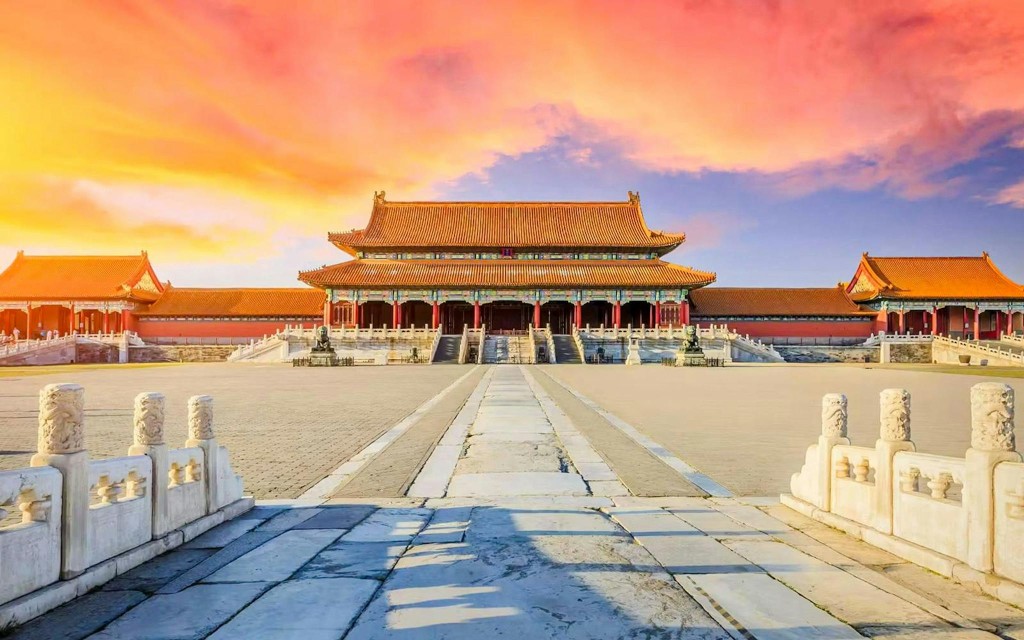
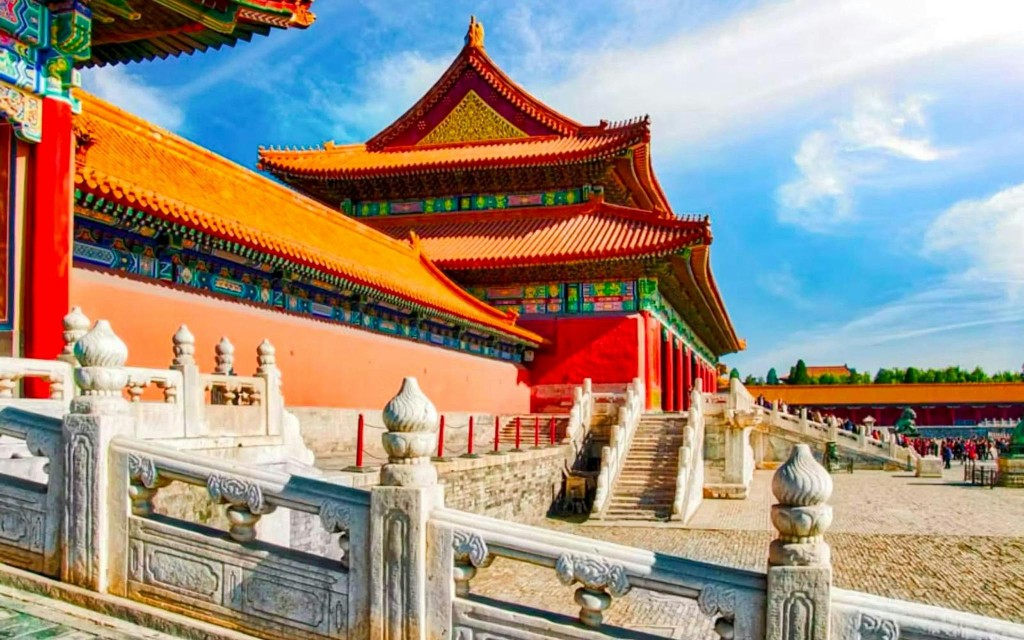
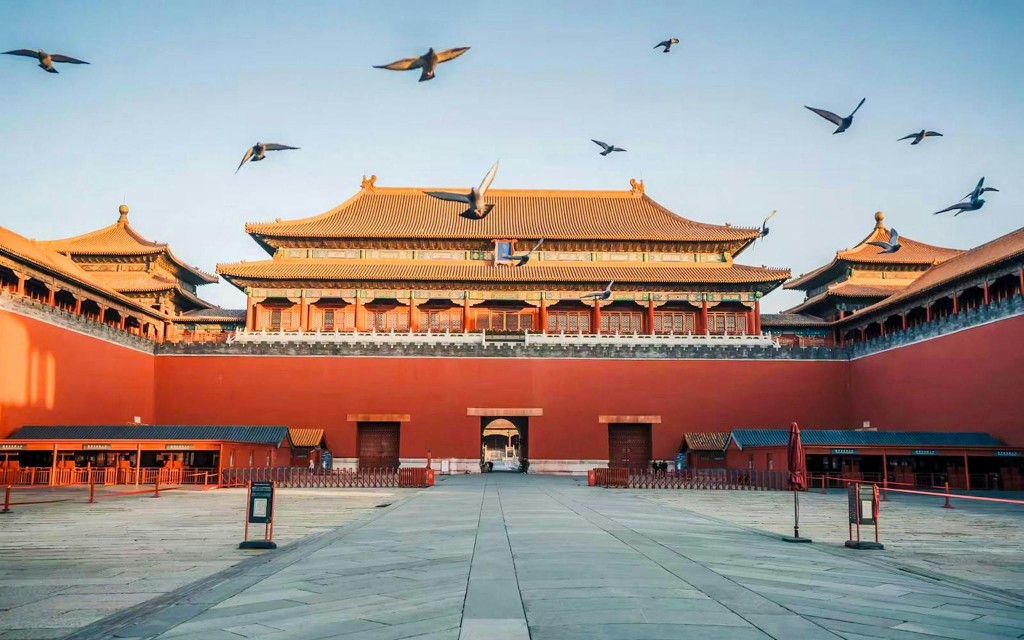
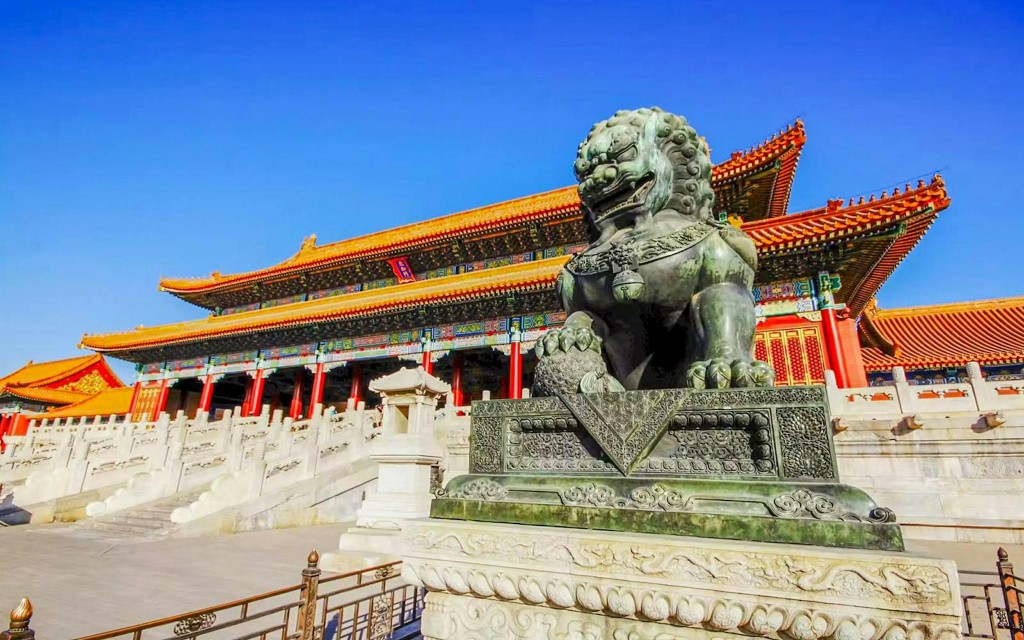
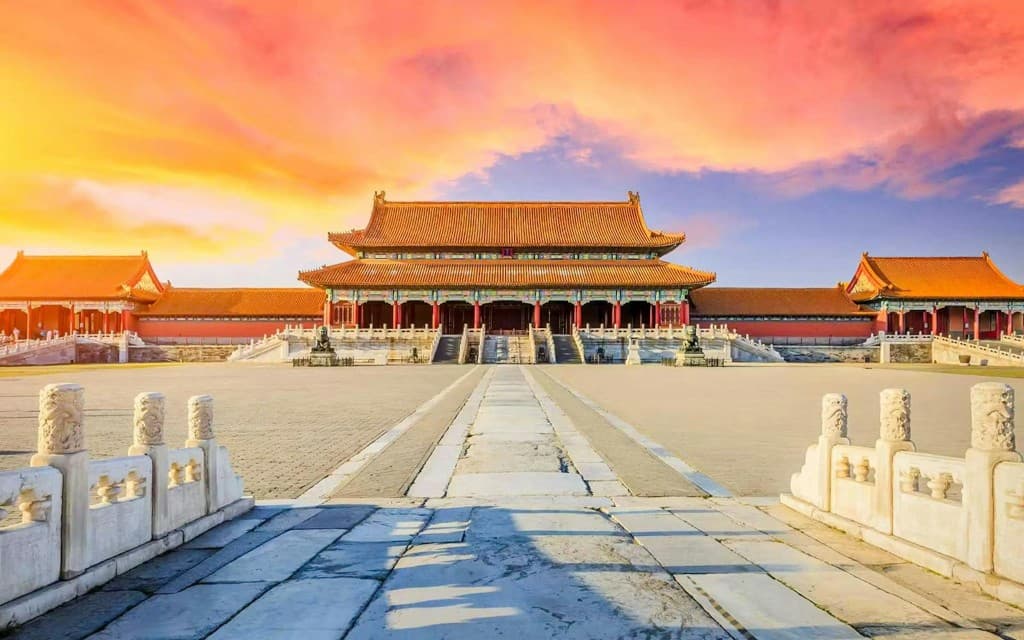
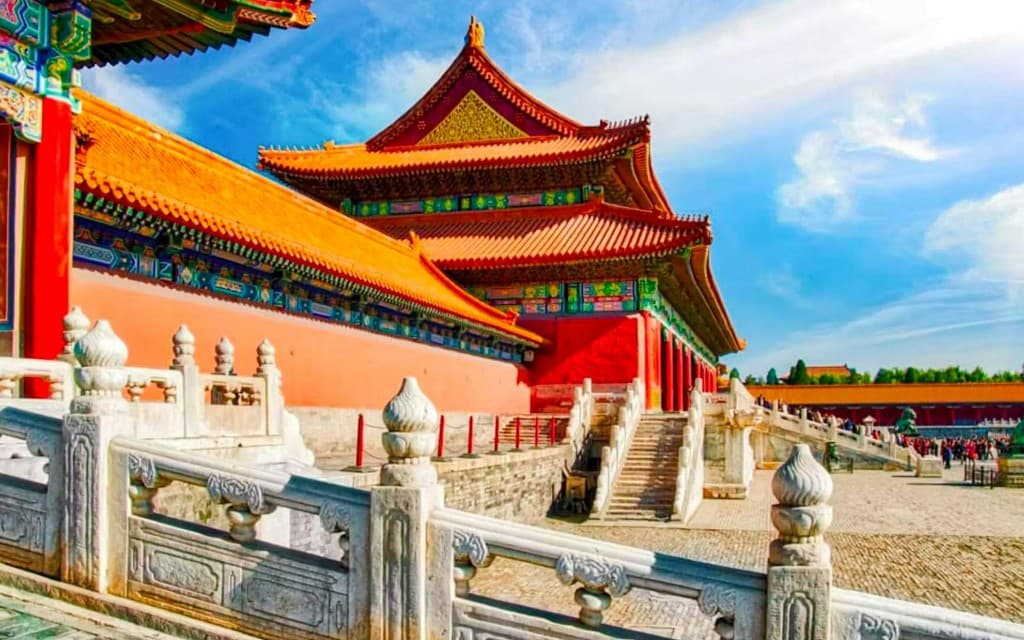
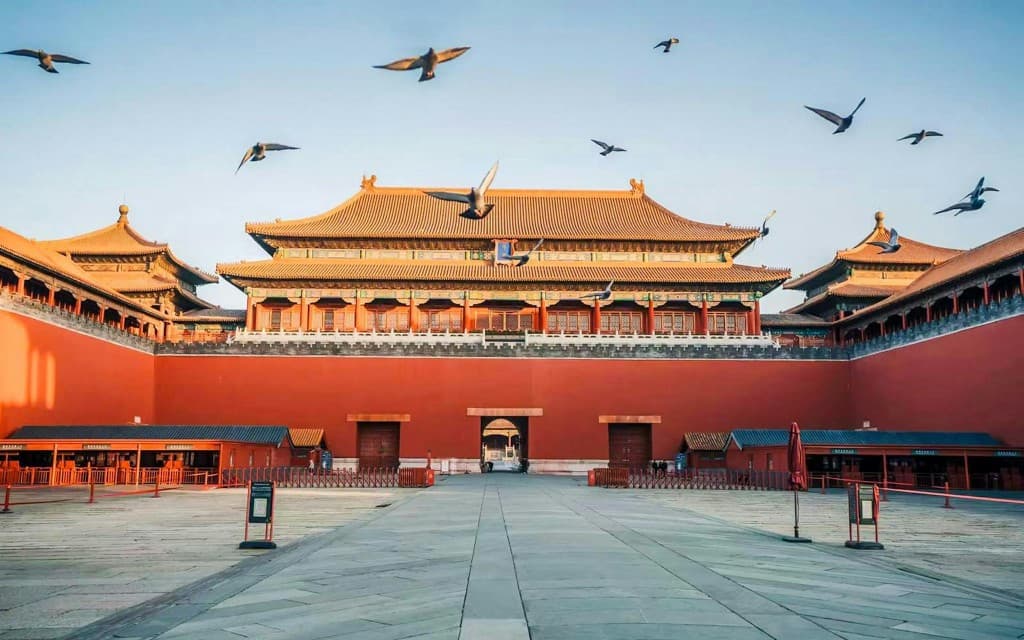
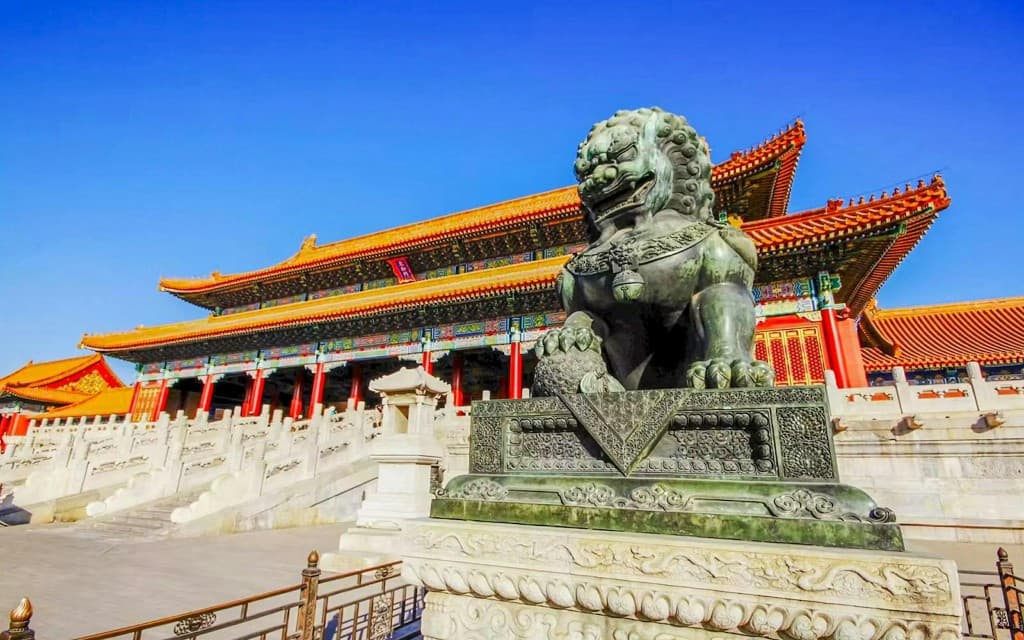
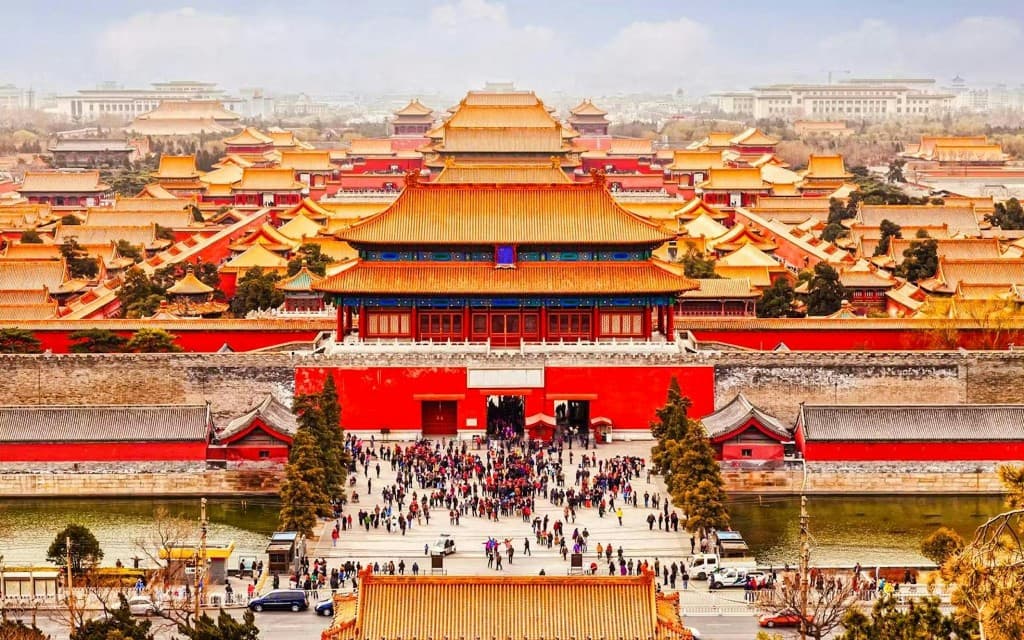
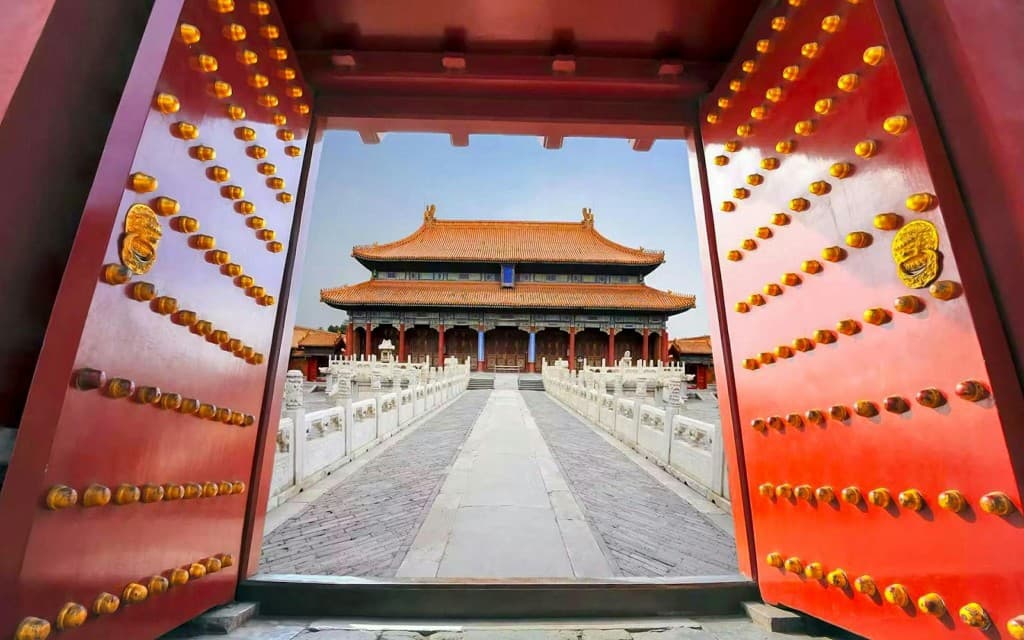
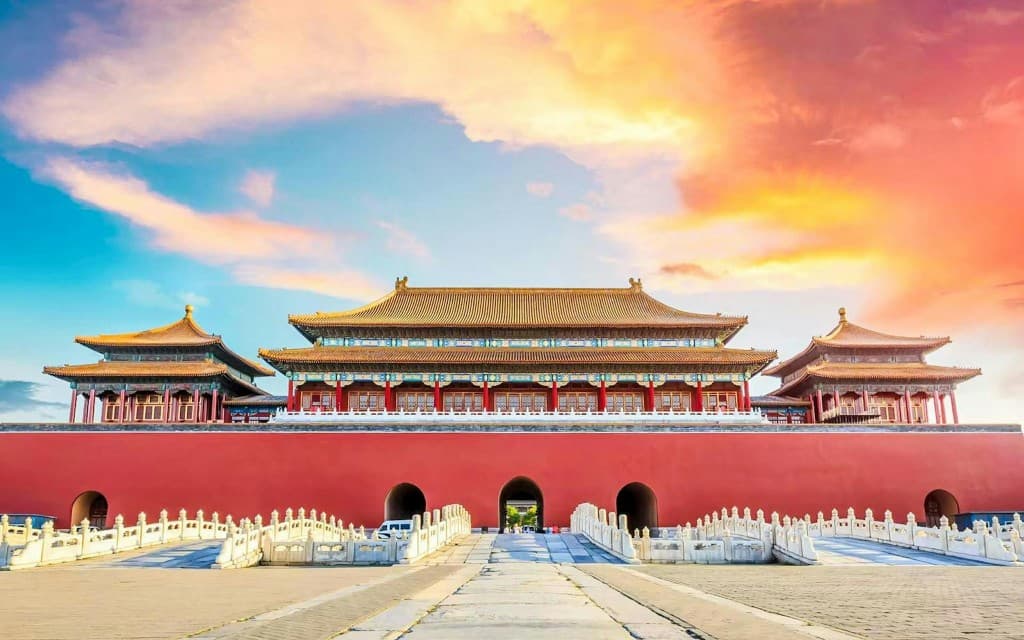
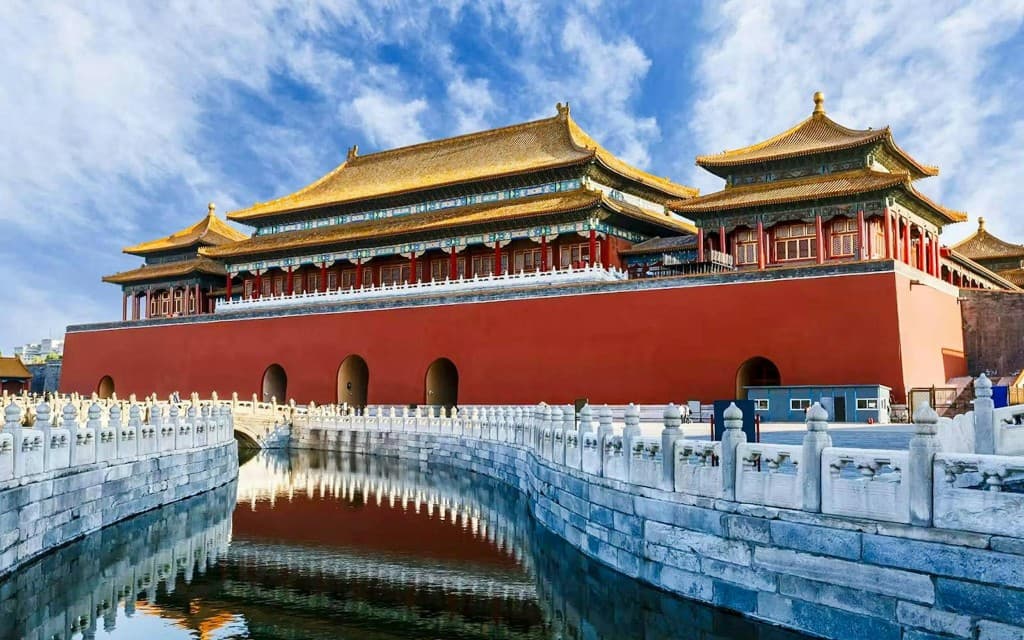
Discover the Forbidden City through these stunning photos, capturing its architectural grandeur and historical significance.
Explore the magnificent Forbidden City, a UNESCO World Heritage site and the historical heart of Beijing. Once the exclusive domain of emperors and their households for nearly 500 years, this sprawling palace complex showcases stunning traditional Chinese architecture and offers a glimpse into the opulent lives of China's past rulers. With a Forbidden City Ticket (MegaPass), you can delve deeper into the artistry, history, and cultural significance of this iconic landmark. Prepare to be transported back in time as you wander through the grand courtyards, explore the intricate halls, and discover the treasures within this remarkable imperial palace. A visit to the Forbidden City is an essential experience for anyone interested in Chinese history and culture.
There is no strict dress code for visiting the Forbidden City. However, it's recommended to dress respectfully, as it is a historical and cultural site. Comfortable clothing and shoes are advisable, as you'll be doing a lot of walking. During the summer months, lightweight and breathable clothing is recommended. In the winter, dress warmly, as the outdoor areas can be cold. Avoid wearing overly revealing or offensive clothing. Ultimately, dressing modestly and respectfully will enhance your experience and show consideration for the cultural significance of the site.
Explora la Ciudad Prohibida de Pekín a tu propio ritmo, con acceso a todas las salas principales, la Galería del Tesoro y, si quieres, las opciones de la Galería del Reloj.
Entra en la Ciudad Prohibida por la Puerta del Meridiano con tu entrada con fecha y tu pasaporte, y luego sigue el recorrido obligatorio de sur a norte por el complejo. Si prefieres que haya menos gente, intenta llegar fuera de la franja de mayor afluencia, que va de las 10:00 a las 13:00. Puedes usar el servicio gratuito de consigna de equipaje que hay entre la Puerta Meridian y la Puerta Shenwu, así como las taquillas que hay dentro del recinto, que están adaptadas para cochecitos y sillas de ruedas.
Recorres el Museo del Palacio de sur a norte, pasando por una serie de zonas ceremoniales y residenciales. Tu entrada te da acceso al eje central del palacio, con acceso a los principales espacios imperiales que definen la Ciudad Prohibida.
La entrada a todas las salas principales te permite recorrer la ruta central del complejo, incluyendo los patios principales del palacio donde se celebraban las ceremonias imperiales, mientras te diriges hacia las salidas del norte, en la Puerta de Shenwu o la Puerta de Donghua.
Los patios abiertos, con disponibilidad únicamente para la opción «Galería del Tesoro», te ofrecen un espacio para hacer una pausa, contemplar la arquitectura del palacio desde diferentes ángulos y apreciar la magnitud global de la antigua residencia imperial.
La Galería del Tesoro ocupa parte del ala noreste del Palacio de la Longevidad Tranquila. En las habitaciones climatizadas se expone una selección específica de objetos que utilizaban los emperadores y las emperatrices dentro de la Ciudad Prohibida.
Se exponen unos 400 tesoros imperiales, entre los que se incluyen tallas de jade, objetos esmaltados y vasijas de oro y plata que formaban parte de los rituales de la corte y de la vida cotidiana en el palacio.
Las coronas de fénix de las emperatrices, adornadas con gemas, y las túnicas imperiales bordadas son lo más destacado de las insignias personales de la corte Qing y muestran los materiales reservados para los rangos más altos.
La entrada a la Galería del Tesoro está incluida en todas las opciones de entradas, lo que te permite disfrutar de un tiempo exclusivo en seis habitaciones con aire acondicionado dentro de la zona del Palacio de la Longevidad Tranquila.
La Galería de los Relojes, situada cerca de la Galería del Tesoro, en el mismo ala noreste, está dedicada a la colección de relojes de la corte Qing. Se encuentra en la Sala Fengxian y en las habitaciones cercanas, dentro del Museo del Palacio.
Aquí se expone una colección de 82 relojes históricos, entre los que se incluyen 21 relojes astronómicos chinos y 61 piezas importadas de Gran Bretaña, Francia y Suiza.
Muchos relojes cuentan con intrincados autómatas mecánicos que escriben caligrafía, tocan instrumentos o dan vida a figuras talladas cuando se activan durante las demostraciones programadas.
La entrada a la Galería de los Relojes está incluida si eliges la opción «Entradas + Galerías del Tesoro y de los Relojes», y las demostraciones de los autómatas se realizan a horas fijas que puedes consultar al llegar.
Elige entre la opción «Entradas + Galerías del Tesoro y del Reloj», para disfrutar de la experiencia completa del Museo del Palacio con el Salón Fengxian, o la opción «Entradas + Galería del Tesoro», que se centra en las salas principales, los patios abiertos y los tesoros imperiales del Palacio de la Longevidad Tranquila.
Ruta de acceso: Tienes que recorrerlo de sur a norte, entrando por la Puerta Meridian y saliendo por la Puerta Shenwu o la Puerta Donghua.
Multitudes: El lugar está más concurrido de 10:00 a 13:00, así que intenta planificar tu visita para evitar esas horas punta si puedes.
Exposiciones: Te conviene consultar las exposiciones actuales en la página web oficial del Museo del Palacio antes de ir.
Consigna de equipaje: La disponibilidad de servicio gratuito de consigna de equipaje es alta, y las bolsas se trasladan entre la puerta Meridian y la puerta Shenwu.
Horas de almacenamiento: El servicio de consigna de equipaje está abierto todos los días de 8:30 a 18:00.
Taquillas: Dentro de la Ciudad Prohibida hay taquillas disponibles para guardar tus cosas.
Ubicación de la Galería del Tesoro: La Galería del Tesoro está en el Palacio de la Longevidad Tranquila, en el ala noreste.
Ubicación de la Galería del Reloj: La Galería de los Relojes está en el mismo ala noreste que la Galería del Tesoro, en la zona del Palacio de la Longevidad Tranquila.
Demostraciones de relojes: Las demostraciones de autómatas en la Galería del Reloj se hacen a horas fijas, así que échale un vistazo al horario cuando llegues.
Duración habitual de la visita: Una visita típica dura entre 2,5 y 3,5 horas, incluida la Galería del Tesoro.
Reserva anticipada: Las entradas solo son válidas para la fecha que hayas elegido, y tienes que realizar la reserva con al menos un día de antelación.
ID de la entrada: Para entrar, tienes que enseñar tu pasaporte en Meridian Gate; no hace falta que tengas las entradas impresas.
Opción «Galería de relojes»: Si eliges la opción «Galería de relojes», calcula aproximadamente 1,5 horas más para tu visita.
**Acceso a la galería mediante la opción **: Si eliges la opción «Solo Galería del Tesoro», tu entrada no incluirá la Galería del Reloj.
The Forbidden City, also known as the Palace Museum, served as the imperial palace from the Ming Dynasty to the end of the Qing Dynasty. Construction began in 1406 and was completed fourteen years later, in 1420. The complex consists of 980 buildings and covers 74 hectares (180 acres). It is the world's largest palatial structure. The name 'Forbidden City' comes from the fact that access was restricted to members of the imperial court, their staff, and specially permitted guests. Ordinary citizens were barred from entering. Today, the Forbidden City is open to the public, allowing visitors from around the world to explore its vast courtyards, elaborate halls, and priceless collections of artifacts. Visiting this palace offers a unique opportunity to witness the grandeur of Chinese imperial life and appreciate the artistry and craftsmanship of the Ming and Qing dynasties. Allow ample time to fully appreciate the scale and detail of this historical treasure.
Booking your Forbidden City tickets online offers several advantages. You can secure your entry in advance, avoiding long queues at the ticket counters, especially during peak season. Online platforms often provide detailed information about the various ticket options, including combo tickets like the Forbidden City Ticket (MegaPass), allowing you to plan your visit efficiently. Booking online ensures a smooth and hassle-free experience, enabling you to maximize your time exploring this magnificent historical site. Take advantage of online booking to guarantee your entry and enjoy a seamless visit to the Forbidden City.
The Forbidden City's history spans over five centuries, serving as the imperial palace for 24 emperors of the Ming and Qing dynasties. Construction began in 1406 during the reign of the Yongle Emperor of the Ming Dynasty, and it was completed in 1420. The palace complex was designed to be the political and ritual center of China, embodying the power and authority of the emperor. For centuries, the Forbidden City was off-limits to ordinary citizens, hence its name. Only members of the imperial court, government officials, and specially permitted guests were allowed inside. The Forbidden City witnessed numerous significant events in Chinese history, including coronations, imperial weddings, and state ceremonies. After the fall of the Qing Dynasty in 1912, the Forbidden City was transformed into a museum in 1925, opening its doors to the public and allowing visitors to explore its rich history and cultural treasures. Today, it stands as a symbol of China's imperial past and a testament to the artistry and craftsmanship of its people.
The Forbidden City's opening hours vary depending on the season. Generally, it is open from 8:30 AM to 5:00 PM during the peak season (April 1 to October 31) and from 8:30 AM to 4:30 PM during the off-season (November 1 to March 31). The ticket office typically closes one hour before the closing time. Please note that the Forbidden City is closed every Monday, except for public holidays. It's recommended to check the official website for the most up-to-date information on opening hours before your visit.
The best time to visit the Forbidden City is during the spring (April-May) or autumn (September-October) months. The weather during these seasons is mild and comfortable, making it ideal for exploring the vast outdoor spaces of the complex. Additionally, the crowds tend to be smaller during these months compared to the peak summer season. Arriving early in the morning is advisable to avoid the largest crowds and fully appreciate the beauty and tranquility of the Forbidden City.
Inside the Forbidden City, you'll discover a wealth of historical and architectural treasures. The main courtyards offer a sense of the immense scale of the complex, leading to the heart of imperial power. Explore the grand halls, such as the Hall of Supreme Harmony, the Hall of Central Harmony, and the Hall of Preserving Harmony, where important ceremonies and meetings were held. These halls showcase stunning examples of traditional Chinese architecture, with intricate carvings, vibrant colors, and symbolic decorations. Visit the imperial palaces, including the Palace of Heavenly Purity and the Palace of Earthly Tranquility, which served as the residences of the emperor and empress. You can also explore numerous exhibitions displaying historical artifacts, artwork, and treasures that offer insights into the lives of the emperors and their courts.
Before visiting the Forbidden City, there are a few things to keep in mind. It's advisable to book your tickets online in advance to avoid long queues, especially during peak season. Remember to bring your passport or other valid identification, as it is required for entry. Wear comfortable shoes, as you'll be doing a lot of walking. Bringing water and snacks is recommended, especially during hot weather. Be aware that there are restrictions on bringing certain items into the Forbidden City, such as large bags, liquids, and sharp objects. Photography is allowed in most areas, but flash photography may be restricted in some indoor spaces. Finally, be respectful of the historical site and follow the instructions of the staff.
To ensure the preservation of the Forbidden City and the enjoyment of all visitors, there are a few rules to follow. Please refrain from touching or climbing on any of the artifacts or structures. Avoid littering and dispose of your trash in designated bins. Smoking is prohibited within the Forbidden City. Be respectful of other visitors and avoid making excessive noise. Follow the instructions of the staff and security personnel. Large bags and luggage may be subject to inspection. By adhering to these rules, you can help preserve this historical site for future generations.
The Forbidden City is undoubtedly worth visiting for anyone interested in Chinese history, architecture, and culture. As a UNESCO World Heritage site, it offers a unique glimpse into the lives of China's emperors and the grandeur of the imperial court. The sheer scale of the complex, with its numerous palaces, halls, and courtyards, is awe-inspiring. Exploring the Forbidden City allows you to appreciate the intricate details of traditional Chinese architecture, the artistry of the artifacts, and the rich history that permeates every corner. Whether you're a history enthusiast, an architecture lover, or simply curious about Chinese culture, a visit to the Forbidden City is an unforgettable experience.
Ticket prices vary depending on the season and any special exhibitions. Please check the official website for current pricing.
Yes, purchasing tickets online in advance is highly recommended to avoid long queues.
Opening hours vary depending on the season, but it is generally open from 8:30 AM to between 4:30 PM and 5:00 PM. Closed on Mondays (except public holidays).
Allow at least 3 to 4 hours to explore the main areas of the Forbidden City.
There is no strict dress code, but it is recommended to dress respectfully.
Large bags may be subject to inspection. There are also restrictions on bringing certain items inside.
Photography is allowed in most areas, but flash photography may be restricted in some indoor spaces.
There are limited options for food and beverages inside. Bringing your own water and snacks is advisable.
Yes, audio guides are available for rent at the entrance, providing detailed information about the various sites within the Forbidden City.
The Forbidden City is easily accessible by public transportation. Take subway line 1 to Tiananmen East or Tiananmen West station. From either station, it's a short walk to the entrance of the Forbidden City.
There is no strict dress code for visiting the Forbidden City. However, it's recommended to dress respectfully, as it is a historical and cultural site. Comfortable clothing and shoes are advisable, as you'll be doing a lot of walking. During the summer months, lightweight and breathable clothing is recommended. In the winter, dress warmly, as the outdoor areas can be cold. Avoid wearing overly revealing or offensive clothing. Ultimately, dressing modestly and respectfully will enhance your experience and show consideration for the cultural significance of the site.