Qué está incluido
- Entrada con acceso rápido a la Basílica de Santa Croce
- Acceso a las capillas Pazzi, Bardi y Peruzzi
- Acceso a las tumbas
- Entrada al Museo del Refectorio (el crucifijo de Cimabue)
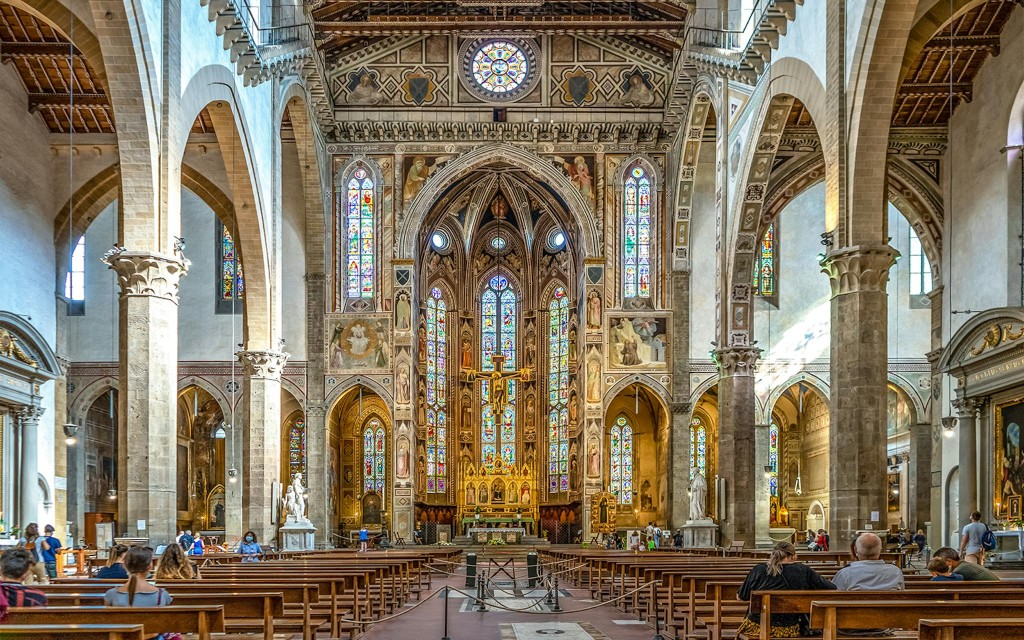
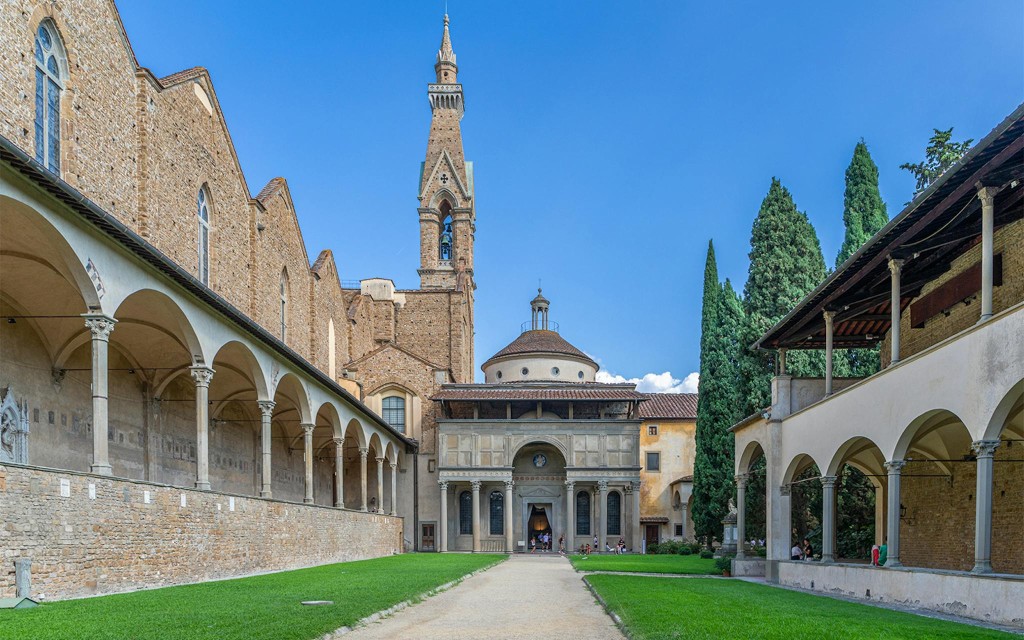
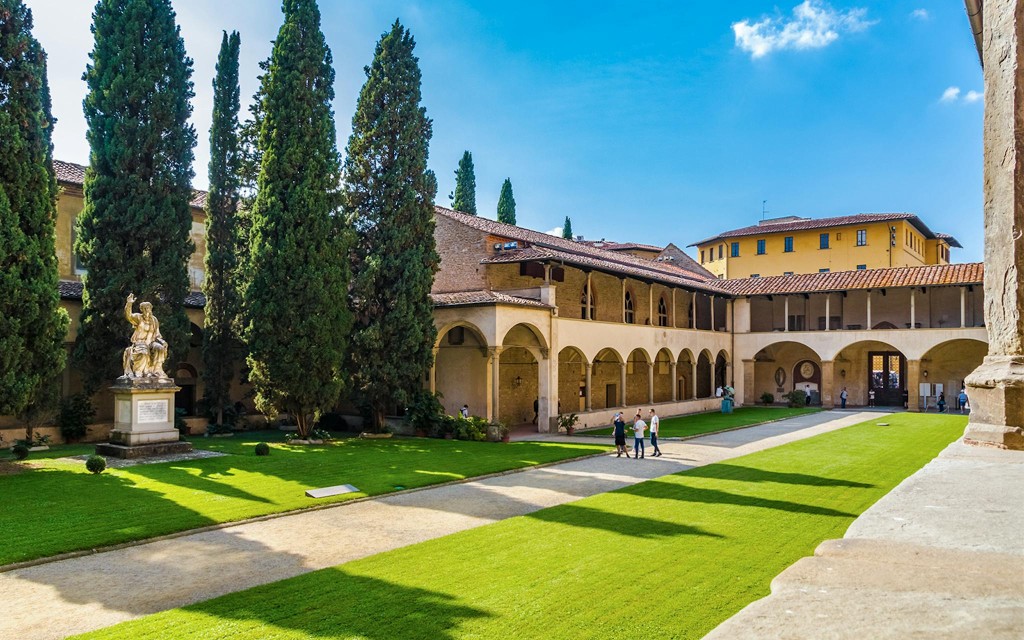
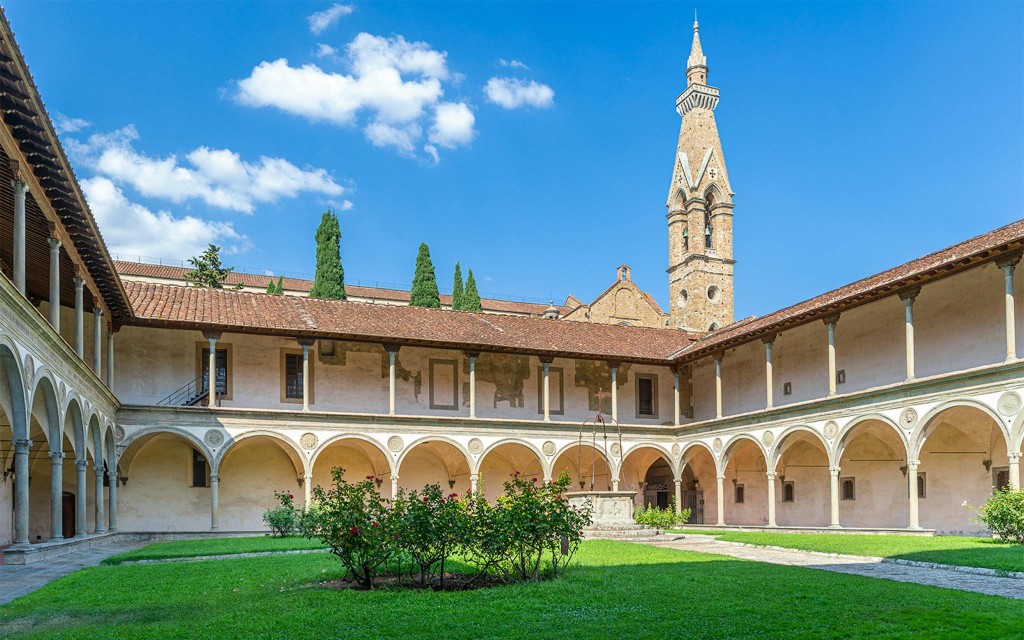
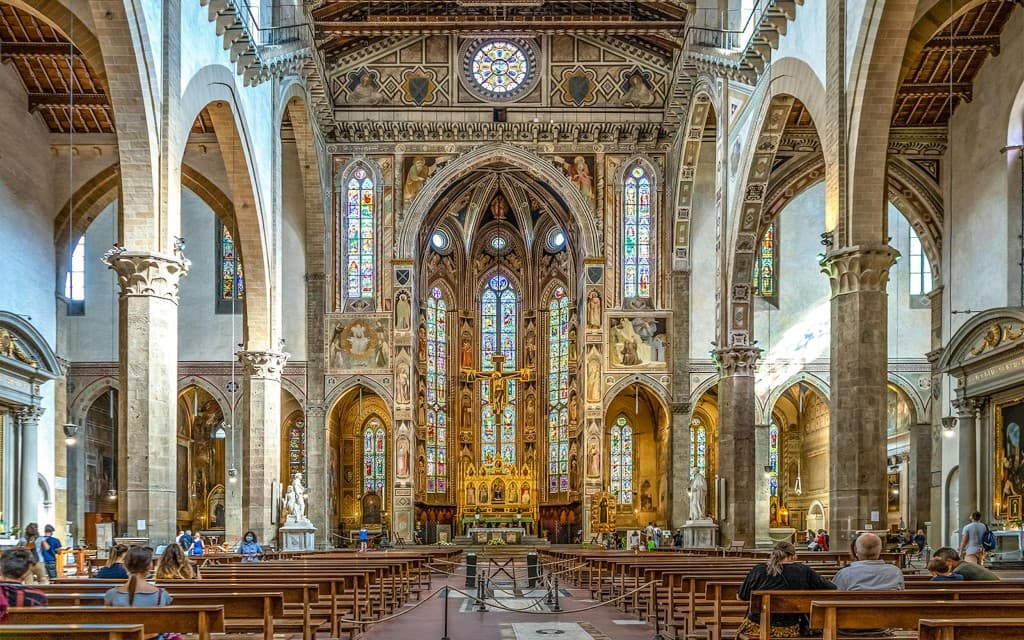
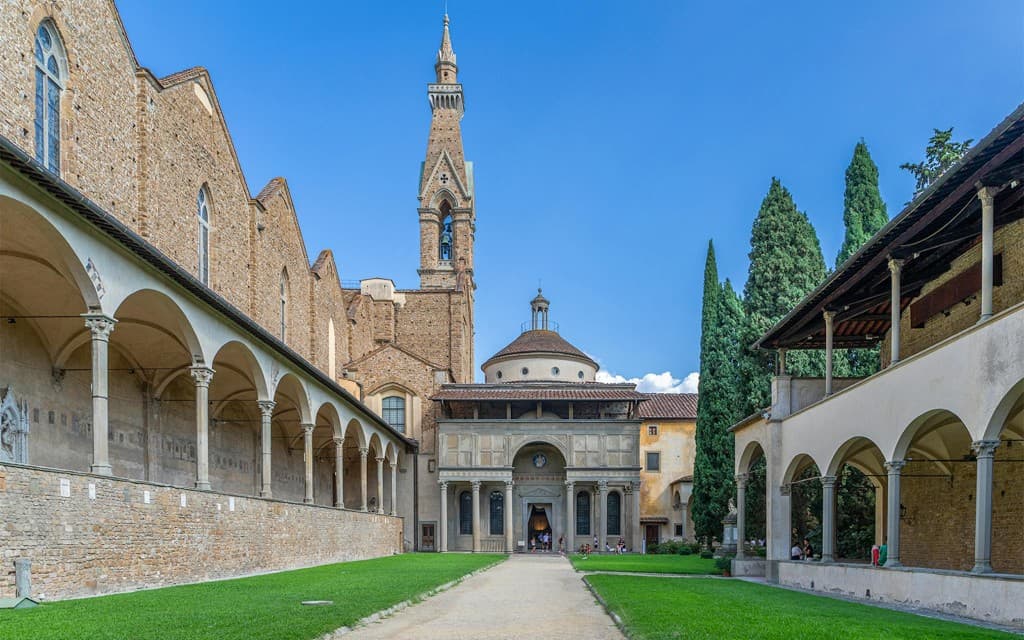
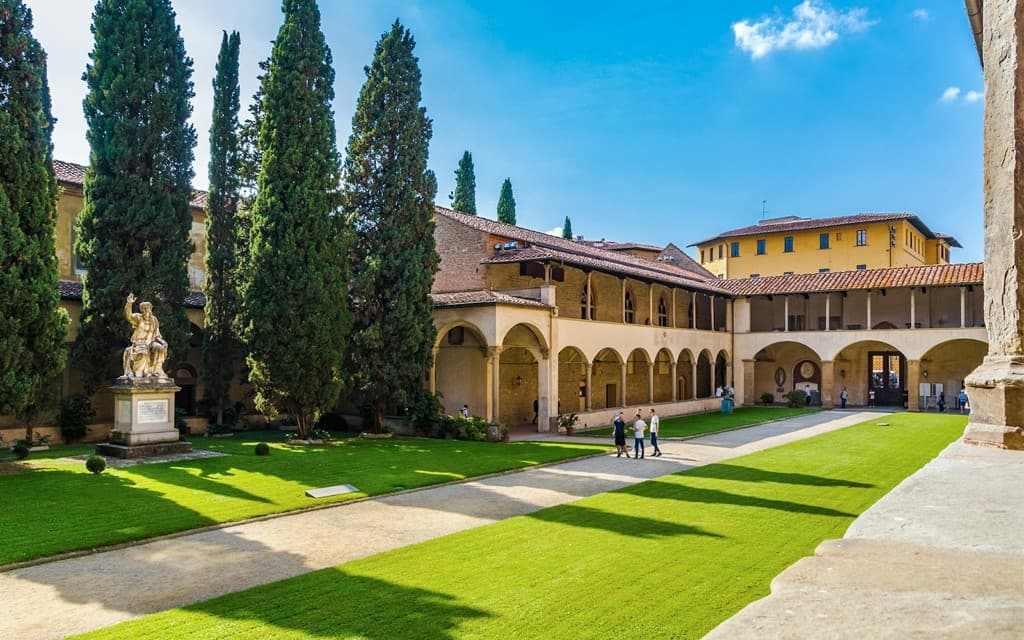
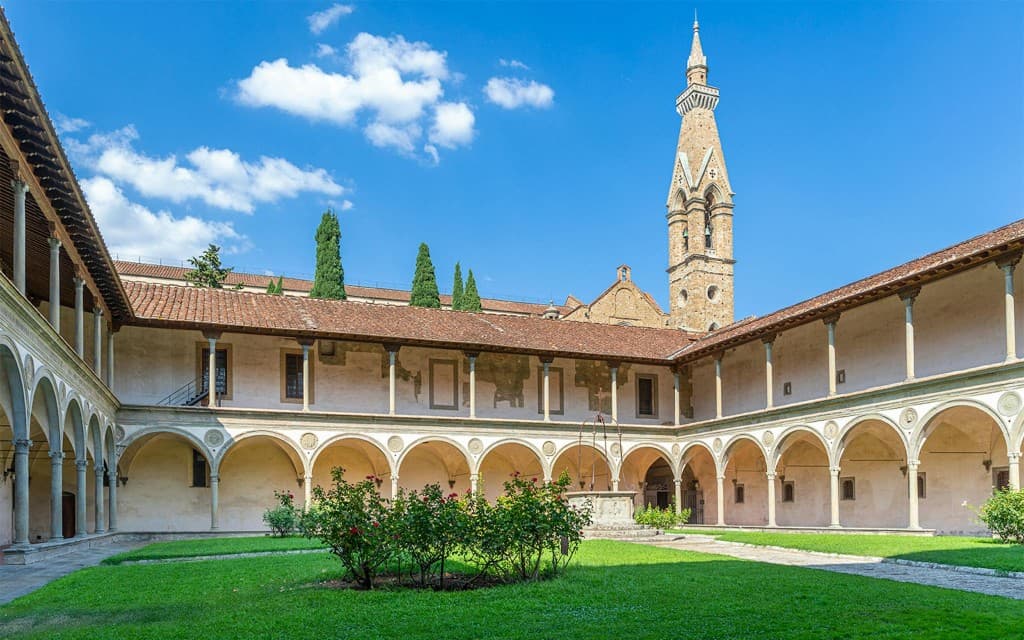
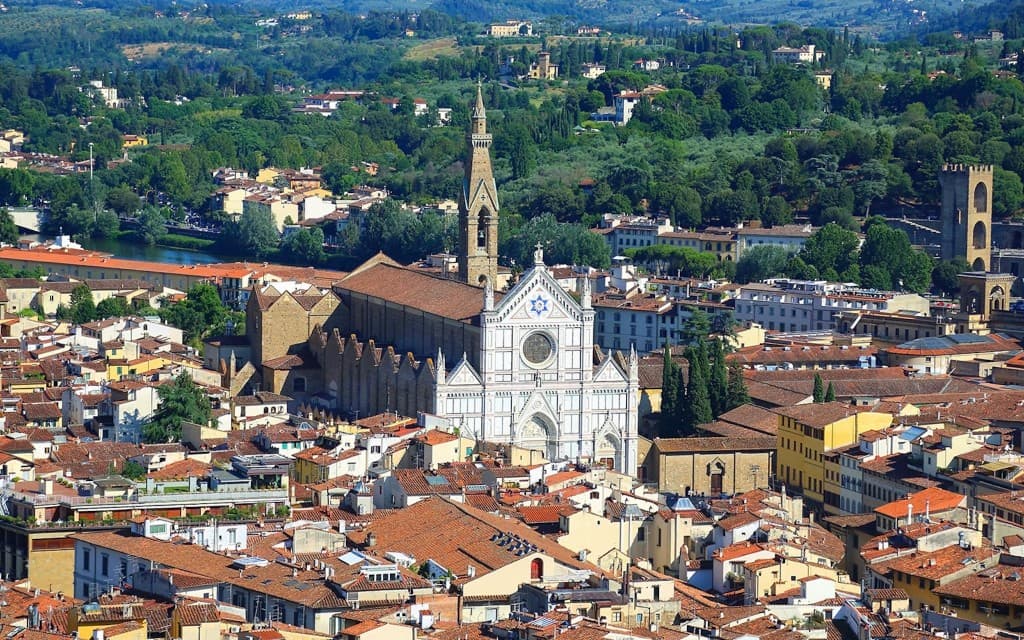
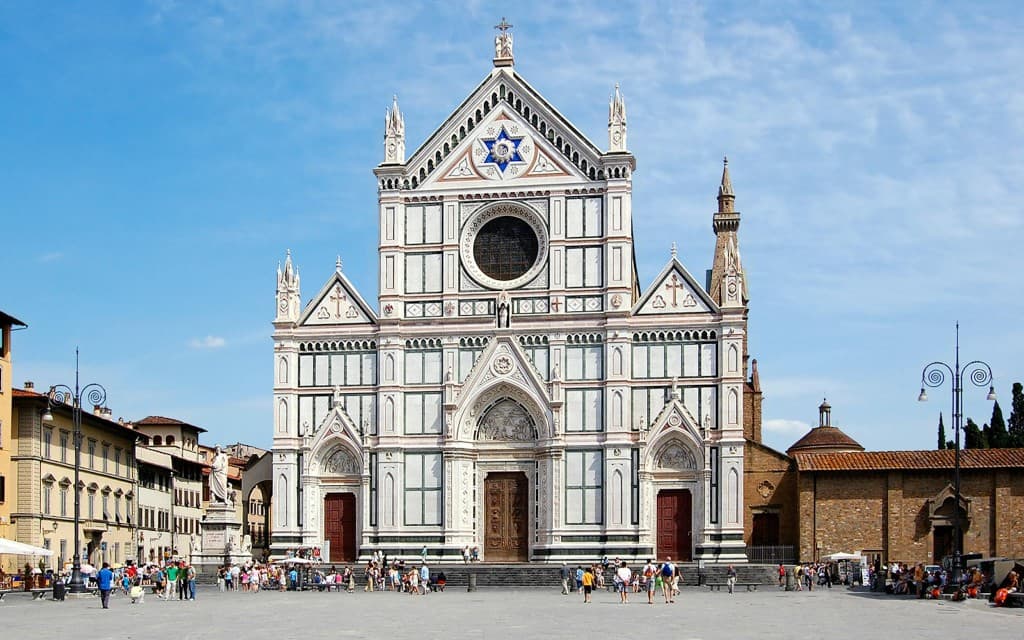
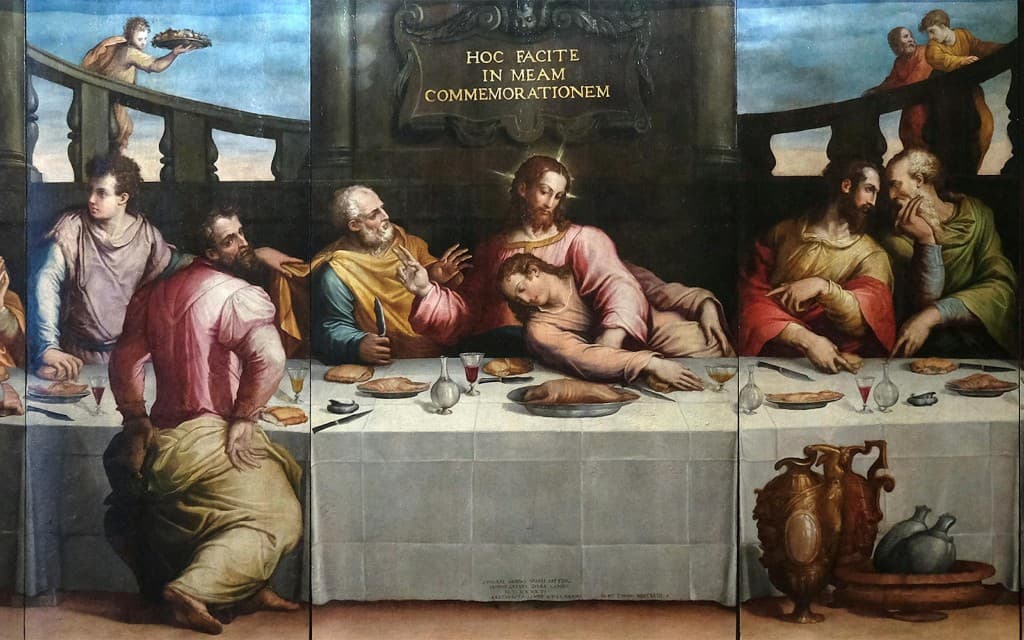
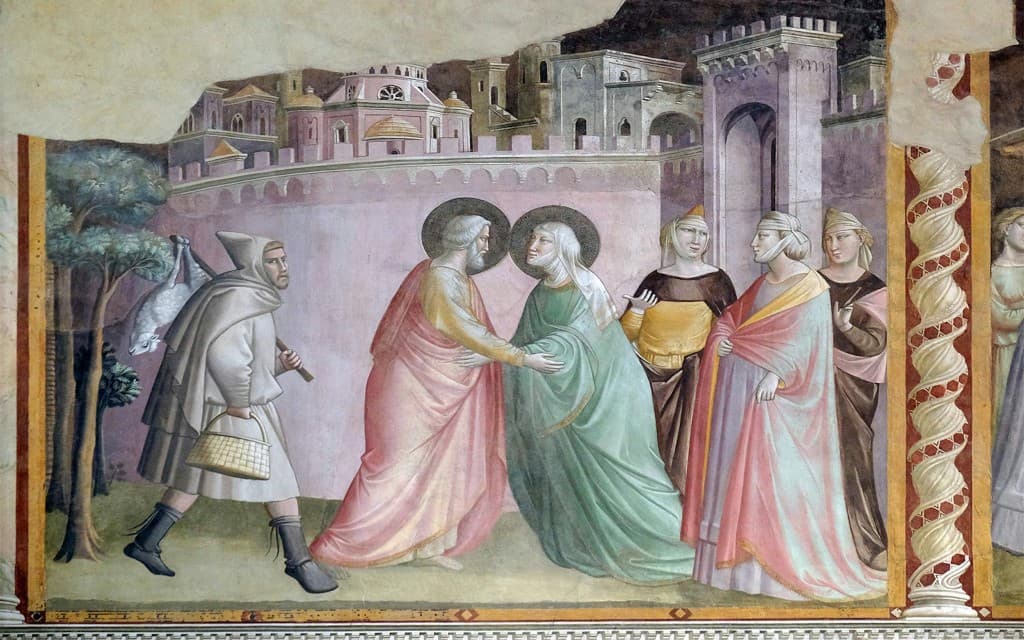
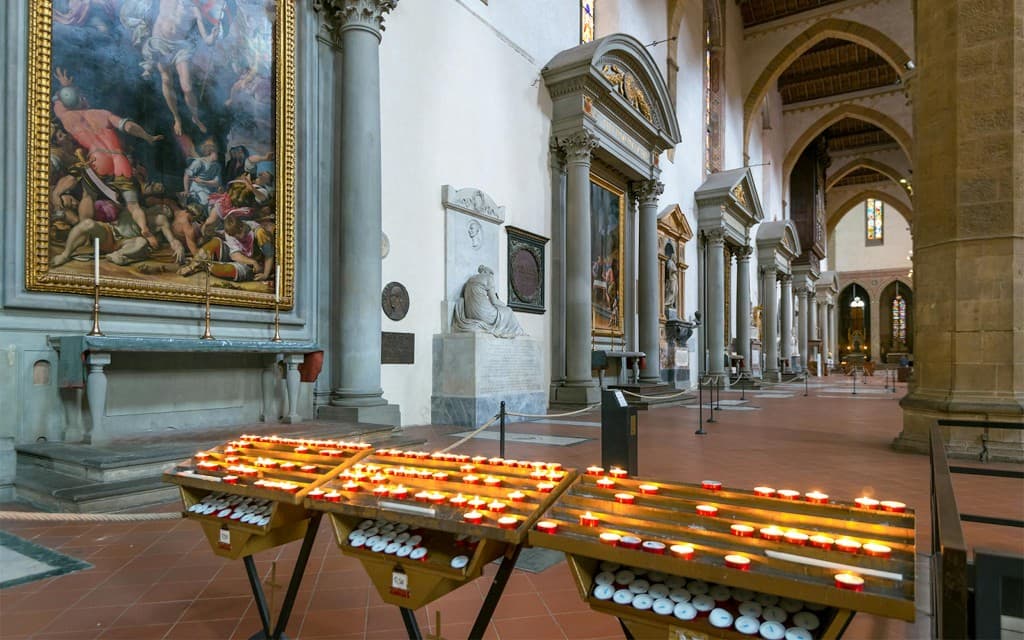
Explore imágenes que muestran la grandeza y los tesoros artísticos dentro de la Basílica de Santa Croce, ofreciendo una vista previa visual de sus famosas tumbas, frescos e impresionante arquitectura.
La Basílica de Santa Croce se erige como uno de los lugares más significativos y venerados de Florencia, a menudo conocida como el 'Templo de las Glorias Italianas'. Esta magnífica iglesia franciscana no es solo una maravilla arquitectónica, sino también el lugar de descanso final de algunas de las figuras más célebres de Italia, incluidos Miguel Ángel, Galileo Galilei, Niccolò Machiavelli y Gioachino Rossini. Los visitantes se sienten atraídos por su belleza solemne, su rica historia y la extraordinaria colección de arte renacentista que alberga en sus muros. Una visita ofrece un profundo viaje a través de la historia, el arte y la cultura italianos, revelando los legados de quienes moldearon el mundo moderno. Explore impresionantes frescos, intrincadas tumbas y serenos claustros que definen esta icónica basílica florentina.
Como sitio religioso sagrado, se requiere un código de vestimenta respetuoso para entrar en la Basílica de Santa Croce. Esto generalmente significa que los hombros y las rodillas deben estar cubiertos. Es aconsejable evitar el uso de camisetas sin mangas, tops sin tirantes, pantalones cortos o minifaldas. También deben quitarse los sombreros al entrar en la basílica. Cumplir con estas pautas asegura la entrada y muestra reverencia por la importancia cultural y espiritual del lugar.
Santa Croce cuenta con 250 tumbas, los frescos de Giotto y la capilla más bonita de Brunelleschi. Con esta entrada podrás acceder a todo sin tener que hacer fila en taquilla.
Enseña tu voucher en la entrada situada en el lado norte de la basílica, en Largo Bargellini. No hace falta ir al mostrador. Una vez dentro, la visita al completo es autoguiada y puedes explorar a tu propio ritmo. Dedica entre una y dos horas para ver lo más destacado.
Basilica di Santa Croce
La iglesia franciscana más grande de Florencia ha sido el lugar de enterramiento de las mentes más brillantes de la ciudad desde el siglo XIII. Entra en la enorme nave gótica y déjate impresionar por su magnitud antes de empezar a explorarla.
Recorre toda la nave y mira hacia abajo: el suelo es un mosaico de lápidas, cada una con un nombre del pasado de Florencia.
Haz una parada frente a las tumbas de Miguel Ángel, Galileo y Maquiavelo, empotradas en los muros de la nave central. Cada monumento fue diseñado por alguien diferente y refleja la época en la que se construyó.
Dedica un rato a visitar las capillas Bardi y Peruzzi, donde Giotto pintó dos conjuntos de frescos a principios del siglo XIV. Estas obras se cuentan entre los primeros ejemplos que se conservan de la pintura naturalista en el arte occidental.
Cruza hasta el claustro y entra en la Capilla Pazzi de Brunelleschi, terminada en la década de 1470. Las proporciones son deliberadas y precisas: es uno de los mejores ejemplos de la arquitectura del Renacimiento temprano en Florencia.
Sigue hasta el Museo de la Ópera, la cripta y la Capilla Médici. Todo está incluido en tu entrada sin ningún coste adicional.
El usuario medio tarda unos 50 minutos en recorrer la basílica por su cuenta, pero puedes quedarte todo el tiempo que quieras hasta la hora de cierre, es decir, las 17:30.
Como se trata de un lugar de culto religioso activo, los visitantes deben vestir de forma respetuosa para ingresar. Los hombros y las rodillas deben estar cubiertos.
La Basílica de Santa Croce es una monumental iglesia gótica ubicada en la Piazza di Santa Croce, Florencia, Italia. Su construcción comenzó en 1294, posiblemente diseñada por Arnolfo di Cambio, y sirvió como centro espiritual para la orden franciscana. A lo largo de los siglos, evolucionó hasta convertirse en un panteón para italianos ilustres, ganándose su apodo. La llamativa fachada de la basílica, terminada en el siglo XIX, está adornada con mármol policromado, marcando un tono grandioso para los tesoros de su interior. En el interior, la vasta nave está flanqueada por numerosas capillas, cada una un depósito de arte inestimable. Los frescos de Giotto en las Capillas Bardi y Peruzzi son particularmente notables, mostrando obras maestras del primer Renacimiento. Más allá del arte, el mero peso histórico del lugar es palpable, con las tumbas de artistas, científicos, escritores y políticos legendarios creando una poderosa conexión con el pasado de Italia. Los claustros adyacentes y la Capilla Pazzi, una joya arquitectónica renacentista diseñada por Filippo Brunelleschi, enriquecen aún más la experiencia del visitante, ofreciendo espacios serenos para la reflexión lejos de la bulliciosa ciudad.
Reservar tus entradas para la Basílica de Santa Croce o tours guiados online ofrece varias ventajas. Te asegura la admisión, especialmente durante las temporadas altas, y a menudo puede proporcionar acceso a opciones para saltarse la fila, ahorrando tiempo valioso. Comprar los boletos con antelación significa que evitas las colas en la entrada, permitiendo un inicio de tu visita más relajado y eficiente. Además, muchas entradas online incluyen confirmación inmediata y políticas de cancelación flexibles, ofreciendo tranquilidad y conveniencia para planificar tu itinerario en Florencia. Considera una entrada al Complejo de la Basílica de Santa Croce o un tour guiado para mejorar tu comprensión de este sitio significativo.
La historia de la Basílica de Santa Croce se remonta a finales del siglo XIII, con su primera piedra colocada el 3 de mayo de 1294. Fue construida sobre los restos de una iglesia anterior, encargada por la orden franciscana, y tradicionalmente se atribuye su diseño a Arnolfo di Cambio. La basílica se convirtió rápidamente en un centro significativo para los frailes franciscanos y un poderoso símbolo del republicanismo florentino. A lo largo de los siglos, su prominencia creció a medida que ricas familias florentinas patrocinaban capillas, adornándolas con obras maestras de los principales artistas de la época, incluido Giotto. En el siglo XVI, la iglesia comenzó a ser utilizada como lugar de entierro para florentinos distinguidos, una tradición que se expandió significativamente durante las eras del Renacimiento y Napoleónica. Fue durante estos períodos que ganó su reputación como el 'Panteón de Italia', convirtiéndose en el lugar de descanso de luminarias como Miguel Ángel, Galileo Galilei y Nicolás Maquiavelo. La fachada gótica, una adición posterior, se completó a mediados del siglo XIX, contribuyendo a su icónica apariencia actual. A lo largo de su historia, Santa Croce ha sobrevivido a inundaciones, guerras y cambios sociales, permaneciendo siempre como un testimonio del legado perdurable de Florencia en el arte, la ciencia y el pensamiento.
La Basílica de Santa Croce suele tener horarios de apertura variables a lo largo del año. Generalmente, está abierta de lunes a sábado, normalmente desde media mañana, a menudo alrededor de las 9:30 AM, hasta última hora de la tarde, usualmente alrededor de las 5:30 PM. Los domingos y días festivos, el horario suele ser más corto, abriendo generalmente a primera hora de la tarde, quizás de 1:00 PM a 5:30 PM. Estos horarios están sujetos a cambios por ceremonias religiosas o eventos especiales. Es aconsejable tener en cuenta estas posibles variaciones al planificar su visita.
Para apreciar plenamente la Basílica de Santa Croce sin las mayores multitudes, a menudo se recomienda visitarla durante las primeras horas de la mañana, poco después de la apertura, o a última hora de la tarde, una o dos horas antes del cierre. Los días de semana suelen ofrecer una experiencia más tranquila en comparación con los fines de semana. La primavera y el otoño proporcionan un clima agradable para explorar Florencia, haciendo que estas estaciones sean ideales para una visita. Aunque el verano atrae a más turistas, las visitas a primera hora de la mañana aún pueden ofrecer un ambiente más tranquilo. Evitar los días festivos religiosos, si es posible, también puede ayudar a experimentar la basílica con menos interrupciones.
Dentro de la Basílica de Santa Croce, los visitantes pueden explorar una gran cantidad de tesoros artísticos e históricos. Las características más destacadas son las tumbas y monumentos dedicados a las mentes más grandes de Italia, incluyendo a Miguel Ángel Buonarroti, Galileo Galilei, Nicolás Maquiavelo y Gioachino Rossini, entre otros. Cada tumba es una obra de arte en sí misma, reflejando la época en la que fue creada. La basílica también alberga obras de arte significativas, especialmente los frescos de Giotto que representan escenas de la vida de San Francisco en las Capillas Bardi y Peruzzi. No te pierdas la Capilla Pazzi, un notable ejemplo de arquitectura renacentista diseñada por Filippo Brunelleschi. La Escuela de Cuero de Santa Croce, que opera dentro del complejo, ofrece una visión de la artesanía tradicional florentina. Los claustros proporcionan un escape tranquilo, mostrando la belleza de la arquitectura monástica.
Al visitar la Basílica de Santa Croce, es útil usar zapatos cómodos, ya que caminará por un complejo grande. Considere comprar una audioguía para una comprensión más profunda de la historia, el arte y las famosas tumbas de la basílica. La fotografía generalmente está permitida para uso personal, pero el flash a menudo está prohibido, y se recomienda discreción, especialmente durante los servicios religiosos. Los baños públicos suelen estar disponibles dentro del complejo. Esté preparado para los controles de seguridad en la entrada. La Escuela de Cuero de Santa Croce, accesible desde los claustros, merece una visita para encontrar recuerdos únicos y observar a los artesanos en el trabajo.
Se espera que los visitantes observen un comportamiento respetuoso dentro de la Basílica de Santa Croce, ya que sigue siendo un lugar de culto activo. Esto incluye mantener el silencio, especialmente en las capillas y cerca de los altares. No se permiten alimentos ni bebidas dentro de la basílica. Las bolsas grandes o mochilas pueden necesitar ser revisadas en la entrada. Por favor, siga las instrucciones del personal y respete las áreas designadas. Se desaconseja correr o mantener conversaciones en voz alta para preservar la atmósfera solemne del lugar.
La Basílica de Santa Croce es, sin duda, digna de visitar para cualquiera que viaje a Florencia. Ofrece una mezcla única de importancia histórica, obras maestras artísticas y grandeza arquitectónica. Como lugar de entierro de algunas de las figuras más influyentes de Italia, proporciona una conexión tangible con el Renacimiento y más allá. La oportunidad de presenciar los frescos de Giotto, explorar la Capilla Pazzi de Brunelleschi y experimentar la tranquila reverencia de los claustros la convierte en una experiencia enriquecedora e inolvidable. Es un lugar donde el arte, la historia y la espiritualidad convergen, ofreciendo profundas reflexiones sobre la cultura italiana.
Las principales atracciones incluyen las tumbas de Miguel Ángel, Galileo, Maquiavelo y Rossini, los frescos de Giotto en las Capillas Bardi y Peruzzi, y la Capilla Pazzi diseñada por Brunelleschi.
Sí, al ser un sitio religioso, los visitantes deben vestirse con respeto. Los hombros y las rodillas deben estar cubiertos. Es aconsejable evitar camisetas de tirantes, pantalones cortos y minifaldas.
La mayoría de los visitantes dedican aproximadamente 1.5 a 2 horas a explorar el complejo de la basílica, incluyendo la iglesia, las capillas y los claustros.
Generalmente se permite la fotografía para uso personal, pero la fotografía con flash suele estar prohibida para proteger las obras de arte. Siempre sea respetuoso con los demás visitantes y los servicios religiosos.
La basílica se esfuerza por ser accesible, aunque algunas secciones más antiguas o el suelo irregular pueden presentar desafíos. Generalmente se recomienda usar la entrada principal para un acceso más fácil.
Se ganó este apodo porque sirve como lugar de enterramiento de muchas figuras italianas ilustres, incluyendo artistas, científicos, escritores y líderes políticos, consolidando su papel como panteón nacional.
Sí, a menudo hay visitas guiadas disponibles, que ofrecen una visión más profunda de la historia de la basílica, el arte y las historias detrás de sus famosos habitantes. También puede encontrar audioguías.
La Basílica de Santa Croce está convenientemente ubicada en el centro de Florencia y es fácilmente accesible a pie desde la mayoría de las principales atracciones, como el Duomo o la Piazza della Signoria. Para quienes usan transporte público, varias rutas de autobús locales tienen paradas cerca de la Piazza di Santa Croce. Las paradas de autobús principales más cercanas suelen estar a poca distancia a pie, lo que la convierte en un destino fácil de alcanzar dentro de la ciudad.
Como sitio religioso sagrado, se requiere un código de vestimenta respetuoso para entrar en la Basílica de Santa Croce. Esto generalmente significa que los hombros y las rodillas deben estar cubiertos. Es aconsejable evitar el uso de camisetas sin mangas, tops sin tirantes, pantalones cortos o minifaldas. También deben quitarse los sombreros al entrar en la basílica. Cumplir con estas pautas asegura la entrada y muestra reverencia por la importancia cultural y espiritual del lugar.