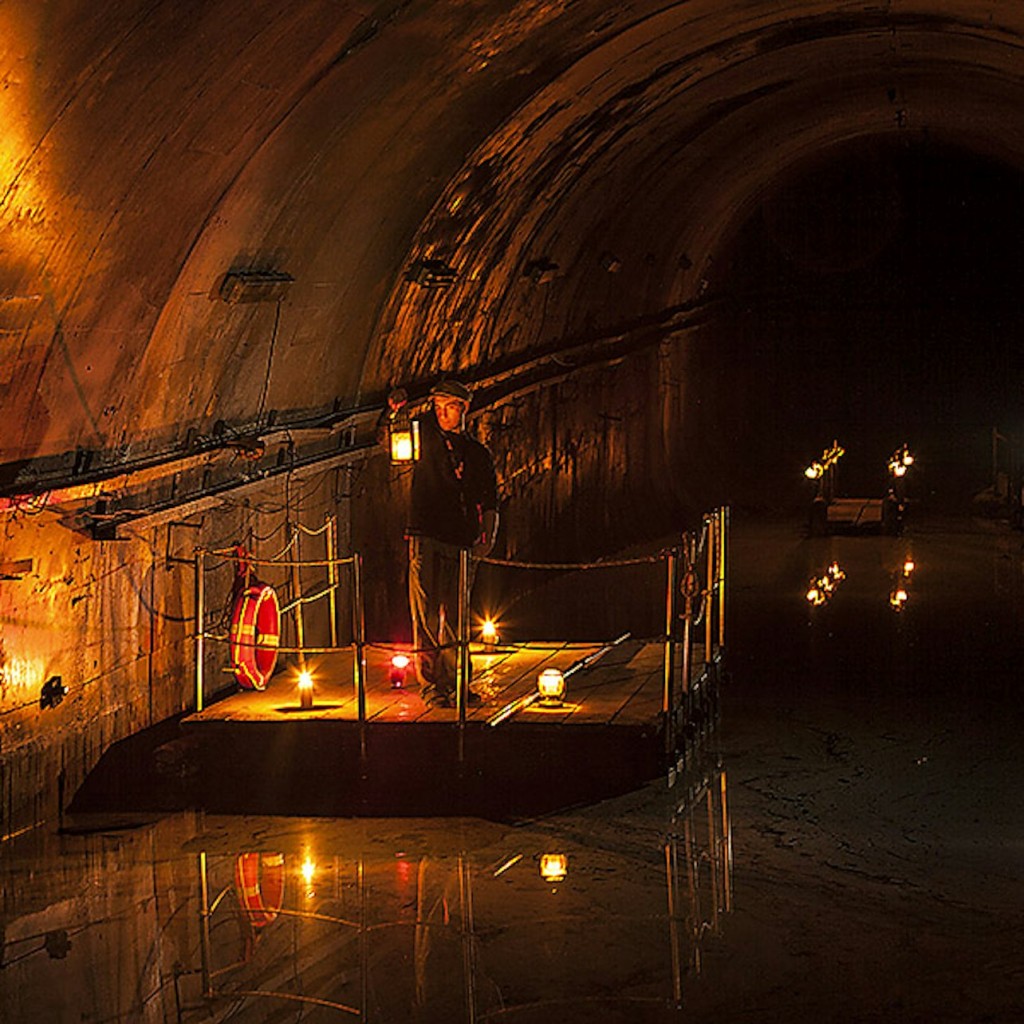
La historia de la Nápoles Subterránea abarca más de 2.000 años, comenzando en el siglo IV a.C. cuando los antiguos griegos extrajeron piedra de toba de debajo de la ciudad para construir Neapolis, su nuevo asentamiento. Estas excavaciones iniciales sentaron las bases para la extensa red. Bajo el dominio romano, el sistema subterráneo se expandió significativamente. Los romanos diseñaron un elaborado sistema de acueductos, utilizando los túneles griegos existentes y excavando nuevos, para canalizar el agua de los manantiales de Serino a cada parte de la ciudad. Esta maravilla de la ingeniería sirvió a Nápoles durante siglos. Con el tiempo, a medida que se construyeron nuevos acueductos, secciones del antiguo sistema cayeron en desuso. Durante la Segunda Guerra Mundial, estos pasajes olvidados encontraron un nuevo propósito, sirviendo como vitales refugios antiaéreos para miles de napolitanos que buscaban refugio de los bombardeos aliados. La evidencia de este período, incluyendo pertenencias personales y grafitis, sigue siendo visible hoy. Después de la guerra, los túneles fueron abandonados en gran parte de nuevo hasta que a finales del siglo XX comenzaron esfuerzos dedicados para limpiarlos, restaurarlos y abrirlos al público, transformándolos en una cautivadora atracción histórica.