


Qué está incluido
- Tour guiado de 1 a 1,5 horas a Nápoles Sotterranea con entrada
- Guía experto de habla inglesa o italiana
- Una pizza Margherita/Marinara con refresco (según la opción elegida)
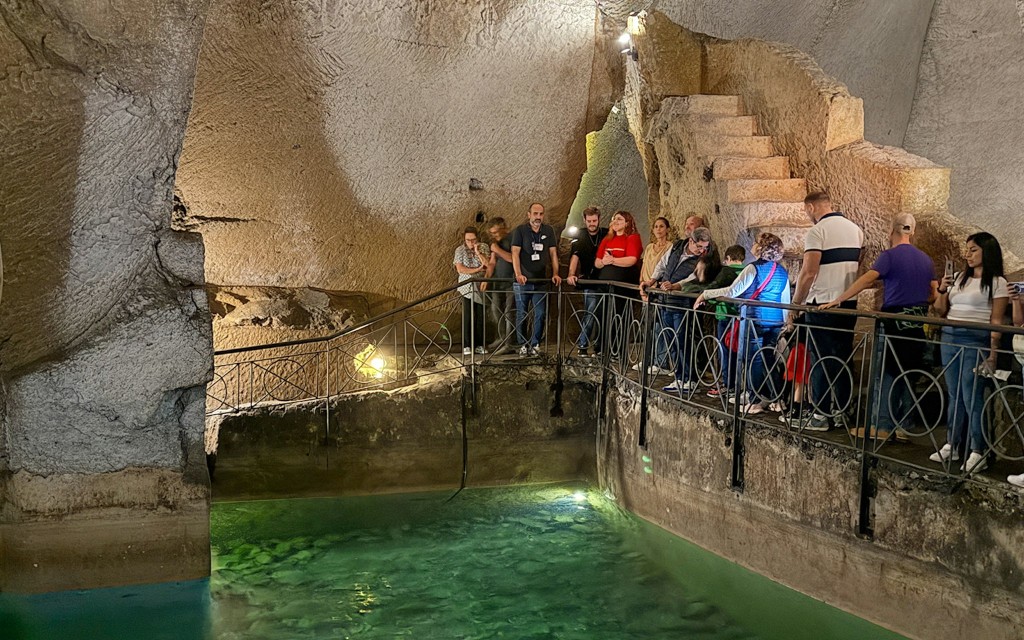
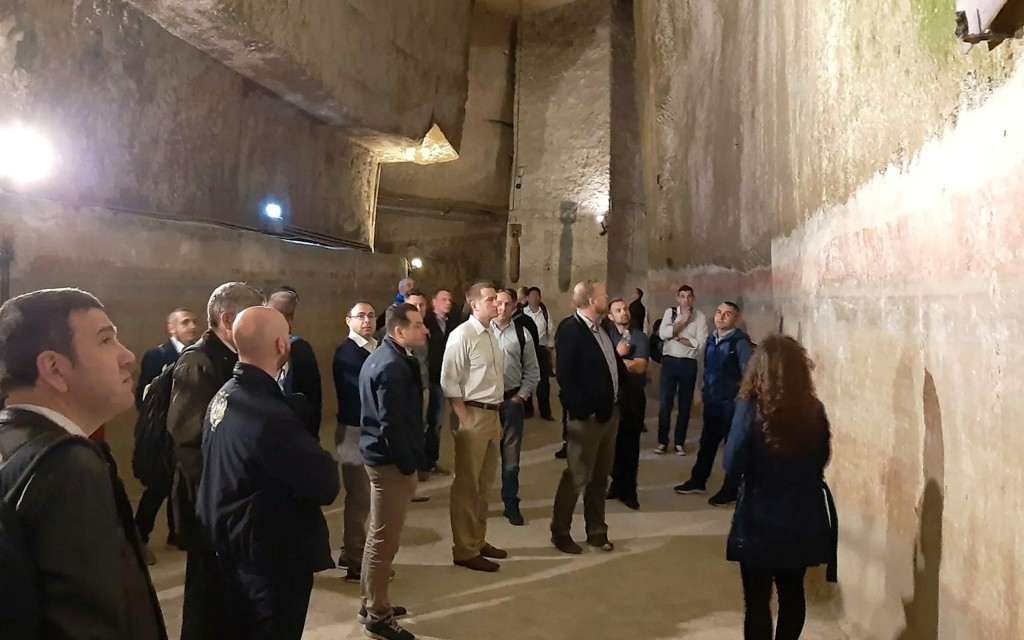
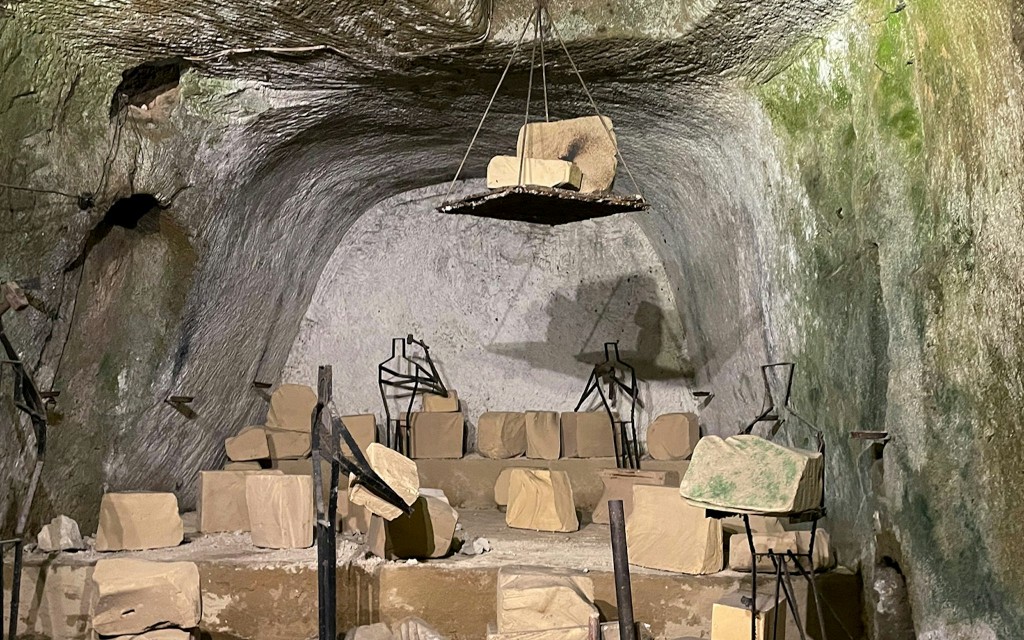
Explore un viaje visual a través de las profundidades ocultas de Nápoles. Estas fotos ofrecen un vistazo a los antiguos túneles, los acueductos romanos y las cámaras históricas que se encuentran bajo la ciudad moderna.
Descubre las profundidades ocultas bajo la vibrante ciudad de Nápoles con una cautivadora visita guiada a la Nápoles Subterránea. Este extraordinario mundo subterráneo desvela más de 2.000 años de historia, grabados en antiguos túneles, acueductos romanos y pasadizos ocultos. Aléjate de las bulliciosas calles de arriba y desciende a un reino donde las maravillas de la ingeniería griega y romana coexisten con refugios de guerra y antiguas leyendas. Es un viaje a través del tiempo, revelando el corazón secreto de una de las ciudades más históricas de Italia. Esta experiencia única ofrece una profunda visión de la resiliencia e ingenio de civilizaciones pasadas, mostrando cómo la ciudad se reconstruyó y reinventó continuamente sobre sus propios cimientos. Explorar esta fascinante red de cámaras y pasadizos es una visita esencial para cualquiera que busque una comprensión más profunda del notable patrimonio de Nápoles.
No hay un código de vestimenta formal, pero se recomienda usar zapatos cómodos para caminar debido a las superficies irregulares y las numerosas escaleras. Se aconseja una chaqueta ligera o un suéter, ya que la temperatura subterránea es constantemente fresca independientemente del clima en la superficie.
Haz el tour oficial y autorizado de Nápoles subterráneo con un guía experto de habla inglesa o italiana.
En las capas de Nápoles
Desciende 136 escalones a las profundidades del subsuelo de Nápoles, a 40 metros bajo la superficie, y descubre un mundo oculto moldeado por siglos de historia. Explora antiguas cisternas griegas, túneles medievales y refugios de la época borbónica, utilizados en su día para almacenar agua y protegerse en tiempos de guerra. Camina por senderos bien iluminados para descubrir la estación sísmica de Arianna, un singular invernadero subterráneo y un Museo de la Guerra que narra vívidamente el pasado bélico de Nápoles.
Cámaras subterráneas únicas
Tu viaje continúa hacia el Teatro Romano, donde entrarás en una típica casa napolitana para descubrir los camerinos privados del emperador Nerón. En la Summa Cavea, explora una fascinante exposición permanente de belenes antiguos junto a restos de las cloacas de la época borbónica. Concluye tu aventura en los Jardines del Hipogeo, un proyecto botánico subterráneo que muestra innovadores cultivos en el subsuelo, un concepto que ha llamado la atención de investigadores y organizaciones como la NASA. Esta experiencia de una hora combina historia, ciencia y belleza natural.
Para personas con claustrofobia: hay un túnel estrecho opcional. Los que no quieran caminar por el túnel pueden tomar una ruta alternativa y esperar 10 minutos al grupo.
Ten en cuenta que las visitas guiadas italianas tienen lugar cada hora, de 10.00 a 17.00, y que los clientes deben llegar al punto de encuentro 30 minutos antes de la hora elegida.
Si optas por la experiencia de la pizza post-tour, la pizza se servirá al final del tour en Le Sorelle Bandiera (Vico Cinquesanti 33), donde concluye tu visita guiada. Los guías te dejarán en la entrada de la pizzería, y podrás reclamar tu pizza Margherita o Marinara y tu bebida mostrando tu billete o vale de la visita guiada.
Los clientes pueden elegir disfrutar de su pizza in situ o llevársela. Cualquier aderezo o complemento adicional se puede comprar por separado.
Nápoles Subterránea (Napoli Sotterranea) es una red laberíntica que se extiende bajo el centro histórico, ofreciendo una visión única de la evolución continua de la ciudad. Originada de la extracción de material de construcción por parte de los antiguos griegos, estos espacios subterráneos fueron posteriormente desarrollados extensamente por los romanos, quienes diseñaron un impresionante sistema de acueductos para abastecer de agua a la creciente ciudad. A lo largo de los siglos, estos túneles han servido para diversos propósitos: desde una fuente vital de agua hasta un refugio durante los ataques aéreos de la Segunda Guerra Mundial, e incluso como vertedero de residuos, lo que paradójicamente conservó muchos hallazgos arqueológicos. Hoy en día, las visitas guiadas iluminan las diversas capas de la historia, mostrando cisternas, la entrada a un antiguo teatro romano y el intrincado sistema de túneles. La experiencia no es solo un paseo por pasajes oscuros; es una narrativa histórica inmersiva que da vida a las historias de las personas que construyeron, usaron y se escondieron dentro de estas cámaras subterráneas. Explorar Napoli Sotterranea proporciona una comprensión profunda de la resiliencia de Nápoles y su pasado en capas, revelando secretos que yacen mucho más allá del ajetreo y el bullicio modernos.
Reservar su tour por la Nápoles Subterránea en línea ofrece varias ventajas, asegurando una experiencia fluida y sin complicaciones. La reserva anticipada garantiza su plaza, lo cual es particularmente beneficioso durante la temporada alta cuando los tours pueden agotarse rápidamente. También le ahorra tiempo, permitiéndole evitar las colas de las taquillas y dirigirse directamente a la salida de su tour designado. La reserva en línea a menudo proporciona confirmación instantánea y opciones de cancelación flexibles, lo que le brinda tranquilidad. Además, puede comparar diferentes opciones de tours y horarios a su gusto, seleccionando el que mejor se adapte a su itinerario y preferencias, todo desde la comodidad de su dispositivo antes incluso de llegar a Nápoles.
La historia de la Nápoles Subterránea abarca más de 2.000 años, comenzando en el siglo IV a.C. cuando los antiguos griegos extrajeron piedra de toba de debajo de la ciudad para construir Neapolis, su nuevo asentamiento. Estas excavaciones iniciales sentaron las bases para la extensa red. Bajo el dominio romano, el sistema subterráneo se expandió significativamente. Los romanos diseñaron un elaborado sistema de acueductos, utilizando los túneles griegos existentes y excavando nuevos, para canalizar el agua de los manantiales de Serino a cada parte de la ciudad. Esta maravilla de la ingeniería sirvió a Nápoles durante siglos. Con el tiempo, a medida que se construyeron nuevos acueductos, secciones del antiguo sistema cayeron en desuso. Durante la Segunda Guerra Mundial, estos pasajes olvidados encontraron un nuevo propósito, sirviendo como vitales refugios antiaéreos para miles de napolitanos que buscaban refugio de los bombardeos aliados. La evidencia de este período, incluyendo pertenencias personales y grafitis, sigue siendo visible hoy. Después de la guerra, los túneles fueron abandonados en gran parte de nuevo hasta que a finales del siglo XX comenzaron esfuerzos dedicados para limpiarlos, restaurarlos y abrirlos al público, transformándolos en una cautivadora atracción histórica.
Las visitas guiadas a Nápoles Subterránea generalmente operan todos los días, con múltiples horarios de salida a lo largo del día. Los horarios de funcionamiento típicos pueden variar desde la mañana hasta el final de la tarde, por ejemplo, de 10:00 AM a 6:00 PM, con tours que comienzan cada hora o cada media hora. Sin embargo, los horarios pueden variar según la temporada y los días festivos. Se recomienda encarecidamente consultar los sitios web de los operadores turísticos específicos para obtener la información más actualizada y precisa sobre los horarios diarios de los tours y cualquier posible cierre. Planificar tu visita con antelación garantiza que selecciones un horario de tour que se adapte a tu itinerario.
Visitar la Nápoles Subterránea es más agradable durante las temporadas intermedias de primavera (abril-mayo) y otoño (septiembre-octubre), cuando el clima es agradable y las multitudes de turistas son algo menores que en los meses pico de verano. Durante el día, opte por los tours más tempranos por la mañana o los de última hora de la tarde para evitar los períodos más concurridos. Las visitas entre semana suelen ser menos concurridas que los fines de semana. Dado que la temperatura subterránea es constante durante todo el año, el clima exterior afecta principalmente el trayecto de ida y vuelta a la entrada. Visitar durante los meses más fríos proporciona un contraste confortable con el clima subterráneo estable, convirtiéndolo en un escape refrescante de la posible lluvia o el calor.
Durante su visita guiada a la Nápoles Subterránea, explorará una fascinante variedad de características subterráneas. El viaje suele comenzar con un descenso a antiguos hipogeos griegos, inicialmente excavados para extraer toba utilizada en la construcción de la ciudad de arriba. Luego, navegará a través del intrincado sistema de acueductos romanos, maravillándose con la destreza de ingeniería que suministraba agua a la antigua metrópolis. Una parte particularmente impactante del recorrido revela restos del antiguo Teatro Romano, increíblemente conservado y accesible desde debajo de un edificio residencial moderno. Secciones adicionales muestran refugios antiaéreos de la Segunda Guerra Mundial, completos con grafitis y artefactos personales dejados por quienes buscaron refugio. Las profundas cisternas, utilizadas para el almacenamiento de agua, también son un punto culminante clave, proporcionando una idea de la escala y profundidad de esta ciudad subterránea. Cada área cuenta un capítulo diferente de la larga y compleja historia de Nápoles.
El tour por la Nápoles Subterránea implica caminar por pasajes estrechos y descender varios tramos de escaleras. Se recomienda encarecidamente llevar calzado cómodo. La temperatura bajo tierra se mantiene relativamente constante, alrededor de 16-18°C (60-64°F), por lo que es aconsejable llevar una chaqueta ligera o un suéter incluso en verano. Si bien la mayoría de las áreas están bien iluminadas, algunas secciones pueden estar tenuemente iluminadas y hay espacios reducidos, lo que podría no ser adecuado para personas con claustrofobia severa. La fotografía está generalmente permitida, pero el flash podría estar restringido en ciertas áreas. Para mejorar su experiencia, asegúrese de llegar unos minutos antes de la hora programada de su tour.
Se espera que los visitantes sigan las instrucciones de su guía en todo momento por razones de seguridad. Es importante permanecer con el grupo y no adentrarse en áreas no autorizadas. Tocar artefactos o estructuras antiguas está estrictamente prohibido para su preservación. Bolsos grandes o mochilas podrían necesitar ser guardados, aunque los artículos que se suelen llevar consigo están bien. Generalmente no se permiten alimentos ni bebidas durante el recorrido para mantener la limpieza e integridad del entorno subterráneo. Fumar o vapear está estrictamente prohibido.
Visitar la Nápoles Subterránea es una experiencia inmensamente gratificante que ofrece una profunda conexión con el pasado estratificado de la ciudad. Proporciona una perspectiva única, literalmente, sobre el desarrollo histórico de Nápoles, desde sus orígenes griegos hasta su papel en la Segunda Guerra Mundial. La magnitud y conservación de los antiguos acueductos y el sorprendente descubrimiento del Teatro Romano bajo los edificios modernos son verdaderamente asombrosos. No es solo un sitio histórico, sino una aventura que involucra tus sentidos e imaginación, permitiéndote caminar tras los pasos de civilizaciones antiguas y residentes de tiempos de guerra. Para cualquiera interesado en la historia, la arqueología o experiencias de viaje únicas, Napoli Sotterranea ofrece una visión y un asombro sin igual que vale absolutamente la pena.
Una visita guiada típica dura aproximadamente de 1,5 a 2 horas.
Sí, generalmente es adecuado para niños, aunque algunos pasajes estrechos pueden ser menos cómodos para los más pequeños o aquellos sensibles a los espacios confinados.
El tour implica descender y ascender varios tramos de escaleras. No hay ascensores.
La temperatura bajo tierra es consistentemente de alrededor de 16-18°C (60-64°F) durante todo el año. Se recomienda una chaqueta ligera.
Sí, algunas secciones son estrechas y con poca luz. Para aquellos con claustrofobia, a veces hay rutas alternativas más amplias disponibles, pero es mejor consultarlo con su guía.
Generalmente se permite la fotografía, pero el uso de flash podría estar restringido en ciertas áreas sensibles.
La entrada principal suele estar en el centro histórico de Nápoles, a menudo cerca de Via dei Tribunali.
Se recomienda encarecidamente reservar en línea con antelación, especialmente durante la temporada alta, para asegurar la hora de visita preferida y evitar colas.
Debido a las numerosas escaleras y pasajes estrechos, el tour generalmente no es adecuado para personas con problemas significativos de movilidad o que usan sillas de ruedas.
Nápoles Subterránea está convenientemente situada en el corazón del centro histórico de Nápoles, lo que la hace fácilmente accesible. Desde la estación central (Napoli Centrale), puedes tomar la Línea 1 del Metro hasta la estación Dante o Museo, o la Línea 2 del Metro hasta la estación Cavour. Desde estas paradas de metro, es un corto paseo por las atmosféricas calles del casco antiguo para llegar a la entrada principal, generalmente identificable por la clara señalización de "Napoli Sotterranea". Caminar es la mejor manera de experimentar la zona circundante una vez que estés en el centro histórico.
No hay un código de vestimenta formal, pero se recomienda usar zapatos cómodos para caminar debido a las superficies irregulares y las numerosas escaleras. Se aconseja una chaqueta ligera o un suéter, ya que la temperatura subterránea es constantemente fresca independientemente del clima en la superficie.