


Qué está incluido
- Entrada al Museo Arqueológico Nacional de Nápoles
- Acceso a la exposición temporal
- Nápoles descargable: Audioguía digital de la ciudad (inglés, francés, italiano, alemán)
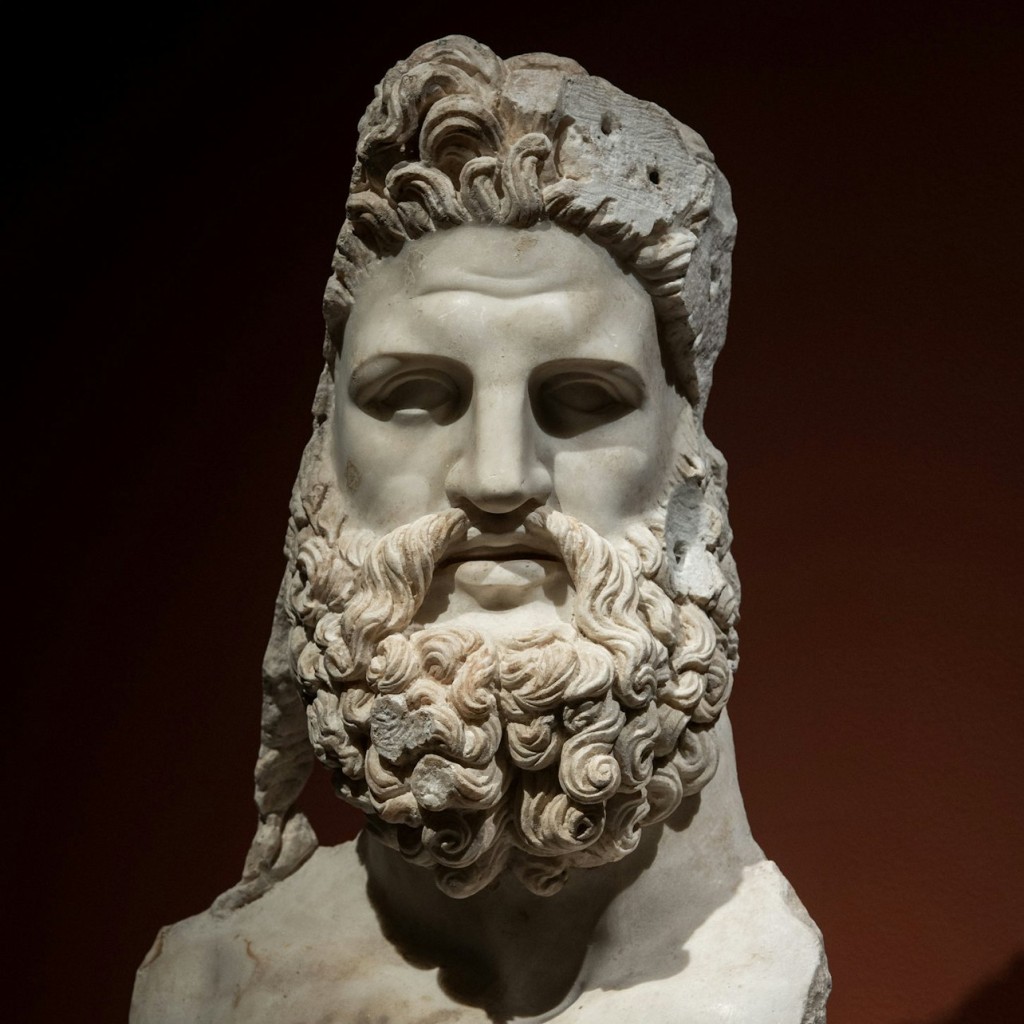
Explore un viaje visual a través del mundo antiguo con estas cautivadoras imágenes del Museo Arqueológico Nacional de Nápoles.
El Museo Arqueológico Nacional de Nápoles (MANN) se erige como una de las instituciones arqueológicas más importantes del mundo, albergando una colección inigualable de artefactos de la antigua Roma, Pompeya, Herculano y Estabia. Los visitantes pueden embarcarse en un cautivador viaje a través de la antigüedad, maravillándose con exquisitas esculturas, intrincados mosaicos y objetos cotidianos que ofrecen profundos conocimientos sobre la vida de las civilizaciones antiguas. Es un destino esencial para cualquier persona interesada en la historia romana y los tesoros extraordinariamente conservados de las ciudades vesubianas, dando vida al mundo clásico de manera vívida para cada huésped.
No hay un código de vestimenta estricto para visitar el Museo Arqueológico Nacional de Nápoles. Sin embargo, es aconsejable vestirse de manera respetuosa, especialmente considerando la importancia cultural del lugar. Se recomienda ropa y zapatos cómodos, ya que caminará y permanecerá de pie durante largos períodos para explorar las vastas colecciones.
El Museo Arqueológico Nacional de Nápoles, o MANN, es un tesoro de arte y arqueología clásica, establecido en un edificio del siglo XVII que originalmente sirvió como cuartel de caballería y más tarde como sede de la Universidad de Nápoles. Sus vastas colecciones derivan principalmente de la Colección Farnesio, heredada por los reyes Borbones, y de los asombrosos hallazgos de las excavaciones de Pompeya, Herculano y otros sitios sepultados por la erupción del Monte Vesubio en el año 79 d.C. El museo ofrece una visión exhaustiva de la vida, el arte y la cultura romanos, presentando un rico tapiz de mosaicos, frescos, estatuas y objetos domésticos. Más allá de los artefactos vesubianos, también cuenta con importantes colecciones egipcias y epigráficas. Cada galería proporciona una ventana al pasado, ilustrando la sofisticación y las rutinas diarias de los pueblos antiguos, haciendo del MANN un sitio crucial para comprender el mundo clásico y su legado perdurable.
Reservar sus entradas para el Museo Arqueológico Nacional de Nápoles en línea ofrece comodidad y puede ayudarle a ahorrar tiempo a su llegada. Al asegurar su entrada con antelación, a menudo puede evitar largas colas, especialmente durante las temporadas altas de turismo, lo que permite un inicio más tranquilo de su visita. Las opciones en línea suelen incluir entradas básicas o experiencias mejoradas como entradas combinadas con una guía digital o una visita guiada, proporcionando una comprensión más profunda de las extensas colecciones del museo. Este enfoque proactivo asegura que tenga su acceso preferido a esta institución de clase mundial.
Los orígenes del Museo Arqueológico Nacional de Nápoles se remontan a mediados del siglo XVIII, bajo el rey Carlos VII de Nápoles (más tarde Carlos III de España). Él inició las excavaciones de Pompeya y Herculano y comenzó a recolectar los artefactos desenterrados. El núcleo de la colección del museo se enriqueció significativamente con la herencia de la Colección Farnese, un vasto conjunto de esculturas clásicas y arte acumulado por el Papa Pablo III y sus descendientes, que llegó a Nápoles en 1734. El museo mismo se estableció en los antiguos cuarteles de caballería y luego en el edificio de la universidad en 1777, evolucionando hacia el Real Museo Borbonico. A lo largo de los siglos XIX y XX, el museo continuó expandiendo sus fondos, particularmente con objetos de excavaciones posteriores alrededor de Campania y otros sitios arqueológicos de Italia, consolidando su estatus como una institución principal para comprender las civilizaciones antiguas, especialmente las del mundo romano.
El Museo Arqueológico Nacional de Nápoles generalmente recibe a los visitantes desde media mañana hasta última hora de la tarde. Normalmente abre seis días a la semana, siendo los martes el día de cierre habitual. Los horarios específicos de apertura y cierre, así como cualquier horario especial por días festivos o cierres temporales, están sujetos a cambios. Es aconsejable planificar su visita con un conocimiento general de estos patrones, teniendo en cuenta que el museo tiene como objetivo acoger a una amplia gama de visitantes durante todo el año.
Para experimentar el Museo Arqueológico Nacional de Nápoles con menos gente, considere visitarlo durante las temporadas intermedias de primavera (abril-mayo) u otoño (septiembre-octubre). El clima también suele ser agradable durante estos meses. Los días laborables, especialmente de martes a jueves, suelen ser menos concurridos que los fines de semana. Llegar poco después de la apertura del museo por la mañana suele ser la mejor estrategia para disfrutar de las galerías antes de que se llenen más. Los lunes y domingos pueden ser particularmente concurridos, así que planifique en consecuencia si visita esos días.
Dentro del Museo Arqueológico Nacional de Nápoles, los visitantes son recibidos por una extraordinaria variedad de artefactos distribuidos en múltiples pisos y alas. La planta baja a menudo alberga la magnífica Colección Farnese, que exhibe monumentales esculturas griegas y romanas. Ascienda a los pisos superiores para descubrir los impresionantes frescos y mosaicos meticulosamente retirados de las villas de Pompeya y Herculano, que ilustran la vida cotidiana, la mitología y el arte romano. El Gabinetto Segreto, o Gabinete Secreto, ofrece una visión única de los aspectos eróticos de la cultura romana. Además, el museo cuenta con extensas colecciones dedicadas a artefactos del antiguo Egipto, civilizaciones itálicas tempranas y una importante sección numismática. Cada exhibición está cuidadosamente curada, proporcionando una narrativa completa del mundo antiguo a través de su cultura material.
Planee pasar al menos 3-4 horas para explorar adecuadamente las extensas colecciones. Las audioguías suelen estar disponibles para alquilar, ofreciendo información detallada sobre los artefactos. El museo cuenta con una tienda de regalos y una cafetería para refrescos. Use zapatos cómodos ya que caminará mucho. La fotografía sin flash suele estar permitida en la mayoría de las áreas, pero siempre observe la señalización. Considere visitar diferentes secciones en un orden lógico para apreciar plenamente la narrativa histórica. Puede haber taquillas disponibles para sus pertenencias personales, lo que puede mejorar su comodidad durante la visita.
Se espera que los visitantes sigan la etiqueta general del museo, incluyendo abstenerse de tocar las exhibiciones y mantener un volumen respetuoso. Las bolsas grandes y mochilas pueden tener que ser depositadas en un guardarropa o guardadas en taquillas. La comida y la bebida generalmente no están permitidas en las áreas de exposición. La fotografía sin flash suele estar permitida para uso personal, pero los trípodes y la fotografía con flash pueden estar restringidos. Preste siempre atención a las señales e instrucciones del personal del museo para garantizar una experiencia agradable y segura para todos.
El Museo Arqueológico Nacional de Nápoles es, sin lugar a dudas, digno de visitar para cualquier persona interesada en la historia antigua, el arte y la arqueología. Sus colecciones inigualables de Pompeya y Herculano ofrecen un retrato íntimo y vívido de la vida romana, como en ningún otro lugar del mundo. La magnitud y calidad de sus artefactos, desde esculturas monumentales hasta delicados mosaicos y herramientas cotidianas, proporcionan una experiencia educativa e impresionante. Es un complemento indispensable para una visita a los propios sitios arqueológicos, ya que muchos de los hallazgos mejor conservados y más significativos se encuentran aquí, asegurando una apreciación más profunda de estas antiguas civilizaciones.
Las principales colecciones del museo incluyen artefactos de Pompeya y Herculano, la Colección Farnese de esculturas clásicas, una colección egipcia y hallazgos epigráficos.
El Gabinete Secreto (Gabinetto Segreto) es generalmente accesible, pero debido a su contenido explícito, puede estar sujeto a restricciones de edad o requerir una consulta específica al ingresar.
Una visita completa suele requerir de 3 a 4 horas para explorar las extensas colecciones, pero es posible realizar visitas más cortas para centrarse en los puntos destacados específicos.
Sí, las entradas suelen poder comprarse en la entrada del museo, pero se recomienda reservar online con antelación para evitar posibles colas, especialmente durante los períodos de mayor afluencia.
Generalmente se permite la fotografía sin flash para uso personal en la mayoría de las áreas, pero pueden aplicarse restricciones a ciertas exposiciones. Observe siempre la señalización.
El museo generalmente ofrece instalaciones para visitantes con discapacidad, incluyendo ascensores y rutas accesibles. Es aconsejable verificar los detalles específicos de accesibilidad de antemano.
Sí, el Museo Arqueológico Nacional de Nápoles suele tener una cafetería o punto de refrescos donde los visitantes pueden tomar un descanso y comprar aperitivos y bebidas.
El Museo Arqueológico Nacional de Nápoles está convenientemente ubicado y es accesible en transporte público. Se puede llegar a través de la Línea 1 del Metro, bajando en la estación 'Museo', que está directamente conectada con el museo. Alternativamente, varias líneas de autobús locales tienen paradas a poca distancia. Para quienes se alojen en el centro de la ciudad, también puede ser un agradable paseo, dependiendo de su punto de partida.
No hay un código de vestimenta estricto para visitar el Museo Arqueológico Nacional de Nápoles. Sin embargo, es aconsejable vestirse de manera respetuosa, especialmente considerando la importancia cultural del lugar. Se recomienda ropa y zapatos cómodos, ya que caminará y permanecerá de pie durante largos períodos para explorar las vastas colecciones.