

Qué está incluido
- Entrada cronometrada al Palacio Apostólico
- Acceso al jardín secreto
- Audioguía en inglés, italiano y alemán (según la opción seleccionada)
Explora un viaje visual a través del majestuoso Palacio de Castel Gandolfo y sus cautivadores Jardines Barberini. Descubre la elegancia de los apartamentos papales y las impresionantes vistas del lago Albano.
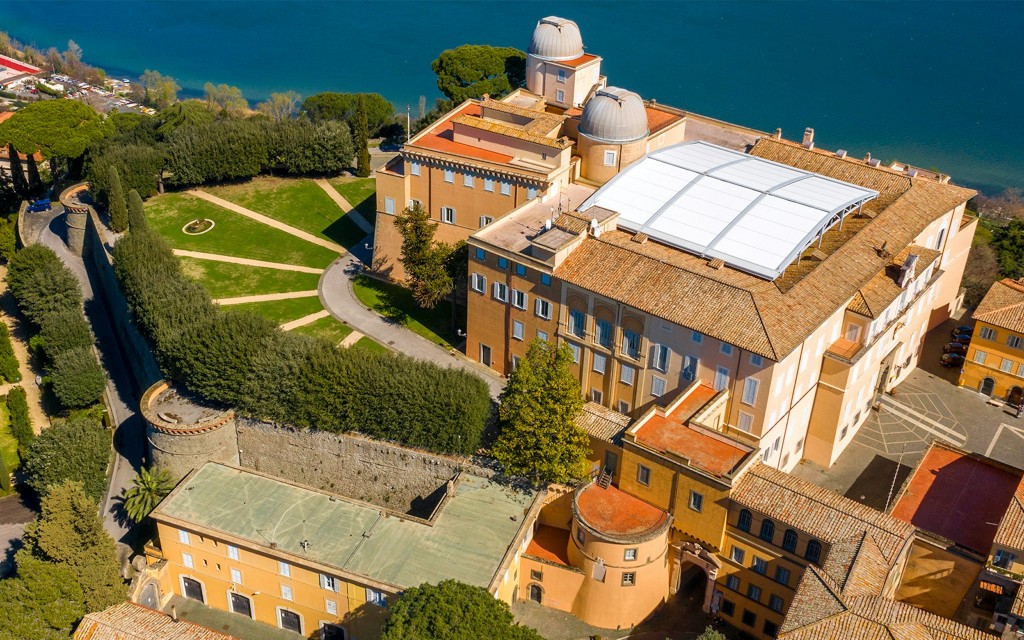
Ubicado sobre el sereno Lago Albano, el Palacio de Castel Gandolfo sirvió durante siglos como el preciado retiro de verano para los Papas, ofreciendo un respiro del calor de Roma. Ahora abierto al público, este magnífico Palacio Apostólico invita a los visitantes a explorar su rica historia, sus elegantes apartamentos papales y los impresionantes Jardines Barberini. Descubra la mezcla única de herencia espiritual, belleza arquitectónica y esplendor natural que define este sitio histórico en la encantadora ciudad de Castel Gandolfo, ofreciendo una visión íntima de la vida privada de los Papas en medio de un impresionante paisaje italiano. Es un viaje a través de siglos de significado religioso y cultural, todo en un entorno pintoresco.
Si bien no existe un código de vestimenta oficial estricto para visitar el Palacio y los Jardines de Castel Gandolfo, es aconsejable vestirse de manera respetuosa, especialmente dada su conexión histórica con el papado. Se recomienda ropa y calzado cómodos, especialmente para explorar los extensos jardines. Los hombros y las rodillas deben estar cubiertos como señal de respeto, de acuerdo con la visita a otros sitios religiosos o históricamente significativos en Italia. Siempre se agradece una vestimenta modesta.
Entra en el Palacio Apostólico y pasea por el jardín secreto de Castel Gandolfo.
Para comenzar
Comienza en la entrada principal del Palacio Apostólico, donde se validará tu entrada. Tras un breve control de seguridad, puedes iniciar tu visita autoguiada.
Lo que te espera:
Palacio Apostólico de Castel Gandolfo
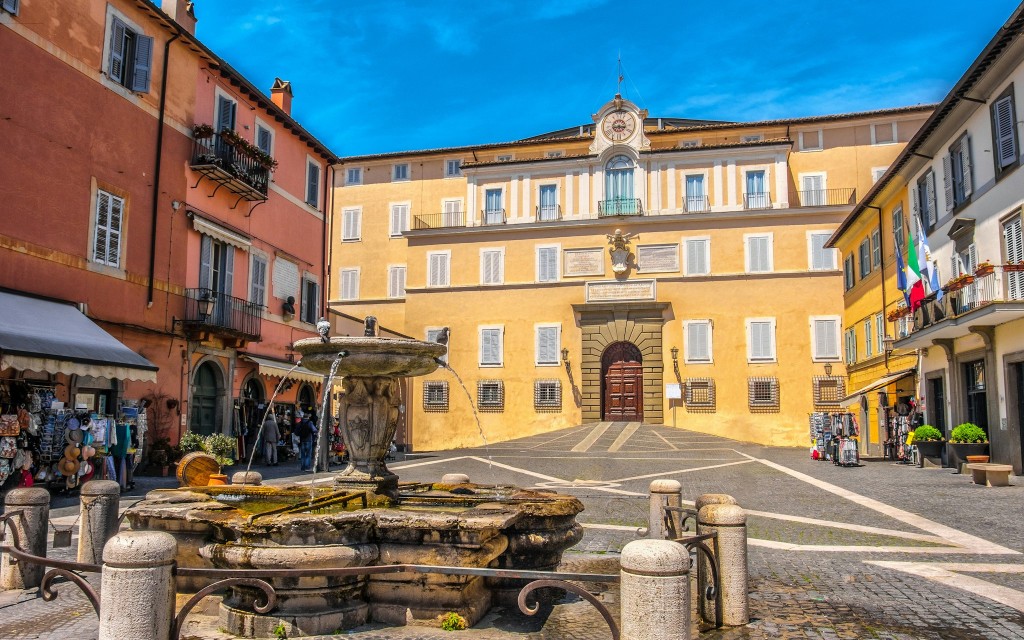
Esta residencia histórica ha servido de retiro papal durante siglos, ofreciendo una mirada poco frecuente al mundo privado del Vaticano fuera de Roma. El palacio se alza en el corazón de Castel Gandolfo, ciudad famosa por su encanto único y su entorno paisajístico.
Características
Apartamentos papales: recorre habitaciones antaño reservadas a los papas, con mobiliario de época y retratos que reflejan el legado del Vaticano.
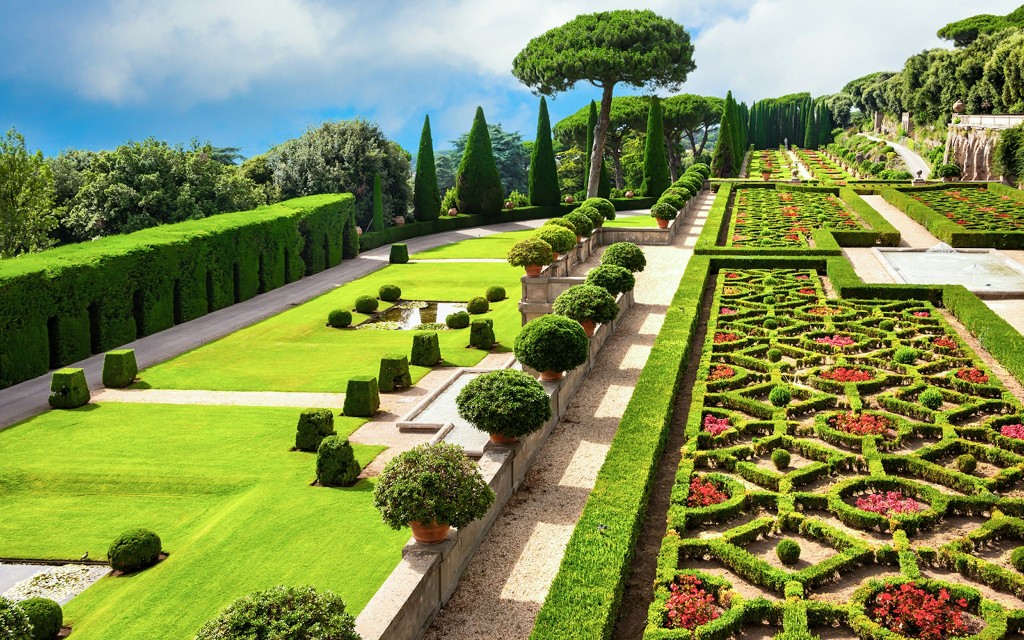
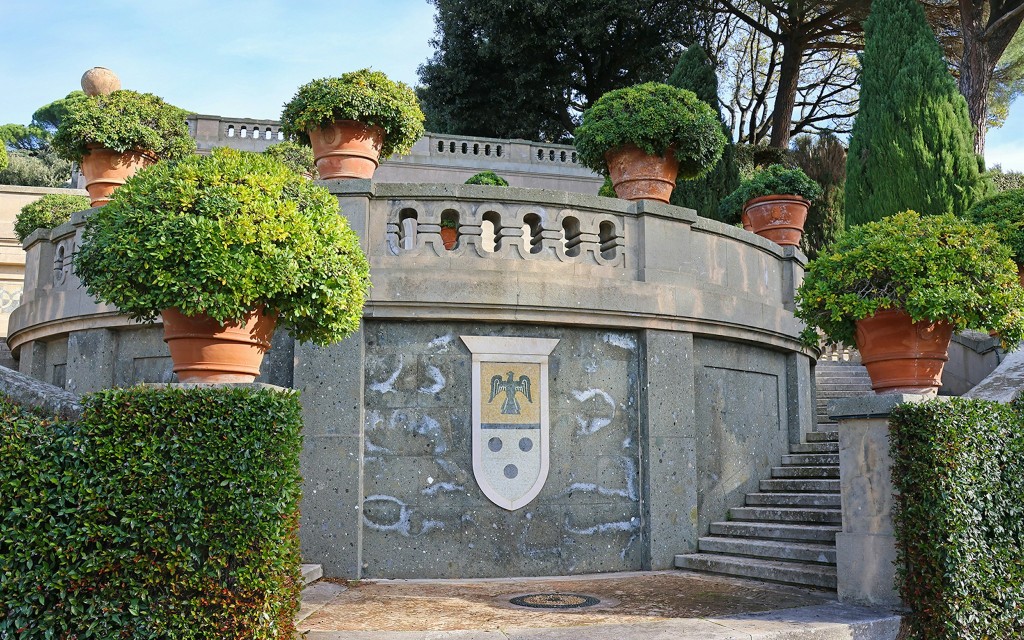
Jardín secreto: Disfruta de una entrada exclusiva a este tranquilo espacio, conocido por su cuidada vegetación y su ambiente tranquilo.
Mejora tu visita con una audioguía: Explora a tu propio ritmo con atractivas narraciones en inglés o italiano, que revelan historias papales ocultas, historia y arte por todo el sitio.
¿Qué llevar?
Preséntate en el lugar de celebración puntualmente a la hora elegida para garantizar la entrada.
Lleva un documento de identidad válido con foto que coincida con tu reserva para su verificación.
Lleva calzado cómodo y adecuado para caminar por el palacio y los jardines.
Para seguir el código de vestimenta del Vaticano, asegúrate de llevar los hombros y las rodillas cubiertos. Una bufanda ligera o un chal pueden ser útiles.
Lo que no está permitido
No se permite entrar en el recinto con bolsas o maletas grandes o voluminosas.
No se admiten mascotas, excepto si son animales de servicio registrados.
No se deben introducir alimentos ni bebidas en el palacio ni en las zonas ajardinadas.
Está estrictamente prohibido fumar, vaporizar y utilizar cigarrillos electrónicos en las instalaciones.
Accesibilidad
Información adicional
Tu entrada no da acceso a las cúpulas del observatorio, a los jardines ampliados ni a las visitas guiadas.
El transporte de ida y vuelta a Roma no está incluido. Planifica tu propio viaje en coche, autobús o tren.
El Palacio de Castel Gandolfo, oficialmente conocido como el Palacio Papal de Castel Gandolfo, tiene una profunda importancia histórica y cultural como la tradicional residencia de verano del Papa. Situado en las Colinas Albanas, al sureste de Roma, ofrece un notable escape de la bulliciosa ciudad. El complejo abarca el Palacio Apostólico, que cuenta con los apartamentos privados del Papa, una capilla, una biblioteca y oficinas, todo meticulosamente conservado. Más allá de los muros del palacio se encuentran los extensos y exquisitamente mantenidos Jardines Barberini, un verdadero punto culminante de la visita. Estos jardines combinan ruinas romanas antiguas con diseño renacentista, exhibiendo flora vibrante, intrincadas fuentes y vistas panorámicas del Lago Albano y la campiña circundante del Lacio. Explorar Castel Gandolfo ofrece una oportunidad única de pasear por espacios que antes estaban exclusivamente reservados para el Pontífice, brindando información sobre la vida diaria papal, la gobernanza y la contemplación espiritual en un entorno de belleza y tranquilidad inigualables. Es un lugar donde la historia, la fe y la naturaleza convergen.
Reservar tus entradas para el Palacio de Castel Gandolfo y los Jardines Secretos en línea ofrece numerosas ventajas. Asegura tu entrada reservada, permitiéndote evitar posibles colas y ahorrar un tiempo valioso, especialmente durante las temporadas altas. La reserva en línea a menudo ofrece varias opciones de entrada, como las que incluyen una audioguía para una comprensión más profunda del palacio y los jardines, o un paquete de 'experiencia completa' para una visita exhaustiva. La compra anticipada garantiza tu hora de entrada preferida, asegurando un comienzo tranquilo y sin estrés a tu exploración de esta histórica residencia papal y sus hermosos terrenos. Simplifica tus planes de viaje y mejora tu experiencia general.
El sitio de Castel Gandolfo tiene una historia que se remonta a la antigua Roma, construido sobre las ruinas de la vasta villa Albanum Dominianum del emperador Domiciano. La tierra finalmente pasó a manos papales en el siglo XVII cuando el Papa Urbano VIII encargó a Carlo Maderno el diseño del Palacio Apostólico. Durante más de 300 años, desde el siglo XVII hasta 2013, Castel Gandolfo sirvió como el preciado retiro de verano de los Papas, un santuario del calor y las presiones políticas de Roma. Siguió siendo territorio papal, disfrutando de estatus extraterritorial, e incluso albergó al Papa Pío XII durante la Segunda Guerra Mundial, quien abrió sus puertas como refugio para miles de judíos y otras personas desplazadas. El Papa Francisco optó notablemente por no utilizar la residencia de verano, lo que llevó a su apertura al público como museo en 2016, una decisión que transformó este santuario papal privado en un punto de referencia cultural accesible, compartiendo su rica herencia con el mundo.
El Palacio de Castel Gandolfo y los Jardines Barberini operan con horarios específicos, que pueden variar estacionalmente. Normalmente, el complejo está abierto de lunes a sábado, con un horario general de 9:00 a 17:30, aunque la última entrada suele ser antes. Generalmente, cierra los domingos, días festivos religiosos y, en ocasiones, durante eventos papales específicos. Los visitantes deben prever posibles ajustes estacionales en estos horarios y planificar su visita en consecuencia.
El momento ideal para visitar el Palacio de Castel Gandolfo y sus jardines es durante la primavera (de abril a junio) o principios de otoño (de septiembre a octubre). Durante estos períodos, el clima es agradablemente templado, lo que lo hace perfecto para pasear por los extensos jardines, y las multitudes son generalmente más pequeñas que en los meses pico de verano. Visitar un día laborable por la mañana, poco después de la apertura, ofrece la experiencia más serena, permitiendo una exploración tranquila del palacio y vistas ininterrumpidas del lago Albano.
Dentro del Palacio de Castel Gandolfo, los visitantes pueden explorar varias áreas clave que ofrecen una visión de la vida papal. El propio Palacio Apostólico alberga los apartamentos papales, que incluyen el estudio privado del Papa, el dormitorio y la capilla, junto con las salas de recepción oficiales. Estos espacios están meticulosamente conservados, mostrando muebles, obras de arte y efectos personales que revelan aspectos de las rutinas diarias de los Papas y su importancia histórica. La visita también se extiende a los impresionantes Jardines Barberini, que se extienden sobre las antiguas ruinas de la villa del emperador Domiciano. Aquí, descubrirás criptopórticos romanos, hermosas fuentes, diversas secciones botánicas y caminos dispuestos geométricamente, todo ello ofreciendo impresionantes vistas del lago Albano. La visita combina interiores históricos con una vasta belleza exterior.
Planea usar zapatos cómodos para caminar, especialmente si tienes la intención de explorar los extensos Jardines Barberini. Generalmente se permite la fotografía en la mayoría de las áreas, pero siempre ten en cuenta cualquier restricción específica dentro del palacio. Considera reservar las entradas en línea con antelación para asegurar tu hora de entrada y evitar esperas. Se recomienda encarecidamente una audioguía para mejorar tu comprensión de la historia y la importancia de las salas y las características del jardín. Hay baños disponibles en el lugar. La propia ciudad de Castel Gandolfo ofrece varias opciones de restauración si planeas comer antes o después de tu visita.
Para garantizar una experiencia respetuosa y segura para todos los visitantes, existen reglas específicas. Es posible que no se permitan bolsos grandes, mochilas y artículos voluminosos dentro del palacio y que deban guardarse en los guardarropas designados si están disponibles. Por lo general, no se permite la entrada de alimentos y bebidas al interior del palacio. Se espera que los visitantes mantengan un comportamiento respetuoso, mantengan los niveles de ruido bajos y sigan las instrucciones del personal. El respeto por los artefactos históricos y la flora del jardín es primordial, por lo que está prohibido tocar las exposiciones o arrancar plantas. La accesibilidad para personas con problemas de movilidad puede variar en ciertas partes más antiguas del palacio o los jardines.
El Palacio de Castel Gandolfo es sin duda digno de visitar por su combinación única de significado histórico, belleza arquitectónica y esplendor natural. Ofrece una oportunidad única de adentrarse en el antiguo mundo privado de los Papas, explorar apartamentos bellamente conservados y pasear por magníficos jardines que combinan antiguas ruinas romanas con un elegante paisajismo. Las vistas panorámicas del lago Albano por sí solas hacen que el viaje valga la pena. Para cualquiera interesado en la historia italiana, la herencia papal o simplemente buscando una escapada pintoresca con un paisaje impresionante, Castel Gandolfo ofrece una experiencia rica y gratificante que se destaca de otras atracciones.
El Palacio de Castel Gandolfo es la histórica residencia de verano de los Papas, ubicada en la ciudad de Castel Gandolfo con vistas al Lago Albano, ahora abierto al público como museo.
Los visitantes pueden explorar el Palacio Apostólico, incluyendo los apartamentos papales y las habitaciones privadas, y los extensos Jardines Barberini, que cuentan con antiguas ruinas romanas y vistas panorámicas al lago.
Una visita típica tanto al palacio como a los jardines suele durar entre 2 y 3 horas, lo que permite tiempo suficiente para explorar a un ritmo cómodo.
Aunque se han realizado esfuerzos para la accesibilidad, ciertas áreas históricas o partes de los extensos jardines pueden presentar desafíos para visitantes con movilidad reducida. Es aconsejable preguntar sobre detalles específicos de accesibilidad si es necesario.
No hay instalaciones de restauración directas dentro del complejo del palacio, pero la encantadora ciudad de Castel Gandolfo ofrece una variedad de restaurantes y cafeterías donde los visitantes pueden disfrutar de una comida o un aperitivo.
Generalmente se permite la fotografía en la mayoría de las áreas del palacio y los jardines, aunque podrían aplicarse restricciones específicas en ciertas habitaciones. Siempre es mejor estar atento a cualquier señalización o instrucciones del personal.
La forma más conveniente es tomar un tren regional desde la estación de Roma Termini hasta la estación de Castel Gandolfo, seguido de una corta caminata cuesta arriba hasta el palacio.
Sí, las audioguías suelen estar disponibles para alquilar en el sitio o a veces pueden incluirse con entradas reservadas específicas, proporcionando información detallada sobre el palacio y los jardines.
Castel Gandolfo es fácilmente accesible desde Roma. La forma más conveniente es tomando un tren regional desde la estación de Roma Termini hasta la estación de Castel Gandolfo. El trayecto dura aproximadamente 40 minutos. Desde la estación de Castel Gandolfo, el palacio se encuentra a unos 15-20 minutos a pie cuesta arriba a través del encantador pueblo. Alternativamente, puedes tomar un autobús local desde la estación de tren hasta el centro del pueblo.
Si bien no existe un código de vestimenta oficial estricto para visitar el Palacio y los Jardines de Castel Gandolfo, es aconsejable vestirse de manera respetuosa, especialmente dada su conexión histórica con el papado. Se recomienda ropa y calzado cómodos, especialmente para explorar los extensos jardines. Los hombros y las rodillas deben estar cubiertos como señal de respeto, de acuerdo con la visita a otros sitios religiosos o históricamente significativos en Italia. Siempre se agradece una vestimenta modesta.