Tour guidato dell'acropoli e del Partenone + Museo dell'Acropoli con biglietti d'ingresso (Acropolis + Acropolis Museum Spanish Guided Tour with Entry Tickets)Tour guidato dell'acropoli e del Partenone + Museo dell'Acropoli con biglietti d'ingresso (Acropolis + Acropolis Museum Spanish Guided Tour with Entry Tickets) - 1Tour guidato dell'acropoli e del Partenone + Museo dell'Acropoli con biglietti d'ingresso (Acropolis + Acropolis Museum Spanish Guided Tour with Entry Tickets) - 2Tour guidato dell'acropoli e del Partenone + Museo dell'Acropoli con biglietti d'ingresso (Acropolis + Acropolis Museum Spanish Guided Tour with Entry Tickets) - 3

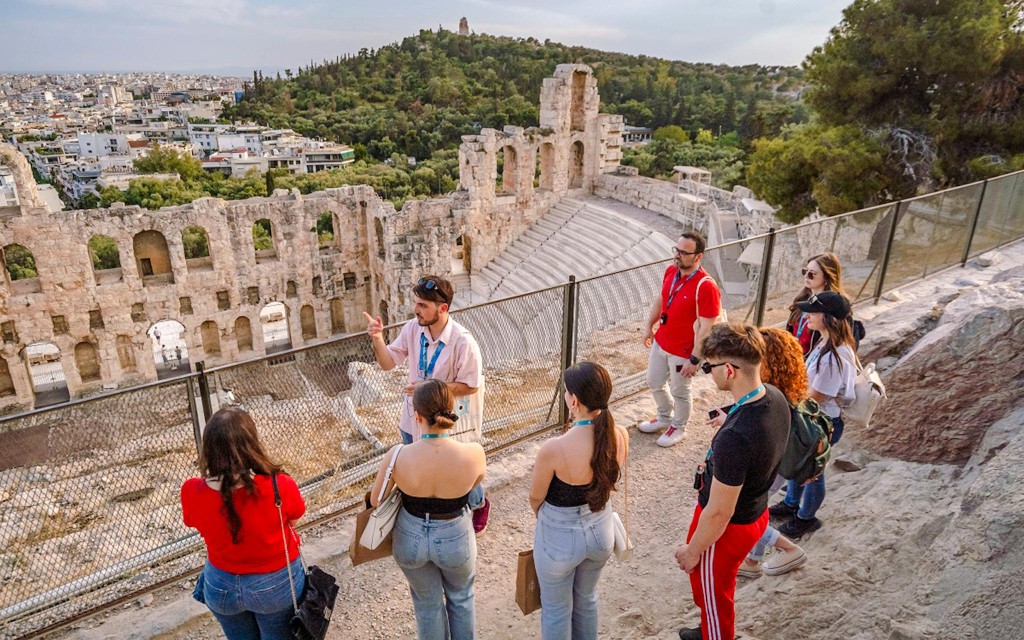
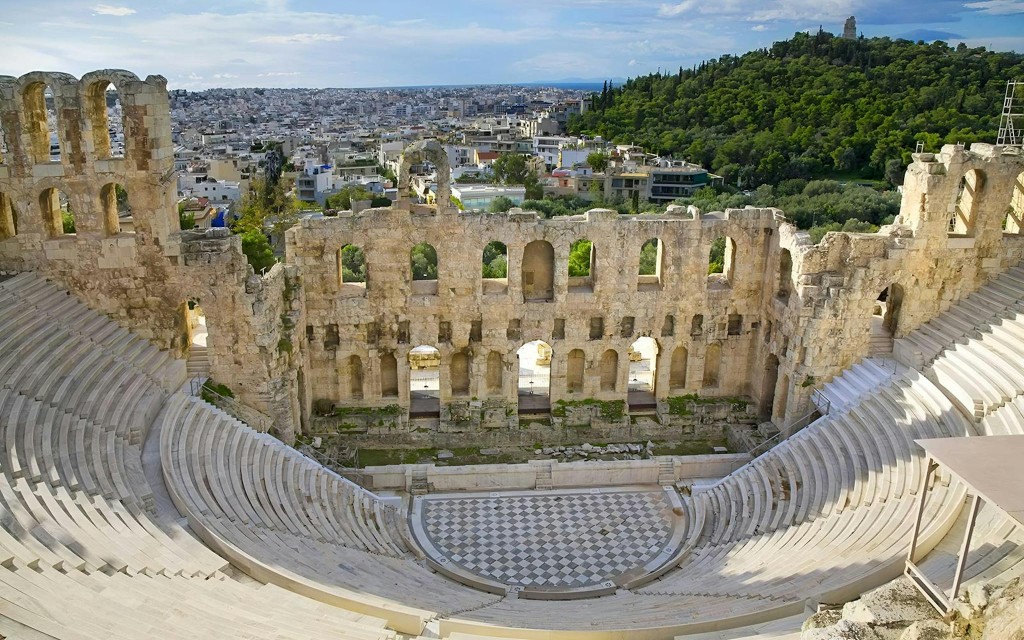
Discover captivating images of the Acropolis and Parthenon, showcasing the grandeur of ancient Greek architecture and the breathtaking views from this historic landmark.

Explore the magnificent Acropolis of Athens, a UNESCO World Heritage Site and the enduring symbol of Classical Greece. Perched high above the bustling city, this ancient citadel invites visitors to step back in time and witness the architectural marvels that defined a civilization. At its heart stands the Parthenon, the majestic temple dedicated to the goddess Athena, embodying the peak of Doric order. A visit here offers a profound journey through history, art, and philosophy, providing unparalleled panoramic views of Athens and the Aegean beyond. Discover the legends and stories embedded in every stone of this historic site.

Da92.62
ADULT
92.62
CHILD
411 età
33.52
INFANT
03 età
0.00
Durata
4 ore
Punto d'incontro
Athens
KeyTours Greece S.A, Athanasiou Diakou, Athens, Greece
Orari di apertura
Opening hours for the Acropolis vary seasonally, generally opening early in the morning and closing in the late afternoon or early evening. It typically remains closed on major public holidays.
Durata della visita
A typical visit to the Acropolis and Parthenon usually takes between 2 to 3 hours to fully explore the site.
Il periodo migliore per visitare
The best time to visit the Acropolis is early morning or late afternoon to avoid crowds and the midday heat, especially during warmer months.
Indirizzo
The Acropolis is located atop a prominent rocky hill in the heart of Athens, Greece, overseeing the entire city.
Codice di abbigliamento

There is no strict dress code for visiting the Acropolis, as it is an outdoor archaeological site. However, comfortable and practical attire is highly recommended. Given the uneven terrain, many stairs, and potential for hot weather, wear comfortable walking shoes with good grip. Light, breathable clothing is advisable during summer. In cooler months, layered clothing is appropriate. A hat and sunglasses are also recommended for sun protection year-round.

Dettagli dell'esperienza in breve

Cosa è incluso

  • Ingresso all'Acropoli e al Partenone nella data e nella fascia oraria selezionata
  • Ingresso al Museo dell'Acropoli
  • Tour a piedi di 2 ore dell'acropoli
  • Tour a piedi di 1 ora e mezza al Museo dell'Acropoli
  • Guida professionista che parla inglese

Cosa non è incluso

  • Trasferimenti in hotel
  • Uso dell'ascensore alla collina dell'Acropoli
  • Cibo e bevande
  • Spese personali

Know Before You Go

Da sapere

Cosa portare

Museo dell'Acropoli

  • Porta con te un documento d'identità valido o un tesserino universitario per usufruire di tariffe ridotte, se applicabili.

  • Scarica l'audioguida in anticipo per evitare problemi di connessione all'interno del museo.

  • Porta con te degli auricolari personali per un'esperienza di ascolto più fluida e coinvolgente.

  • Porta con te dei soldi contanti o una carta per acquistare souvenir o fermarti al bar.

  • Indossa scarpe comode e chiuse per muoverti agevolmente nelle sale del museo e nelle aree archeologiche vicine.

  • È consigliabile portare un maglione leggero o una sciarpa, perché le gallerie climatizzate possono presentare temperature molto fresche rispetto all'esterno.

Acropoli

  • Tieni pronto il tuo biglietto stampato o digitale per accedere rapidamente.

  • Usa i tuoi auricolari, per un'esperienza più fluida e coinvolgente.

  • Porta con te dei soldi contanti o una carta per acquistare souvenir o fermarti al bar.

  • Indossa scarpe robuste adatte a camminare su scalini di marmo e terreni rocciosi.

  • Proteggiti dal sole con un cappello a falda larga, occhiali da sole e crema solare.

  • È consigliabile portare una bottiglia d'acqua riutilizzabile, dato che i posti all'ombra sono limitati e il caldo estivo può essere intenso.

Restrizioni e divieti

Museo dell'Acropoli

  • Non è consentito scattare fotografie o girare video con flash, treppiedi e attrezzature professionali. Tuttavia, è possibile scattare foto senza flash nella maggior parte degli spazi, ad eccezione della galleria arcaica.

  • Borse, valigie o oggetti ingombranti devono essere lasciati nel guardaroba al piano terra.

  • All'interno non è permesso portare cibo e bevande, eccetto l'acqua potabile.

  • Non è permesso portare animali domestici al museo, fatta eccezione per gli animali di servizio certificati.

Acropoli

  • Droni, treppiedi e telecamere professionali non sono ammessi senza un'autorizzazione speciale.

  • Borse, zaini o valigie di grandi dimensioni non possono essere introdotti all'interno del sito e non è presente un guardaroba.

  • Gli animali non sono ammessi, fatta eccezione per i cani guida addestrati e dotati di certificazione.

  • È vietato fumare e masticare gomme all'interno del sito.

Accessibilità

Museo dell'Acropoli

  • Il Museo dell'Acropoli è completamente accessibile in sedia a rotelle grazie a rampe speciali e ascensori disponibili presso tutti gli ingressi e tutti i piani.

  • I servizi igienici accessibili sono disponibili in tutto l'edificio.

  • Puoi prendere in prestito gratuitamente le sedie a rotelle presso il centro visitatori o il banco informazioni.

  • I cani guida sono i benvenuti all'interno del museo. Presso il banco informazioni sono disponibili guide in braille sia in greco che in inglese per assistere le persone con disabilità visive.

Acropoli

  • L'Acropoli è solo parzialmente accessibile per le persone con difficoltà motorie. Vicino all'ingresso della pendice sud è presente un ascensore, ma è gestito dal sito e la disponibilità del servizio può variare. Chiama il numero +30 210 3214172 o il +30 210 9238470 il giorno prima della tua visita per accertarti che l'ascensore sia disponibile.

  • Assicurati di poter ricevere assistenza, perché la superficie del percorso è per lo più irregolare e ci sono pochi sentieri asfaltati. Sia tu che il caregiver avete diritto all'accesso gratuito, previa esibizione di un documento valido.

  • I servizi igienici accessibili in sedia a rotelle sono disponibili vicino al Museo dell'Acropoli e agli ingressi del sito storico principale.

  • Puoi trovare punti dedicati alla ristorazione e panchine in tutto il sito, ma le aree ombreggiate sono limitate.

Informazioni aggiuntive

  • I tour combo offrono un'atmosfera immersiva e coinvolgente grazie alla presenza di un massimo di 22 partecipanti. Potrai seguire l'esperienza senza problemi grazie agli auricolari gratis forniti ai gruppi di più di 8 persone.

  • Per garantire un'esperienza confortevole, le guide possono modificare l'ordine dei siti visitati.

Museo dell'Acropoli

  • Per evitare le ore di punta, recati al museo già alle 9:00 oppure nel tardo pomeriggio, verso le 14:00-15:00, soprattutto nei mesi estivi (da giugno ad agosto).

  • Tutti i partecipanti devono sottoporsi a un rapido controllo di sicurezza all'ingresso. L'attesa all'ingresso è di circa 5-10 minuti, anche se in alta stagione, da giugno ad agosto, la coda può durare fino a 15 minuti.

  • Puoi entrare nel Museo dell'Acropoli attraverso un ingresso separato che conduce direttamente alle aree espositive, quindi procedere alla scansione del biglietto presso le macchine dedicate situate al piano terra.

  • L'ingresso al Museo dell'Acropoli è gratuito il 6 marzo (giornata dedicata a Melina Mercouri), il 25 marzo (festa nazionale), il 18 maggio (Giornata internazionale dei musei) e il 28 ottobre (festa nazionale).

Acropoli

  • L'accesso al Partenone e all'Acropoli avviene tramite un sistema di ingresso a orario prestabilito, che richiede la prenotazione anticipata di una data e una fascia oraria. Cerca di arrivare con 30 minuti di anticipo per un'esperienza senza problemi: puoi entrare fino a 15 minuti prima o dopo la fascia oraria scelta.

  • È obbligatorio sottoporsi ai controlli di sicurezza prima di accedere all'Acropoli. L'attesa media è di 20-30 minuti e fino a 1 o 2 ore in alta stagione, da giugno ad agosto.

  • Per un accesso più rapido, utilizza l'ingresso sud vicino al Teatro di Dioniso, un'entrata che tende a essere meno affollata di quello principale e si trova a pochi passi dalla metropolitana e dal museo.

  • All'inizio della tua visita vai direttamente al Partenone, poi dirigiti verso il Tempio di Atena Nike, l'Eretteo e altre aree; questo approccio ti permette di evitare le code e di godere di spazi più tranquilli in seguito.

  • Puoi visitare gratuitamente il sito archeologico dell'Acropoli il 6 marzo (Giornata di Melina Mercouri), il 18 aprile (Giornata internazionale dei monumenti), il 18 maggio (Giornata internazionale dei musei), l'ultimo fine settimana di settembre (giornate europee del patrimonio), il 28 ottobre (festa nazionale) e la prima e la terza domenica da novembre a marzo.

Criteri di accesso alle tariffe ridotte

Museo dell'Acropoli

  • I residenti nell'UE di età non superiore ai 25 anni entrano gratuitamente previa presentazione di un documento d'identità o un passaporto valido.

  • I bambini fino a 5 anni entrano gratuitamente previa presentazione di un documento d'identità.

  • I cittadini non-UE di età compresa tra i 6 e i 25 anni possono beneficiare di tariffe mostrando un passaporto che confermi l'età e la nazionalità.

  • Gli anziani di età superiore ai 65 anni provenienti da paesi dell'Unione Europea ricevono biglietti scontati previa presentazione di un documento d'identità o un passaporto.

  • Le persone con disabilità e un accompagnatore (per disabilità pari o superiori all'80%) hanno accesso gratuito previa presentazione di documentazione ufficiale.

Acropoli

  • I cittadini dell'UE fino a 25 anni di età accedono gratuitamente previa presentazione di un documento d'identità valido o di un passaporto valido.

  • Anche i cittadini non UE fino a 25 anni possono entrare gratis previa presentazione di un documento d'identità o un passaporto validi.

  • I bambini sotto i 6 anni, di qualsiasi nazionalità, entrano gratis previa presentazione di un documento che ne attesti l'età.

  • I residenti nell'UE di età superiore ai 65 anni possono usufruire di un accesso ridotto previa presentazione di un documento d'identità valido.

  • I visitatori con disabilità pari o superiore al 67%, insieme a un accompagnatore, hanno diritto all'accesso gratuito in tutto il mondo previa presentazione di documentazione valida.

  • I cittadini greci disoccupati possono ricevere agevolazioni sia se in possesso di una tessera di disoccupazione valida o di un documento d'identità.

  • Le famiglie in Grecia con più figli possono usufruire di sconti presentando un certificato di famiglia e un documento d'identità; se i figli hanno disabilità, è necessario mostrare anche un certificato di disabilità rilasciato dal centro nazionale.

Instructions

- **Discover Acropolis & Museum with a Spanish-speaking expert guide** - Entry to the Acropolis & Parthenon on the selected date and time slot - Entry to the Acropolis Museum - 2-hour walking tour of the Acropolis - 1.5-hour walking tour of the Acropolis Museum

Cosa Aspettarsi

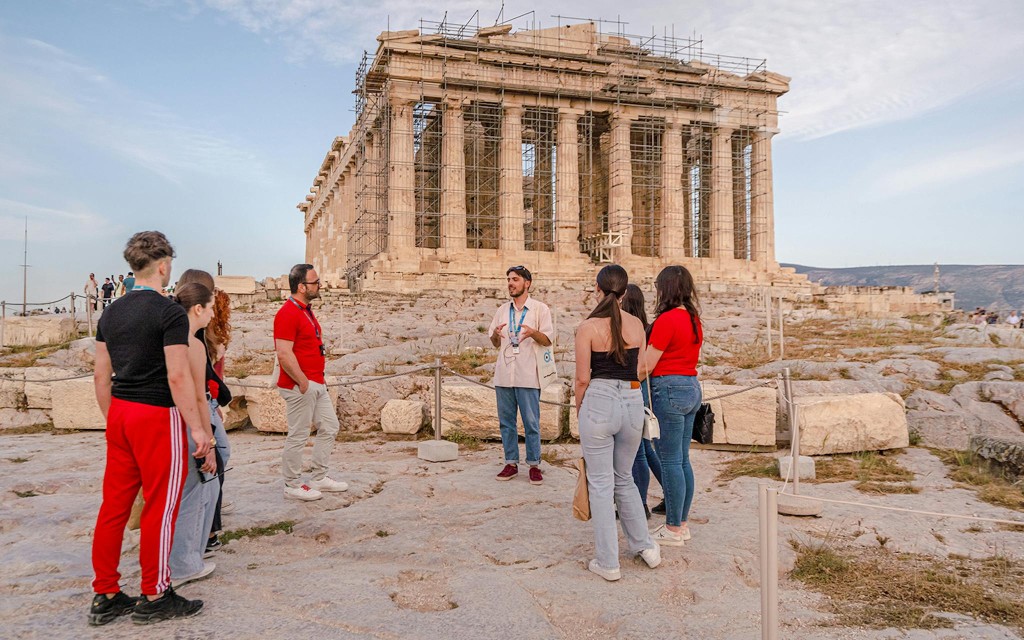
Upon arrival at the Acropolis, expect an uphill walk to reach the main monuments. The paths can be uneven, and there are many steps, so comfortable footwear is essential. The site can be crowded, especially during peak hours and seasons, but the sheer grandeur of the Parthenon and other structures makes it a worthwhile visit. You will have the opportunity to walk around and within the various temples, marveling at their scale and intricate details. Guided tours or audio guides can greatly enhance your understanding of the historical and mythological context. Prepare for stunning photographic opportunities, especially of the Parthenon and the expansive city views from the summit.

Informazioni Acropolis & Parthenon: Ancient Athens' Iconic Landmark

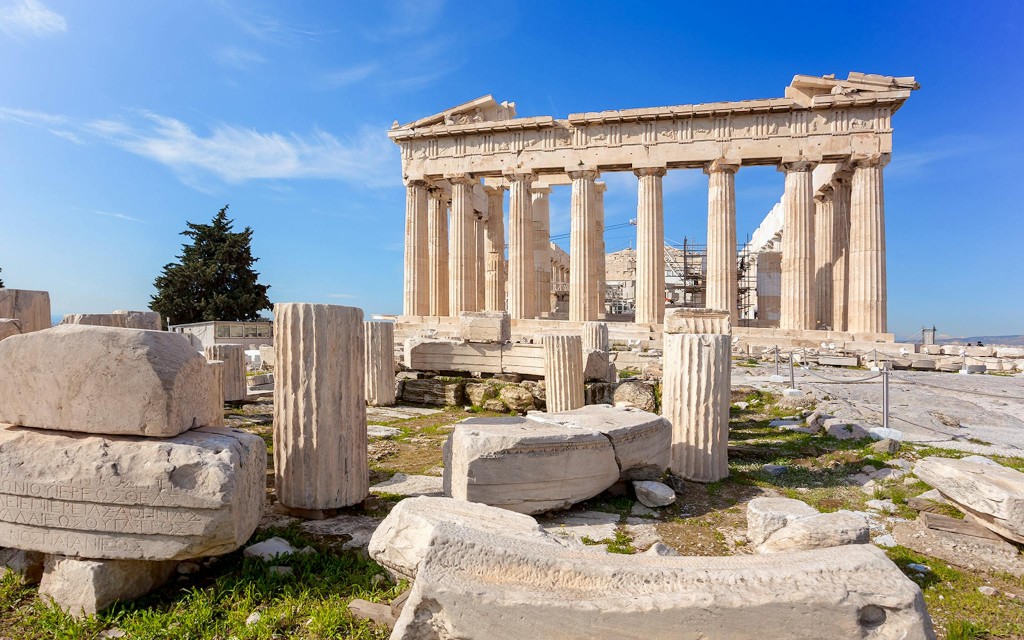
The Acropolis of Athens is a prominent ancient citadel located on a rocky outcrop above the city of Athens, Greece. It served as a natural fortress, a religious center, and a symbol of the city's power and prosperity throughout its long history. The most famous and significant monument on the Acropolis is the Parthenon, a former temple dedicated to the goddess Athena, whom the people of Athens considered their patron. Built in the 5th century BC, during the golden age of Pericles, the Parthenon is an enduring symbol of ancient Greece, its democracy, and its cultural brilliance. Beyond the Parthenon, the Acropolis complex includes other significant structures such as the Propylaea, the monumental gateway to the sanctuary; the Erechtheion, an elegant temple known for its Porch of the Caryatids; and the Temple of Athena Nike, a smaller temple celebrating victory. Together, these structures showcase the pinnacle of ancient Greek architectural and artistic achievement. The site also offers breathtaking vistas of Athens, stretching from the Saronic Gulf to the surrounding mountains, making it a must-visit destination for anyone interested in history, architecture, and stunning landscapes.

Punti Salienti

Scopri le più grandi rovine di Atene e i tesori che vi sono stati rinvenuti partecipando a un'unica esperienza guidata.
Approfitta dei servizi di una guida professionista che parla inglese e ascolta approfondimenti che intrecciano miti, architettura e vita quotidiana in storie che faranno rivivere il passato di Atene davanti ai tuoi occhi.
Passeggia tra il Partenone, l'Eretteo e il Teatro di Dioniso mentre la tua guida ti racconta del trionfo di Atena su Poseidone e dei dibattiti democratici che un tempo riecheggiavano in questo luogo.
Entra nel Museo dell'Acropoli per ammirare la galleria del Partenone, le sculture arcaiche e scopri come questi tesori si collegano alle rovine sovrastanti.
Visita entrambi i siti in poco meno di quattro ore, evita la seccatura di dover fare prenotazioni separate e approfondisci le tue conoscenze sull'epoca di massimo splendore di Atene.

Perché prenotare online?

Booking your Acropolis and Parthenon tickets online offers several advantages, including the convenience of securing your entry in advance and often providing skip-the-line access. This allows you to bypass potentially long queues, especially during peak seasons, saving valuable time. Online booking also provides flexibility with various ticket options, such as combined tickets with audio guides or guided tours, allowing for a more enriched and efficient visit tailored to your preferences. It ensures your entry on your preferred date and time, streamlining your travel experience.

Storia

The history of the Acropolis dates back to the Neolithic period, with evidence of early settlements around 4000 BC. In the Mycenaean era (1600-1100 BC), it became a fortified citadel. However, its golden age truly began in the 5th century BC, following the Persian Wars. Under the leadership of Pericles, an ambitious building program transformed the Acropolis into the monumental complex we largely see today. The Parthenon, built between 447 and 432 BC, was the most significant project, designed by architects Ictinus and Callicrates, with sculptural decoration by Phidias. Subsequent structures like the Propylaea, Erechtheion, and Temple of Athena Nike further enhanced its grandeur. Throughout Roman, Byzantine, Frankish, and Ottoman periods, the Acropolis served various purposes, from a Christian church to a mosque, and later a Turkish garrison. Many of its sculptures and architectural elements were removed or damaged over centuries. In the 19th century, with the establishment of the modern Greek state, efforts began to restore and protect the Acropolis, leading to ongoing archaeological work and conservation projects that continue to this day, preserving its status as a universal symbol of classical spirit and civilization.
Orari di apertura

The Acropolis typically opens daily, though specific hours are subject to seasonal changes. During the summer months (April to October), it generally opens earlier, often around 8:00 AM, and closes later, sometimes around 7:00 PM or 8:00 PM. In winter months (November to March), opening hours are usually shorter, from around 8:30 AM to 5:00 PM. It is closed on certain public holidays, including January 1st, March 25th, May 1st, Easter Sunday, and December 25th and 26th. It is advisable to plan your visit according to the current season.

Il periodo migliore per visitare

To fully enjoy your visit to the Acropolis and avoid the largest crowds, consider arriving either immediately after opening in the early morning or in the late afternoon, approximately two hours before closing. This strategy also helps in mitigating the intense heat of the Athenian sun, particularly during the summer. Spring (April-May) and autumn (September-October) offer pleasant weather conditions, making them ideal seasons for exploration. Weekdays generally see fewer visitors than weekends. Visiting during these times allows for a more comfortable and less rushed experience, offering better photo opportunities of the Parthenon and other monuments.

Cosa vedere all'interno

Within the Acropolis complex, visitors will encounter several iconic ancient Greek structures. The centerpiece is undoubtedly the Parthenon, the grand Doric temple dedicated to Athena Parthenos, celebrated for its architectural precision and sculptural decoration. The Propylaea serves as the monumental entrance, a complex structure of gateways and columns. To the north stands the Erechtheion, an intricate temple featuring the famous Porch of the Caryatids, where six maiden figures support the roof. Nearby, the small but elegant Temple of Athena Nike guards the entrance. Visitors can also see the remains of the Odeon of Herodes Atticus and the Theatre of Dionysus on the southern slopes, offering glimpses into ancient performance arts. Each structure tells a part of Athens' rich history and mythology.

Cose da sapere

Wear comfortable walking shoes, as the site involves significant walking on uneven surfaces and slopes. Bring water, especially during warmer months, as shade is limited on the Acropolis. Sunscreen, a hat, and sunglasses are also highly recommended. There are limited facilities on the Acropolis itself, so it's wise to use restrooms and purchase refreshments before ascending. Consider purchasing skip-the-line tickets or guided tours online to save time and enhance your understanding of the monuments. Photography is permitted for personal use, but drones are generally prohibited without special permission.

Regole per i visitatori

Visitors are expected to treat the archaeological site with respect. Do not touch or lean on the ancient monuments. Climbing on structures is strictly forbidden. Large bags and backpacks may need to be checked at the entrance. Food and drinks, other than water, are generally not permitted near the monuments. Smoking is prohibited throughout the site. Keep noise levels to a minimum to ensure a peaceful experience for all visitors. Follow all instructions given by site staff for your safety and the preservation of the heritage site.

Vale la pena visitarlo?

The Acropolis and Parthenon are undoubtedly worth visiting as they represent the pinnacle of ancient Greek civilization and a cornerstone of Western culture. As a UNESCO World Heritage Site, it offers an unparalleled opportunity to walk among millennia-old structures, understand the roots of democracy and philosophy, and witness architectural genius firsthand. The breathtaking panoramic views of Athens alone make the ascent worthwhile. For anyone with an interest in history, art, or simply experiencing one of the world's most iconic landmarks, the Acropolis provides an unforgettable and deeply enriching experience that transcends time.

Domande frequenti

What is the Acropolis of Athens?

The Acropolis of Athens is an ancient citadel located on a rocky outcrop above the city of Athens, Greece. It is a UNESCO World Heritage Site, home to several historically significant buildings, most notably the Parthenon.

What is the Parthenon?

The Parthenon is a former temple on the Athenian Acropolis, Greece, dedicated to the goddess Athena, whom the people of Athens considered their patron. It is a symbol of ancient Greece and one of the world's greatest cultural monuments.

Do I need to book tickets in advance for the Acropolis?

It is highly recommended to book your Acropolis tickets in advance, especially during peak season, to secure your entry and potentially benefit from skip-the-line access, saving you time.

What is the best way to get to the Acropolis?

The most convenient way to reach the Acropolis is by metro. The 'Acropolis' station on the red line is a short walk from the entrance. 'Monastiraki' station (blue and green lines) is also nearby.

How long does a visit to the Acropolis usually take?

A typical visit to the Acropolis, including time to explore the main monuments like the Parthenon, Propylaea, and Erechtheion, usually takes about 2 to 3 hours.

Are there restrooms and facilities on the Acropolis?

Restrooms and basic facilities are available near the entrance of the Acropolis, but limited directly within the monument area. It's advisable to use them before ascending.

Is the Acropolis accessible for visitors with mobility issues?

While some areas of the Acropolis are challenging due to uneven terrain and steps, there is an elevator available for visitors with severe mobility issues. It is usually accessed from the north slope and requires prior arrangement.

Come arrivare

The Acropolis is easily accessible by public transport. The nearest metro station is Acropolis (red line), which is a short walk from the site's main entrance. Alternatively, Monastiraki station (blue and green lines) is also within walking distance, offering a scenic route through the historic Plaka district. Various bus and trolleybus lines also serve the area around the Acropolis. Taxis are widely available and can drop visitors near the main entrance points.

Da
92.62
a persona
ADULT
92.62
CHILD
411 età
33.52
INFANT
03 età
0.00
Verifica disponibilità
Politica di CancellazioneCancellazione gratuita fino a 24 ore prima
Durata
4 ore
Punto d'incontro
Athens
KeyTours Greece S.A, Athanasiou Diakou, Athens, Greece
Orari di apertura
Opening hours for the Acropolis vary seasonally, generally opening early in the morning and closing in the late afternoon or early evening. It typically remains closed on major public holidays.
Durata della visita
A typical visit to the Acropolis and Parthenon usually takes between 2 to 3 hours to fully explore the site.
Il periodo migliore per visitare
The best time to visit the Acropolis is early morning or late afternoon to avoid crowds and the midday heat, especially during warmer months.
Indirizzo
The Acropolis is located atop a prominent rocky hill in the heart of Athens, Greece, overseeing the entire city.
Codice di abbigliamento

There is no strict dress code for visiting the Acropolis, as it is an outdoor archaeological site. However, comfortable and practical attire is highly recommended. Given the uneven terrain, many stairs, and potential for hot weather, wear comfortable walking shoes with good grip. Light, breathable clothing is advisable during summer. In cooler months, layered clothing is appropriate. A hat and sunglasses are also recommended for sun protection year-round.