Biglietto d'ingresso per l'Agorà romana con audioguida (Roman Agora: Entrance E-Ticket with Audio Tour)Biglietto d'ingresso per l'Agorà romana con audioguida (Roman Agora: Entrance E-Ticket with Audio Tour) - 1Biglietto d'ingresso per l'Agorà romana con audioguida (Roman Agora: Entrance E-Ticket with Audio Tour) - 2Biglietto d'ingresso per l'Agorà romana con audioguida (Roman Agora: Entrance E-Ticket with Audio Tour) - 3

Discover breathtaking images of the Roman Agora, capturing its ancient grandeur and historical significance.

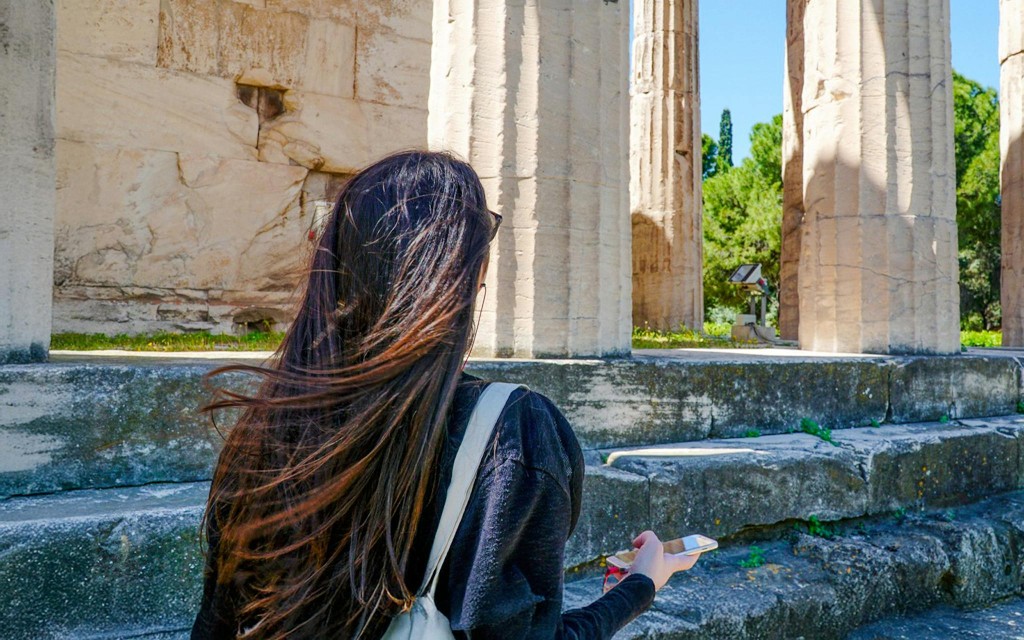
Step back in time at the Roman Agora, an ancient marketplace in the heart of Athens, Greece. Located north of the Acropolis, this archaeological site offers a fascinating glimpse into Roman life in the city. Unlike the earlier Ancient Agora, the Roman Agora served primarily as a commercial hub, featuring impressive structures like the iconic Tower of the Winds and the imposing Gate of Athena Archegetis. Visitors can explore the remnants of shops, public latrines, and administrative buildings, walking the same paths once trod by merchants, philosophers, and citizens. It stands as a testament to Athens' enduring history and its transformation under Roman rule, making it a key stop for anyone interested in classical antiquity and the evolution of urban life in ancient Greece.

Da19.55
ADULT
1864 età
19.55
Durata
1 ora
Punto d'incontro
Athens
Polignotou 3, Athina 105 55, Greece
Orari di apertura
The Roman Agora typically opens in the morning and closes in the late afternoon or early evening, with hours varying seasonally. It is usually open daily, but schedules may differ on public holidays.
Durata della visita
A typical visit to the Roman Agora usually takes about 1 to 1.5 hours to fully explore the site.
Il periodo migliore per visitare
The best time to visit is during the spring or autumn months, or early in the morning to avoid the heat and larger crowds.
Indirizzo
The Roman Agora is centrally located in Athens, Greece, near the Ancient Agora and Monastiraki Square.
Codice di abbigliamento

There is no specific dress code required to visit the Roman Agora. As an outdoor archaeological site, comfortable and casual clothing is recommended. Practical footwear suitable for walking on uneven surfaces, such as ancient stones and dirt paths, is essential. During warmer months, light clothing, a hat, and sunglasses are advisable, while a light jacket might be useful in cooler seasons.

Dettagli dell'esperienza in breve

Cosa è incluso

  • Ingresso all'Agorà romana
  • Tour con audioguida da 45 minuti a 1 ora sul tuo smartphone (Android e iOS)
  • Audioguida disponibile inglese, spagnolo, tedesco, francese, italiano e greco (in base all'opzione selezionata)
  • Contenuti offline (testo, narrazione audio e mappe)

Cosa non è incluso

  • Trasferimenti in hotel
  • Trasferimenti
  • Guida
  • Auricolari
  • Cibo e bevande
  • Spese personali

La tua esperienza

Esplora l'Agorà romana, il vivace mercato ateniese del passato, con il commento di un'audioguida multiligue che narra le storie dei commercianti, viaggiatori e studiosi che un tempo si riunivano sotto la sua grande porta di marmo e l'iconica Torre dei venti.

Per cominciare

Riceverai il biglietto via e-mail: scarica l'app e l'audioguida sul tuo smartphone prima della visita. L'app permette di accedere offline alla guida, alle mappe e alle immagini: ti basterà arrivare all'ingresso dell'Agorà romana e indossare le cuffie per iniziare il tuo viaggio in autonomia alla scoperta della quotidianità dell'Atene antica.

La grande Porta di Atena

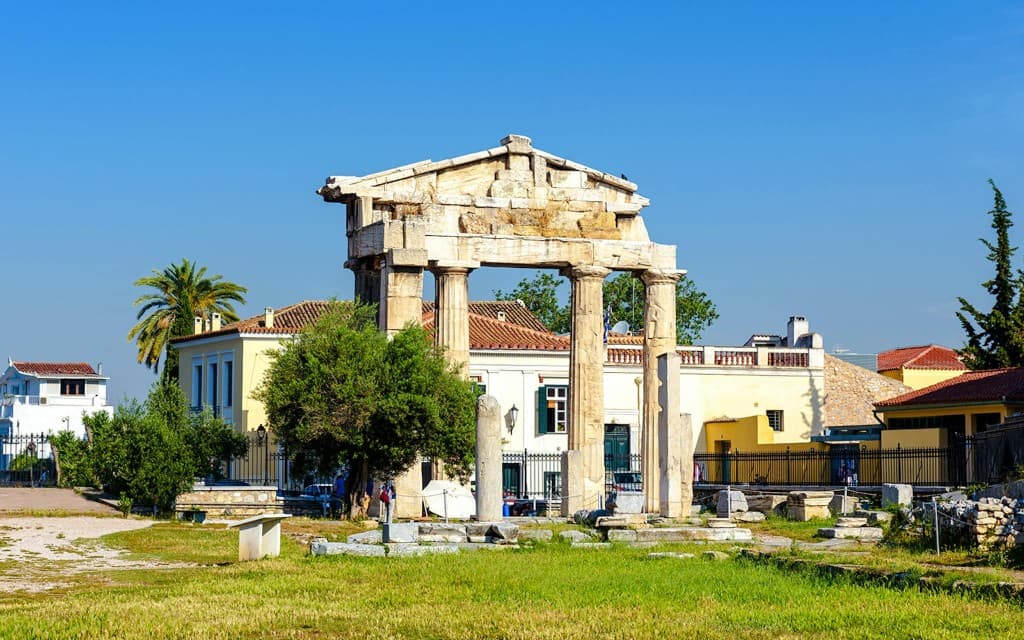
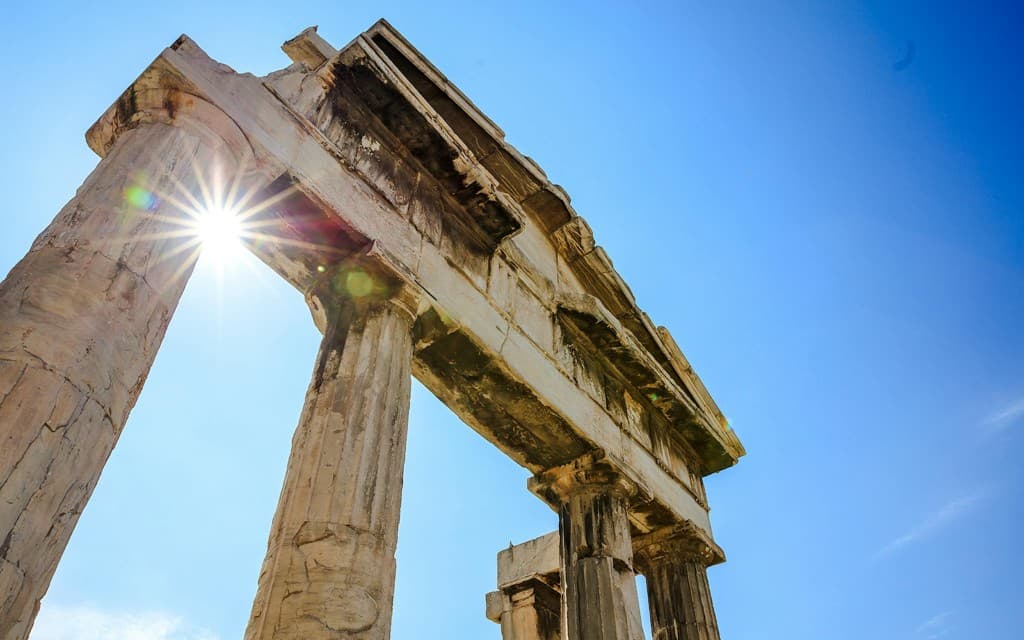
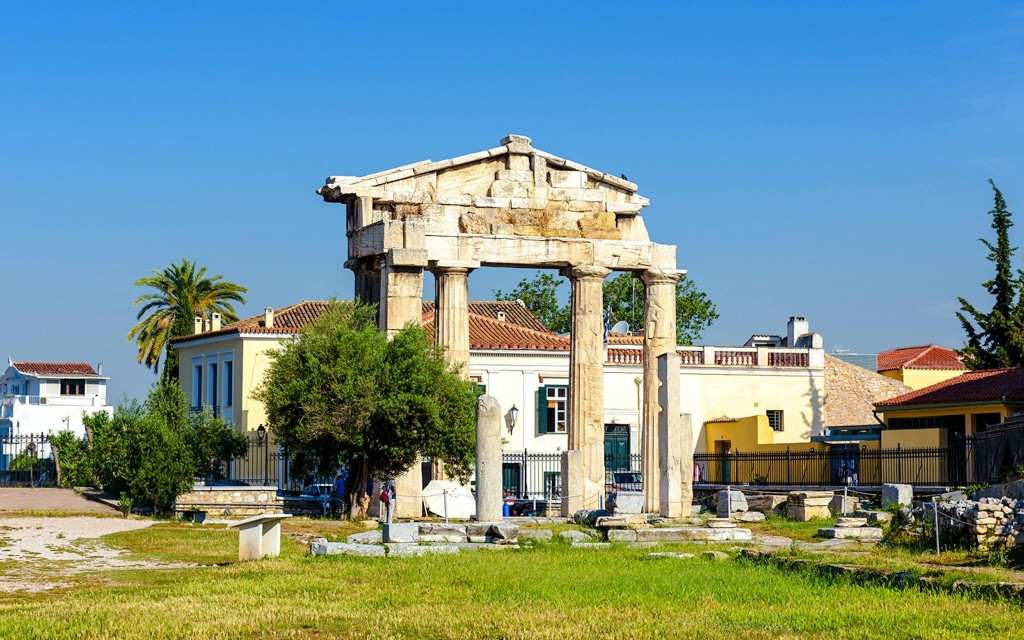
Inizia il tuo viaggio dalla suggestiva Porta di Atena Archegetis, realizzata in marmo e donata alla città da Giulio Cesare e Augusto. Un tempo accesso principale al mercato romano, si distingue per le imponenti colonne doriche che simboleggiavano la prosperità della città sotto il dominio romano. Ascoltando l'audioguida, immaginerai i mercanti, i filosofi e i cittadini del passato varcare la soglia di questa porta e ti sembrerà di ascoltare ancora le loro voci fino al cuore dell'Agorà.

Lo scandire del tempo nel mondo antico

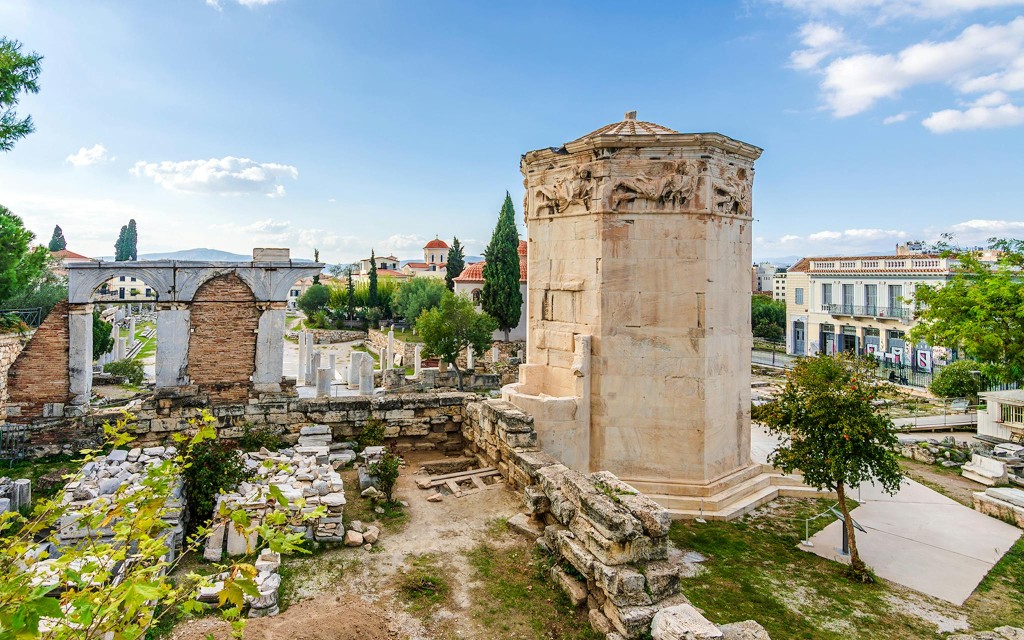
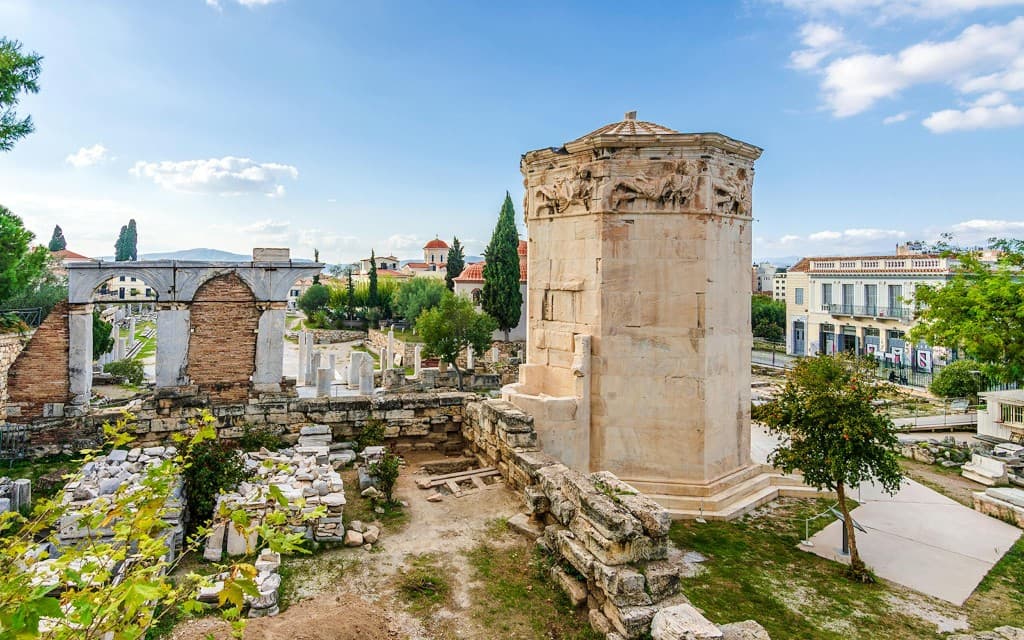
Poi, dirigiti verso la** torre dei Venti**, una costruzione ottagonale che rappresenta uno dei primi "orologi" dell'antichità. Questa struttura, infatti, unisce meridiane, un orologio ad acqua e un fregio rappresentante le otto divinità dei venti. Come ti spiegherà l'audioguida, gli ateniesi guardavano la torre non solo per conoscere l'ora, ma anche per orientarsi, per valutare le condizioni climatiche e per provare un senso di ordine cosmico: un mix di scienza e mito caratteristico dell'epoca.

Mercati, fontane e vita quotidiana

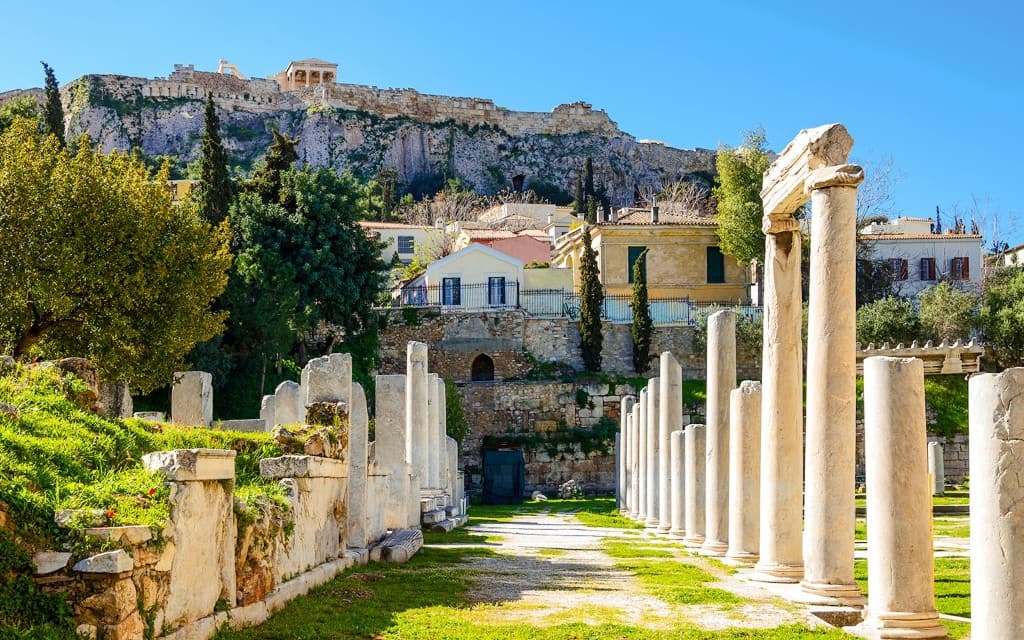
Passeggia davanti alla fontana che riforniva di acqua il vivace mercato e alle vespasiane, gli antichi bagni pubblici che simboleggiano l'approccio pratico alla vita quotidiana dei romani. Ammira i resti di antiche botteghe, dove si scambiavano merci e pettegolezzi. Grazie ai vivaci commenti dell'audioguida, avrai un ritratto vivido di un mercato che rappresentava l'incontro tra la vita sociale e quella commerciale .

Strati di storia e vista sull'Acropoli

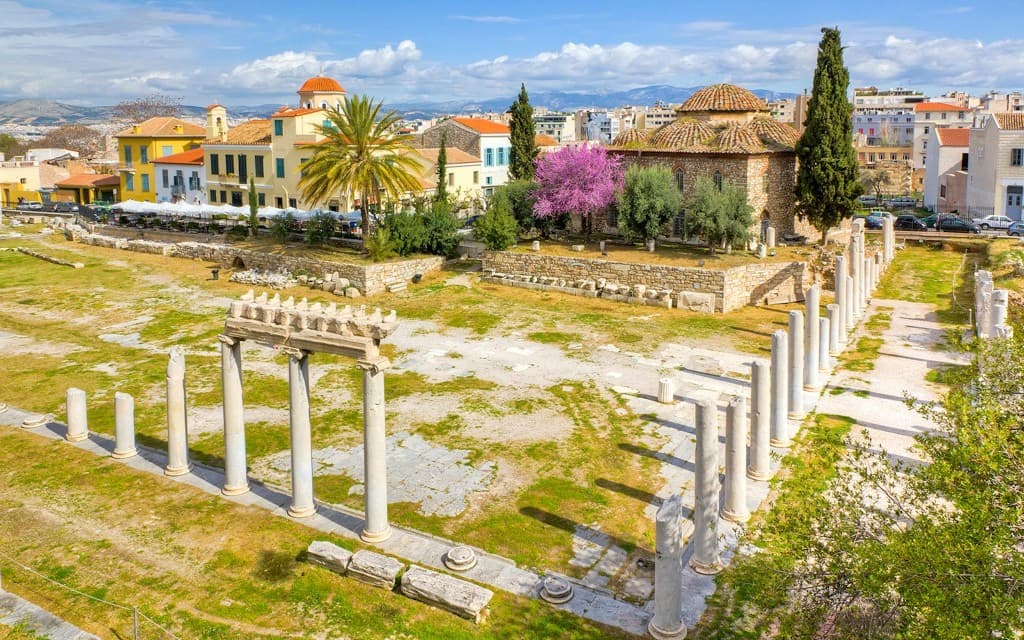
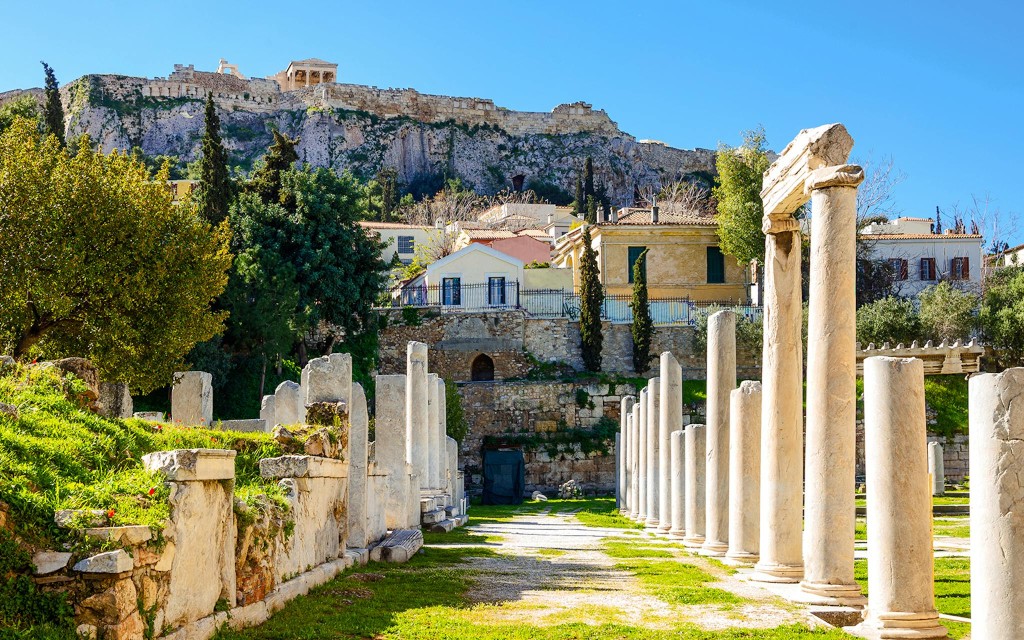
La visita si concluderà alla moschea Fethiue, detta moschea della conquista, una struttura di epoca ottomana risalente al XV secolo e edificata sulle rovine del mercato romano. Un tempo luogo di culto, successivamente adibita a museo e deposito, la moschea è testimone delle numerose culture che hanno plasmato il carattere di Atene. Con il suggestivo sfondo dell'Acropoli, il sito riunisce eredità greche, romane, bizantine e ottomane in un'unica straordinaria cornice.
Know Before You Go

Da sapere

Cosa portare

  • Gran parte della pavimentazione è antica e irregolare, pertanto ti consigliamo di indossare scarpe comode e resistenti.

  • Porta con te un cappello e una crema solare per proteggerti dal sole.

  • Assicurati che il tuo telefono sia completamente carico, per far durare la batteria per tutto l'audio tour.

  • Usa i tuoi auricolari per un ascolto ottimale durante il tour.

Restrizioni e divieti

  • Non è permesso scattare fotografie con flash e treppiedi; le riprese video o le sessioni fotografiche professionali richiedono l'autorizzazione preventiva del Ministero.

  • I droni non sono ammessi senza un'autorizzazione speciale.

  • Non è permesso portare animali domestici all'interno del sito, ma gli animali di servizio certificati sono i benvenuti.

  • Non raccogliere, prelevare o rimuovere pietre, cocci o altri resti, poiché i reperti archeologici sono protetti dalla legge greca.

Accessibilità

  • L'Agorà romana è parzialmente accessibile alle sedie a rotelle. I visitatori con mobilità ridotta possono accedere al sito dall'ingresso principale in via Dioskouron. Tuttavia, gran parte del sito presenta un terreno irregolare con pavimentazione antica; l'accessibilità all'interno è pertanto limitata.

  • Puoi raggiungere l'Horologion (Torre dei venti) anche dall'ingresso pedonale in via Pelopida, accessibile alle persone in sedia a rotelle.

  • Il museo è completamente accessibile e i visitatori con disabilità visive possono utilizzare la segnaletica in Braille e le mappe tattili.

Informazioni aggiuntive

  • Ogni prenotazione è valida per un solo dispositivo; ti preghiamo di prenotare separatamente per ogni dispositivo che intendi utilizzare.

  • Puoi accedere al sito archeologico solo nella fascia oraria selezionata. Il biglietto è valido da 15 minuti prima a 15 minuti dopo la fascia oraria selezionata.

  • Raggiungi il sito con almeno 30 minuti di anticipo, considerando il tempo necessario per i controlli di sicurezza e l'ingresso. Si prega di considerare che l'ingresso è consentito fino a 20 minuti prima dell'orario di chiusura.

  • Dopo la prenotazione, riceverai un'e-mail con le istruzioni per accedere e scaricare il tuo tour audio; assicurati di controllare anche la cartella spam.

  • È necessario uno smartphone Android (versione 5.0 o successiva) o un dispositivo iOS (versione 15.0 o successiva). Questo tour audio non è compatibile con gli smartphone Windows, iPhone 6/6 Plus o precedenti, iPod Touch di sesta generazione o precedenti, iPad di quarta generazione o precedenti, iPad Air di prima generazione e iPad Mini di terza generazione o precedenti.

  • Assicurati di avere da 100 a-150 MB di spazio libero sul telefono per scaricare il tour audio.

  • I percorsi all'interno del sito possono variare e possono essere applicate alcune restrizioni: ti invitiamo a seguire tutte le indicazioni pubblicate in loco.

  • Gli orari di apertura variano stagionalmente: da novembre a marzo il sito è aperto dalle 8.00 alle 15.00, mentre da aprile ad agosto è aperto dalle 8.00 alle 19.30. Gli orari di chiusura si riducono gradualmente fino a settembre e ottobre; l'ultimo ingresso è sempre 30 minuti prima della chiusura.

Criteri di accesso alle tariffe ridotte

  • I cittadini dell'UE fino a 25 anni di età possono accedere gratuitamente tutto l'anno dietro presentazione di un documento d'identità o un passaporto valido.

  • I visitatori extracomunitari di età compresa tra i 6 e i 25 anni possono beneficiare di una tassa di accesso scontata dietro presentazione di un documento d'identità o un passaporto valido.

  • I bambini sotto i 5 anni entrano gratuitamente.

Instructions

- Entry to the Roman Agora - 45-minute to 1-hour self-guided audio tour on your smartphone (Android and iOS), in English, Spanish, German, French, Italian, and Greek - Offline content (text, audio narration, and maps)

Cosa Aspettarsi

Upon entering the Roman Agora, expect to find yourself amidst the scattered yet significant ruins of a bustling ancient marketplace. The site is largely open-air, allowing for clear views of the remaining foundations, columns, and walls. You will wander through an expansive area, tracing the outlines of stoas and various administrative buildings. The impressive Gate of Athena Archegetis immediately draws attention upon entry, while the unique Tower of the Winds, with its intricate details, stands as a focal point. Expect a serene, contemplative atmosphere, allowing you to imagine the vibrancy of Roman-era Athens. While much requires imagination, the preserved elements offer concrete evidence of its historical grandeur and utility.

Informazioni Roman Agora of Athens: Visitor Information & Tickets

The Roman Agora, also known as the Roman Forum, was constructed between 19 and 11 BCE with funds provided by Julius Caesar and completed by Emperor Augustus. Its creation marked a shift in Athens' commercial center from the nearby Ancient Agora, becoming the new focal point for trade and daily life during the Roman period. The site is rectangular, featuring a large open courtyard surrounded by stoas and various public buildings. The most striking features are undoubtedly the Gate of Athena Archegetis on the west side, a monumental entrance built of Pentelic marble, and the Horologion of Andronikos Kyrrhestes, famously known as the Tower of the Winds, which served as a sophisticated timekeeping device and weather vane. Excavations have also revealed the remains of the Agoranomion (market superintendents' office) and a complex of public latrines. Over the centuries, the Roman Agora continued to be an important urban space, evolving through Byzantine, Ottoman, and modern eras, even hosting Athens' first mosque in the Ottoman period, the Fethiye Mosque, which stands on the site today. It offers a comprehensive perspective on Roman influence and the continuous layering of history in Athens.

Punti Salienti

Entra nell'Agorà romana, il mercato più antico di Atene, a cui si accede tramite le porte di marmo finanziate da Giulio Cesare e Augusto.
Attraversa la Porta di Atena Archegetis e immagina i commercianti, i filosofi e i cittadini che un tempo camminavano tra le sue imponenti colonne.
Ammira l'ingegnosa Torre dei venti, un ediifcio ottagonale che univa meridiane, un orologio ad acqua e un fregio raffigurante le divinità dei venti. Si tratta di una delle prime stazioni meteorologiche del mondo.
Grazie all'audioguida, scoprirai le storie di vita quotidiana nelle botteghe, nelle fontane e nei bagni pubblici, teatro di scambi commerciali e conversazioni durante il dominio romano.
Lo sapevi? L'Agorà romana era ancora in uso durante il periodo ottomano, quando sulle sue rovine fu costruita una moschea: un luogo dove epoche e storie si incontrano.

Perché prenotare online?

Booking your tickets for the Roman Agora online offers several advantages, ensuring a smoother and more convenient visit. Online purchases allow you to secure your entry in advance, saving valuable time by avoiding potential queues at the ticket booths, especially during peak tourist seasons. Pre-purchasing tickets also helps in planning your itinerary, giving you peace of mind that your access to this historic site is guaranteed. It streamlines the entry process, letting you maximize your time exploring the ancient ruins rather than waiting. Furthermore, online platforms often provide clear information on ticket types and opening hours, aiding in a well-organized trip to this significant Athenian landmark.

Storia

The Roman Agora of Athens represents a significant chapter in the city's long history, marking a period of Roman influence and administrative control. Its construction began under Julius Caesar around 50-19 BCE and was completed by Emperor Augustus, solidifying its role as the new commercial and administrative center of Athens, replacing the older Ancient Agora. This rectangular enclosed complex featured a large paved courtyard, surrounded by colonnades that housed shops and public offices. The most celebrated structure, the Horologion of Andronikos Kyrrhestes, or Tower of the Winds, built earlier in the 1st century BCE, was incorporated into the new Agora complex, serving as a public clock. The monumental Gate of Athena Archegetis, erected by donations from Augustus and the Roman colony, served as the primary western entrance. Throughout its active life, the Roman Agora was a bustling hub, facilitating trade, public announcements, and social interaction. Even after the decline of Roman power, the site continued to be used and adapted; during the Byzantine era, houses and churches were built amidst the ruins, and later, under Ottoman rule, the Fethiye Mosque was constructed on the northern side, signifying its continuous importance and transformation through different historical periods.

Orari di apertura

Opening hours for the Roman Agora generally follow a seasonal schedule. During the summer months (April to October), the site typically opens from early morning, such as 8:00 AM, and closes later in the evening, often around 7:00 PM or 8:00 PM. In the winter months (November to March), closing times are usually earlier, around 3:00 PM or 5:00 PM. It is common for archaeological sites in Greece to be closed on specific public holidays, such as New Year's Day, Easter Sunday, and Christmas Day. It is always recommended to check the current operating schedule for the exact dates of your visit.

Il periodo migliore per visitare

To fully enjoy the Roman Agora and avoid the peak heat and crowds, the best times to visit are during the shoulder seasons of spring (April to early June) and autumn (September to October). During these months, the weather is pleasantly mild, making it ideal for exploring the outdoor ruins. If you visit during the summer, plan your visit for the early morning right after opening or in the late afternoon before closing. This will help you avoid the midday sun and the largest groups of tourists, allowing for a more serene and contemplative experience of this historic site.

Cosa vedere all'interno

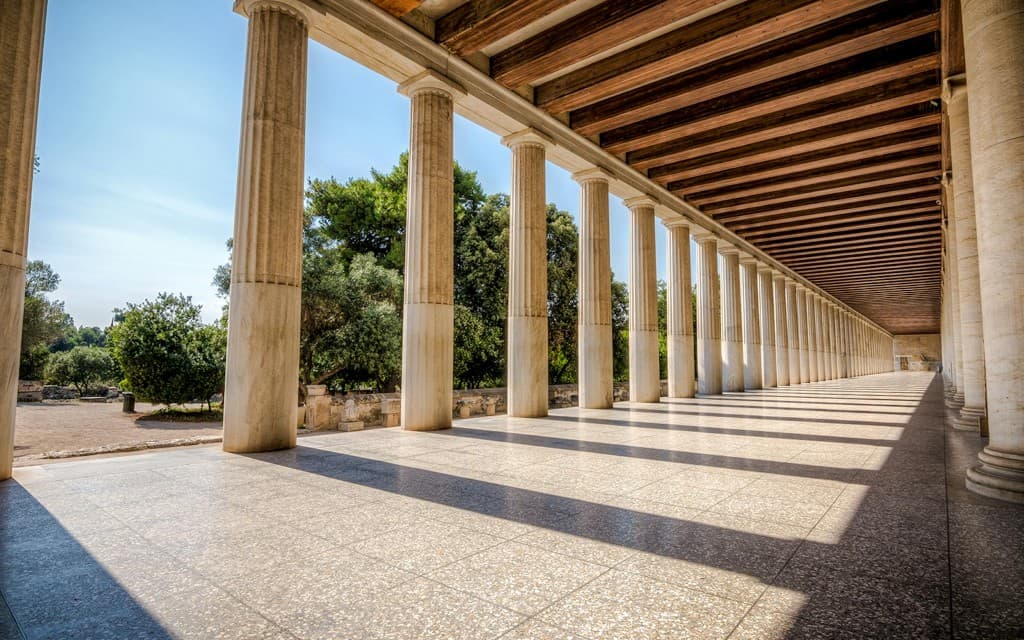
Within the Roman Agora, visitors can explore several key structures that define its historical importance. The most prominent is the Tower of the Winds, an octagonal marble structure that functioned as a horologion (timepiece) incorporating a sundial, water clock, and weather vane. Its detailed frieze depicting the eight wind deities is remarkably preserved. The monumental Gate of Athena Archegetis, a Doric propylon, stands proudly as the formal entrance to the Agora. Nearby, you can identify the foundations of various shops and stoas that once bustled with commercial activity. The Agoranomion, the building where market rules were enforced, also has visible remains. Additionally, the Fethiye Mosque, a significant Ottoman-era structure, is situated within the archaeological complex, representing a later layer of the site's rich history. Exploring these elements provides a comprehensive understanding of the Agora's diverse functions and its enduring legacy.

Cose da sapere

When planning your visit to the Roman Agora, it is advisable to wear comfortable walking shoes as you will be navigating uneven terrain and ancient paths. Bringing water, especially during warmer months, is recommended to stay hydrated. Sunscreen and a hat are also practical for protection against the sun, as the site offers limited shade. The Roman Agora is an open-air archaeological site, so prepare for varying weather conditions. Photography is generally allowed for personal use, but flash photography may be restricted in certain areas. While parts of the site are accessible, some areas with uneven ground or steps might pose challenges for visitors with mobility impairments.

Regole per i visitatori

Visitors to the Roman Agora are expected to adhere to standard archaeological site rules to preserve the historical integrity of the monument. Please do not climb on ancient structures, walls, or ruins. Littering is strictly prohibited; use designated bins for any waste. Respect the historical significance of the site by refraining from writing on or damaging any part of the ruins. Picnicking is not allowed. Supervise children closely to ensure their safety and the preservation of the site. Pets are typically not permitted within the archaeological area, with the exception of service animals.

Vale la pena visitarlo?

Visiting the Roman Agora is highly recommended for anyone interested in the layered history of Athens. It offers a tangible connection to the city's Roman period, showcasing how daily life and commerce evolved under Roman rule. The site features iconic structures like the Tower of the Winds and the Gate of Athena Archegetis, which are marvels of ancient engineering and architecture. Beyond the grand monuments, exploring the foundations of ancient shops and public spaces provides a deeper understanding of urban organization and social interaction in antiquity. It serves as an excellent complement to a visit to the Ancient Agora and the Acropolis, painting a fuller picture of Athens' illustrious past.

Domande frequenti

What is the Roman Agora?

The Roman Agora is an ancient marketplace in Athens, Greece, built during the Roman period. It served as a commercial and administrative center, distinct from the older Ancient Agora.

What are the main attractions at the Roman Agora?

Key attractions include the Tower of the Winds (Horologion of Andronikos Kyrrhestes), the Gate of Athena Archegetis, and the remains of various shops and public buildings, including the Fethiye Mosque.

How long does it take to visit the Roman Agora?

Most visitors spend approximately 1 to 1.5 hours exploring the Roman Agora, allowing enough time to appreciate its main features.

Is the Roman Agora accessible for visitors with mobility issues?

While some parts of the site are relatively flat, the ground can be uneven with ancient stones and paths. Some areas may pose challenges for visitors with mobility impairments.

Are there guided tours available for the Roman Agora?

Individual guided tours might be offered by external operators, and information can often be found at the entrance or through tour companies. The site itself does not typically provide official guided tours.

Can I buy tickets at the entrance?

Yes, tickets can be purchased at the entrance booth. However, booking online in advance is often recommended to save time and ensure entry, especially during busy periods.

What is the history of the Tower of the Winds?

The Tower of the Winds is an octagonal marble monument from the 1st century BCE that functioned as a public clock, incorporating a sundial, water clock, and weather vane, making it one of the world's first meteorological stations.

Come arrivare

The Roman Agora is easily accessible by public transport. The nearest metro station is Monastiraki (Lines 1 and 3), which is just a short walk away. Many central Athens bus routes also have stops within easy walking distance. From popular areas like Plaka or Syntagma Square, the site is comfortably reachable on foot.

Da
19.55
a persona
ADULT
1864 età
19.55
Verifica disponibilità
Politica di CancellazioneCancellazione gratuita fino a 24 ore prima
Durata
1 ora
Punto d'incontro
Athens
Polignotou 3, Athina 105 55, Greece
Orari di apertura
The Roman Agora typically opens in the morning and closes in the late afternoon or early evening, with hours varying seasonally. It is usually open daily, but schedules may differ on public holidays.
Durata della visita
A typical visit to the Roman Agora usually takes about 1 to 1.5 hours to fully explore the site.
Il periodo migliore per visitare
The best time to visit is during the spring or autumn months, or early in the morning to avoid the heat and larger crowds.
Indirizzo
The Roman Agora is centrally located in Athens, Greece, near the Ancient Agora and Monastiraki Square.
Codice di abbigliamento

There is no specific dress code required to visit the Roman Agora. As an outdoor archaeological site, comfortable and casual clothing is recommended. Practical footwear suitable for walking on uneven surfaces, such as ancient stones and dirt paths, is essential. During warmer months, light clothing, a hat, and sunglasses are advisable, while a light jacket might be useful in cooler seasons.