

Cosa è incluso
- Accesso rapido al Palazzo del Parlamento
- Guida dal vivo
- Tour guidato
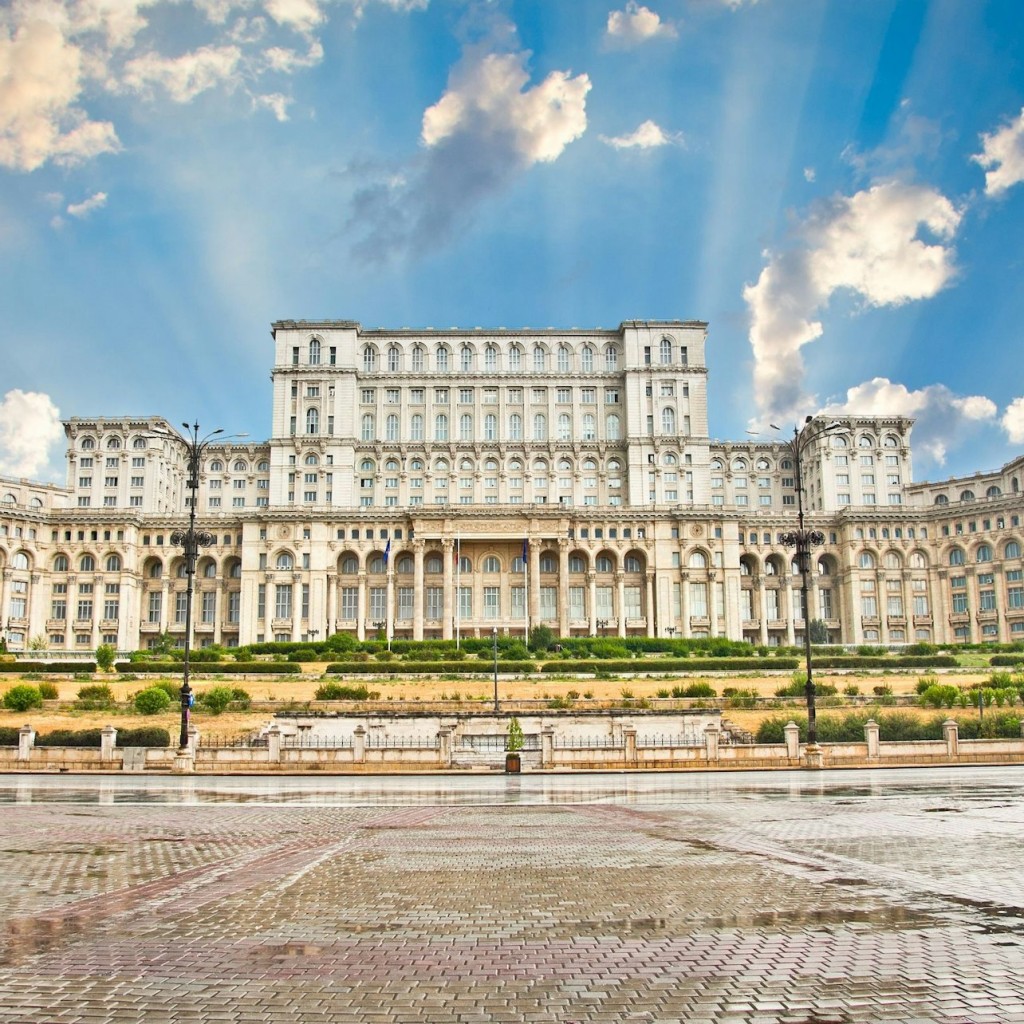
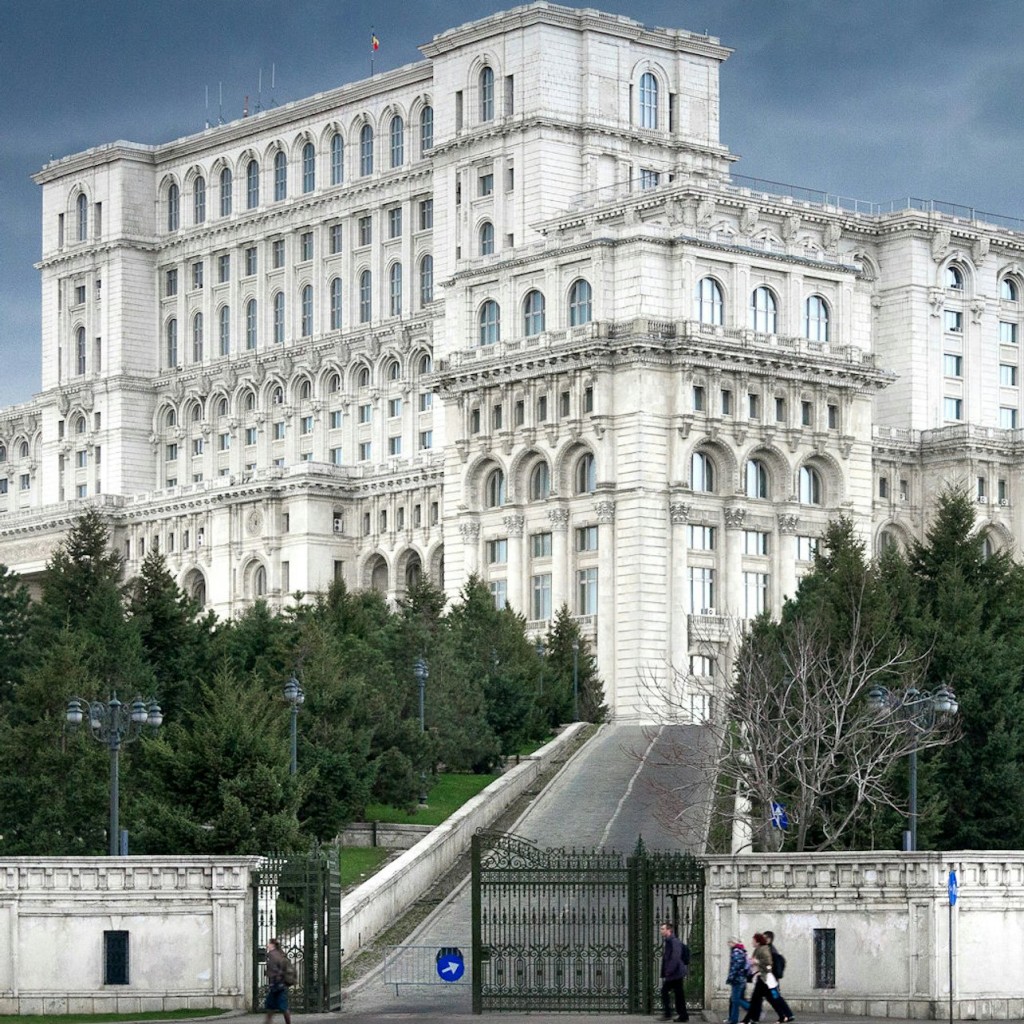
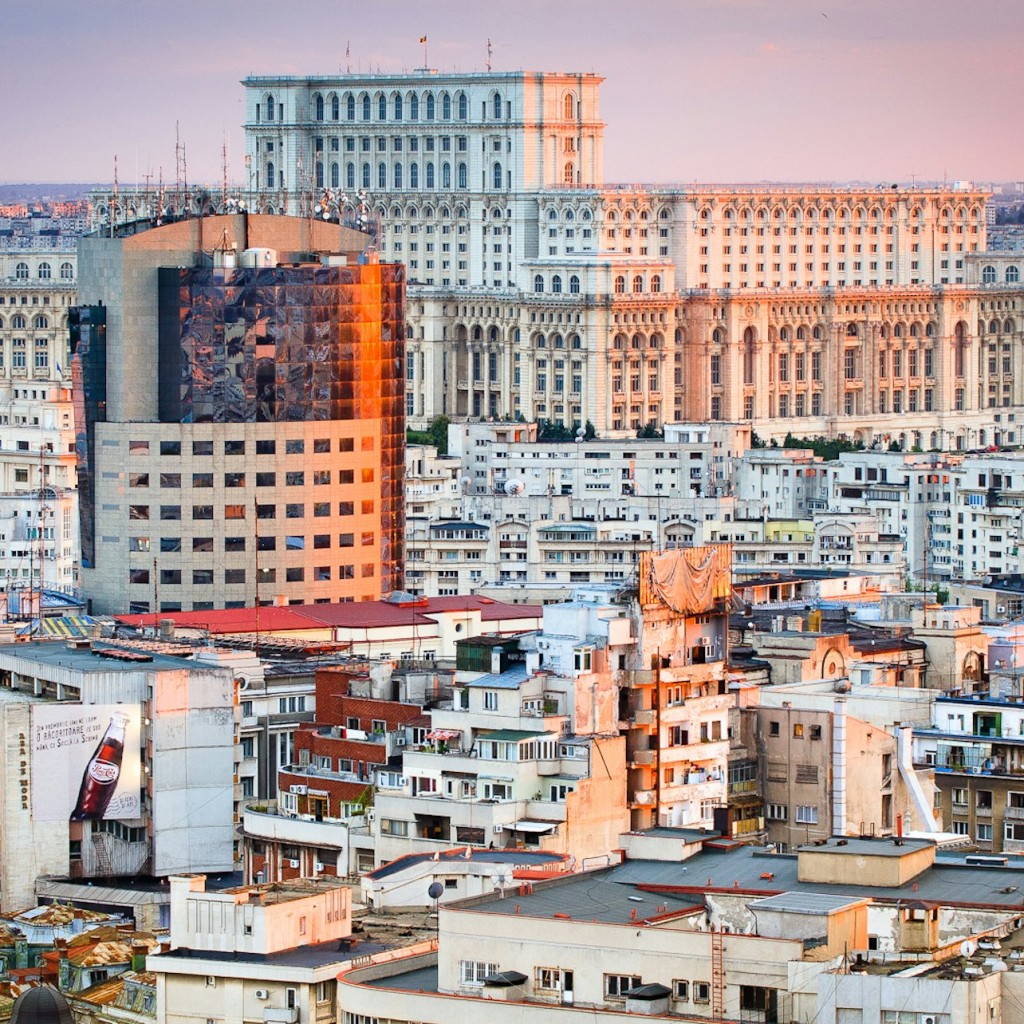
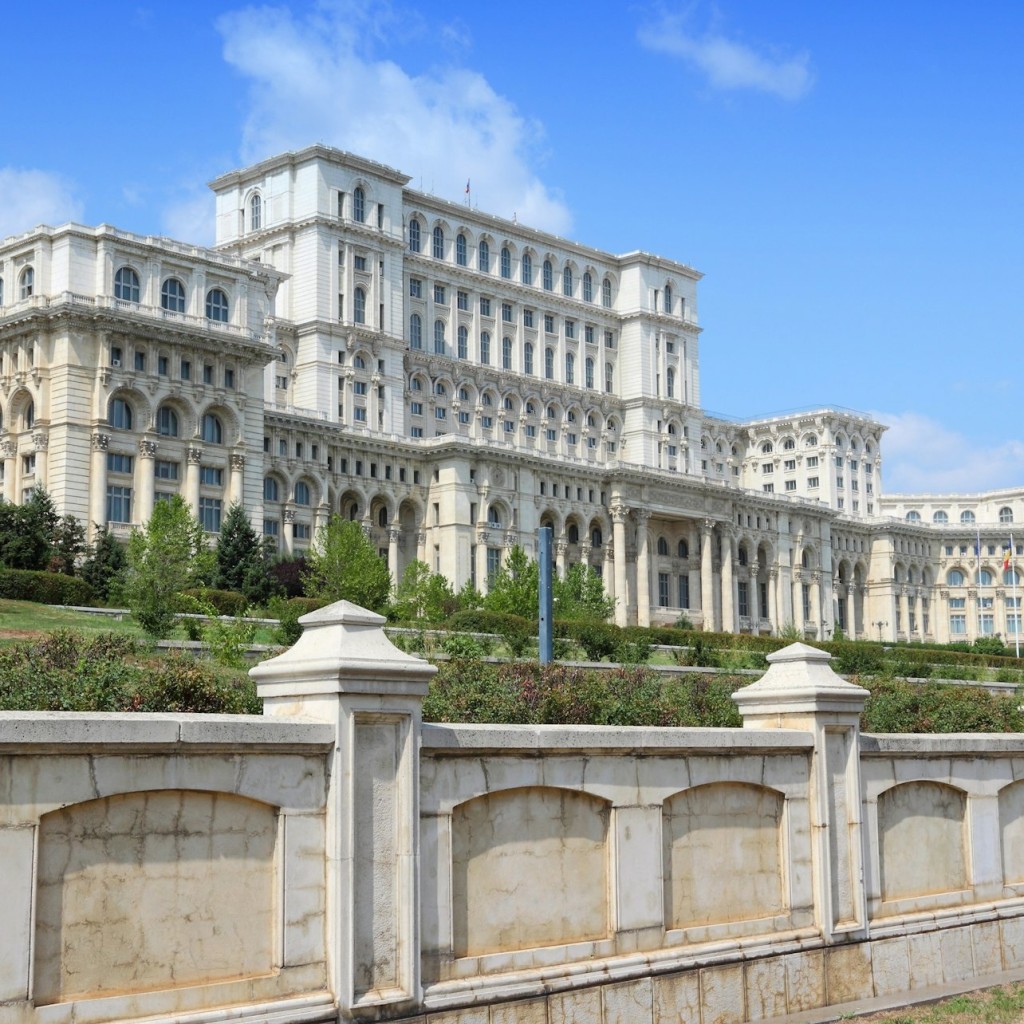
Explore a visual journey through the Palace of the Parliament, capturing its monumental scale, opulent interiors, and unique architectural details.
The Palace of the Parliament stands as an indelible symbol of Bucharest, a colossal structure that captivates visitors with its sheer magnitude and intricate design. This architectural marvel, conceived during Romania's communist era, is an imposing landmark, reflecting a significant chapter in the country's history. As the world's second-largest administrative building, its scale is truly breathtaking, housing numerous governmental bodies and cultural institutions. A visit here offers a unique opportunity to delve into Romania's past and present, exploring its grand halls, ornate rooms, and understanding the ambition behind its creation. It remains a must-see attraction, revealing layers of history and political ambition through its monumental presence.
There is no strict dress code for visiting the Palace of the Parliament, but smart casual or respectful attire is advisable. Since it is a government building and a place of historical significance, overly revealing clothing might be considered inappropriate. Comfortable walking shoes are highly recommended due to the extensive walking involved in the tours, which cover large distances within the building.
The Palace of the Parliament, originally known as the People's House, is an iconic building located in the heart of Bucharest, Romania. Initiated by Nicolae Ceaușescu, the former dictator, in 1984, the construction of this massive edifice was an ambitious project designed to be the administrative center of the communist regime. Spanning over 365,000 square meters, it is an architectural behemoth, boasting more than 1,100 rooms, 4 floors below ground, and an impressive 12 floors above. The building combines various architectural styles, predominantly neoclassical, with lavish interiors featuring marble, gold leaf, and elaborate tapestries. Today, it serves as the seat of the Romanian Parliament, housing both the Chamber of Deputies and the Senate, alongside international conference centers and a national museum. Its construction involved significant human and material resources, making it one of the most expensive administrative buildings ever built. A tour inside offers a glimpse into the immense scale and opulence intended for a totalitarian regime.
Booking your Palace of the Parliament tickets online offers numerous advantages for a smoother and more enjoyable visit. Pre-booking ensures your entry, especially during peak tourist seasons, allowing you to bypass potentially long queues at the ticket office. Many online options include guided tours, providing invaluable historical context and access to areas you might not see otherwise. By securing your spot in advance, you can better plan your itinerary and maximize your time in Bucharest. Online booking often provides clear information on tour times, languages, and specific access details, making your preparation straightforward and stress-free. Consider combined tickets like the 'Bucharest Tour: Palace of the Parliament, Ceaușescu Mansion & Village Museum' for a comprehensive experience.
The history of the Palace of the Parliament is intrinsically linked to the ambition and regime of Nicolae Ceaușescu. Construction began in 1984, amidst a period of severe austerity for the Romanian population, as Ceaușescu envisioned a new civic center for Bucharest, with the Palace as its centerpiece. To make way for this colossal project, a significant portion of Bucharest's historic Old Town was demolished, displacing over 40,000 people and destroying churches, synagogues, and other architectural heritage. The project involved an estimated 700 architects and tens of thousands of workers, operating 24 hours a day, in three shifts. The sheer scale demanded vast quantities of Romanian materials, including over a million cubic meters of marble, 3,500 tons of crystal, and 200,000 square meters of wool carpets. Though largely unfinished by the time of the 1989 Romanian Revolution and Ceaușescu's overthrow, the building stood as a testament to his megalomaniac vision. After the revolution, it was renamed and adapted for its current use, symbolizing a complex legacy of power, sacrifice, and national identity.
The Palace of the Parliament typically operates with guided tours available daily, though exact opening hours may fluctuate seasonally and on public holidays. Morning and afternoon slots are generally offered, but it is highly recommended to check current schedules and book your tour in advance to guarantee entry and preferred time. Specific tour times can also depend on the language and type of tour selected. Please note that the building is a functioning government institution, and access to certain areas might be restricted on occasion.
The optimal time to visit the Palace of the Parliament is during the shoulder seasons of spring (April-May) and autumn (September-October) when the weather is pleasant, and tourist crowds are generally smaller than in summer. Weekday mornings are often less busy than weekends or afternoon slots. Arriving early in the day, shortly after opening, can help you avoid larger groups and enjoy a more serene experience. Booking your tour in advance, regardless of the season, is highly recommended to secure your preferred time and avoid any potential disappointment.
Inside the Palace of the Parliament, visitors are immersed in a world of grandeur and historical significance. Guided tours typically showcase a selection of its most impressive halls and rooms. You will likely walk through enormous corridors, marvel at the colossal Grand Staircase, and admire the ornate interiors adorned with chandeliers, marble, and intricate stucco work. Key areas often include the Senate Hall, the Chamber of Deputies, and various reception halls, each boasting unique decorative elements and a sense of monumental scale. The building's sheer size is evident as you navigate through its vast spaces, offering a perspective on the ambition and resources dedicated to its construction. Some tours also provide access to balconies, offering panoramic views of Bucharest.
When planning your visit to the Palace of the Parliament, remember to bring a valid ID, such as a passport or national ID card, as it is required for entry. Photography is generally permitted in designated areas, but always confirm with your guide. Due to its vast size, comfortable walking shoes are highly recommended. Guided tours are the only way to access the interior, and they are offered in several languages. Consider purchasing your tickets online in advance, especially if you are interested in a specific language tour or visiting during peak season. Be aware that security checks are mandatory upon entry, similar to airport procedures.
Visitors to the Palace of the Parliament are expected to adhere to specific rules to ensure the safety and preservation of the building. Large bags and backpacks may need to be stored in a cloakroom or are not permitted inside. Smoking is strictly prohibited within the premises. Visitors must remain with their guided tour group at all times and not wander off independently. Respectful behavior towards the property and staff is expected. Security personnel are present, and their instructions must be followed. Entry requires a valid identification document.
Visiting the Palace of the Parliament is an absolutely worthwhile experience for anyone exploring Bucharest. Its monumental scale, rich history, and elaborate interiors offer a unique insight into Romania's past and present. It is more than just a building; it is a profound historical statement, representing both a period of dictatorial ambition and the resilience of a nation. Whether you are interested in architecture, history, or political science, the sheer grandeur and stories encapsulated within its walls make it an unforgettable stop on any itinerary. It stands as a powerful reminder of human endeavor and historical events.
The Palace of the Parliament is an iconic administrative building in Bucharest, Romania, known for its colossal size and opulent architecture. It serves as the seat of the Romanian Parliament and other institutions.
It is the world's second-largest administrative building by area, spanning over 365,000 square meters, with more than 1,100 rooms, 12 floors above ground, and 4 underground levels.
No, access to the interior of the Palace of the Parliament is only possible through guided tours. You must join a tour group to explore the building.
It is highly recommended to book your tickets in advance, especially during peak season or if you wish to join a specific language tour, to guarantee entry and avoid queues.
All visitors are required to present a valid identification document, such as a passport or national ID card, for entry to the Palace of the Parliament.
A standard guided tour of the Palace of the Parliament usually lasts between 1.5 to 2 hours, covering key accessible areas of the building.
Photography is generally permitted in most areas during the guided tour, but it is always best to confirm with your guide regarding specific restrictions.
While efforts are made for accessibility, due to the building's historical nature and numerous stairs, it's advisable to inquire about specific accessibility options when booking your tour.
The Palace of the Parliament is centrally located in Bucharest and is accessible via various public transport options. You can reach it by metro, with stations such as Izvor or Unirii Square being within walking distance. Several bus and tram lines also have stops nearby. From these points, it's a relatively short walk to the main entrance. Taxis and ride-sharing services are also readily available throughout the city for direct access.
There is no strict dress code for visiting the Palace of the Parliament, but smart casual or respectful attire is advisable. Since it is a government building and a place of historical significance, overly revealing clothing might be considered inappropriate. Comfortable walking shoes are highly recommended due to the extensive walking involved in the tours, which cover large distances within the building.