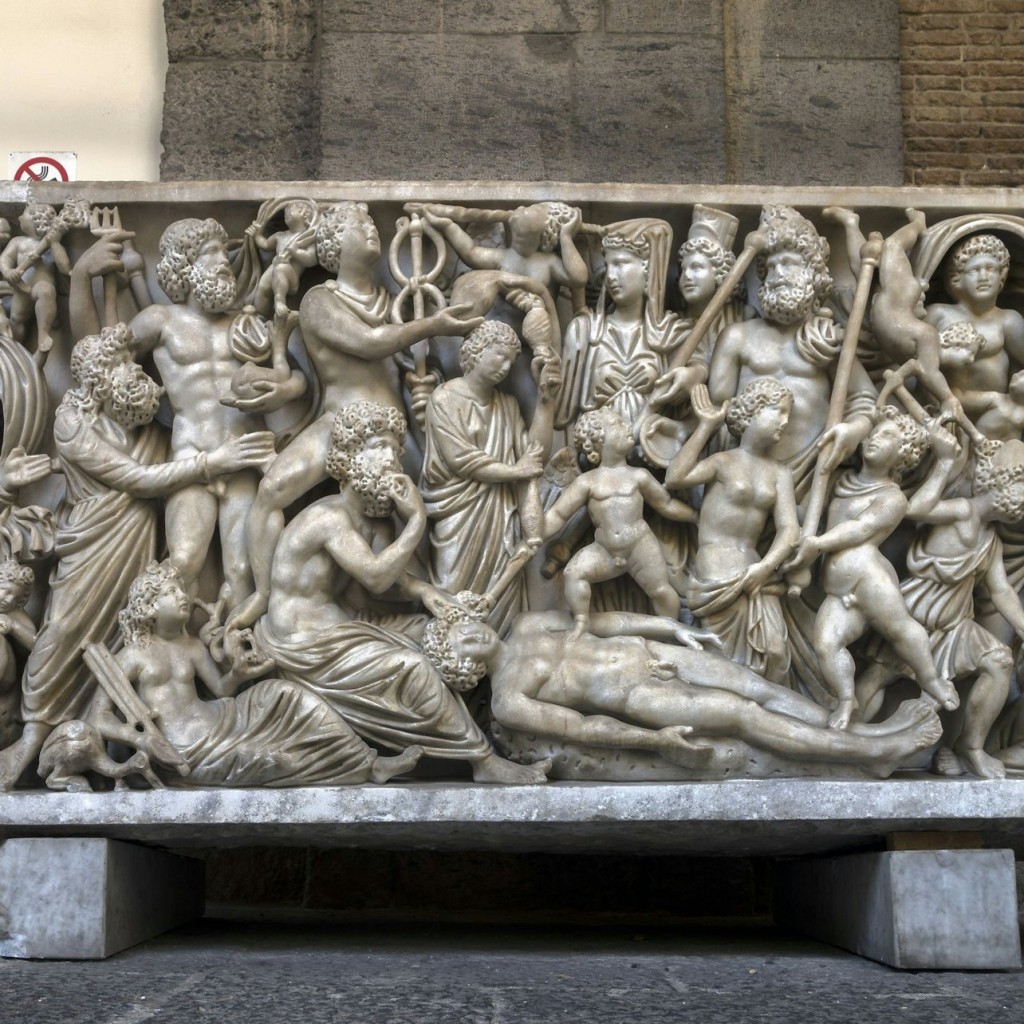
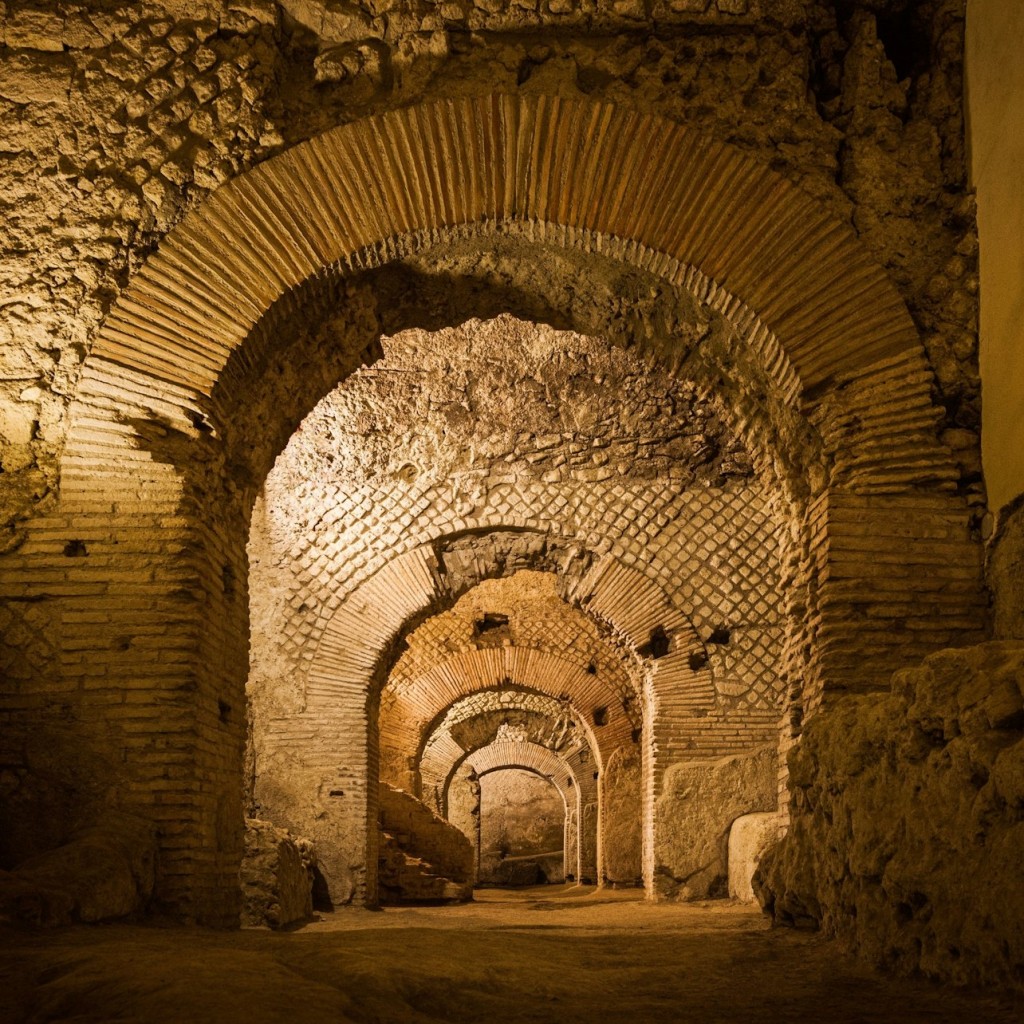
Napoli vanta una storia che abbraccia millenni, rendendola una città profondamente ricca di patrimonio culturale, un fatto potentemente sottolineato dall'esistenza di una carta museale progettata per mostrare i suoi numerosi tesori. Fondata originariamente dai Greci nel VI secolo a.C. come Neapolis, divenne in seguito un'importante città romana, giocando un ruolo cruciale nell'Impero Romano. Dopo il crollo di Roma, Napoli si evolse in un potente ducato indipendente, diventando successivamente la capitale di vari regni sotto diverse dinastie europee, inclusi Normanni, Hohenstaufen, Angioini, Aragonesi, Spagnoli e Borboni. Ogni sovrano ed epoca successiva lasciò un'impronta indelebile sul tessuto urbano della città, dalle elaborate rovine romane e greche sotterranee ai grandiosi palazzi borbonici e alle innumerevoli chiese barocche che adornano le sue strade. La città è stata storicamente una vivace culla di arte, filosofia e scienza, attraendo alcune delle più grandi menti e artisti d'Europa che hanno contribuito al suo unico arazzo culturale. Il concetto di un pass museale unificato come la Naples Museum Card è emerso dal desiderio contemporaneo di rendere questo vasto, diversificato e talvolta opprimente patrimonio più accessibile e gestibile per i visitatori moderni. Riflette l'impegno duraturo di Napoli nel preservare, celebrare e promuovere la sua unica identità storica su un palcoscenico globale, consentendo ai visitatori di navigare facilmente i ricchi strati di storia che definiscono questa magnifica metropoli mediterranea. La card incarna lo spirito di scoperta, incoraggiando un coinvolgimento più profondo con un passato che è sia glorioso che complesso, rivelando la continua evoluzione di una delle città più affascinanti d'Europa.