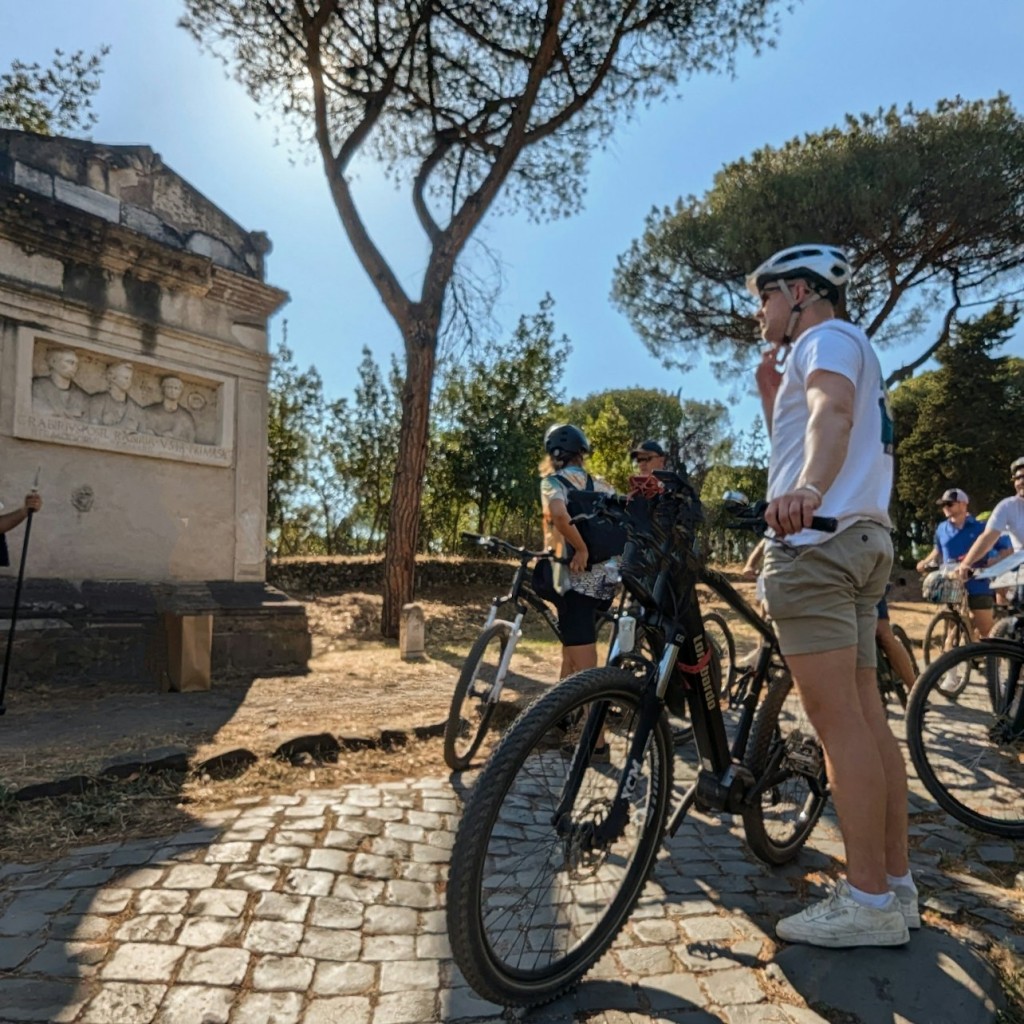
L'Appia Antica, spesso salutata come la 'Regina delle Strade', fu inaugurata nel 312 a.C. dal censore Appio Claudio Cieco. Il suo scopo iniziale era militare, fornendo un percorso diretto per le legioni romane da Roma a Capua in Campania durante le Guerre Sannitiche. Nel corso dei secoli, fu estesa più a sud, raggiungendo infine Brindisi in Puglia, diventando così la più importante arteria commerciale e militare della Repubblica e dell'Impero Romano. La costruzione della strada fu una meraviglia dell'ingegneria, caratterizzata da grandi pietre vulcaniche (blocchi di basalto) strettamente accostate e posate su una robusta fondazione, alcune delle quali sono ancora visibili oggi. Lungo il suo percorso, ricchi Romani costruirono imponenti tombe, mausolei e ville, trasformando il bordo della strada in una grande necropoli e simbolo di status. Dopo la caduta dell'Impero Romano d'Occidente, la strada cadde in disuso e in rovina in molte sezioni, ma la sua importanza storica perdurò. In tempi moderni, sono stati compiuti sforzi per preservare e proteggere questo inestimabile patrimonio, portando all'istituzione del Parco Regionale dell'Appia Antica, che salvaguarda il suo paesaggio archeologico e naturale per le generazioni future.