Cosa è incluso
- Ingresso al Museo di Storia Naturale di Vienna
- Guida parlante inglese o tedesco (in base all'opzione selezionata)
Explore a visual journey through the Natural History Museum Vienna, capturing the awe-inspiring architecture and incredible diversity of its world-renowned collections.
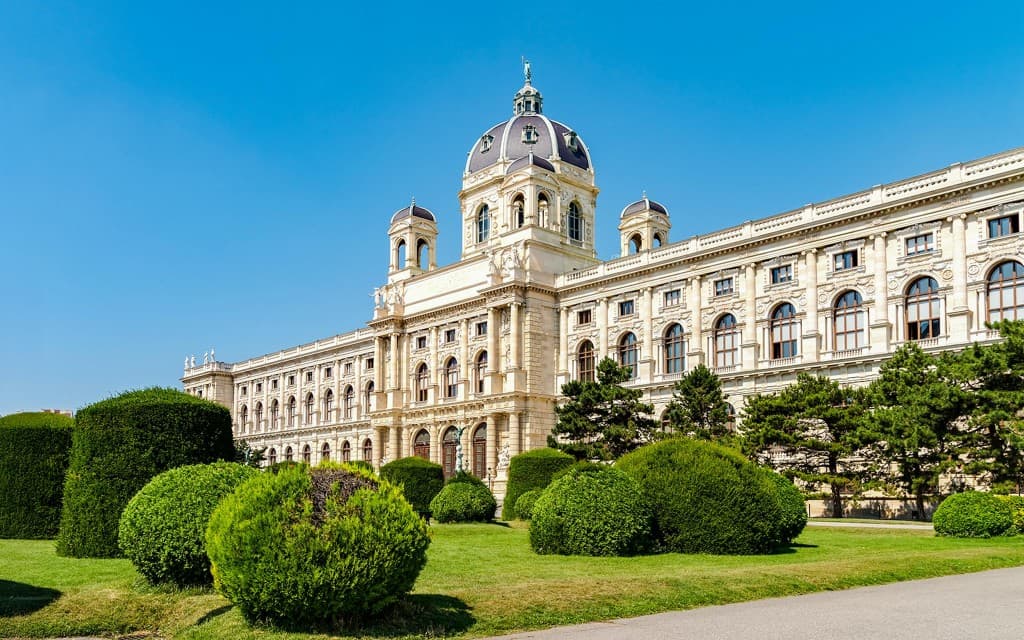
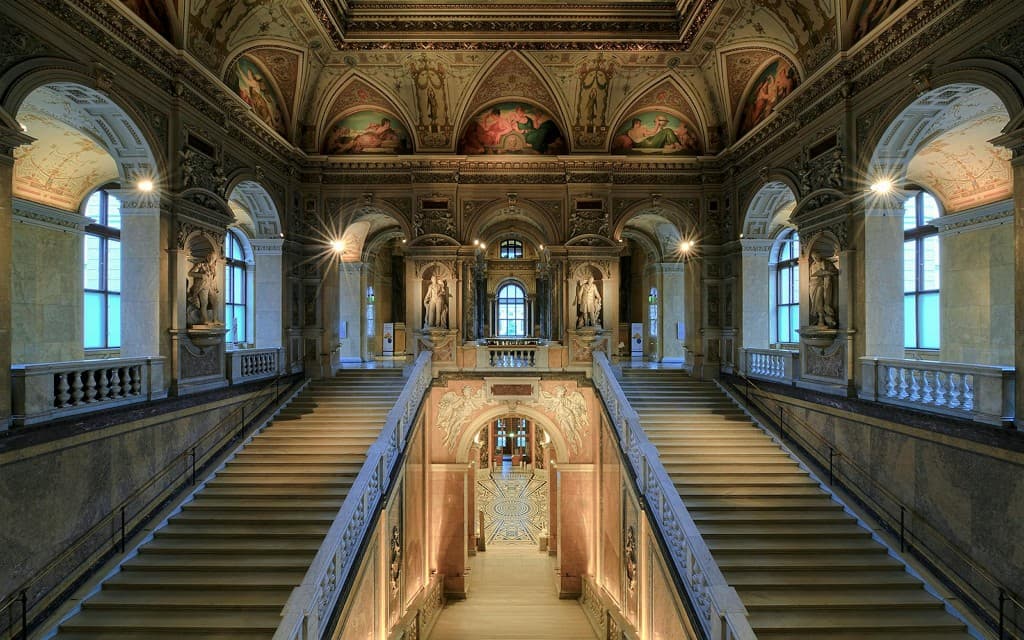
The Natural History Museum Vienna, or Naturhistorisches Museum Wien, is one of the largest and most significant natural history museums in the world. Housed in an opulent palace on Maria-Theresien-Platz, it presents an extraordinary journey through billions of years of Earth's history and the evolution of life. Its vast collections span over 30 million objects, offering a comprehensive look at biodiversity, geology, palaeontology, and anthropology. Visitors can explore everything from precious minerals and gigantic dinosaur skeletons to unique ethnographic artifacts. A visit promises an enriching experience for all ages, combining scientific exploration with the grandeur of imperial architecture, making it a cornerstone of Vienna's cultural landscape.
There is no specific dress code for visiting the Natural History Museum Vienna. Casual and comfortable attire is perfectly acceptable, as you will likely be doing a fair amount of walking. However, dressing respectfully is always appreciated, particularly when visiting cultural institutions. Given Vienna's climate, it is advisable to dress in layers, especially during cooler months, to ensure comfort while moving between the potentially varied temperatures of the exhibition halls.
Passeggia nel Museo di Storia Naturale di Vienna **** e scopri l'evoluzione della vita, dai giganti preistorici e dagli antichi meteoriti alla creatività umana e alla bellezza del mondo minerale.
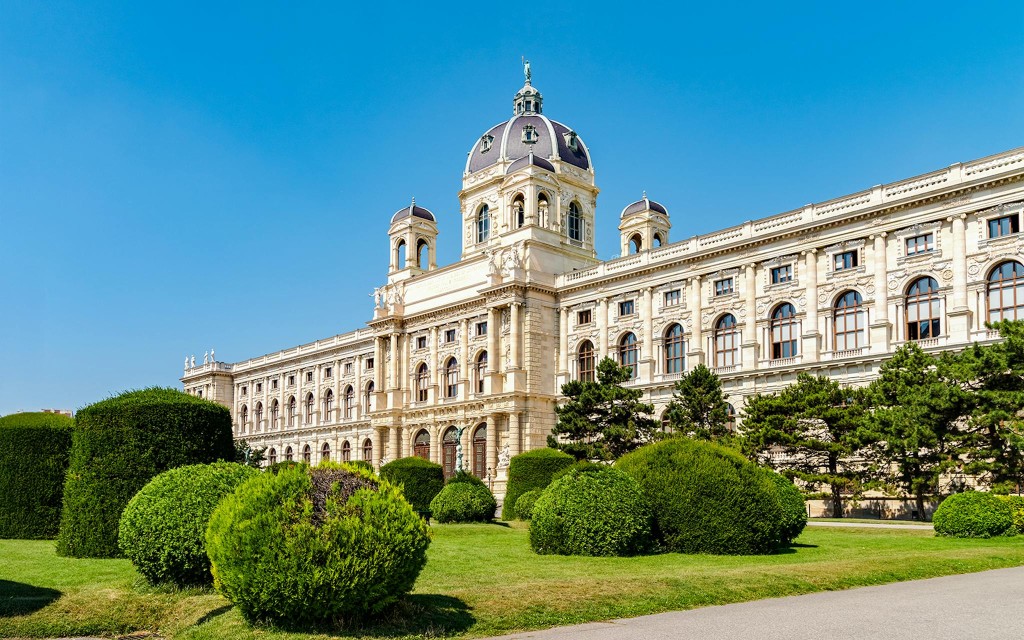
Il grande ingresso del museo si trova sulla Maria-Theresien-Platz, di fronte al gemello Kunsthistorisches Museum. Mostra il tuo biglietto allo sportello principale all'interno della sala della cupola centrale, quindi passa un breve controllo di sicurezza. Una volta entrato, potrai esplorare il museo a tuo piacimento.
Fondato nel 1889, il Museo di Storia Naturale non è solo un gioiello architettonico ma anche un tesoro di conoscenze scientifiche. Su 39 grandi sale espositive, il museo offre un'immersione profonda nella storia della Terra, dalla formazione del sistema solare allo sviluppo delle civiltà umane.
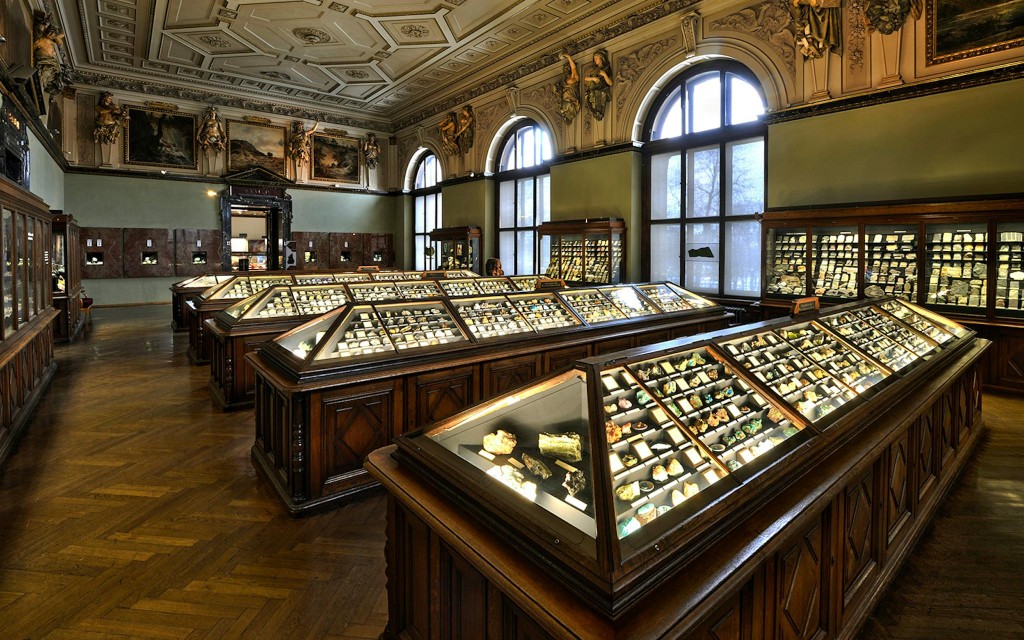
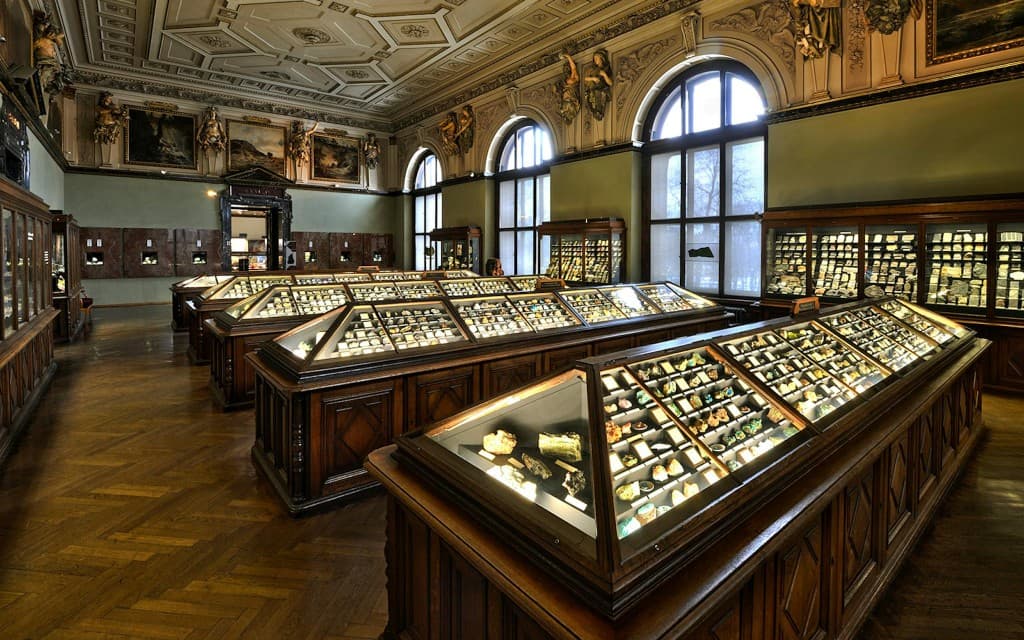
Il viaggio inizia con la mineralogia e i meteoriti, tra cui una delle più grandi esposizioni pubbliche di meteoriti del mondo, prima di passare alle affascinanti collezioni di fossili e ai reperti preistorici.
Tra i suoi punti salienti permanenti c'è la famosa Venere di Willendorf, una statuetta di 29.500 anni fa che offre un raro sguardo sulle prime espressioni artistiche umane.
I giovani esploratori saranno entusiasti del sito "I bambini dell'era glaciale e il loro mondo", una sala per bambini che ricrea la vita durante l'ultima era glaciale con esposizioni coinvolgenti e attività interattive.
Nel padiglione 1, il Crystal World ti invita a entrare in un paesaggio scintillante di minerali e pietre preziose. Le stazioni interattive ti incoraggiano a toccare, osservare e sperimentare, offrendoti uno sguardo pratico su come si formano queste strutture naturali e rivelando la geometria nascosta del nostro pianeta.
Nel frattempo, le rinnovate sale dedicate agli anfibi e ai rettili rivelano gli affascinanti adattamenti evolutivi delle specie a sangue freddo con diorami vivaci ed esemplari dettagliati.
Il museo è noto anche per le sue mostre speciali in continua evoluzione **** , o ***Sondaggi***che si occupano di temi diversi, dalle campagne di salute pubblica alle nicchie di storia naturale più bizzarre, come il significato culturale dei rinoceronti.
Si consigliano scarpe comode e chiuse: alcuni pavimenti e i passaggi in galleria non sono rivestiti di moquette e dovrai camminare molto.
Se intendi prendere in prestito una sedia a rotelle, devi portare un documento d'identità valido con foto da lasciare alla reception.
Borse di grandi dimensioni, zaini, ombrelli, treppiedi, bastoni da passeggio senza necessità mediche e cappotti ingombranti devono essere registrati nel guardaroba vicino all'ingresso.
Non sono ammessi in nessun caso cibi e bevande all'interno delle aree espositive.
Gli animali domestici non sono ammessi all'interno del museo; sono ammessi solo gli animali da assistenza certificati, come i cani guida.
Non è consentito fotografare con il flash o con qualsiasi tipo di apparecchiatura di ripresa professionale senza previa autorizzazione scritta.
Il museo è parzialmente accessibile alle sedie a rotelle, con una rampa d'ingresso da Burgring 7 e un ascensore per tutti i piani espositivi. Tuttavia, il tour sul tetto non è accessibile a causa delle scale e dello spazio limitato.
Le sedie a rotelle possono essere prese in prestito gratuitamente presso il banco informazioni, anche se la disponibilità è limitata e viene fornita in base all'ordine di arrivo.
I servizi igienici accessibili si trovano a tutti i piani principali, compreso uno vicino all'area del giardino per gli ospiti della caffetteria.
Per approfittare al meglio della tua visita, arriva presto: l'ultimo accesso è 30 minuti prima della chiusura (17:30 da giovedì a lunedì e 19:30 il mercoledì).
L'ingresso principale **** si trova in Maria-Theresien-Platz, 1010 Wien, con la biglietteria situata proprio di fronte. I visitatori in sedia a rotelle sono pregati di utilizzare l'ingresso accessibile all'indirizzo Burgring 7, 1010 Wien.
Il banco informazioni si trova all'interno del museo, nella sala d'ingresso presso la "Unterer Kuppelsaal".
I bambini di età inferiore ai 14 anni devono essere sempre accompagnati da un adulto all'interno del museo.
La maggior parte dei visitatori inizia al piano terra, quindi iniziando dai livelli superiori (soprattutto al mattino) ti offre un'esperienza più tranquilla nelle sale dei fossili, dell'antropologia e dei meteoriti.
Sebbene l'uso degli armadietti sia gratuito, dovrai richiedere una moneta da 1 euro come deposito, che ti verrà restituita quando li sbloccherai.
I passeggini sono ammessi, ma nelle ore di punta il personale potrebbe chiederti di parcheggiarli temporaneamente nelle aree designate per ridurre la congestione.
La caffetteria del museo, situata sotto la cupola centrale, serve una serie di pasti caldi, dolci e bevande ed è aperta tutti i giorni tranne il martedì.
Il negozio del museo al piano terra offre una varietà di souvenir a tema, tra cui libri, pietre preziose, fossili e giocattoli educativi.
The Natural History Museum Vienna is a monumental institution dedicated to the preservation and study of the natural world. Situated in a stunning historic building that mirrors the Kunsthistorisches Museum across the square, it boasts 39 exhibition halls designed to captivate and educate. The museum's diverse collections originated from the vast scientific acquisitions of the Habsburg monarchy, meticulously gathered over centuries. Today, it serves as a leading research center and a popular attraction, inviting visitors to delve into its extensive displays. From rare gemstones and ancient fossils to meticulously preserved animal specimens and human origins, the museum covers nearly every aspect of natural history. Interactive exhibits and detailed presentations provide insights into complex scientific concepts, while the sheer scale and beauty of the exhibits leave a lasting impression. It stands as a testament to humanity's enduring curiosity about the universe and its inhabitants.
Booking your Natural History Museum Vienna entry ticket online offers a convenient way to plan your visit and save time upon arrival. Online tickets often allow for expedited entry, enabling you to bypass general admission queues and begin your exploration without delay. This is particularly beneficial during peak tourist seasons or on weekends when the museum can be very busy. Securing your tickets in advance ensures guaranteed access, providing peace of mind and a smoother, more enjoyable experience from the moment you step foot in this magnificent institution.
The history of the Natural History Museum Vienna is deeply intertwined with the Habsburg monarchy's passion for collecting and scientific inquiry. Its origins trace back to the 18th century with Emperor Franz Stephan I, husband of Empress Maria Theresia, who acquired a vast collection of natural objects, including minerals and precious stones. This collection formed the core of what would become a world-class institution. Over generations, the Habsburg emperors expanded these collections significantly, funding expeditions and scientific research worldwide. The current magnificent building on Maria-Theresien-Platz was commissioned by Emperor Franz Joseph I and designed by Gottfried Semper and Carl von Hasenauer. It was officially opened in 1889, purpose-built to house the Imperial Natural History Collections. Since then, the museum has continued to grow its collections, conduct vital research, and educate the public, preserving its rich imperial legacy while embracing modern scientific advancements.
The Natural History Museum Vienna typically welcomes visitors from 9:00 AM or 9:30 AM, with closing times varying between 6:00 PM and 6:30 PM. It is generally closed to the public on Tuesdays. On Wednesdays, the museum often has extended evening hours, closing later. It is advisable to note that opening hours can be subject to change, especially on public holidays or for special events. Please plan your visit accordingly, allowing ample time to explore the extensive collections.
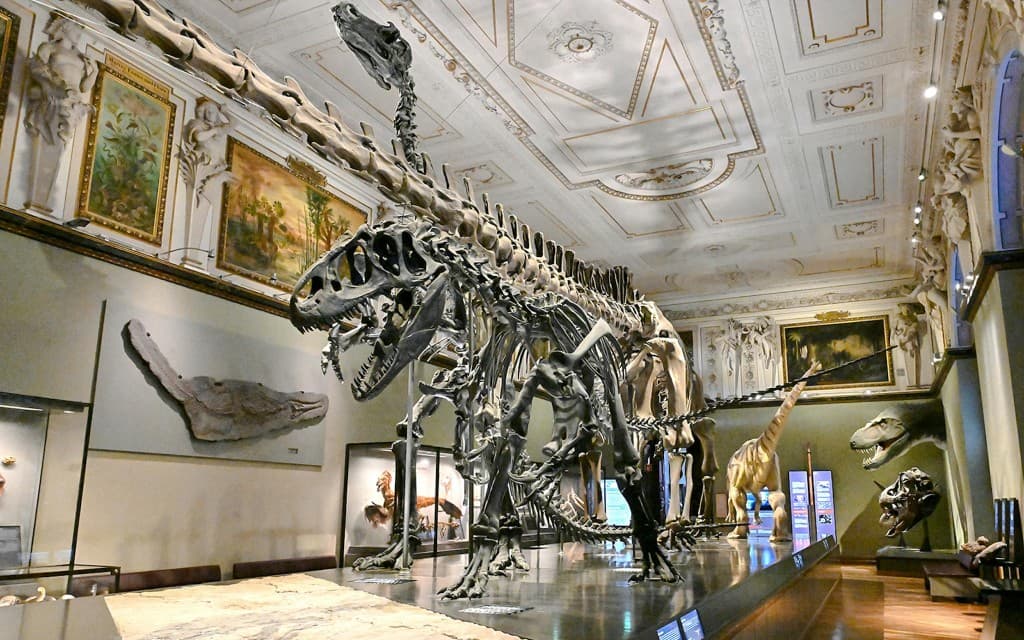
To experience the Natural History Museum Vienna with fewer crowds and a more relaxed atmosphere, consider visiting on a weekday, particularly in the morning shortly after opening. Weekends and public holidays tend to be busier, especially in the afternoon. During school holidays, the museum can also attract larger groups. Arriving early on a weekday allows you to explore the most popular exhibits, such as the Dinosaur Hall and the Venus of Willendorf, with greater ease. The museum's vastness ensures that even on busier days, there are still quieter sections to discover.
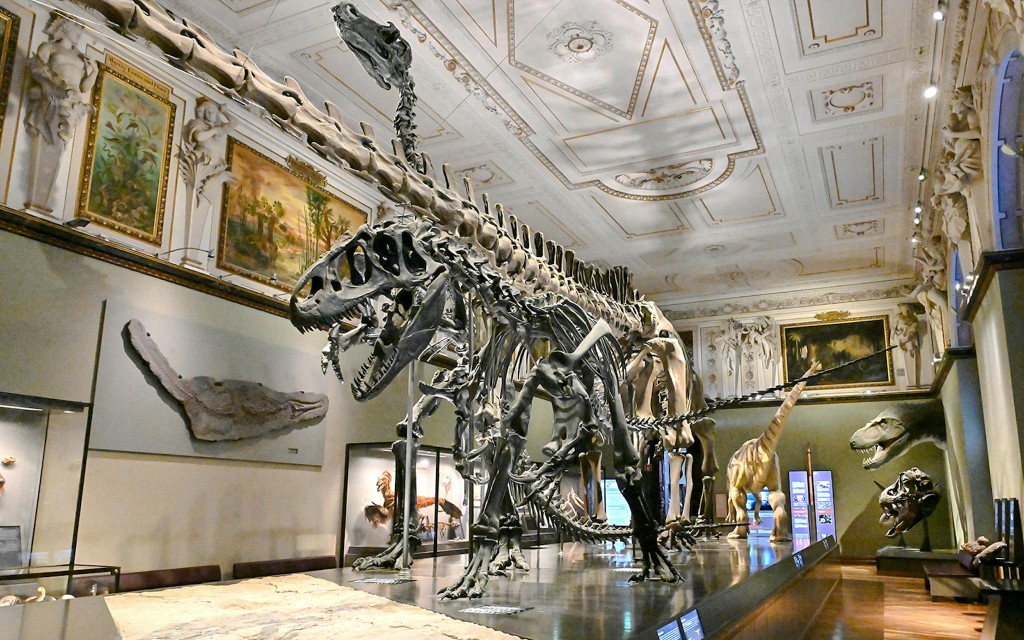
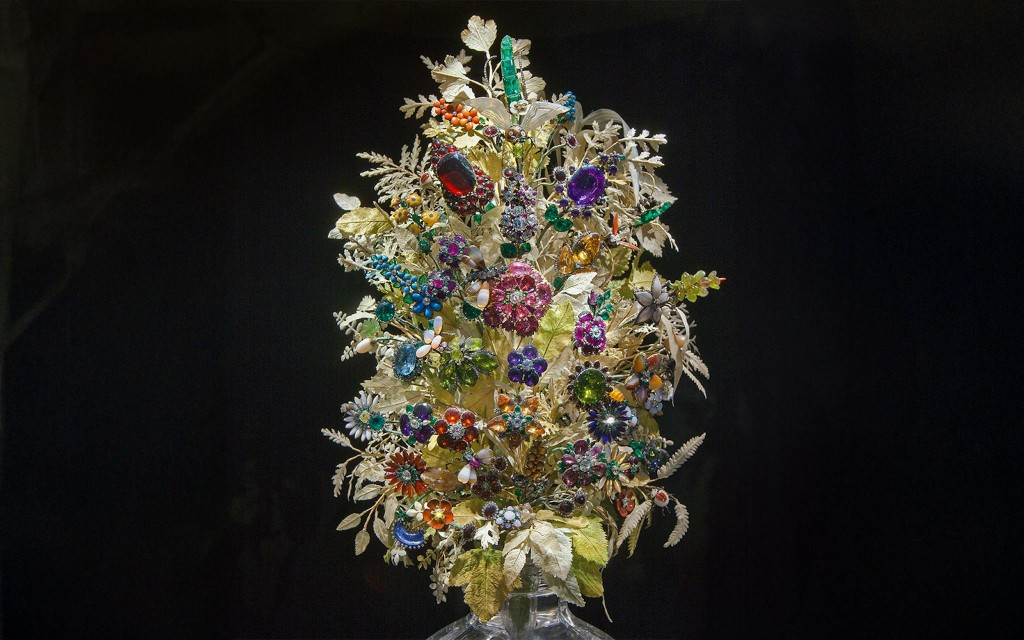
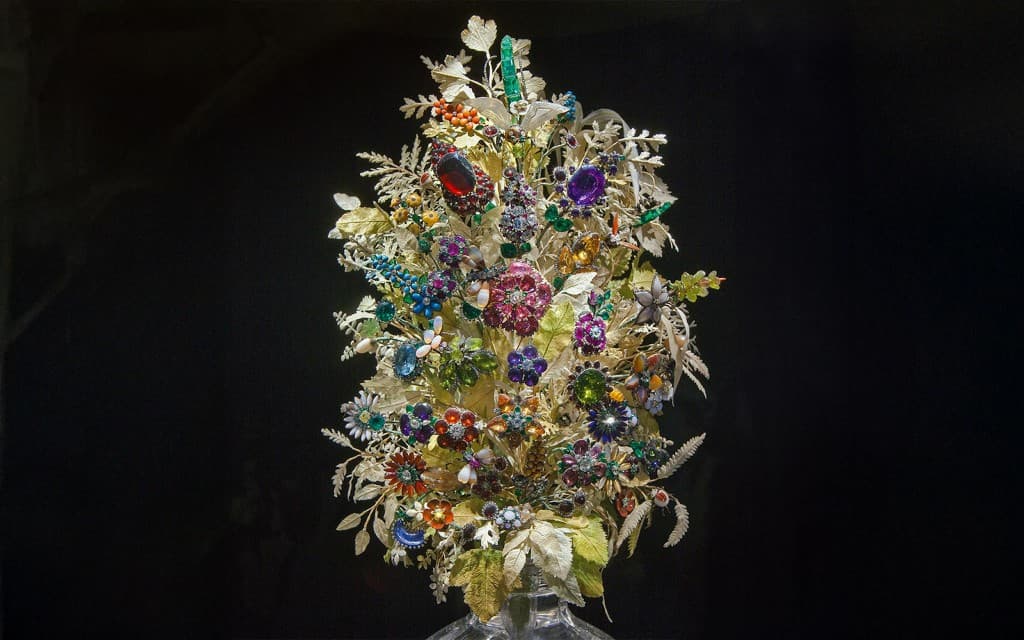
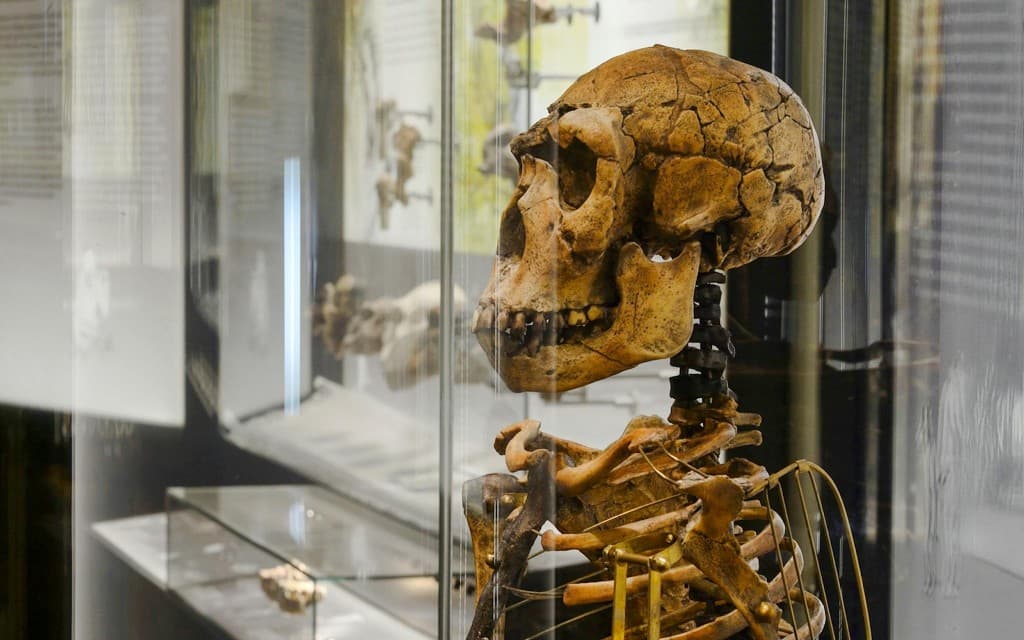
Inside the Natural History Museum Vienna, visitors are treated to an expansive array of exhibits across two floors. The first floor is primarily dedicated to geology, palaeontology, and mineralogy, housing the world-renowned Meteorite Hall and a spectacular collection of gemstones and minerals. The dinosaur hall is a major draw, with impressive skeletons and realistic models. The second floor focuses on zoology, botany, and anthropology. Here, you'll find meticulously arranged displays of diverse animal species, from insects to mammals, showcasing global biodiversity. The Anthropological Hall features significant archaeological finds, including the Venus of Willendorf, offering insights into human history and development. The grand architecture of the building itself, with its ornate ceilings and intricate details, is also a sight to behold.
Wear comfortable shoes as the museum is vast and involves a lot of walking across its numerous halls and two main floors. Consider renting an audio guide to enhance your understanding of the exhibits and their historical significance. The museum has a cafe where you can take a break and a shop for souvenirs. Allow sufficient time for your visit, as rushing through the extensive collections may diminish the experience. Lockers are available for coats and bags. Photography is generally permitted for personal use, but flash photography is typically prohibited to protect sensitive artifacts.
To ensure a pleasant experience for all visitors and to preserve the valuable collections, please observe the museum's rules. Do not touch the exhibits, as this can cause damage. Flash photography is generally not allowed. Food and beverages are not permitted in the exhibition halls but can be consumed in designated areas like the cafe. Running, shouting, or disruptive behavior is discouraged. Large bags and backpacks may need to be stored in lockers. Please respect fellow visitors and maintain a quiet atmosphere.
The Natural History Museum Vienna is undoubtedly worth visiting for its unparalleled collections, stunning architecture, and educational value. It offers a unique opportunity to explore billions of years of natural history under one roof, from the smallest microorganisms to gigantic dinosaur skeletons. The sheer scale and diversity of the exhibits, combined with the grandeur of the imperial building, create an immersive and awe-inspiring experience. Whether you are interested in geology, zoology, palaeontology, or anthropology, or simply seeking a cultural and educational outing, the museum provides fascinating insights and discoveries for visitors of all ages, making it a highlight of any trip to Vienna.
Key highlights include the iconic Venus of Willendorf, the spectacular Dinosaur Hall, the extensive Meteorite Collection, and the impressive displays of minerals and gemstones.
Yes, the museum is very family-friendly, offering many engaging exhibits like the dinosaur hall, interactive displays, and diverse animal collections that captivate visitors of all ages.
Most visitors spend between 2 to 4 hours exploring the museum's numerous exhibition halls, though more time can be spent for a deeper dive into specific collections.
The museum offers various guided tours and audio guides in multiple languages to enhance your understanding of the collections. Specific availability may vary.
Food and beverages are generally not allowed in the exhibition areas but can be consumed in designated cafe or restaurant areas within the museum.
The Natural History Museum Vienna is committed to accessibility, offering elevators and ramps to ensure that all visitors can explore its collections.
It is recommended to purchase your Natural History Museum Vienna entry ticket online in advance to save time and ensure a smooth entry, especially during busy periods.
The Natural History Museum Vienna is easily accessible by public transport. Take the U2 or U3 underground lines to Volkstheater station, which is just a short walk away. Alternatively, tram lines 1, 2, D, and 71 stop at Burgring, also within walking distance. Various bus lines also serve the area around Maria-Theresien-Platz. The museum's central location makes it a convenient destination from most parts of Vienna.
There is no specific dress code for visiting the Natural History Museum Vienna. Casual and comfortable attire is perfectly acceptable, as you will likely be doing a fair amount of walking. However, dressing respectfully is always appreciated, particularly when visiting cultural institutions. Given Vienna's climate, it is advisable to dress in layers, especially during cooler months, to ensure comfort while moving between the potentially varied temperatures of the exhibition halls.