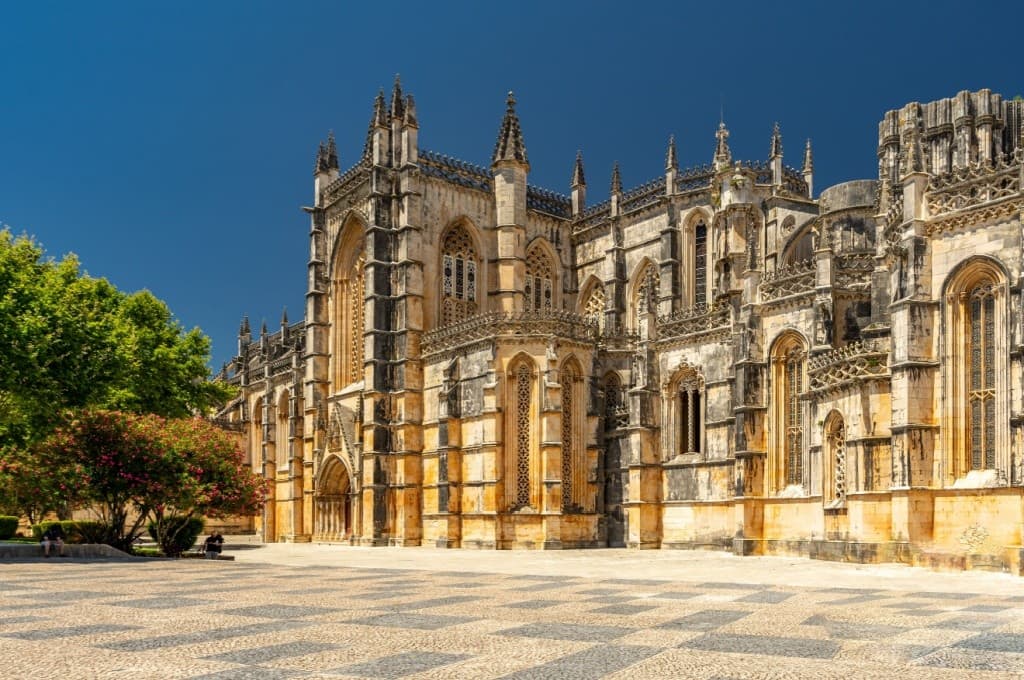
Monastery of Batalha Skip-the-Line Ticket
Skip the line and enjoy a fast track to explore the stunning Batalha Monastery, a UNESCO World Heritage site. Experience its Gothic architecture, intricate stonework, and rich history on this seamless, unforgettable visit.
オプションを比較
| オプション | タイプ | 概要 | 所要時間 | 出発地 | 予約 |
|---|---|---|---|---|---|
| Monastery of Batalha Skip-the-Line Ticket | チケット | Skip the line and enjoy a fast track to explore the stunning Batalha Monastery , a UNESCO World Heritage site . Experie... | フレキシブル | €19.90 | 予約 |
The Batalha Monastery, also known as the Monastery of Saint Mary of the Victory, stands as a testament to Portugal's rich history and architectural prowess. Built to commemorate the Portuguese victory at the Battle of Aljubarrota in 1385, this UNESCO World Heritage site showcases a stunning blend of Gothic and Manueline styles. Its intricate stonework, towering spires, and serene cloisters offer visitors a captivating journey through time. Exploring the Batalha Monastery provides a profound insight into Portugal's cultural and religious heritage, making it an essential destination for history enthusiasts and architecture lovers alike. Prepare to be mesmerized by the grandeur and artistry of this iconic landmark, a symbol of national pride and devotion.
期待されること
ハイライト
概要 Batalha Monastery
The Batalha Monastery, a masterpiece of Gothic architecture, was commissioned by King John I to thank the Virgin Mary for his victory over the Castilians at the Battle of Aljubarrota. Construction began in 1386 and continued for over a century, involving numerous architects and artisans who contributed to its unique design. The monastery served not only as a symbol of victory but also as a royal pantheon, housing the tombs of King John I, his wife Philippa of Lancaster, and their descendants. Over time, the monastery evolved, incorporating Manueline elements during the reign of King Manuel I, adding to its architectural diversity and splendor. Today, the Batalha Monastery stands as a remarkable example of Portuguese architectural heritage and a poignant reminder of the nation's historical struggles and triumphs.
オンライン予約のメリット
Booking your tickets online offers several advantages. You can skip the ticket lines, ensuring a smoother entry, especially during peak season. Online platforms often provide detailed information about the monastery, including tour options and historical context, enhancing your visit. Reserving in advance guarantees your spot, preventing potential disappointment if tickets sell out. Many online vendors also offer discounts and package deals, making your visit more affordable. Booking online allows you to plan your visit efficiently, saving time and maximizing your enjoyment of this historical site.
歴史
The history of the Batalha Monastery is deeply intertwined with Portugal's struggle for independence. In 1385, King John I vowed to build a grand monastery if Portugal won the Battle of Aljubarrota against Castile. The Portuguese victory secured the country's independence and led to the construction of the Monastery of Saint Mary of the Victory. Construction began in 1386 and continued for over a century, with various architects contributing to its evolving design. The monastery became a symbol of national pride and a royal pantheon, housing the tombs of the Aviz dynasty. Over the centuries, the monastery underwent several expansions and renovations, incorporating Manueline elements during the reign of King Manuel I. Despite damage from earthquakes and wars, the Batalha Monastery has been preserved as a testament to Portugal's rich history and architectural heritage.
営業時間
The Batalha Monastery's opening hours typically vary with the seasons. During the summer months, it generally opens earlier and closes later to accommodate tourists. It's advisable to check the most current opening hours before your visit. Keep in mind that the monastery might have reduced hours or be closed on certain public holidays. During the off-season, the opening hours may be shorter. Check local sources for specific times.
おすすめの訪問時間
The ideal time to visit the Batalha Monastery is during the shoulder seasons—spring (April-May) or fall (September-October). During these months, the weather is generally mild and comfortable, making it pleasant to explore the outdoor areas and intricate stonework. Additionally, these months tend to have fewer tourists compared to the peak summer season, allowing for a more relaxed and intimate experience. Visiting on a weekday can also help you avoid the larger crowds that often gather on weekends.
内部の見どころ
Inside the Batalha Monastery, visitors can explore a variety of remarkable spaces. The Founder's Chapel houses the tombs of King John I and his family, showcasing intricate Gothic sculptures. The Royal Cloister, with its delicate Manueline details, offers a tranquil retreat. The Chapter House features a stunning star-vaulted ceiling, a testament to medieval engineering. The Unfinished Chapels, begun by King Edward, reveal the monastery's incomplete state and offer a glimpse into its evolving design. The main church boasts impressive stained glass windows and soaring arches, creating a sense of awe and reverence. Each area within the monastery tells a story, reflecting the history and artistry of this iconic landmark.
知っておくべきこと
When visiting the Batalha Monastery, remember that it is a religious site, and respectful behavior is expected. Photography is generally allowed, but flash photography may be restricted in certain areas to protect the artwork. Comfortable shoes are recommended, as you'll be doing a lot of walking. Guided tours are available and can provide valuable insights into the monastery's history and architecture. There are facilities available, including restrooms and a small cafe. Be sure to allocate enough time to fully explore the monastery's various chapels, cloisters, and historical spaces. Check the weather forecast and dress accordingly, as the interior can be cool even on warm days.
訪問者のルール
As a visitor to the Batalha Monastery, it's important to adhere to certain rules to preserve the site's sanctity and historical integrity. Please refrain from touching or climbing on any of the monuments or structures. Maintain a respectful silence within the chapels and cloisters. Food and drinks are generally not allowed inside the monastery. Dispose of any trash properly in designated bins. Be mindful of other visitors and avoid blocking pathways or viewpoints. Follow the directions of the staff and any posted signs. By observing these rules, you contribute to the preservation of this remarkable site for future generations.
訪れる価値はありますか?
The Batalha Monastery is undoubtedly worth visiting for its stunning architecture, rich history, and cultural significance. As a UNESCO World Heritage site, it represents a pivotal moment in Portuguese history and showcases a unique blend of Gothic and Manueline styles. Exploring the monastery offers a captivating journey through time, allowing you to appreciate the intricate stonework, serene cloisters, and royal tombs. Whether you're a history enthusiast, an architecture lover, or simply seeking a place of beauty and tranquility, the Batalha Monastery provides an unforgettable experience that will leave you in awe of Portugal's heritage.
よくある質問
The Batalha Monastery, also known as the Monastery of Saint Mary of the Victory, is a UNESCO World Heritage site in Portugal, built to commemorate the Battle of Aljubarrota.
It was commissioned by King John I of Portugal to thank the Virgin Mary for the Portuguese victory at the Battle of Aljubarrota in 1385.
The monastery primarily showcases Gothic and Manueline architectural styles.
Construction began in 1386 and continued for over a century, involving numerous architects and artisans.
Highlights include the Founder's Chapel, Royal Cloister, Chapter House, and the Unfinished Chapels.
While not strictly enforced, modest dress is recommended to show respect for the religious nature of the site.
Plan to spend approximately 2 to 3 hours to fully explore the monastery.
Yes, guided tours are often available and can provide valuable insights into the monastery's history and architecture.
Yes, photography is generally allowed, but flash photography may be restricted in certain areas.
行き方
To reach the Batalha Monastery, you can take a bus from Lisbon or other major cities in Portugal. The bus will drop you off in the town of Batalha, within easy walking distance of the monastery.