Wycieczki z przewodnikiem po Akropolu i Partenonie z biletami wejścia (Acropolis Parthenon Italian-Guided Tour)Wycieczki z przewodnikiem po Akropolu i Partenonie z biletami wejścia (Acropolis Parthenon Italian-Guided Tour) - 1Wycieczki z przewodnikiem po Akropolu i Partenonie z biletami wejścia (Acropolis Parthenon Italian-Guided Tour) - 2Wycieczki z przewodnikiem po Akropolu i Partenonie z biletami wejścia (Acropolis Parthenon Italian-Guided Tour) - 3

Discover captivating images of the Acropolis and Parthenon, showcasing the grandeur of ancient Greek architecture and the breathtaking views from this historic landmark.

Explore the magnificent Acropolis of Athens, a UNESCO World Heritage Site and the enduring symbol of Classical Greece. Perched high above the bustling city, this ancient citadel invites visitors to step back in time and witness the architectural marvels that defined a civilization. At its heart stands the Parthenon, the majestic temple dedicated to the goddess Athena, embodying the peak of Doric order. A visit here offers a profound journey through history, art, and philosophy, providing unparalleled panoramic views of Athens and the Aegean beyond. Discover the legends and stories embedded in every stone of this historic site.

Od74.98
ADULT
2599 wiek
74.98
CHILD
04 wiek
36.14
EU_CITIZEN
524 wiek
36.35
NON_-_EU_CITIZEN
518 wiek
34.07
Czas trwania
2 minuty
Miejsce spotkania
Athens
Acropolis,Acropolis, Athens 105 58, Greece
Godziny otwarcia
Opening hours for the Acropolis vary seasonally, generally opening early in the morning and closing in the late afternoon or early evening. It typically remains closed on major public holidays.
Czas trwania wizyty
A typical visit to the Acropolis and Parthenon usually takes between 2 to 3 hours to fully explore the site.
Najlepszy czas na wizytę
The best time to visit the Acropolis is early morning or late afternoon to avoid crowds and the midday heat, especially during warmer months.
Adres
The Acropolis is located atop a prominent rocky hill in the heart of Athens, Greece, overseeing the entire city.
Zasady ubioru

There is no strict dress code for visiting the Acropolis, as it is an outdoor archaeological site. However, comfortable and practical attire is highly recommended. Given the uneven terrain, many stairs, and potential for hot weather, wear comfortable walking shoes with good grip. Light, breathable clothing is advisable during summer. In cooler months, layered clothing is appropriate. A hat and sunglasses are also recommended for sun protection year-round.

Szczegóły atrakcji w skrócie

Co zawiera oferta

  • Wycieczka z przewodnikiem po Akropolu i Partenonie
  • Wejście na stanowisko archeologiczne Akropol
  • Wejście do Muzeum Akropolu (zgodnie z wybraną opcją)
  • Wejście do Świątyni Posejdona (zgodnie z wybraną opcją)
  • Przewodnik mówiący po angielsku, hiszpańsku, francusku, niemiecku lub włosku (zgodnie z wybraną opcją)
  • 2-godzinna wycieczka grupowa do Akropolu i Partenonu (zgodnie z wybraną opcją)
  • 3,5-godzinna wycieczka w małej grupie po Akropolu i Muzeum Akropolu (zgodnie z wybraną opcją)
  • 3-godzinna prywatna wycieczka z przewodnikiem po Akropolu (zgodnie z wybraną opcją)
  • Stare Miasto (Plaka) - piesza wycieczka z przewodnikiem po okolicy (zgodnie z wybraną opcją)
  • Transfery w obie strony luksusowym autobusem z klimatyzacją (zgodnie z wybraną opcją)
  • Lunch (zgodnie z wybraną opcją)
  • Akropol
  • Partenon
  • Świątynia Ateny Nike
  • Odeon Herodesa Attyka
  • Teatr Dionizosa Eleuthereusa
  • Erechtheion
  • Propylaea
  • Muzeum Akropolu (zgodnie z wybraną opcją)
  • Świątynia Posejdona (zgodnie z wybraną opcją)
  • Starożytna Agora (zgodnie z wybraną opcją)
  • Stoa of Attalos (zgodnie z wybraną opcją)
  • Muzeum Starożytnej Agory (zgodnie z wybraną opcją)
  • Świątynia Hefajstejona (zgodnie z wybraną opcją)
  • Stare Miasto (podczas prywatnej wycieczki)

Czego nie obejmuje

  • Udogodnienia odbioru i powrotu
  • Bilety wstępu na Akropol (podczas prywatnej wycieczki)

Twoja wycieczka

Oto jak spędzisz dzień zwiedzając najbardziej kultowe punkty orientacyjne Aten, Akropol, Teatr Dionizosa i Starożytną Agorę, z przewodnikiem ekspertem, zanurzając się w 2500 lat historii i kultury.

Pierwsze kroki

Twoja przygoda rozpocznie się, gdy spotkasz się z przewodnikiem w wyznaczonym miejscu w pobliżu Akropolu. Po zebraniu się grupy, przewodnik przedstawi krótki przegląd i poprowadzi Cię do zwiedzania jednego z najbardziej znaczących miejsc historycznych na świecie.

Co Cię czeka

Akropol

Akropol jest obiektem Światowego Dziedzictwa UNESCO, w którym znajduje się Partenon **** , starożytna cytadela, która była niegdyś sercem ateńskiego życia i pozostaje potężnym symbolem klasycznej greckiej kultury i demokracji. Twój przewodnik ożywi Akropol, dzieląc się porywającymi opowieściami o roli Partenonu w starożytnej greckiej demokracji, micie o rywalizacji Ateny i Posejdona oraz geniuszu architektonicznym stojącym za Świątynią Ateny Nike.

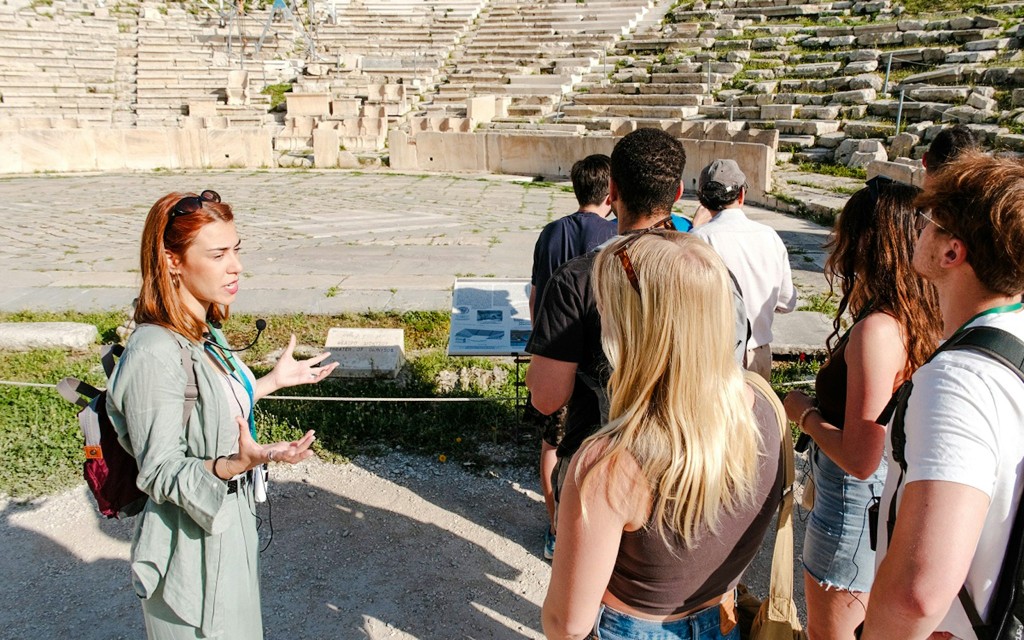
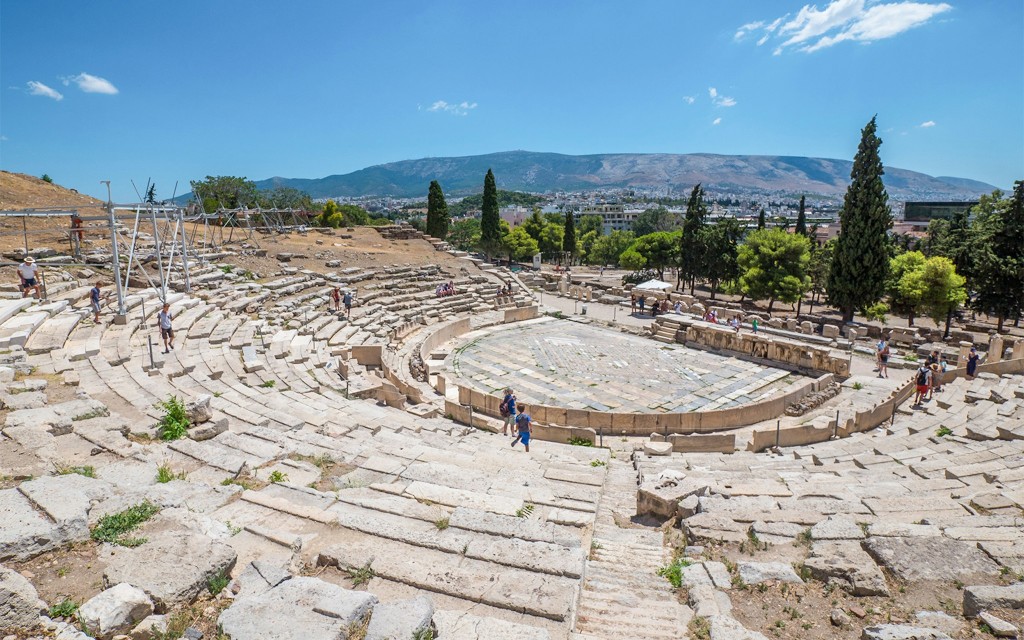
Poznaj punkty orientacyjne, takie jak Erechtheion **** , słynący z kolumn kariatyd, i przejdź przez wielką Propyleje **** bramę z rozległym widokiem na Ateny. Odwiedź Teatr Dionizosa, w którym wystawiano starożytne dramaty, oraz Odeon Heroda Attyka, pięknie zachowany amfiteatr do dziś wykorzystywany do przedstawień.

Muzeum Akropolu

Zwiedź Muzeum Akropolu, w którym znajduje się niezwykła kolekcja artefaktów z Partenonu i innych starożytnych budowli. Zamelduj się przy marmurach Partenonu i zobacz odrestaurowany fryz partenoński, który żywo przedstawia ateńskie życie i tradycje.

Starożytna Agora

W zależności od wybranej wycieczki, po wizycie na Akropolu przewodnik zabierze Cię na Starożytną Agorę, niegdyś tętniące życiem serce politycznego, społecznego i handlowego życia starożytnych Aten. Podczas zwiedzania Agory Twój przewodnik ożywi tętniący życiem rynek, wskazując miejsca, w których niegdyś debatowali Sokrates i inni słynni filozofowie oraz gdzie gromadzili się obywatele, aby dyskutować o polityce i codziennych sprawach.

W odległości krótkiego spaceru od ruin wejdź do Stoa of Attalos, zrekonstruowanego budynku, w którym obecnie mieści się Muzeum Starożytnej Agory. Wewnątrz twój przewodnik zwróci uwagę na kluczowe artefakty - posągi, inskrypcje i przedmioty codziennego użytku - które oferują wgląd w życie starożytnych Ateńczyków. Wycieczka obejmuje również wizytę w świątyni Hefajstejona **** , jednej z najlepiej zachowanych starożytnych greckich świątyń, poświęconej bogu rzemiosła i obróbki metalu.

Świątynia Posejdona

W zależności od wybranej wycieczki, możesz odwiedzić Świątynię Posejdona na przylądku Sounion z przewodnikiem u boku. Przespaceruj się między jego 2400-letnimi marmurowymi kolumnami, dowiedz się o jego roli w mitologii greckiej i historii marynarki wojennej, a także podziwiaj wspaniałe widoki na Morze Egejskie o zachodzie słońca!

Stare Miasto

Podczas prywatnych wycieczek Twój przewodnik oprowadzi Cię po urokliwym Starym Mieście w Atenach i podzieli się opowieściami o ewolucji miasta, wskazując lokalne tawerny, butiki rzemieślnicze i ukryte skarby.
Know Before You Go

Co musisz wiedzieć przed podróżą

Co zabrać ze sobą

  • Przygotuj paszport, dowód osobisty i legitymację studencką, aby zapewnić sobie bezproblemową obsługę.

  • Załóż wygodne buty, ponieważ teren jest nierówny i wymaga sporo chodzenia.

  • Weź ze sobą kapelusz, krem do opalania i butelkę wody, zwłaszcza w cieplejszych miesiącach, ponieważ wiele obszarów ma mało cienia.

Czego nie wolno

  • Duże torby i bagaże nie są dozwolone na terenie obiektów ze względu na ograniczenia bezpieczeństwa.

  • Zwierzęta domowe nie są dozwolone, z wyjątkiem zwierząt asystujących z odpowiednią dokumentacją.

  • Drony i statywy nie są dozwolone na tych stanowiskach archeologicznych.

  • Jedzenie i napoje inne niż woda nie są dozwolone w muzeach i niektórych obszarach chronionych.

Ułatwienia dostępu

  • Akropol ma ograniczoną dostępność dla osób niepełnosprawnych. Chociaż w pobliżu wejścia do South Slope znajduje się winda, jej działanie jest w całości zarządzane przez obiekt i może nie zawsze być dostępna. Ta wycieczka nie nie korzystać z wejścia do windy, więc goście, którzy polegają na dostępie do windy, mogą nie być w stanie spotkać się z grupą po wejściu. Z tego powodu osobom uzależnionym od wind nie zaleca się udziału w tej wycieczce.

  • Muzeum Akropolu i Stoa of Attalos Museum są w pełni dostępne dla wózków inwalidzkich dzięki rampom i windom.

  • Świątynia Posejdona nie jest dostępna dla wózków inwalidzkich ze względu na nierówny teren i schody.

  • Starożytna Agora ma częściową dostępność, z rampą przy północnym wejściu i kilkoma łatwymi do pokonania ścieżkami.

  • Plaka (Stare Miasto) nie jest w pełni dostępna dla wózków inwalidzkich, z brukowanymi uliczkami i zboczami, ale niektóre obszary mają dostęp bez schodów.

Dodatkowe informacje

  • Uwaga: Wstęp o określonej godzinie do Partenonu na Akropolu wymaga od zwiedzających wcześniejszej rezerwacji terminu i przedziału czasowego wejścia. Przybądź 30 minut wcześniej, aby doświadczyć bez zmartwień - możesz wejść do 15 minut przed lub po wybranym przedziale czasowym.

  • Akropol oferuje bezpłatny wstęp w wybrane dni, w tym 6 marca, 18 kwietnia, 18 maja, ostatni weekend września, 28 października i pierwsze niedziele od listopada do marca.

  • Muzeum Akropolu oferuje również wolny wstęp 6 marca (Dzień Meliny Mercouri), 25 marca (święto narodowe), 18 maja (Międzynarodowy Dzień Muzeów) i 28 października (święto narodowe).

Kwalifikowalność koncesji

Akropol:

  • Dzieci i młodzież: Obywatele UE w wieku do 25 lat otrzymują wolny wstęp za okazaniem ważnego dokumentu tożsamości lub paszportu. Odwiedzający spoza UE w wieku od 6 do 25 lat kwalifikują się do ulgowego wstępu, podczas gdy dzieci poniżej 5 roku życia, niezależnie od narodowości, wchodzą za darmo z ważnym dokumentem tożsamości.

  • Seniorzy: Obywatele UE w wieku 65 lat i starsi kwalifikują się do ulgowego wstępu z ważnym dokumentem tożsamości.

  • Osoby z niepełnosprawnościami: Wstęp bezpłatny dla zwiedzających z niepełnosprawnością 67% lub wyższą i jedną osobą towarzyszącą, z ważnym dokumentem tożsamości lub orzeczeniem o niepełnosprawności.

  • Obywatele Grecji (kategorie specjalne): Bezpłatne lub zniżkowe wejście dla bezrobotnych obywateli z dowodem osobistym i kartą o bezrobotności oraz dla rodzin wielodzietnych z ważnym zaświadczeniem. Jeśli Dziecko jest niepełnosprawne, wymagane jest również orzeczenie o niepełnosprawności.

Muzeum Akropolu:

  • Dzieci i młodzież: Bezpłatne wejście dla obywateli UE do 18 roku życia z ważnym dokumentem tożsamości. Osoby spoza UE w wieku do 18 lat kwalifikują się do ulgowego wstępu.

  • Seniorzy: Obywatele UE w wieku 65 lat i starsi kwalifikują się do ulgowego wstępu z ważnym dokumentem tożsamości.

  • Osoby z niepełnosprawnościami: Wstęp wolny dla zwiedzających z orzeczeniem o niepełnosprawności wraz z opiekunem wycieczki, jeśli dotyczy.

Instructions

- **2-hour small-group tour with an Italian-speaking guide** - Timed entry to the Acropolis - Expert-led walking tour of the Acropolis archaeological site - Attractions covered: - The Parthenon - Temple of Athena Nike - Odeon of Herodes Atticus - Theater of Dionysus Eleuthereus - Erechtheion - Propylaea

Czego się spodziewać

Upon arrival at the Acropolis, expect an uphill walk to reach the main monuments. The paths can be uneven, and there are many steps, so comfortable footwear is essential. The site can be crowded, especially during peak hours and seasons, but the sheer grandeur of the Parthenon and other structures makes it a worthwhile visit. You will have the opportunity to walk around and within the various temples, marveling at their scale and intricate details. Guided tours or audio guides can greatly enhance your understanding of the historical and mythological context. Prepare for stunning photographic opportunities, especially of the Parthenon and the expansive city views from the summit.

O Acropolis & Parthenon: Ancient Athens' Iconic Landmark

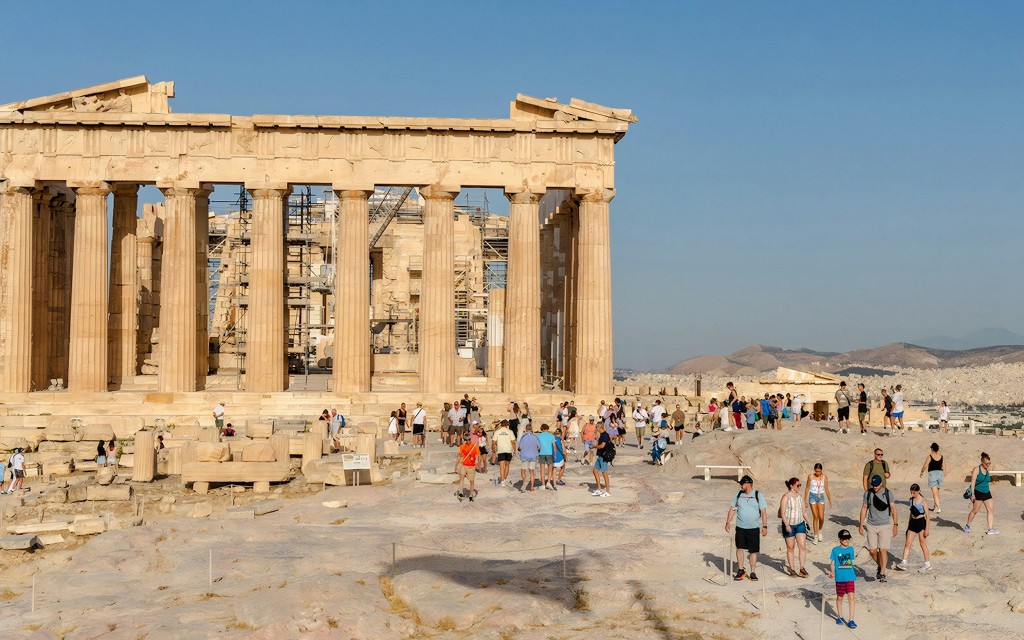
The Acropolis of Athens is a prominent ancient citadel located on a rocky outcrop above the city of Athens, Greece. It served as a natural fortress, a religious center, and a symbol of the city's power and prosperity throughout its long history. The most famous and significant monument on the Acropolis is the Parthenon, a former temple dedicated to the goddess Athena, whom the people of Athens considered their patron. Built in the 5th century BC, during the golden age of Pericles, the Parthenon is an enduring symbol of ancient Greece, its democracy, and its cultural brilliance. Beyond the Parthenon, the Acropolis complex includes other significant structures such as the Propylaea, the monumental gateway to the sanctuary; the Erechtheion, an elegant temple known for its Porch of the Caryatids; and the Temple of Athena Nike, a smaller temple celebrating victory. Together, these structures showcase the pinnacle of ancient Greek architectural and artistic achievement. The site also offers breathtaking vistas of Athens, stretching from the Saronic Gulf to the surrounding mountains, making it a must-visit destination for anyone interested in history, architecture, and stunning landscapes.

Atrakcje

Ta wielojęzyczna wycieczka z przewodnikiem ekspertem zabierze Cię przez najważniejsze punkty orientacyjne Aten, w tym Akropol, Partenon i starożytną Agorę, ze spersonalizowanymi spostrzeżeniami i płynnym dostępem do kluczowych miejsc. Spersonalizuj swoją wycieczkę dzięki opcjonalnym dodatkom.
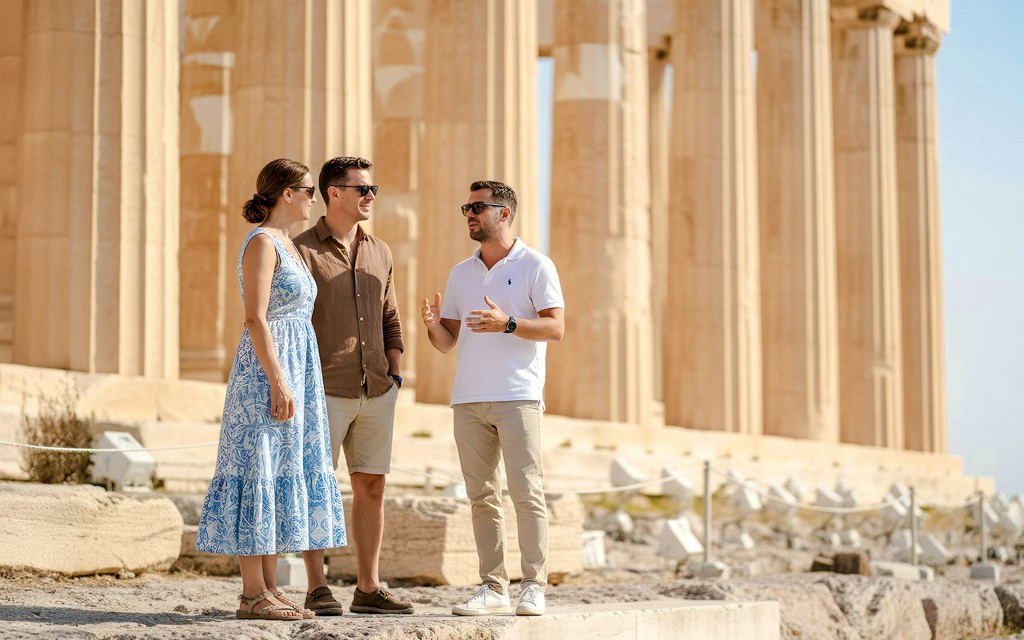
Podążaj śladami starożytnych Greków podczas zwiedzania Akropolu z przewodnikiem ekspertem, odkrywając bogatą historię stojącą za Partenonem, Świątynią Ateny Nike i Erechtejonem.
W małej grupie możesz nawiązać kontakt z przewodnikiem, zadać wszystkie pytania i cieszyć się immersyjnym doświadczeniem w jednym z najbardziej legendarnych miejsc historycznych na świecie.
Poznaj kulturowe i polityczne znaczenie starożytnej agory, zwiedź Stoa of Attalos i Hefajstejon oraz zobacz starożytne artefakty w Muzeum Agory podczas wybranych wycieczek.
Wzbogać swoje wrażenia dodatkami, takimi jak wizyta w Muzeum Akropolu, Świątyni Posejdona na przylądku Sounion i spacer z przewodnikiem po Starym Mieście w Atenach (Plaka).
Podnieś opcję do prywatnej wycieczki, aby uzyskać bardziej spersonalizowane i bezproblemowe wycieczka, z ekskluzywnym dostępem do przewodnika i luksusowymi transferami.

Dlaczego warto rezerwować online?

Booking your Acropolis and Parthenon tickets online offers several advantages, including the convenience of securing your entry in advance and often providing skip-the-line access. This allows you to bypass potentially long queues, especially during peak seasons, saving valuable time. Online booking also provides flexibility with various ticket options, such as combined tickets with audio guides or guided tours, allowing for a more enriched and efficient visit tailored to your preferences. It ensures your entry on your preferred date and time, streamlining your travel experience.

Historia

The history of the Acropolis dates back to the Neolithic period, with evidence of early settlements around 4000 BC. In the Mycenaean era (1600-1100 BC), it became a fortified citadel. However, its golden age truly began in the 5th century BC, following the Persian Wars. Under the leadership of Pericles, an ambitious building program transformed the Acropolis into the monumental complex we largely see today. The Parthenon, built between 447 and 432 BC, was the most significant project, designed by architects Ictinus and Callicrates, with sculptural decoration by Phidias. Subsequent structures like the Propylaea, Erechtheion, and Temple of Athena Nike further enhanced its grandeur. Throughout Roman, Byzantine, Frankish, and Ottoman periods, the Acropolis served various purposes, from a Christian church to a mosque, and later a Turkish garrison. Many of its sculptures and architectural elements were removed or damaged over centuries. In the 19th century, with the establishment of the modern Greek state, efforts began to restore and protect the Acropolis, leading to ongoing archaeological work and conservation projects that continue to this day, preserving its status as a universal symbol of classical spirit and civilization.

Godziny otwarcia

The Acropolis typically opens daily, though specific hours are subject to seasonal changes. During the summer months (April to October), it generally opens earlier, often around 8:00 AM, and closes later, sometimes around 7:00 PM or 8:00 PM. In winter months (November to March), opening hours are usually shorter, from around 8:30 AM to 5:00 PM. It is closed on certain public holidays, including January 1st, March 25th, May 1st, Easter Sunday, and December 25th and 26th. It is advisable to plan your visit according to the current season.

Najlepszy czas na wizytę

To fully enjoy your visit to the Acropolis and avoid the largest crowds, consider arriving either immediately after opening in the early morning or in the late afternoon, approximately two hours before closing. This strategy also helps in mitigating the intense heat of the Athenian sun, particularly during the summer. Spring (April-May) and autumn (September-October) offer pleasant weather conditions, making them ideal seasons for exploration. Weekdays generally see fewer visitors than weekends. Visiting during these times allows for a more comfortable and less rushed experience, offering better photo opportunities of the Parthenon and other monuments.

Co warto zobaczyć w środku

Within the Acropolis complex, visitors will encounter several iconic ancient Greek structures. The centerpiece is undoubtedly the Parthenon, the grand Doric temple dedicated to Athena Parthenos, celebrated for its architectural precision and sculptural decoration. The Propylaea serves as the monumental entrance, a complex structure of gateways and columns. To the north stands the Erechtheion, an intricate temple featuring the famous Porch of the Caryatids, where six maiden figures support the roof. Nearby, the small but elegant Temple of Athena Nike guards the entrance. Visitors can also see the remains of the Odeon of Herodes Atticus and the Theatre of Dionysus on the southern slopes, offering glimpses into ancient performance arts. Each structure tells a part of Athens' rich history and mythology.

Warto wiedzieć

Wear comfortable walking shoes, as the site involves significant walking on uneven surfaces and slopes. Bring water, especially during warmer months, as shade is limited on the Acropolis. Sunscreen, a hat, and sunglasses are also highly recommended. There are limited facilities on the Acropolis itself, so it's wise to use restrooms and purchase refreshments before ascending. Consider purchasing skip-the-line tickets or guided tours online to save time and enhance your understanding of the monuments. Photography is permitted for personal use, but drones are generally prohibited without special permission.

Zasady dla zwiedzających

Visitors are expected to treat the archaeological site with respect. Do not touch or lean on the ancient monuments. Climbing on structures is strictly forbidden. Large bags and backpacks may need to be checked at the entrance. Food and drinks, other than water, are generally not permitted near the monuments. Smoking is prohibited throughout the site. Keep noise levels to a minimum to ensure a peaceful experience for all visitors. Follow all instructions given by site staff for your safety and the preservation of the heritage site.

Czy warto odwiedzić?

The Acropolis and Parthenon are undoubtedly worth visiting as they represent the pinnacle of ancient Greek civilization and a cornerstone of Western culture. As a UNESCO World Heritage Site, it offers an unparalleled opportunity to walk among millennia-old structures, understand the roots of democracy and philosophy, and witness architectural genius firsthand. The breathtaking panoramic views of Athens alone make the ascent worthwhile. For anyone with an interest in history, art, or simply experiencing one of the world's most iconic landmarks, the Acropolis provides an unforgettable and deeply enriching experience that transcends time.

Najczęściej zadawane pytania

What is the Acropolis of Athens?

The Acropolis of Athens is an ancient citadel located on a rocky outcrop above the city of Athens, Greece. It is a UNESCO World Heritage Site, home to several historically significant buildings, most notably the Parthenon.

What is the Parthenon?

The Parthenon is a former temple on the Athenian Acropolis, Greece, dedicated to the goddess Athena, whom the people of Athens considered their patron. It is a symbol of ancient Greece and one of the world's greatest cultural monuments.

Do I need to book tickets in advance for the Acropolis?

It is highly recommended to book your Acropolis tickets in advance, especially during peak season, to secure your entry and potentially benefit from skip-the-line access, saving you time.

What is the best way to get to the Acropolis?

The most convenient way to reach the Acropolis is by metro. The 'Acropolis' station on the red line is a short walk from the entrance. 'Monastiraki' station (blue and green lines) is also nearby.

How long does a visit to the Acropolis usually take?

A typical visit to the Acropolis, including time to explore the main monuments like the Parthenon, Propylaea, and Erechtheion, usually takes about 2 to 3 hours.

Are there restrooms and facilities on the Acropolis?

Restrooms and basic facilities are available near the entrance of the Acropolis, but limited directly within the monument area. It's advisable to use them before ascending.

Is the Acropolis accessible for visitors with mobility issues?

While some areas of the Acropolis are challenging due to uneven terrain and steps, there is an elevator available for visitors with severe mobility issues. It is usually accessed from the north slope and requires prior arrangement.

Jak dotrzeć

The Acropolis is easily accessible by public transport. The nearest metro station is Acropolis (red line), which is a short walk from the site's main entrance. Alternatively, Monastiraki station (blue and green lines) is also within walking distance, offering a scenic route through the historic Plaka district. Various bus and trolleybus lines also serve the area around the Acropolis. Taxis are widely available and can drop visitors near the main entrance points.

Opinie (3)

5.0
Opinie (3)
Wyświetlanie 1-3 z 3
N
Nick
18 lip 2026
C
Charles
16 lip 2026
C
Charles
16 lip 2026
Wyświetlanie 1-3 z 3
Od
74.98
za osobę
ADULT
2599 wiek
74.98
CHILD
04 wiek
36.14
EU_CITIZEN
524 wiek
36.35
NON_-_EU_CITIZEN
518 wiek
34.07
Sprawdź dostępność
Zasady anulowaniaBezpłatne anulowanie nie jest dostępne dla tej opcji.
Czas trwania
2 minuty
Miejsce spotkania
Athens
Acropolis,Acropolis, Athens 105 58, Greece
Godziny otwarcia
Opening hours for the Acropolis vary seasonally, generally opening early in the morning and closing in the late afternoon or early evening. It typically remains closed on major public holidays.
Czas trwania wizyty
A typical visit to the Acropolis and Parthenon usually takes between 2 to 3 hours to fully explore the site.
Najlepszy czas na wizytę
The best time to visit the Acropolis is early morning or late afternoon to avoid crowds and the midday heat, especially during warmer months.
Adres
The Acropolis is located atop a prominent rocky hill in the heart of Athens, Greece, overseeing the entire city.
Zasady ubioru

There is no strict dress code for visiting the Acropolis, as it is an outdoor archaeological site. However, comfortable and practical attire is highly recommended. Given the uneven terrain, many stairs, and potential for hot weather, wear comfortable walking shoes with good grip. Light, breathable clothing is advisable during summer. In cooler months, layered clothing is appropriate. A hat and sunglasses are also recommended for sun protection year-round.