

Co zawiera oferta
- Dostęp do stałej kolekcji i wystaw czasowych
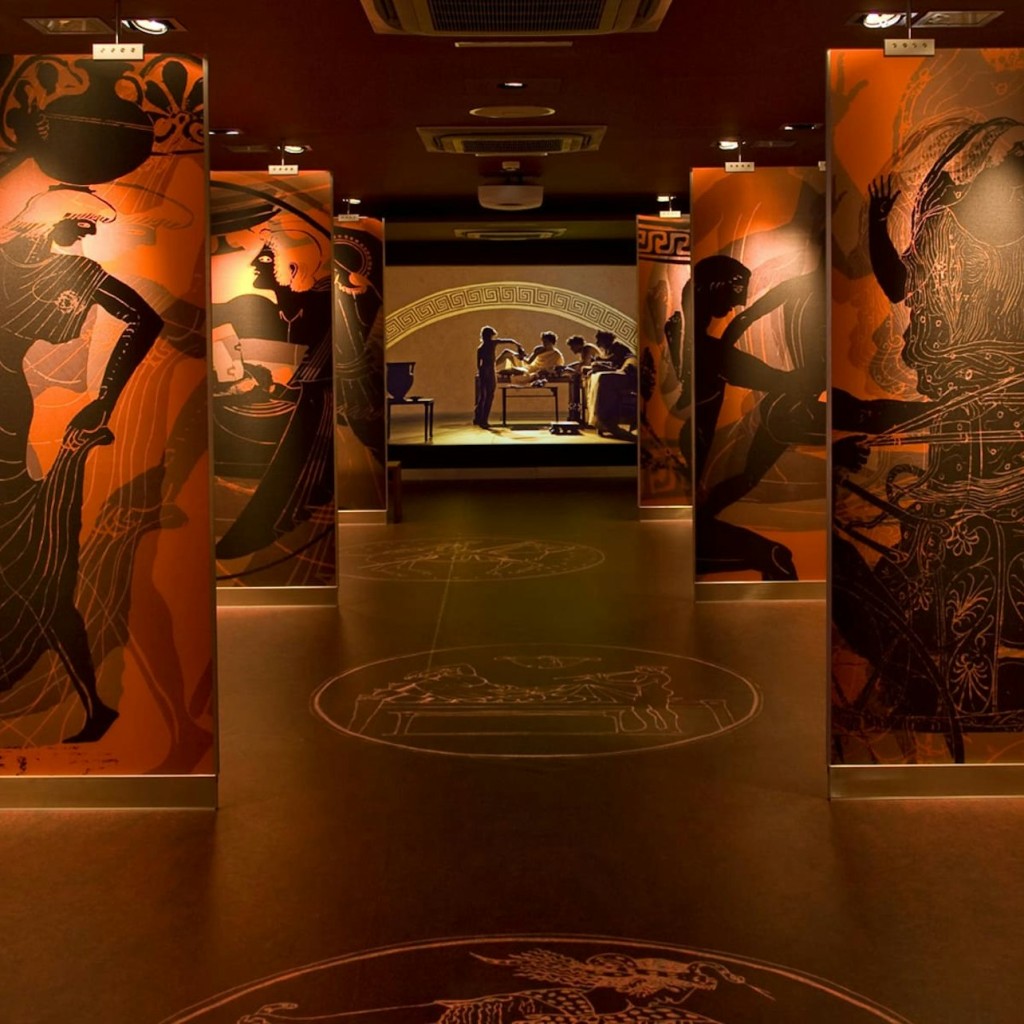
Explore a visual journey through the exquisite collections of the Museum of Cycladic Art.
Discover the profound artistic heritage of the Aegean at the Museum of Cycladic Art, one of Athens' premier cultural institutions. Housing a world-renowned collection of Cycladic artifacts, this museum offers a unique glimpse into a sophisticated civilization that flourished in the Early Bronze Age. Beyond the elegant marble figurines, visitors can explore significant exhibitions of ancient Greek and Cypriot art, spanning thousands of years of Mediterranean history. Conveniently located in the heart of Athens, the museum provides an enriching experience, connecting past and present through stunning archaeological displays and captivating contemporary exhibits.
There is no strict dress code for visiting the Museum of Cycladic Art. Casual and comfortable attire is generally appropriate. However, as it is a cultural institution, visitors are encouraged to dress respectfully. Comfortable walking shoes are recommended, as you will be on your feet for an extended period exploring the various collections.
The Museum of Cycladic Art is dedicated to the study and promotion of ancient Aegean and Cypriot cultures, with a particular focus on the art of the Cycladic islands from the 3rd millennium BC. Its core is the famous Nicholas and Dolly Goulandris Collection, renowned for its exquisite marble figurines and vessels that represent some of the earliest expressions of art in Europe. Beyond the mesmerizing Cycladic artifacts, the museum also presents comprehensive collections of Ancient Greek art, showcasing pottery, sculptures, and jewelry from the Geometric, Archaic, Classical, and Hellenistic periods. A separate wing is dedicated to Cypriot antiquities, offering a fascinating journey through the island's rich archaeological past. The museum is not only a repository of ancient treasures but also a dynamic cultural center, frequently hosting contemporary art exhibitions, educational programs, and lectures that bridge ancient history with modern artistic expression, making it a vital hub for archaeological research and public engagement in Athens.
Booking your Museum of Cycladic Art tickets online offers a streamlined entry experience. By securing your admission in advance, you can often bypass ticket queues, especially during peak tourist seasons, allowing more time to immerse yourself in the museum's fascinating collections. Online booking provides convenience and peace of mind, ensuring your visit is planned and hassle-free. It also allows you to easily manage your itinerary and dedicate more time to exploring the ancient treasures within, without the wait.
The Museum of Cycladic Art was founded in 1986 to house the private collection of Nicholas and Dolly Goulandris, a philanthropic couple who dedicated their lives to collecting ancient Greek and Cypriot art. Their passion for the early Bronze Age Cycladic culture led to the acquisition of some of the most significant and well-preserved examples of Cycladic art in existence. The N.P. Goulandris Collection, formed during the 1960s and 1970s, quickly gained international recognition for its unique and compelling artifacts. The establishment of the museum as a public institution transformed this private treasure into a national resource, making these invaluable archaeological finds accessible to scholars and the general public. Over the years, the museum's holdings expanded to include comprehensive collections of ancient Greek and Cypriot art, reinforcing its status as a leading institution for the study of Aegean and Eastern Mediterranean cultures. Its continuous dedication to research, preservation, and education has cemented its role as a beacon of cultural understanding in Greece.
The Museum of Cycladic Art generally opens Tuesday through Sunday, typically from morning to late afternoon, with Mondays usually reserved for closure. Specific opening and closing times can vary, and it is advisable to account for public holidays which may affect operating hours. The museum often extends its hours on certain days of the week, offering more flexibility for evening visits. Entry usually closes a short while before the museum's official closing time to allow visitors to complete their tour.
To fully appreciate the collections at the Museum of Cycladic Art without the distraction of large crowds, consider visiting during the shoulder seasons of spring (April-May) or autumn (September-October). The weather during these months is also pleasant for exploring Athens. Weekday mornings, shortly after opening, are generally the quietest times, offering a more serene experience. Summer afternoons can be busy, so an early start is recommended if visiting during peak tourist season. Weekends can also be more crowded, particularly with families and local visitors.
Inside the Museum of Cycladic Art, visitors will encounter several distinct collections spread across multiple floors. The main focus is the Cycladic Collection, featuring the iconic marble figurines and vessels from the Early Bronze Age, known for their minimalist forms and abstract beauty. The Ancient Greek Art Collection covers a broad spectrum, from the Geometric period to the Roman era, displaying pottery, bronze artifacts, and exquisite sculptures. A dedicated section showcases Cypriot Art, presenting a rich array of ceramics, bronzes, and other artifacts that illustrate the island's diverse cultural influences over millennia. The museum also frequently hosts temporary exhibitions, which can range from archaeological discoveries to contemporary art installations, providing a fresh perspective and interaction with the museum's enduring themes. Visitors can also find a gift shop offering unique reproductions and books related to ancient art and culture.
Plan to arrive at the museum shortly after opening, especially if you prefer a quieter experience. Photography for personal use is generally permitted in the permanent collections, but flash photography is often prohibited. Lockers are usually available for storing bags and coats. The museum is typically accessible for visitors with mobility impairments. There is a museum shop for souvenirs and a cafe for refreshments. Consider wearing comfortable shoes as you will be doing a fair amount of walking. Keep an eye out for any temporary exhibitions running during your visit, as they often complement the permanent collections.
Visitors are generally asked to refrain from touching the exhibits to protect the fragile artifacts. Food and drinks are not permitted within the exhibition halls. Large bags and backpacks may need to be stored in lockers provided at the entrance. Running and loud conversations are discouraged to maintain a respectful and peaceful atmosphere for all guests. Always follow the instructions of museum staff for a pleasant and safe visit.
The Museum of Cycladic Art is an essential stop for anyone interested in ancient civilizations and early art forms. Its unique collection of Cycladic art offers a rare glimpse into a mysterious and sophisticated Bronze Age culture, while the extensive Greek and Cypriot collections provide a broader understanding of Mediterranean antiquity. The museum's blend of archaeological wonders and engaging contemporary exhibitions makes it a deeply enriching experience that transcends mere historical viewing. It provides invaluable context to the broader narrative of human artistic and cultural development.
The Museum of Cycladic Art is internationally recognized for its outstanding collection of Cycladic art from the Early Bronze Age, featuring the iconic marble figurines and vessels. It also houses significant collections of ancient Greek and Cypriot art.
The museum is centrally located in Athens, making it easily accessible for visitors exploring the city's cultural attractions.
While the museum provides detailed descriptions for its exhibits, information regarding specific guided tours should be sought directly at the venue. Audio guides are often available to enhance the visitor experience.
Yes, the Museum of Cycladic Art is generally designed to be accessible for visitors with mobility impairments, with lifts and ramps available for ease of movement between floors.
Photography for personal, non-commercial use is usually permitted in the permanent collections, but flash photography and tripods are typically prohibited to protect the artifacts.
Yes, the Museum of Cycladic Art usually features a cafe where visitors can take a break and a gift shop offering a selection of books, replicas, and souvenirs inspired by ancient art.
Most visitors spend approximately 2 to 3 hours exploring the museum's permanent and temporary exhibitions, allowing sufficient time to appreciate the collections.
The Museum of Cycladic Art is centrally located in Athens and easily reachable by public transport. You can take the Athens Metro to Syntagma Station, which is a short walk from the museum. Alternatively, numerous bus lines also have stops within walking distance. Taxis and ride-sharing services are also readily available throughout the city for direct access.
There is no strict dress code for visiting the Museum of Cycladic Art. Casual and comfortable attire is generally appropriate. However, as it is a cultural institution, visitors are encouraged to dress respectfully. Comfortable walking shoes are recommended, as you will be on your feet for an extended period exploring the various collections.