Bilet wstępu na rzymską agorę z audioprzewodnikiem (Roman Agora: Entrance E-Ticket with Audio Tour)Bilet wstępu na rzymską agorę z audioprzewodnikiem (Roman Agora: Entrance E-Ticket with Audio Tour) - 1Bilet wstępu na rzymską agorę z audioprzewodnikiem (Roman Agora: Entrance E-Ticket with Audio Tour) - 2Bilet wstępu na rzymską agorę z audioprzewodnikiem (Roman Agora: Entrance E-Ticket with Audio Tour) - 3

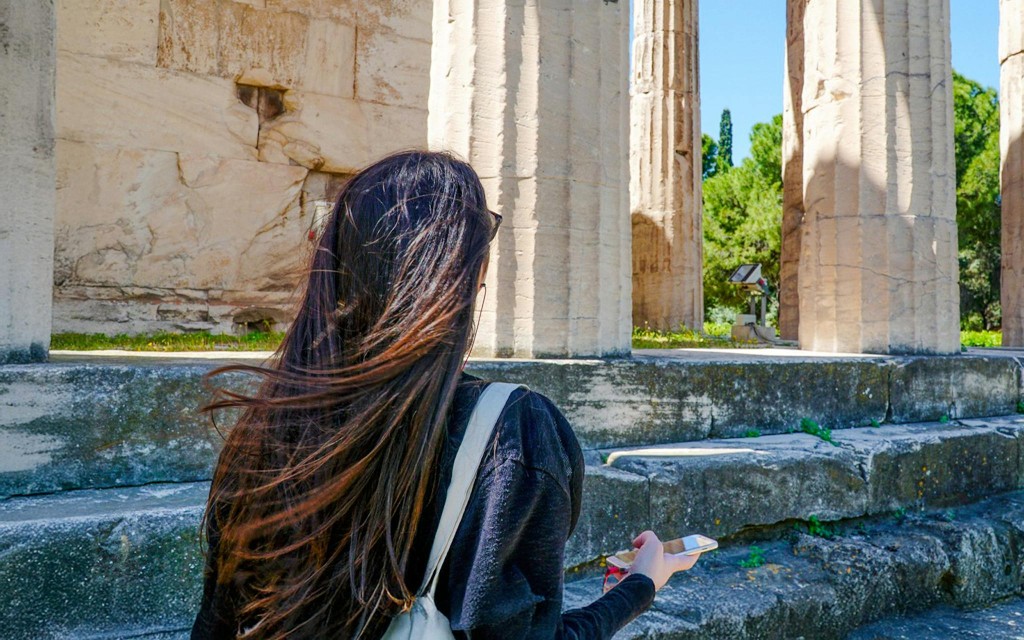
Discover breathtaking images of the Roman Agora, capturing its ancient grandeur and historical significance.

Step back in time at the Roman Agora, an ancient marketplace in the heart of Athens, Greece. Located north of the Acropolis, this archaeological site offers a fascinating glimpse into Roman life in the city. Unlike the earlier Ancient Agora, the Roman Agora served primarily as a commercial hub, featuring impressive structures like the iconic Tower of the Winds and the imposing Gate of Athena Archegetis. Visitors can explore the remnants of shops, public latrines, and administrative buildings, walking the same paths once trod by merchants, philosophers, and citizens. It stands as a testament to Athens' enduring history and its transformation under Roman rule, making it a key stop for anyone interested in classical antiquity and the evolution of urban life in ancient Greece.

Od19.55
ADULT
1864 wiek
19.55
Czas trwania
1 godzina
Miejsce spotkania
Athens
Polignotou 3, Athina 105 55, Greece
Godziny otwarcia
The Roman Agora typically opens in the morning and closes in the late afternoon or early evening, with hours varying seasonally. It is usually open daily, but schedules may differ on public holidays.
Czas trwania wizyty
A typical visit to the Roman Agora usually takes about 1 to 1.5 hours to fully explore the site.
Najlepszy czas na wizytę
The best time to visit is during the spring or autumn months, or early in the morning to avoid the heat and larger crowds.
Adres
The Roman Agora is centrally located in Athens, Greece, near the Ancient Agora and Monastiraki Square.
Zasady ubioru

There is no specific dress code required to visit the Roman Agora. As an outdoor archaeological site, comfortable and casual clothing is recommended. Practical footwear suitable for walking on uneven surfaces, such as ancient stones and dirt paths, is essential. During warmer months, light clothing, a hat, and sunglasses are advisable, while a light jacket might be useful in cooler seasons.

Szczegóły atrakcji w skrócie

Co zawiera oferta

  • Wejście na rzymską agorę
  • 45-minutowa do 1-godzinna samodzielna wycieczka z audioprzewodnikiem na Twoim smartfonie (Android i iOS).
  • Audioprzewodnik dostępny w języku angielskim, hiszpańskim, niemieckim, francuskim, włoskim i greckim (w zależności od wybranej opcji).
  • Zawartość offline (tekst, narracja audio i mapy)

Czego nie obejmuje

  • Odbiór z hotelu i powrót do hotelu
  • Transfery
  • Przewodnik na żywo
  • Słuchawki
  • Jedzenie i napoje
  • Wydatki osobiste

Twoja wycieczka

Poznaj rzymską agorę, tętniący życiem rynek Aten z przeszłości, dzięki wielojęzycznemu audioprzewodnikowi, który ożywia historie kupców, podróżników i uczonych, którzy niegdyś gromadzili się pod wielką marmurową bramą i kultową Wieżą Wiatrów.

Pierwsze kroki

Otrzymasz swój bilet na adres przez e-mail- wystarczy pobrać aplikację i audioprzewodnik na smartfona przed wizytą. Dzięki dostępowi offline do narracji, map i obrazów, możesz po prostu dotrzeć do wejścia na rzymską agorę, założyć słuchawki i rozpocząć samodzielną podróż **** w codziennym rytmie starożytnych Aten.

Wielka brama Ateny

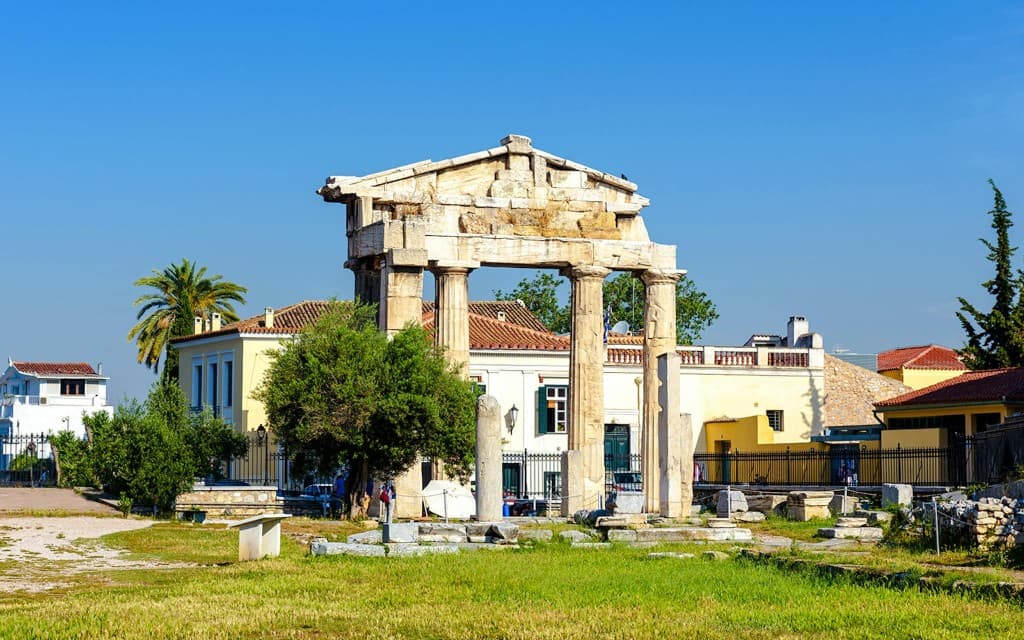
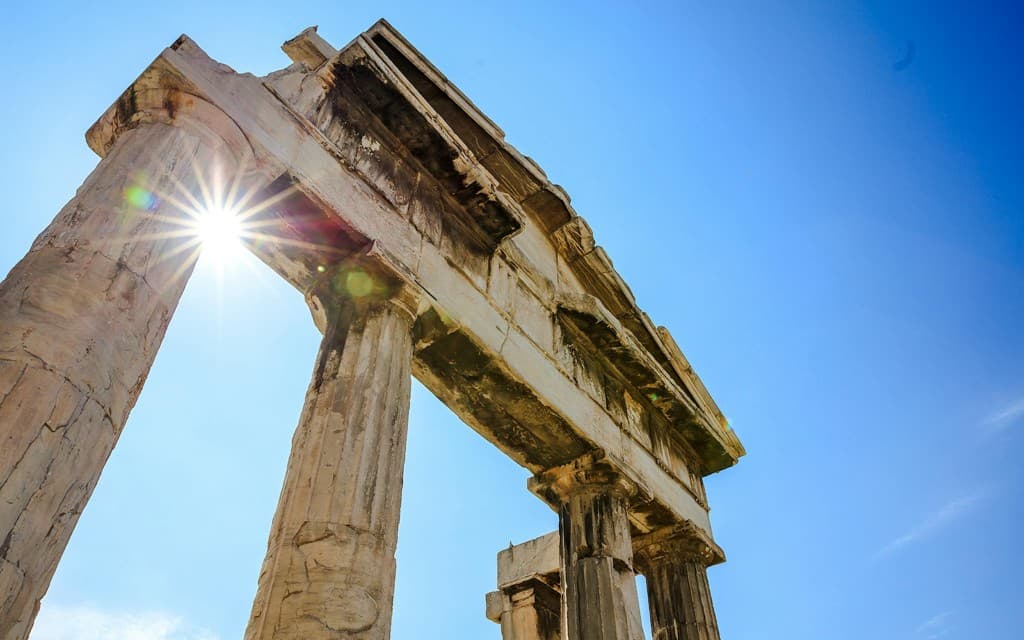
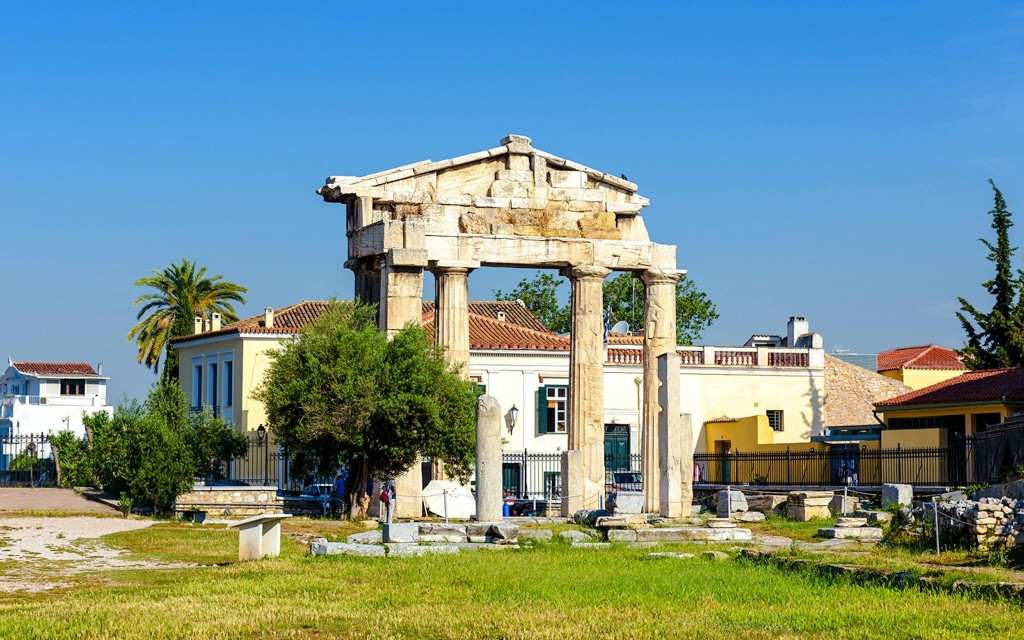
Zacznij od uderzającego Brama Ateny Archegetis, marmurowe wejście podarowane miastu przez Juliusza Cezara i Augusta. Niegdyś główna brama **** na rzymski rynek, jej strzeliste doryckie kolumny symbolizowały dobrobyt pod rządami Rzymu. Podczas gdy twój przewodnik opowiada, wyobraź sobie kupców, filozofów i obywateli przepływających przez tę bramę, a ich głosy niosą się przez serce Agory.

Czasomierze starożytnego świata

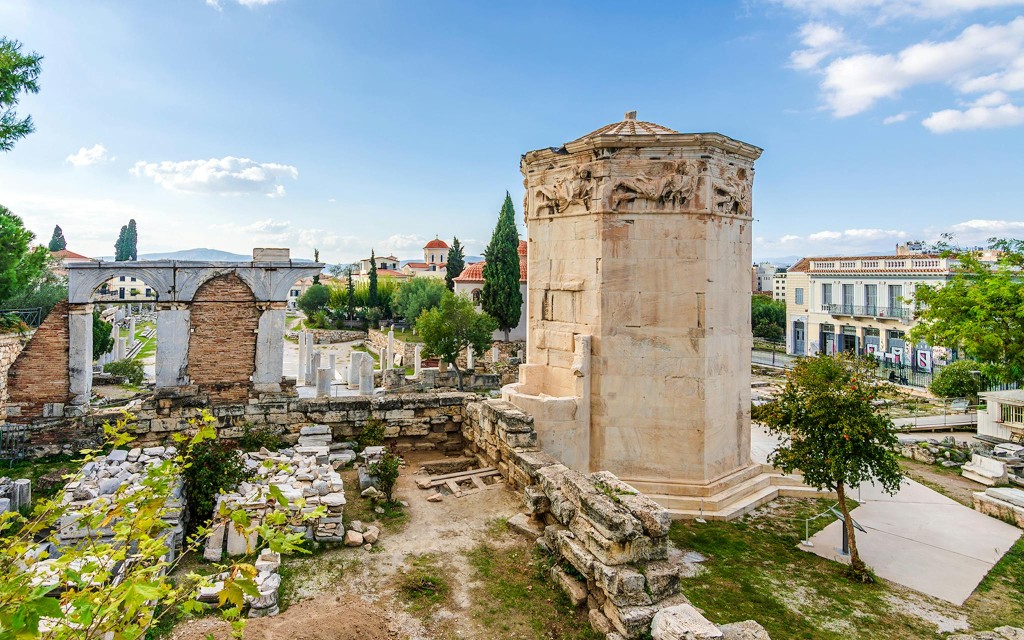
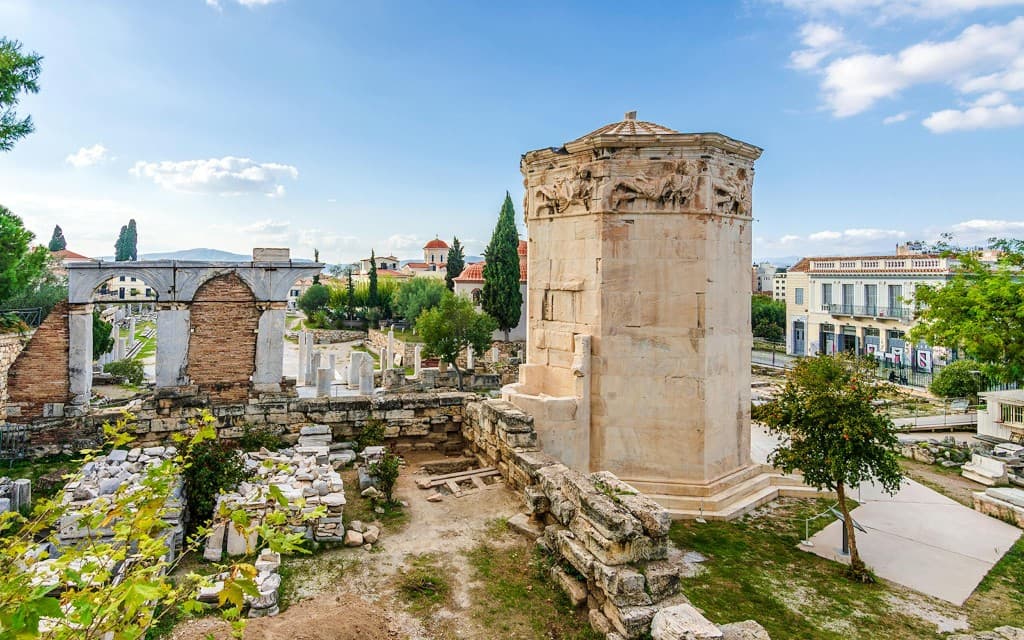
Następnie udaj się do ośmiokątnej Wieży Wiatrów, jednego z pierwszych antycznych "zegarów" - struktury, która łączyła w sobie zegary słoneczne, zegar wodny i rzeźbione płaskorzeźby ośmiu bogów wiatru. Audioprzewodnik wyjaśni Ci, w jaki sposób Ateńczycy spoglądali na wieżę nie tylko w celu określenia pory dnia, ale także w celu określenia dojazdu, pogody i poczucia kosmicznego porządku, wczesnego połączenia nauki i mitu.

Rynki, fontanny i codzienne historie

Przejdź obok fontanny, która dostarczała wodę na tętniący życiem rynek i Vespasianae, publicznych latryn, które ujawniają praktyczne podejście Rzymian do życia obywatelskiego. Zajrzyj do pozostałości starożytnych sklepów, w których handlowano towarami i plotkami. Poprzez żywe anegdoty, Twoja wycieczka audio maluje obraz rynku, który był tak samo centrum społecznym, jak i handlowym **** .

Warstwy historii i widoki na Akropol

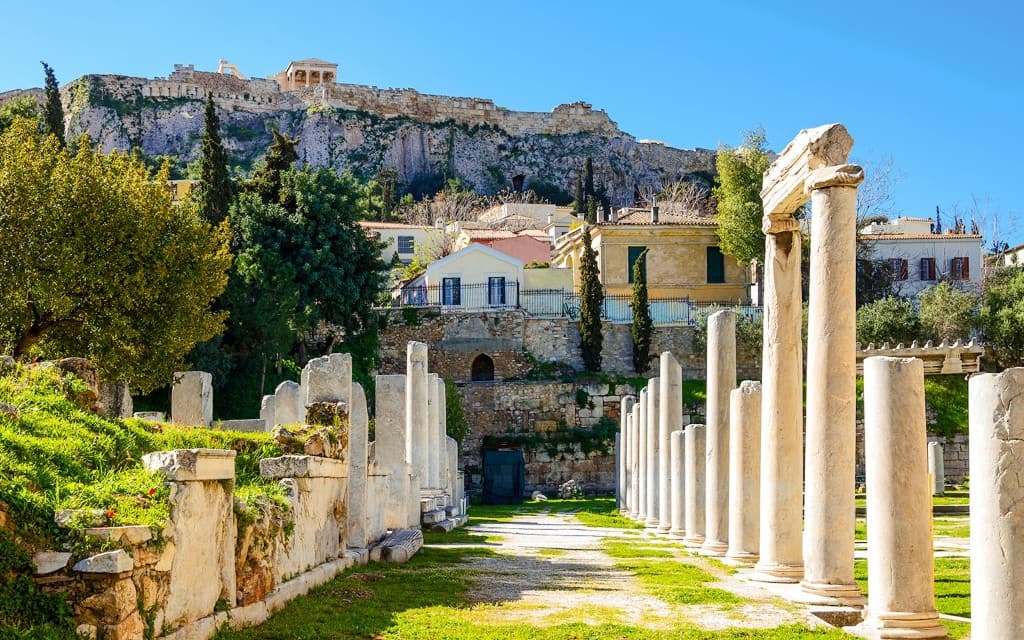
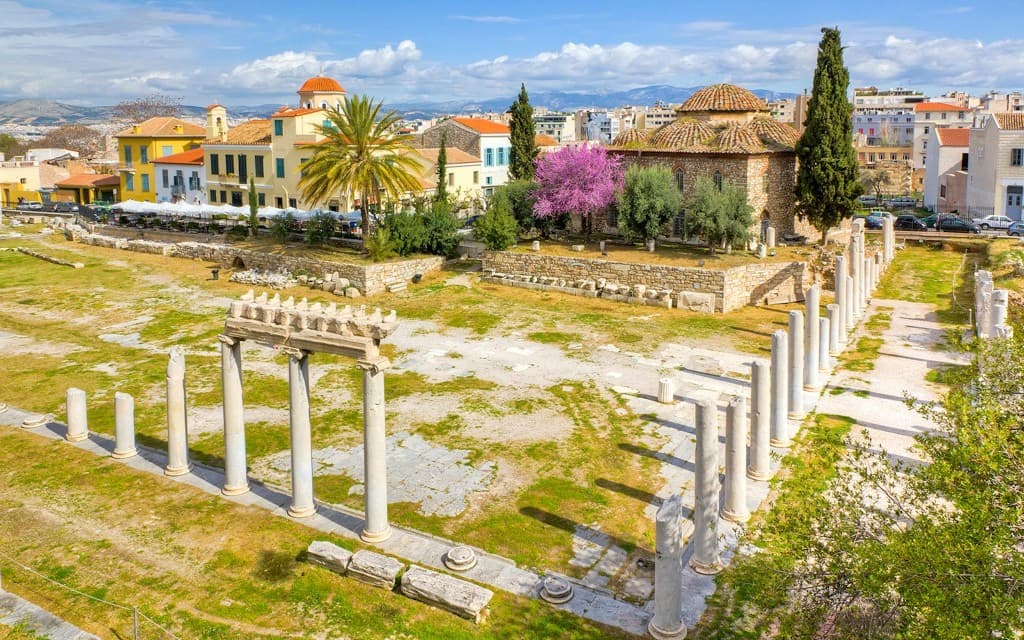
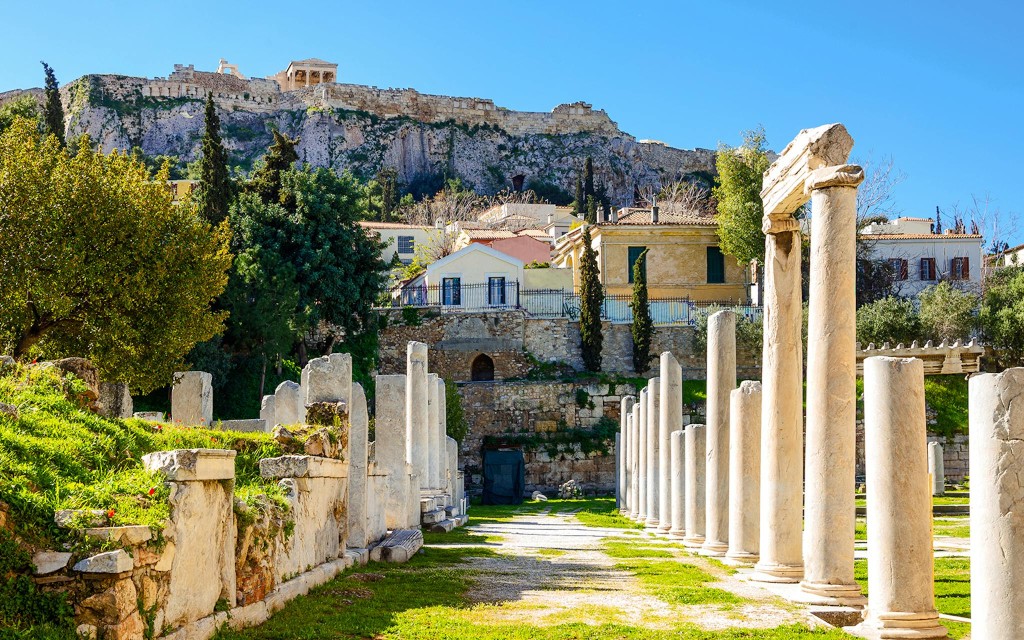
**Twoja wizyta kończy się w XV-wiecznym Meczecie Zdobywcy **, zbudowanym w czasach osmańskich na ruinach rzymskiego rynku. Niegdyś miejsce kultu, a później zmienione na muzeum i halę magazynową, odzwierciedla wiele kultur, które ukształtowały Ateny. Z Akropolem wznoszącym się powyżej, miejsce to łączy dziedzictwo greckie, rzymskie, bizantyjskie i osmańskie w jednym niezwykłym otoczeniu.
Know Before You Go

Co musisz wiedzieć przed podróżą

Co zabrać ze sobą

  • Załóż solidne, wygodne buty; starożytny bruk i nierówne podłoże mogą utrudniać chodzenie.

  • Weź ze sobą kapelusze i krem z filtrem, aby nie nudzić się na słońcu.

  • Miej w pełni naładowany smartfon, aby wystarczył na czas trwania wycieczki audio.

  • Użyj własnych słuchawek, aby uzyskać najlepsze wrażenia słuchowe podczas wycieczki.

Czego nie wolno

  • Fotografowanie z lampą błyskową i używanie statywów jest zabronione. Wszelkie profesjonalne filmowanie lub fotografowanie musi zostać wcześniej zatwierdzone przez Ministerstwo.

  • Drony nie są dozwolone bez specjalnego zezwolenia.

  • Zwierzęta domowe nie są dozwolone na terenie obiektu, ale certyfikowane zwierzęta asystujące są mile widziane.

  • Nie dotykaj, nie przesuwaj ani nie usuwaj kamieni, fragmentów ceramiki ani innych pozostałości; te antyki są chronione przez greckie prawo.

Ułatwienia dostępu

  • Agora rzymska jest częściowo dostępna dla wózków inwalidzkich, oferując dostęp dla odwiedzających o ograniczonej mobilności przez główne wejście przy ulicy Dioskouron. Jednak znaczna część terenu ma nierówny teren i starożytny bruk, więc dostęp do środka jest ograniczony.

  • Alternatywne wejście przy ulicy Pelopida umożliwia również dostęp dla wózków inwalidzkich do Horologionu (Wieży Wiatrów).

  • Muzeum na miejscu jest w pełni dostępne, a odwiedzający z wadami wzroku mogą korzystać z oznakowania w alfabecie Braille'a i map dotykowych.

Dodatkowe informacje

  • Każda rezerwacja jest ważna dla jednego urządzenia; jeśli będziesz korzystać z wielu urządzeń, upewnij się, że rezerwujesz osobno dla każdego z nich.

  • Możesz wejść na stanowisko archeologiczne tylko podczas wybranego przedziału czasowego. Twój bilet jest ważny od 15 minut przed do 15 minut po wybranym slocie.

  • Przyjedź na co najmniej 30 minut wcześniej, aby mieć czas na zapewnienie bezpieczeństwa i wejście. Pamiętaj, że wejście jest dozwolone do 20 minut przed zamknięciem.

  • Po dokonaniu rezerwacji otrzymasz e-mail z instrukcjami, jak uzyskać dostęp i pobrać wycieczkę audio; pamiętaj również o sprawdzeniu folderu ze spamem.

  • Będziesz potrzebować smartfona z systemem Android (wersja 5.0 lub nowsza) lub urządzenia z systemem iOS (wersja 15.0 lub nowsza). Wycieczka audio nie jest kompatybilna z telefonami z systemem Windows, iPhone 6/6 Plus lub wcześniejszym, iPod Touch 6. generacji lub wcześniejszym, iPad 4. generacji lub wcześniejszym, iPad Air 1. generacji lub iPad Mini 3. generacji lub wcześniejszym.

  • Upewnij się, że Twój telefon ma 100 do 150 MB wolnego miejsca do pobrania Wycieczki audio.

  • Trasy na terenie obiektu mogą się różnić i mogą obowiązywać pewne ograniczenia - przestrzegaj wszystkich opublikowanych wskazówek podczas przebywania na terenie obiektu.

  • Godziny otwarcia różnią się sezonowo: od listopada do marca obiekt jest otwarty od 8:00 do 15:00, natomiast od kwietnia do sierpnia od 8:00 do 19:30, przy czym godziny zamknięcia są stopniowo skracane we wrześniu i październiku; ostatnie wejście jest zawsze 30 minut przed zamknięciem.

Uprawnienia do zniżek

  • Obywatele UE w wieku do 25 lat mogą korzystać z wolnego wstępu przez cały rok za okazaniem ważnego dokumentu tożsamości lub paszportu.

  • Osoby spoza UE w wieku od 6 do 25 lat są uprawnione do zniżkowego wstępu na podstawie ważnego dowodu tożsamości lub paszportu.

  • Dzieci do lat 5 wchodzą bezpłatnie.

Instructions

- Entry to the Roman Agora - 45-minute to 1-hour self-guided audio tour on your smartphone (Android and iOS), in English, Spanish, German, French, Italian, and Greek - Offline content (text, audio narration, and maps)

Czego się spodziewać

Upon entering the Roman Agora, expect to find yourself amidst the scattered yet significant ruins of a bustling ancient marketplace. The site is largely open-air, allowing for clear views of the remaining foundations, columns, and walls. You will wander through an expansive area, tracing the outlines of stoas and various administrative buildings. The impressive Gate of Athena Archegetis immediately draws attention upon entry, while the unique Tower of the Winds, with its intricate details, stands as a focal point. Expect a serene, contemplative atmosphere, allowing you to imagine the vibrancy of Roman-era Athens. While much requires imagination, the preserved elements offer concrete evidence of its historical grandeur and utility.

O Roman Agora of Athens: Visitor Information & Tickets

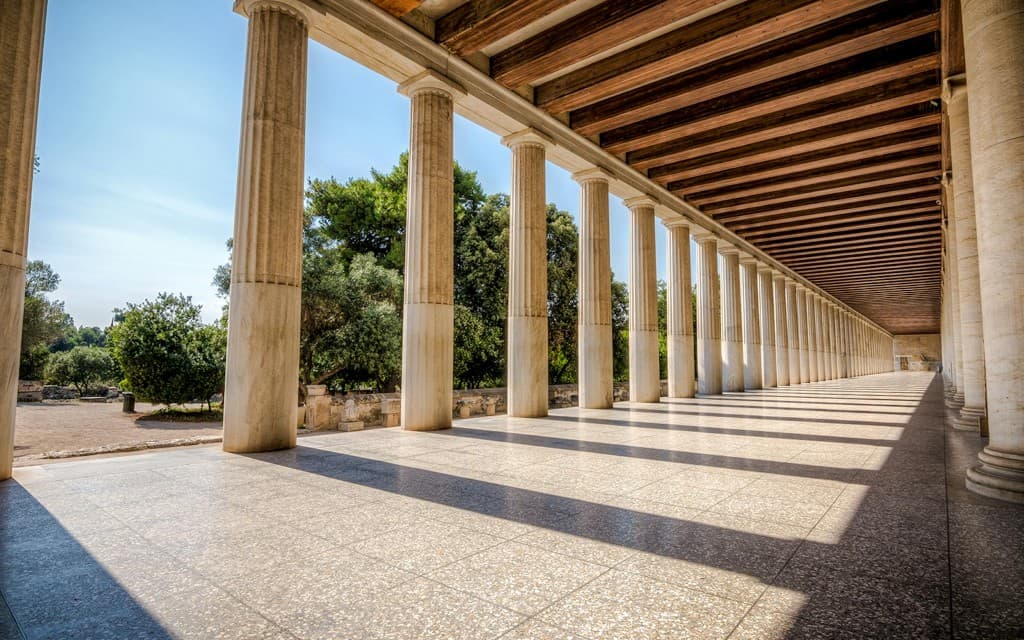
The Roman Agora, also known as the Roman Forum, was constructed between 19 and 11 BCE with funds provided by Julius Caesar and completed by Emperor Augustus. Its creation marked a shift in Athens' commercial center from the nearby Ancient Agora, becoming the new focal point for trade and daily life during the Roman period. The site is rectangular, featuring a large open courtyard surrounded by stoas and various public buildings. The most striking features are undoubtedly the Gate of Athena Archegetis on the west side, a monumental entrance built of Pentelic marble, and the Horologion of Andronikos Kyrrhestes, famously known as the Tower of the Winds, which served as a sophisticated timekeeping device and weather vane. Excavations have also revealed the remains of the Agoranomion (market superintendents' office) and a complex of public latrines. Over the centuries, the Roman Agora continued to be an important urban space, evolving through Byzantine, Ottoman, and modern eras, even hosting Athens' first mosque in the Ottoman period, the Fethiye Mosque, which stands on the site today. It offers a comprehensive perspective on Roman influence and the continuous layering of history in Athens.

Atrakcje

Wejdź na rzymską agorę, późniejszy rynek Aten, zbudowany z marmurowych bram ufundowanych przez Juliusza Cezara i Augusta.
Przejdź przez Bramę Ateny Archegetis i wyobraź sobie handlarzy, filozofów i obywateli przepływających niegdyś przez jej strzeliste kolumny.
Zobacz pomysłową Wieżę Wiatrów, ośmiokątny zegar, który łączy w sobie zegary słoneczne, zegar wodny i rzeźbionych bogów wiatru
jedną z najwcześniejszych stacji meteorologicznych na świecie.
Z audioprzewodnikiem odkryj historie codziennego życia w sklepach, fontannach i publicznych latrynach, gdzie handel i rozmowy kwitły pod rządami Rzymu.
Wiesz o tym? Rzymska agora była nadal używana w okresie osmańskim, kiedy to na jej ruinach zbudowano meczet, pozostawiając na tym miejscu wielowarstwowy ślad historii.

Dlaczego warto rezerwować online?

Booking your tickets for the Roman Agora online offers several advantages, ensuring a smoother and more convenient visit. Online purchases allow you to secure your entry in advance, saving valuable time by avoiding potential queues at the ticket booths, especially during peak tourist seasons. Pre-purchasing tickets also helps in planning your itinerary, giving you peace of mind that your access to this historic site is guaranteed. It streamlines the entry process, letting you maximize your time exploring the ancient ruins rather than waiting. Furthermore, online platforms often provide clear information on ticket types and opening hours, aiding in a well-organized trip to this significant Athenian landmark.

Historia

The Roman Agora of Athens represents a significant chapter in the city's long history, marking a period of Roman influence and administrative control. Its construction began under Julius Caesar around 50-19 BCE and was completed by Emperor Augustus, solidifying its role as the new commercial and administrative center of Athens, replacing the older Ancient Agora. This rectangular enclosed complex featured a large paved courtyard, surrounded by colonnades that housed shops and public offices. The most celebrated structure, the Horologion of Andronikos Kyrrhestes, or Tower of the Winds, built earlier in the 1st century BCE, was incorporated into the new Agora complex, serving as a public clock. The monumental Gate of Athena Archegetis, erected by donations from Augustus and the Roman colony, served as the primary western entrance. Throughout its active life, the Roman Agora was a bustling hub, facilitating trade, public announcements, and social interaction. Even after the decline of Roman power, the site continued to be used and adapted; during the Byzantine era, houses and churches were built amidst the ruins, and later, under Ottoman rule, the Fethiye Mosque was constructed on the northern side, signifying its continuous importance and transformation through different historical periods.

Godziny otwarcia

Opening hours for the Roman Agora generally follow a seasonal schedule. During the summer months (April to October), the site typically opens from early morning, such as 8:00 AM, and closes later in the evening, often around 7:00 PM or 8:00 PM. In the winter months (November to March), closing times are usually earlier, around 3:00 PM or 5:00 PM. It is common for archaeological sites in Greece to be closed on specific public holidays, such as New Year's Day, Easter Sunday, and Christmas Day. It is always recommended to check the current operating schedule for the exact dates of your visit.

Najlepszy czas na wizytę

To fully enjoy the Roman Agora and avoid the peak heat and crowds, the best times to visit are during the shoulder seasons of spring (April to early June) and autumn (September to October). During these months, the weather is pleasantly mild, making it ideal for exploring the outdoor ruins. If you visit during the summer, plan your visit for the early morning right after opening or in the late afternoon before closing. This will help you avoid the midday sun and the largest groups of tourists, allowing for a more serene and contemplative experience of this historic site.

Co warto zobaczyć w środku

Within the Roman Agora, visitors can explore several key structures that define its historical importance. The most prominent is the Tower of the Winds, an octagonal marble structure that functioned as a horologion (timepiece) incorporating a sundial, water clock, and weather vane. Its detailed frieze depicting the eight wind deities is remarkably preserved. The monumental Gate of Athena Archegetis, a Doric propylon, stands proudly as the formal entrance to the Agora. Nearby, you can identify the foundations of various shops and stoas that once bustled with commercial activity. The Agoranomion, the building where market rules were enforced, also has visible remains. Additionally, the Fethiye Mosque, a significant Ottoman-era structure, is situated within the archaeological complex, representing a later layer of the site's rich history. Exploring these elements provides a comprehensive understanding of the Agora's diverse functions and its enduring legacy.

Warto wiedzieć

When planning your visit to the Roman Agora, it is advisable to wear comfortable walking shoes as you will be navigating uneven terrain and ancient paths. Bringing water, especially during warmer months, is recommended to stay hydrated. Sunscreen and a hat are also practical for protection against the sun, as the site offers limited shade. The Roman Agora is an open-air archaeological site, so prepare for varying weather conditions. Photography is generally allowed for personal use, but flash photography may be restricted in certain areas. While parts of the site are accessible, some areas with uneven ground or steps might pose challenges for visitors with mobility impairments.

Zasady dla zwiedzających

Visitors to the Roman Agora are expected to adhere to standard archaeological site rules to preserve the historical integrity of the monument. Please do not climb on ancient structures, walls, or ruins. Littering is strictly prohibited; use designated bins for any waste. Respect the historical significance of the site by refraining from writing on or damaging any part of the ruins. Picnicking is not allowed. Supervise children closely to ensure their safety and the preservation of the site. Pets are typically not permitted within the archaeological area, with the exception of service animals.

Czy warto odwiedzić?

Visiting the Roman Agora is highly recommended for anyone interested in the layered history of Athens. It offers a tangible connection to the city's Roman period, showcasing how daily life and commerce evolved under Roman rule. The site features iconic structures like the Tower of the Winds and the Gate of Athena Archegetis, which are marvels of ancient engineering and architecture. Beyond the grand monuments, exploring the foundations of ancient shops and public spaces provides a deeper understanding of urban organization and social interaction in antiquity. It serves as an excellent complement to a visit to the Ancient Agora and the Acropolis, painting a fuller picture of Athens' illustrious past.

Najczęściej zadawane pytania

What is the Roman Agora?

The Roman Agora is an ancient marketplace in Athens, Greece, built during the Roman period. It served as a commercial and administrative center, distinct from the older Ancient Agora.

What are the main attractions at the Roman Agora?

Key attractions include the Tower of the Winds (Horologion of Andronikos Kyrrhestes), the Gate of Athena Archegetis, and the remains of various shops and public buildings, including the Fethiye Mosque.

How long does it take to visit the Roman Agora?

Most visitors spend approximately 1 to 1.5 hours exploring the Roman Agora, allowing enough time to appreciate its main features.

Is the Roman Agora accessible for visitors with mobility issues?

While some parts of the site are relatively flat, the ground can be uneven with ancient stones and paths. Some areas may pose challenges for visitors with mobility impairments.

Are there guided tours available for the Roman Agora?

Individual guided tours might be offered by external operators, and information can often be found at the entrance or through tour companies. The site itself does not typically provide official guided tours.

Can I buy tickets at the entrance?

Yes, tickets can be purchased at the entrance booth. However, booking online in advance is often recommended to save time and ensure entry, especially during busy periods.

What is the history of the Tower of the Winds?

The Tower of the Winds is an octagonal marble monument from the 1st century BCE that functioned as a public clock, incorporating a sundial, water clock, and weather vane, making it one of the world's first meteorological stations.

Jak dotrzeć

The Roman Agora is easily accessible by public transport. The nearest metro station is Monastiraki (Lines 1 and 3), which is just a short walk away. Many central Athens bus routes also have stops within easy walking distance. From popular areas like Plaka or Syntagma Square, the site is comfortably reachable on foot.

Od
19.55
za osobę
ADULT
1864 wiek
19.55
Sprawdź dostępność
Zasady anulowaniaBezpłatne anulowanie do 24 godzin wcześniej
Czas trwania
1 godzina
Miejsce spotkania
Athens
Polignotou 3, Athina 105 55, Greece
Godziny otwarcia
The Roman Agora typically opens in the morning and closes in the late afternoon or early evening, with hours varying seasonally. It is usually open daily, but schedules may differ on public holidays.
Czas trwania wizyty
A typical visit to the Roman Agora usually takes about 1 to 1.5 hours to fully explore the site.
Najlepszy czas na wizytę
The best time to visit is during the spring or autumn months, or early in the morning to avoid the heat and larger crowds.
Adres
The Roman Agora is centrally located in Athens, Greece, near the Ancient Agora and Monastiraki Square.
Zasady ubioru

There is no specific dress code required to visit the Roman Agora. As an outdoor archaeological site, comfortable and casual clothing is recommended. Practical footwear suitable for walking on uneven surfaces, such as ancient stones and dirt paths, is essential. During warmer months, light clothing, a hat, and sunglasses are advisable, while a light jacket might be useful in cooler seasons.