Uluwatu: Kecak & Fire Taniec Show Bilety i Wycieczki (Private Tour: Uluwatu Temple Sunset Tour with Kecak & Fire Dance Show)Uluwatu: Kecak & Fire Taniec Show Bilety i Wycieczki (Private Tour: Uluwatu Temple Sunset Tour with Kecak & Fire Dance Show) - 1Uluwatu: Kecak & Fire Taniec Show Bilety i Wycieczki (Private Tour: Uluwatu Temple Sunset Tour with Kecak & Fire Dance Show) - 2Uluwatu: Kecak & Fire Taniec Show Bilety i Wycieczki (Private Tour: Uluwatu Temple Sunset Tour with Kecak & Fire Dance Show) - 3

Explore the beauty of Uluwatu Temple through these stunning photos, capturing its dramatic cliffside setting, intricate architecture, and captivating cultural performances.

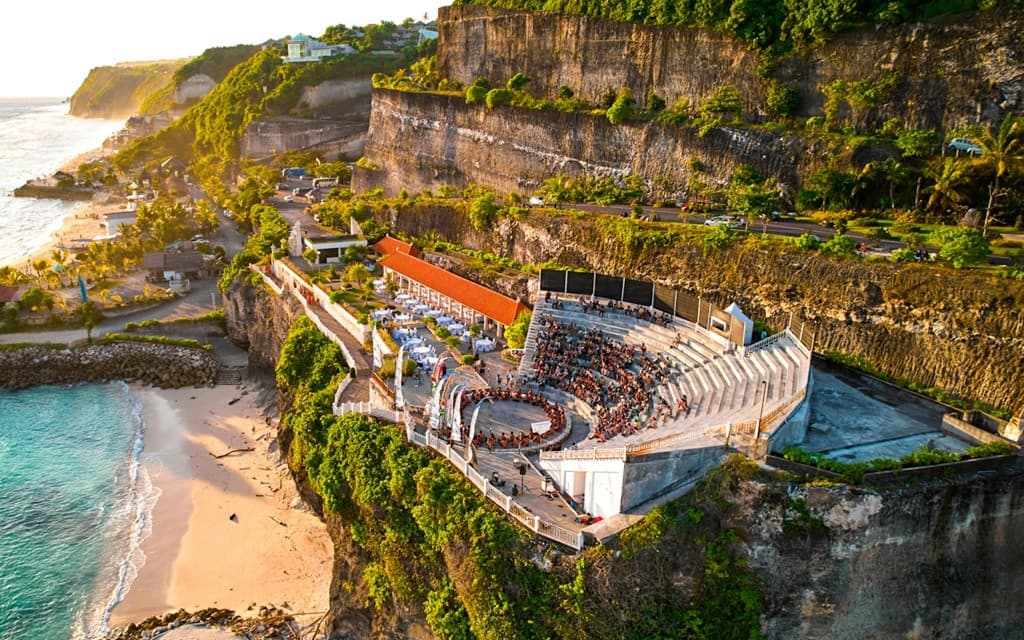
Perched dramatically on a steep cliff approximately 70 meters above the Indian Ocean, Uluwatu Temple (Pura Luhur Uluwatu) is one of Bali's most iconic and important temples. Renowned for its stunning location and breathtaking sunset views, it offers a mesmerizing blend of spiritual significance and natural beauty. As one of the six key temples considered to be Bali's spiritual pillars, Uluwatu Temple attracts both pilgrims and travelers seeking cultural immersion and unforgettable experiences. The temple's name, 'Ulu' meaning 'tip' or 'end' and 'Watu' meaning 'stone' or 'rock', perfectly describes its unique setting. Prepare to be captivated by the temple's majestic architecture, serene atmosphere, and the captivating Kecak fire dance performances held daily at sunset.

Od€999.00
ADULT
13–99 wiek
€999.00
Czas trwania
5 godzin
Miejsce spotkania
Bali, ID
Godziny otwarcia
Uluwatu Temple is generally open to visitors throughout the day. The best time to visit is in the late afternoon to enjoy the sunset and the Kecak fire dance performance.
Czas trwania wizyty
Allow at least 2-3 hours to fully experience Uluwatu Temple, including exploring the temple grounds and watching the Kecak fire dance.
Najlepszy czas na wizytę
The best time to visit Uluwatu Temple is in the late afternoon to witness the stunning sunset and the captivating Kecak fire dance.
Adres
Uluwatu Temple is located on the southwestern tip of the Bukit Peninsula in Bali, Indonesia.
Zasady ubioru

When visiting Uluwatu Temple, it's important to dress respectfully to honor the sacred nature of the site. Both men and women are required to wear a sarong, a traditional Balinese cloth that covers the lower body, and a sash, which is tied around the waist. These can be rented at the entrance for a small fee. It is also recommended to wear a shirt or blouse that covers your shoulders. Avoid wearing revealing clothing or swimwear, as this is considered inappropriate within the temple grounds.

Szczegóły atrakcji w skrócie

Co zawiera oferta

  • Bilet na pokaz ognia i tańca Kecak
  • Wycieczka o zachodzie słońca do świątyni Uluwatu (zgodnie z wybraną opcją)
  • Przewodnik mówiący po angielsku (zgodnie z wybraną opcją)
  • Wycieczka wspólna lub prywatna (zgodnie z wybraną opcją)
  • Transfery hotelowe w obie strony z wybranych obszarów (zgodnie z wybraną opcją)

Twoja wycieczka

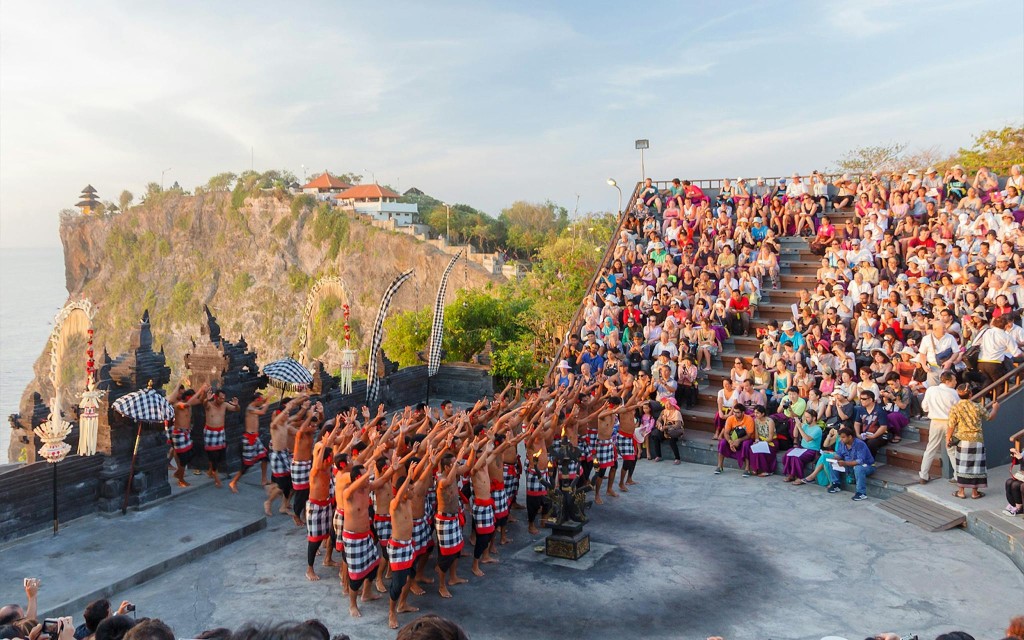
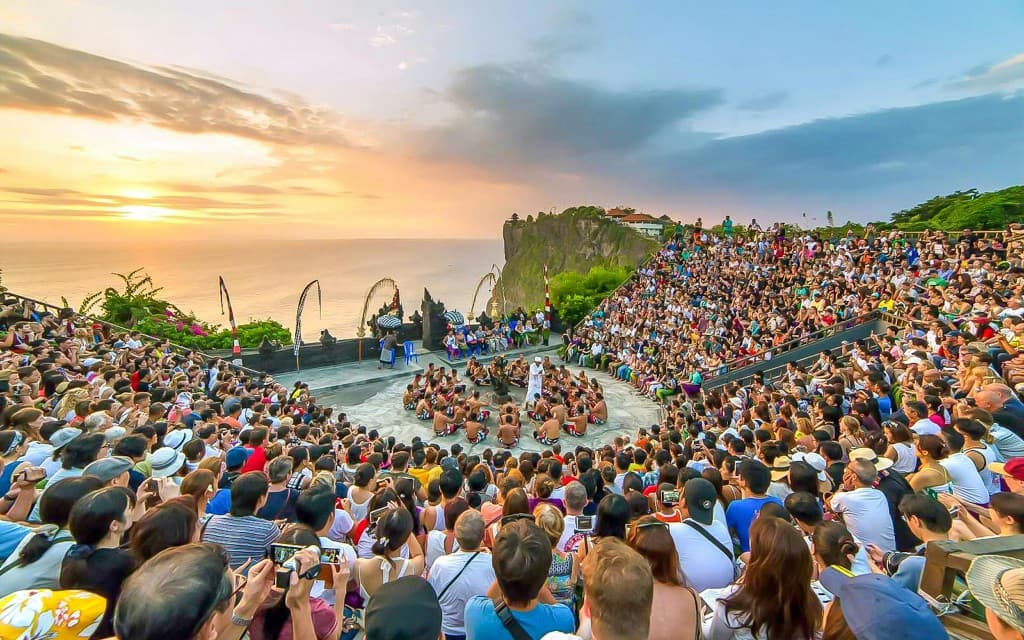
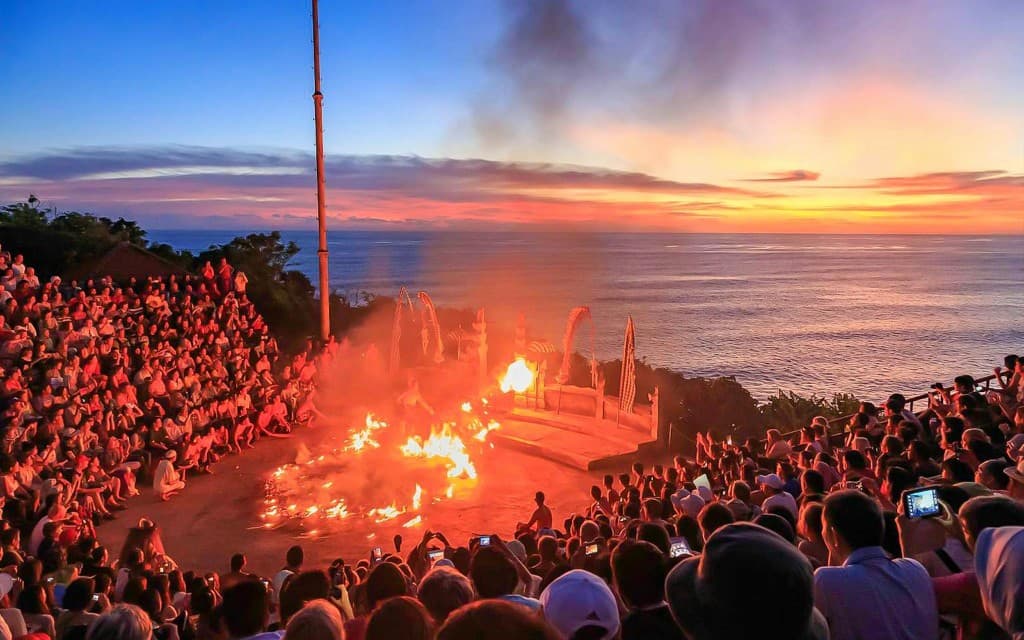
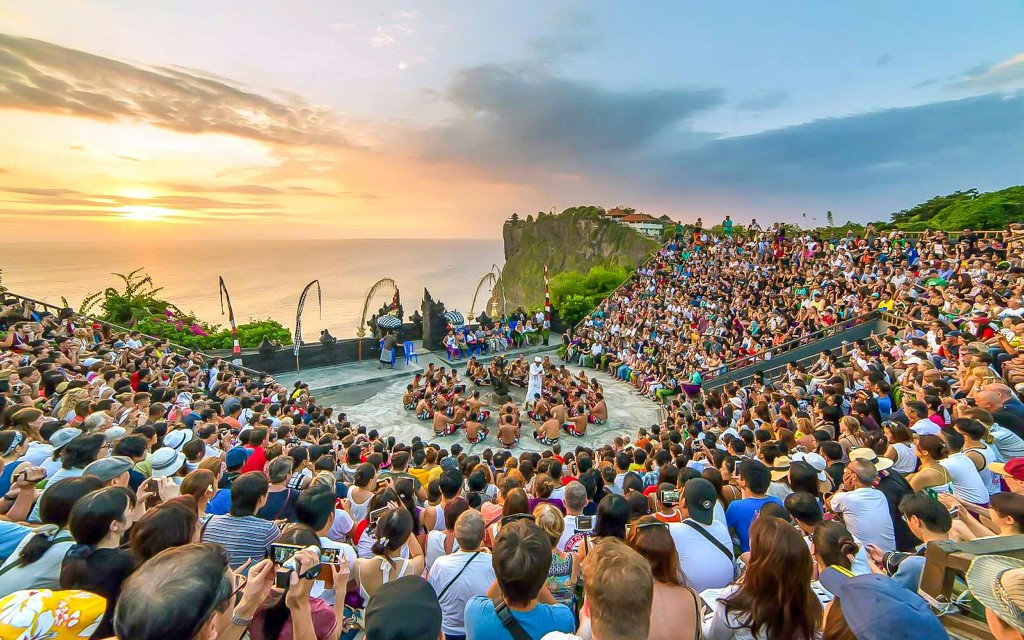
Zobacz słynny taniec ognia Kecak wykonywany w świątyni Uluwatu, położonej w amfiteatrze na klifie z widokiem na Ocean Indyjski o zachodzie słońca.

Pierwsze kroki

Obszar świątyni staje się zatłoczony przed zachodem słońca, dlatego zaleca się przybycie co najmniej 30 minut przed pokazem. Bramki wejściowe znajdują się w pobliżu głównego parkingu, a personel zeskanuje Twój bilet przed skierowaniem Cię do strefy występów. Pamiętaj, że opłata za wstęp do świątyni Uluwatu jest uiszczana oddzielnie przy bramie świątyni.

Co cię czeka

Świątynia Uluwatu i t****pokaz tańca ognia Kecak

Jedna z najbardziej malowniczych świątyń morskich na Bali, Uluwatu, położona jest na wapiennych klifach z widokiem na Ocean Indyjski. Teren świątyni i okoliczne punkty widokowe słyną z rozległych widoków na ocean i malowniczych zachodów słońca.

Główne punkty

  • Obejrzyj słynny taniec ognia Kecak w amfiteatrze na świeżym powietrzu z widokiem na Ocean Indyjski o zachodzie słońca.

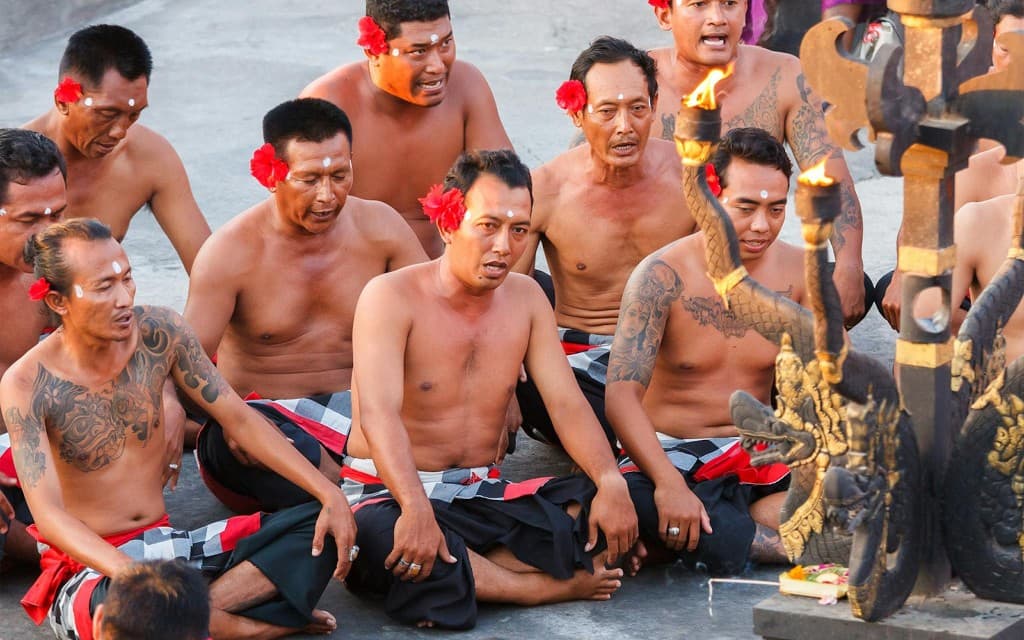
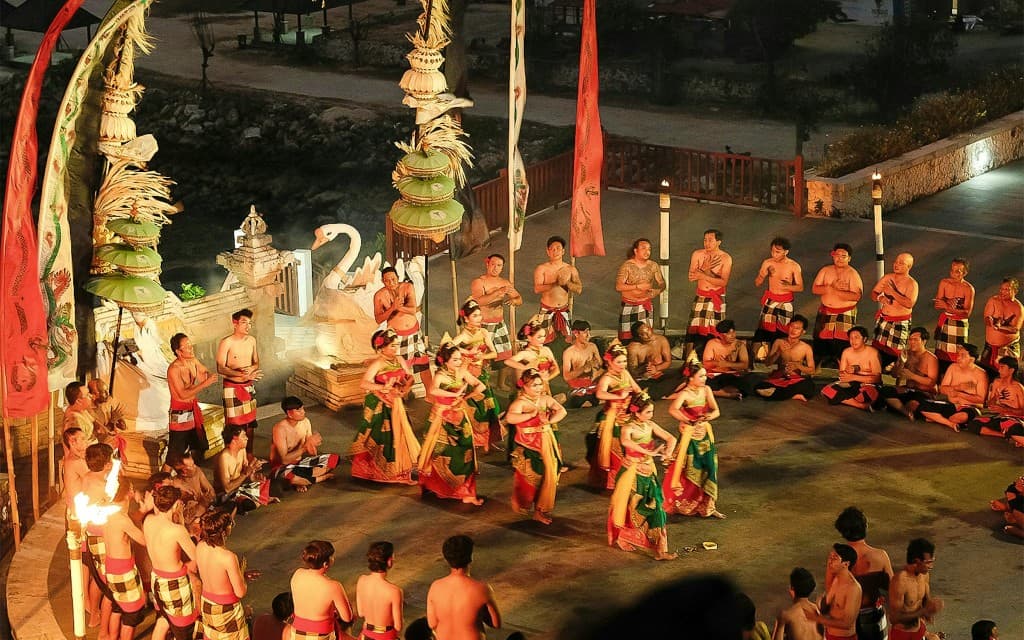
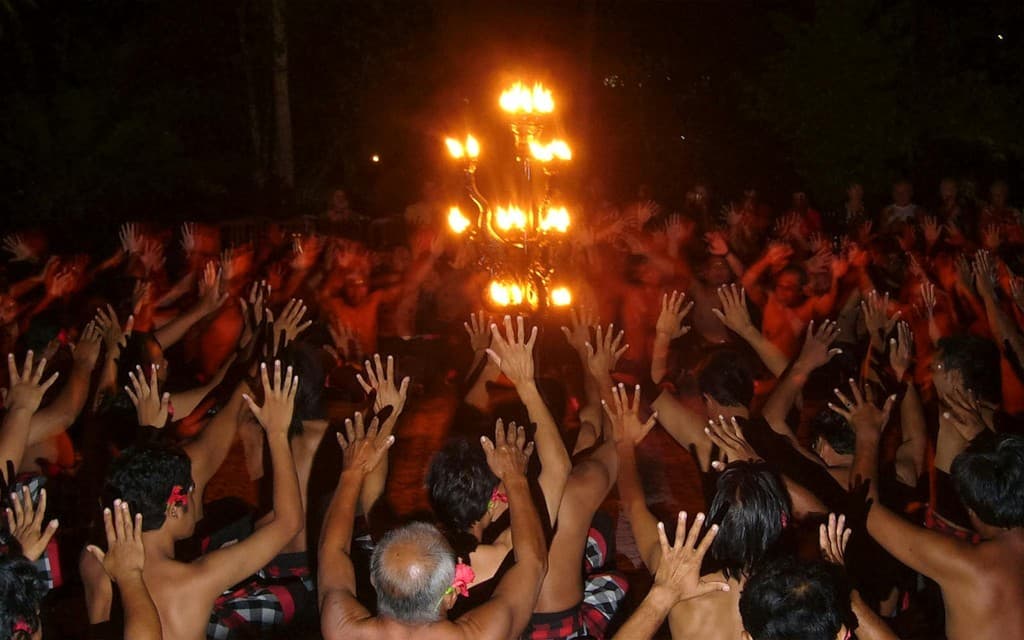
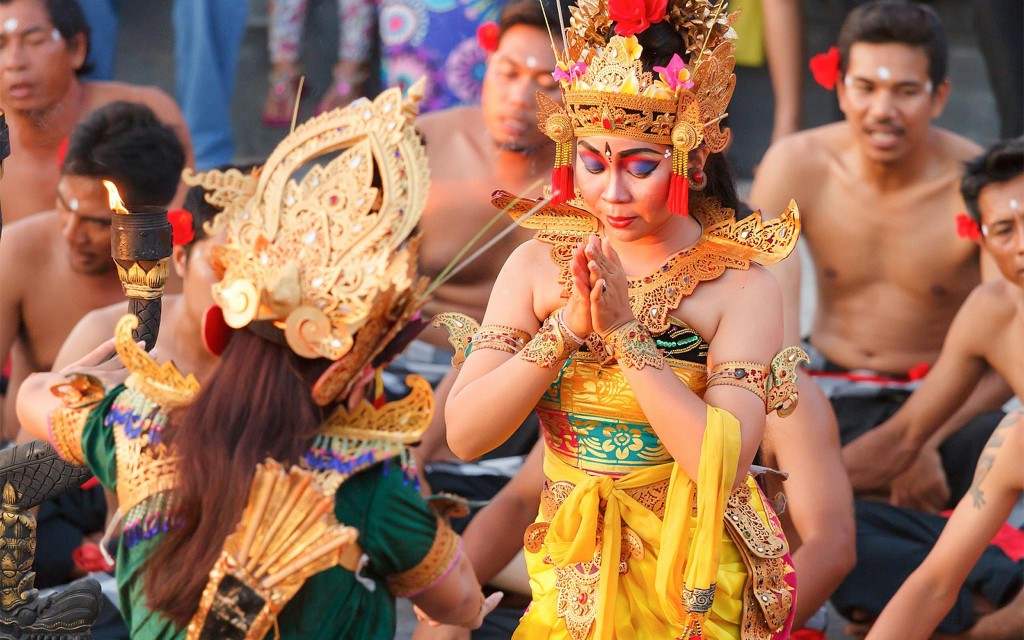
  • Dziesiątki męskich wykonawców intonuje rytmiczne wzory "cak-cak-cak" podczas opowiadania scen z Ramajany.

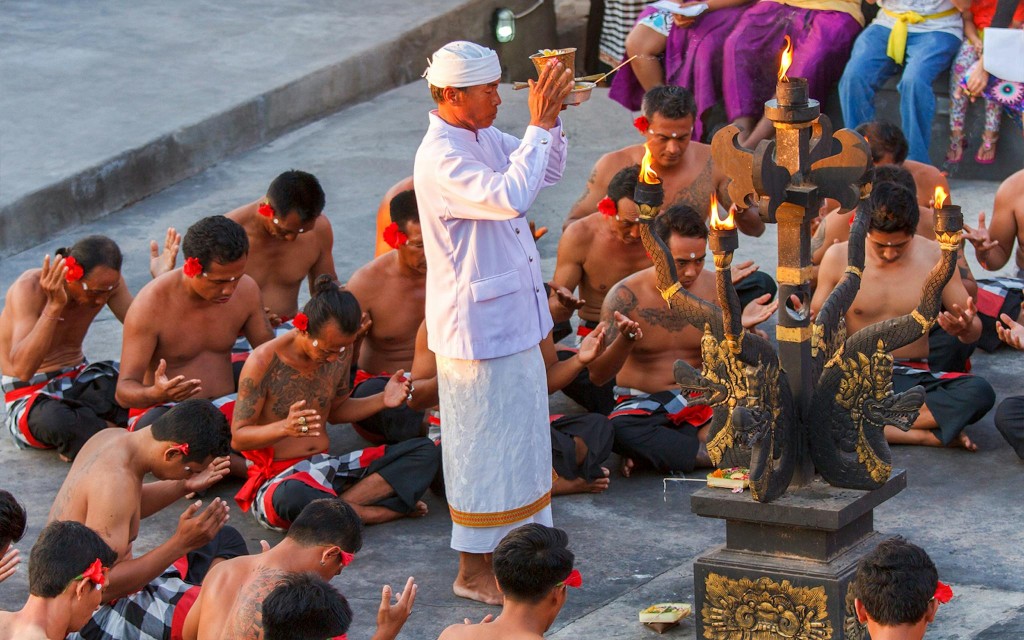
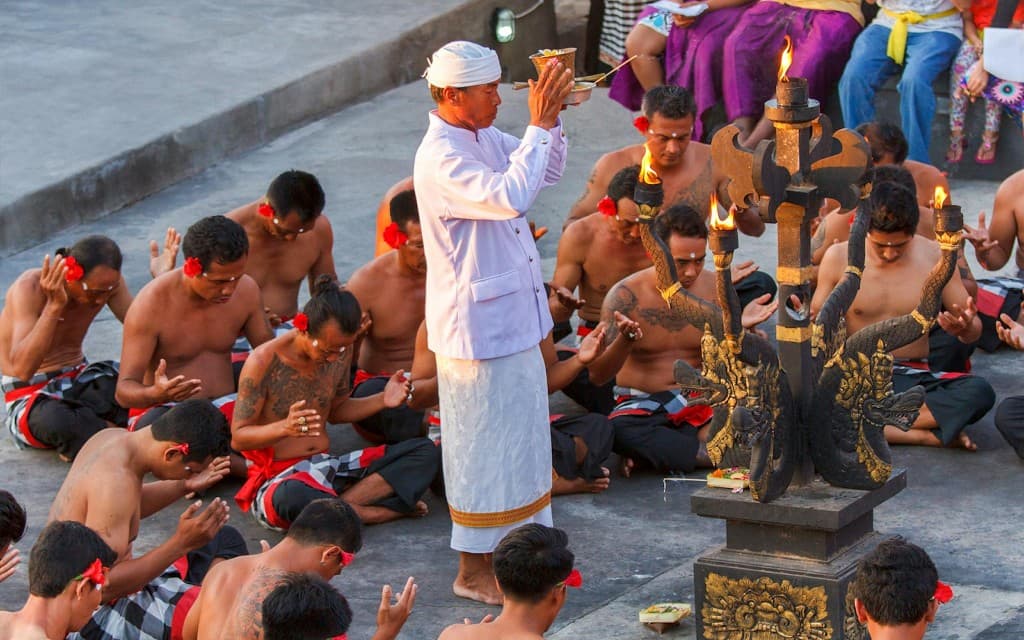
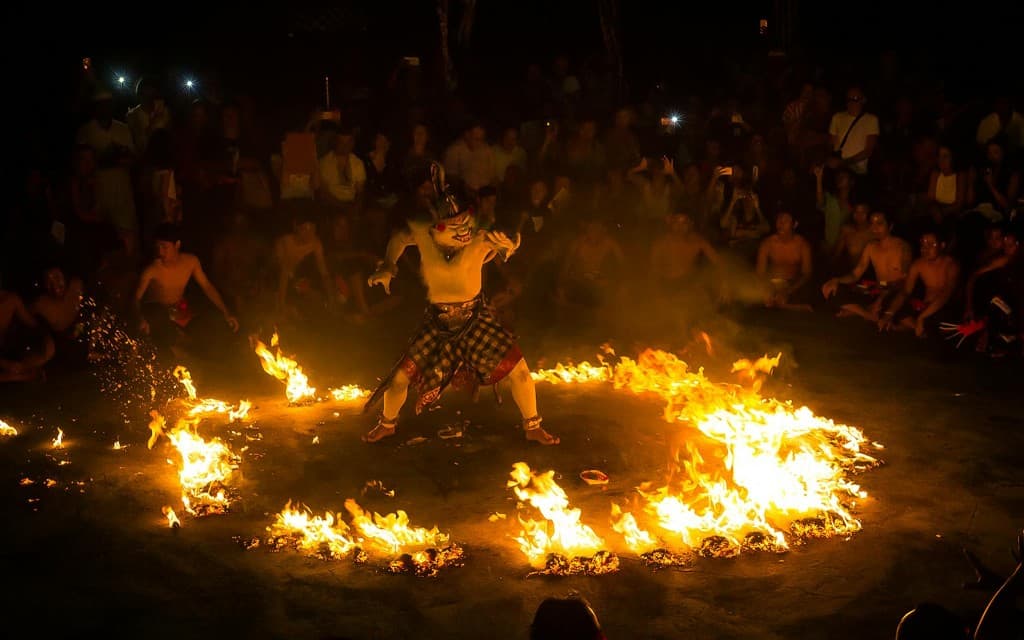
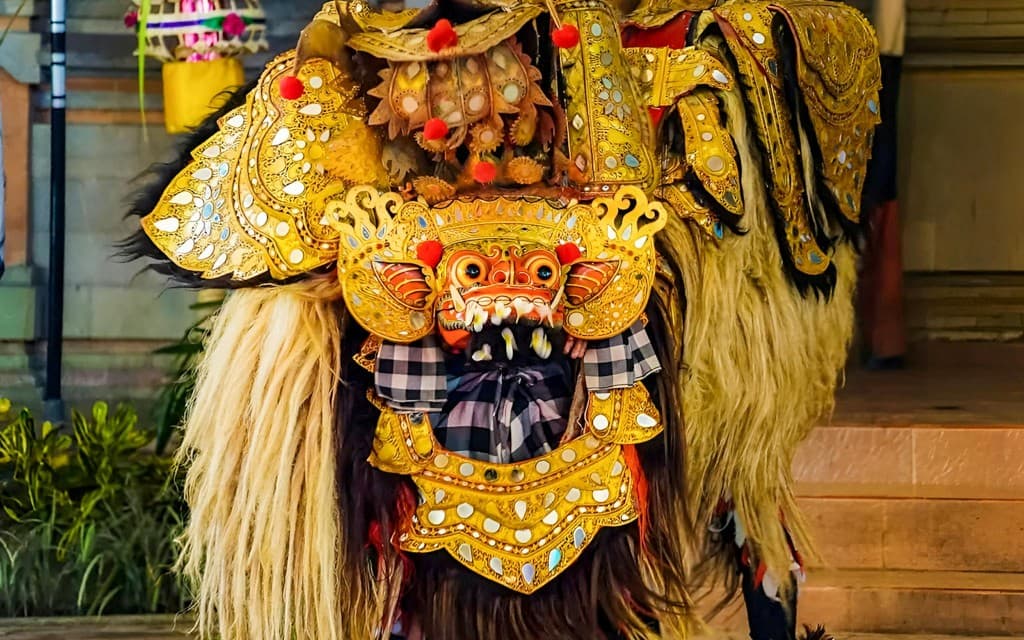
  • Spodziewaj się dramatycznych elementów ognia, tradycyjnych kostiumów i ekspresyjnego opowiadania historii za pomocą ruchu i gestów.

  • Przedstawienie trwa około 60 minut i odbywa się w całości na świeżym powietrzu.

Aktualizacje

Wspólna wycieczka: Obejmuje transfer do hotelu w obie strony z wybranych obszarów i anglojęzycznego przewodnika, a także bilet na pokaz tańca ognia Kecak.

Prywatna wycieczka: Obejmuje prywatny pojazd, transfer do hotelu, anglojęzycznego przewodnika i bilet na pokaz, aby zapewnić Ci bardziej spersonalizowane wrażenia.
Know Before You Go

Co musisz wiedzieć przed podróżą

Co zabrać ze sobą

  • Zabierz ze sobą okulary przeciwsłoneczne, krem z filtrem, kapelusz i butelkę wody.

Czego nie wolno

  • Zwierzęta domowe nie mogą przebywać na terenie świątyni.

Ułatwienia dostępu

  • Obiekt jest dostępny dla wózków inwalidzkich i wózków dziecięcych, ale do strefy pokazów prowadzą schody. Gościom poruszającym się na wózkach inwalidzkich lub z wózkami dziecięcymi zaleca się skorzystanie z pomocy osoby asystującej na schodach.

Dodatkowe informacje

  • W szczycie sezonu przygotuj się na możliwe kolejki.

  • Harmonogram pokazów: Pierwszy pokaz o 18:00; drugi pokaz o 19:00.

  • Czas trwania: Około 60 minut.

  • Zaleca się, aby goście przybyli na miejsce co najmniej 30 minut przed rozpoczęciem pokazu, aby zapewnić sobie dobre miejsca siedzące.

  • Dress code: Podczas wizyty w świątyni Uluwatu noś odzież zakrywającą ramiona i kolana.

  • Miej oko na swoje rzeczy, ponieważ małpy w okolicy mogą podnieść pozostawione bez opieki przedmioty.

  • W deszczowe dni dostępne są płaszcze przeciwdeszczowe.

Instructions

- **Duration:** ~5 hours - **Private sunset tour of Uluwatu Temple** - Kecak & Fire Dance show ticket - English-speaking guide - Round-trip hotel transfers from **Kerobokan, Seminyak, Legian, Kuta, Jimbaran & Nusa Dua** - Timings: **3pm – 8pm** - Location: [Uluwatu Temple](https://share.google/4qDc3MhcOelRow5QU)

Czego się spodziewać

A visit to Uluwatu Temple offers a captivating blend of cultural immersion and natural beauty. Upon arrival, you'll be greeted by the sight of the temple perched dramatically on a cliff overlooking the Indian Ocean. Expect to see intricate stone carvings, traditional Balinese architecture, and panoramic views. The resident monkeys add a touch of wildlife to the experience, but be cautious as they can be mischievous. The highlight of the visit is the Kecak fire dance, a mesmerizing performance that combines dance, music, and storytelling against the backdrop of the setting sun. Be prepared for crowds, especially during peak season, and allow ample time to explore the temple grounds and enjoy the views.

O Uluwatu Temple: A Guide to Bali's Cliffside Wonder

Uluwatu Temple, or Pura Luhur Uluwatu, stands as a testament to Bali's rich cultural and religious heritage. Believed to have been constructed in the 11th century, this sacred site is dedicated to Sang Hyang Widhi Wasa, the Supreme God in Balinese Hinduism. The temple's origins are attributed to Empu Kuturan, a Javanese Hindu priest who initiated its construction. Later, it was further influenced by Dang Hyang Nirartha, another revered priest who chose Uluwatu as his final place of worship. The temple complex features ancient sculptures, intricately carved gates, and traditional Balinese architecture. The inner sanctum is reserved for prayers and religious ceremonies, while the outer areas are accessible to visitors. The surrounding cliffs provide panoramic views of the Indian Ocean, making it a popular spot for sunset viewing. The daily Kecak fire dance performance enhances the cultural experience, narrating the epic Ramayana against the backdrop of the setting sun. Uluwatu Temple remains an active place of worship, imbued with a sense of peace and spiritual energy.

Atrakcje

Obejrzyj taniec Kecak i taniec ognia w amfiteatrze na świeżym powietrzu obok świątyni Uluwatu.
Duża grupa wykonawców odtwarza sceny z Ramajany poprzez rytmiczne śpiewy i elementy ognia.
Pokaz rozpoczyna się około zachodu słońca, a jego scenerią są dramatyczne widoki na Ocean Indyjski.
Uaktualnij do wspólnej lub prywatnej wycieczki z transferem do hotelu w obie strony z wybranych obszarów i anglojęzycznym przewodnikiem.

Dlaczego warto rezerwować online?

Booking your visit to Uluwatu Temple online can save you time and ensure a smoother experience. While entrance tickets may be available on arrival, booking transportation in advance, especially if you are staying outside the Uluwatu area, guarantees a hassle-free journey. Planning ahead allows you to focus on enjoying the temple's beauty and cultural performances without worrying about logistics or missing out on the Kecak dance due to limited seating.

Historia

The history of Uluwatu Temple is steeped in Balinese lore and religious significance. It is believed that the temple was originally constructed in the 11th century by Empu Kuturan, a Javanese Hindu priest who traveled to Bali to spread Hinduism. The temple's location was chosen for its strategic position on the cliffside, offering protection from evil spirits and a commanding view of the ocean. In the 16th century, Dang Hyang Nirartha, another influential Hindu priest, further expanded and enhanced the temple. He is said to have attained enlightenment at Uluwatu and is believed to have disappeared while meditating there. Uluwatu Temple is considered one of the six key temples in Bali, known as the 'Sad Kahyangan', which are believed to be the island's spiritual pillars. Over the centuries, the temple has undergone several renovations and expansions, but it has retained its original architectural style and spiritual significance.

Godziny otwarcia

Uluwatu Temple is generally open from 9:00 AM to 6:00 PM. However, these hours may vary, and it's advisable to check before your visit. The Kecak fire dance usually starts around 6:00 PM, so plan your visit accordingly to secure a good viewing spot.

Najlepszy czas na wizytę

The ideal time to visit Uluwatu Temple is in the late afternoon, around 4:00 PM to 6:00 PM. This allows you to explore the temple grounds, enjoy the panoramic ocean views, and witness the mesmerizing sunset. The Kecak fire dance performance begins around sunset, providing a captivating end to your visit. Visiting during the dry season (April to October) ensures pleasant weather and clear skies.

Co warto zobaczyć w środku

As you explore Uluwatu Temple, you'll encounter a wealth of cultural and natural attractions. The temple itself features ancient stone carvings and traditional Balinese architecture. The inner sanctum is reserved for prayer, but visitors can admire the intricate details of the outer courtyards. One of the main highlights is the Ganesha statue, a symbol of wisdom and knowledge. The temple also houses relics and artifacts that offer insights into Balinese history and religion. The resident monkeys are another notable feature, although visitors should be cautious as they can be mischievous. The Kecak fire dance, performed daily at sunset, is a must-see spectacle that combines traditional dance, music, and storytelling. Finally, the panoramic views of the Indian Ocean from the cliffside are simply breathtaking, offering a perfect backdrop for memorable photos.

Warto wiedzieć

When visiting Uluwatu Temple, it's essential to be mindful of the local customs and traditions. Dress respectfully by wearing appropriate clothing that covers your shoulders and knees. A sarong and sash are required for entry and can be rented at the entrance. Be cautious of the monkeys that inhabit the temple grounds, as they can be mischievous and may try to snatch belongings. Keep a close watch on your valuables, such as sunglasses, cameras, and wallets. Stay hydrated, especially during the hot and humid months, and wear sunscreen to protect yourself from the sun.

Zasady dla zwiedzających

Visitors to Uluwatu Temple are expected to adhere to certain rules to maintain the sanctity of the site. Dress modestly by covering your shoulders and knees. A sarong and sash are required for entry and can be rented at the entrance. Avoid loud or disruptive behavior that may disturb the peace and tranquility of the temple. Photography is permitted in most areas, but refrain from using flash photography inside the inner sanctum. Be respectful of worshippers and religious ceremonies that may be taking place. Dispose of your trash properly and help preserve the natural beauty of the surroundings.

Czy warto odwiedzić?

Uluwatu Temple is definitely worth visiting for its unique blend of cultural significance, natural beauty, and captivating performances. The dramatic cliffside setting and panoramic ocean views provide a stunning backdrop for exploring the temple grounds. The Kecak fire dance is a must-see spectacle that showcases Balinese artistry and storytelling. The temple's rich history and spiritual atmosphere offer a glimpse into Bali's cultural heritage. Whether you're interested in religion, architecture, or simply breathtaking scenery, Uluwatu Temple promises an unforgettable experience.

Najczęściej zadawane pytania

What is Uluwatu Temple?

Uluwatu Temple is a Balinese Hindu temple located on a steep cliff overlooking the Indian Ocean. It is one of Bali's six key temples and is renowned for its stunning location and cultural significance.

Where is Uluwatu Temple located?

Uluwatu Temple is located on the southwestern tip of the Bukit Peninsula in Bali, Indonesia.

What is the Kecak fire dance?

The Kecak fire dance is a traditional Balinese dance performance that tells the story of the Ramayana epic. It is performed daily at Uluwatu Temple during sunset.

What should I wear when visiting Uluwatu Temple?

Visitors are required to wear a sarong and sash, which can be rented at the entrance. It is also recommended to wear a shirt or blouse that covers your shoulders.

Are there monkeys at Uluwatu Temple?

Yes, Uluwatu Temple is inhabited by monkeys. Visitors should be cautious and keep a close watch on their belongings.

How much time should I spend at Uluwatu Temple?

Allow at least 2-3 hours to fully experience Uluwatu Temple, including exploring the temple grounds and watching the Kecak fire dance.

Is there an entrance fee to Uluwatu Temple?

Yes, there is an entrance fee to Uluwatu Temple. The fee helps support the maintenance and preservation of the temple.

Can I take photos at Uluwatu Temple?

Yes, photography is permitted in most areas of Uluwatu Temple. However, refrain from using flash photography inside the inner sanctum.

Is it crowded at Uluwatu Temple?

Uluwatu Temple can be crowded, especially during peak season and around sunset. It's best to arrive early to secure a good viewing spot for the Kecak fire dance.

Jak dotrzeć

The most convenient way to reach Uluwatu Temple is by taxi or private car. From Kuta or Seminyak, the journey takes approximately 1-1.5 hours. Public transportation options are limited, so hiring a driver or renting a scooter are also viable alternatives. Once you arrive, a short walk is required to reach the temple entrance.

Od
€999.00
za osobę
ADULT
13–99 wiek
€999.00
Sprawdź dostępność
Zasady anulowaniaBezpłatne anulowanie nie jest dostępne dla tej opcji.
Czas trwania
5 godzin
Miejsce spotkania
Bali, ID
Godziny otwarcia
Uluwatu Temple is generally open to visitors throughout the day. The best time to visit is in the late afternoon to enjoy the sunset and the Kecak fire dance performance.
Czas trwania wizyty
Allow at least 2-3 hours to fully experience Uluwatu Temple, including exploring the temple grounds and watching the Kecak fire dance.
Najlepszy czas na wizytę
The best time to visit Uluwatu Temple is in the late afternoon to witness the stunning sunset and the captivating Kecak fire dance.
Adres
Uluwatu Temple is located on the southwestern tip of the Bukit Peninsula in Bali, Indonesia.
Zasady ubioru

When visiting Uluwatu Temple, it's important to dress respectfully to honor the sacred nature of the site. Both men and women are required to wear a sarong, a traditional Balinese cloth that covers the lower body, and a sash, which is tied around the waist. These can be rented at the entrance for a small fee. It is also recommended to wear a shirt or blouse that covers your shoulders. Avoid wearing revealing clothing or swimwear, as this is considered inappropriate within the temple grounds.