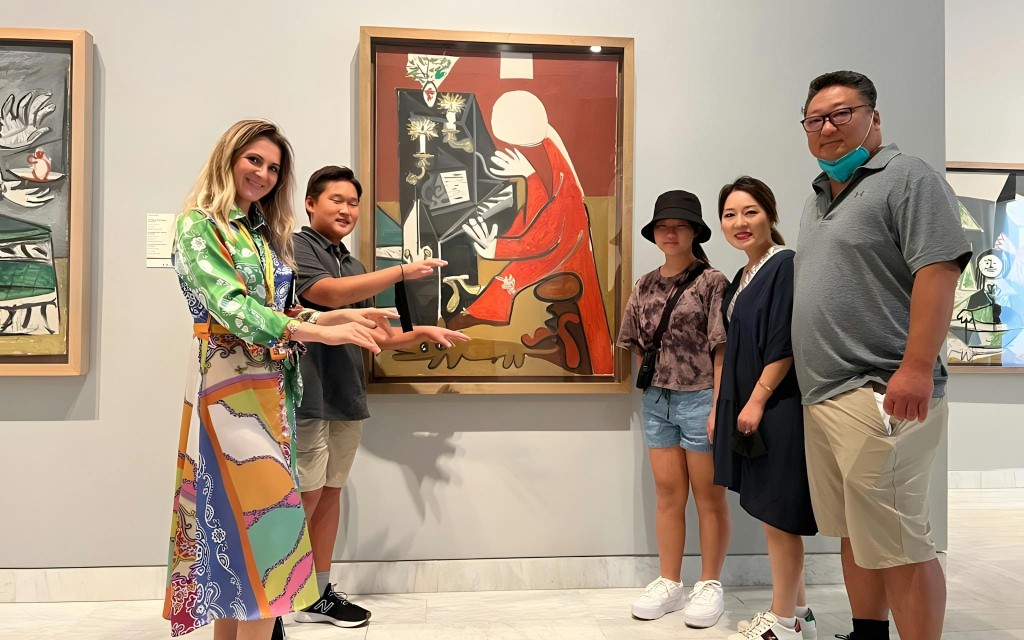
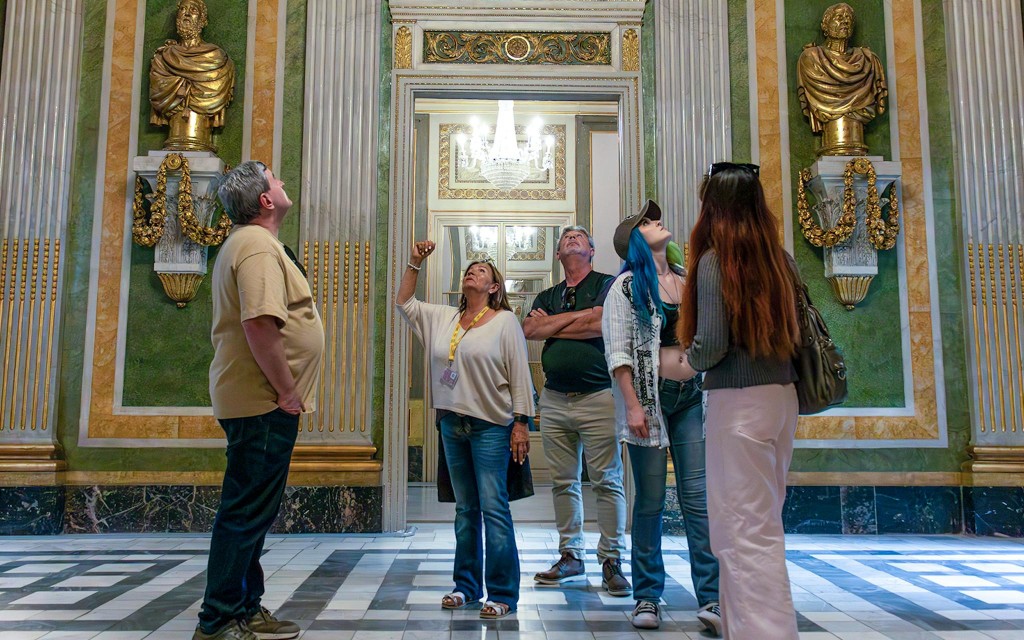
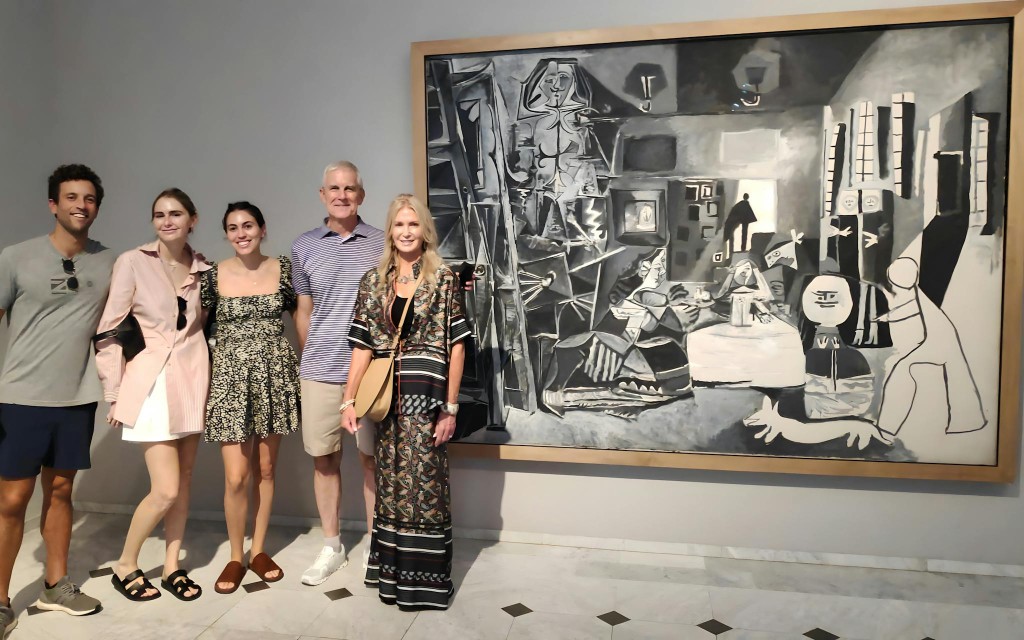
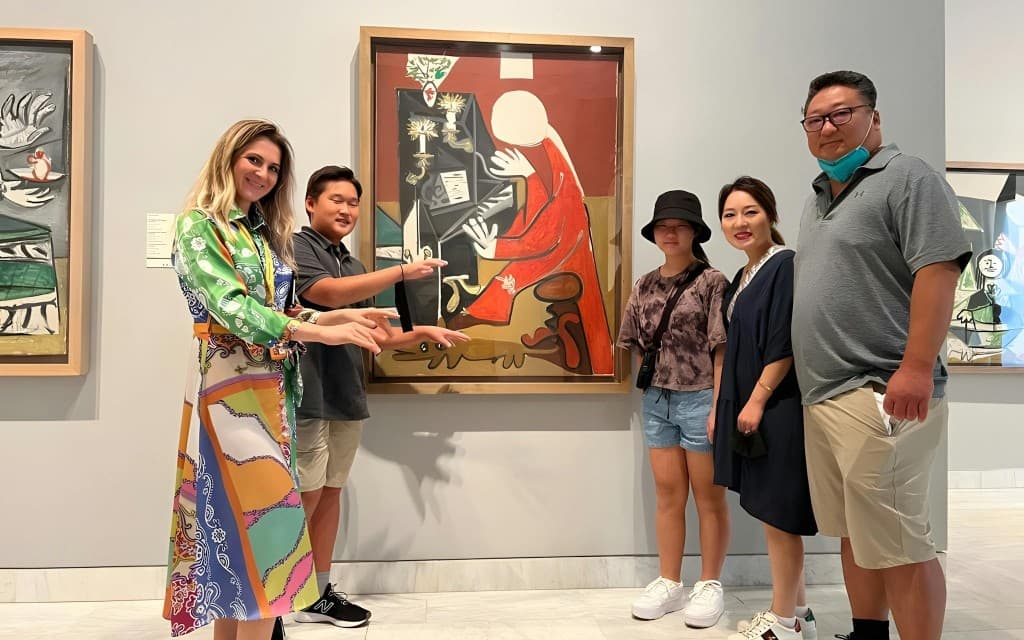
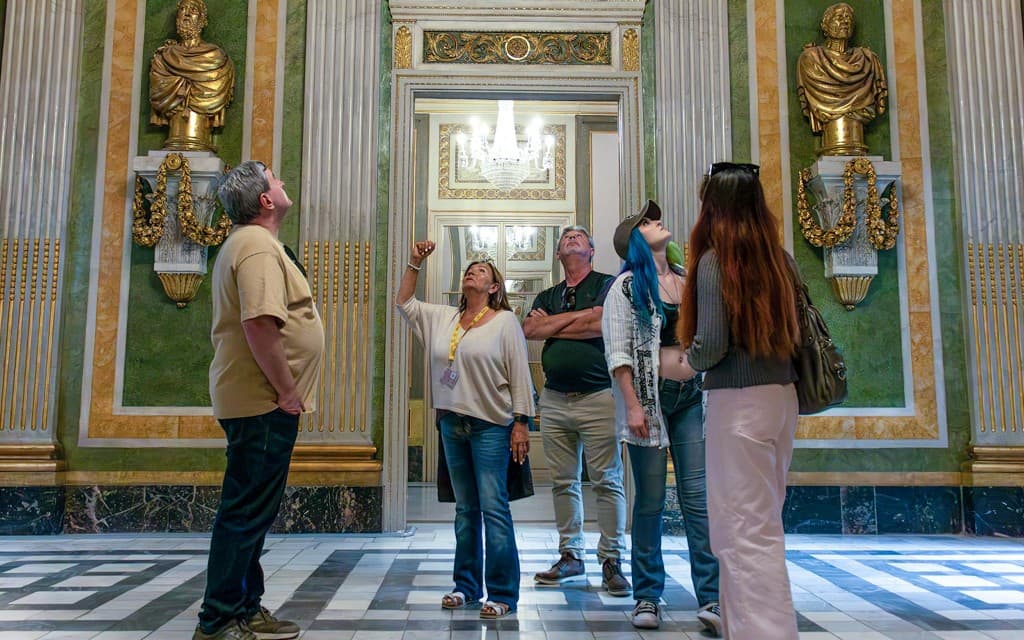
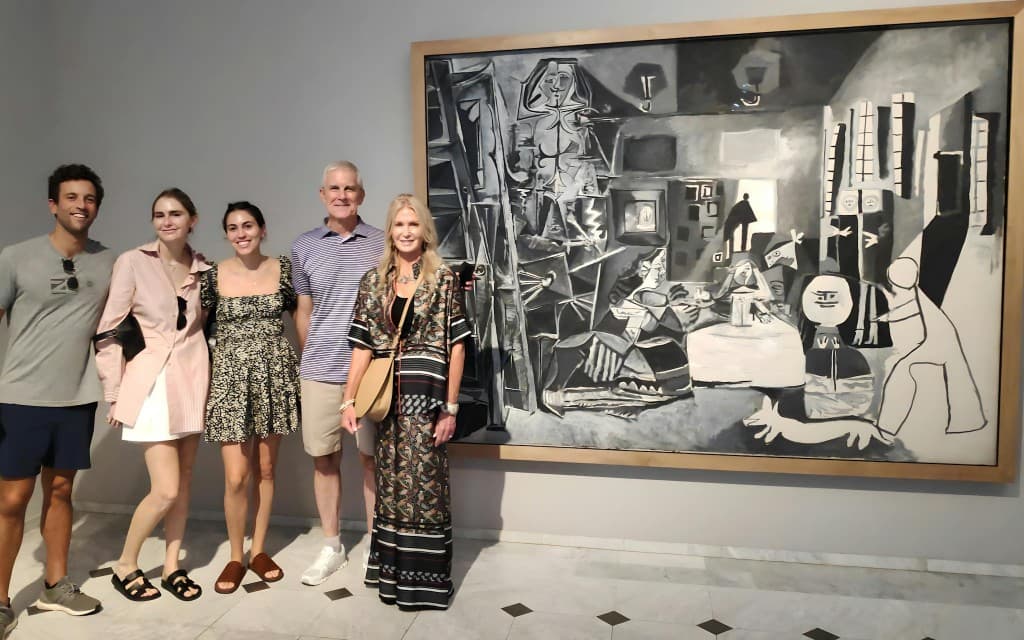
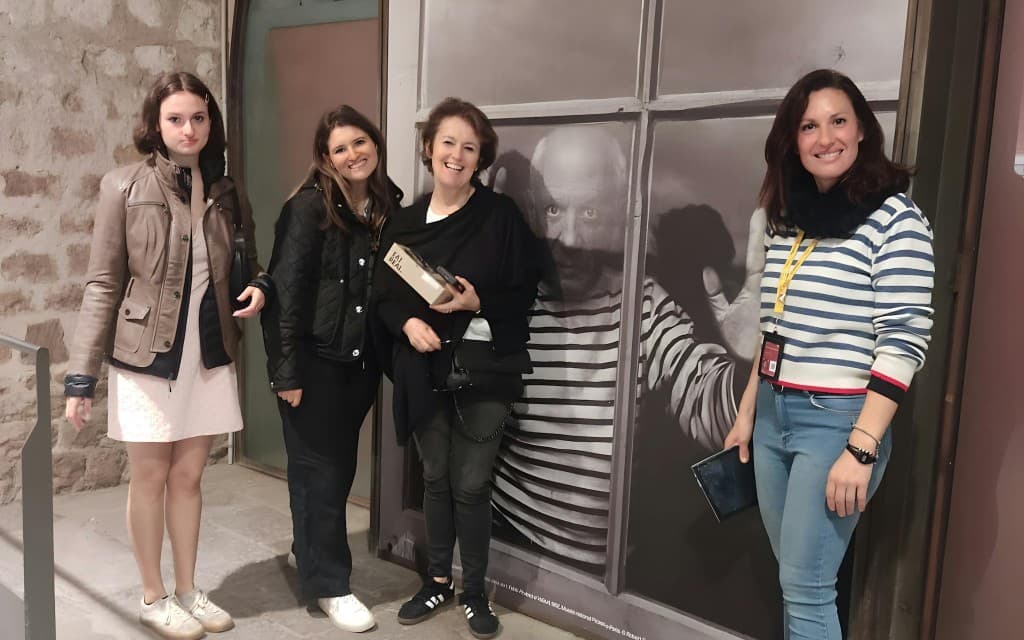
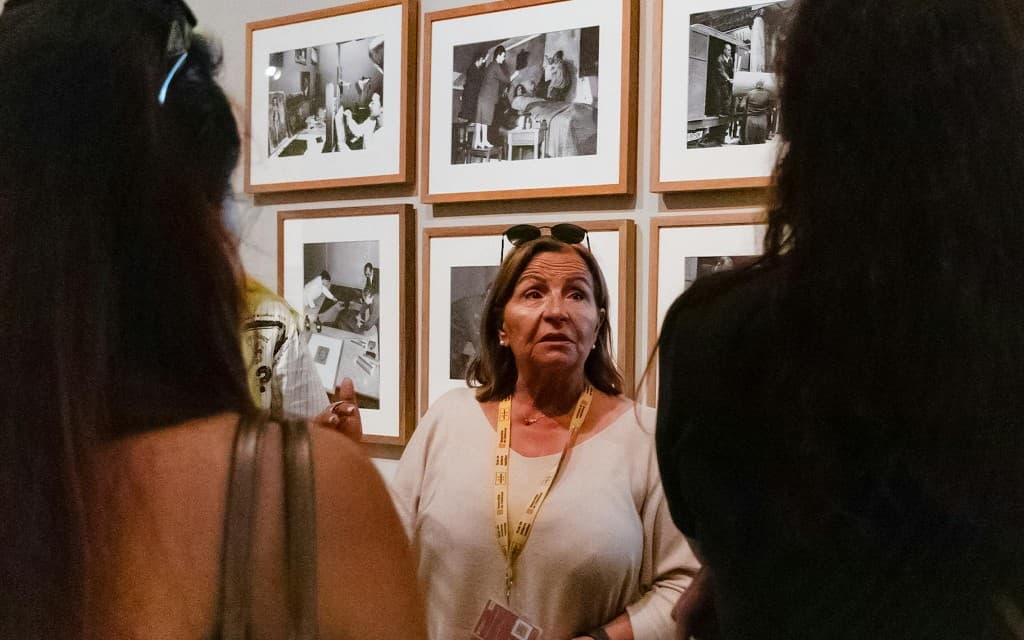
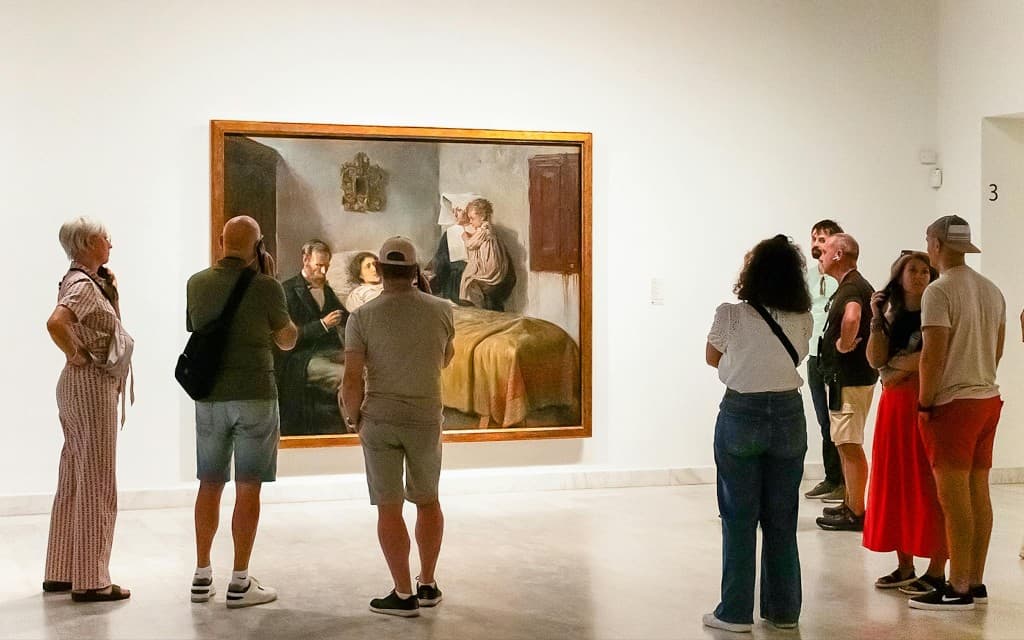
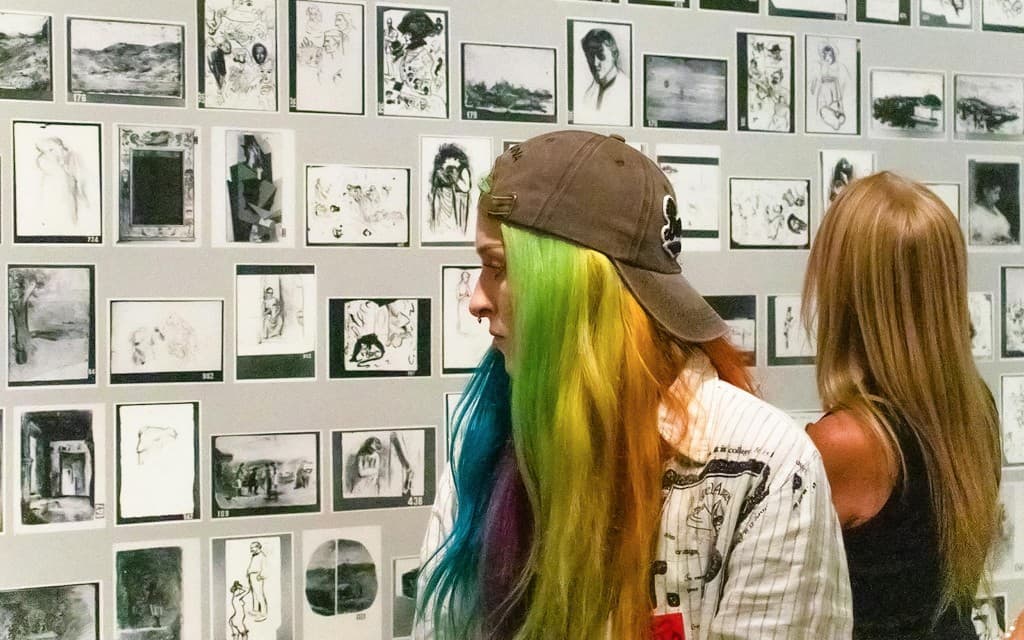
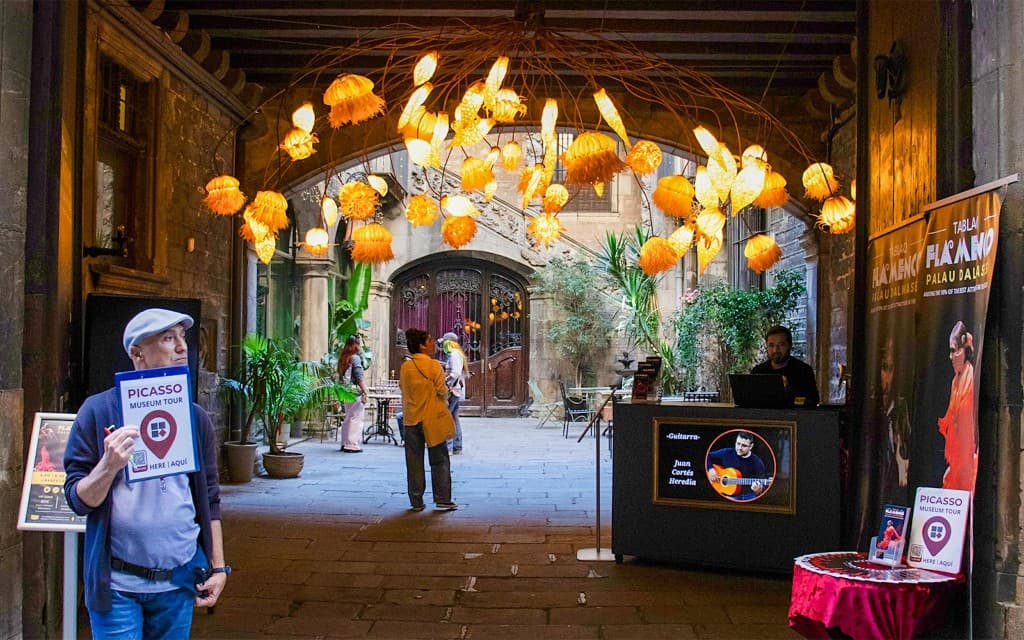
The Picasso Museum Barcelona, inaugurated on March 9, 1963, was created at the express wish of Pablo Picasso himself. It was originally established as the Sabartés Collection, after Jaume Sabartés, Picasso's long-time friend and secretary, who donated his personal collection of works to the city. Picasso later made significant donations of his own, particularly works from his formative years and the complete series of 'Las Meninas' variations, further solidifying the museum's unique focus. The museum is housed in five magnificent medieval palaces located on Montcada Street in the Gothic Quarter: Palau Aguilar, Palau Baró de Castellet, Palau Meca, Casa Mauri, and Palau Finestres. These structures, dating from the 13th to 15th centuries, were meticulously restored and adapted to house the growing collection. The museum's existence underscores Picasso's deep sentimental ties to Barcelona, a city where he spent crucial years of his youth and early artistic development, leaving an indelible mark on his creative path. Over the decades, the museum has expanded its collection and premises, becoming a global reference for understanding Picasso's early artistic genius.