



Co zawiera oferta
- Wejście do wszystkich głównych sal
- Wejście do Galerii Skarbów
- Wejście do Galerii Zegarów [zgodnie z wybraną opcją]
- Wejście na otwarte dziedzińce [zgodnie z wybraną opcją]
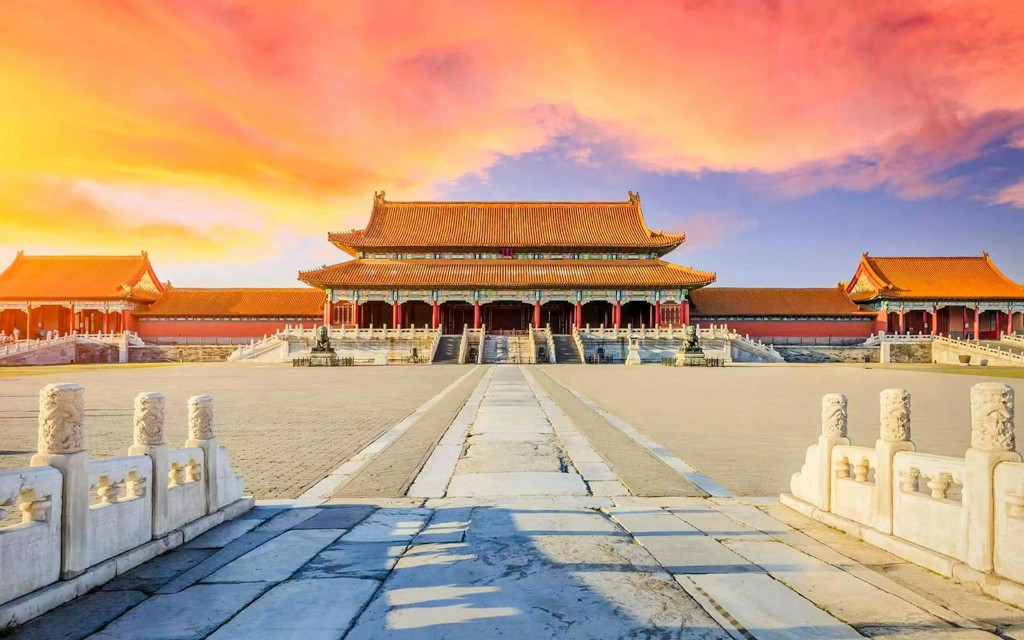
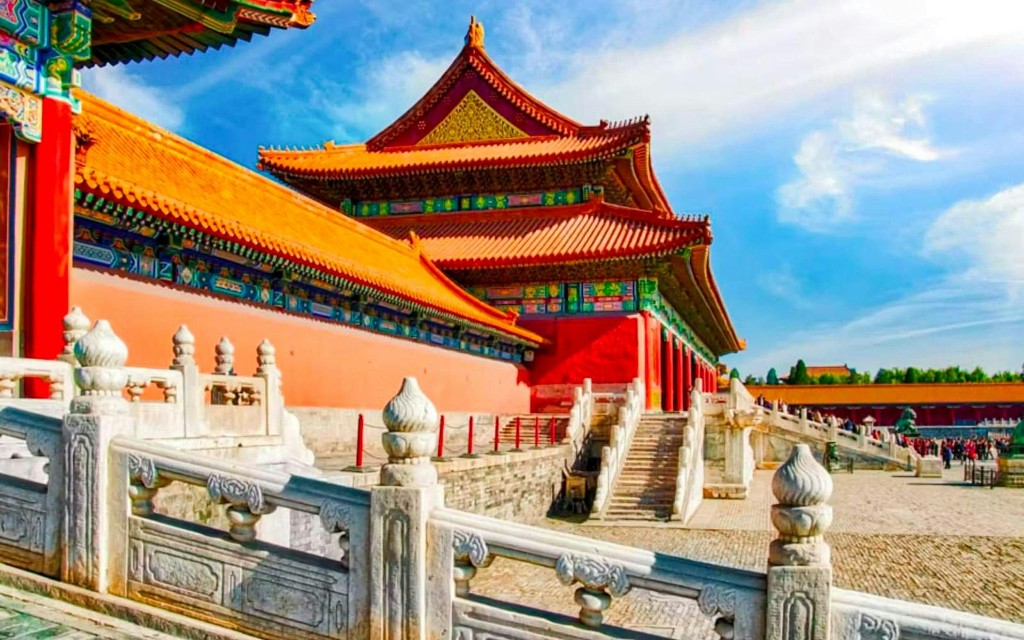
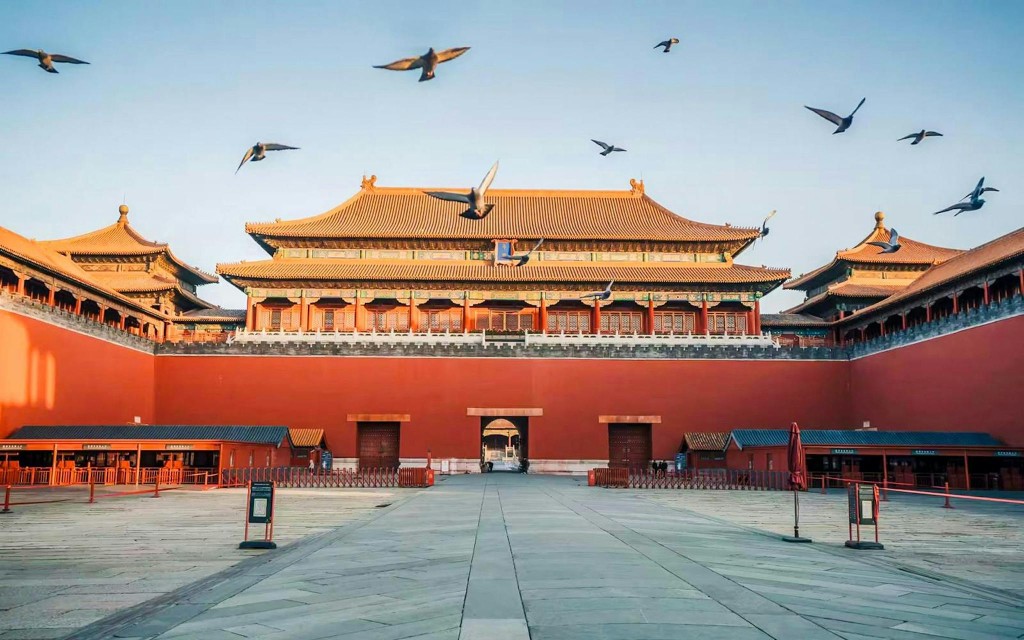
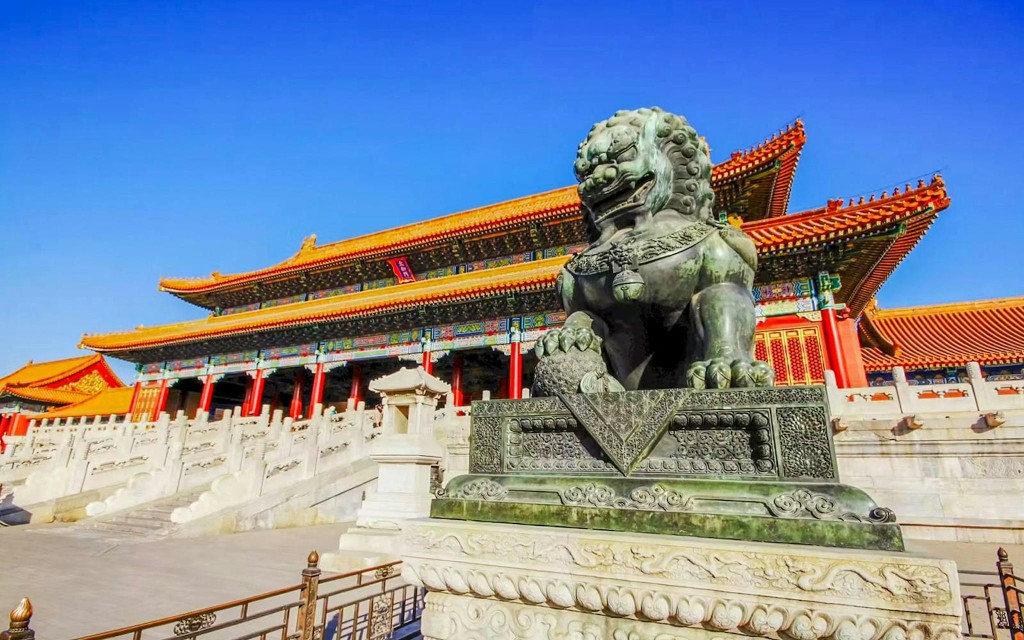
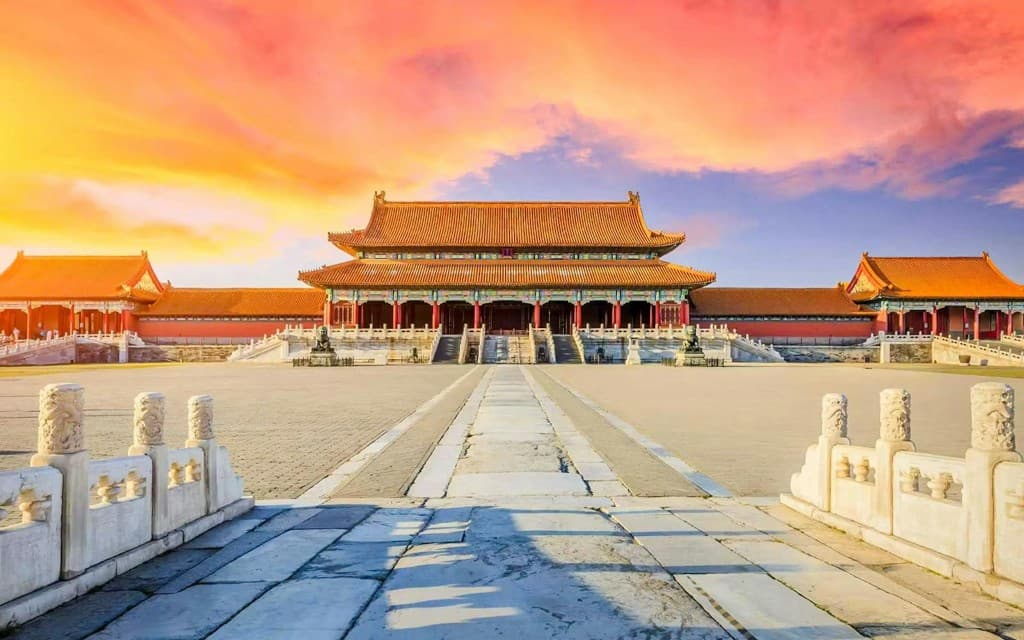
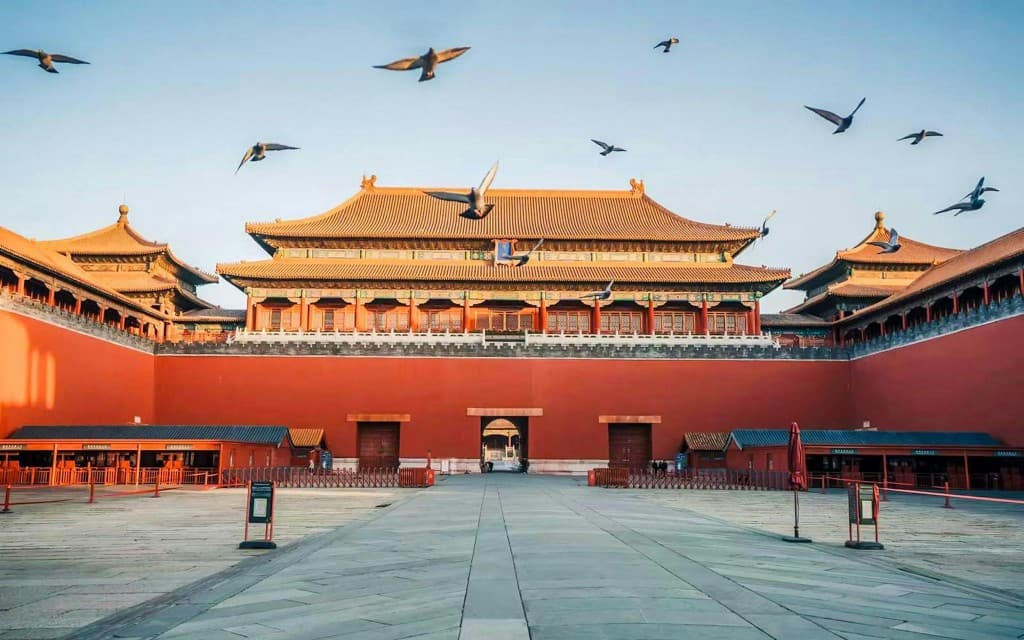
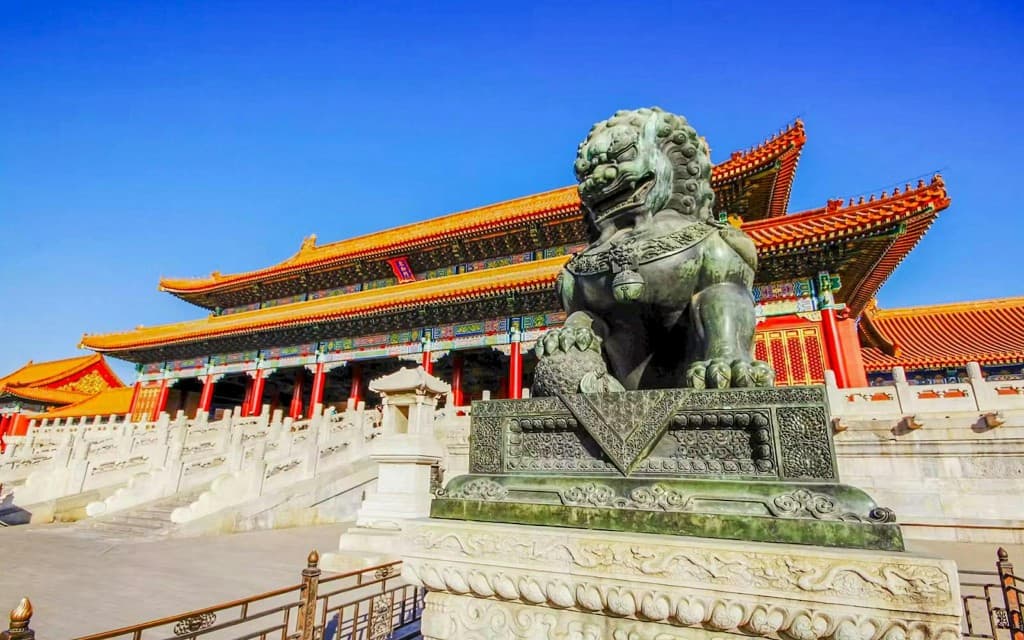
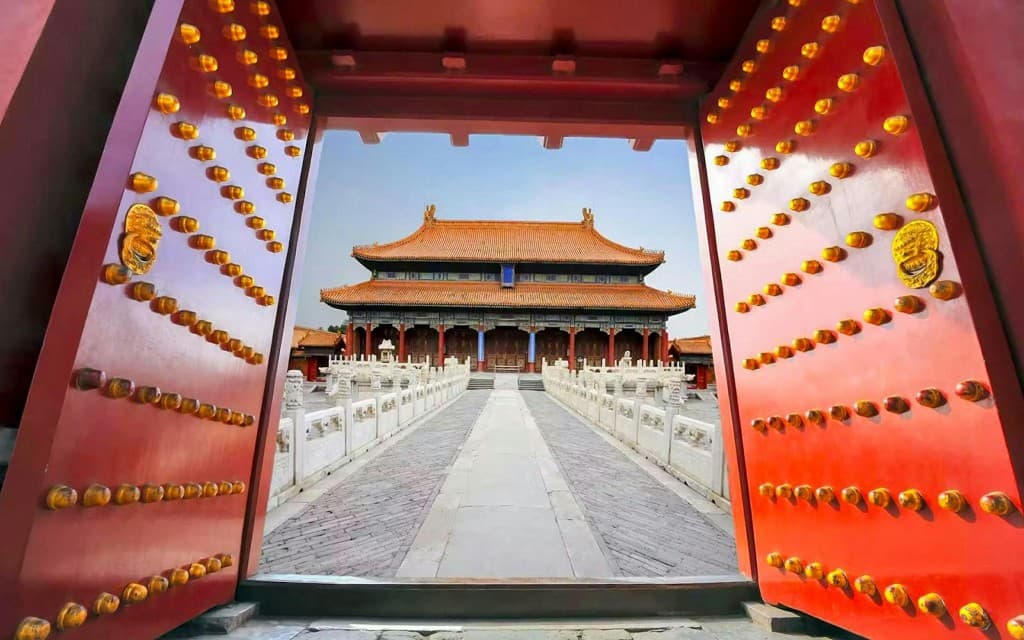
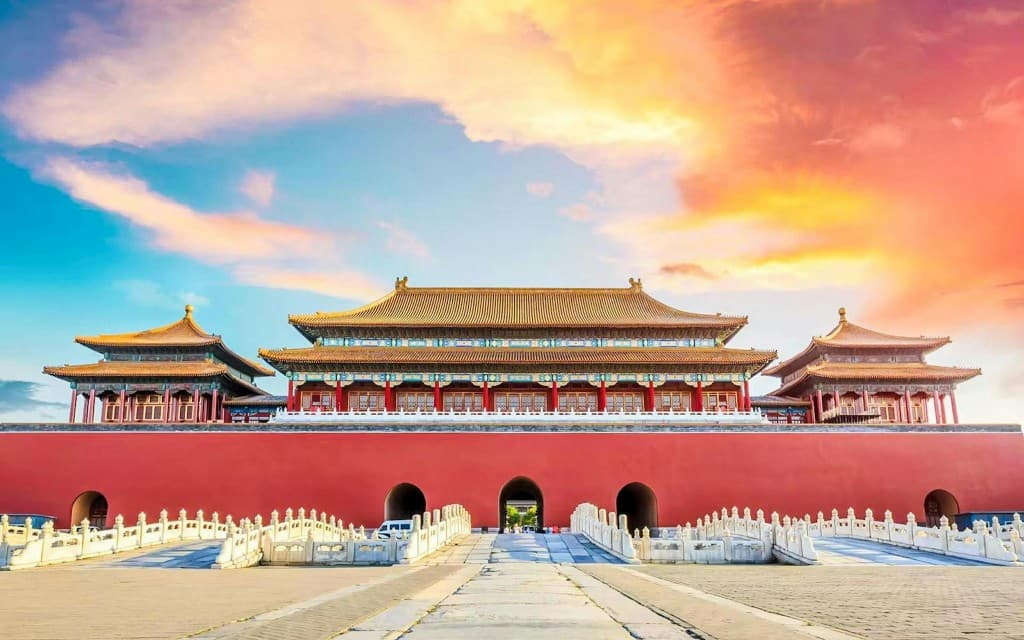
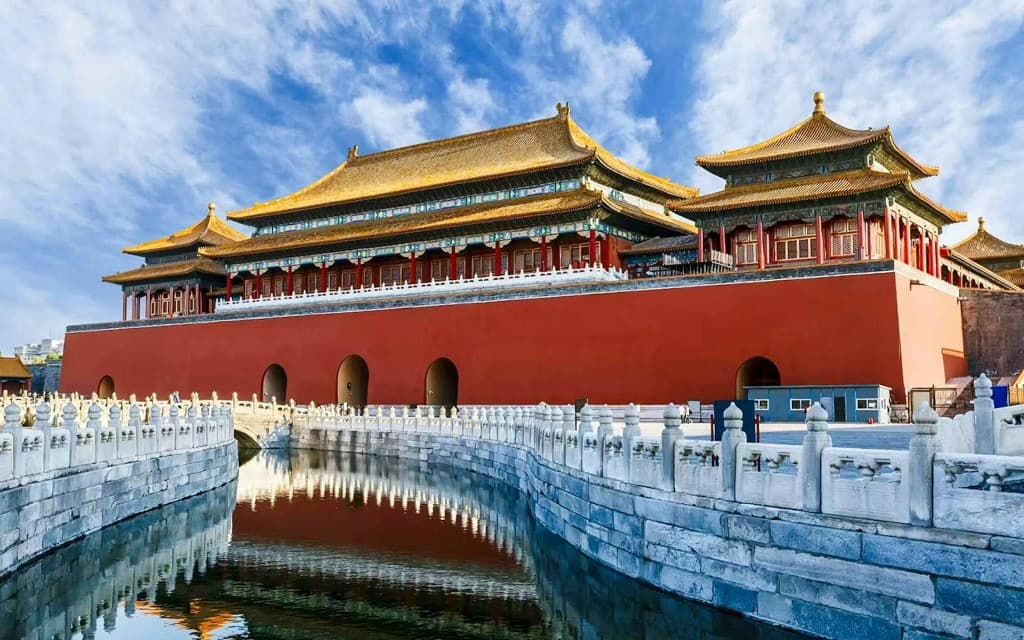
Discover the Forbidden City through these stunning photos, capturing its architectural grandeur and historical significance.
Explore the magnificent Forbidden City, a UNESCO World Heritage site and the historical heart of Beijing. Once the exclusive domain of emperors and their households for nearly 500 years, this sprawling palace complex showcases stunning traditional Chinese architecture and offers a glimpse into the opulent lives of China's past rulers. With a Forbidden City Ticket (MegaPass), you can delve deeper into the artistry, history, and cultural significance of this iconic landmark. Prepare to be transported back in time as you wander through the grand courtyards, explore the intricate halls, and discover the treasures within this remarkable imperial palace. A visit to the Forbidden City is an essential experience for anyone interested in Chinese history and culture.
There is no strict dress code for visiting the Forbidden City. However, it's recommended to dress respectfully, as it is a historical and cultural site. Comfortable clothing and shoes are advisable, as you'll be doing a lot of walking. During the summer months, lightweight and breathable clothing is recommended. In the winter, dress warmly, as the outdoor areas can be cold. Avoid wearing overly revealing or offensive clothing. Ultimately, dressing modestly and respectfully will enhance your experience and show consideration for the cultural significance of the site.
Zwiedzaj Zakazane Miasto w Pekinie we własnym tempie – masz dostęp do wszystkich głównych sal, Galerii Skarbów oraz, jeśli chcesz, do Galerii Zegarów.
Wejdź do Zakazanego Miasta przez Bramę Meridian, okazując swój bilet z datą i paszport, a następnie podążaj wyznaczoną trasą z południa na północ przez cały kompleks. Jeśli wolisz, żeby nie było zbyt wielu ludzi, zaplanuj przyjazd poza godzinami szczytu, czyli między 10:00 a 13:00. Możesz skorzystać z bezpłatnej przechowalni bagaży między bramą Meridian Gate a bramą Shenwu Gate, a także z szafek wewnątrz obiektu, które są przystosowane do wózków dziecięcych i inwalidzkich.
Przemierzasz Muzeum Pałacowe z południa na północ, przechodząc przez szereg stref ceremonialnych i mieszkalnych. Twój bilet obejmuje główną oś pałacu i zapewnia dostęp do najważniejszych cesarskich pomieszczeń, które stanowią o charakterze Zakazanego Miasta.
Wejście do wszystkich głównych sal pozwala przejść centralną trasą przez cały kompleks, w tym przez główne dziedzińce pałacu, na których odbywały się cesarskie uroczystości, kierując się w stronę północnych wyjść przy Bramie Shenwu lub Bramie Donghua.
Otwarte dziedzińce, dostępne wyłącznie w ramach opcji „Treasure Gallery”, dają ci przestrzeń, by zatrzymać się na chwilę, obejrzeć architekturę pałacu z różnych perspektyw i docenić ogólną wielkość dawnej rezydencji cesarskiej.
Galeria Skarbów zajmuje część północno-wschodniego skrzydła Pałacu Spokojnej Długowieczności. W klimatyzowanych pokojach można obejrzeć wyselekcjonowaną kolekcję przedmiotów, z których korzystali cesarze i cesarzowe w Zakazanym Mieście.
Można tu obejrzeć około 400 cesarskich skarbów, w tym rzeźby z jadeitu, wyroby emaliowane oraz złote i srebrne naczynia, które były używane podczas dworskich rytuałów i w codziennym życiu pałacowym.
Korony cesarzowych z motywem feniksa, wysadzane klejnotami, oraz haftowane szaty cesarskie są głównymi punktami osobistych insygniów dworu dynastii Qing i pokazują materiały zarezerwowane dla najwyższych rang.
Wejście do Galerii Skarbów jest wliczone we wszystkie opcje biletów, dzięki czemu możesz spędzić trochę czasu w sześciu klimatyzowanych pokojach w części Pałacu Spokojnej Długowieczności.
Galeria Zegarów, znajdująca się obok Galerii Skarbów w tym samym północno-wschodnim skrzydle, poświęcona jest zegarom zgromadzonym przez dwór dynastii Qing. Znajduje się w Sali Fengxian i sąsiednich pokojach w Muzeum Pałacowym.
Można tu obejrzeć kolekcję 82 zabytkowych zegarów, w tym 21 chińskich zegarów astronomicznych oraz 61 egzemplarzy sprowadzonych z Wielkiej Brytanii, Francji i Szwajcarii.
Wiele zegarów ma w sobie skomplikowane mechaniczne automaty, które piszą kaligrafią, grają na instrumentach albo ożywiają rzeźbione figurki, gdy zostaną uruchomione podczas harmonogramu pokazów.
Wejście do Galerii Zegarów jest wliczone w cenę, jeśli wybierzesz opcję „Bilety + Galerie Skarbów i Zegarów”, a pokazy automatów odbywają się o ustalonych porach, które możesz sprawdzić po przybyciu na miejsce.
Wybierz opcję „Bilety + Galeria Skarbów i Galeria Zegarów”, żeby w pełni zwiedzić Muzeum Pałacowe wraz z Salą Fengxian, albo opcję „Bilety + Galeria Skarbów”, która skupia się na głównych salach, otwartych dziedzińcach i cesarskich skarbach w Pałacu Spokojnej Długowieczności.
Wejście: Podczas wizyty musisz zwiedzać od południa do północy, wchodząc przez Bramę Meridian, a wychodząc przez Bramę Shenwu albo Bramę Donghua.
Tłumy: Największy ruch panuje tu od 10:00 do 13:00, więc jeśli to możliwe, zaplanuj swoją wizytę tak, żeby ominąć godziny szczytu.
Wystawy: Przed wizytą warto sprawdzić aktualne wystawy na oficjalnej stronie Muzeum Pałacowego.
Przechowalnia bagaży: Dostępna jest bezpłatna przechowalnia bagaży, a torby są przewożone między bramą Meridian Gate a bramą Shenwu Gate.
Czas przechowywania: Przechowalnia bagaży jest czynna codziennie od 8:30 do 18:00.
Szafki: W obrębie Zakazanego Miasta są dostępne szafki, w których można zostawić swoje rzeczy.
Lokalizacja Galerii Skarbów: Galeria Skarbów znajduje się w Pałacu Spokojnej Długowieczności, w północno-wschodnim skrzydle.
Lokalizacja Galerii Zegarów: Galeria Zegarów znajduje się w tym samym północno-wschodnim skrzydle co Galeria Skarbów, w części Pałacu Spokojnej Długowieczności.
Prezentacje zegarów: Pokazy automatów w Galerii Zegarów odbywają się o określonych porach, więc po przyjściu sprawdź Harmonogram.
Typowy czas trwania wizyty: Typowa wizyta trwa około 2,5–3,5 godziny, wliczając w to Galerię Skarbów.
Rezerwacja z wyprzedzeniem: Bilety są ważne tylko w wybranym przez ciebie terminie i musisz dokonać rezerwacji co najmniej dzień wcześniej.
Identyfikator wejścia: Aby wejść, musisz okazać paszport przy bramie Meridian Gate; nie potrzebujesz wydrukowanego biletu.
Opcja „Galeria zegarów”: Jeśli wybierzesz opcję „Galeria zegarów”, zarezerwuj sobie na wizytę około 1,5 godziny więcej.
Dostęp do galerii za pomocą opcji: Jeśli wybierzesz opcję „Tylko Galeria Skarbów”, twój bilet nie obejmie Galerii Zegarów.
The Forbidden City, also known as the Palace Museum, served as the imperial palace from the Ming Dynasty to the end of the Qing Dynasty. Construction began in 1406 and was completed fourteen years later, in 1420. The complex consists of 980 buildings and covers 74 hectares (180 acres). It is the world's largest palatial structure. The name 'Forbidden City' comes from the fact that access was restricted to members of the imperial court, their staff, and specially permitted guests. Ordinary citizens were barred from entering. Today, the Forbidden City is open to the public, allowing visitors from around the world to explore its vast courtyards, elaborate halls, and priceless collections of artifacts. Visiting this palace offers a unique opportunity to witness the grandeur of Chinese imperial life and appreciate the artistry and craftsmanship of the Ming and Qing dynasties. Allow ample time to fully appreciate the scale and detail of this historical treasure.
Booking your Forbidden City tickets online offers several advantages. You can secure your entry in advance, avoiding long queues at the ticket counters, especially during peak season. Online platforms often provide detailed information about the various ticket options, including combo tickets like the Forbidden City Ticket (MegaPass), allowing you to plan your visit efficiently. Booking online ensures a smooth and hassle-free experience, enabling you to maximize your time exploring this magnificent historical site. Take advantage of online booking to guarantee your entry and enjoy a seamless visit to the Forbidden City.
The Forbidden City's history spans over five centuries, serving as the imperial palace for 24 emperors of the Ming and Qing dynasties. Construction began in 1406 during the reign of the Yongle Emperor of the Ming Dynasty, and it was completed in 1420. The palace complex was designed to be the political and ritual center of China, embodying the power and authority of the emperor. For centuries, the Forbidden City was off-limits to ordinary citizens, hence its name. Only members of the imperial court, government officials, and specially permitted guests were allowed inside. The Forbidden City witnessed numerous significant events in Chinese history, including coronations, imperial weddings, and state ceremonies. After the fall of the Qing Dynasty in 1912, the Forbidden City was transformed into a museum in 1925, opening its doors to the public and allowing visitors to explore its rich history and cultural treasures. Today, it stands as a symbol of China's imperial past and a testament to the artistry and craftsmanship of its people.
The Forbidden City's opening hours vary depending on the season. Generally, it is open from 8:30 AM to 5:00 PM during the peak season (April 1 to October 31) and from 8:30 AM to 4:30 PM during the off-season (November 1 to March 31). The ticket office typically closes one hour before the closing time. Please note that the Forbidden City is closed every Monday, except for public holidays. It's recommended to check the official website for the most up-to-date information on opening hours before your visit.
The best time to visit the Forbidden City is during the spring (April-May) or autumn (September-October) months. The weather during these seasons is mild and comfortable, making it ideal for exploring the vast outdoor spaces of the complex. Additionally, the crowds tend to be smaller during these months compared to the peak summer season. Arriving early in the morning is advisable to avoid the largest crowds and fully appreciate the beauty and tranquility of the Forbidden City.
Inside the Forbidden City, you'll discover a wealth of historical and architectural treasures. The main courtyards offer a sense of the immense scale of the complex, leading to the heart of imperial power. Explore the grand halls, such as the Hall of Supreme Harmony, the Hall of Central Harmony, and the Hall of Preserving Harmony, where important ceremonies and meetings were held. These halls showcase stunning examples of traditional Chinese architecture, with intricate carvings, vibrant colors, and symbolic decorations. Visit the imperial palaces, including the Palace of Heavenly Purity and the Palace of Earthly Tranquility, which served as the residences of the emperor and empress. You can also explore numerous exhibitions displaying historical artifacts, artwork, and treasures that offer insights into the lives of the emperors and their courts.
Before visiting the Forbidden City, there are a few things to keep in mind. It's advisable to book your tickets online in advance to avoid long queues, especially during peak season. Remember to bring your passport or other valid identification, as it is required for entry. Wear comfortable shoes, as you'll be doing a lot of walking. Bringing water and snacks is recommended, especially during hot weather. Be aware that there are restrictions on bringing certain items into the Forbidden City, such as large bags, liquids, and sharp objects. Photography is allowed in most areas, but flash photography may be restricted in some indoor spaces. Finally, be respectful of the historical site and follow the instructions of the staff.
To ensure the preservation of the Forbidden City and the enjoyment of all visitors, there are a few rules to follow. Please refrain from touching or climbing on any of the artifacts or structures. Avoid littering and dispose of your trash in designated bins. Smoking is prohibited within the Forbidden City. Be respectful of other visitors and avoid making excessive noise. Follow the instructions of the staff and security personnel. Large bags and luggage may be subject to inspection. By adhering to these rules, you can help preserve this historical site for future generations.
The Forbidden City is undoubtedly worth visiting for anyone interested in Chinese history, architecture, and culture. As a UNESCO World Heritage site, it offers a unique glimpse into the lives of China's emperors and the grandeur of the imperial court. The sheer scale of the complex, with its numerous palaces, halls, and courtyards, is awe-inspiring. Exploring the Forbidden City allows you to appreciate the intricate details of traditional Chinese architecture, the artistry of the artifacts, and the rich history that permeates every corner. Whether you're a history enthusiast, an architecture lover, or simply curious about Chinese culture, a visit to the Forbidden City is an unforgettable experience.
Ticket prices vary depending on the season and any special exhibitions. Please check the official website for current pricing.
Yes, purchasing tickets online in advance is highly recommended to avoid long queues.
Opening hours vary depending on the season, but it is generally open from 8:30 AM to between 4:30 PM and 5:00 PM. Closed on Mondays (except public holidays).
Allow at least 3 to 4 hours to explore the main areas of the Forbidden City.
There is no strict dress code, but it is recommended to dress respectfully.
Large bags may be subject to inspection. There are also restrictions on bringing certain items inside.
Photography is allowed in most areas, but flash photography may be restricted in some indoor spaces.
There are limited options for food and beverages inside. Bringing your own water and snacks is advisable.
Yes, audio guides are available for rent at the entrance, providing detailed information about the various sites within the Forbidden City.
The Forbidden City is easily accessible by public transportation. Take subway line 1 to Tiananmen East or Tiananmen West station. From either station, it's a short walk to the entrance of the Forbidden City.
There is no strict dress code for visiting the Forbidden City. However, it's recommended to dress respectfully, as it is a historical and cultural site. Comfortable clothing and shoes are advisable, as you'll be doing a lot of walking. During the summer months, lightweight and breathable clothing is recommended. In the winter, dress warmly, as the outdoor areas can be cold. Avoid wearing overly revealing or offensive clothing. Ultimately, dressing modestly and respectfully will enhance your experience and show consideration for the cultural significance of the site.