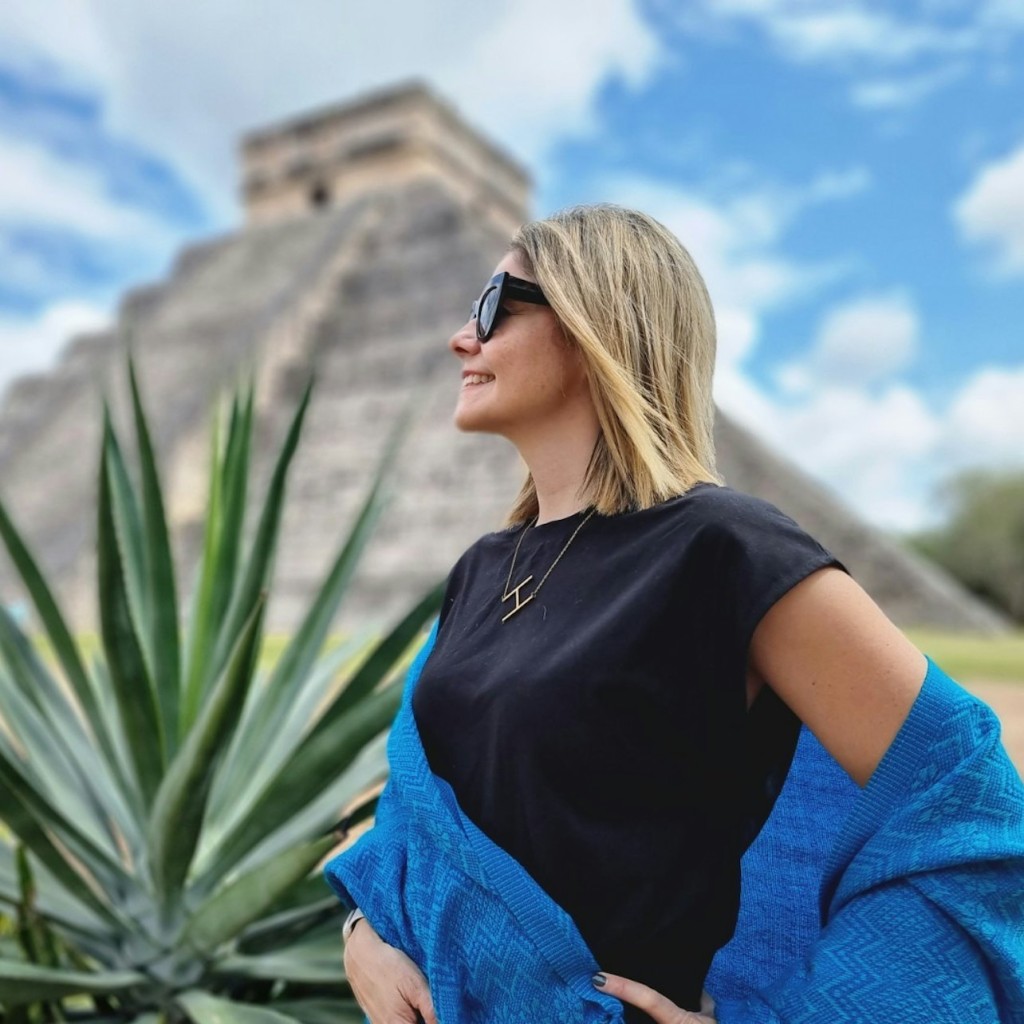
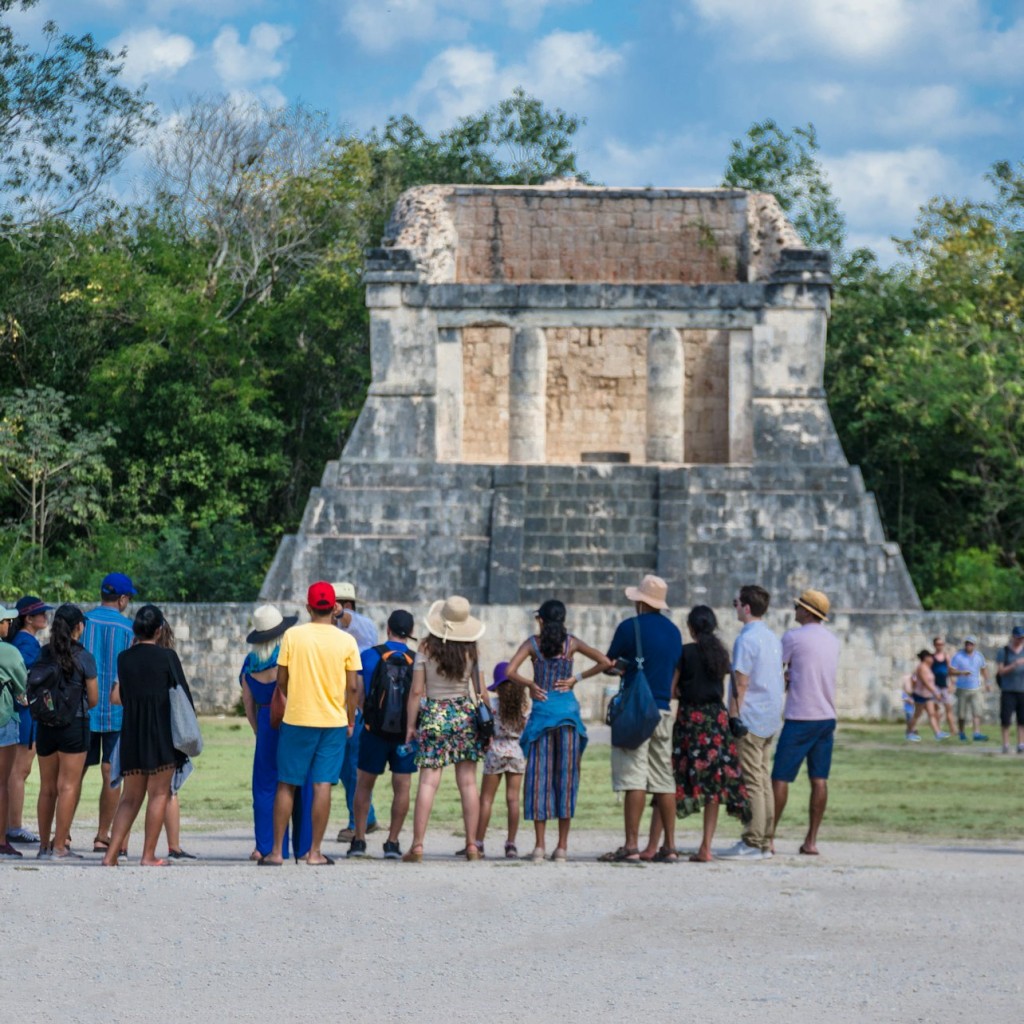
Chichén Itzá, meaning 'At the mouth of the well of the Itzá' in Yucatec Maya, flourished as a prominent regional capital from approximately 600 AD to 1200 AD. The site showcases a fascinating blend of classical Mayan architecture and influences from the central Mexican Toltec culture, particularly evident in its later structures. Its sophisticated urban planning and monumental constructions highlight the Maya's profound understanding of astronomy, mathematics, and engineering. The city served as a critical economic and political hub, controlling vast trade routes across the Yucatán Peninsula. Key structures like El Castillo, the Great Ballcourt, and the Temple of the Warriors reveal the daily life, religious practices, and societal organization of its inhabitants. Despite its eventual decline and abandonment, Chichén Itzá's legacy endures, offering invaluable insights into a civilization that pushed the boundaries of human knowledge and artistic expression. The archaeological zone is meticulously maintained, allowing visitors to appreciate the grandeur and complexity of this ancient metropolis.