


Co zawiera oferta
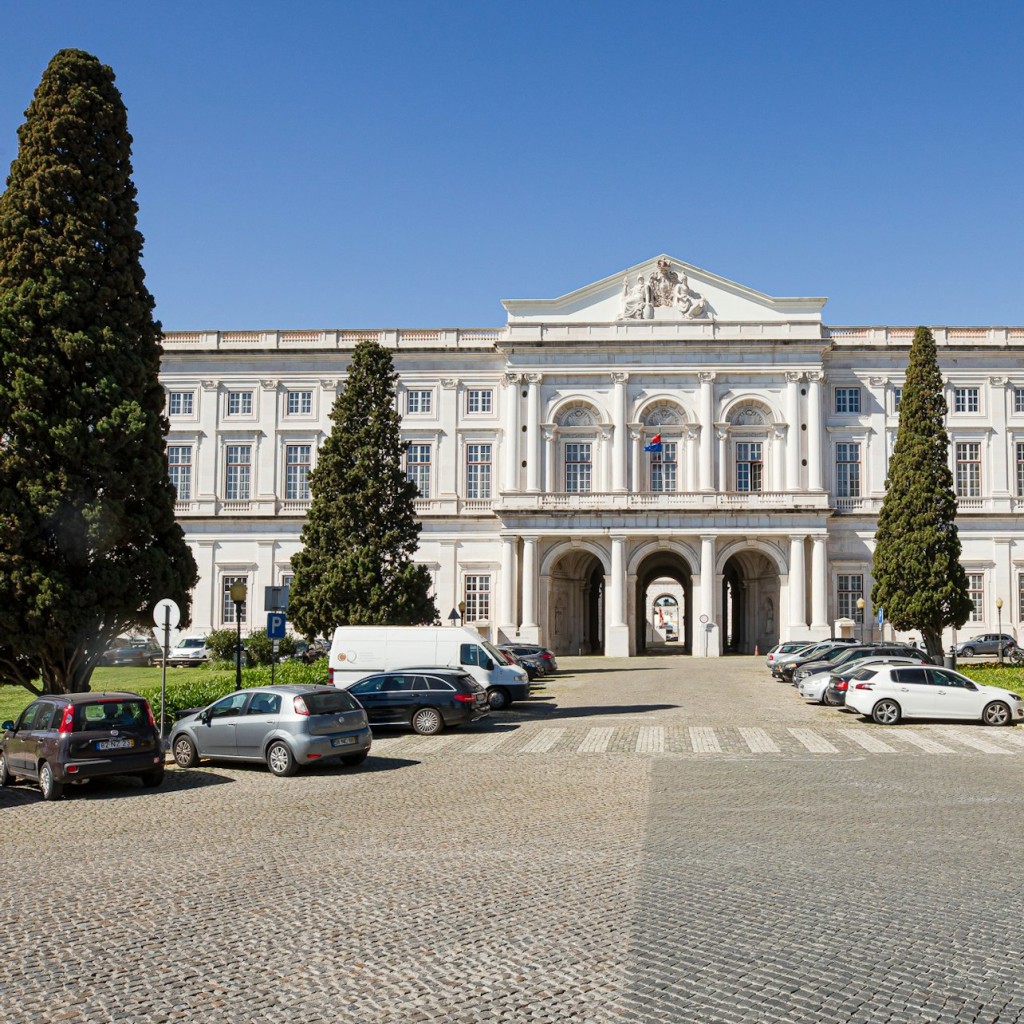
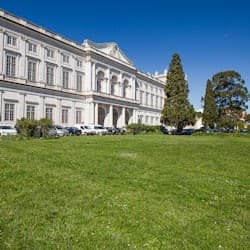
- Wejście do Pałacu Narodowego w Ajuda
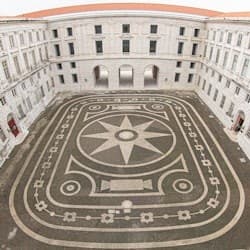
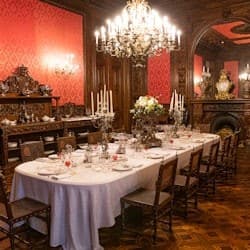
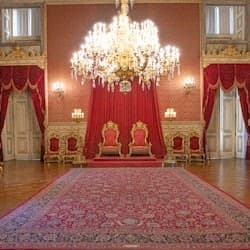
Discover the grandeur of the National Palace of Ajuda through these captivating images, offering a glimpse into its royal chambers and opulent collections.
Step into the grandeur of Portugal's royal past at the National Palace of Ajuda, an architectural gem nestled in Lisbon. This impressive neoclassical palace once served as a primary residence for the Portuguese royal family, offering an intimate glimpse into their daily lives and the splendors of 19th-century court society. Visitors can explore beautifully preserved royal apartments, elaborate state rooms, and extensive collections of period furnishings, exquisite paintings, delicate tapestries, and decorative arts. A visit here is a journey through centuries of Portuguese monarchy, revealing a rich tapestry of history, culture, and power. Experience the lavish interiors and remarkable artistry that define this magnificent historical landmark.
There is no strict dress code for visiting the National Palace of Ajuda. However, as a place of historical significance and cultural importance, it is advisable to dress respectfully. Comfortable clothing and footwear are recommended, as you will be doing a fair amount of walking through the palace's various rooms and halls. Smart casual attire is generally appropriate for a visit to this elegant royal residence.
The National Palace of Ajuda stands as a testament to Portugal's opulent royal heritage, providing a captivating window into the country's monarchical past. Located on a hill overlooking Lisbon, this magnificent neoclassical building was constructed in the wake of the devastating 1755 earthquake, eventually becoming the official residence of the Portuguese royal family. Its architecture reflects the grandeur and classical tastes of the era, while its interiors are a lavish display of wealth and artistry. Visitors can wander through the private apartments of kings and queens, elaborate ballrooms, and reception halls, each meticulously preserved with original furniture and decorative elements. The palace houses an extraordinary collection of art, including paintings, sculptures, and an impressive array of decorative arts suchances as ceramics, jewelry, and textiles. Beyond its visual splendor, the palace offers a profound historical narrative, illustrating the political and social transformations that shaped Portugal. It's not merely a building but a repository of national memory, inviting all to explore the lives and legacies of those who once resided within its stately walls. The palace also frequently hosts temporary exhibitions, enriching the visitor experience with diverse cultural offerings.
Booking your National Palace of Ajuda tickets online offers several convenient advantages for planning your visit. Securing your entry ticket in advance means you can bypass potential queues at the palace entrance, saving valuable time, especially during peak tourist seasons. Online booking provides the flexibility to choose your preferred date and time, ensuring your visit aligns perfectly with your travel itinerary. You can also often access specific entry times or special offers not available at the door. Having your tickets ready beforehand allows for a smoother, more relaxed start to your exploration of this magnificent royal residence, letting you focus entirely on enjoying the palace's beauty and history.
The National Palace of Ajuda has a fascinating history deeply intertwined with the fate of Lisbon and the Portuguese monarchy. Its origins date back to the devastating Lisbon earthquake of 1755, which destroyed the previous royal residence, the Ribeira Palace. Initially, a temporary wooden building, known as the 'Royal Barraca', was erected on the Ajuda hill, providing a provisional home for the royal family. Construction of the permanent, grand stone palace began in 1795 under the reign of Queen Maria I, designed by Manuel Caetano de Sousa and later by Francisco Xavier Fabri and José da Costa e Silva. The initial plans were ambitious, aiming for a colossal baroque-neoclassical complex, but political upheavals, including the Napoleonic Wars and the move of the court to Brazil, significantly delayed and altered its construction. The palace was never fully completed to its original grand design. It became the official residence of the Portuguese royal family during the 19th century, particularly after King Luís I married Queen Maria Pia of Savoy in 1862. It served as a setting for numerous royal births, marriages, and official functions until the proclamation of the Portuguese Republic in 1910, which led to the exile of the royal family. After the Republic, the palace transitioned into a museum, safeguarding the invaluable royal collections and preserving a vital piece of Portugal's national identity.
The National Palace of Ajuda typically operates from Tuesday to Sunday, with opening hours generally from 10:00 AM to 6:00 PM. The last entry is usually one hour before closing time. It is typically closed on Mondays, January 1st, Easter Sunday, May 1st, and December 25th. Visitors are advised that hours can sometimes be subject to change due to special events or maintenance, so planning your visit within these general guidelines is recommended.
To fully appreciate the National Palace of Ajuda without the bustle of large crowds, consider visiting on a weekday morning, shortly after it opens. This allows for a more tranquil exploration of the royal apartments and collections. Weekends and afternoons can be busier, especially during peak tourist seasons like summer or school holidays. Spring and autumn offer pleasant weather for walking around the palace grounds and the surrounding Ajuda neighborhood. If you prefer a quieter experience, avoid public holidays and special event days when the palace might attract more visitors. An early visit ensures you have ample time to absorb the grandeur and historical significance at your own pace.
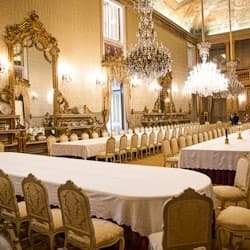
Inside the National Palace of Ajuda, visitors are treated to a comprehensive tour of royal life and artistic splendor. The journey begins as you step into the grand State Rooms, including the magnificent Throne Room, where official ceremonies once took place, and the opulent Dining Room, set for a royal banquet. You'll then proceed to the private chambers of the monarchy, such as the King's Bedroom and the Queen's Bedroom, each providing intimate details of their daily routines and personal tastes. The palace also showcases numerous salons and galleries filled with impressive collections of 19th-century paintings by renowned Portuguese and European artists, intricate tapestries, and sculptures. Don't miss the extensive displays of decorative arts, including porcelain, silver, jewelry, and period furniture, all contributing to the authentic ambiance of a royal residence. Every room offers a unique perspective on the wealth, power, and cultural sophistication of the Portuguese court.
Plan to spend approximately 1.5 to 2 hours exploring the palace. Photography without flash is generally permitted inside, allowing you to capture memories of its beautiful interiors, but tripods are usually not allowed. The palace has stairs, but some areas may be accessible for visitors with limited mobility; it's advisable to inquire about accessibility options upon arrival. Facilities such as restrooms are available on-site. There is also a museum shop where you can find souvenirs and books related to the palace and Portuguese history. Consider combining your visit with other nearby attractions in the Ajuda or Belém districts for a full day of exploration.
To ensure the preservation of the National Palace of Ajuda's historical artifacts and the comfort of all visitors, certain rules are in place. Large bags and backpacks may need to be stored in lockers, if available. Touching exhibits, furnishings, or walls is strictly prohibited. Flash photography is not permitted as it can damage delicate artworks. Food and drinks are not allowed inside the exhibition areas. Visitors are expected to maintain a respectful demeanor and keep noise levels to a minimum. Please follow any instructions given by palace staff for your safety and the security of the collections.
The National Palace of Ajuda is absolutely worth visiting for anyone interested in Portuguese history, royal culture, and 19th-century art. It offers a unique opportunity to step back in time and experience the lavish lifestyle of the country's monarchs. The meticulously preserved interiors, from grand ballrooms to intimate royal chambers, coupled with an extensive collection of period furnishings and fine art, provide a rich educational and aesthetic experience. For history buffs, art enthusiasts, or those simply seeking a glimpse into a bygone era, the palace serves as a tangible link to Portugal's imperial past, making it a compelling and enriching destination in Lisbon.
The National Palace of Ajuda is located in the Ajuda district of Lisbon, Portugal, offering views over the Tagus River.
The palace is generally open from Tuesday to Sunday, typically from 10:00 AM to 6:00 PM, but it's closed on Mondays and some public holidays.
Most visitors spend between 1.5 to 2 hours exploring the palace and its various collections.
Yes, photography is generally permitted inside the palace, but flash photography is usually prohibited to protect the delicate artworks.
Yes, tickets for the National Palace of Ajuda are available for purchase online, offering convenience and potentially skipping queues.
The palace houses extensive collections of 19th-century decorative arts, including furniture, paintings, sculptures, ceramics, jewelry, and textiles, all from the Portuguese royal period.
Some areas of the palace may be accessible, but due to its historic nature and stairs, it's recommended to inquire about specific accessibility options upon arrival.
You can reach the palace by taking bus routes such as 729 or 760, which have stops nearby, or by using Tram 18E followed by a short walk.
There is no strict dress code, but respectful, comfortable clothing and footwear are recommended for exploring the historical site.
Yes, the National Palace of Ajuda typically has a museum shop where visitors can purchase souvenirs and books related to the palace and Portuguese history.
It served as the official royal residence for the Portuguese monarchy during the 19th century, particularly after the 1755 earthquake, and houses important collections reflecting that era.
The National Palace of Ajuda is accessible by various public transport options from central Lisbon. You can take bus routes that serve the Ajuda area, such as lines 729 or 760, which have stops near the palace. Alternatively, a tram journey on the historic Tram 18E can also bring you relatively close, followed by a short uphill walk. For those coming from Belém, a taxi or ride-sharing service is a quick option. While walking from some distant parts of Lisbon is possible, the hilly terrain means public transport or a taxi is often more convenient.
There is no strict dress code for visiting the National Palace of Ajuda. However, as a place of historical significance and cultural importance, it is advisable to dress respectfully. Comfortable clothing and footwear are recommended, as you will be doing a fair amount of walking through the palace's various rooms and halls. Smart casual attire is generally appropriate for a visit to this elegant royal residence.